You probably know at least one person who swore they would keep a beloved car forever, only to watch its value soar until selling became impossible to resist. Collector markets move fast, and the cars that quietly sat in garages a decade ago are now trading like blue-chip stocks. Here are 10 models that owners once treated as forever cars, right up until prices exploded and the temptation to cash out became too strong.
Air-cooled Porsche 911
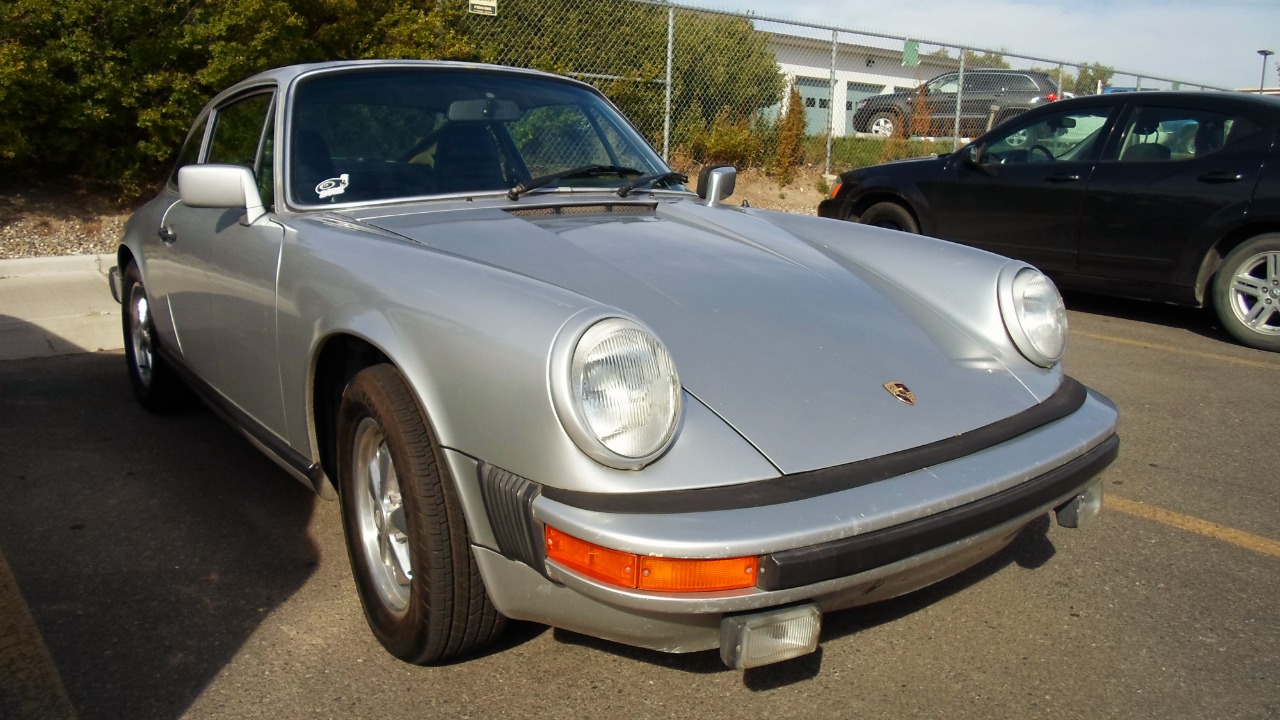
The air-cooled Porsche 911 is the textbook case of a car you promised yourself you would never sell. Guides to appreciating classics single out the Porsche 911 as a benchmark, with one overview of rising icons putting the 911 at the front of the pack. Owners who bought them as used sports cars suddenly found themselves holding six-figure assets.
That shock is echoed in a regret-filled video where an enthusiast admits that “no regretful enthusiast owners list would be complete without an aircooled Porsche” and that he “completely missed the Porsche bubble,” a confession captured in a widely shared Porsche clip. For you as an owner, that kind of spike turns a cherished weekend toy into a financial decision you cannot ignore.
Porsche 911 (Air-Cooled Models 1964–1998)
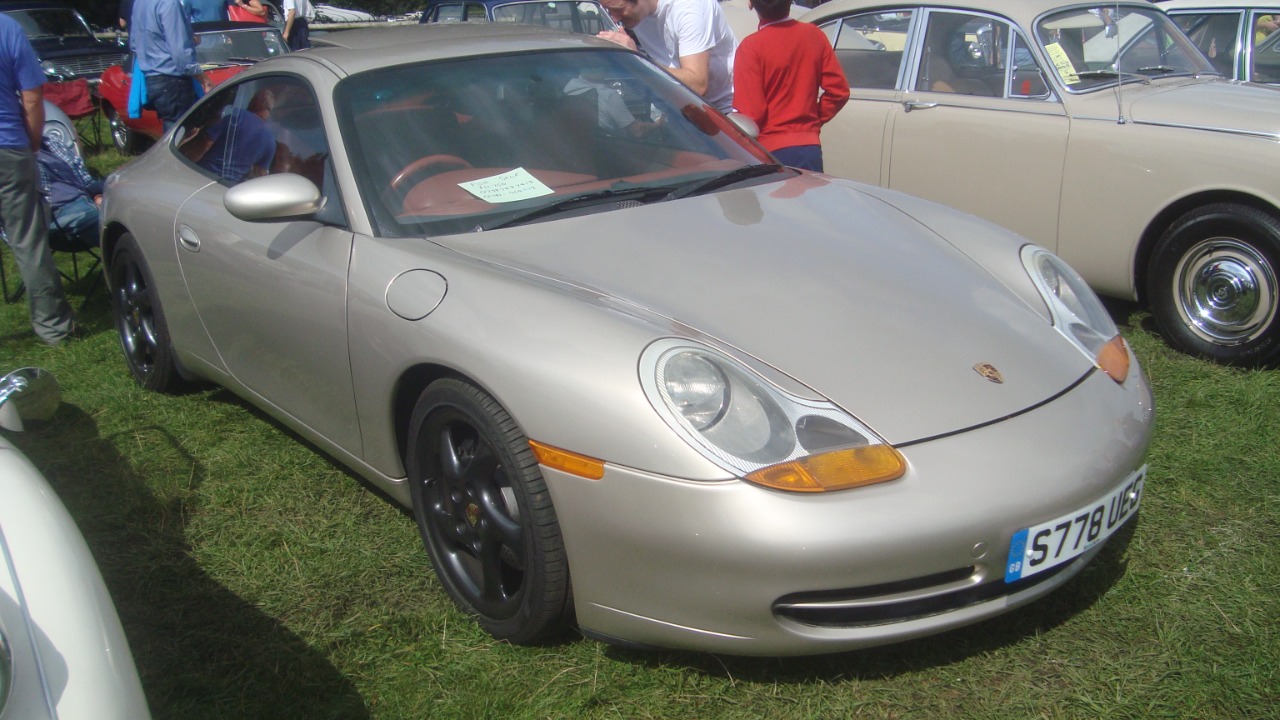
Closely related, but even more specific, are the Porsche 911 (Air-Cooled Models 1964–1998) that price guides now treat as icons. A detailed market rundown notes that these cars, often shortened simply to 911 m, have moved from attainable classics to serious investments. That shift means the car you once drove daily now sits in a climate-controlled garage, insured like artwork.
For owners, the emotional pull of the flat-six soundtrack collides with the reality that a single accident could erase a life-changing gain. When a car’s value curve looks more like a tech stock than a depreciating appliance, you start to ask whether it still makes sense to keep driving it. Many enthusiasts who swore they would never part with their air-cooled 911 eventually chose to sell at the peak and fund houses, businesses, or restorations of less valuable toys.
Toyota Supra Mk4 (1993–1998)
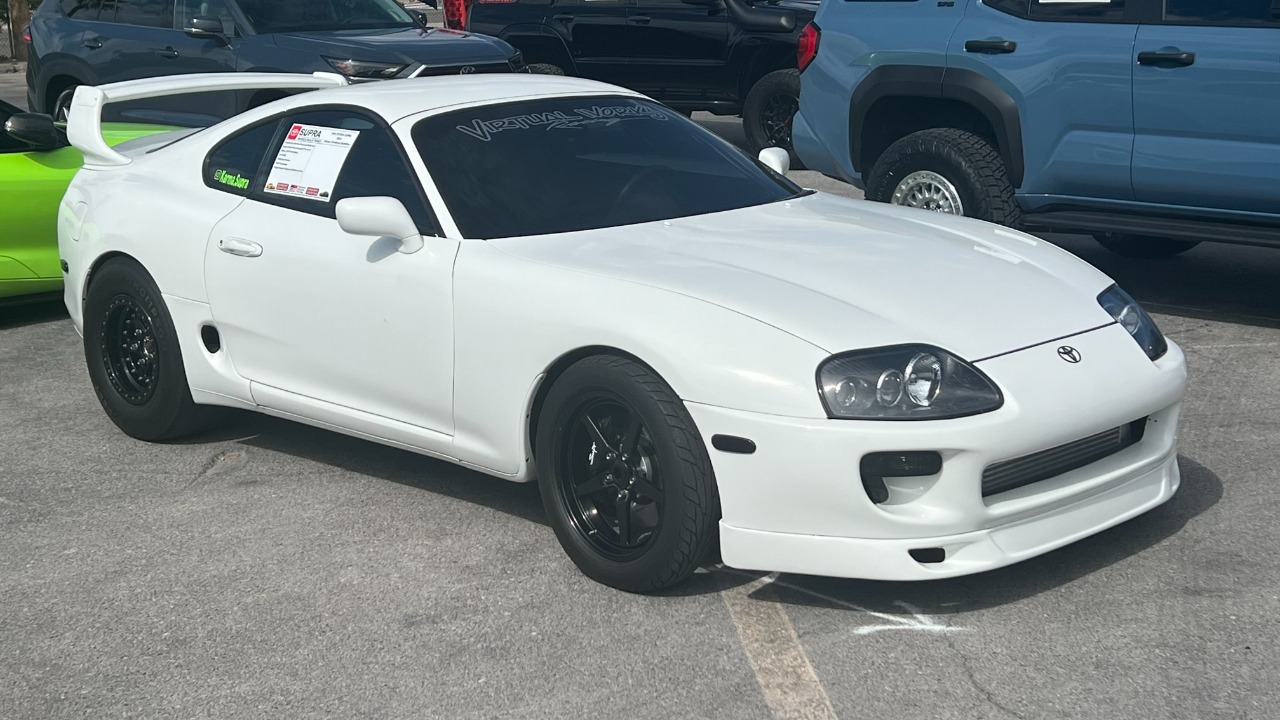
The Toyota Supra Mk4, built from 1993 to 1998, was once just the hero car from posters and video games that you might pick up used for reasonable money. The same valuation guide that highlights appreciating Porsches also points to the Toyota Supra as a modern classic that has surged in price. Clean, low-mileage examples now command sums that would have seemed absurd when these cars were simply fast, tunable coupes.
Owners who bought a Supra Mk4 to modify and enjoy suddenly discovered that collectors wanted untouched, original cars and were willing to pay a premium. That pressure changes how you treat the car in your garage, turning every mile into a calculation. Many long-time Supra drivers eventually gave in, selling to overseas buyers or specialist dealers when offers climbed into supercar territory, even if they had once promised themselves they would never let the car go.
Ferrari modern collectibles
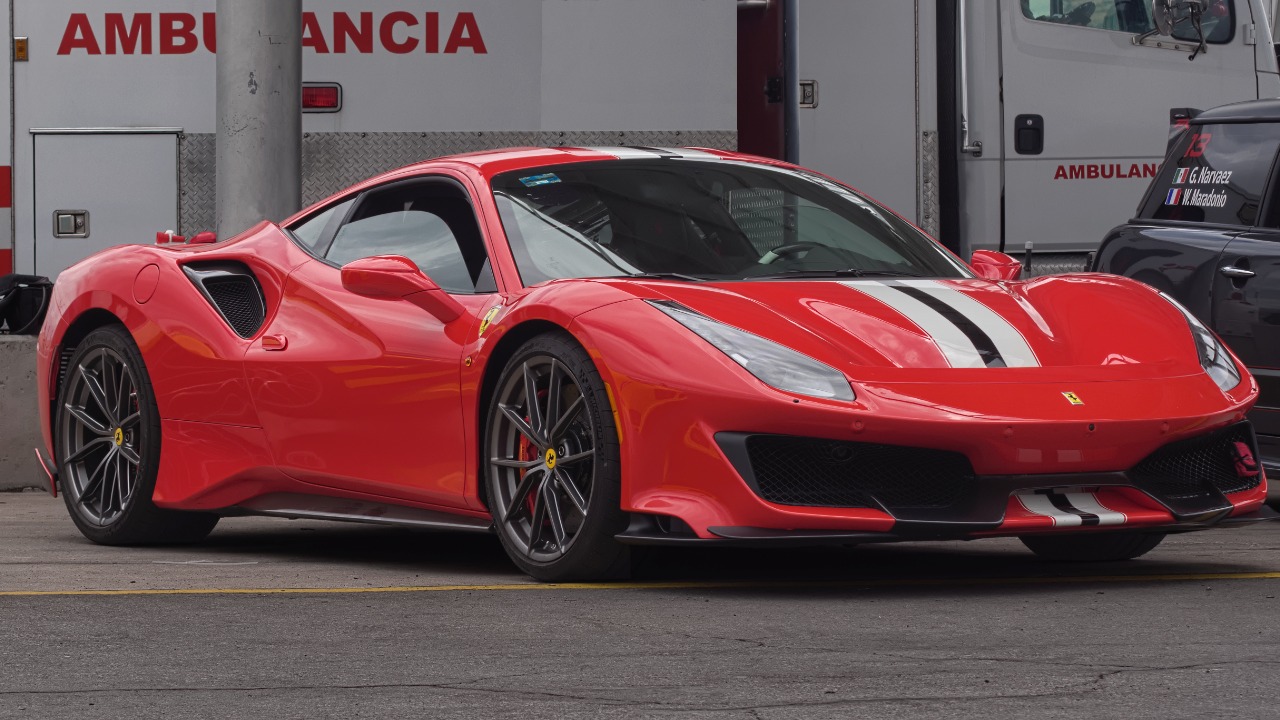
Recent analysis of rising collector values singles out Ferrari as a brand that has managed its desirability with unusual precision. One deep dive into post-2020 appreciation notes that “Ferrari has done a masterful job of understanding who they are, and then they’re constantly building the products that live up to” that identity, a point underscored in a report on Ferrari values. That strategy has turned limited-production models into rolling savings accounts.
If you bought a V8 or V12 Ferrari to drive rather than to speculate, the rapid appreciation can feel like a mixed blessing. On one hand, your garage suddenly holds a car that outperforms traditional investments. On the other, you may feel pressure to sell while the market is hot, especially if servicing costs and insurance keep climbing. Owners who once saw their Ferraris as permanent fixtures increasingly treat them as part of a portfolio, trading out when the numbers become irresistible.
Mazda MX-5 Miata
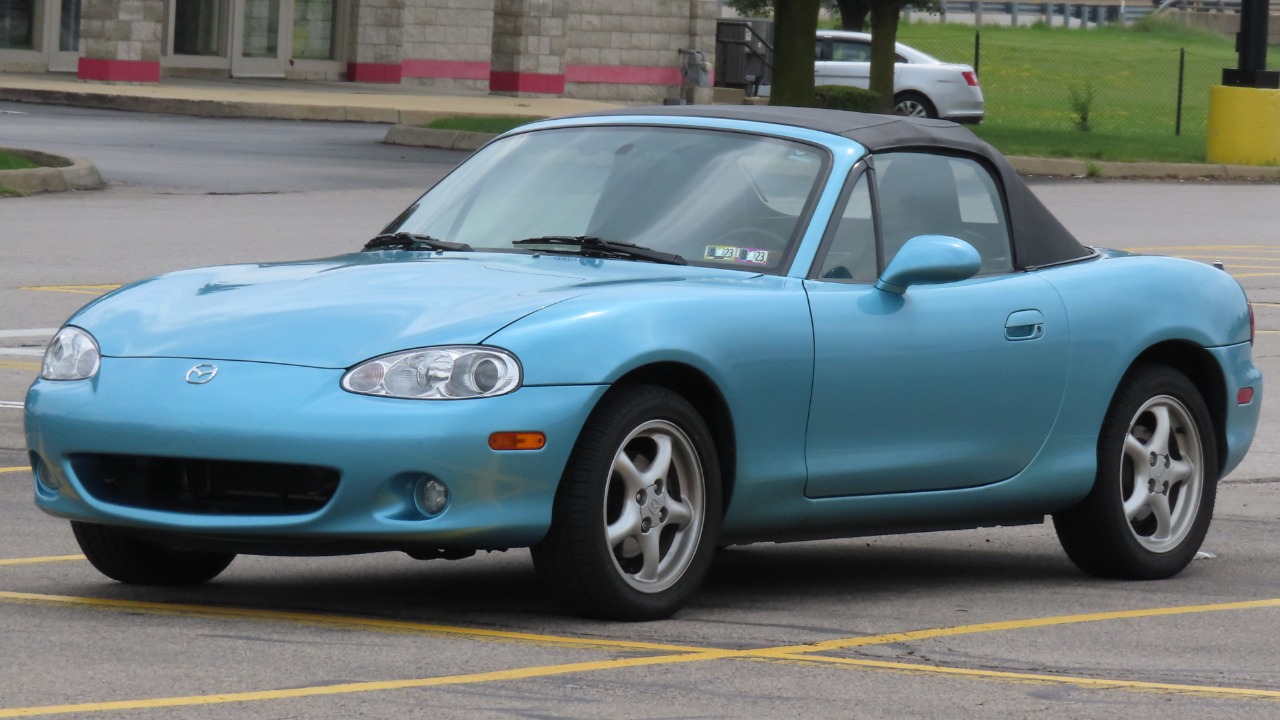
The Mazda MX-5, often shortened to Mazda MX in market lists, has long been the answer to the question of which sports car you should never sell. Yet even this humble roadster is now appearing on watch lists for future appreciation. A forecast of upcoming classics notes that Mazda MX models are poised to climb, especially early, unmodified cars.
For you as an owner, that means the carefree, top-down runabout you bought for back-road fun is slowly turning into a collectible. Rising values can justify better maintenance and careful storage, but they also attract buyers who want to lock in clean examples before prices move further. Many Miata drivers who once joked they would be buried in their cars are now quietly fielding offers, weighing the joy of keeping a perfectly balanced roadster against the chance to sell at a premium and move into something newer.
Volkswagen Golf GTI
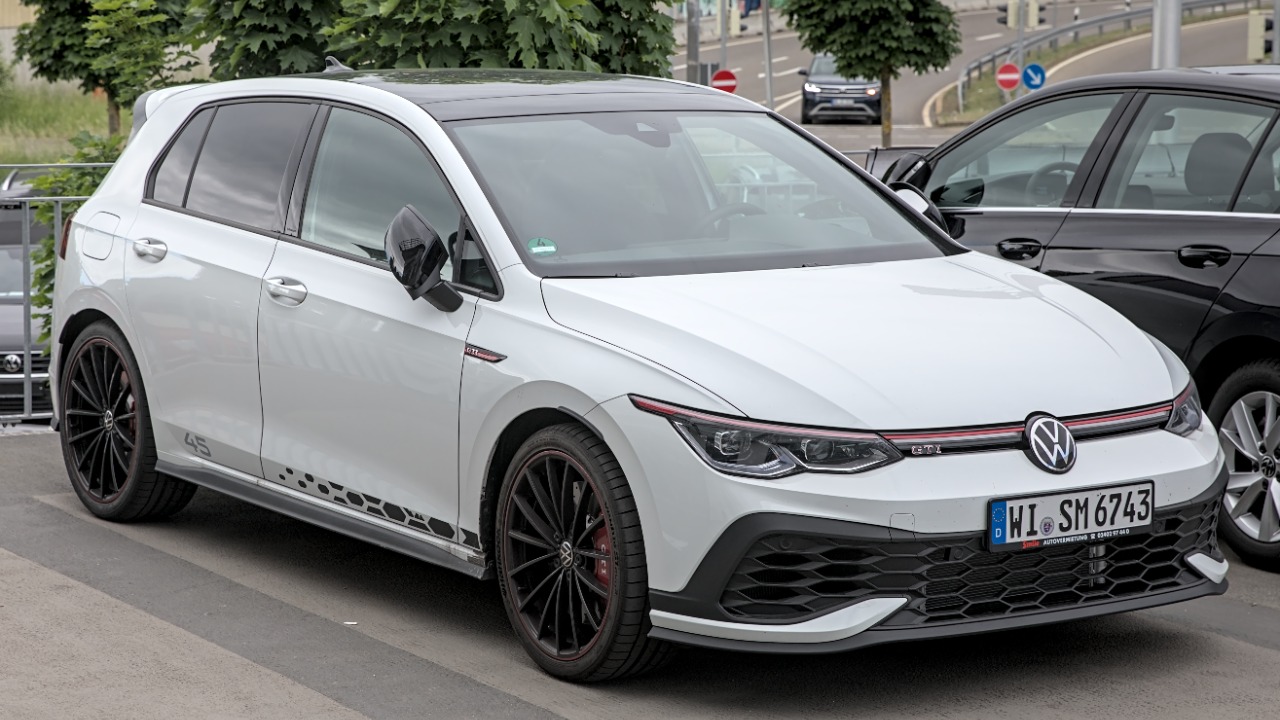
The Volkswagen Golf GTI has always been the practical enthusiast’s choice, a hot hatch you could drive daily and never worry about. That perception is changing as collectors start chasing the earliest generations. The same forward-looking valuation work that highlights the Miata also flags the Golf GTI as a car to watch, especially in clean, original form.
Once values start to move, the calculus for you as an owner shifts quickly. That slightly scruffy GTI you kept for nostalgia suddenly looks like a rare survivor, and every modification or track day carries a financial cost. Enthusiasts who bought early GTIs as cheap fun are now seeing offers from younger buyers who grew up idolizing the badge, pushing some long-time owners to sell while the market is still climbing and supply of unmolested cars is tight.
Audi TT (8N)
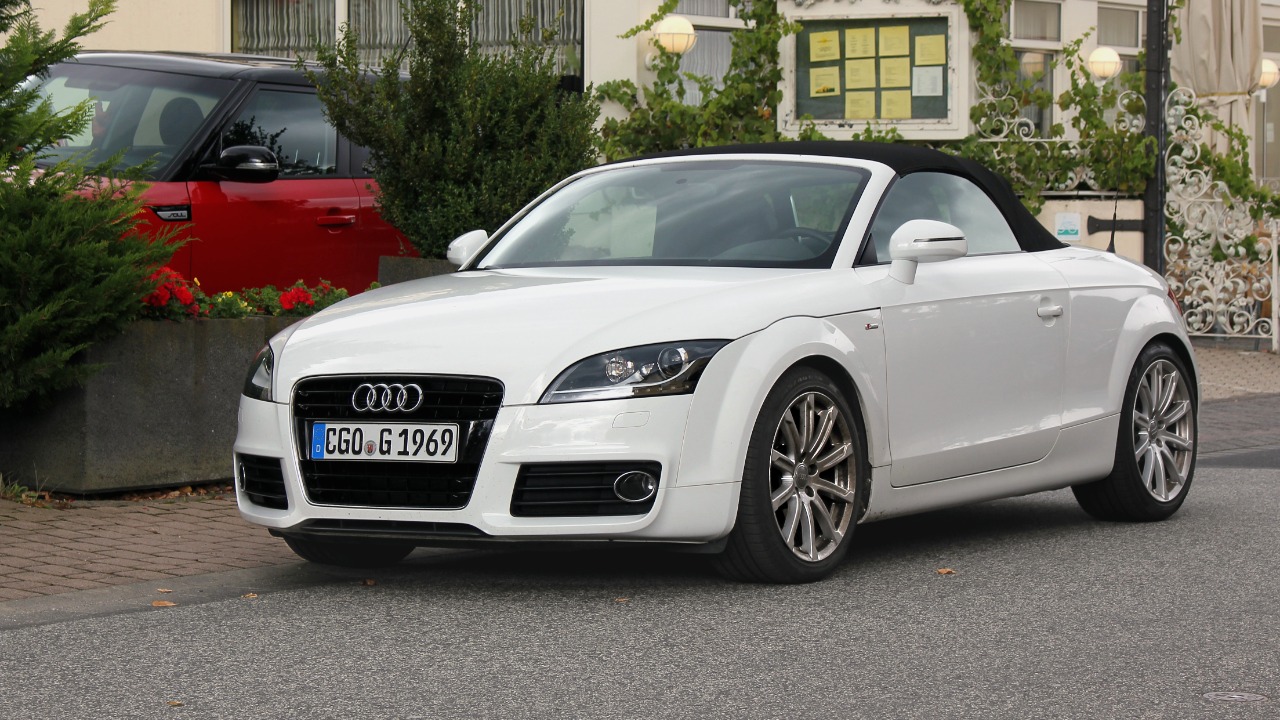
The first-generation Audi TT (8N) spent years in the used-car wilderness, dismissed as a fashion statement rather than a serious driver’s car. That perception is changing fast. A detailed look at emerging collectibles argues that, “Because let’s be honest, the most interesting cars are usually the ones that color outside the lines,” and singles out the Audi TT for its timeless design.
That same analysis notes that clean VR6 models are inching upward, described as “criminally undervalued.” If you bought an 8N TT as an affordable design icon, you may now find yourself babying it, preserving original wheels and interiors instead of modifying. As more people recognize its place in turn-of-the-millennium car culture, the temptation grows to cash in on rising interest, especially if you own a rare color or specification that collectors are starting to chase.
Land Rover Defender
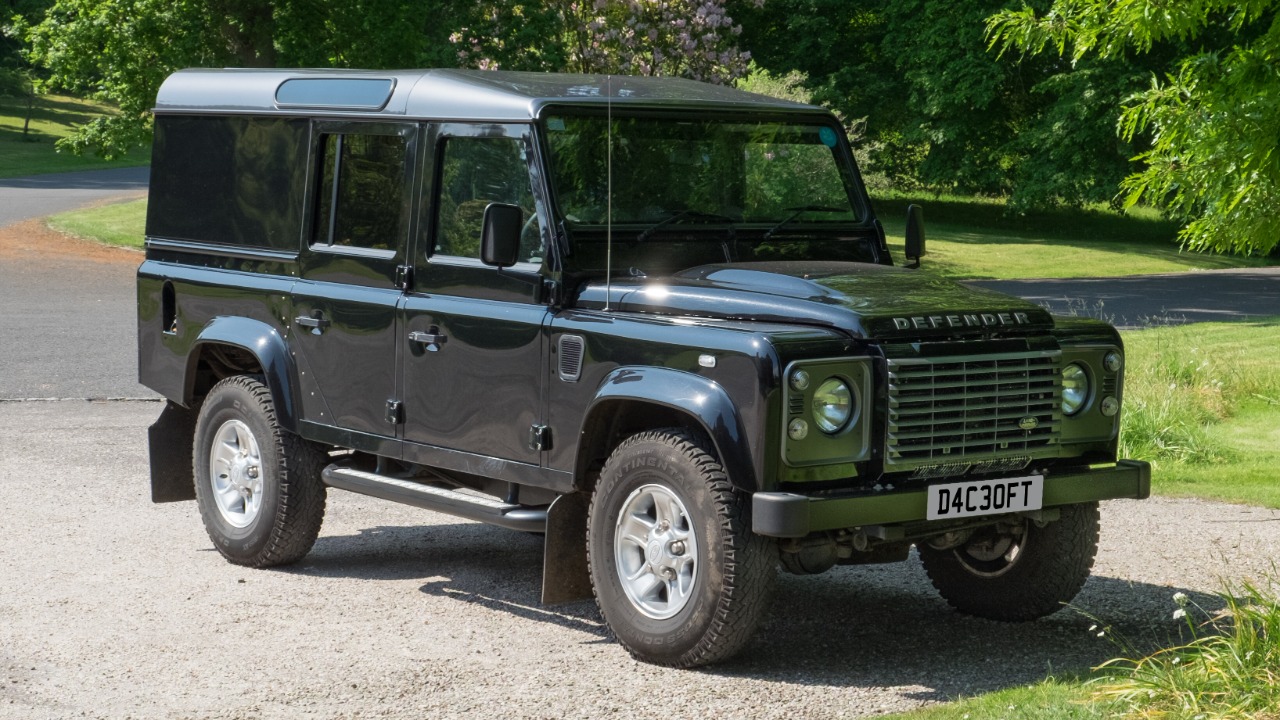
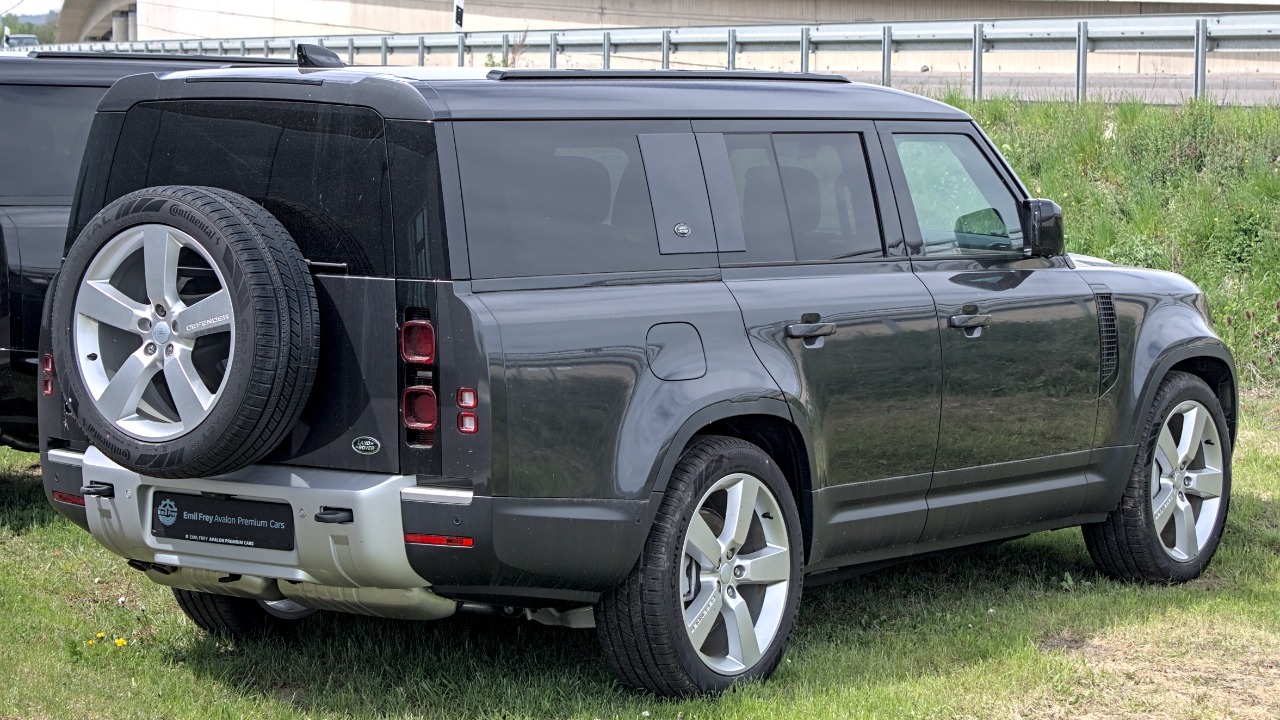
The Land Rover Defender was once just a rugged tool, the sort of vehicle you kept forever because it could be fixed with basic tools and a bit of patience. Import specialists now emphasize that The Defenders they source “are affordable and will continue to increase in value year after year,” even claiming returns of “480+ which exceeds the stock market gains,” according to an The Defenders investment pitch.
When a workhorse 4×4 starts being marketed like a financial product, owners feel the shift. You might have bought a Defender to haul gear or explore trails, but rising prices and import demand can make it hard to justify keeping it dirty and dented. Many long-time owners who once assumed their trucks would stay in the family are now approached by investors and overseas buyers, forcing a choice between sentimental attachment and the chance to lock in stock-market-beating gains.
Lexus IS250 SIX SPEED MANUAL
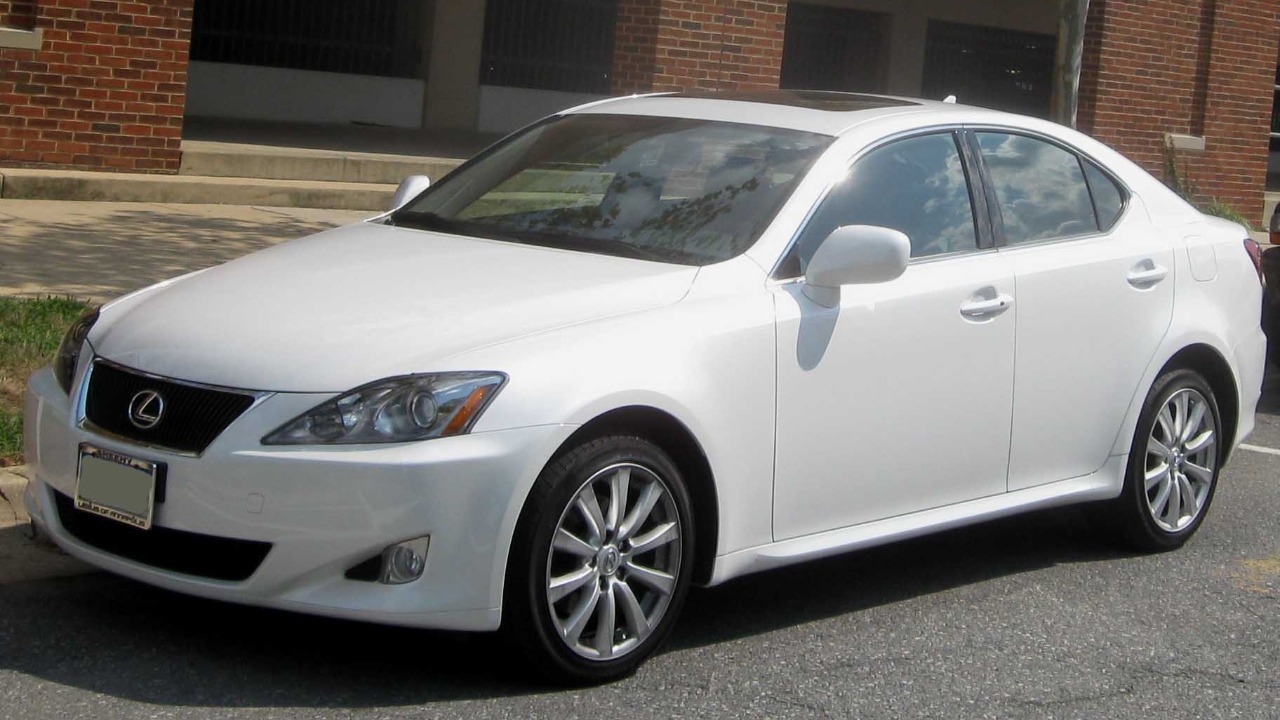
Not every appreciating car is an obvious collectible. On an enthusiast forum, one user named westcav answers the question “What car have you owned that you regret selling the most?” by pointing to a 2008 Lexus IS250 with a SIX SPEED MANUAL, a story preserved in a widely shared Lexus thread. Manual, rear-drive sedans like this are disappearing, which is pushing up demand.
If you own a similar car, you may have noticed that clean, low-mileage examples are no longer cheap. Enthusiasts who once saw these as anonymous daily drivers now hunt specifically for the SIX SPEED MANUAL configuration, treating it as a future classic. That attention can nudge you toward selling, especially if you realize that your comfortable commuter has quietly become one of the last analog sport sedans of its kind.
Toyota Highlander kept for 15 years

Not all “never sell” cars are sports models. A breakdown of long-term ownership patterns points out that the Toyota Highlander is kept by 18.3% of original owners for at least 15 years, a statistic highlighted in a feature on Here Are Some. That loyalty reflects a mix of reliability, practicality, and emotional attachment that makes people plan to keep the SUV indefinitely.
However, as used-car prices have surged, even these family workhorses have turned into unexpectedly valuable assets. If you own a well-maintained Highlander from the mid-2000s, you may find dealers offering generous trade-in values or private buyers willing to pay a premium. The same qualities that made you want to keep it forever now make it a hot commodity, and for some owners, that is enough to finally break the “never sell” promise.
More from Fast Lane Only