You have probably laughed at a car in a parking lot, certain some designer had a very bad day. Yet history keeps proving that the vehicles that look like mistakes often end up changing tastes, spawning cults, or quietly minting money. Here are 13 times you would have bet against a car, only to watch it prove everyone wrong.
Fiat Multipla

The Fiat Multipla It is the car you still joke about, with that double-decker face and bulging glasshouse that looks like two designs welded together. When people talk about weird-looking cars, the Multipla always tops lists of the strangest shapes, and it regularly appears in roundups of the ugliest cars ever sold. On first impression, you would never guess it was a serious piece of family engineering.
Look past the face, though, and you see why it quietly won people over. The Multipla squeezed six full-size seats into two rows of three, something even larger crossovers still struggle to match, as detailed in weirdest-cars coverage. You got panoramic visibility, a tiny footprint for tight European streets, and a cabin that worked like a rolling living room, proving that function can eventually charm buyers who initially recoil from the styling.
Nissan Juke

The Nissan Juke arrived looking like a concept car that accidentally escaped the design studio, with frog-eye lamps perched high on the hood and swollen wheel arches. Early on, many reviewers slotted it among the ugliest cars, arguing that its proportions were simply too odd. You might have assumed it would be a short-lived curiosity, quietly dropped after a single generation.
Instead, the Juke helped define the small crossover segment for younger drivers. A video on worst redesigns notes that it was the opposite of everything car design was supposed to be, until Generation Y showed up and bought every single one. By leaning into playful styling and compact dimensions, it proved that you could sell personality over convention, nudging rivals to take more risks with their own crossovers.
Chrysler PT Cruiser

The Chrysler PT Cruiser Retro looked like a cartoon panel van, with its high roof, fender flares, and unapologetically nostalgic grille. It routinely appears in lists of the ugliest designs, with critics arguing that its retro theme went too far. Parked next to sleek early‑2000s sedans, it looked like it had time-traveled from a different century.
Yet buyers lined up, especially in North America, where waiting lists formed in the early years. Coverage of retro styling notes that The Fiat 500 pulled off the same trick later, but the PT Cruiser got there first, proving there was real money in nostalgia. For you as a consumer, it showed that emotional connection and practicality, with its flexible interior and tall seating, can outweigh any design purist’s complaints.
Nissan Cube

The Nissan Cube took the idea of a boxy city car and pushed it to an extreme, with asymmetrical rear glass and a profile that looked like a rolling refrigerator. It is regularly grouped with the strangest shapes in modern motoring, including in ugliest-car rundowns that also mention BMW and the Iso Isetta. At launch, you might have wondered who would willingly drive something that looked like a concept sketch left unfinished.
For urban drivers, though, the Cube’s design made perfect sense. The upright sides created a Tardis-like interior, and the wraparound rear glass improved visibility in tight city traffic. Its lounge-style rear bench and playful details turned it into a mobile hangout, especially attractive to younger buyers who valued quirkiness over conformity. In that way, the Cube helped normalize the idea that a car could be a lifestyle accessory first and a traditional status symbol second.
Tesla Cybertruck
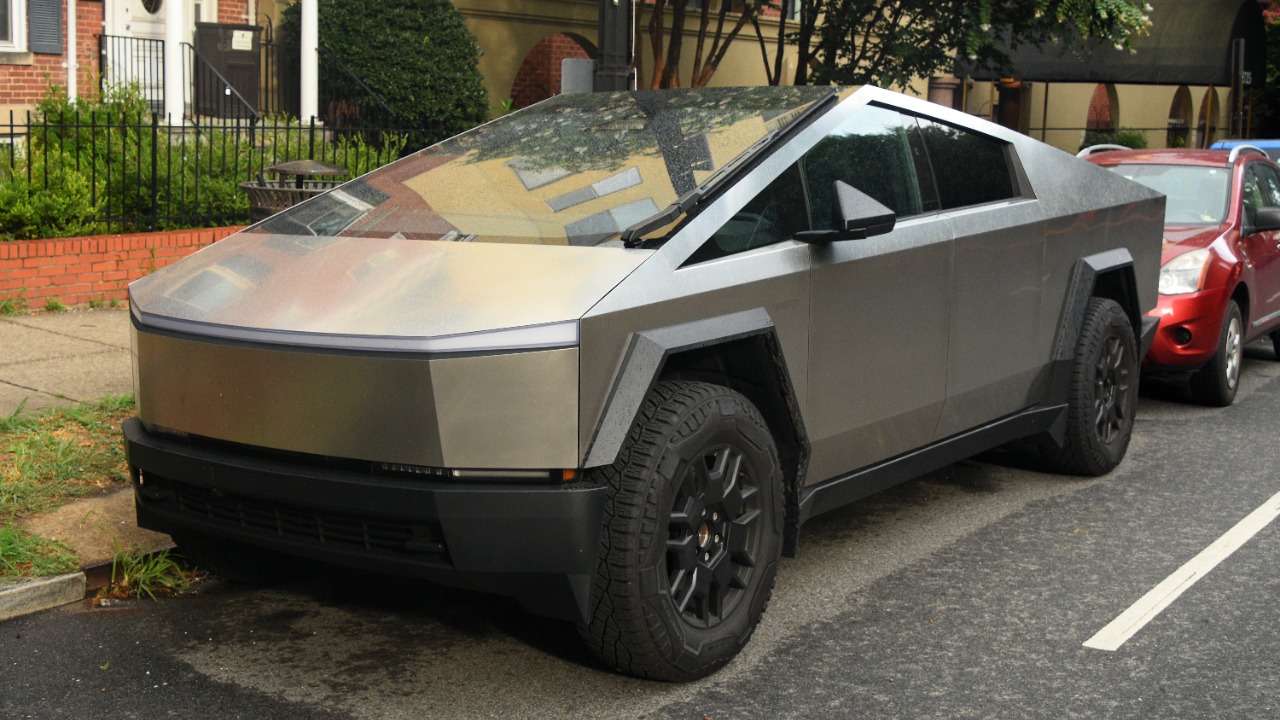
The Tesla Cybertruck landed like a stainless-steel UFO, all sharp angles and flat planes that ignored decades of pickup design wisdom. When it first appeared, many observers slotted it alongside the ugliest modern vehicles, arguing that no traditional truck buyer would touch it. You might have assumed it was a design experiment rather than a serious production model.
Yet the Cybertruck tapped into a different kind of truck customer, one more interested in tech and spectacle than chrome grilles. Its radical form factors in claimed durability and electric performance, and the sheer volume of reservations showed that a wedge-shaped pickup could command real demand. For the wider industry, it signaled that even the most conservative segments are vulnerable to disruption when a brand is willing to ignore every styling rule at once.
The Plymouth Prowler

The Plymouth Prowler looked like a factory-built hot rod, with open front wheels, a pointed nose, and a stance that seemed better suited to a comic book than a dealership. At launch, critics questioned who would buy such an impractical two-seater with a modest V6, and sales never matched the hype. Despite its unique design and impressive performance, the Prowler was not a commercial success, as noted in auction data.
Only a limited number were built, and that scarcity has transformed it into a collectible. Today, The Plymouth Prowler is highly sought after by enthusiasts who appreciate that a major manufacturer once greenlit something so wild. For you as a modern buyer, its story underlines how short-term sales can mislead, and how daring design often needs time, and a bit of nostalgia, before it is fully appreciated.
DeLorean DMC‑12

The DeLorean DMC‑12 was initially a commercial disappointment, hampered by quality issues, modest performance, and a price that outpaced its capabilities. Contemporary buyers saw the brushed stainless body and gullwing doors as gimmicks that could not justify the cost. On paper, it looked like a cautionary tale about overpromising and underdelivering in a crowded sports-car market.
Then Hollywood intervened. As detailed in coverage of the flying DMC, its appearance in the Back to the Future trilogy as a time machine turned it into one of the most recognizable cars on Earth. Values climbed, fan clubs formed, and the DMC‑12 became proof that cultural impact can outweigh any balance sheet, reshaping how you think about what success looks like for a vehicle.
Ford Edsel
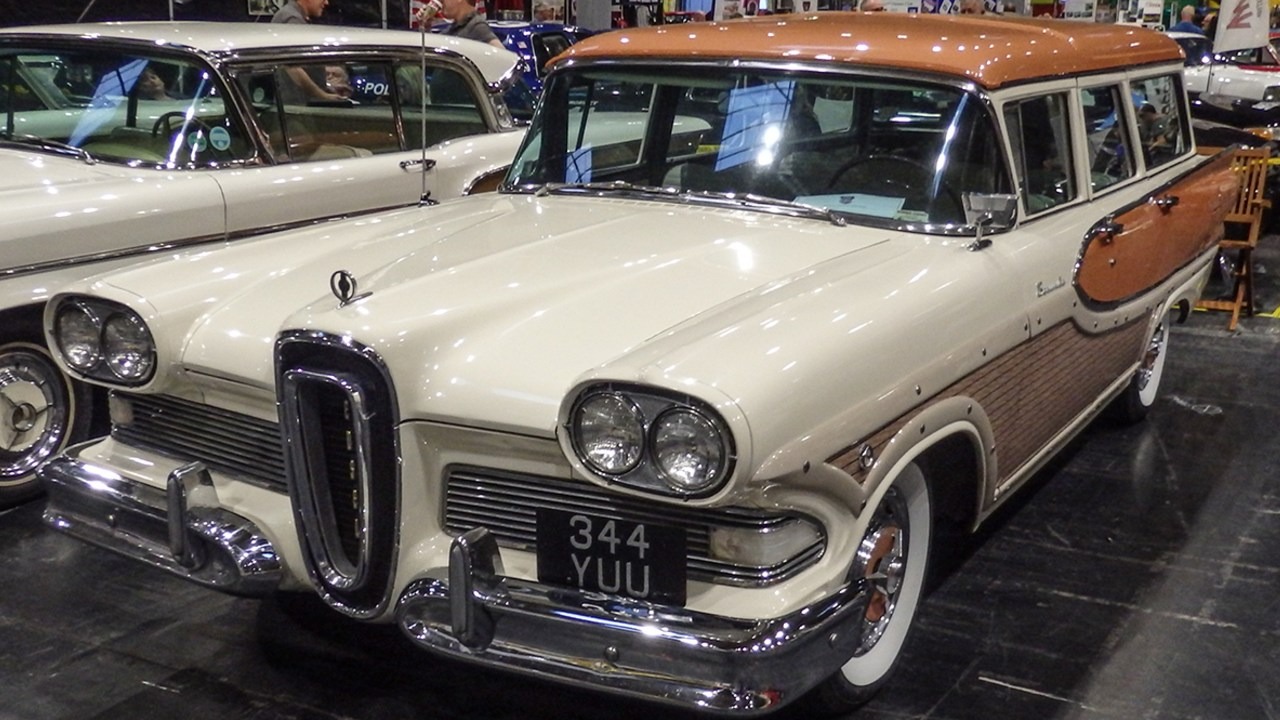
The Ford Edsel is shorthand for failure, with its controversial horse-collar grille and launch missteps often cited as a textbook blunder. At the time, buyers recoiled from its styling and confusing model strategy, and production ended quickly. Among the most notable misfires in automotive history, the Edsel is frequently mentioned in lists of cars that failed so spectacularly they became infamous, as highlighted in historical overviews.
Yet that same infamy has given the Edsel a second life. Collectors now chase well-preserved examples precisely because of the story attached to them, and the car has become a rolling case study in marketing, design, and consumer psychology. For you, the Edsel shows how a supposed disaster can evolve into a valuable artifact, teaching future designers and executives where the line between bold and baffling really lies.
The Tucker 48

The Tucker 48 looked unconventional in its own right, with a central third headlight that turned with the steering and a low, aerodynamic body. At the time, skeptics saw it as an overambitious project from an upstart company, and legal battles cut production short. In discussions of major automotive scandals, The Tucker is often cited as an example of how innovation can collide with entrenched interests.
With only 48 cars built, surviving Tuckers are now among the most coveted collector vehicles in the world. Their advanced safety features and forward-thinking engineering, introduced After World War II when America was hungry for new ideas, look remarkably prescient today. If you care about automotive progress, the Tucker 48 proves that a car can lose the commercial battle yet win the historical war, influencing safety and design long after production stops.
Trabant

The Trabant, built in East Germany, was mocked for its smoky two-stroke engine and duroplast body, often described as one of the worst cars ever made. In lists of unloved vehicles that later became cult classics, the Trabant appears again and again, including in features that highlight how it went from punchline to icon, as seen in ugly-classic roundups. At the time, Western observers saw it as proof of how far behind Eastern Bloc engineering had fallen.
History has been kinder. The Trabant now serves as a rolling symbol of a vanished political system, starring in city tours and nostalgia events across former Eastern Europe. Its simplicity makes it easy to maintain, and its quirky looks photograph well, which matters in the age of social media. For you, it is a reminder that cultural context can transform a derided product into a beloved time capsule.
AMC Gremlin

The AMC Gremlin was born from a simple idea, chop the back off a compact car to create a subcompact, resulting in a profile that looked unfinished. It regularly appears in lists of the strangest and worst cars, including in Exploring Some of, where AMC and Gremlin are singled out for their odd proportions. At launch, many buyers saw it as a cost-cutting exercise rather than a thoughtfully designed vehicle.
Yet the Gremlin anticipated the shift toward smaller, more efficient cars in the United States, arriving just as fuel concerns began to bite. Its compact footprint and simple mechanics made it accessible transportation for younger drivers and budget-conscious families. Over time, its weirdness turned into charm, and today you see Gremlins at shows as symbols of 1970s experimentation, proving that even awkward ideas can be early answers to questions the market has not fully asked yet.
Ford Escort “Mk5”

The Escort in its early‑1990s form was widely panned as dull and underdeveloped, with critics arguing that Ford had misread what compact buyers wanted. The Escort had indeed slipped behind the Fiesta in 1990 and 1991 in the United Kingdom, a symbolic blow for a long-time bestseller. On paper, it looked like a misstep that would permanently damage the nameplate’s reputation, as detailed in analysis of famously disastrous cars.
Yet the story did not end there. The update can be seen as a turning point, because the Escort regained the top spot the year after that, showing how quickly fortunes can reverse when a manufacturer responds to criticism. For you, the Escort saga illustrates that even when a redesign looks like a mistake, incremental improvements and brand loyalty can rescue a model, turning an apparent flop into a case study in recovery.
Chevrolet El Camino

The Chevrolet El Camino confused people from day one, a car‑truck mashup that seemed to satisfy no obvious brief. Everyone had their panties in a bunch and knickers in a twist, as one retrospective on From Lame to Legendary Cars That Found Their Cool puts it, because it was too impractical for heavy hauling yet too compromised to be a traditional coupe. You might have written it off as a niche experiment destined for quick cancellation.
Instead, the El Camino carved out a loyal following among buyers who wanted style and utility in one package. Its long production run and enduring presence in pop culture, from music videos to custom-car shows, turned it into a symbol of American automotive eccentricity. For modern designers, it proves that crossing categories, even awkwardly at first, can create entirely new niches, and that vehicles which look like mistakes today may be the ones enthusiasts cherish tomorrow.
More from Fast Lane Only