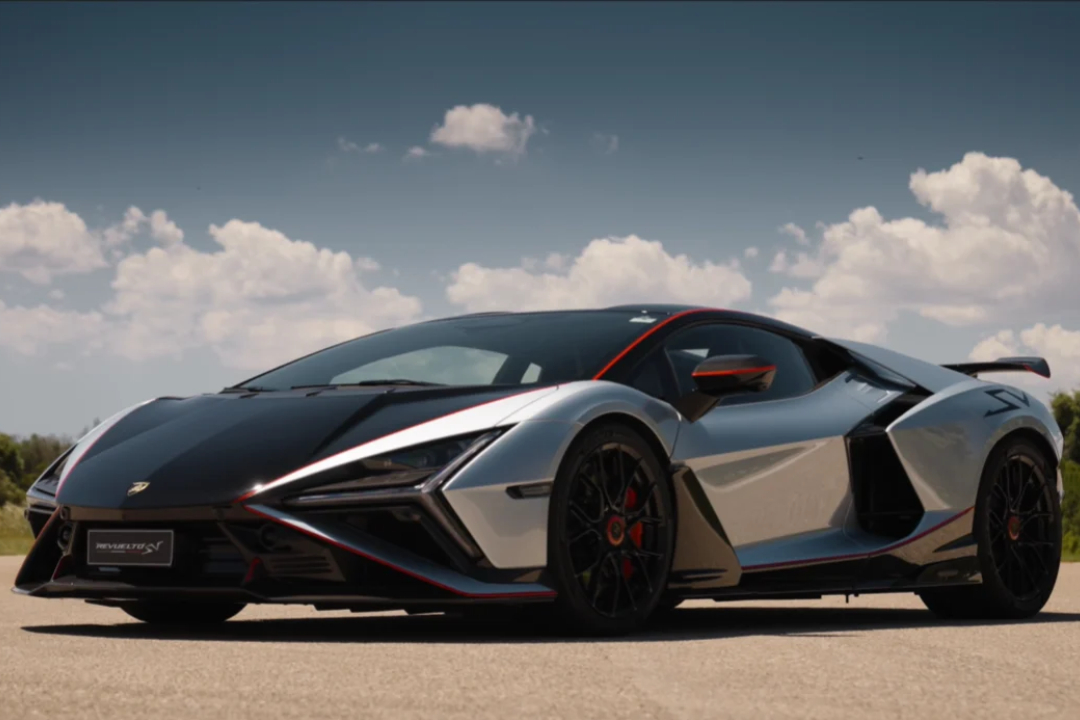
The automotive market is constantly evolving. What buyers value in one decade can seem outdated in the next, and the vehicles that succeed often reveal how consumer priorities are changing. Some cars arrive at exactly the right moment, capturing shifts in design, technology, practicality, or lifestyle preferences. Looking back, these models represent more than successful products—they serve as markers of changing tastes, showing how drivers gradually redefined what they wanted from their vehicles.
Ford Taurus
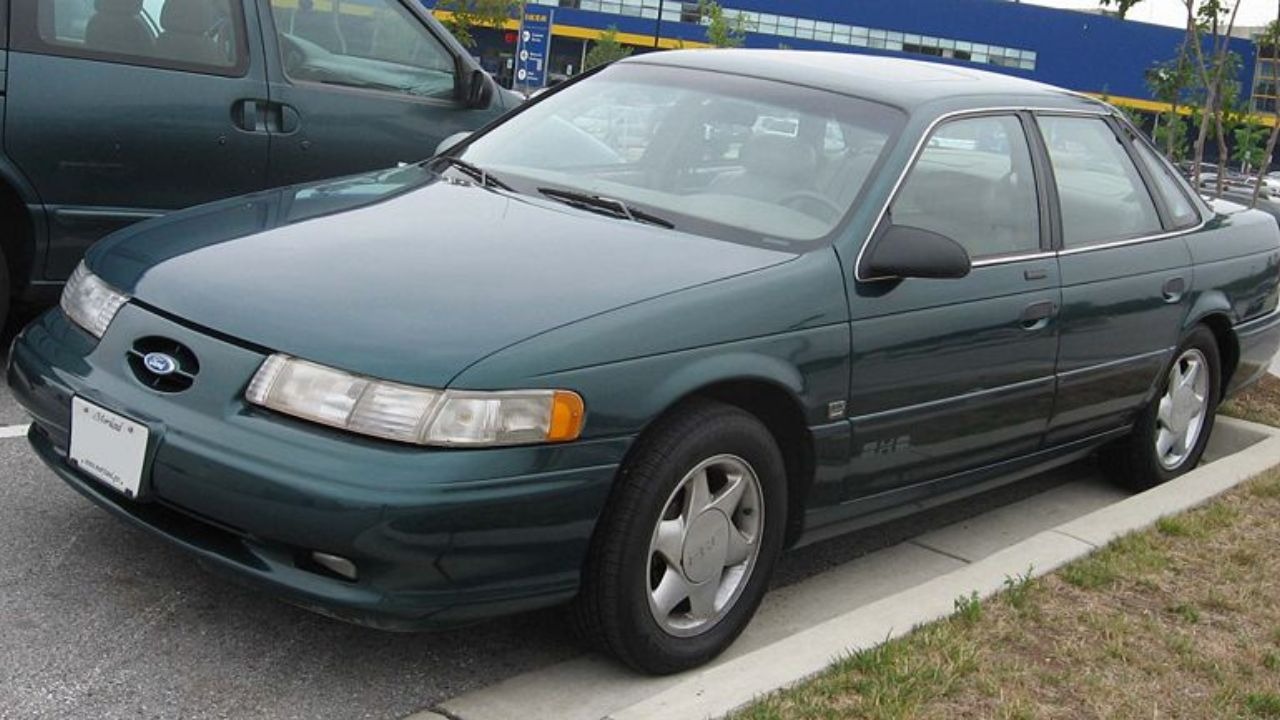
The Ford Taurus helped usher in a new era of aerodynamic design. At a time when many sedans still featured boxy shapes and conservative styling, the Taurus looked modern and forward-thinking. Buyers embraced its sleek appearance and practical layout, signaling a shift away from traditional design conventions. Its success encouraged competitors to rethink their own vehicles, helping reshape the family sedan market for years to come.
Chrysler PT Cruiser
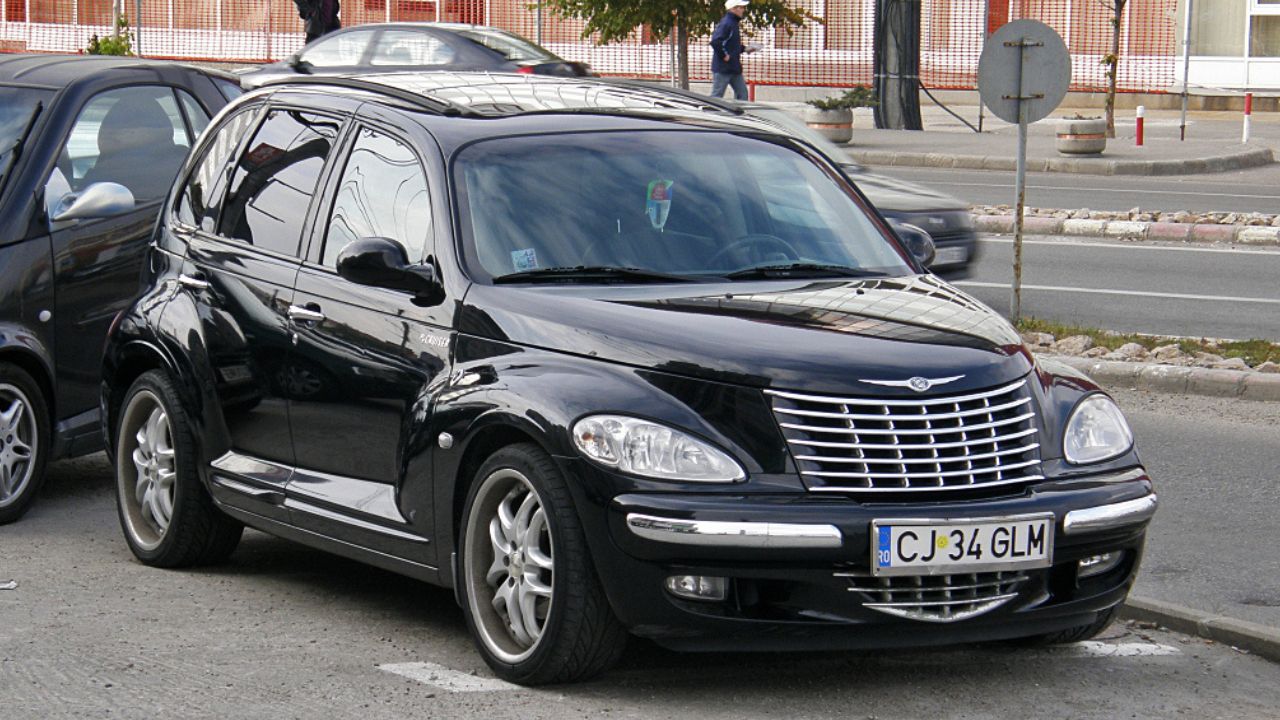
The Chrysler PT Cruiser arrived during a period when retro-inspired styling was gaining momentum. Buyers were increasingly interested in vehicles with personality rather than purely functional transportation. Its distinctive design helped it stand out in crowded parking lots and suburban driveways. While opinions on its appearance varied, the PT Cruiser demonstrated that consumers were willing to embrace unconventional styling if it offered enough character.
Toyota RAV4
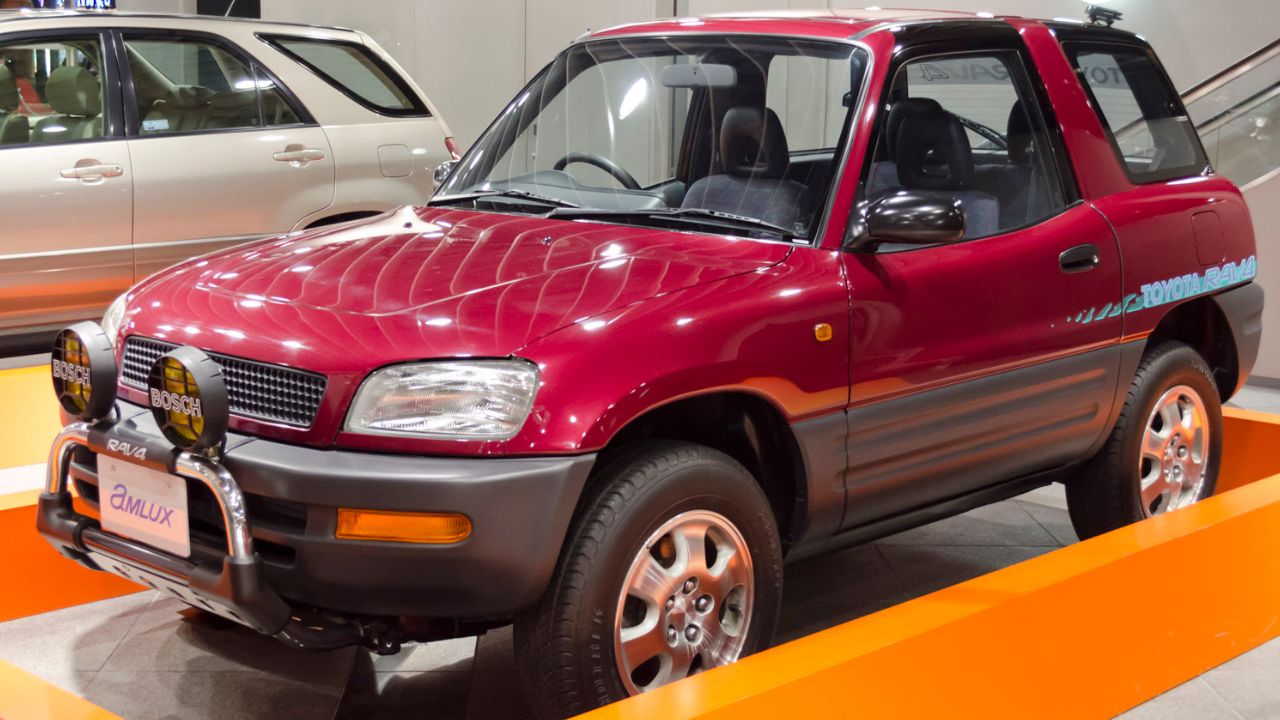
The Toyota RAV4 reflected changing attitudes toward utility vehicles. Many buyers wanted the versatility and elevated driving position of an SUV without the size, weight, or fuel consumption associated with traditional truck-based models. The RAV4 delivered that balance and helped establish the crossover formula that would eventually dominate the industry. Its popularity revealed a growing preference for flexibility over specialization.
Volkswagen New Beetle
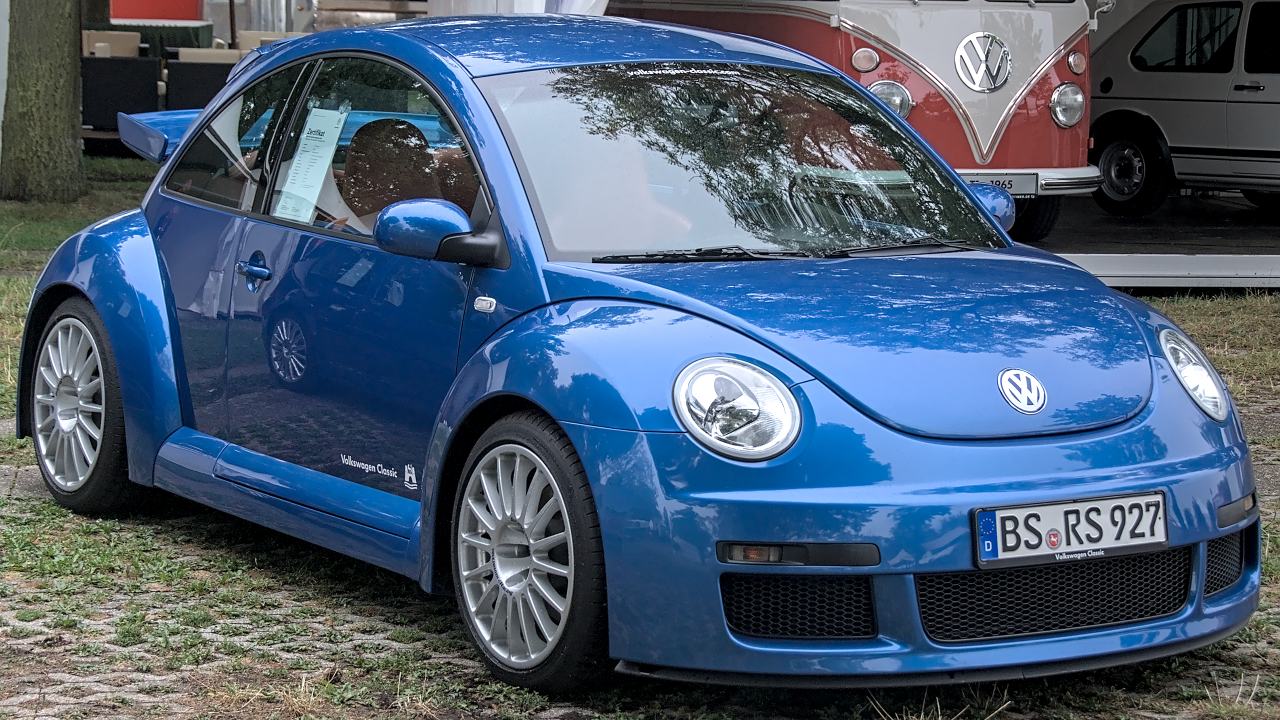
The Volkswagen New Beetle capitalized on nostalgia while appealing to a new generation of buyers. Consumers increasingly sought emotional connections with their vehicles, and the Beetle’s familiar shape delivered exactly that. Rather than focusing solely on practicality or performance, it succeeded by making people feel something. Its popularity highlighted a period when heritage and personality became powerful marketing tools.
Nissan Murano
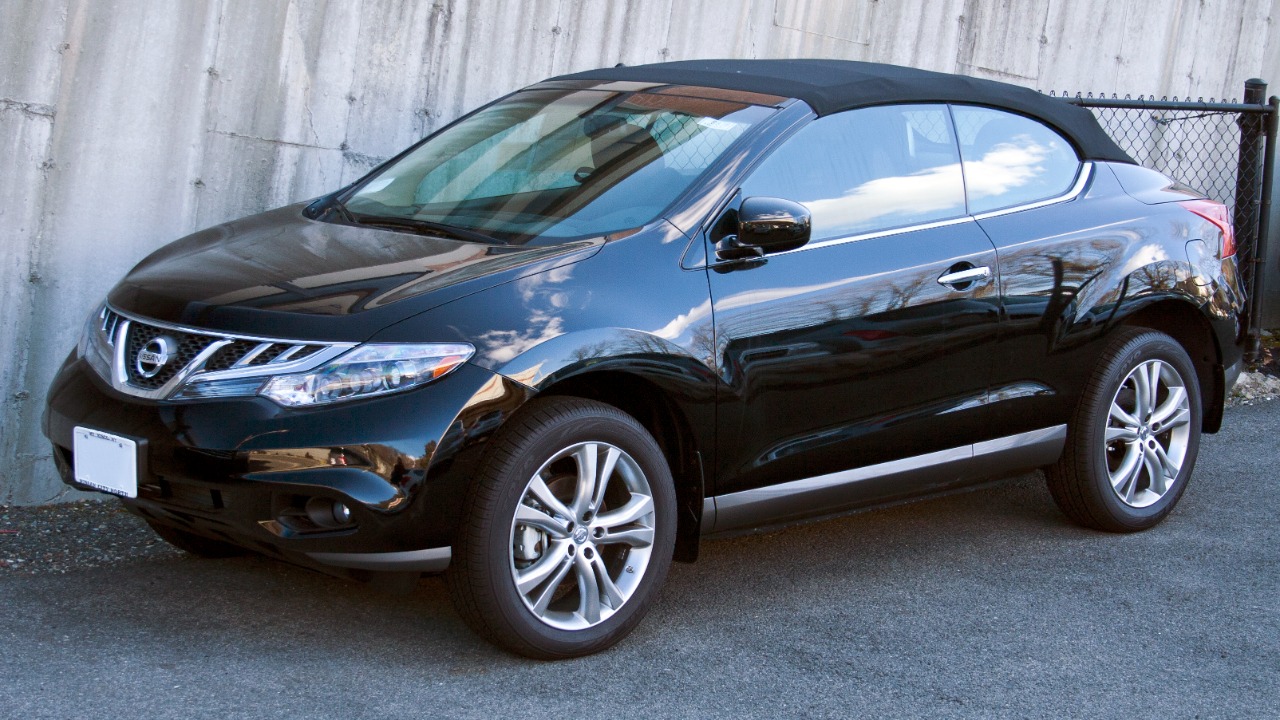
The Nissan Murano demonstrated that buyers were beginning to expect more style from their utility vehicles. Rather than treating SUVs as purely practical machines, the Murano emphasized bold design and a more premium feel. Its success suggested that consumers no longer wanted to choose between functionality and aesthetics. The crossover segment would continue moving in that direction, making the Murano an early indicator of future trends.
Mini Cooper
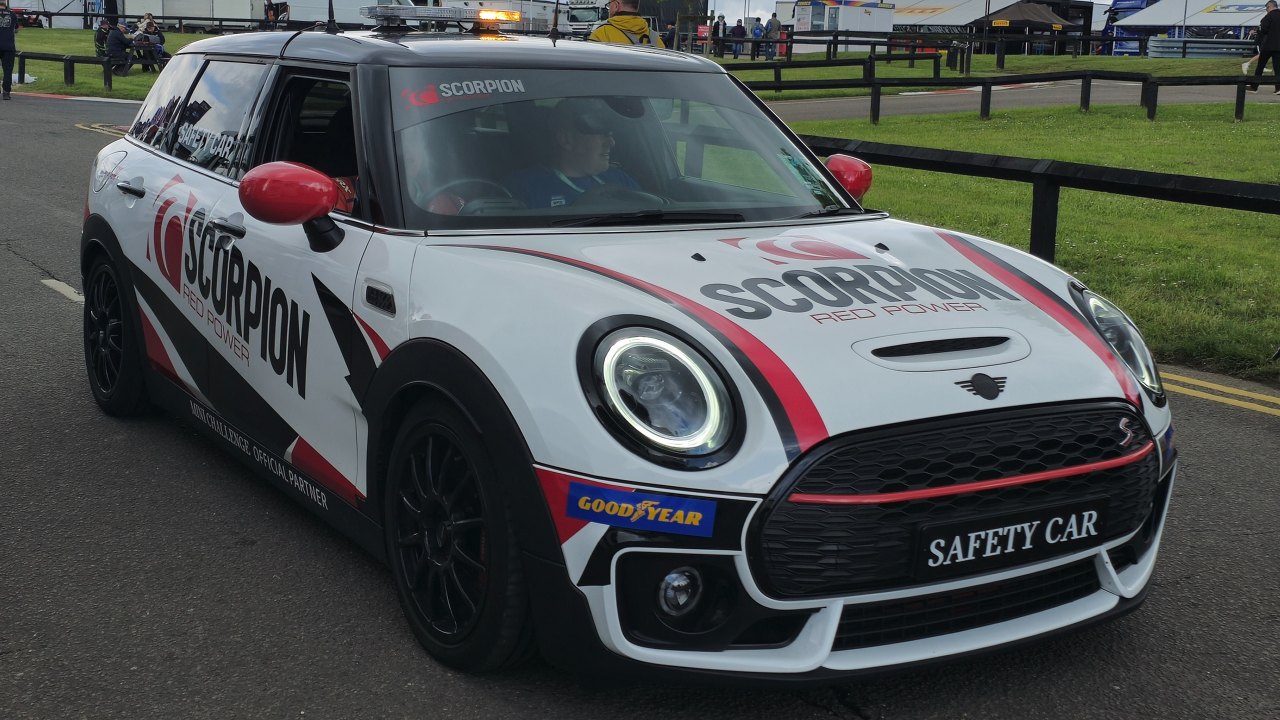
The modern Mini Cooper arrived at a time when smaller cars were often viewed as compromises. By combining premium materials, distinctive styling, and enjoyable driving dynamics, it challenged that perception. Buyers embraced the idea that compact vehicles could be fashionable and desirable rather than merely economical. The Mini’s success reflected a shift toward vehicles that offered personality regardless of their size.
Kia Soul
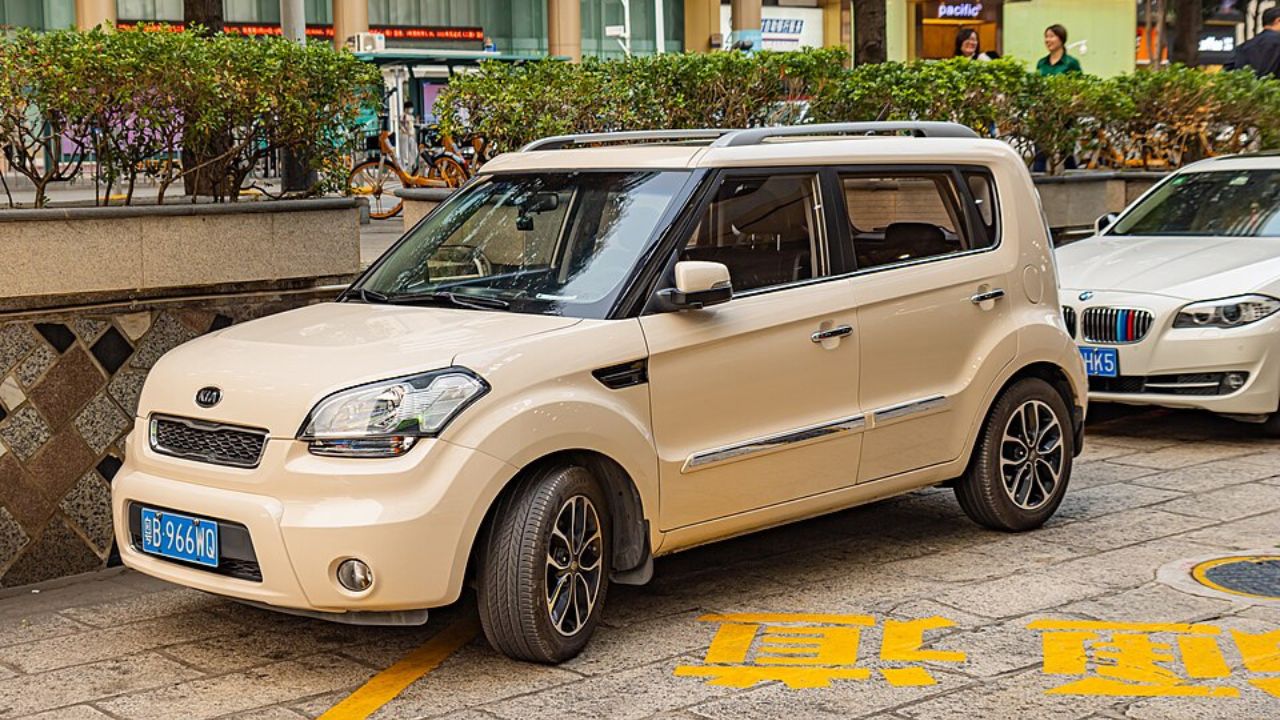
The Kia Soul proved that consumers were becoming more open to unconventional designs. Its boxy shape stood out from traditional hatchbacks and compact crossovers, attracting buyers who wanted something unique. The vehicle’s popularity suggested that individuality was becoming increasingly important in purchasing decisions. Rather than blending in, many drivers now wanted vehicles that expressed their personal tastes.
Tesla Model S

The Tesla Model S changed perceptions about electric vehicles by making them desirable rather than simply efficient. Buyers were increasingly interested in technology, sustainability, and innovation, and the Model S combined all three. Its success signaled a major shift in priorities, showing that many consumers were ready to embrace new forms of transportation if they offered compelling advantages over traditional alternatives.
Buick Encore
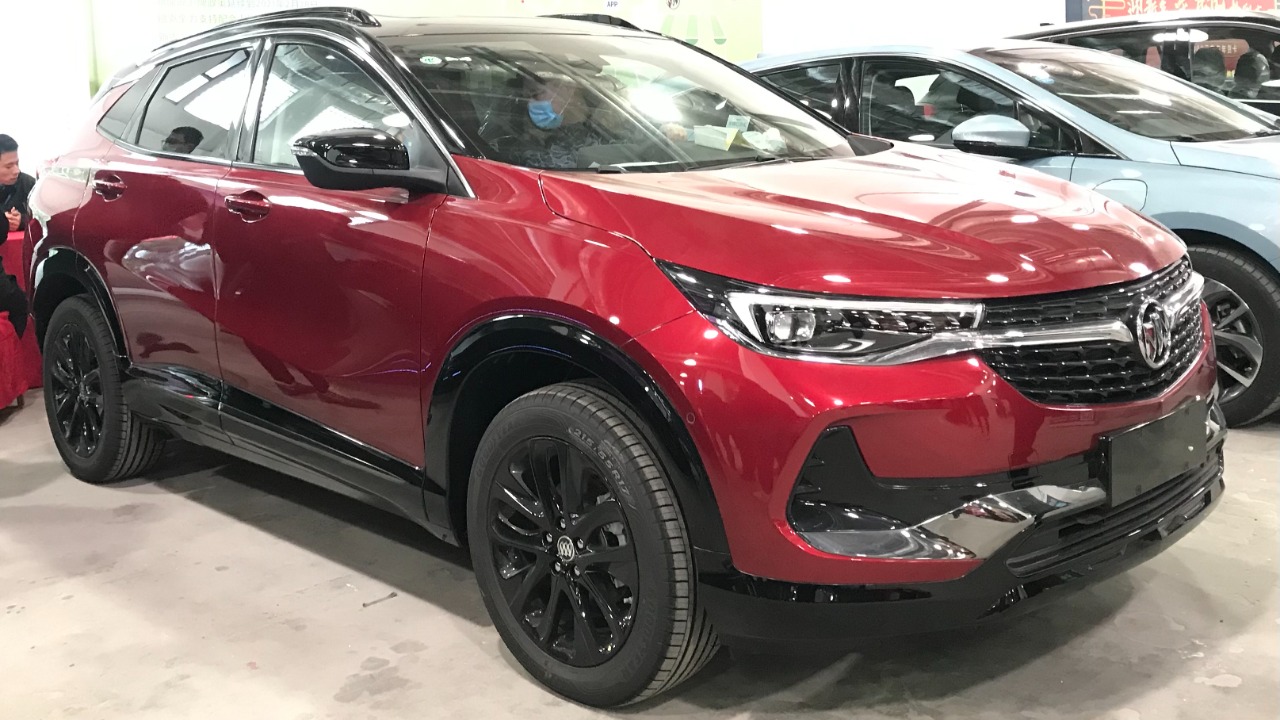
The Buick Encore arrived as buyers began moving away from large sedans and toward smaller utility vehicles. It demonstrated that consumers increasingly valued maneuverability, versatility, and elevated seating positions. Rather than seeking the biggest vehicle possible, many buyers were prioritizing convenience and practicality. The Encore helped illustrate how changing lifestyles were reshaping the automotive landscape.
Rivian R1T
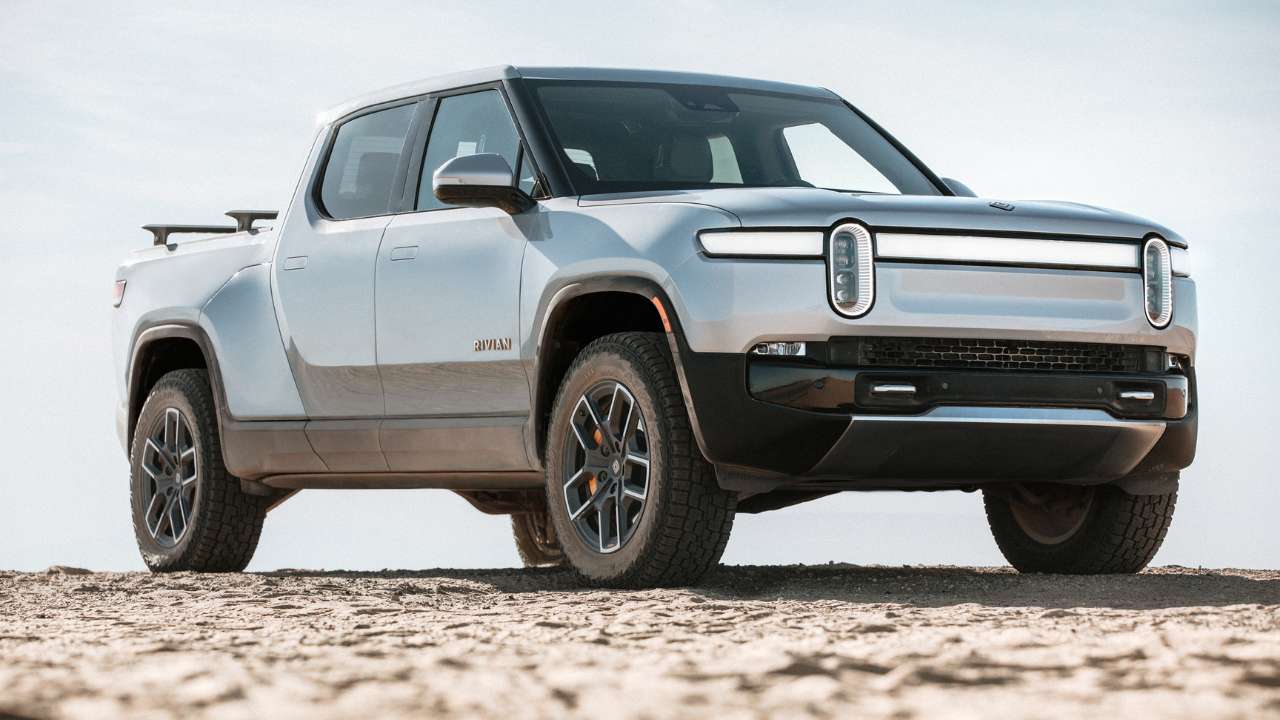
The Rivian R1T represents a new chapter in consumer preferences. Modern buyers increasingly expect advanced technology, sustainability, and capability to coexist in a single package. The truck’s combination of electric power, innovative features, and outdoor-focused versatility reflects evolving expectations about what a vehicle should be. Its popularity highlights a market where traditional categories are becoming less important than overall functionality and innovation.
More from Fast Lane Only