Chevrolet’s history is marked by innovation and adaptation, but one particularly radical chapter stands out for its bold departures from tradition. This brief yet transformative period in the brand’s timeline highlights key models, leadership changes, and cultural impacts that defined it.
Chevrolet’s Origins and Early Innovations
Founded in 1911 by Louis Chevrolet and William C. Durant, Chevrolet initially aimed to provide a reliable and affordable alternative to Ford’s Model T. The brand quickly carved out a niche for itself by focusing on performance and quality. Early innovations included the introduction of the first overhead valve engines, which significantly improved efficiency and power. This was a game-changer in the automotive industry and established Chevrolet as a serious competitor in the marketplace.
The iconic Chevrolet Bowtie logo became synonymous with American automotive culture, symbolizing the brand’s dedication to performance and style. During the early 20th century, Chevrolet faced stiff competition from automotive giants like Ford and Dodge. However, it managed to differentiate itself through a combination of competitive pricing and innovative engineering, setting the stage for the radical transformations that would come in the decades ahead.
The Radical Shift in the 1960s
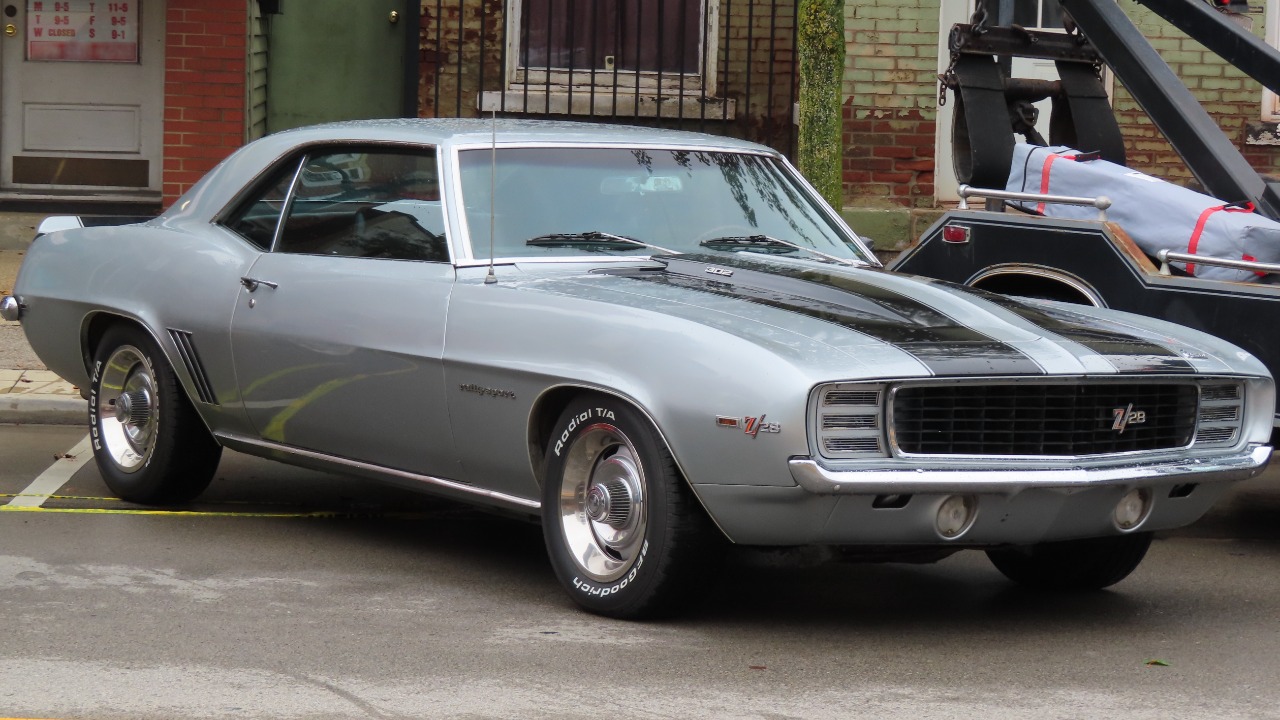
The 1960s were a time of significant cultural and societal upheaval, and these changes had a profound impact on automotive design and marketing. As the youth culture burgeoned, so did a desire for cars that embodied freedom and power. Chevrolet responded to this demand with the introduction of performance-oriented models like the Chevrolet Camaro in 1966 and the revamped Corvette, which captured the imagination of a younger demographic. These vehicles were not just modes of transportation; they became symbols of a lifestyle that emphasized speed and style.
The muscle car era, characterized by high-powered engines and aggressive styling, transformed Chevrolet’s brand identity. The Camaro, for instance, was designed to compete directly with the Ford Mustang, and its success played a crucial role in boosting Chevrolet’s sales figures. By the end of the decade, models like the Chevelle SS and the Corvette Stingray had solidified Chevrolet’s reputation as a leader in performance and innovation, making the brand a household name in America.
Leadership Vision and Corporate Strategy
During this radical chapter, influential figures like Ed Cole played a pivotal role in shaping Chevrolet’s corporate strategy. Cole, who served as the chief engineer and later as the general manager, had a vision that emphasized performance and innovation. He recognized that the shifting consumer landscape demanded a new approach to marketing and product development. Under his leadership, Chevrolet embraced a strategy that combined cutting-edge technology with aggressive marketing, allowing the brand to resonate with a younger audience while still honoring its legacy.
Balancing tradition with a modern image was a delicate act. Chevrolet’s corporate strategies focused on innovation and performance while paying homage to classic designs. This approach not only attracted new customers but also retained loyal enthusiasts who appreciated the brand’s heritage. By taking calculated risks and embracing change, Chevrolet positioned itself as a forward-thinking automaker ready to capitalize on the growing demand for performance vehicles.
Models That Defined the Era
Iconic models such as the Camaro, Chevelle, and Corvette became the hallmark of Chevrolet’s radical departure from its earlier designs. The Camaro, launched in 1966, was a significant milestone, featuring a sleek design and a range of powerful engine options that appealed to driving enthusiasts. Its success was not just a win for Chevrolet; it marked the birth of a new genre of cars that would dominate American highways for decades.
Similarly, the Chevelle SS, introduced in 1964, offered a blend of muscle and luxury, showcasing Chevrolet’s ability to innovate while maintaining comfort and style. The Corvette, already an established name, underwent significant redesigns that further emphasized its performance capabilities, making it an enduring symbol of American sports cars. These models not only showcased technological advancements, such as enhanced aerodynamics and improved handling, but also contributed to a cultural phenomenon that celebrated speed and power.
Challenges and Controversies
However, the radical period was not without its challenges. Chevrolet faced intense competition not only from Ford and Dodge but also from the burgeoning import market. Market fluctuations and changing consumer preferences posed significant hurdles. Moreover, as Chevrolet pushed the boundaries of performance, it encountered controversies surrounding emissions regulations and safety standards. The pursuit of horsepower often came at the expense of fuel efficiency and environmental considerations, leading to scrutiny from regulators and advocacy groups.
The backlash against the muscle car trend became apparent by the early 1970s. Rising fuel prices and changing consumer attitudes towards efficiency led to a decline in the popularity of high-performance vehicles. Chevrolet had to adapt its strategy, moving away from the muscle car era and focusing on more practical and fuel-efficient models. This pivot was crucial for the brand’s survival in an increasingly competitive and environmentally-conscious market.
Legacy and Influence on Modern Chevrolet
The radical chapter in Chevrolet’s history has had lasting implications for its contemporary models and brand positioning. The spirit of innovation and performance that characterized the 1960s continues to inspire Chevrolet’s design philosophy today. Recent models like the Chevrolet Camaro and Corvette C8 reflect a revival of the brand’s performance-oriented roots, appealing to both seasoned enthusiasts and a new generation of drivers eager for speed and style.
Moreover, the cultural impact of this era is evident in today’s automotive landscape. The resurgence of performance vehicles, coupled with a growing interest in electric and hybrid technologies, showcases how Chevrolet is balancing innovation with tradition. As the automotive industry evolves, Chevrolet remains committed to its legacy while embracing the future, ensuring that the bold spirit of the 1960s lives on in modern designs.
In summary, Chevrolet’s radical chapter from the 1960s remains a defining period in its history. The combination of visionary leadership, groundbreaking models, and a responsive strategy to cultural shifts not only shaped the brand but also left an indelible mark on American automotive culture. As Chevrolet continues to navigate the complexities of the modern market, the lessons learned from this transformative era will undoubtedly influence its path forward.
More from Fast Lane Only
- Unboxing the WWII Jeep in a Crate
- 15 rare Chevys collectors are quietly buying
- 10 underrated V8s still worth hunting down
- Police notice this before you even roll window down
*Research for this article included AI assistance, with all final content reviewed by human editors.