Some cars are remembered not only for their engineering or styling but also for what they represented. They arrived during moments of social, economic, or technological change and reflected shifting priorities among buyers around the world. Whether introducing new ideas or responding to changing lifestyles, these automobiles became lasting symbols of their era and helped define the direction of the automotive industry.
Ford Model T
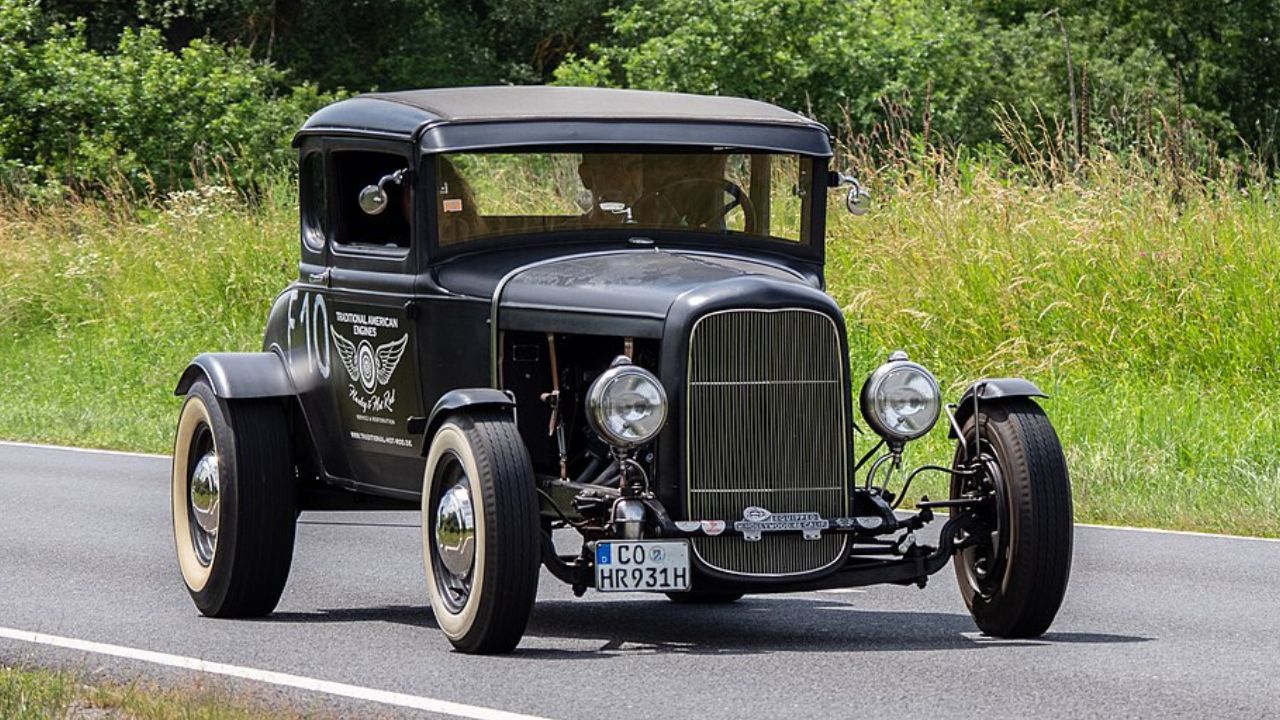
– CC-BY-SA-4.0 / wiki commons
The Ford Model T transformed personal transportation by making automobile ownership attainable for millions of people. Its efficient production methods and dependable mechanical design changed both manufacturing and everyday life. Families gained unprecedented mobility, while industries adapted to a rapidly growing automotive culture. More than a century later, the Model T remains a symbol of the moment when cars became an essential part of modern society.
Volkswagen Beetle
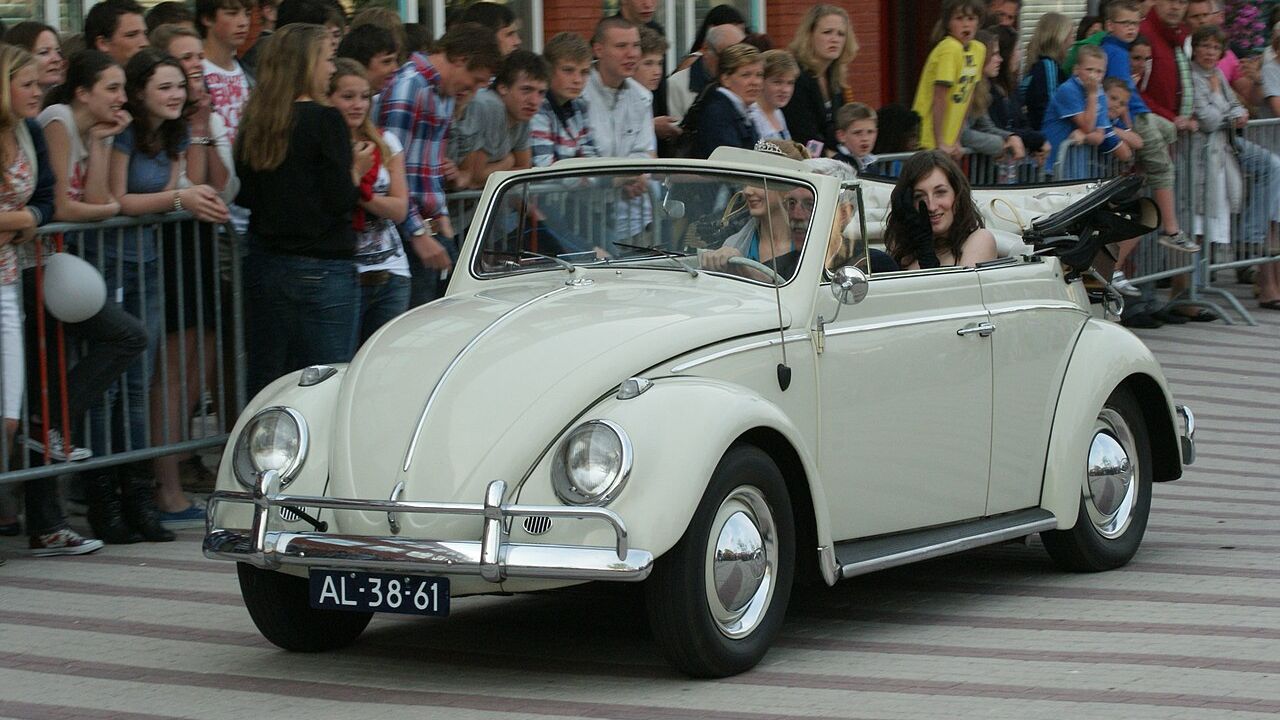
The Volkswagen Beetle evolved far beyond its original purpose to become one of the world’s most recognizable automobiles. Its affordability, simplicity, and dependable engineering appealed to generations of buyers, while its friendly appearance helped it transcend changing fashions. During the 1960s and 1970s, it also became associated with individuality and cultural change. Few cars better represent how public attitudes can reshape a vehicle’s identity.
Mini Cooper
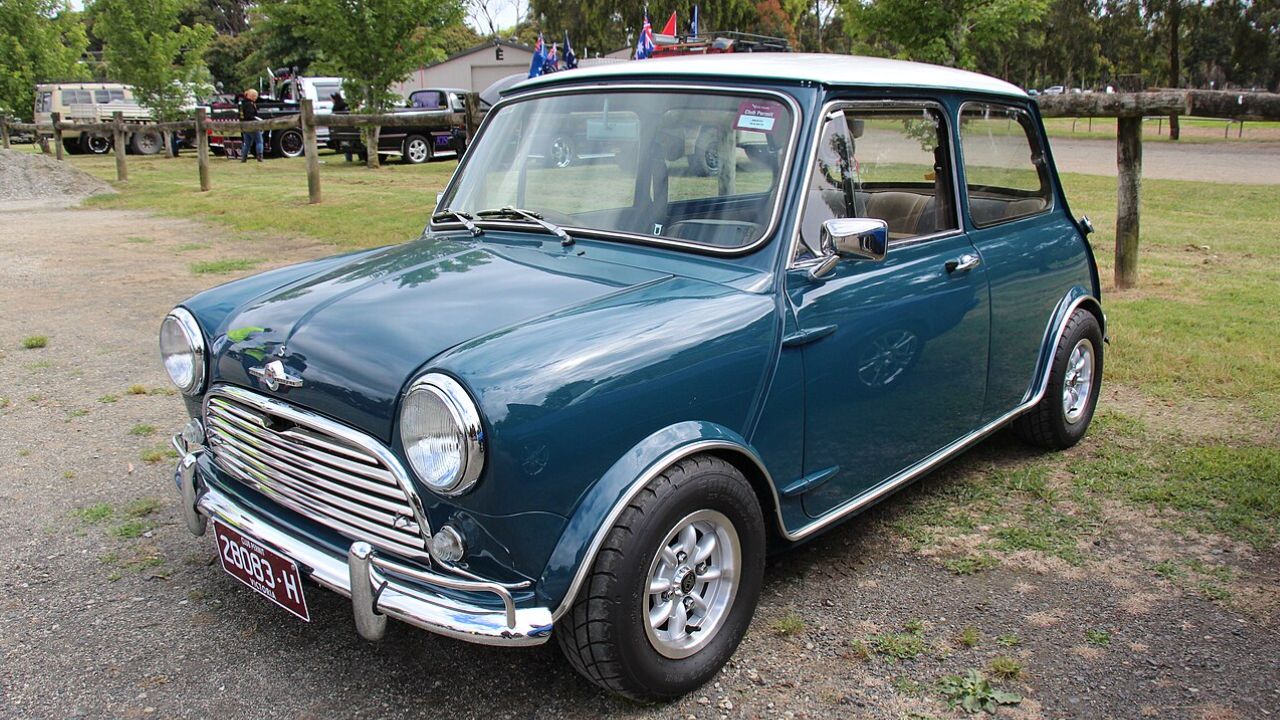
The original Mini Cooper arrived as cities grew more crowded and buyers demanded efficient transportation without sacrificing driving enjoyment. Its innovative front-wheel-drive layout and space-saving design revolutionized small-car engineering while delivering lively performance. Owners appreciated its practicality, but motorsport success expanded its reputation even further. The Mini became an enduring symbol of how intelligent engineering could overcome limited size and resources.
Toyota Prius

The Toyota Prius fundamentally changed public perceptions of environmentally conscious transportation. When it debuted, hybrid technology was still unfamiliar to many buyers, yet the Prius demonstrated that fuel efficiency and everyday usability could coexist successfully. Owners embraced its forward-thinking approach, encouraging competitors to pursue similar innovations. It became one of the defining automotive symbols of a growing global emphasis on sustainability and efficiency.
Jeep Cherokee XJ

The Jeep Cherokee XJ arrived as buyers began looking for vehicles capable of balancing everyday practicality with genuine off-road ability. Its compact dimensions, versatile interior, and durable engineering helped redefine expectations for sport utility vehicles. Owners appreciated having one vehicle that could comfortably handle commuting and weekend adventures alike. The Cherokee became a symbol of changing lifestyles that increasingly valued versatility over specialization.
Chrysler Minivan

The original Chrysler Minivan transformed family transportation during the 1980s by replacing the traditional station wagon with something more practical. Sliding doors, flexible seating, and generous interior space made everyday life easier for millions of households. Owners quickly recognized its convenience, encouraging widespread adoption across North America. The minivan became a lasting symbol of changing family priorities and the importance of practical automotive design.
Lexus LS400

The Lexus LS400 challenged established luxury brands by proving that exceptional refinement, reliability, and craftsmanship could come from a newcomer. Buyers quickly realized they no longer had to accept traditional expectations regarding prestige and ownership costs. The LS400 reshaped the luxury market while forcing competitors to improve quality and value. It became a symbol of changing consumer expectations and global competition within the premium automobile segment.
Tesla Model S
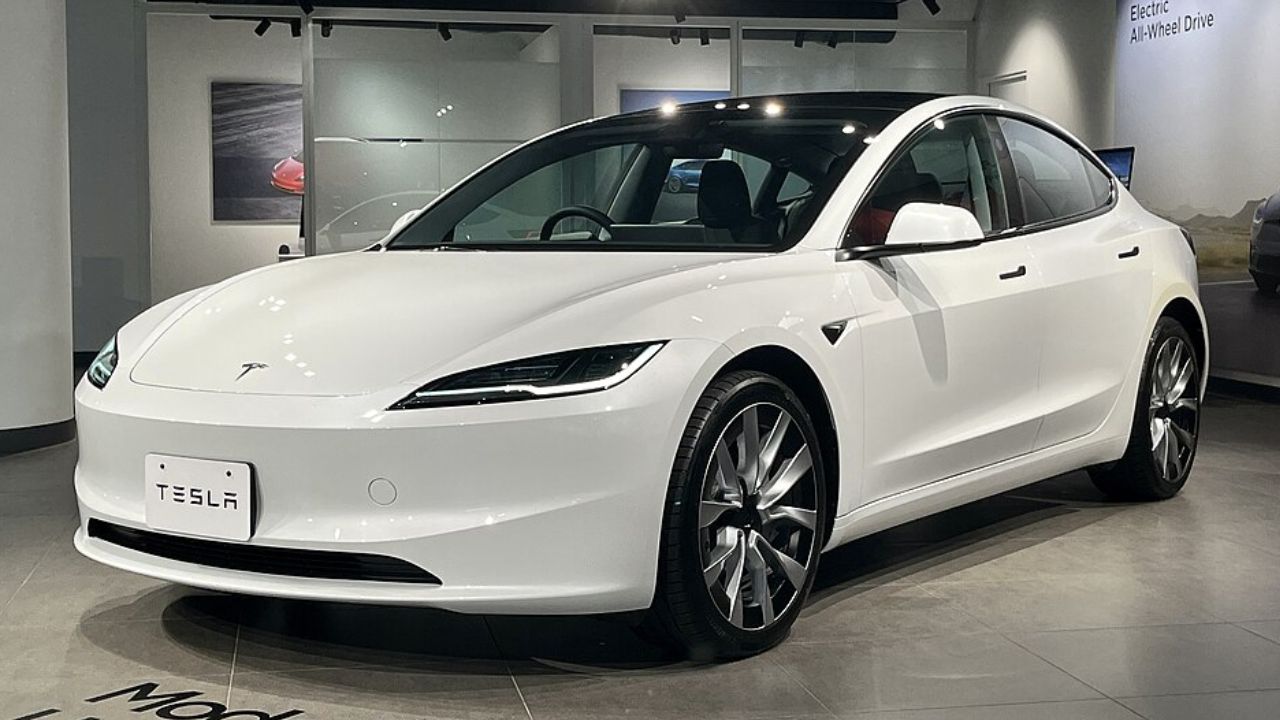
The Tesla Model S demonstrated that electric vehicles could deliver impressive range, exhilarating performance, and premium comfort in one package. Its arrival accelerated public interest in battery-powered transportation while influencing nearly every major manufacturer. Owners appreciated its innovative approach and advanced technology, helping redefine expectations for modern automobiles. The Model S became one of the most recognizable symbols of the automotive industry’s electric transition.
Ford Mustang (1965)
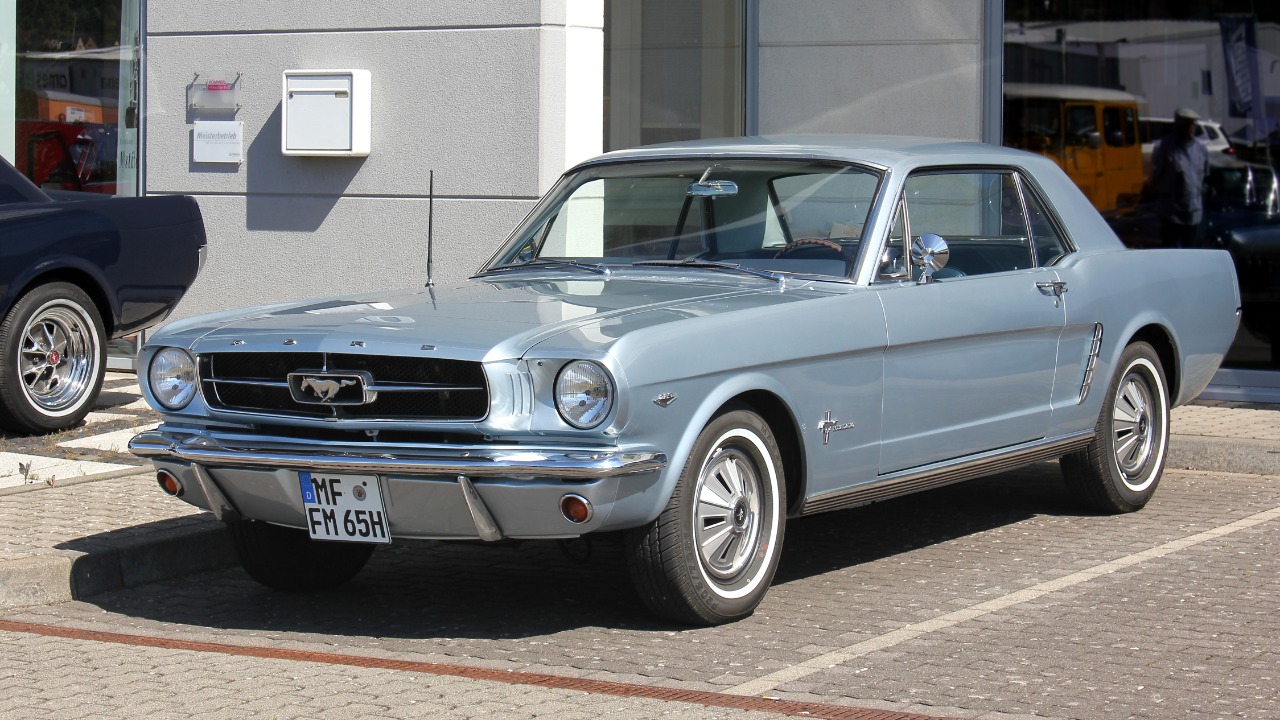
The 1965 Ford Mustang introduced the affordable pony car, giving younger buyers a stylish and sporty vehicle within reach of ordinary budgets. Its wide range of options allowed customers to personalize their cars like never before. Owners embraced the formula immediately, inspiring competitors to create similar models. The Mustang became a symbol of changing consumer tastes that increasingly valued individuality, performance, and personal expression.
Land Rover Range Rover (1970)

The original Range Rover redefined luxury by combining genuine off-road capability with comfort and refinement. Before its arrival, buyers generally chose between rugged utility vehicles and premium sedans. The Range Rover proved those qualities could exist together in one package. Owners appreciated its versatility, while competitors eventually adopted similar ideas. It became a lasting symbol of changing expectations that ultimately shaped the modern luxury SUV market.
More from Fast Lane Only
- Unboxing the WWII Jeep in a Crate
- 15 rare Chevys collectors are quietly buying
- 10 underrated V8s still worth hunting down
- Police notice this before you even roll window down
*Research for this article included AI assistance, with all final content reviewed by human editors