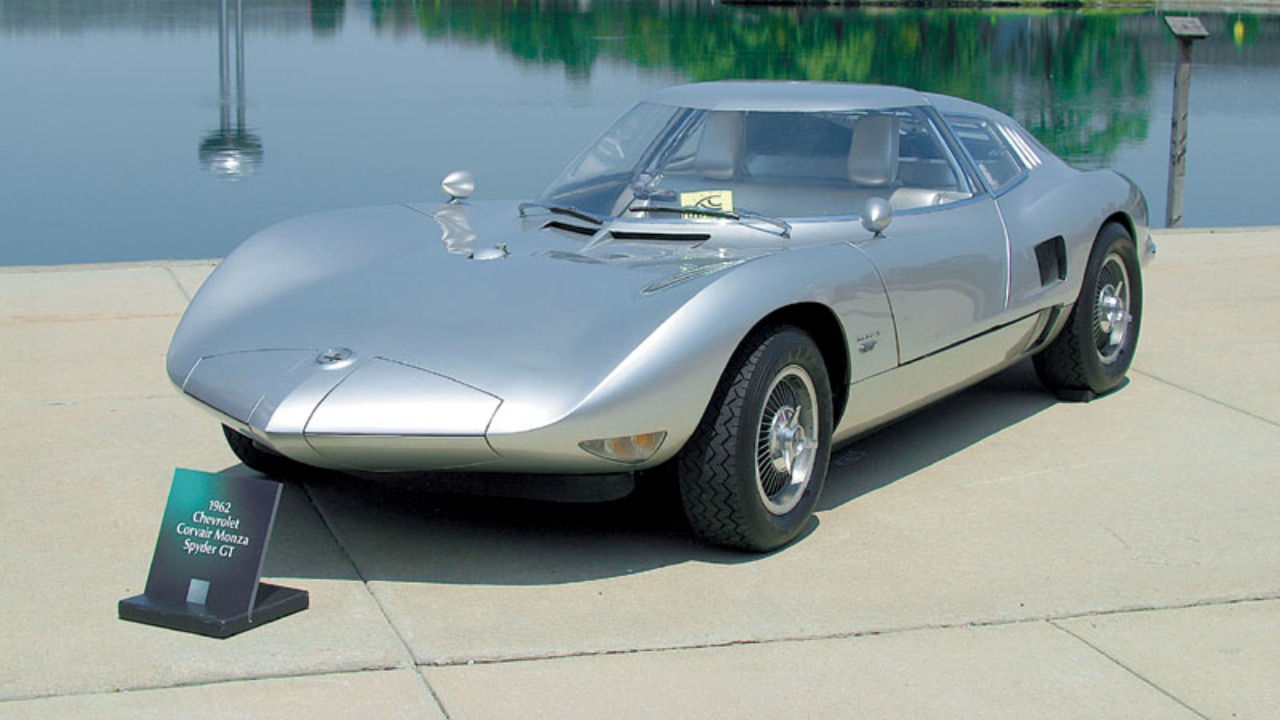
The story of the Chevrolet Corvair is a fascinating tale of innovation, controversy, and cultural impact that continues to resonate. From its groundbreaking design to the scrutiny it faced over safety concerns, the Corvair embodies the complexities of American automotive history.
Innovative Design and Engineering
Launched in 1960, the Chevrolet Corvair broke away from traditional automotive design with its unique rear-engine layout and air-cooled system. While most cars of its time, including the Ford Falcon and the Plymouth Valiant, featured front-engine configurations, the Corvair’s design was revolutionary. This layout not only provided a lower center of gravity but also allowed for a spacious interior and a compact body, setting it apart from its contemporaries. The Corvair was a bold statement from General Motors, showcasing their willingness to embrace new engineering principles.
Pioneering features of the Corvair included independent suspension, which contributed to a smoother ride and better handling compared to other vehicles of the era. The car’s design influenced subsequent models, including the Volkswagen Type 3 and the Porsche 911, both of which adopted elements of the Corvair’s innovative approach. Its compact body and aerodynamic shape were groundbreaking, serving as a template for future automotive designs that prioritized efficiency and performance.
When comparing the Corvair to other vehicles of its time, it’s clear that the Corvair was not just a product of its era but a catalyst for change within the automotive industry. Cars like the Chevrolet Camaro and the Ford Mustang would later draw inspiration from the Corvair’s emphasis on sporty performance and compact design. The Corvair’s engineering innovations laid the groundwork for the evolution of American cars, and its legacy is still felt in the designs we see on the road today.
Controversy and the Safety Debate
The Corvair’s reputation took a significant hit due to the publication of Ralph Nader’s book, “Unsafe at Any Speed.” Released in 1965, the book highlighted the safety issues associated with the Corvair, particularly its handling and stability, which Nader argued made it prone to rollovers. His criticisms ignited a national conversation about automotive safety, and the Corvair became the poster child for vehicles that prioritized style over substance. The public’s reaction was swift and severe, leading to a decline in sales and tarnishing the Corvair’s reputation.
Nader’s assertions were supported by a series of investigations and reports that scrutinized the Corvair’s design, particularly its rear suspension system. Critics pointed out that the lack of a conventional front-engine configuration contributed to unpredictable handling characteristics. This controversy did not just affect the Corvair; it prompted major changes in the automotive industry, leading to stricter safety regulations and a greater emphasis on consumer awareness. The legacy of this safety debate continues to impact how cars are designed and marketed today.
The Corvair’s story is a reminder of the importance of safety in automotive innovation. While its unique design was groundbreaking, it also highlighted the potential pitfalls of prioritizing engineering innovation without adequate attention to consumer safety. As a result, the Corvair has become a case study in how public perception and corporate responsibility are deeply intertwined in the automotive industry.
Cultural Significance and Symbolism
The Chevrolet Corvair serves as a symbol of 1960s America, capturing the spirit of innovation and the burgeoning counterculture movement. It was more than just a car; it represented a shift in consumer attitudes towards personal freedom and self-expression. The Corvair was embraced by a generation eager to break away from the conventions of the past, making it a symbol of the era’s desire for change.
Its presence in popular media further solidified the Corvair’s cultural significance. The car made appearances in films and television shows, becoming a recognizable icon of the time. For example, the Corvair was featured in the classic sitcom “The Dick Van Dyke Show,” where it was portrayed as a modern and stylish vehicle, appealing to the show’s youthful audience. Such portrayals helped cement the Corvair’s status in American pop culture and reflect the changing consumer landscape.
The Corvair also mirrored the evolving attitudes toward automobiles, transitioning from purely utilitarian vehicles to symbols of personal identity and lifestyle. As consumers began to prioritize style and performance over rigid functionality, the Corvair stood at the forefront of this shift, embodying the complexities of mid-20th-century American life. Its unique design and cultural associations continue to resonate today, making it a fascinating subject of study for anyone interested in automotive history.
Legacy and Collectibility
In recent years, there has been a resurgence of interest in classic cars, and the Corvair has found its niche within the collector market. Enthusiasts appreciate the Corvair for its unique engineering and distinctive styling, prompting a revival of restoration efforts. Many collectors take pride in preserving these vehicles, showcasing their commitment to automotive history and the legacy of innovation that the Corvair represents.
The Corvair community is vibrant and dedicated, with numerous clubs and online forums dedicated to the vehicle. Events such as the annual Corvair Convention bring together enthusiasts from around the country to share their passion for this iconic car. Restoration projects often involve meticulous attention to detail, with many owners striving to maintain the original specifications while also adding modern safety features. This passion for preservation not only keeps the Corvair’s memory alive but also reinforces its status as a cherished piece of automotive history.
Moreover, the Corvair’s influence extends beyond the collector community. Its design principles can be seen in modern vehicles that prioritize compactness, efficiency, and performance. The Corvair’s legacy is a testament to how innovative thinking can reshape the automotive landscape, leaving a lasting impact that continues to inspire new generations of car designers and enthusiasts alike.
Lessons Learned from the Corvair Experience
The story of the Corvair serves as a critical case study in corporate responsibility and consumer safety. Its rise and subsequent fall highlight the importance of addressing safety concerns proactively, rather than reactively. The Corvair’s challenges underscore the need for manufacturers to prioritize consumer safety alongside innovation, ensuring that new designs do not compromise the well-being of the very people they are meant to serve.
The impact of public perception on the automotive industry cannot be overstated. The Corvair’s reputation suffered immensely from negative publicity, demonstrating how consumer trust is crucial for a vehicle’s success. This experience teaches valuable lessons about the relationship between automotive manufacturers and their customers, emphasizing the need for transparency and accountability in all aspects of production and marketing.
As we look to the future, the balance between innovation and safety remains a pressing concern for automakers. The lessons learned from the Corvair’s experience continue to shape the way cars are designed and marketed. Modern manufacturers are increasingly aware of the scrutiny they face, and the Corvair’s story serves as a reminder of the potential consequences of neglecting safety in the pursuit of cutting-edge design.
The Chevrolet Corvair is not just a car; it is a vital part of automotive history that continues to engage enthusiasts, historians, and casual observers alike. Its innovative spirit, controversial past, and cultural significance ensure that the Corvair remains a topic of interest for years to come. I encourage readers to explore the Corvair further, whether through ownership, restoration, or simply by appreciating its place in the tapestry of American automotive culture. As we move forward, reflecting on the lessons of the Corvair can help guide the future of car manufacturing, ensuring that innovation and safety go hand in hand.
More from Fast Lane Only
- Unboxing the WWII Jeep in a Crate
- 15 rare Chevys collectors are quietly buying
- 10 underrated V8s still worth hunting down
- Police notice this before you even roll window down
*Research for this article included AI assistance, with all final content reviewed by human editors.