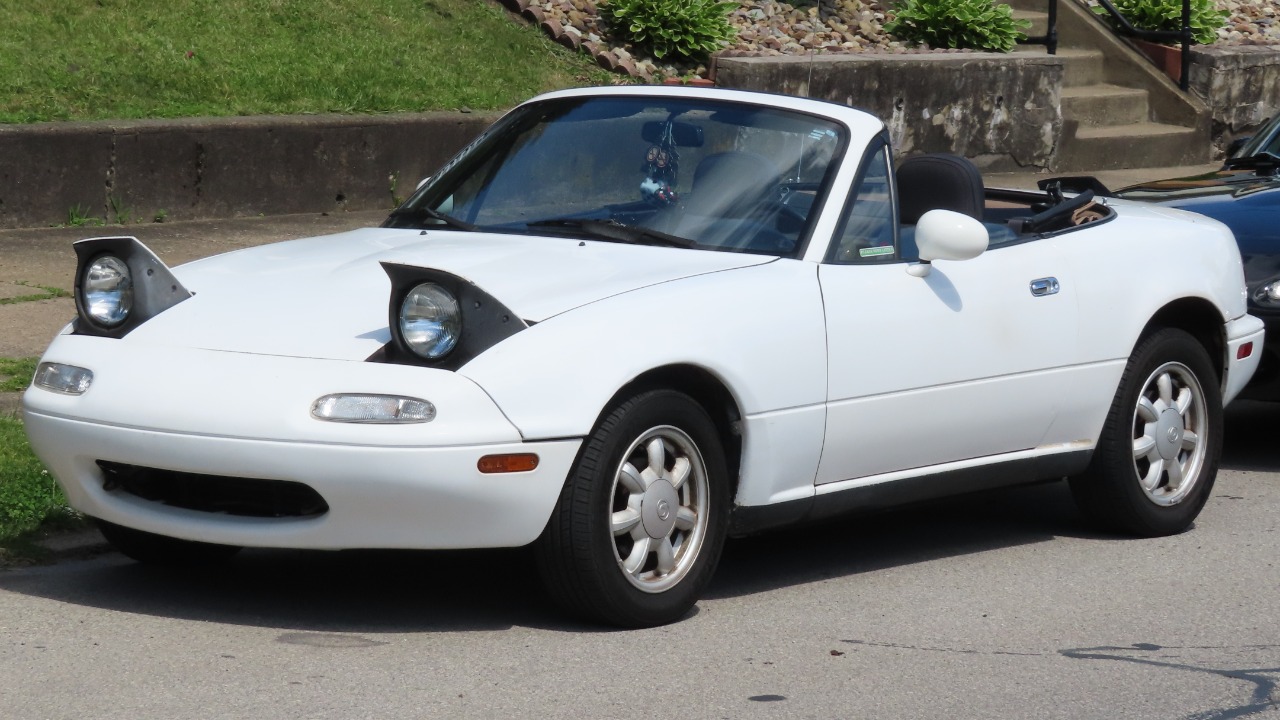
Roadsters have captured the hearts of automotive enthusiasts for generations, often becoming symbols of freedom, performance, and style. Their unique blend of design, engineering, and cultural significance has elevated certain models to iconic status, making them revered not just as cars, but as important pieces of automotive history.
Design Elements that Captivate
When it comes to roadsters, sleek aesthetics play a crucial role in their allure. The design philosophy often leans towards minimalism, characterized by clean lines and graceful curves that exude elegance. Take the Porsche 911 Cabriolet, for instance. Its timeless silhouette and distinctive rear end have made it a benchmark in the industry. The proportions are meticulously crafted to enhance aerodynamic efficiency while ensuring a captivating visual appeal. This emphasis on aesthetics is not just about looks; it communicates a sense of speed and performance even when the car is stationary.
Iconic features further elevate the roadster’s status. Elements such as retractable roofs, unique grilles, and signature lighting systems are often the hallmarks of memorable models. The Mercedes-AMG SLC 43 showcases a retractable roof that transforms the car from a sleek coupe to an open-top cruiser at the touch of a button. These features not only enhance functionality but contribute to the car’s identity, making it instantly recognizable on the road.
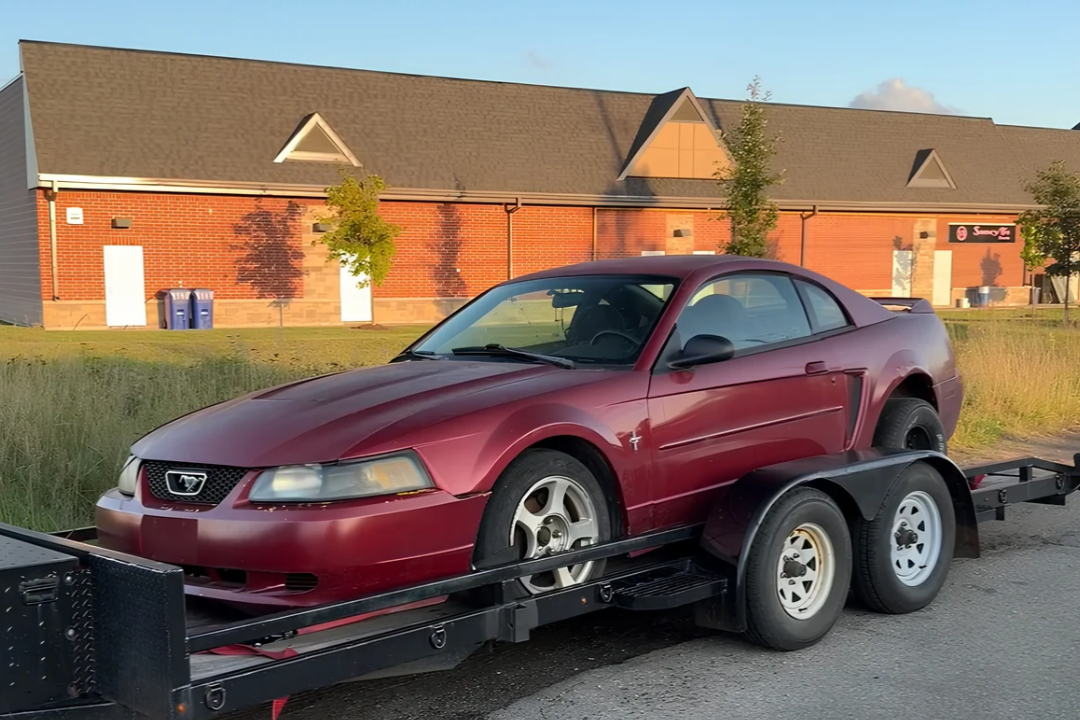
Additionally, the influence of historical design trends cannot be overstated. Models like the Ford Mustang have roots that reach back to the 1960s, embodying a design ethos that resonates with nostalgia while still appealing to modern sensibilities. The Mustang’s aggressive stance and muscular lines are a nod to the classic muscle cars of yesteryear, proving that great design is timeless and often cyclical.
Performance and Engineering Mastery
Performance is at the heart of what makes a roadster iconic. Powertrain innovations have revolutionized how these vehicles deliver speed and efficiency. The Chevrolet Corvette, for instance, has continually pushed the envelope with advanced engine technologies, such as its recent adoption of a mid-engine layout in the C8 model. This shift not only enhances performance but also improves handling dynamics, making it a prime example of how engineering can elevate a roadster’s status.
Speaking of handling, the engineering behind roadsters often includes sophisticated weight distribution and advanced suspension systems. The Nissan GT-R boasts a refined suspension setup that provides exceptional cornering abilities, giving drivers an exhilarating experience behind the wheel. This level of engineering mastery not only enhances the driving experience but also creates a sense of connection between the driver and the vehicle, solidifying the roadster’s place in the hearts of enthusiasts.
Racing heritage can also significantly influence a roadster’s appeal. The McLaren F1, known for its successes on the track, has a lineage that speaks to its engineering prowess and performance. The motorsport success of such models often translates into a heightened desirability among consumers, as owning a piece of racing history becomes a badge of honor for many car enthusiasts.
Cultural Impact and Representation
The portrayal of roadsters in media and pop culture has played a significant role in their iconic status. From the thrilling car chases in movies like “The Italian Job” featuring the Mini Cooper to the classic image of the Fiat 124 Spider in films set during the 1970s, these vehicles are often associated with freedom and adventure. Their appearances on screen not only capture the imagination but also embed these models into the cultural fabric, enhancing their recognition and desirability.
Celebrity endorsements have also contributed to the prestige of certain roadsters. Stars like James Bond are often seen behind the wheel of iconic models such as the Aston Martin DB5, significantly boosting its status as a cultural symbol. The allure of celebrity ownership creates a halo effect around these vehicles, making them objects of desire for fans and automotive enthusiasts alike.
Furthermore, roadsters have often become symbols of cultural movements. During the counterculture movements of the 1960s, cars like the Volkswagen Beetle embodied a spirit of rebellion and individualism. These models not only represented a mode of transportation but also a lifestyle choice, illustrating how roadsters can transcend their mechanical nature to become icons of cultural significance.
Historical Significance and Milestones
Throughout automotive history, certain roadsters have defined eras with landmark models that pushed the boundaries of innovation. The BMW Z4 is one such example, known for its blend of luxury and performance. Its introduction marked a turning point in the roadster segment, showcasing how luxury and sportiness could coexist in a single package. The Z4’s design and engineering innovations set a new standard for what consumers could expect from a roadster, making it a benchmark for future models.
The evolution of roadsters over time also reflects changing consumer preferences and technological advancements. For instance, the transition from traditional combustion engines to hybrid and electric powertrains has reshaped the landscape of roadsters. The Tesla Roadster is a prime example of this shift, illustrating how modern roadsters are adapting to meet the demands of an eco-conscious market while still delivering exhilarating performance.
The historical significance of certain roadsters has also created a vibrant collector’s market. Models like the MG Midget or the Jaguar E-Type are highly sought after by collectors, not just for their performance, but for their rich histories and the emotions they evoke. Their status as classics ensures that they continue to garner attention and admiration long after they have left the assembly line.
Emotional Connection and Brand Loyalty
The emotional bond that roadsters create with their owners is often unparalleled. The unique driving experience that these vehicles offer fosters a connection that goes beyond the mechanical. For example, the Mazda MX-5 Miata is celebrated for its lightweight design and responsive handling, making every drive an exhilarating adventure. This engaging driving experience creates lasting memories, solidifying the emotional ties between the car and its owner.
Brand heritage also plays a significant role in enhancing the desirability of certain roadster offerings. Brands like Ferrari and Lamborghini are steeped in a rich history of performance and luxury, which adds layers to the allure of their roadsters. The stories behind these brands, coupled with their commitment to excellence, create a sense of loyalty among enthusiasts who aspire to own a piece of that legacy.
Additionally, the community and culture surrounding roadsters contribute to the emotional connection. Enthusiast clubs and gatherings, such as those organized for the Mini Cooper, foster camaraderie among owners. These events provide a platform for sharing experiences, showcasing vehicles, and celebrating the passion for roadsters, further solidifying the bond between car enthusiasts and their beloved vehicles.
The Future of Roadsters
As we look to the future, the rise of electric and hybrid innovations is shaping the next generation of roadsters. Brands are exploring ways to integrate advanced technologies while maintaining the performance characteristics that enthusiasts cherish. For example, the upcoming Porsche Mission R promises to deliver an electric roadster experience that rivals traditional combustion engines, proving that the thrill of driving can coexist with sustainability.
Sustainability trends are also influencing design and production practices. Manufacturers are increasingly turning to eco-friendly materials and sustainable manufacturing processes. The Rimac C_Two showcases how cutting-edge technology and sustainability can come together to create a high-performance electric roadster. These innovations not only appeal to environmentally conscious consumers but also redefine what a roadster can be in the modern age.
Maintaining the iconic status of roadsters amidst the evolving automotive landscape will require manufacturers to stay true to the core attributes that define these vehicles. Striking a balance between innovation and tradition will be crucial, as brands look to honor their legacies while appealing to a new generation of drivers. The road ahead for roadsters is undoubtedly exciting, as they continue to evolve while retaining the essence of freedom, performance, and style that has made them icons for decades.
More from Fast Lane Only
- Unboxing the WWII Jeep in a Crate
- 15 rare Chevys collectors are quietly buying
- 10 underrated V8s still worth hunting down
- Police notice this before you even roll window down
*Research for this article included AI assistance, with all final content reviewed by human editors.