The automotive industry has witnessed numerous transformations over the years, with certain cars standing out for their profound impact. From revolutionizing design to pioneering technology, these vehicles have redefined what it means to drive. Let’s explore ten iconic cars that have changed the way we drive.
Ford Model T
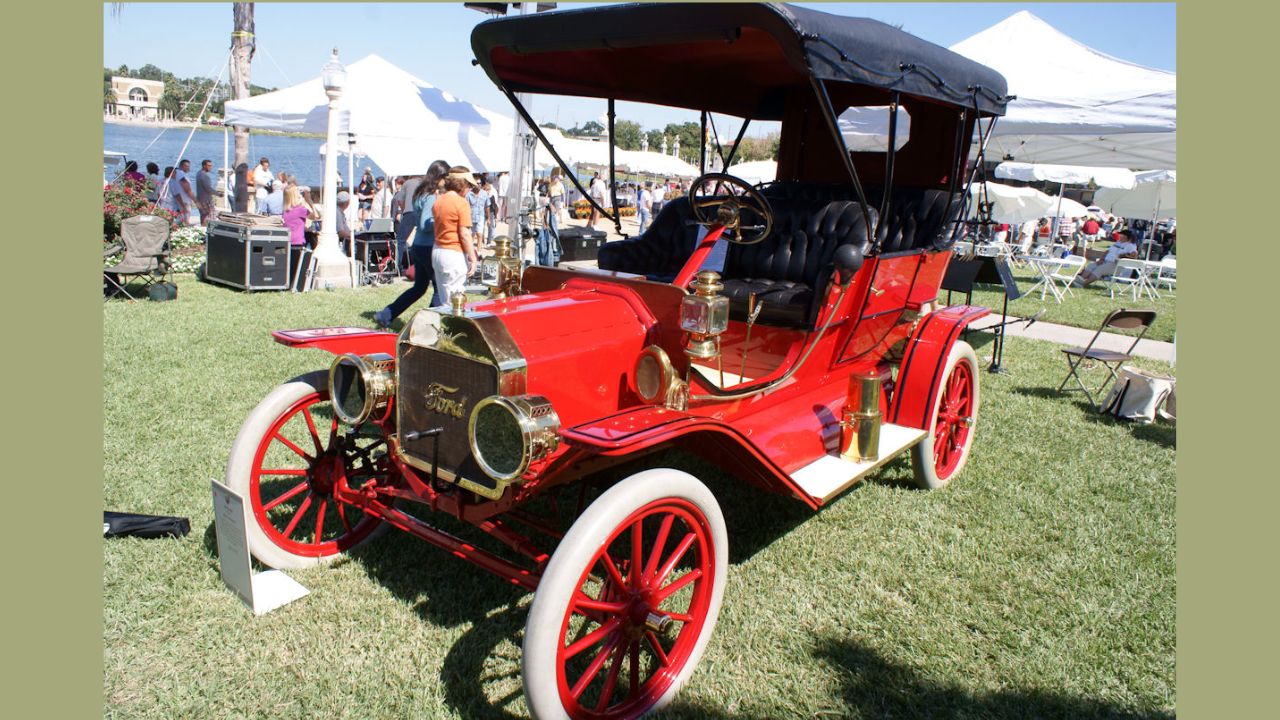
The Ford Model T, introduced in 1908, is often credited with revolutionizing the automobile industry. Known as the “Tin Lizzie,” it was the first car that made vehicle ownership accessible to the average American. With its innovative assembly line production, Henry Ford drastically reduced manufacturing costs, bringing the car’s price down to a level many could afford. The Model T not only transformed the way people traveled but also laid the groundwork for modern automotive manufacturing.
Volkswagen Beetle

The Volkswagen Beetle, affectionately known as the “Bug,” is an icon of automotive design. Created in the late 1930s, it gained popularity in the post-war era for its affordability and distinctive shape. The Beetle’s air-cooled rear engine and simple mechanics made it a favorite among DIY mechanics. Its cultural impact was immense, symbolizing the countercultural movement of the 1960s. With over 21 million units sold, the Beetle remains one of the most recognizable cars in history.
Mini Cooper
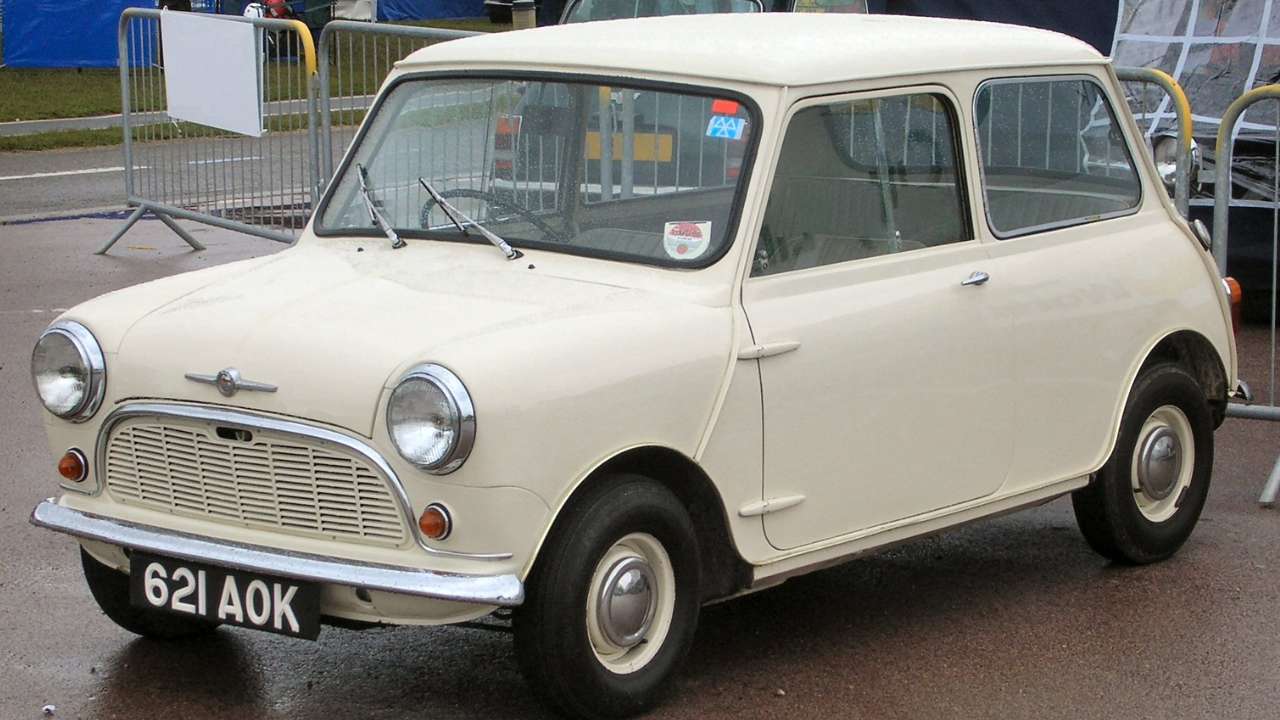
The Mini Cooper, first launched in 1959, redefined small car design with its compact yet spacious interior. Designed by Alec Issigonis, it introduced front-wheel drive and a transverse engine layout, maximizing space efficiency. Its nimble handling and unique styling made it a favorite among urban drivers and racing enthusiasts alike. The Mini Cooper’s influence is still evident in modern compact cars, proving that good things do indeed come in small packages.
Ford Mustang
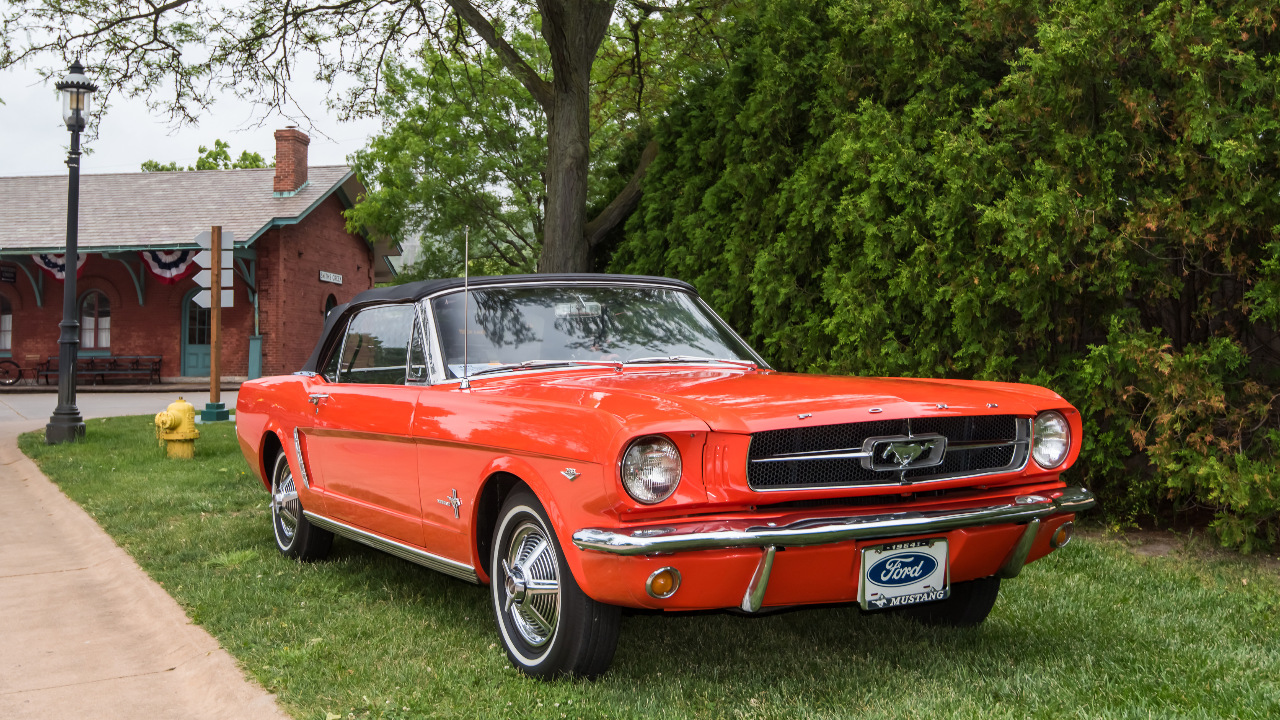
The Ford Mustang, unveiled in 1964, is synonymous with the American muscle car. It captured the imagination of car enthusiasts with its sleek design and powerful performance. The Mustang created a new automotive category, the “pony car,” characterized by its sporty look and affordable price. Its enduring legacy continues with modern iterations that pay homage to the original while incorporating advanced technology.
Toyota Prius

The Toyota Prius, launched in 1997, was a trailblazer in hybrid technology. As the first mass-produced hybrid car, it paved the way for environmentally friendly vehicles. The Prius combined a gasoline engine with an electric motor, offering improved fuel efficiency and reduced emissions. Its success demonstrated that hybrid technology was viable for mainstream consumers, influencing the development of other eco-friendly cars.
Tesla Model S

The Tesla Model S, introduced in 2012, redefined the electric car market with its long-range capability and high performance. It shattered the perception that electric vehicles were slow and impractical. With features like autopilot and over-the-air updates, the Model S showcased the potential of smart, connected cars. Its influence is evident as more automakers shift towards electric and autonomous vehicles.
Jeep Wrangler

The Jeep Wrangler, with its roots in the military Willys MB, is an icon of rugged off-road capability. Its distinctive design and go-anywhere attitude have made it a favorite among adventure seekers. The Wrangler’s versatility and durability have cemented its status as a timeless classic, inspiring a whole segment of off-road vehicles. Its influence extends beyond the trails, becoming a cultural symbol of freedom and exploration.
Honda Civic
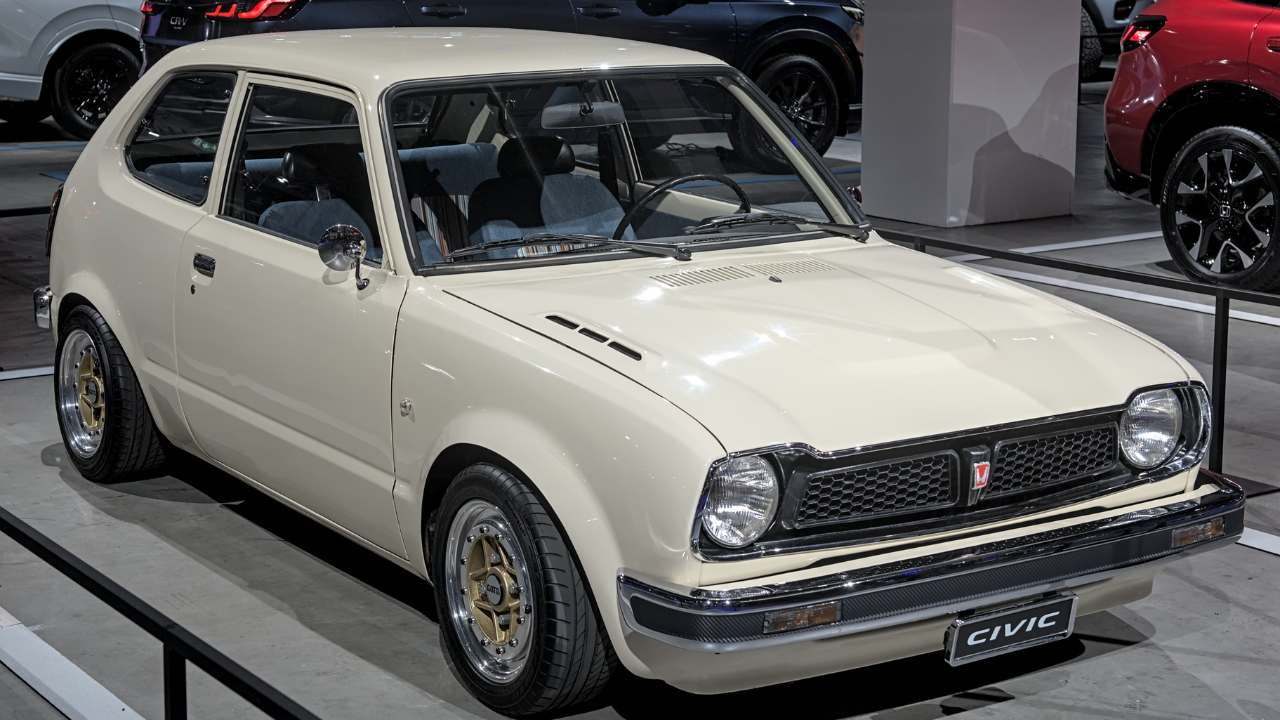
Since its debut in 1972, the Honda Civic has been a staple of reliability and efficiency. Known for its fuel economy and practical design, the Civic became a go-to choice for budget-conscious consumers. Its adaptability over the years, from a simple compact car to a sporty, high-performance model, has kept it relevant across generations. The Civic’s reputation for dependability has helped Honda become a major player in the global automotive industry.
BMW 3 Series
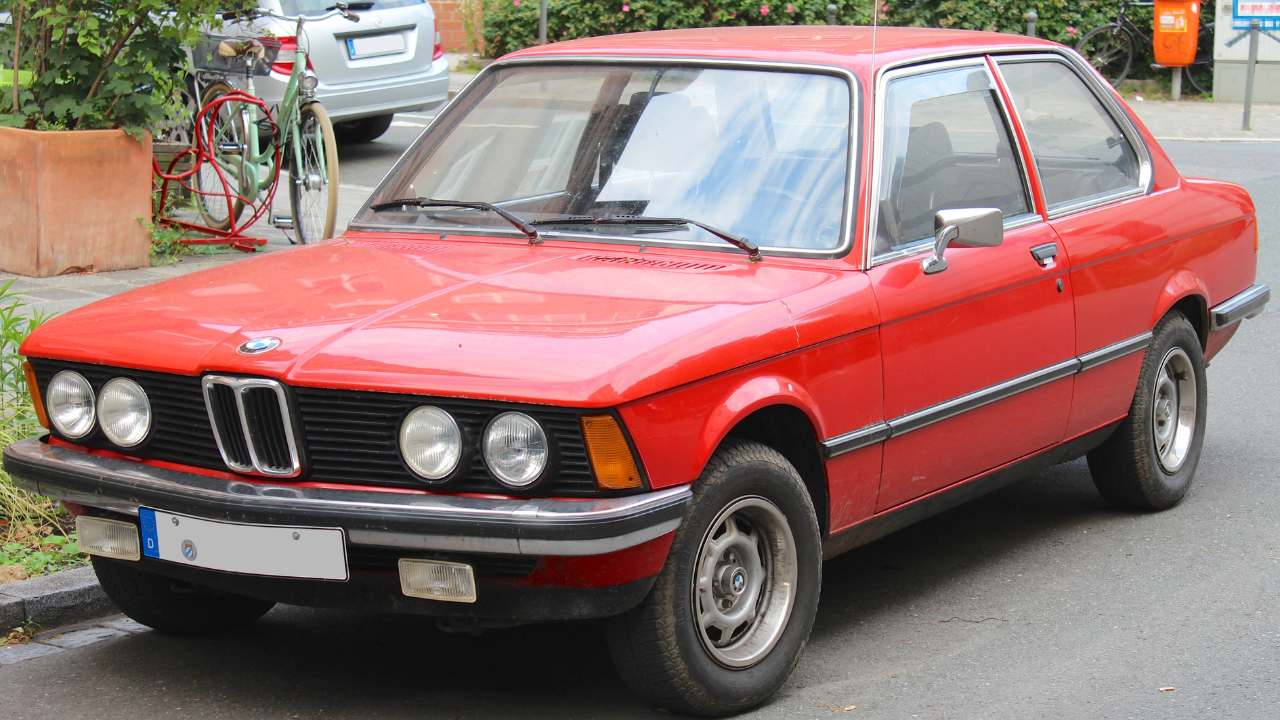
The BMW 3 Series, first introduced in 1975, set the standard for the compact executive car segment. Known for its precise handling and balanced performance, the 3 Series has been a benchmark for driving enthusiasts. Over the years, it has continuously evolved, incorporating luxury and advanced technology while maintaining its sporty essence. The 3 Series has consistently been a top choice for those seeking a blend of performance and practicality.
Chevrolet Corvette
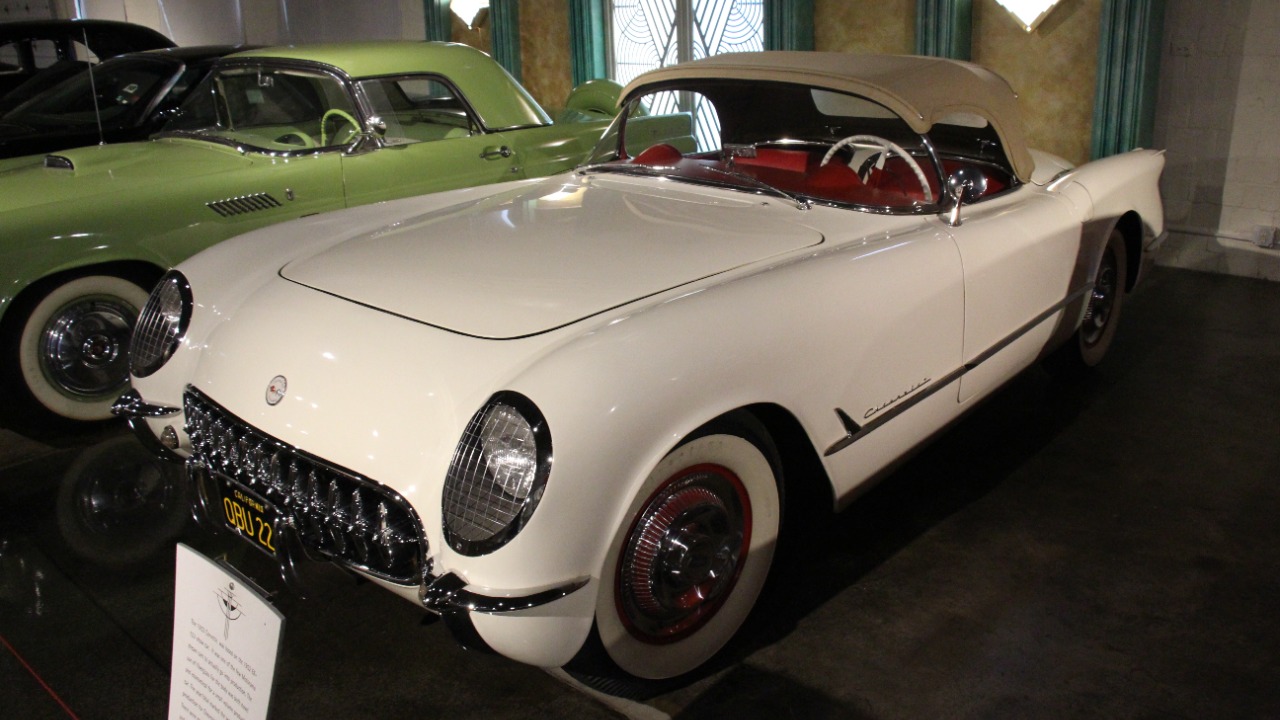
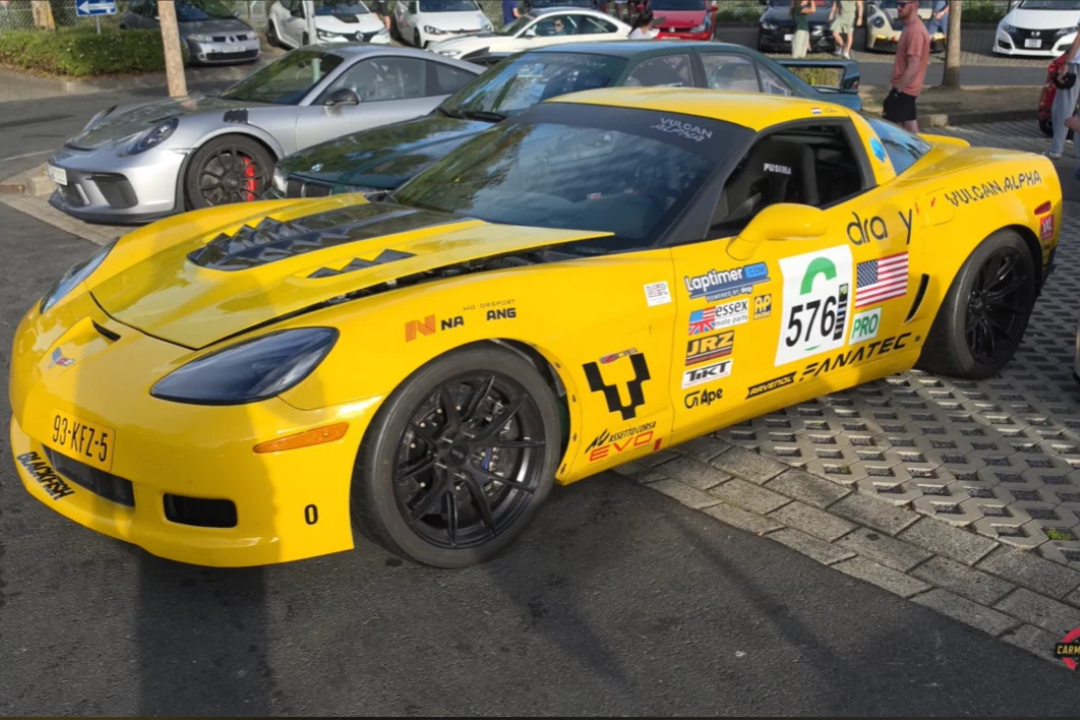
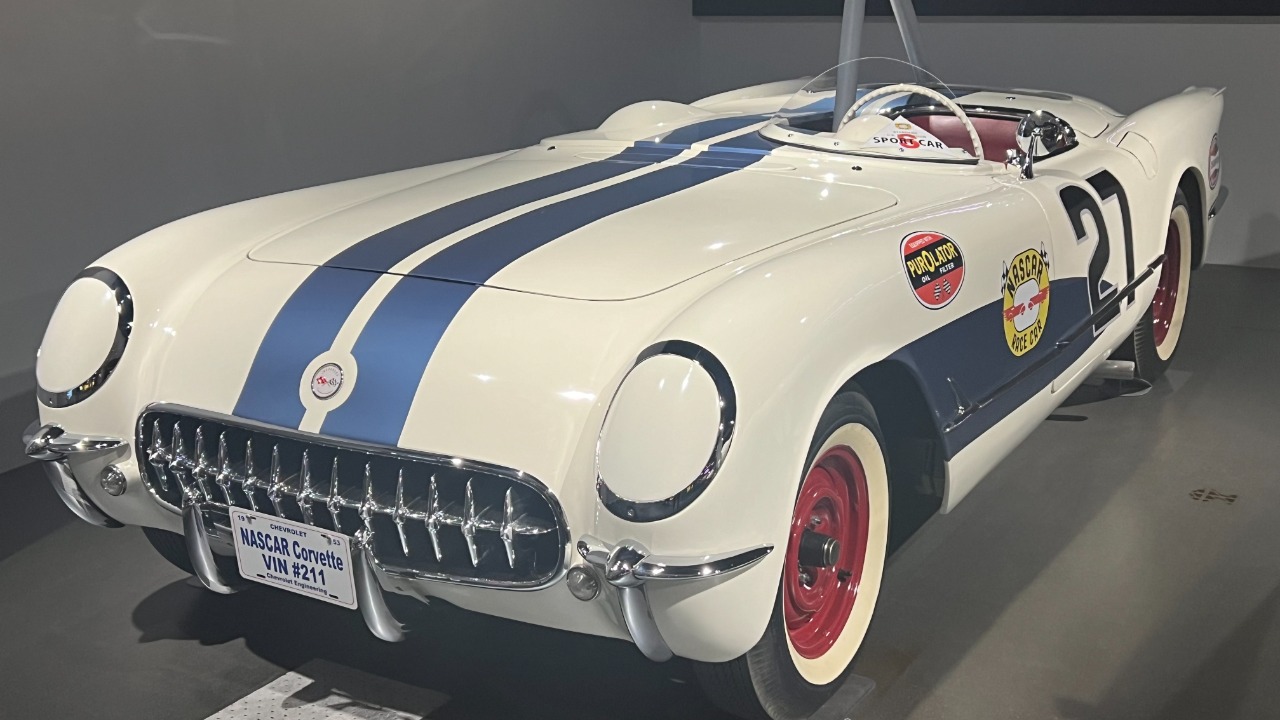
The Chevrolet Corvette, America’s sports car, debuted in 1953 and has been an icon of speed and style ever since. Known for its powerful engines and sleek design, the Corvette has captured the hearts of car enthusiasts worldwide. Each generation of the Corvette has pushed the boundaries of performance, making it a perennial favorite on the track and the street. Its influence is evident in the ongoing evolution of sports cars.
Like Fast Lane Only’s content? Be sure to follow us.
Here’s more from us:
*Created with AI assistance and editor review.