The 1930s were a challenging decade marked by economic turmoil and uncertainty, yet amidst the hardship, the automotive industry offered a glimmer of hope. Cars became symbols of progress and innovation, providing people with a sense of freedom and the promise of a better tomorrow. Here’s a look at ten cars from this era that not only defined the decade but also inspired optimism and resilience in the face of adversity.
Ford Model A: The Affordable Classic
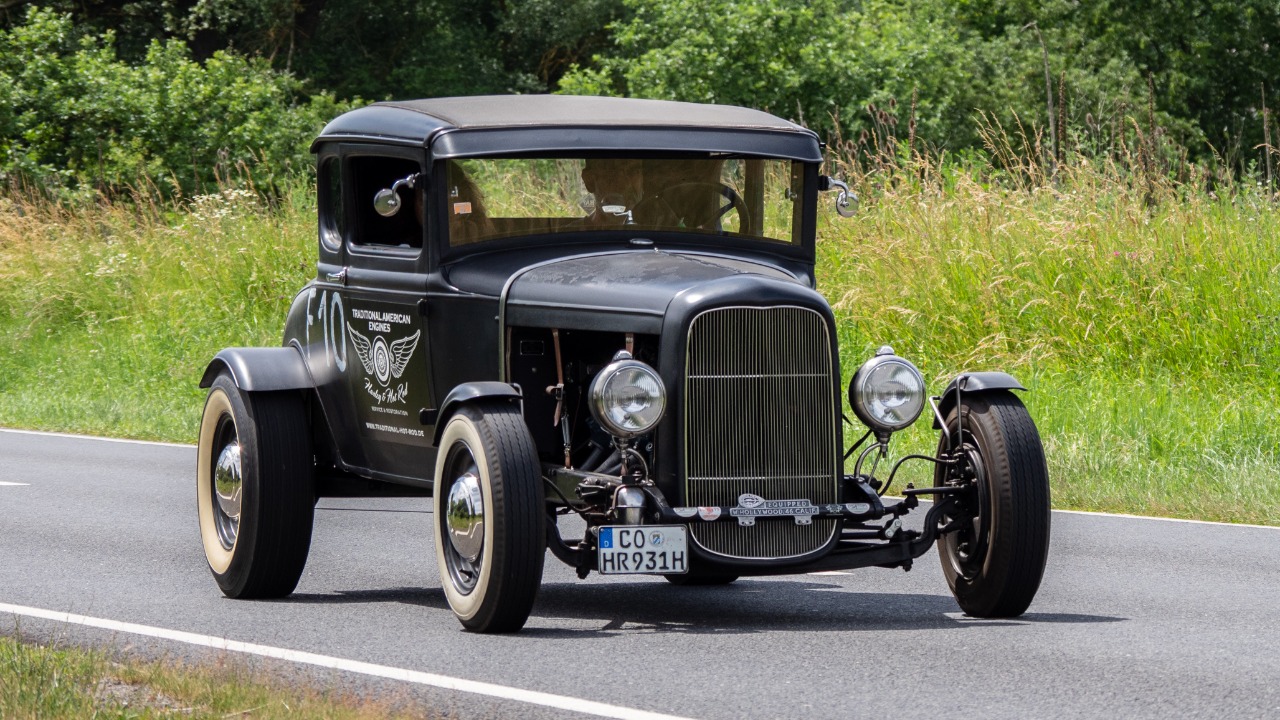
The Ford Model A, produced from 1927 to 1931, was a beacon of accessibility for the average American. Priced at a modest $385, it provided families with a reliable means of transportation during the Great Depression. Sporting a sleek design and available in various body styles, the Model A appealed to a wide range of consumers. It represented a significant upgrade from its predecessor, the Model T, with improved mechanics and a smoother ride.
The Model A’s impact went beyond its affordability; it helped stimulate the economy by promoting automobile ownership. Its introduction also marked the beginning of mass production techniques, paving the way for future automotive innovations. By reading about the history of the Ford Model A, one can appreciate its role in transforming American society during a time of need.
Chevrolet Master: A Symbol of American Ingenuity

The Chevrolet Master, introduced in 1933, was a standout model during the 1930s, thanks to its focus on quality and performance at an accessible price point. With a starting price of around $525, it was designed to compete directly with the Ford Model A while offering advanced features like hydraulic brakes and a smooth, inline-six engine. The Master quickly became a favorite among families looking for reliability and comfort.
Its efficient engineering not only made it more affordable to operate but also established Chevrolet as a leader in the automotive industry. The Master line helped solidify the brand’s identity, and its success contributed to the resurgence of the American car market during the Great Depression. For a deeper understanding of its significance, you can explore the evolution of American cars during this challenging period.
Chrysler Airflow: Aerodynamic Innovation

Launched in 1934, the Chrysler Airflow was revolutionary due to its avant-garde aerodynamic design. It featured a streamlined body that not only looked modern but also improved fuel efficiency. Priced at approximately $1,500, it was a premium option compared to other cars of the time, but it offered features like an all-steel body and a spacious interior, appealing to families seeking comfort and style.
The Airflow symbolized the future of automotive design and was a testament to American innovation. Despite its initial lukewarm reception, it paved the way for future designs and influenced generations of cars to come. The Chrysler Airflow’s legacy is a reminder of how innovation can inspire hope, even in challenging times. For more insights into its impact, check out this article on cars that defined their decades.
Buick Century: Performance Meets Affordability
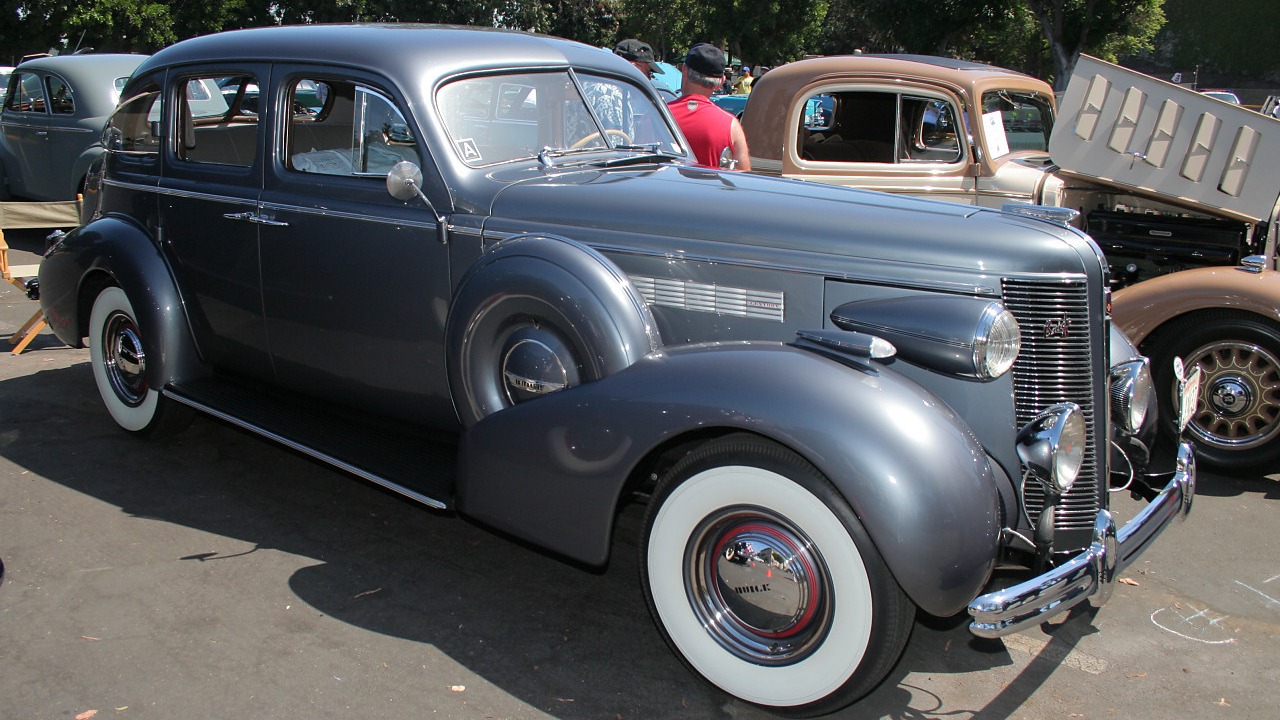
The Buick Century, introduced in 1936, was a game-changer. Positioned as a mid-range vehicle, it offered impressive performance without the luxury price tag. Priced around $1,200, the Century featured a powerful straight-eight engine that provided a smooth ride and impressive speed, making it a popular choice for families and young professionals alike.
I admire how the Century combined style with substance, showcasing Buick’s commitment to quality. Its sleek lines and advanced engineering reflected the optimism of the era. The Century was not just a mode of transportation; it embodied the hope that people had for a brighter future. Its legacy continues to influence modern design and engineering in American automobiles, reminding us of the potential for innovation even during tough times.
Pontiac Six: The Spirit of Adventure
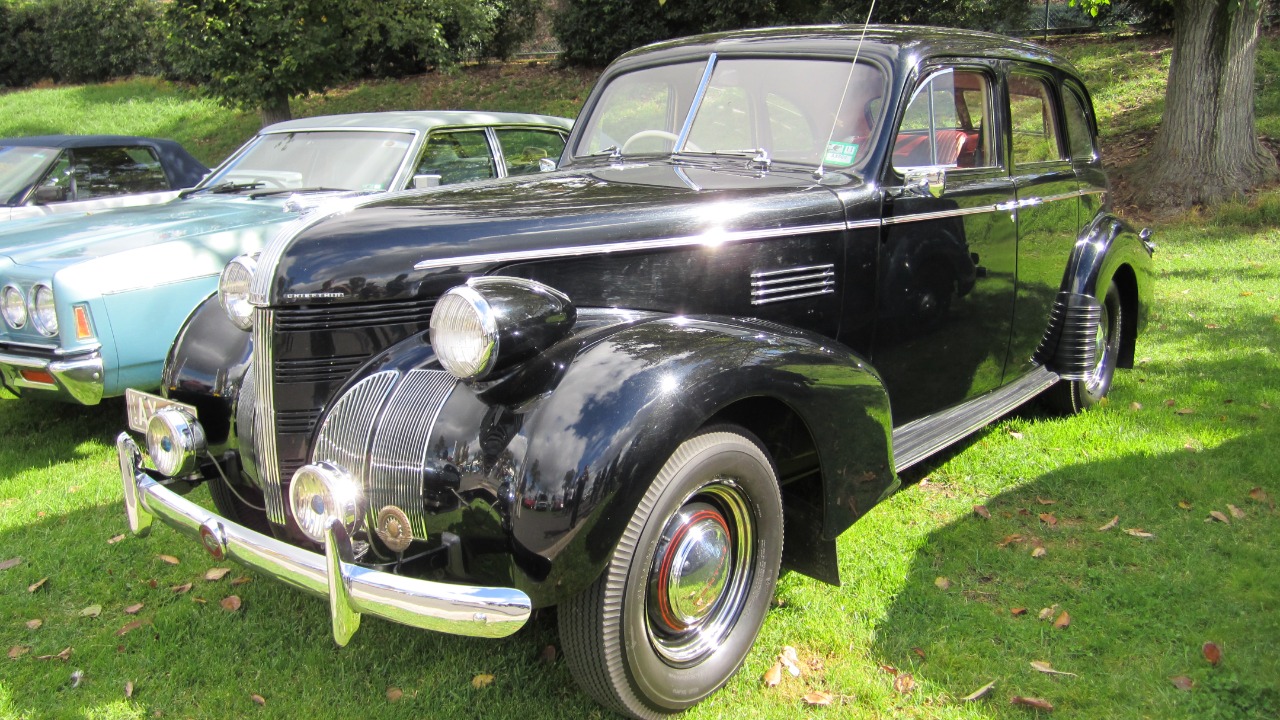
Launched in 1931, the Pontiac Six was a testament to the adventurous spirit of the 1930s. With a price tag starting at $825, it offered a balance of affordability and performance. It featured a sturdy six-cylinder engine that provided reliable power, making it an attractive option for families looking to explore the open road.
The Pontiac brand positioned itself as a vehicle for the adventurous, appealing to those who wanted to escape the confines of their everyday lives. The Six’s rugged design and dependable performance made it a favorite among outdoor enthusiasts and road-trippers. Its legacy lives on as a symbol of freedom and exploration, reminding us that even during hard times, the call of adventure can inspire hope.
Dodge Brothers Sedan: Strength in Solidarity
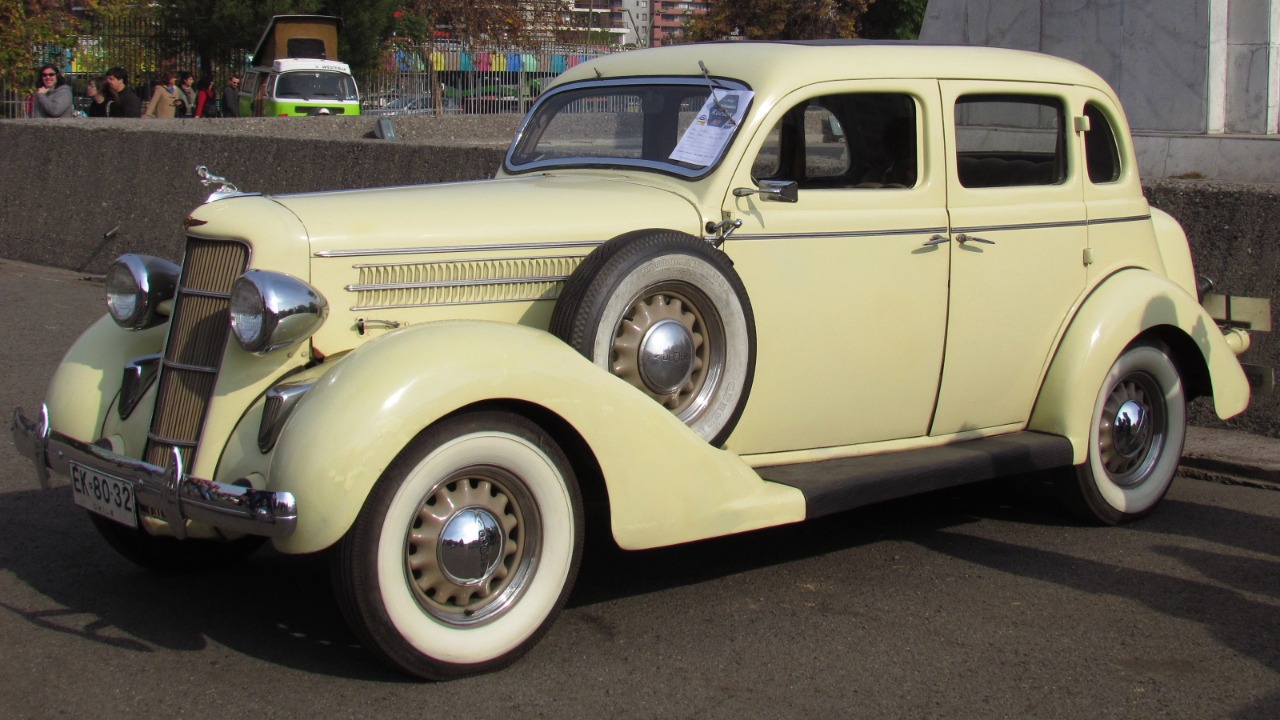
The Dodge Brothers Sedan, produced throughout the 1930s, was known for its durability and robustness. Priced around $750, it was a practical choice for families needing a reliable vehicle during uncertain times. Its solid construction and straightforward design made it a popular option, especially among those who valued dependability over extravagance.
What I find compelling about the Dodge Brothers Sedan is how it represented the resilience of American manufacturing. Built with a focus on quality, it embodied the values of strength and reliability that people sought during the Great Depression. Its popularity shows how even in tough times, consumers gravitated toward products that symbolized stability and trustworthiness.
Packard 120: Luxury Within Reach
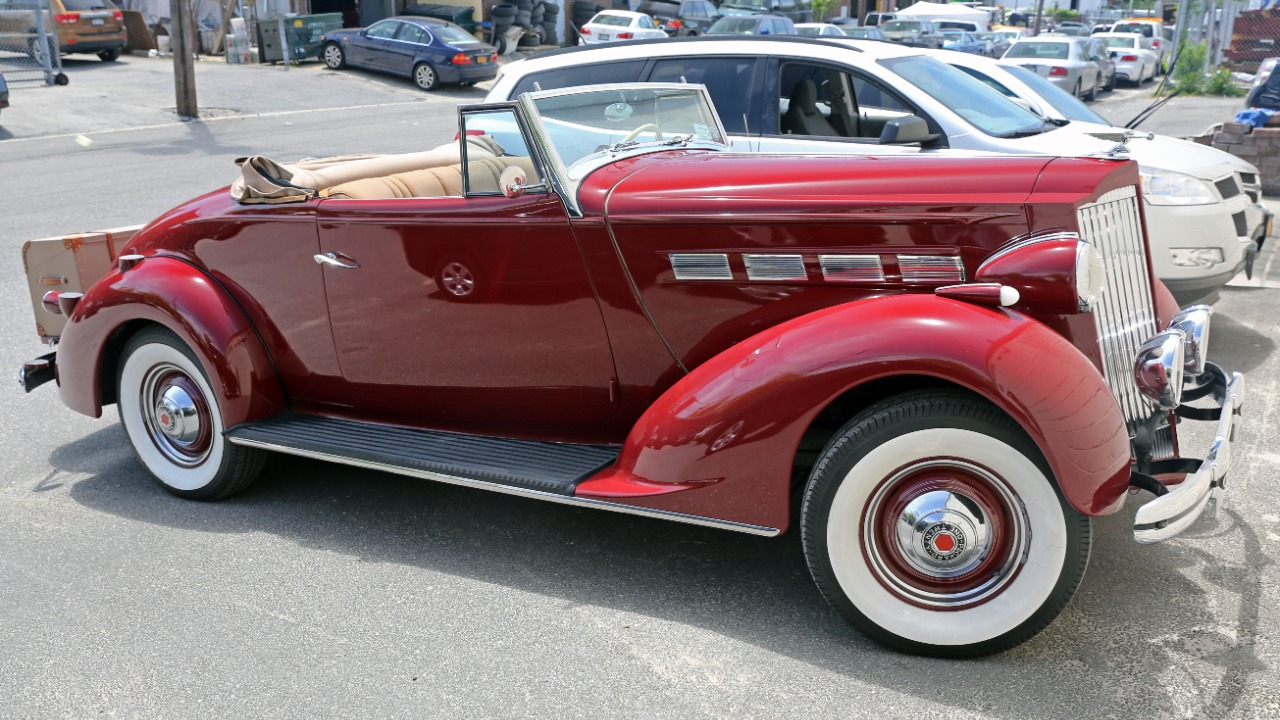
The Packard 120, introduced in 1935, was a remarkable blend of luxury and affordability. With a starting price of around $1,200, it offered features typically reserved for high-end vehicles, such as a powerful eight-cylinder engine and finely crafted interiors. The 120 quickly became known as one of the best values in the luxury car market.
Packard’s ability to deliver luxury at a reasonable price made the 120 an aspirational model during the 1930s. It was a car that offered a glimpse of prosperity during difficult times, allowing many families to experience the finer things in life without breaking the bank. The Packard 120 remains a symbol of hope and stability, illustrating how luxury can inspire dreams even in the darkest of times.
Hudson Terraplane: The Underdog Hero

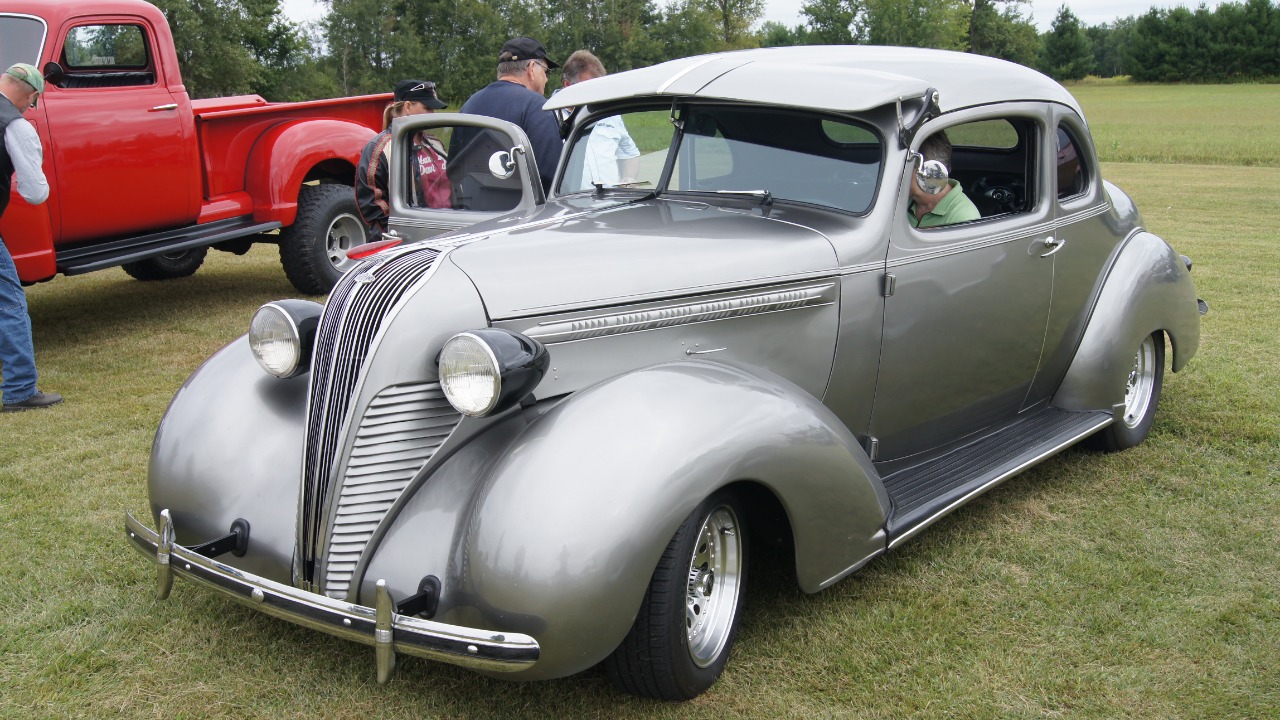
The Hudson Terraplane, introduced in 1932, emerged as a surprising contender in the automotive market. With a price point starting at $550, it offered a unique blend of performance and style that appealed to budget-conscious consumers. Its lightweight design and innovative engineering set it apart from its competitors, providing a spirited driving experience.
The Terraplane quickly gained a reputation for its performance on both the road and the racetrack, earning it a loyal following. It symbolizes the underdog spirit of the 1930s, reminding us that innovation can emerge from unexpected places. The Hudson Terraplane’s success during tough economic times reflects the resilience and creativity that defined the era.
Studebaker Champion: Style and Substance
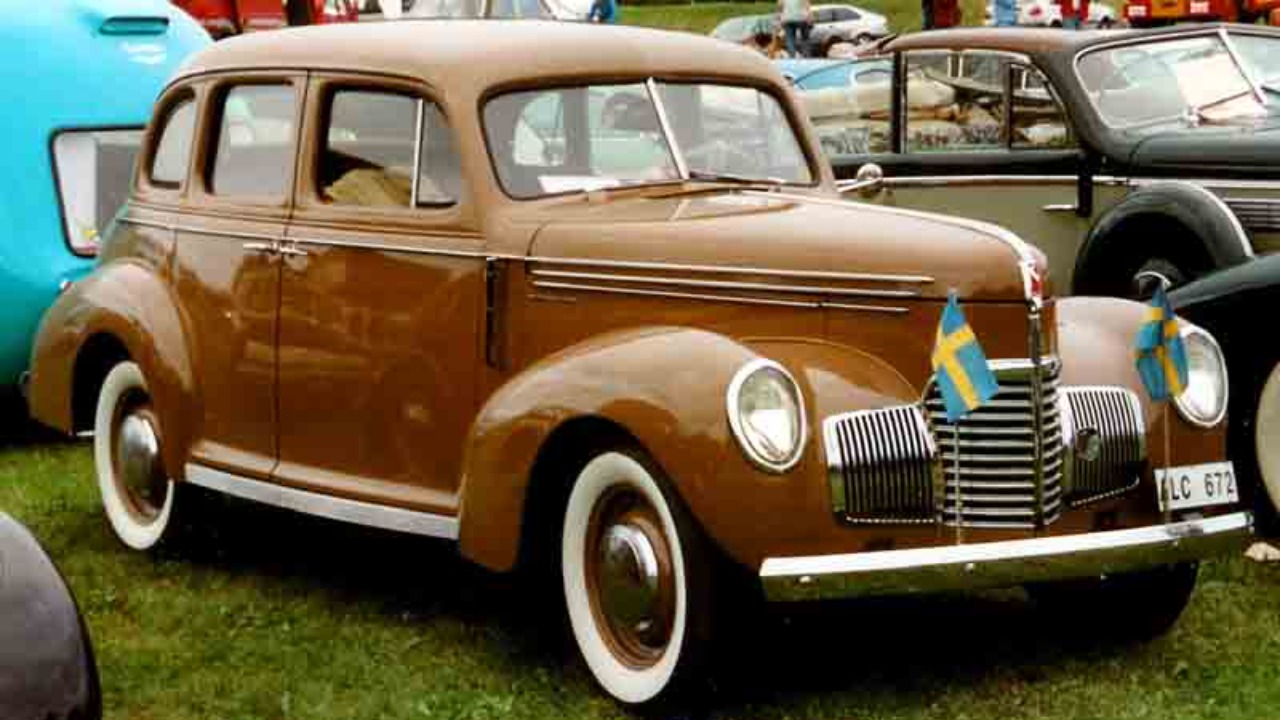
The Studebaker Champion, launched in 1939, was celebrated for its modern styling and forward-thinking design. Priced at approximately $900, it offered consumers a stylish yet practical option during the late 1930s. The Champion’s design was characterized by its sleek lines and spacious interior, making it a favorite among families and young professionals.
What I appreciate about the Studebaker Champion is its ability to blend aesthetics with functionality. It showcased how a car could be both beautiful and practical, appealing to a wide audience. Its success during a time of economic uncertainty illustrates how creativity and innovation can spark hope and inspire change in the automotive industry.
Nash Lafayette: Embracing the Everyday Driver
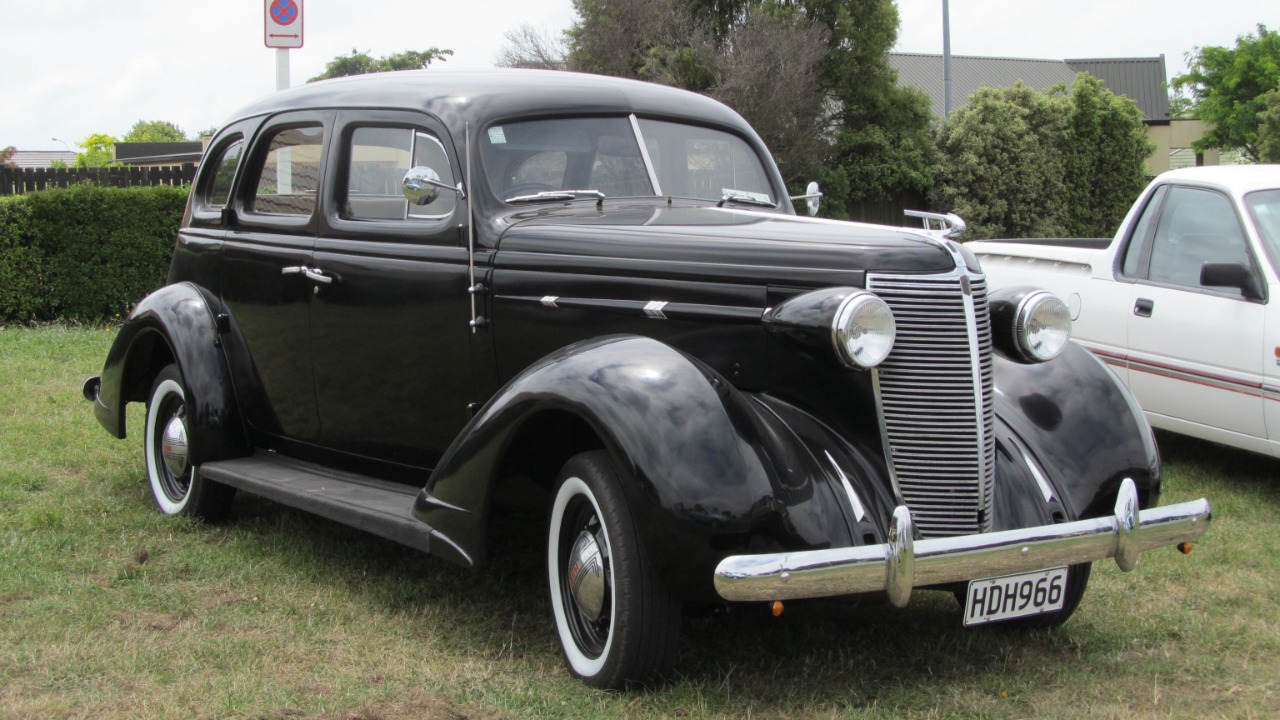
The Nash Lafayette, introduced in 1934, was designed with the everyday driver in mind. With a starting price of around $800, it offered a reliable and comfortable ride, making it an attractive option for families during the Great Depression. Its straightforward design and practical features appealed to consumers seeking value and dependability.
Nash’s commitment to producing affordable vehicles that catered to the needs of everyday Americans made the Lafayette a symbol of hope. It reflected the changing landscape of the automotive industry, where manufacturers began to prioritize affordability without sacrificing quality. The Nash Lafayette serves as a reminder of the importance of accessibility in transportation during challenging times, showcasing how innovation can meet the needs of the many.
More from Fast Lane Only
- Unboxing the WWII Jeep in a Crate
- 15 rare Chevys collectors are quietly buying
- 10 underrated V8s still worth hunting down
- Police notice this before you even roll window down
*Research for this article included AI assistance, with all final content reviewed by human editors.