Some cars age into timeless designs that remain difficult to place decades later. Others are so closely tied to a specific moment in automotive history that you can practically guess the year they were built at first glance. Their styling, technology, and overall personality reflect the trends that dominated their era, making them rolling snapshots of automotive history. Whether through futuristic experimentation, excessive chrome, or unmistakable design cues, these cars instantly reveal exactly when they came from.
1959 Cadillac Eldorado
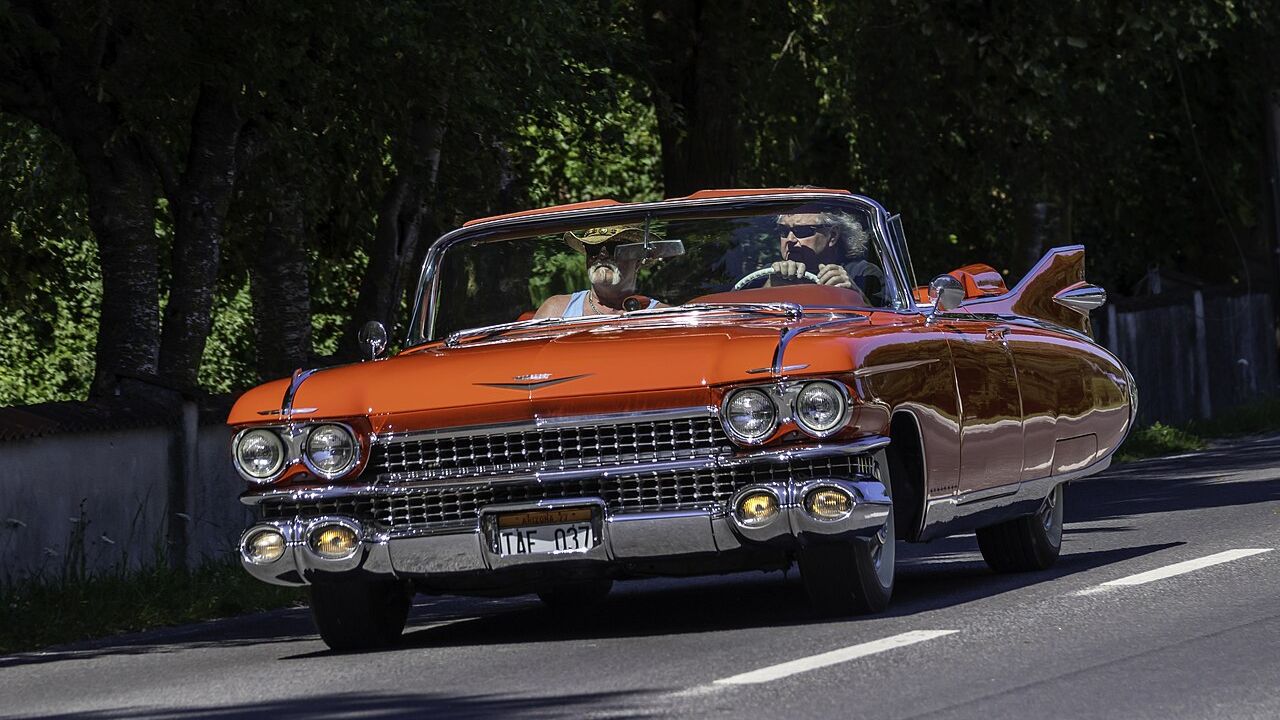
The 1959 Cadillac Eldorado is perhaps the ultimate symbol of America’s fascination with the Space Age. Its towering tailfins, abundant chrome, and dramatic proportions reflected a period when bigger and bolder were always better. The design captured the optimism and confidence of late-1950s America, making it impossible to mistake for anything built before or after. One glance at those famous fins immediately places the car in its era.
1975 AMC Pacer
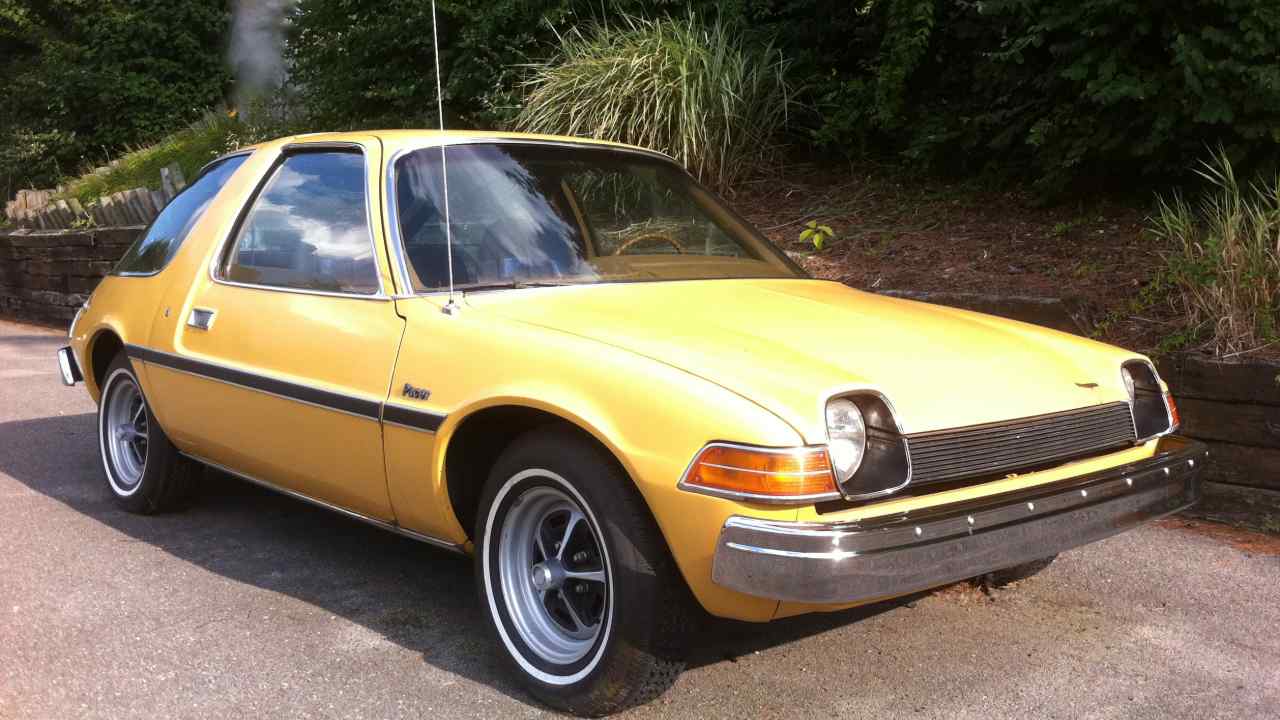
The AMC Pacer looked unlike anything else on the road when it debuted. Its rounded shape, expansive glass area, and unusual proportions reflected the experimental spirit of the 1970s. Automakers were searching for new approaches as fuel concerns and changing consumer tastes reshaped the market. The Pacer’s design now serves as one of the most recognizable automotive signatures of the decade, instantly transporting observers back to the mid-1970s.
1982 Chevrolet Camaro
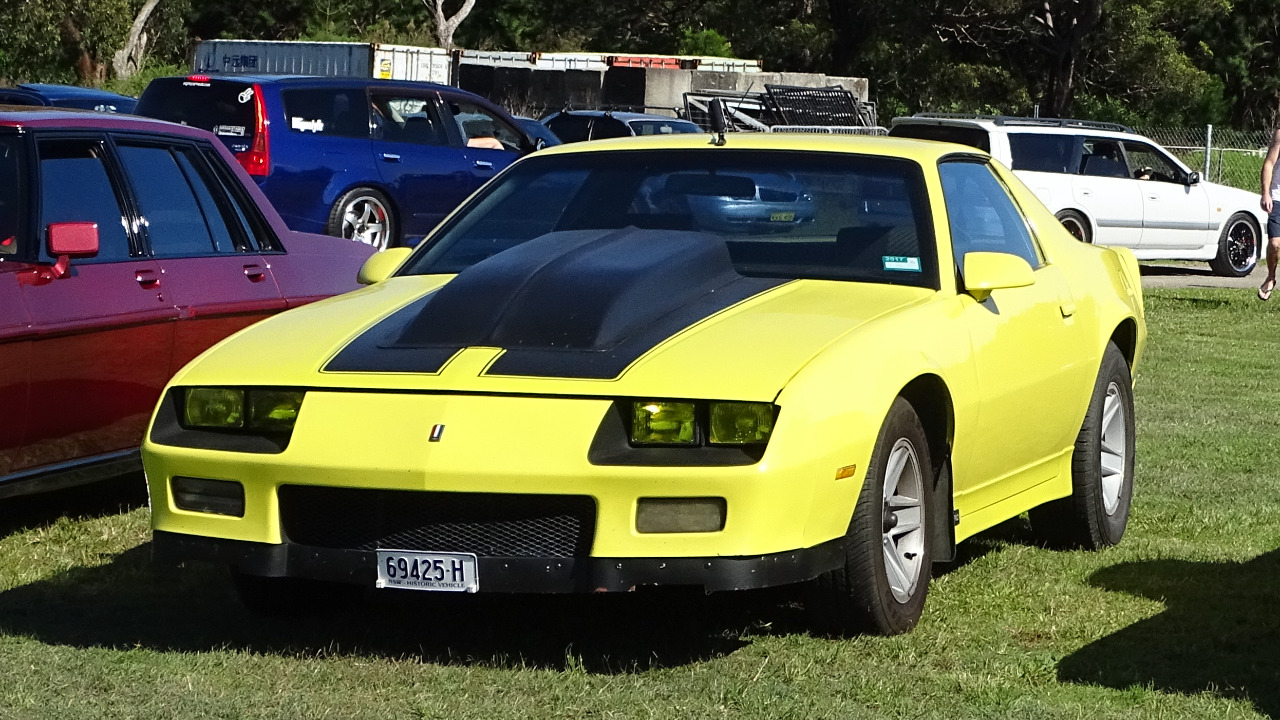
The third-generation Camaro arrived just as sharp edges and aerodynamic influences were taking over automotive design. Its wedge-shaped profile, pop-up headlights, and futuristic dashboard reflected the styling priorities of the early 1980s. The car perfectly captured a decade obsessed with technology, modernity, and bold geometric forms. Few vehicles communicate “1980s” as quickly and effectively as a Camaro from this period.
1980s Yugo GV
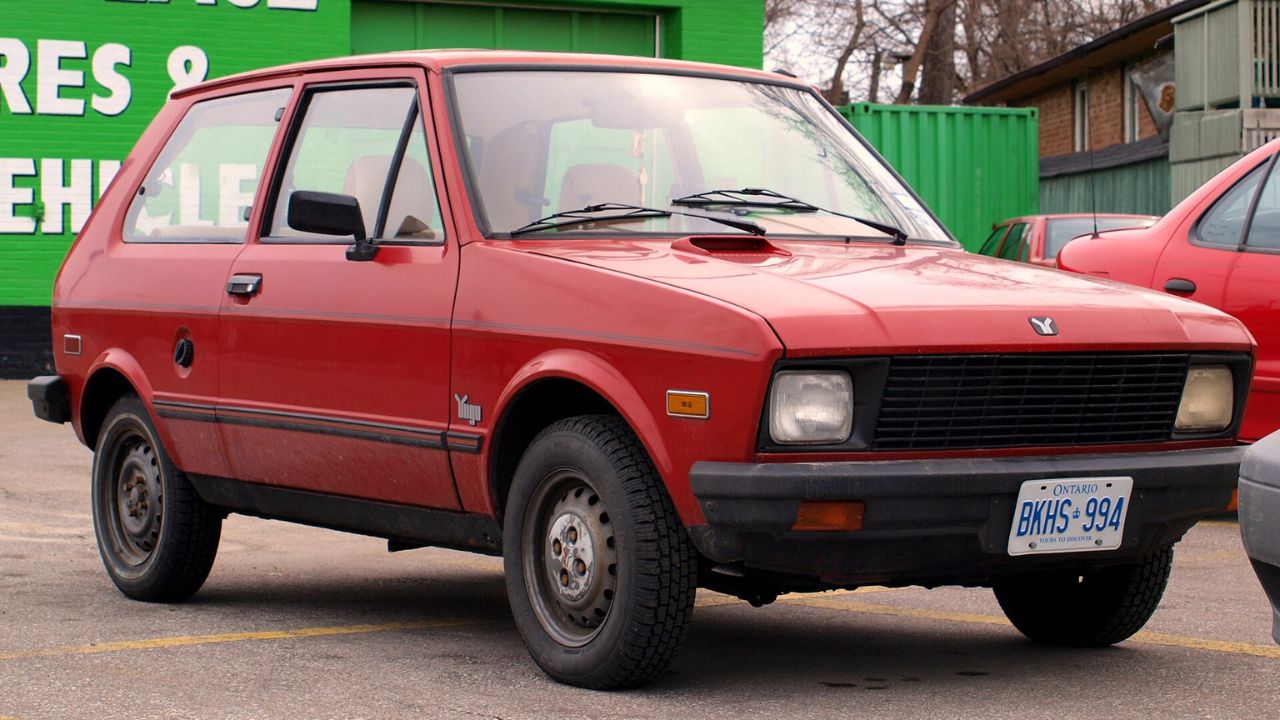
The Yugo GV embodied the budget-car philosophy of the 1980s. Compact dimensions, simple styling, and minimal features reflected a time when affordability often took precedence over refinement. While it became the subject of countless jokes, the Yugo remains a fascinating snapshot of an era when low-cost transportation was a growing priority. Its appearance instantly signals both its decade and the economic realities that shaped it.
1993 Eagle Vision
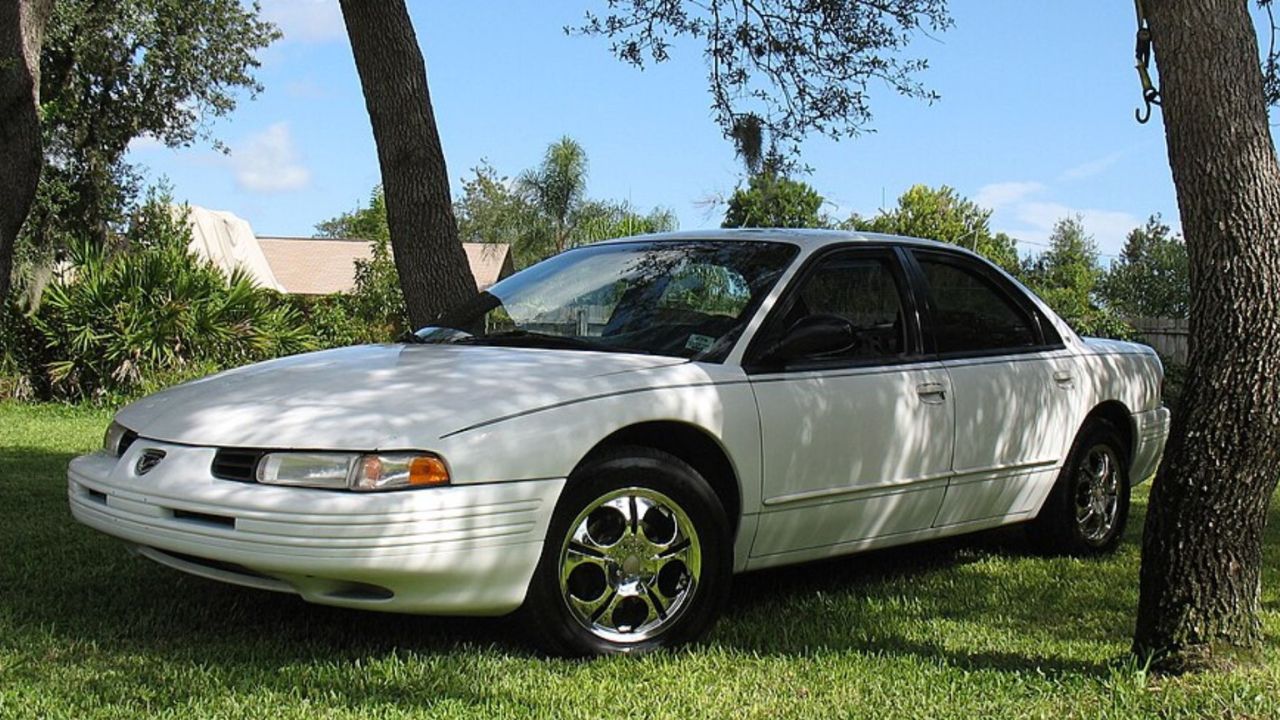
The Eagle Vision showcased Chrysler’s cab-forward design philosophy, one of the defining automotive trends of the 1990s. Its steep windshield, short hood, and streamlined profile looked futuristic compared to traditional sedans. The design emphasized interior space and aerodynamic efficiency, two priorities that dominated the decade. Today, the Vision remains one of the clearest visual reminders of 1990s sedan design.
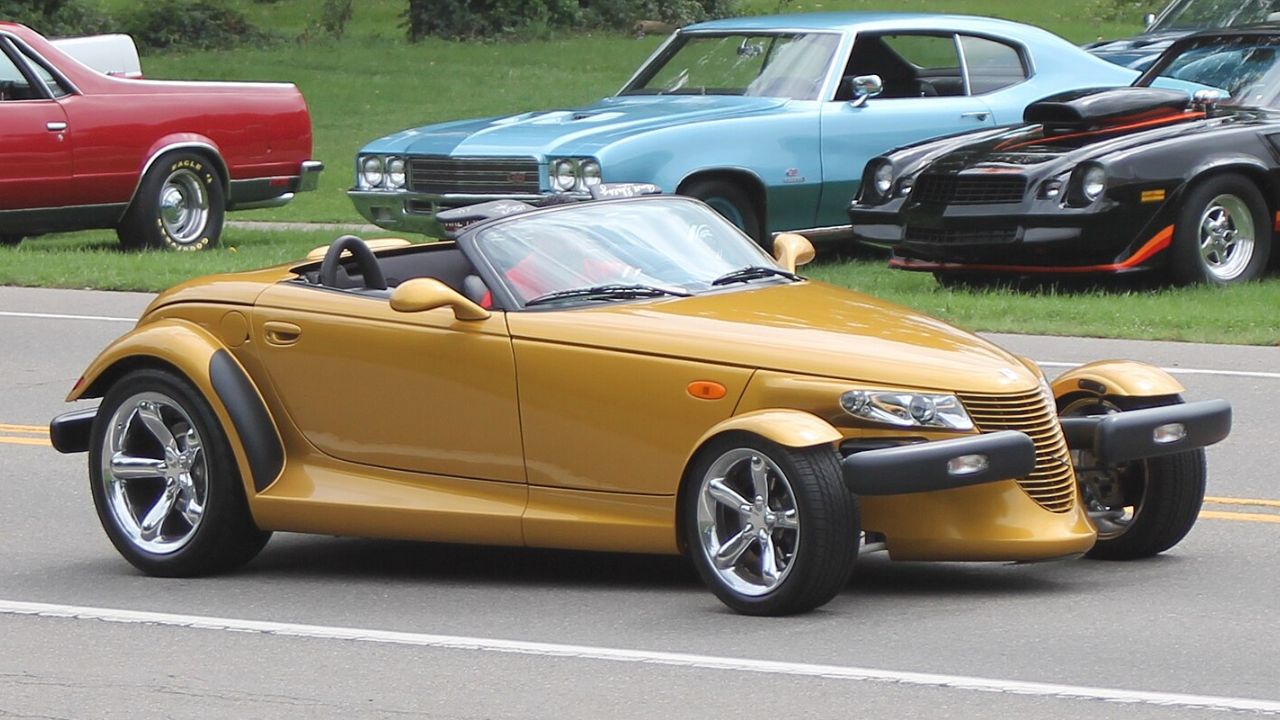
1997 Plymouth Prowler
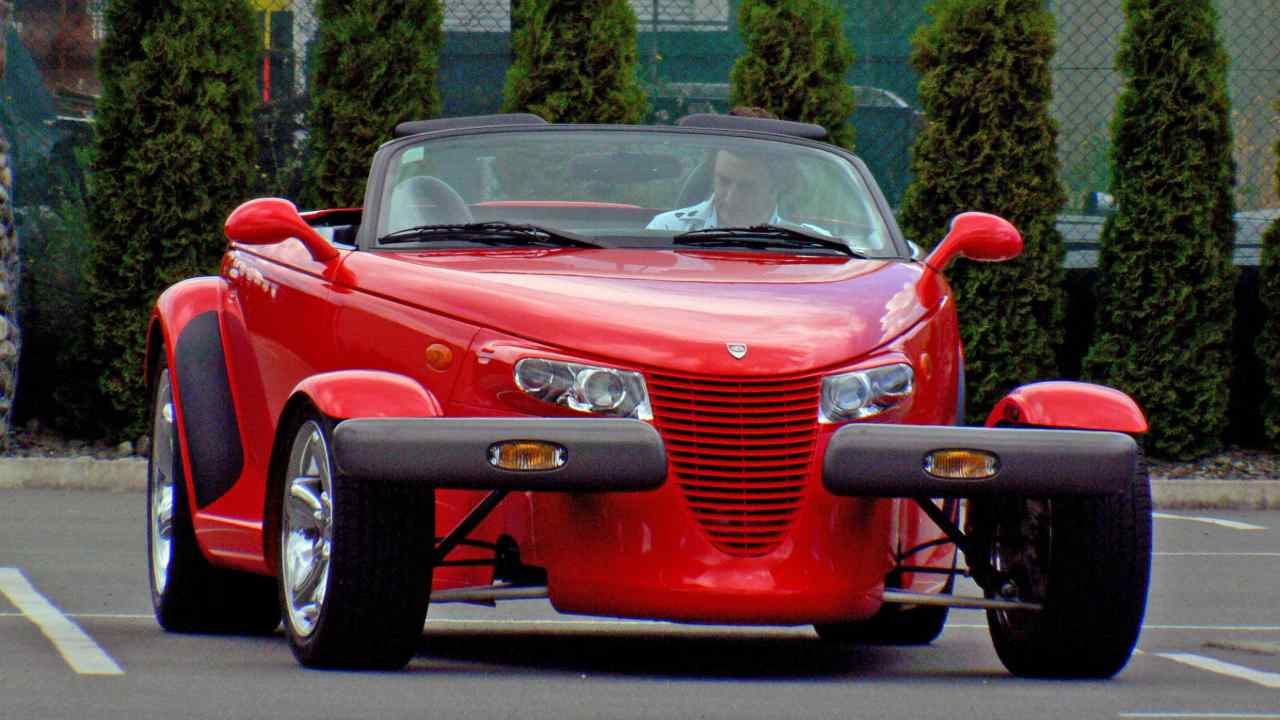
The Plymouth Prowler perfectly captured the retro-design craze that swept through the automotive industry in the late 1990s. Inspired by classic hot rods but built with modern engineering, it blended nostalgia with contemporary technology. Its exposed front wheels and dramatic styling made it impossible to ignore. The Prowler feels so connected to its era that it instantly evokes memories of the design trends that defined the period.
2003 Hummer H2
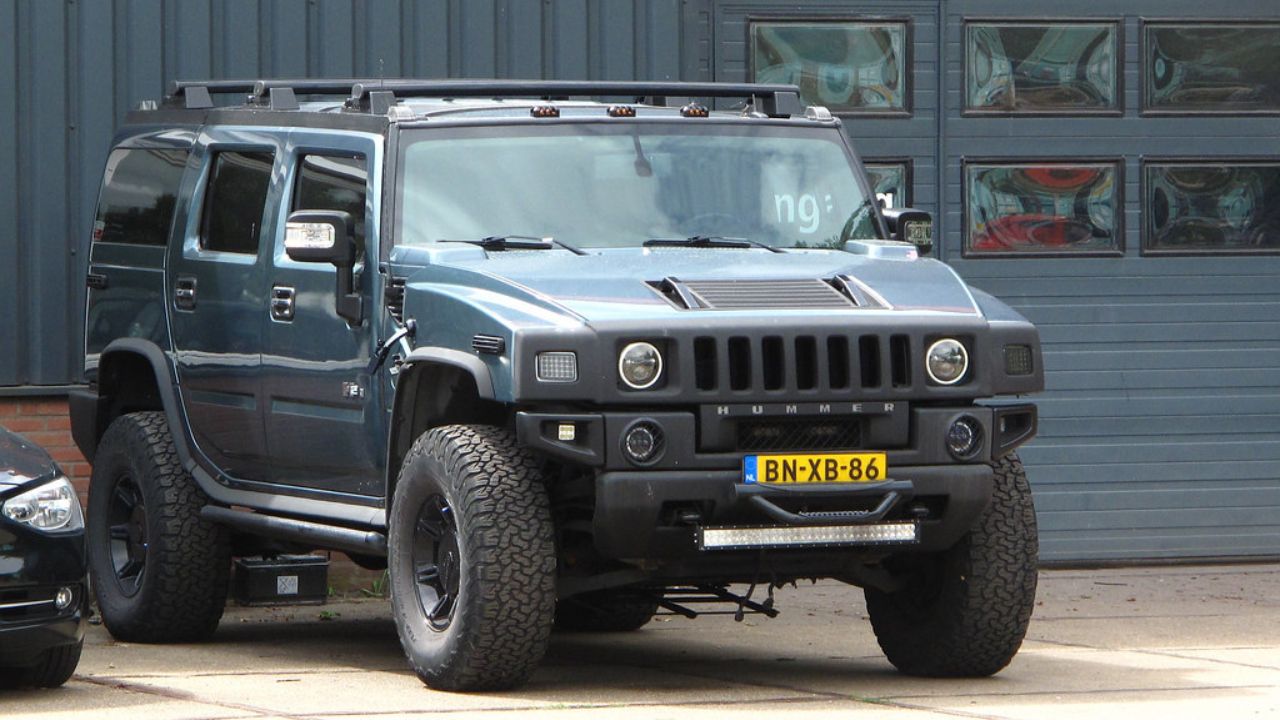
The Hummer H2 reflects the larger-is-better mentality that shaped much of the early 2000s automotive market. Massive dimensions, aggressive styling, and an imposing presence appealed to buyers who wanted vehicles that made a statement. During its peak, size itself became a selling point. The H2’s unapologetic excess makes it one of the most recognizable products of its era and an unmistakable symbol of early-2000s automotive culture.
2004 Chrysler Crossfire

The Chrysler Crossfire arrived during a period when manufacturers were increasingly sharing platforms and engineering resources across brands. Its dramatic styling reflected early-2000s design trends, while its unique blend of American and German influences made it stand out. The ribbed bodywork and distinctive proportions ensured it never blended into traffic. Today, it remains instantly recognizable as a product of its specific automotive moment.
2011 Nissan Juke
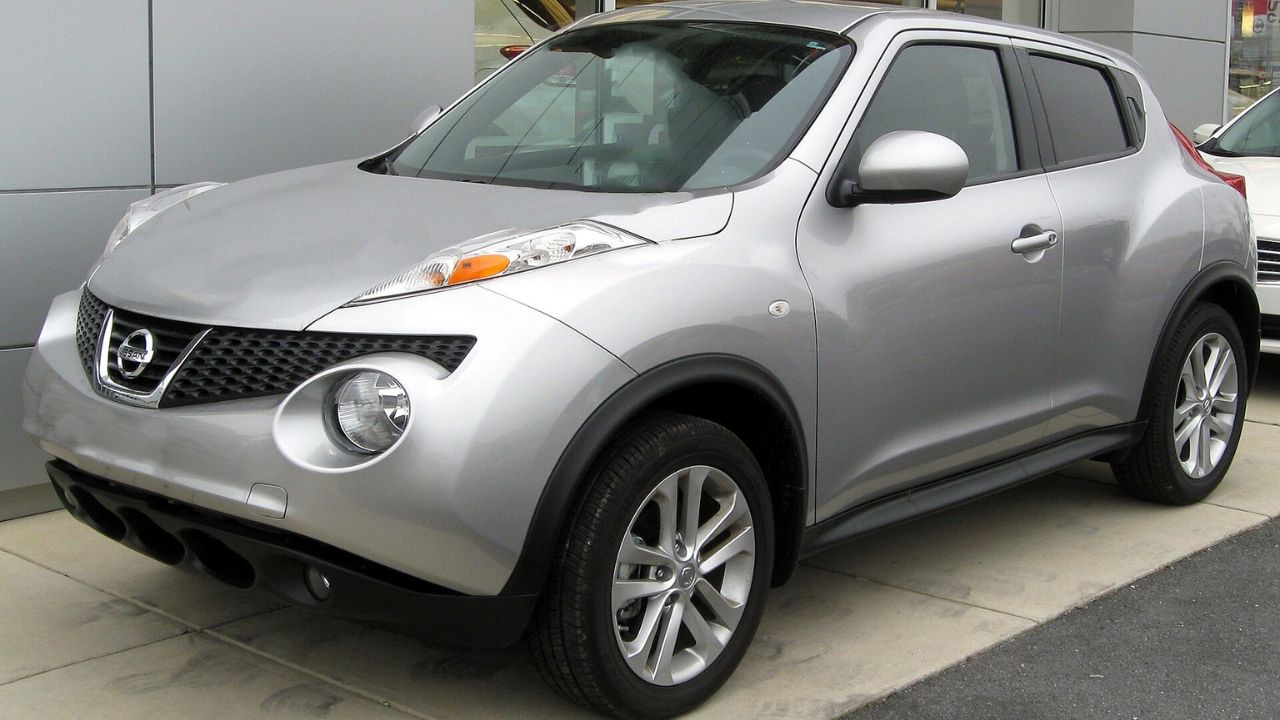
The Nissan Juke appeared just as automakers were experimenting with increasingly bold crossover designs. Its unusual headlights, exaggerated fenders, and unconventional proportions challenged traditional styling norms. The Juke reflected a period when manufacturers were willing to take risks to stand out in a rapidly growing crossover market. Even today, its appearance immediately places it within the design trends of the early 2010s.
2022 Tesla Model Y
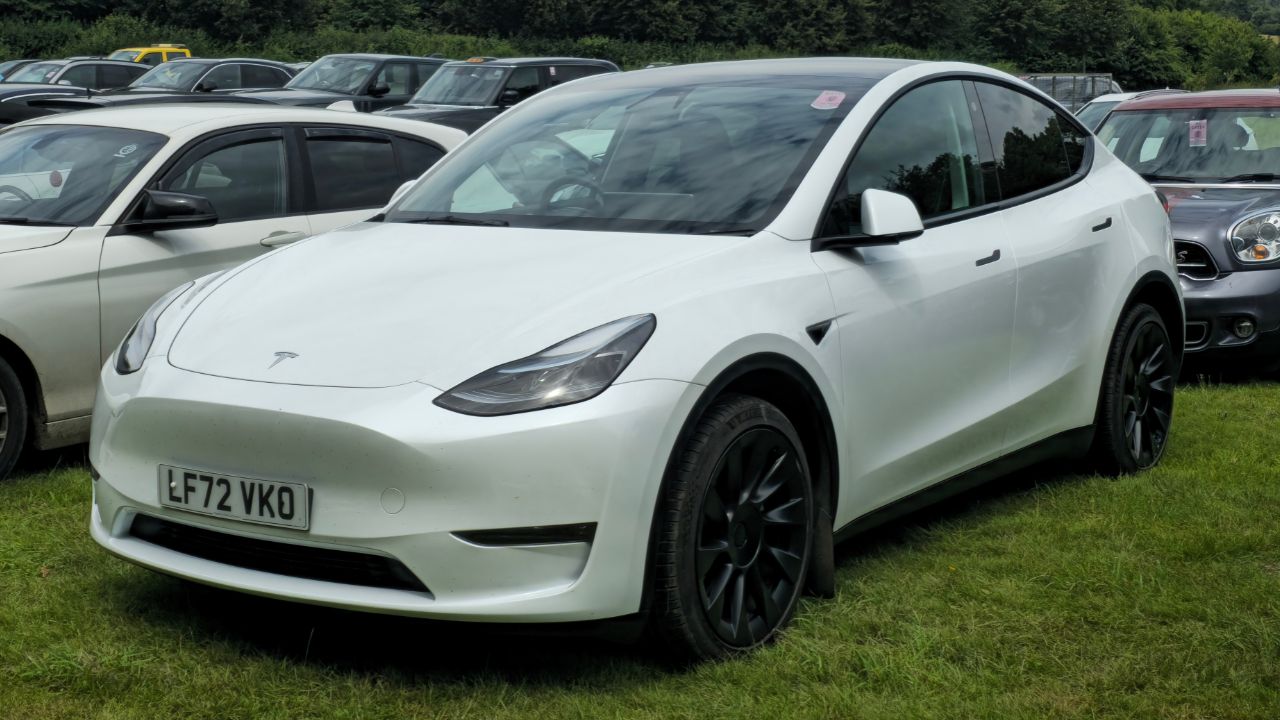
The Tesla Model Y reflects the priorities of the modern automotive industry more clearly than almost any other vehicle. Its minimalist interior, large touchscreen, over-the-air software updates, and electric powertrain embody the technological focus of the current era. While future trends may eventually replace these ideas, the Model Y serves as a clear representation of what many buyers and manufacturers value today.
More from Fast Lane Only