American automotive history is filled with headline-grabbing muscle cars and luxury flagships, but many equally important models earned recognition through clever engineering, practical innovation, or bold design choices. These vehicles quietly influenced the industry, solved unique challenges, and demonstrated how American automakers continuously found inventive ways to shape the driving experience.
Chrysler Airflow
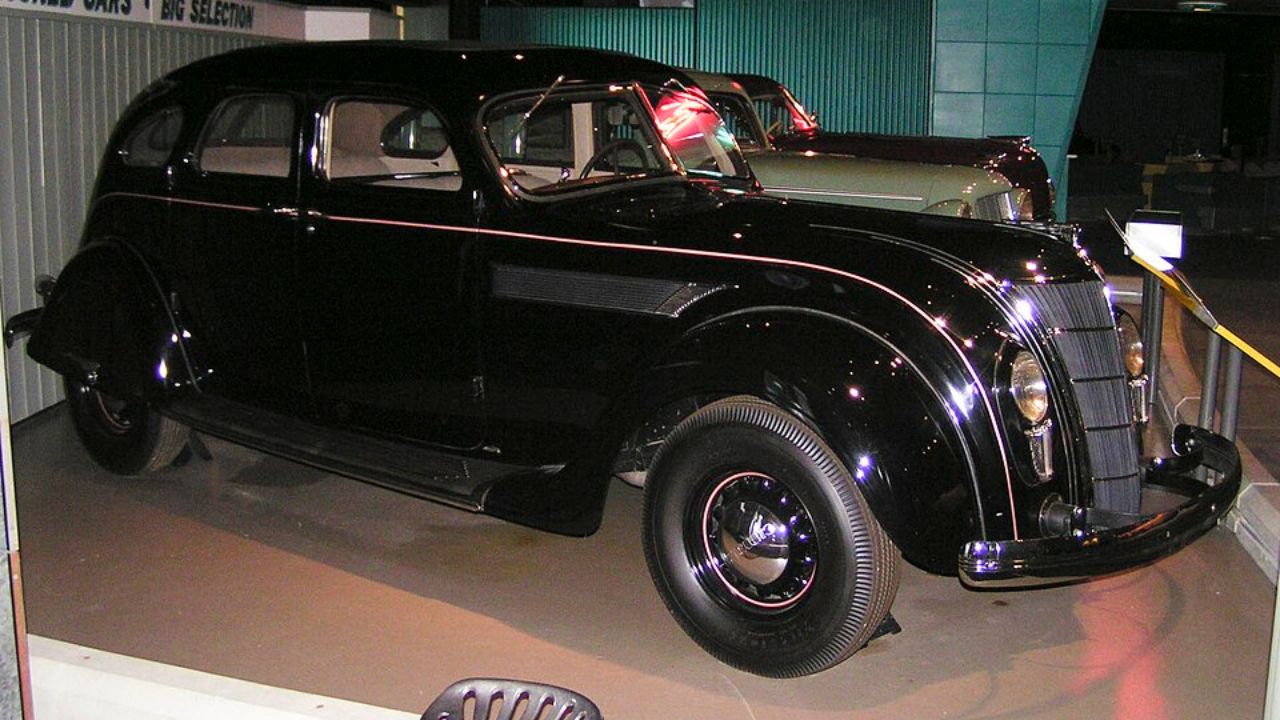
The Chrysler Airflow challenged conventional automotive design by embracing aerodynamic principles years before they became industry standards. Its streamlined body, improved weight distribution, and advanced all-steel construction reflected remarkable engineering ambition. Although commercial success proved limited, the Airflow introduced ideas that later influenced vehicle safety, efficiency, and styling across the global automotive industry.
Cord 810

The Cord 810 stood apart with front-wheel drive, hidden headlights, and a striking streamlined appearance rarely seen during the 1930s. Its innovative engineering eliminated the traditional transmission tunnel, creating a lower profile and improved interior space. Despite its complexity, the Cord demonstrated how American manufacturers could push technology and styling far beyond contemporary expectations.
Oldsmobile Toronado
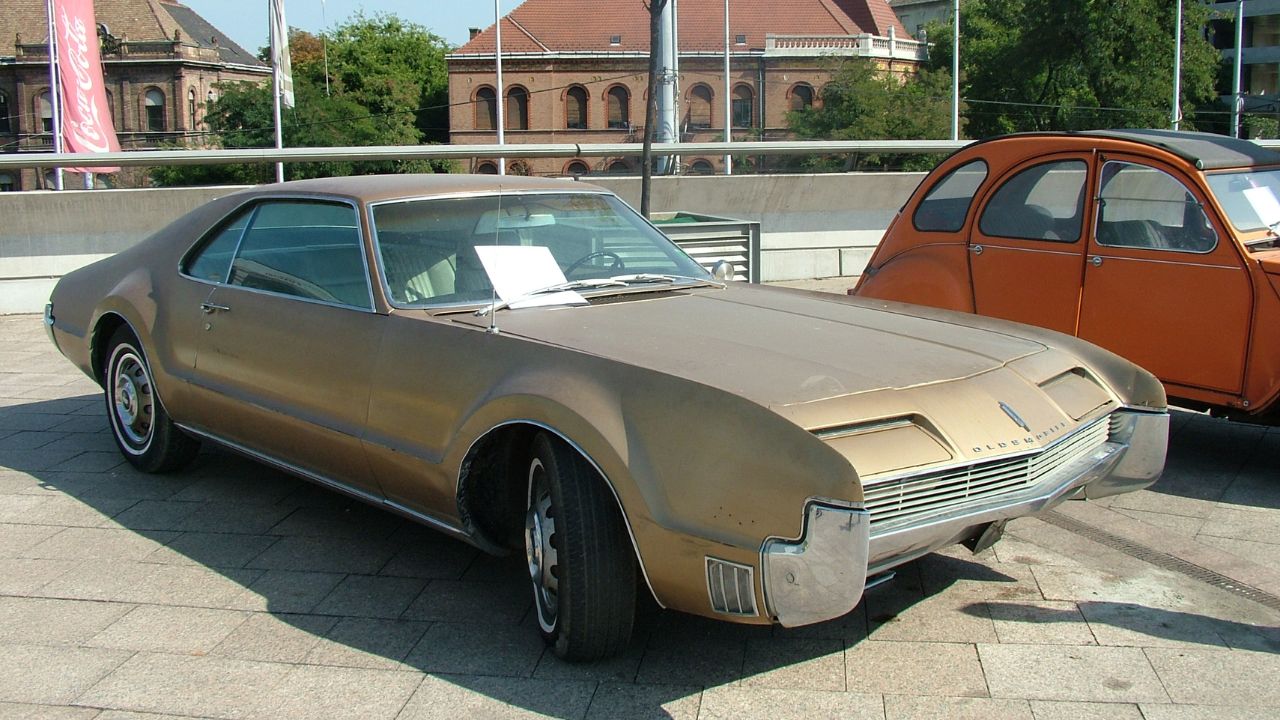
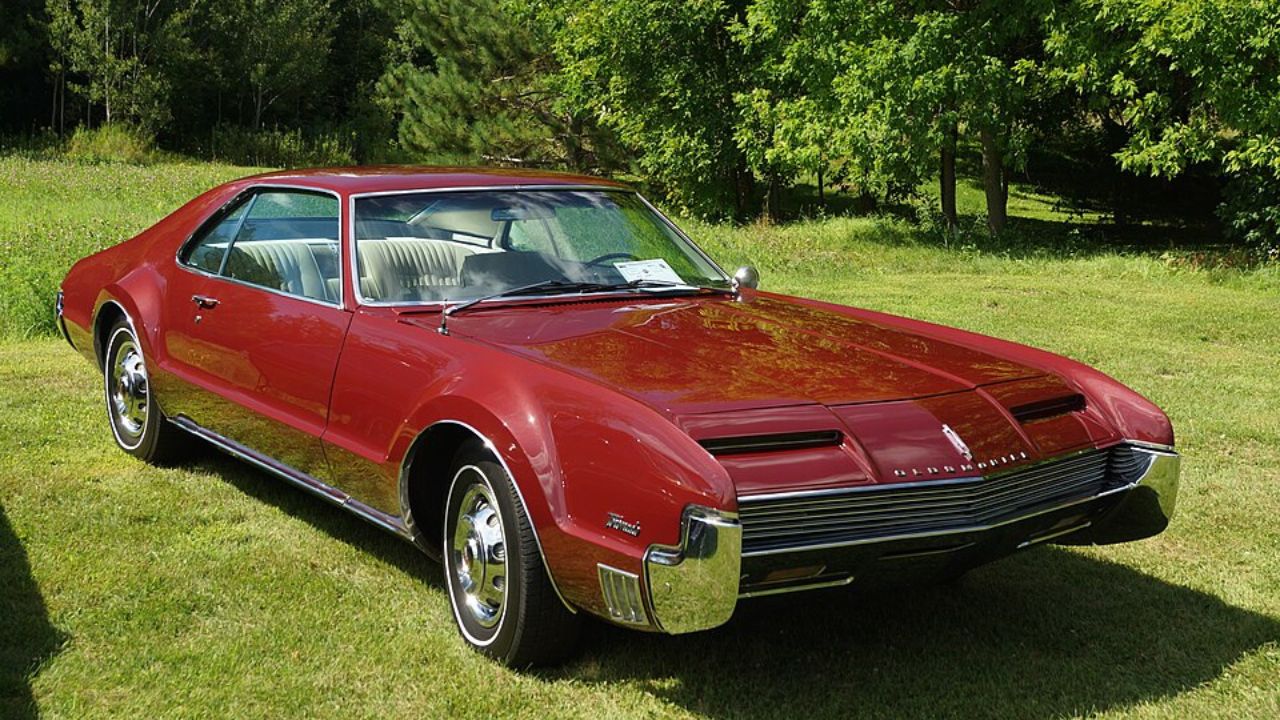
The Oldsmobile Toronado proved that front-wheel drive could successfully power a large American personal luxury coupe. Engineers developed an entirely new drivetrain capable of handling substantial V8 torque without sacrificing comfort or performance. Its mechanical creativity influenced future front-wheel-drive development while showcasing Detroit’s willingness to pursue unconventional engineering solutions.
AMC Eagle
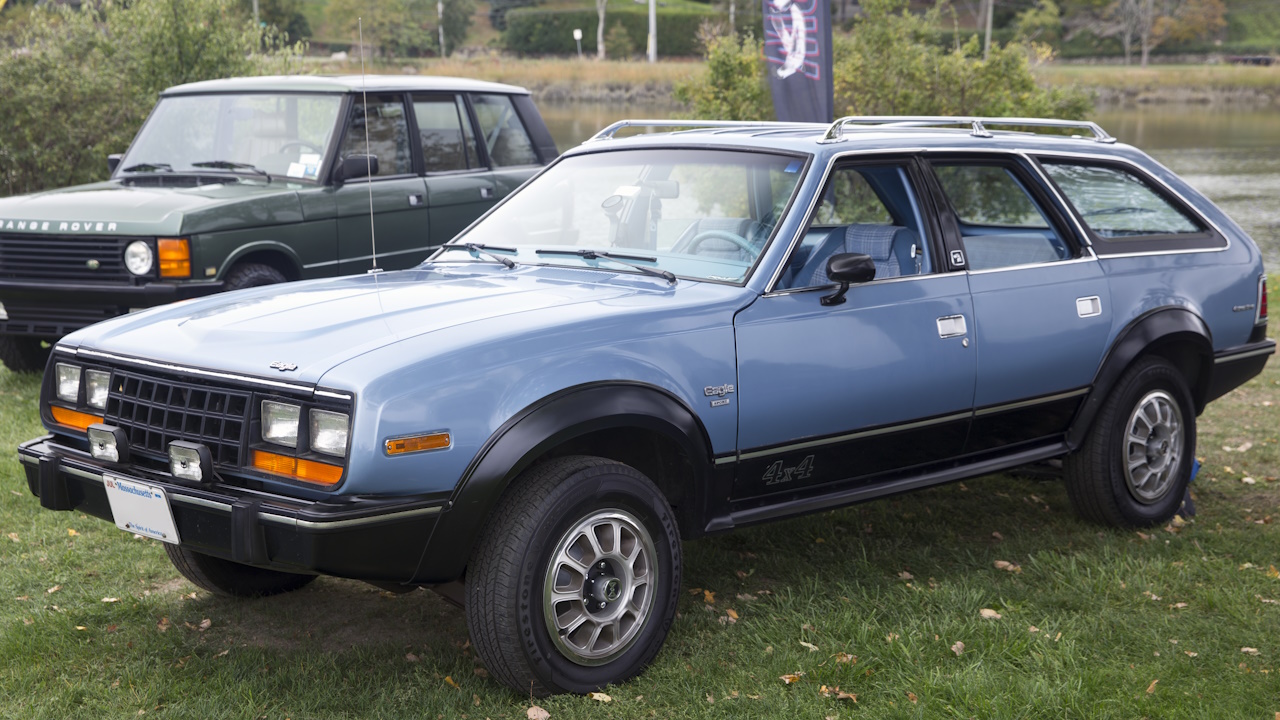
The AMC Eagle quietly pioneered the modern crossover concept decades before the segment exploded in popularity. Combining passenger-car comfort with full-time four-wheel drive gave drivers improved confidence across varying road conditions. This creative blend of utility and everyday practicality anticipated consumer preferences long before crossovers became dominant throughout the automotive marketplace.
Chevrolet Corvair

The Chevrolet Corvair introduced rear-engine engineering to mainstream American buyers, offering an entirely different driving experience from conventional domestic cars. Its air-cooled flat-six engine and independent suspension reflected ambitious experimentation. While controversy eventually overshadowed its reputation, the Corvair remains an important example of Detroit embracing bold mechanical innovation rather than familiar formulas.
Ford Taurus

The Ford Taurus transformed American family transportation through aerodynamic styling, efficient packaging, and a modern driver-focused interior. Its smooth design departed dramatically from the boxy sedans common during the early 1980s. Commercial success encouraged widespread industry changes, proving that practical vehicles could embrace advanced design without sacrificing everyday usability.
Jeep Cherokee XJ

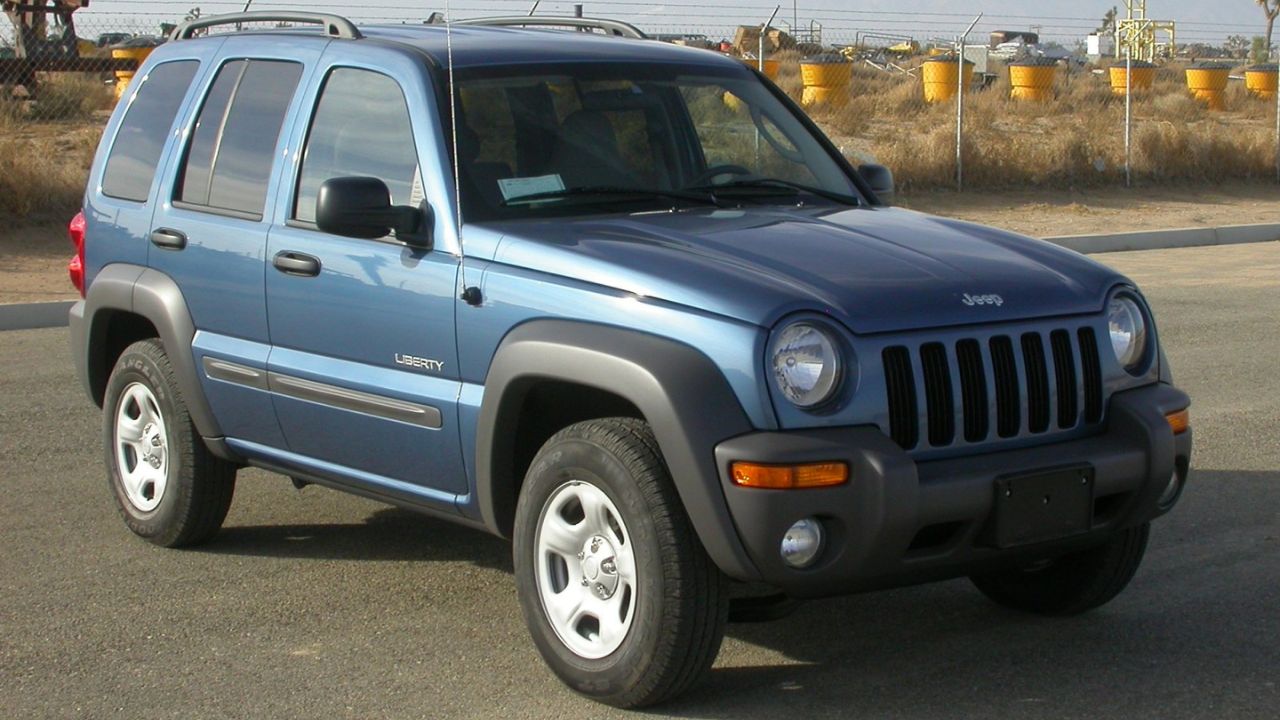
The Jeep Cherokee XJ revolutionized the sport utility vehicle by replacing traditional body-on-frame construction with a lightweight unibody design. This engineering decision improved handling, comfort, and efficiency while maintaining genuine off-road capability. Its balanced approach established a blueprint that influenced generations of SUVs built by manufacturers around the world.
Saturn S-Series
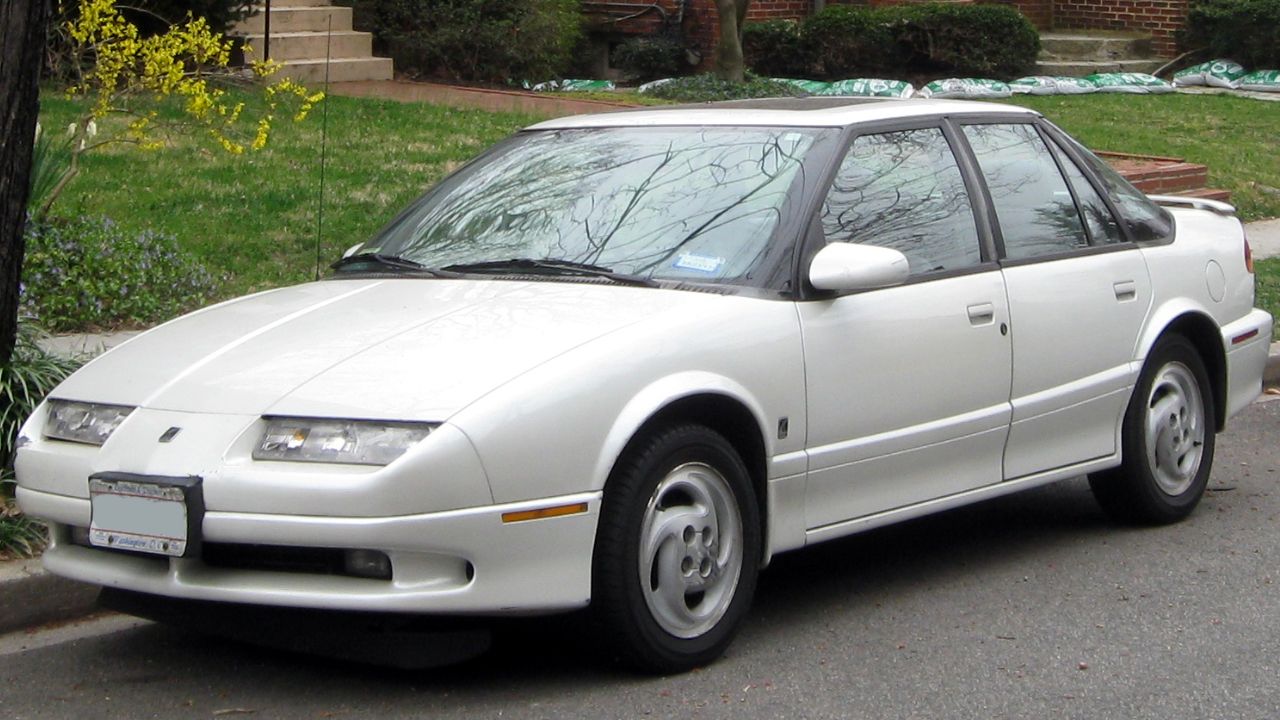
The Saturn S-Series represented a fresh approach to compact car production with dent-resistant polymer body panels and an emphasis on manufacturing innovation. Designed to compete with growing import competition, it combined practical engineering with efficient assembly methods. Although the Saturn brand eventually disappeared, the S-Series demonstrated inventive thinking throughout its development.
Chevrolet Volt
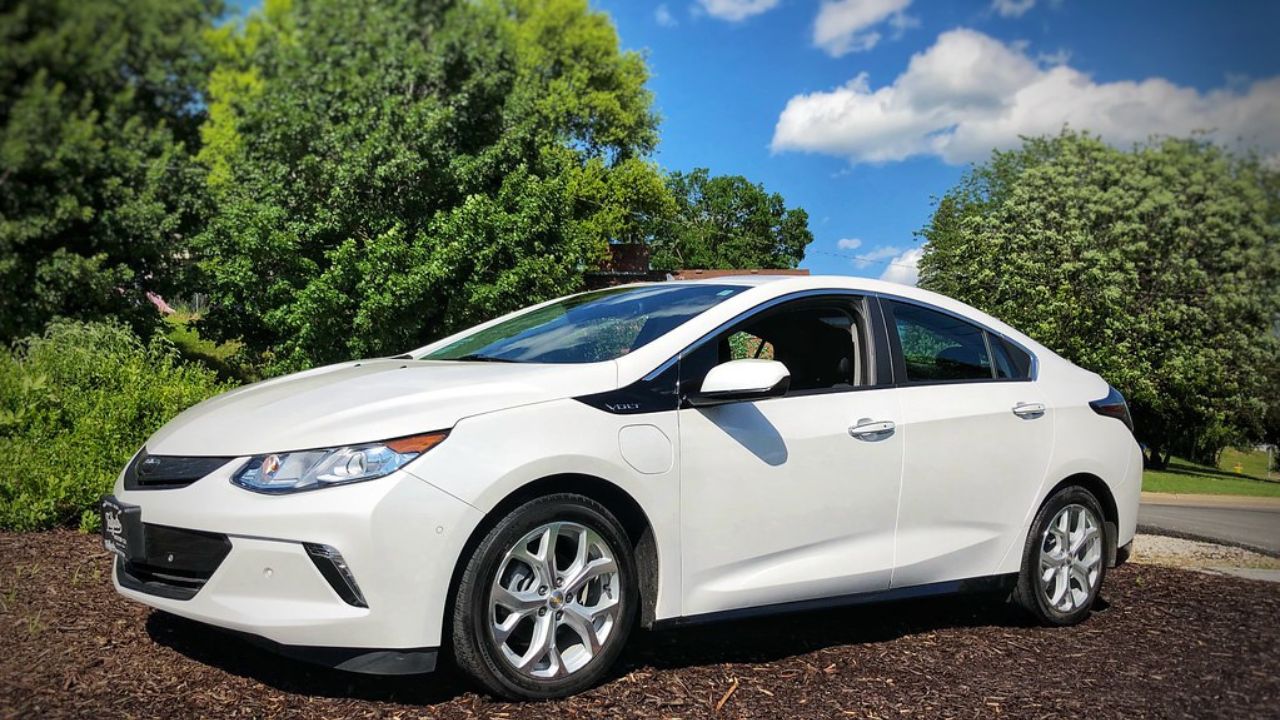
The Chevrolet Volt introduced an innovative extended-range electric powertrain that addressed range anxiety before charging infrastructure became widespread. Its gasoline engine functioned primarily as a generator once battery power diminished, allowing electric-focused driving without sacrificing flexibility. The Volt helped bridge conventional and fully electric transportation during an important transitional period.
Tesla Model S
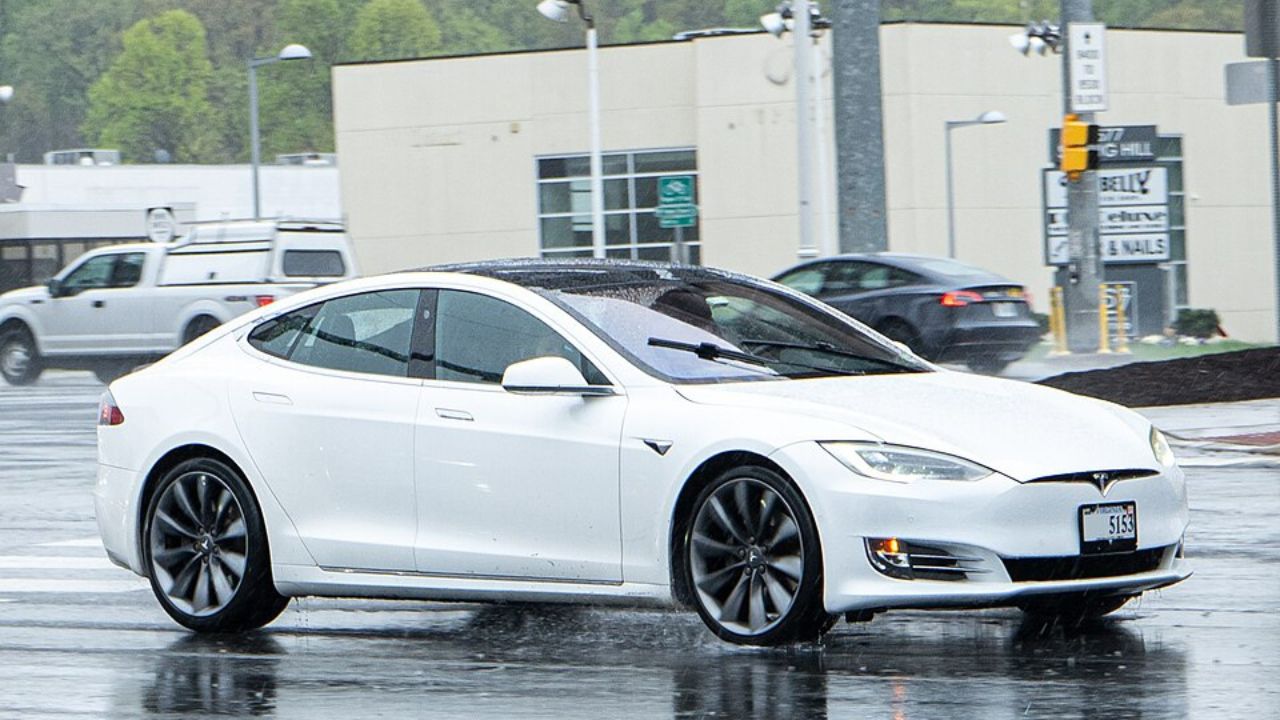
The Tesla Model S redefined expectations for electric vehicles by combining long driving range, rapid acceleration, over-the-air software updates, and advanced battery technology. While electric cars already existed, the Model S demonstrated they could compete directly with premium luxury sedans. Its influence accelerated industry-wide investment in electrification and modern vehicle software development.
More from Fast Lane Only
- Unboxing the WWII Jeep in a Crate
- 15 rare Chevys collectors are quietly buying
- 10 underrated V8s still worth hunting down
- Police notice this before you even roll window down
*Research for this article included AI assistance, with all final content reviewed by human editors