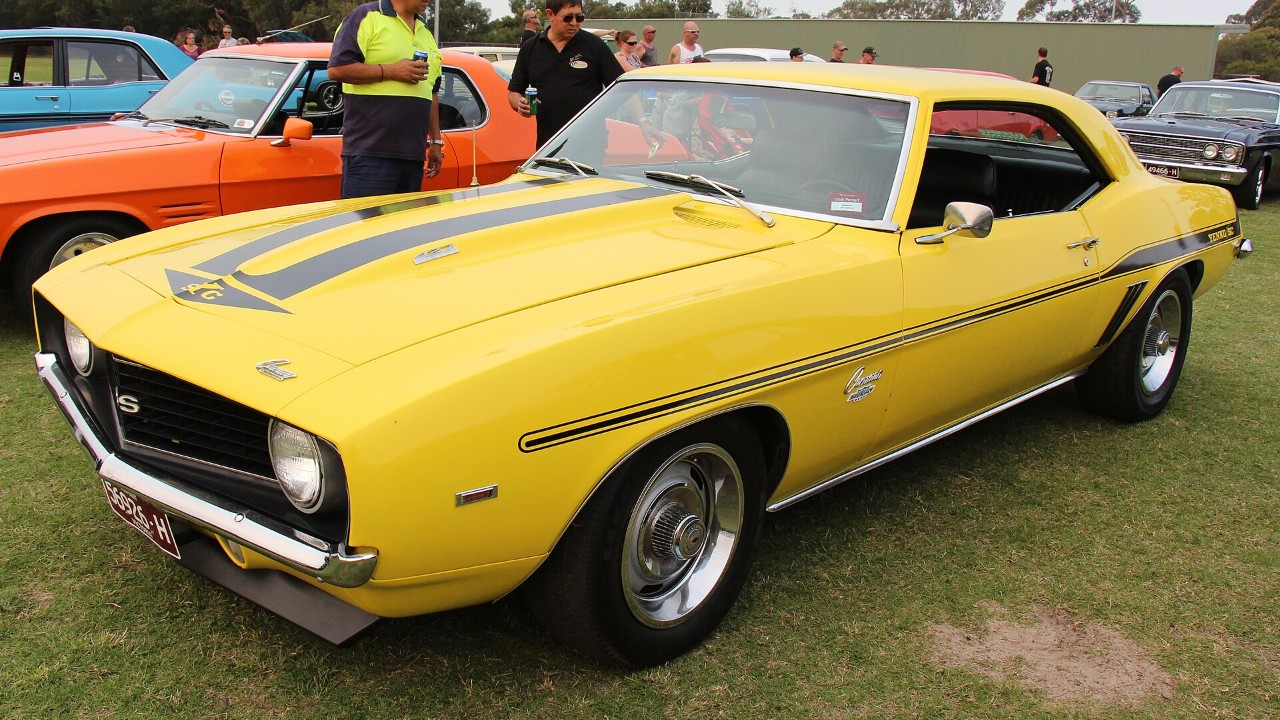
Some of the automotive world’s greatest engineering accomplishments arrived in vehicles that looked surprisingly ordinary. Rather than relying on dramatic styling or exotic badges, these cars impressed through innovative design, advanced technology, and thoughtful engineering hidden beneath familiar bodywork. Their true brilliance often became apparent only after years of ownership and appreciation.
Audi 100 (C3)

The Audi 100 (C3) pioneered aerodynamic efficiency with an exceptionally low drag coefficient that improved fuel economy, reduced wind noise, and influenced future sedan design. Its conservative styling concealed engineering that was well ahead of its time.
Mercedes-Benz W124

The Mercedes-Benz W124 featured meticulous engineering, advanced multi-link rear suspension, and exceptional structural integrity beneath its understated appearance. Built with durability and refinement in mind, it became one of the most respected executive sedans ever produced.
Honda NSX

The Honda NSX introduced an all-aluminum production body, race-inspired engineering, and everyday reliability to the supercar segment. Although its styling remained clean and restrained, its engineering transformed expectations for high-performance automobiles.
Citroën GS

The Citroën GS combined hydropneumatic suspension, aerodynamic styling, and advanced flat-four engineering in an affordable family car. Despite its modest appearance, it delivered remarkable ride quality and innovation that few competitors could match.
Subaru Legacy (First Generation)

The first-generation Subaru Legacy quietly introduced sophisticated all-wheel-drive engineering and durable boxer engines to mainstream buyers. Its practical exterior gave little indication of the advanced drivetrain beneath. It helped establish Subaru’s modern identity.
Chevrolet Corvair

The Chevrolet Corvair broke from American convention with its rear-mounted, air-cooled flat-six engine and fully independent suspension. Its engineering differed dramatically from nearly every domestic competitor. Today, it remains one of America’s most technically interesting automobiles.
Rover P6
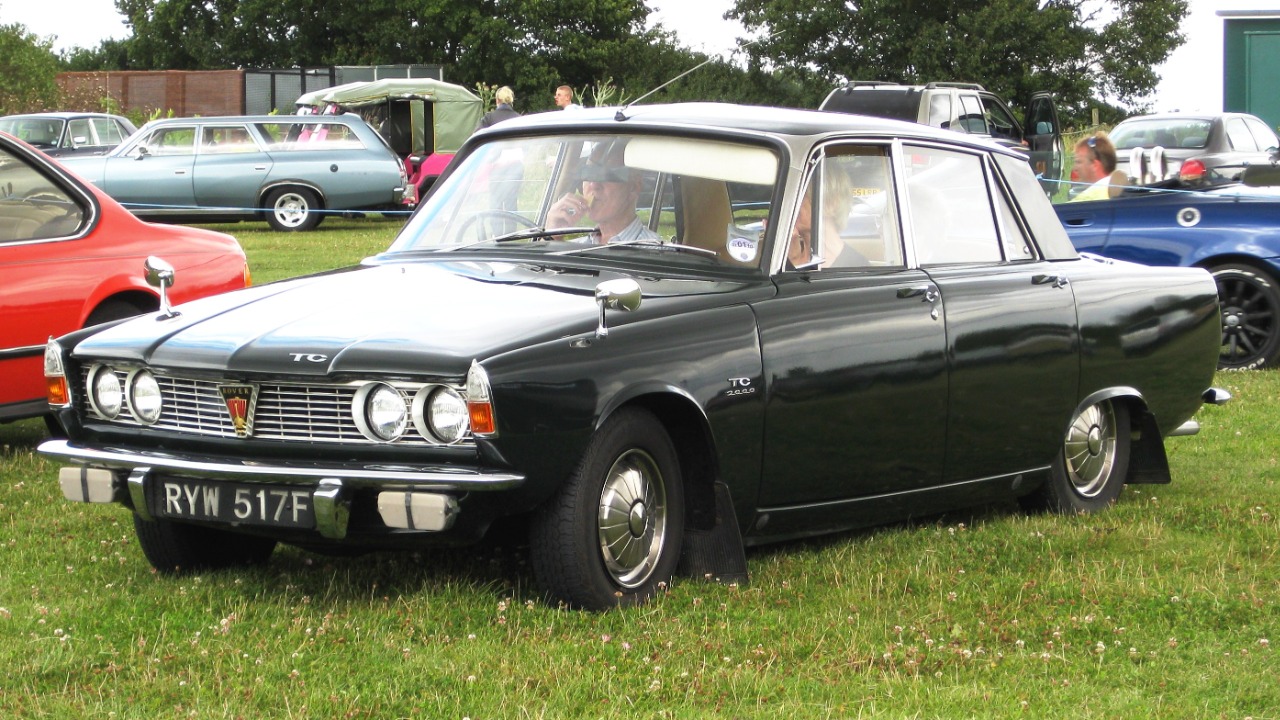
The Rover P6 incorporated a rigid safety-focused structure, advanced suspension, and innovative chassis engineering beneath its understated British styling. It demonstrated that executive sedans could prioritize both comfort and occupant protection. Its engineering remains highly respected.
Nissan GT-R R32

The Nissan GT-R R32 concealed advanced all-wheel drive, four-wheel steering, and sophisticated electronic controls beneath a relatively restrained coupe body. Its engineering revolutionized high-performance cars. It became one of Japan’s greatest technological achievements.
Volvo 850

The Volvo 850 introduced a transverse five-cylinder engine, advanced rear suspension, and industry-leading safety innovations in a practical family sedan. Its conventional styling hid remarkable engineering. It helped redefine Volvo’s reputation during the 1990s.
Ford Taurus SHO (1989–1995)

The first-generation Ford Taurus SHO looked like an ordinary family sedan, but beneath the sheet metal was a Yamaha-developed high-revving V6, a sport-tuned suspension, and engaging handling. It quietly became one of America’s greatest sleeper performance cars.
More from Fast Lane Only
- Unboxing the WWII Jeep in a Crate
- 15 rare Chevys collectors are quietly buying
- 10 underrated V8s still worth hunting down
- Police notice this before you even roll window down
*Research for this article included AI assistance, with all final content reviewed by human editors