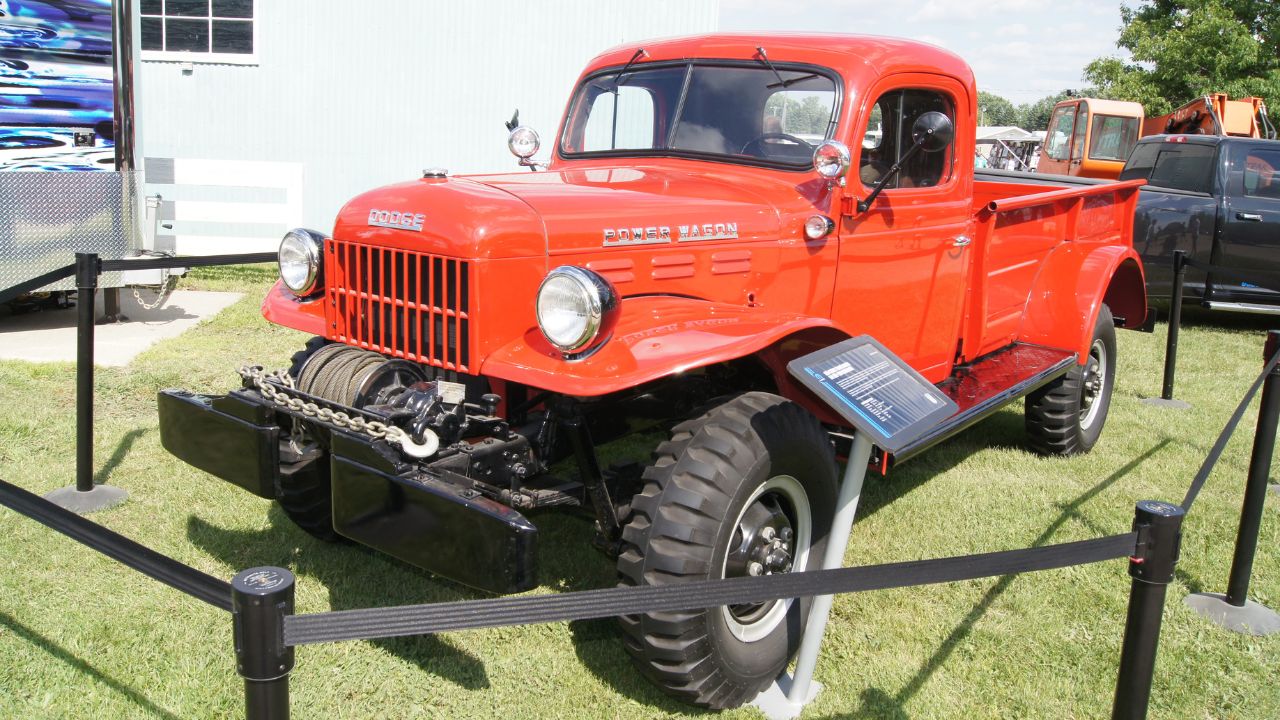
Trucks have long been the backbone of rural communities, serving as vital tools for transportation, agriculture, and emergency services. While many modern vehicles dominate the highways today, several classic trucks shaped the lives of those in rural areas. From family transport to farming efficiency, these forgotten icons played crucial roles in building strong community connections.
The Ford Model T Truck: The Workhorse of the Early 20th Century
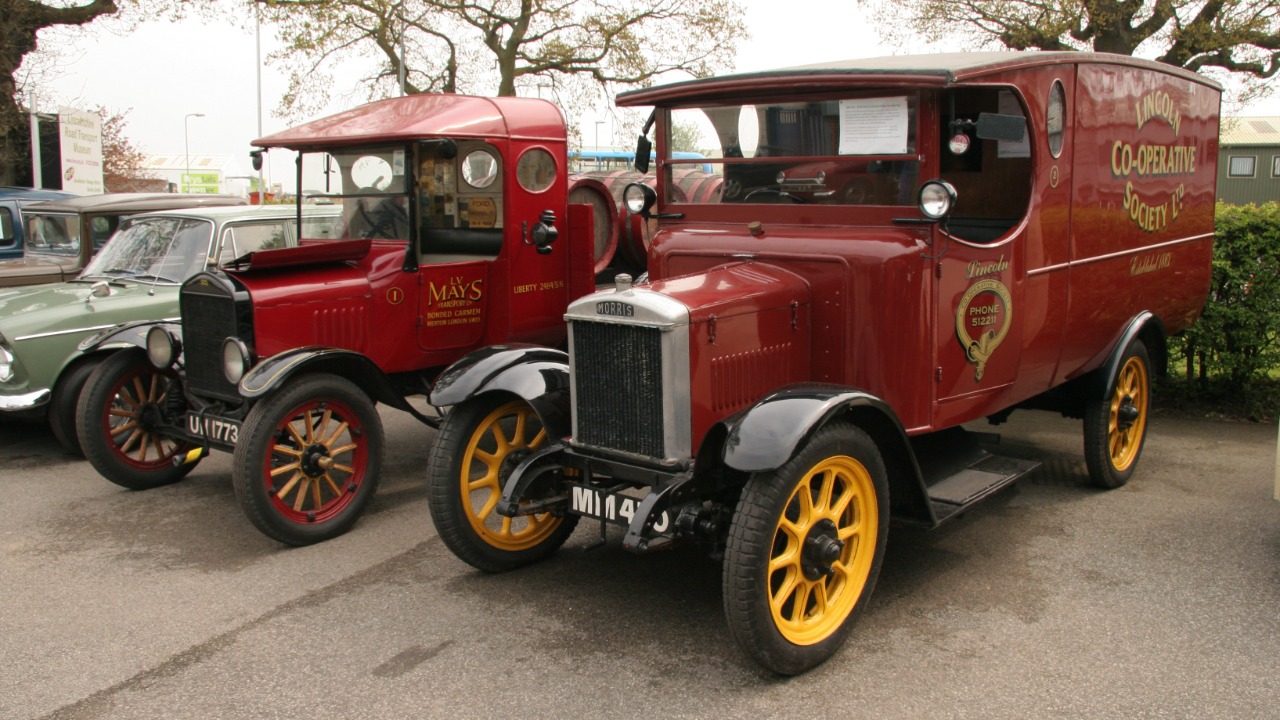
Launched in 1917, the Ford Model T Truck was revolutionary for its time. It was more than just a vehicle; it represented a shift in how rural America conducted business. With its durable design and affordability, farmers and small business owners were able to transport goods to market with ease. The Model T Truck was instrumental in building infrastructure, as it opened up remote areas to commerce. Its versatility allowed it to serve both as a family vehicle and a workhorse, cementing its place in the hearts of rural communities.
As the first mass-produced vehicle, the Model T Truck laid the groundwork for future automotive innovations. By democratizing transportation, it empowered individuals in rural areas to connect with broader markets. The truck’s simple mechanics made it accessible for repairs, ensuring that it remained operational for years. Many families relied on it for everything from delivering produce to attending community events, making it an integral part of rural life during the early 20th century.
The Chevrolet Suburban: Pioneering Family Transport and Community Connection
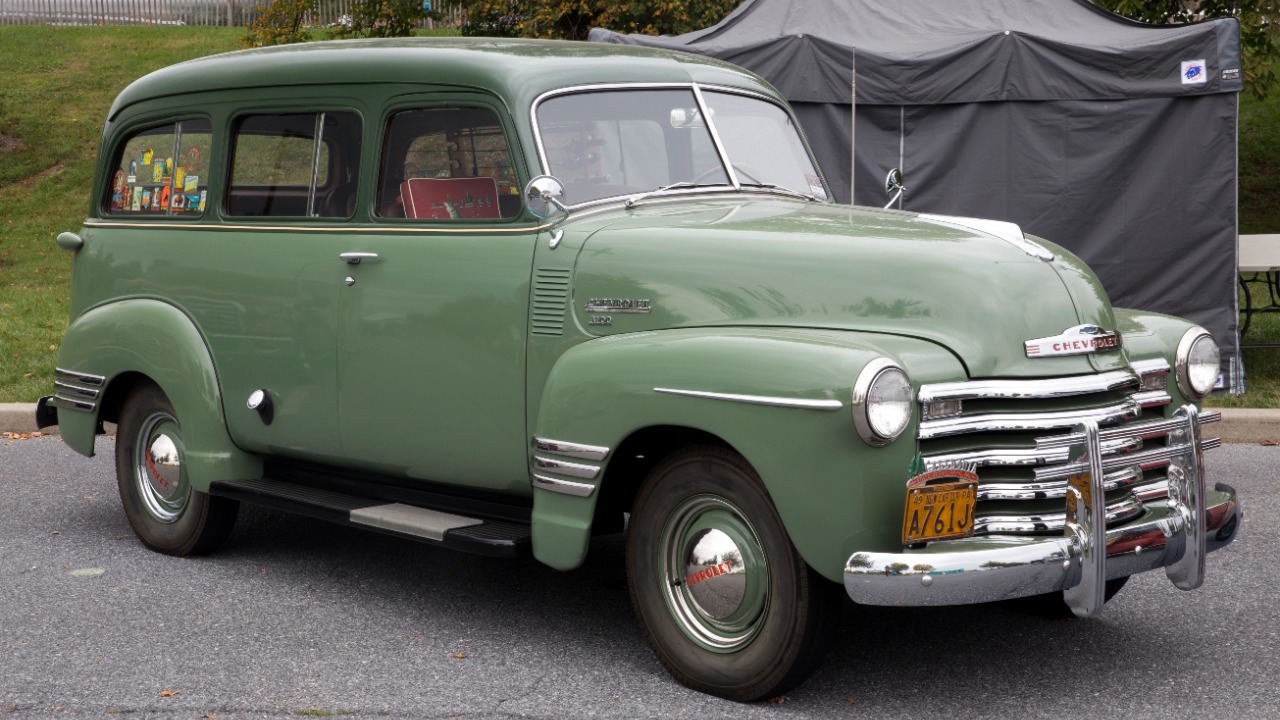
Introduced in 1935, the Chevrolet Suburban redefined family travel in rural America. Originally designed as a utility vehicle, it quickly evolved into a family car that could accommodate large groups. Its spacious interior and robust construction made it the perfect choice for families living in remote areas, where long distances and rough terrain were commonplace. The Suburban became synonymous with community gatherings, school events, and family outings.
With its ability to navigate both city roads and rugged backcountry trails, the Suburban fostered connections among families and friends. It served as a mobile hub for social interactions, from church picnics to youth sports events. The Chevrolet Suburban also inspired a sense of adventure, encouraging families to explore the beautiful landscapes of rural America. Its legacy continues today, as the Suburban remains a popular choice for families seeking both utility and comfort.
The International Harvester D Series: Revolutionizing Farming Efficiency
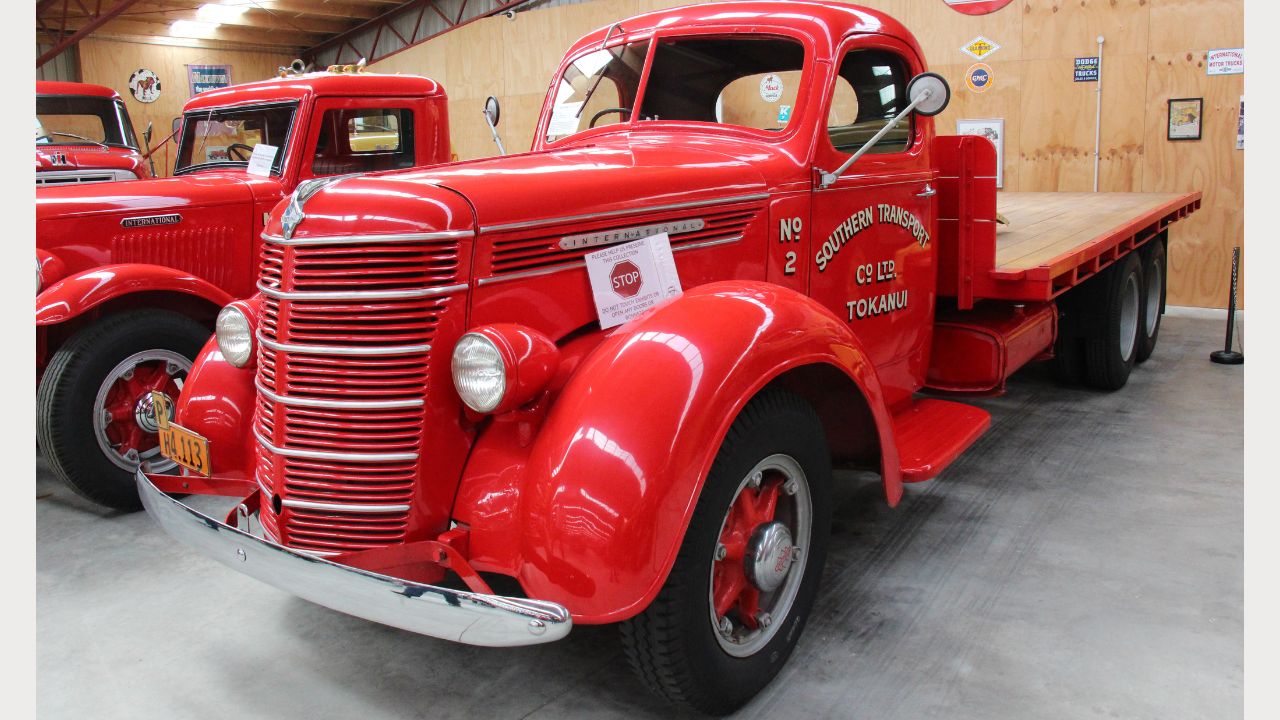
The International Harvester D Series, introduced in the 1950s, played a pivotal role in transforming agricultural practices. Designed for versatility, this truck was perfect for everything from hauling grain to transporting livestock. Its robust build and powerful engine provided farmers with the reliability they needed to manage their operations effectively. As farms expanded, the D Series became a staple for many rural families, helping them maximize their productivity.
This truck’s adaptability made it suitable for various farming tasks, allowing farmers to save time and labor. The D Series was also known for its innovative features, such as all-wheel drive and improved cargo capacity. By enabling farmers to transport their goods more efficiently, the International Harvester D Series helped sustain rural economies and foster community growth. It exemplified how a truck could significantly impact agricultural efficiency and rural life.
The Dodge Power Wagon: The Versatile Friend of Rural Fire Departments
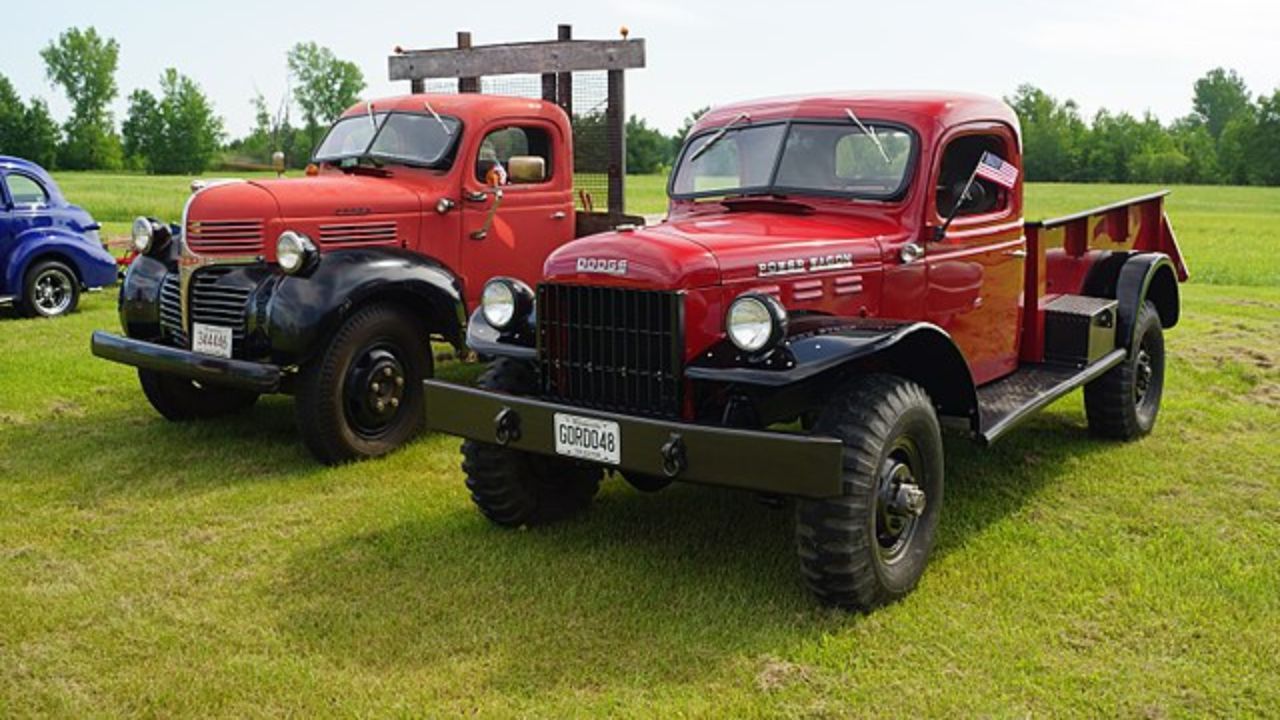
Since its debut in 1945, the Dodge Power Wagon has earned a reputation for ruggedness and reliability, making it a favorite among rural fire departments. Its four-wheel-drive capabilities allowed it to navigate the most challenging terrains, ensuring that firefighters could reach remote areas quickly. This adaptability was crucial during emergencies when every second counts, and the Power Wagon served as a lifeline for many small towns.
In addition to firefighting, the Power Wagon was used for various community services, including search and rescue missions. Its robust design and powerful engine made it versatile enough to handle multiple roles. Many rural towns relied on this truck not only for emergency services but also for other essential community functions. The Dodge Power Wagon became a symbol of safety and resilience, proving invaluable in maintaining rural community safety.
The GMC Brigadier: Building Infrastructure in Remote Areas
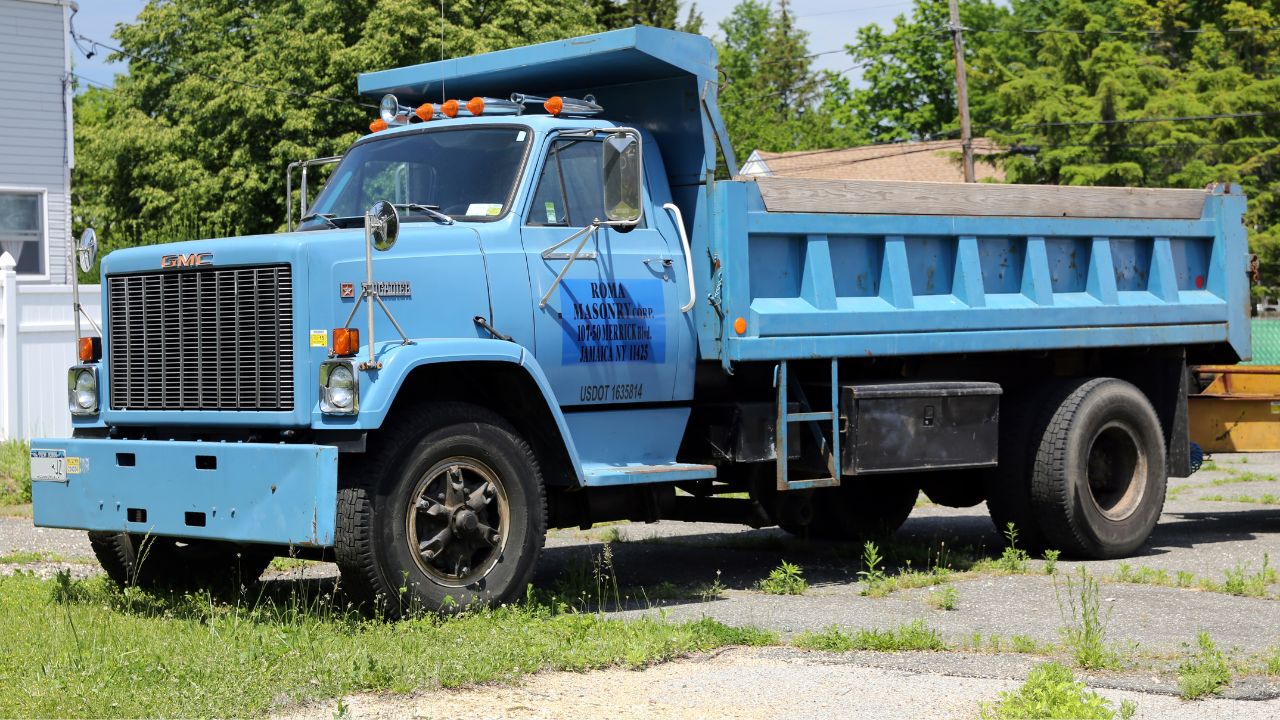
The GMC Brigadier, introduced in the late 1970s, was a heavy-duty truck that played a critical role in building infrastructure in rural communities. Known for its strong chassis and powerful engine, the Brigadier was often used in construction and road maintenance projects. Its ability to carry heavy loads made it indispensable for improving access to remote areas, allowing for better connectivity and commerce.
Many rural towns depended on the Brigadier to transport materials for construction projects, from bridges to schools. Its reliability and durability ensured that it could withstand the rigors of tough jobs. The GMC Brigadier helped facilitate growth and development in rural areas, enabling communities to thrive. Its legacy continues to influence the design and utility of modern heavy-duty trucks.
The Jeep Gladiator: Bridging the Gap Between Utility and Adventure
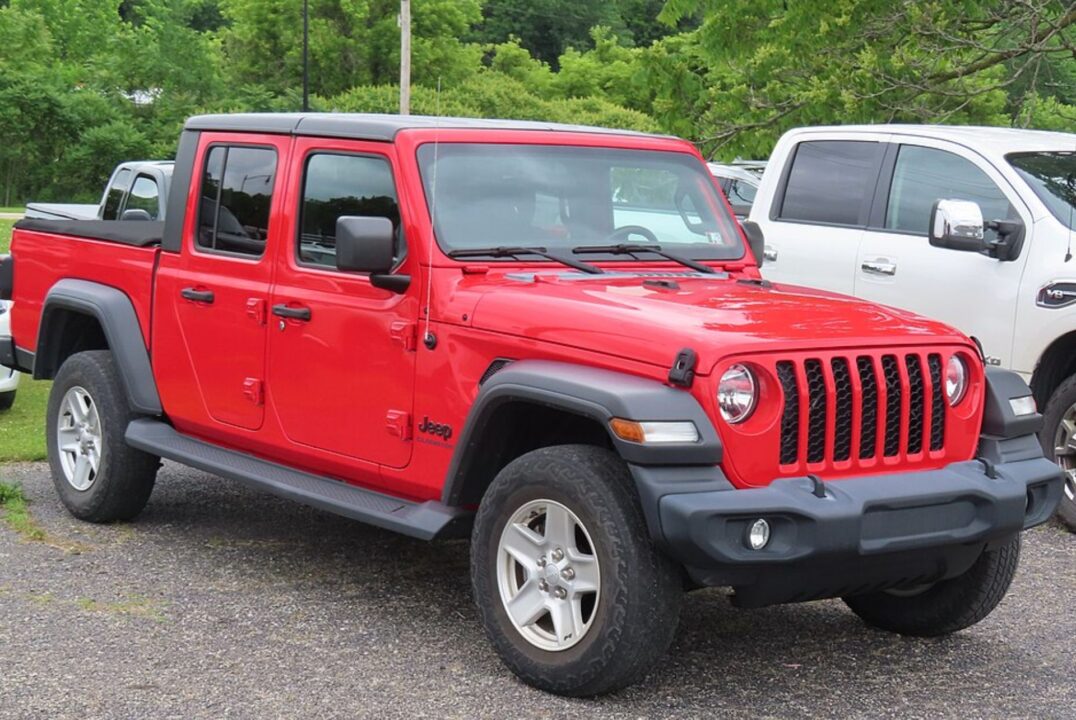
Launched in 1962, the Jeep Gladiator was a unique blend of utility and adventure. It served not only as a work vehicle for farmers and tradespeople but also as a recreational vehicle for families seeking exploration. The Gladiator’s four-wheel-drive capability allowed it to traverse challenging terrain, making it a popular choice for outdoor enthusiasts living in rural areas.
Beyond its ruggedness, the Gladiator fostered a spirit of adventure in rural communities. Families could use it for both daily tasks and weekend getaways, creating lasting memories on off-road excursions. Its multifunctionality made it a staple for many households, symbolizing the freedom to explore the great outdoors while still getting work done. The Jeep Gladiator’s legacy continues as it inspires new generations of truck enthusiasts.
The Studebaker M-Series: The Unsung Hero of Military and Civilian Life
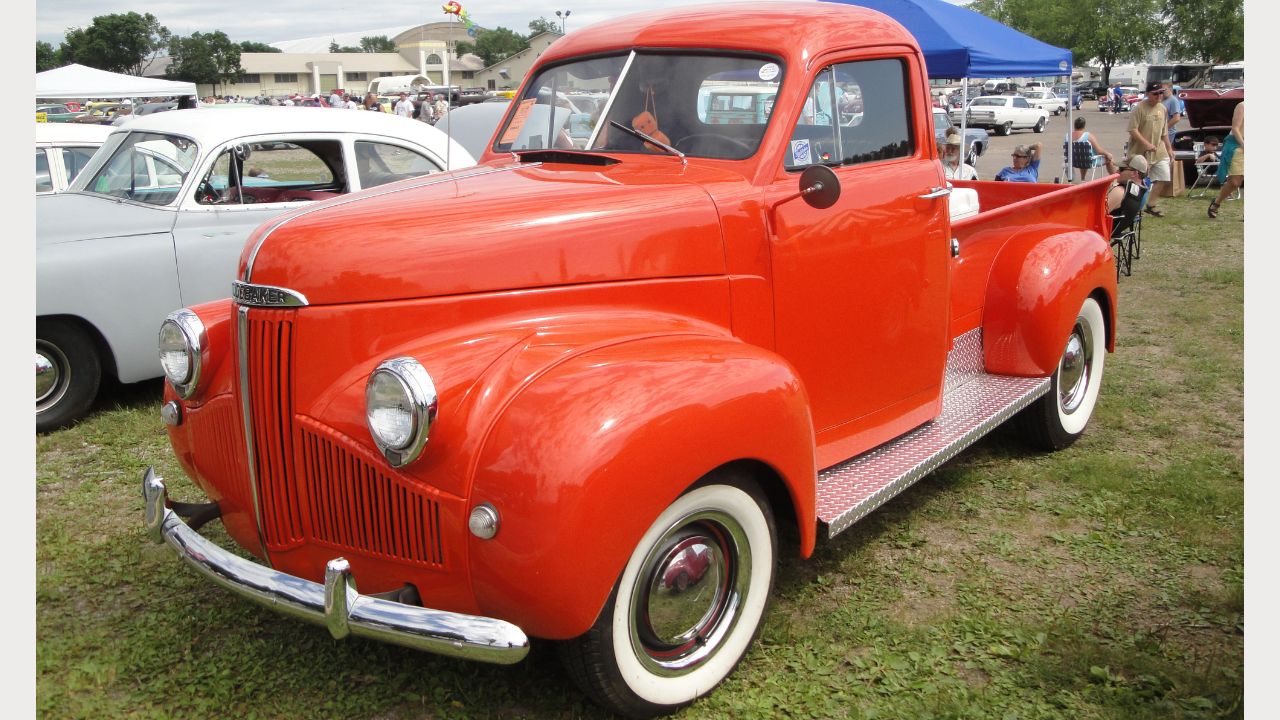
The Studebaker M-Series was produced during World War II and later adapted for civilian use. This truck was integral to military logistics, transporting supplies and personnel across various terrains. After the war, many M-Series trucks transitioned into civilian life, becoming essential for rural businesses and farmers. Its robust design and reliability made it a preferred choice for those needing a dependable workhorse.
In post-war America, the M-Series helped facilitate the growth of rural economies. Many families relied on it for transporting goods to market, ensuring that local businesses thrived. The Studebaker M-Series, while often overlooked, played a vital role in shaping the lives of rural communities. Its legacy lives on in the hearts of those who remember its contributions.
More from Fast Lane Only
- Unboxing the WWII Jeep in a Crate
- 15 rare Chevys collectors are quietly buying
- 10 underrated V8s still worth hunting down
- Police notice this before you even roll window down
*Research for this article included AI assistance, with all final content reviewed by human editors.