Endurance racing has seen remarkable innovations and iconic vehicles that have forever changed the landscape of motorsport. Among them, seven standout cars have not only achieved victory at Le Mans but have also set new standards for performance, engineering, and technology. Each of these machines represents a pivotal moment in racing history, altering the trajectory of endurance racing.
Ford GT40: The American Revolution
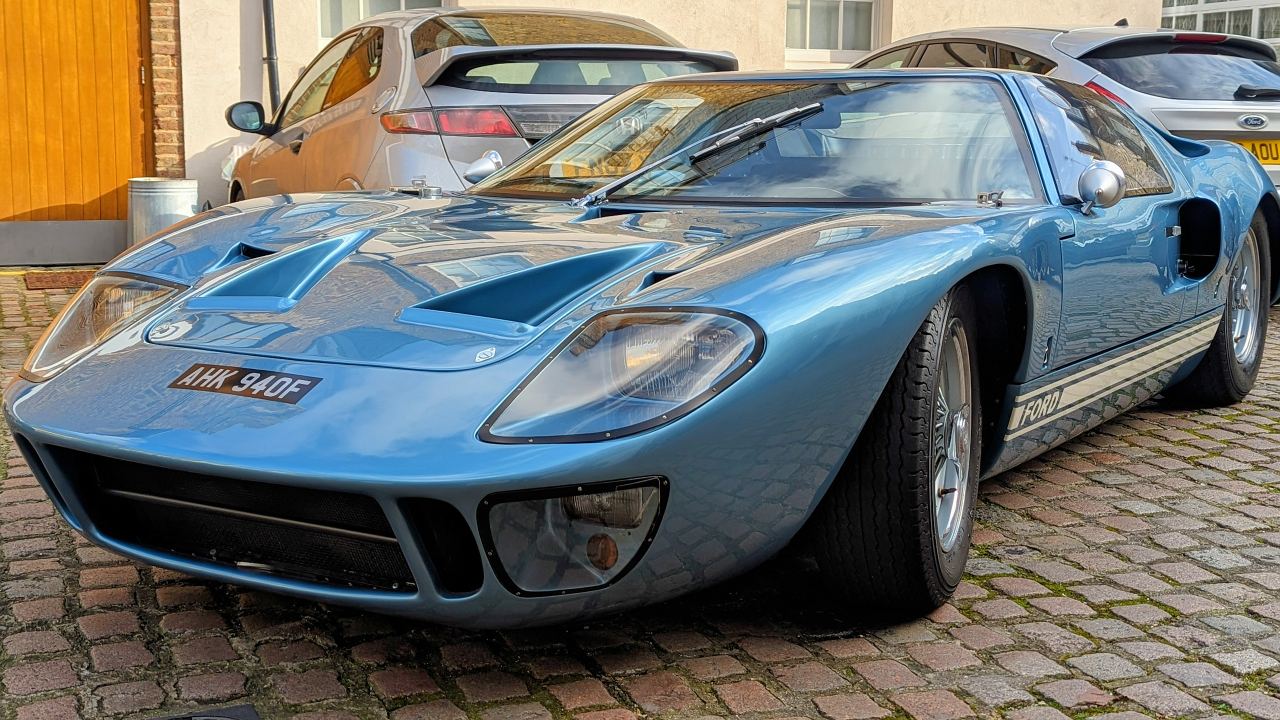
The Ford GT40 emerged in the 1960s as a response to Ferrari’s dominance in endurance racing. This American muscle car redefined what was possible on the track, featuring a lightweight design and a powerful V8 engine. The GT40’s most notable triumph came in 1966 when it secured a 1-2-3 finish at Le Mans, breaking Ferrari’s winning streak. Its success not only elevated Ford’s reputation but also demonstrated the potential of American engineering in international motorsport. The legacy of the GT40 continues, influencing modern supercars and inspiring a new generation of racers. For more on its impact, you can visit MotorBiscuit.
Porsche 917: The Ultimate Powerhouse
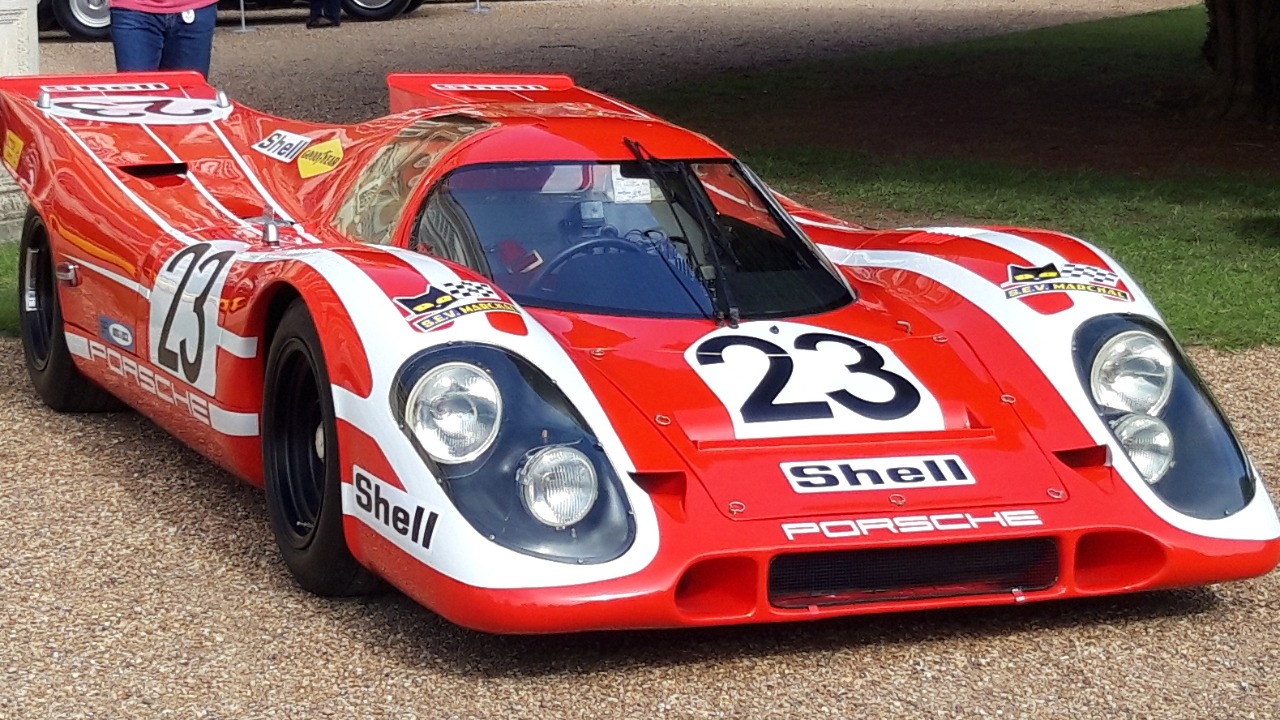
Debuting in 1969, the Porsche 917 is often hailed as one of the greatest race cars of all time. With its flat-12 engine, it produced staggering horsepower, allowing it to dominate the 1970 and 1971 Le Mans races. The 917’s sleek aerodynamic design set new benchmarks for speed and efficiency. Its success not only solidified Porsche’s position in endurance racing but also led to advancements in design and technology that are still relevant today. The car’s legacy is celebrated in both motorsport and popular culture, further cementing the 917’s place in racing history. For enthusiasts, more insights can be found in this book on the subject.
Audi R8: The Birth of Diesel Dominance
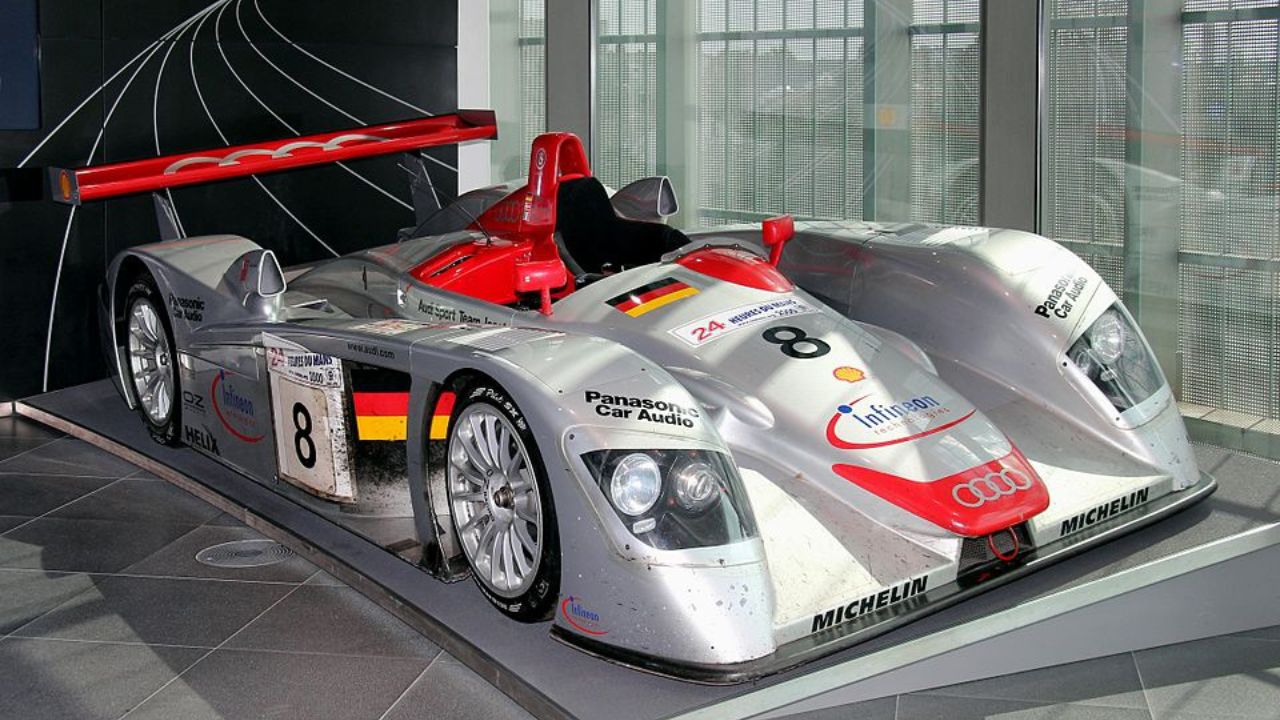
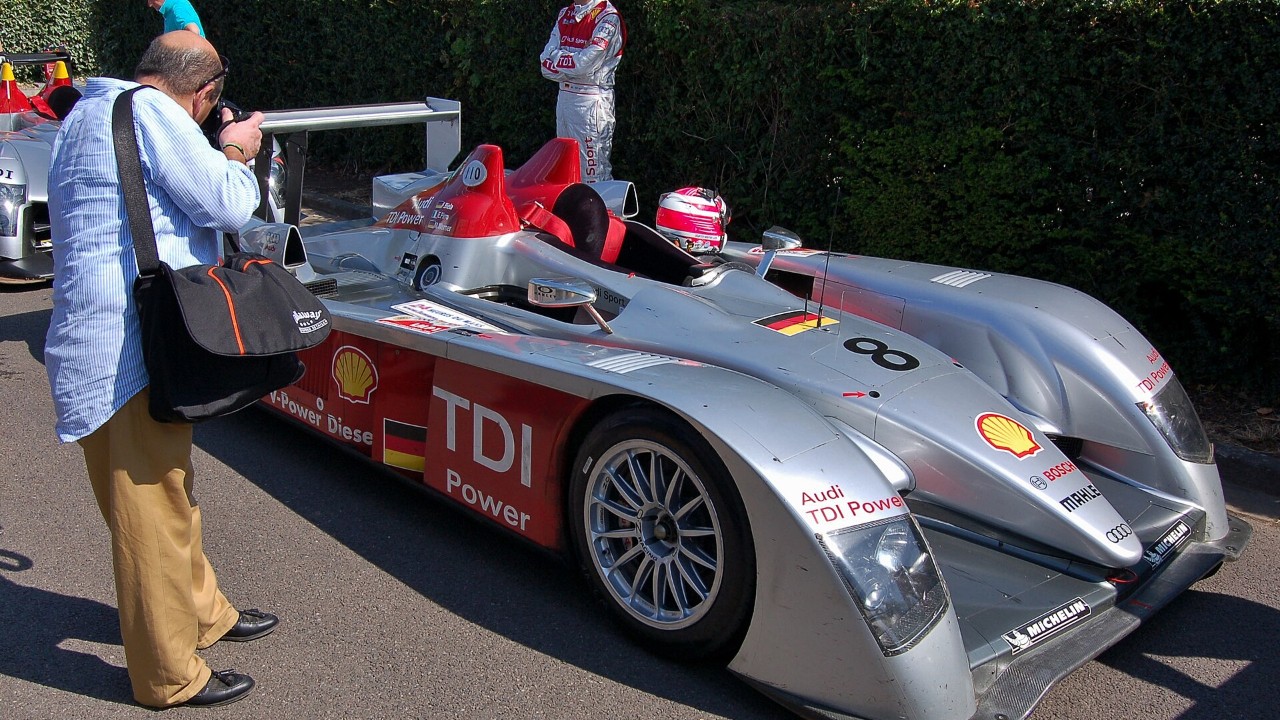
Launched in 2000, the Audi R8 was groundbreaking for introducing diesel engines into the realm of endurance racing. The R8 TDI, with its V12 engine, showcased the efficiency and power of diesel, winning Le Mans in 2006 and 2007. Audi’s commitment to innovation extended beyond just the engine; the R8 also incorporated advanced aerodynamics and lightweight materials. This shift not only changed the perception of diesel engines in racing but also opened the door for more sustainable technologies in motorsport. The R8’s success laid the groundwork for future innovations in endurance racing.
Toyota TS050 Hybrid: Pioneering Hybrid Technology
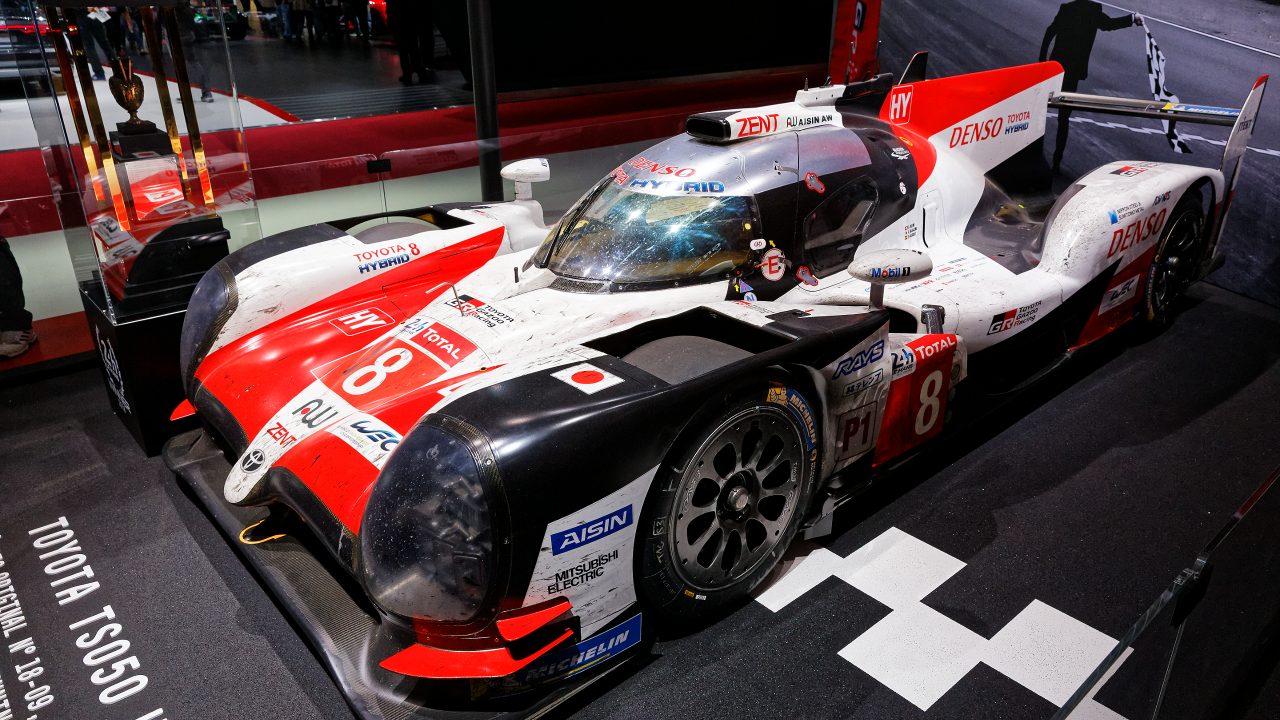
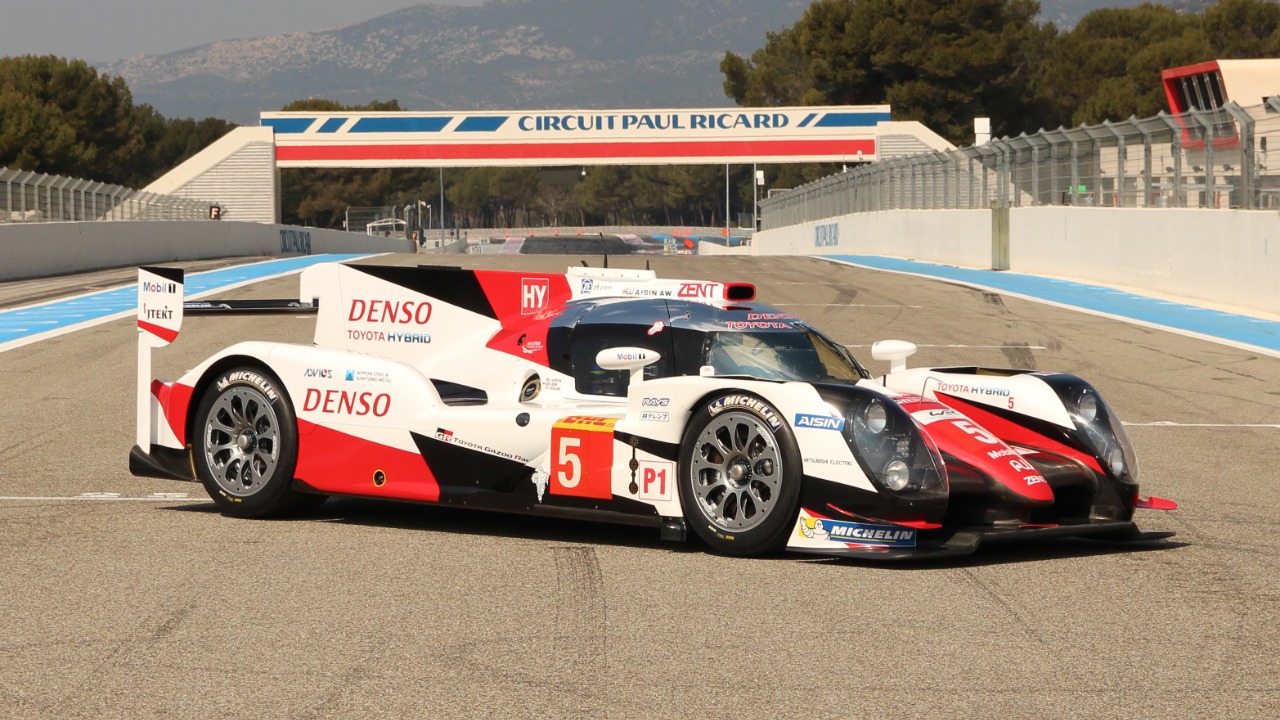
The Toyota TS050 Hybrid made its debut in 2016, representing a significant leap towards sustainability in endurance racing. By integrating a hybrid powertrain, this car combined a turbocharged V6 engine with an electric motor, allowing it to achieve remarkable efficiency without sacrificing power. The TS050 Hybrid won the prestigious 24 Hours of Le Mans in 2018 and 2019, showcasing the potential of hybrid technology in high-performance racing. Its success has encouraged other manufacturers to explore similar avenues, marking a pivotal moment in the evolution of endurance racing technology.
Mazda 787B: The Rotary Engine Breakthrough
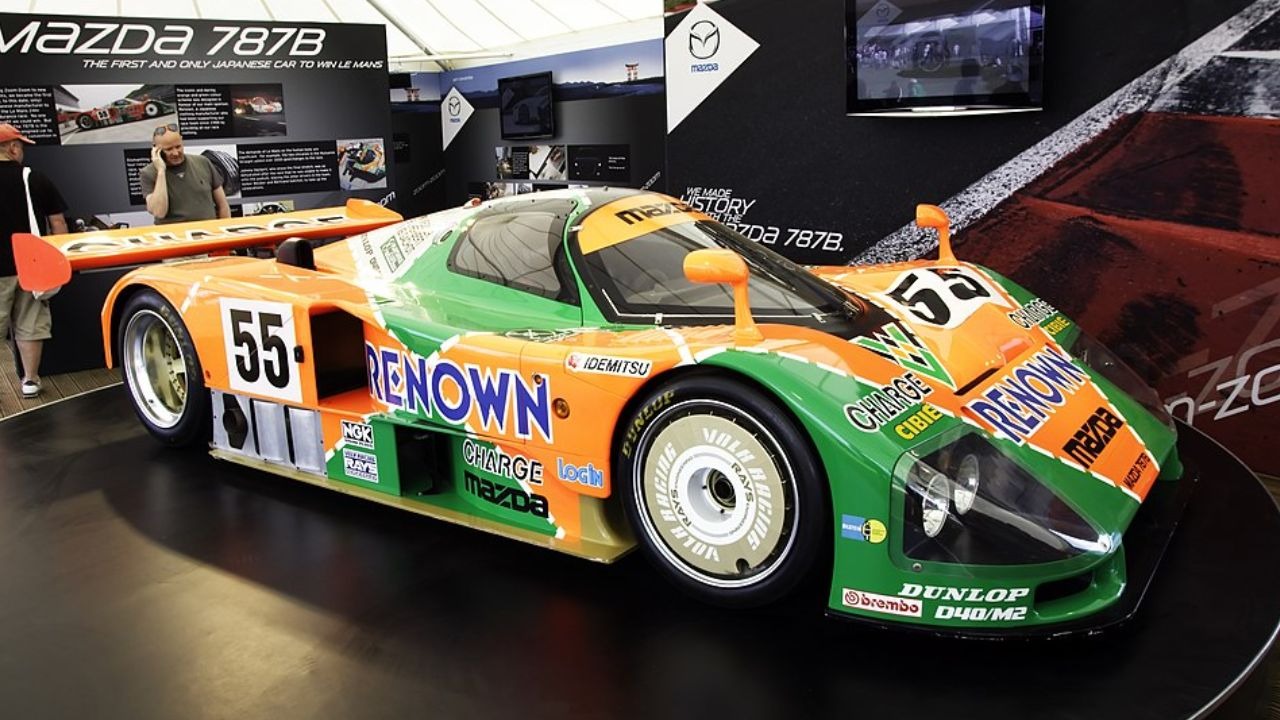
The Mazda 787B, which won Le Mans in 1991, is renowned for its unique rotary engine. This innovative design allowed for a lightweight and compact vehicle that excelled in endurance racing. The 787B’s victory marked the first time a Japanese manufacturer won the 24-hour race, paving the way for an era of increased competition from Japanese automakers. Its distinctively high-pitched sound and innovative engineering captivated fans and engineers alike, leaving a lasting impact on racing design philosophy. The success of the 787B continues to resonate, inspiring future innovations in engine technology.
Ferrari 250 LM: The Icon of Endurance Elegance
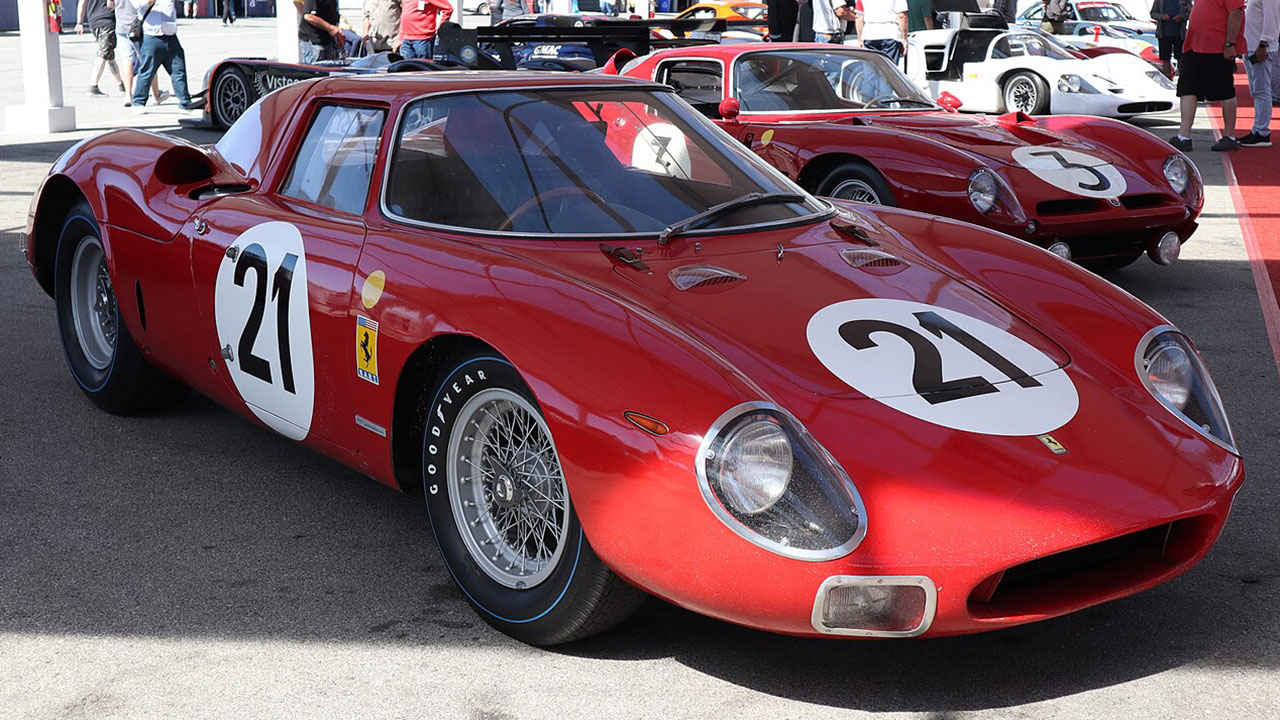
The Ferrari 250 LM, introduced in 1963, is celebrated not only for its performance but also for its stunning design. This car captured the aesthetic appeal of endurance racing while achieving victory at Le Mans in 1965. The 250 LM’s V12 engine and lightweight construction allowed it to compete effectively against its contemporaries. As a symbol of Ferrari’s engineering prowess and commitment to excellence, the 250 LM remains a benchmark for both automotive design and performance. Its legacy influences modern sports cars and continues to be a point of reference in the automotive world. For more visual insights, check out Bananagear.
Peugeot 905: The Era of Advanced Aerodynamics
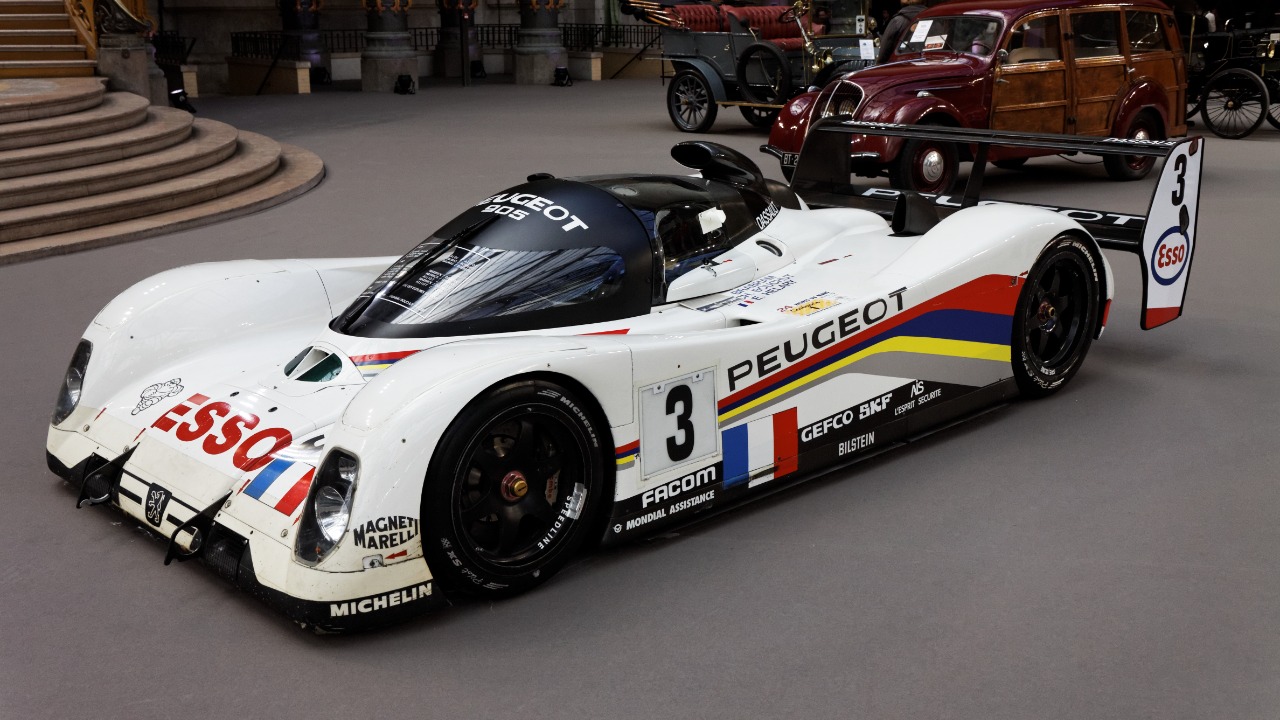
The Peugeot 905 debuted in 1990 and quickly became a symbol of technological advancement in endurance racing. With its revolutionary aerodynamic design and a V10 engine, the 905 achieved unprecedented performance levels. It dominated the 1992 and 1993 Le Mans races, showcasing the importance of aerodynamics in endurance racing. The 905’s design principles have influenced countless other race cars and have been instrumental in shaping the future of motorsport. Its success exemplifies how innovation in design can lead to remarkable achievements on the track.
More from Fast Lane Only