Throughout automotive history, certain cars have transcended their original purpose, becoming symbols of the eras they represent. Often, these vehicles achieved iconic status almost by accident, capturing the spirit of their time without any deliberate intention from their manufacturers. Here’s a look at ten cars that became cultural landmarks, reflecting the social and technological currents of their respective periods.
Volkswagen Beetle: The People’s Car Revolution
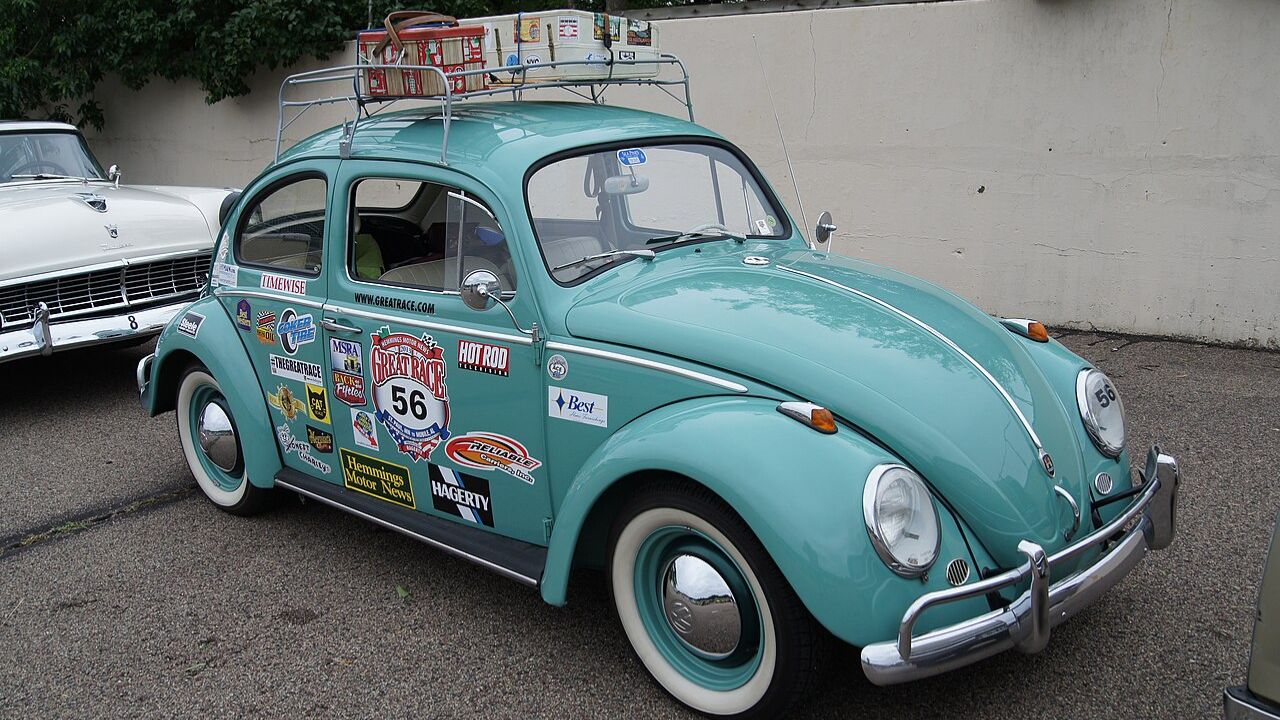
The Volkswagen Beetle, designed in the 1930s, was initially intended to be an affordable vehicle for the masses. However, it wasn’t until the post-World War II era that it truly took off. The car became a symbol of the counterculture movement in the 1960s, embraced by young people seeking freedom and individuality. Its unique shape and reliability made it a favorite among a generation that valued practicality and style. Over 21 million units were sold worldwide, making it one of the best-selling cars of all time. The Beetle’s influence is still felt today, as it paved the way for modern compact cars and remains a beloved icon.
As the Beetle became synonymous with the idea of “the people’s car,” it also played a significant role in promoting the concept of affordable transportation. Its distinctive design and cultural significance have been captured in various films, art, and music, cementing its status as an emblem of the 1960s. The car’s legacy continues, as it has inspired various modern reinterpretations, keeping the spirit of the original alive in today’s automotive landscape.
Ford Mustang: The Birth of the Pony Car

When Ford introduced the Mustang in 1964, it quickly became a cultural phenomenon. Designed to appeal to the younger generation, it embodied the freedom and rebellion of the 1960s. With its sporty design and powerful engine options, the Mustang was marketed as an affordable performance car, capturing the imagination of car enthusiasts and casual drivers alike. The Mustang’s debut was timed perfectly with the rise of youth culture, making it a symbol of American muscle cars and the burgeoning car culture of the time.
Over the years, the Mustang has evolved, but it has retained its status as an icon of American automotive history. It has starred in numerous films, including “Bullitt” and “Gone in 60 Seconds,” further solidifying its place in pop culture. The Ford Mustang has become a benchmark for other manufacturers looking to create their own versions of the pony car, proving that a vehicle can become a symbol of an era through a combination of marketing savvy and cultural timing.
Chevrolet Corvair: The Unexpected Controversy
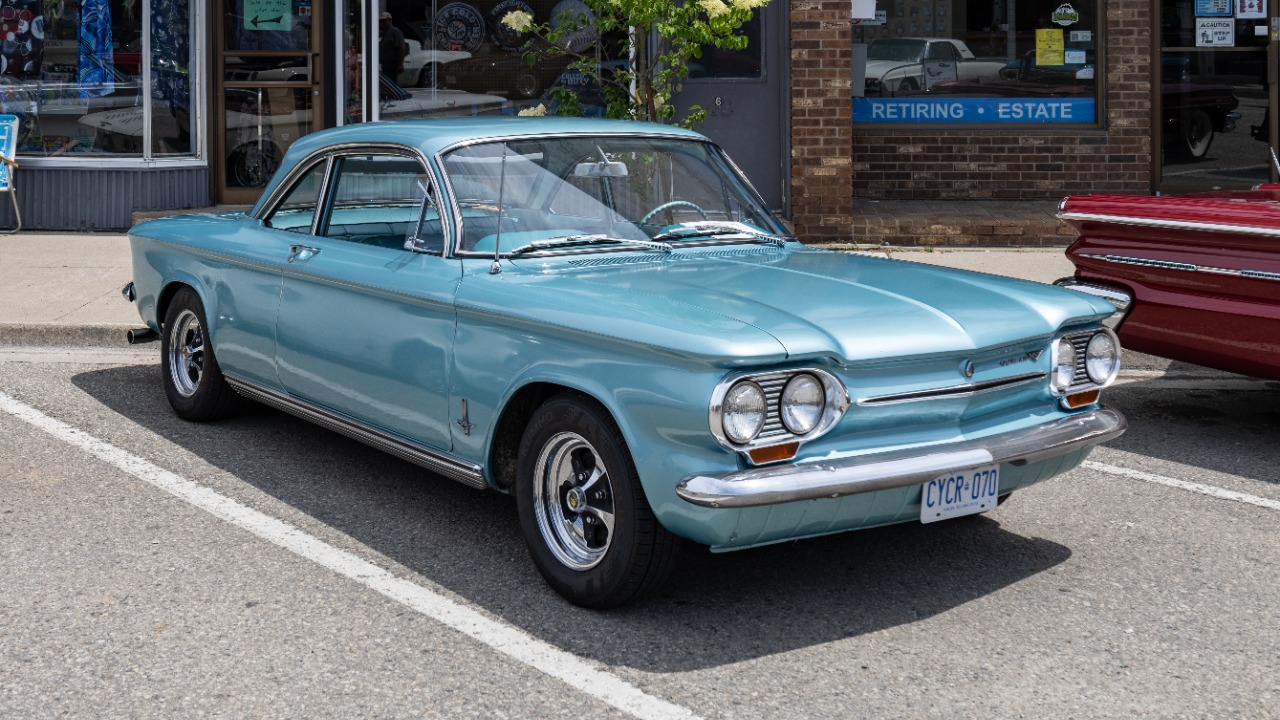
The Chevrolet Corvair, produced from 1960 to 1969, was intended to be a revolutionary compact car that challenged the norms of American automotive design. However, it inadvertently became a symbol of controversy, largely due to Ralph Nader’s 1965 book, “Unsafe at Any Speed.”
Nader’s criticism highlighted the Corvair’s handling issues, thrusting the car into the spotlight and sparking a national conversation about automotive safety. While the Corvair was initially praised for its innovative design, including a rear-engine layout, its reputation was forever altered by these safety concerns.
Datsun 240Z: Affordable Sports Car Sensation
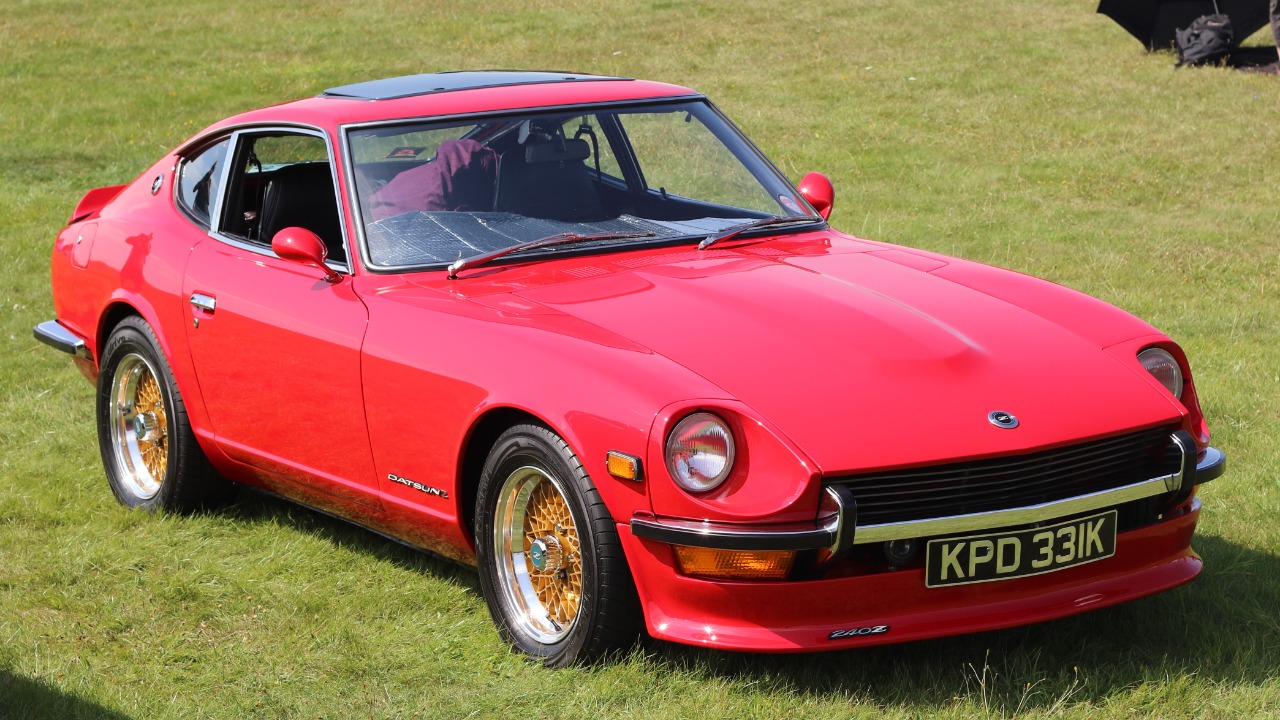
The Datsun 240Z, introduced in 1969, was an unexpected hit in the sports car market. At a time when European sports cars were often prohibitively expensive for the average consumer, the 240Z offered an affordable option without sacrificing performance or style. With its sleek design and powerful engine, it quickly gained a reputation for delivering a thrilling driving experience, making it a favorite among enthusiasts.
The 240Z helped to popularize Japanese cars in the U.S., breaking the stereotype that American and European models were the only options for performance vehicles. This car did more than just provide an economical alternative; it shifted the perception of Japanese automakers in the global automotive landscape. The Datsun 240Z played a crucial role in establishing Nissan’s reputation for quality and innovation. Its legacy continues, as the 240Z remains a sought-after classic, embodying the spirit of the 1970s sports car revolution.
Plymouth Fury: The Icon of 1950s Americana
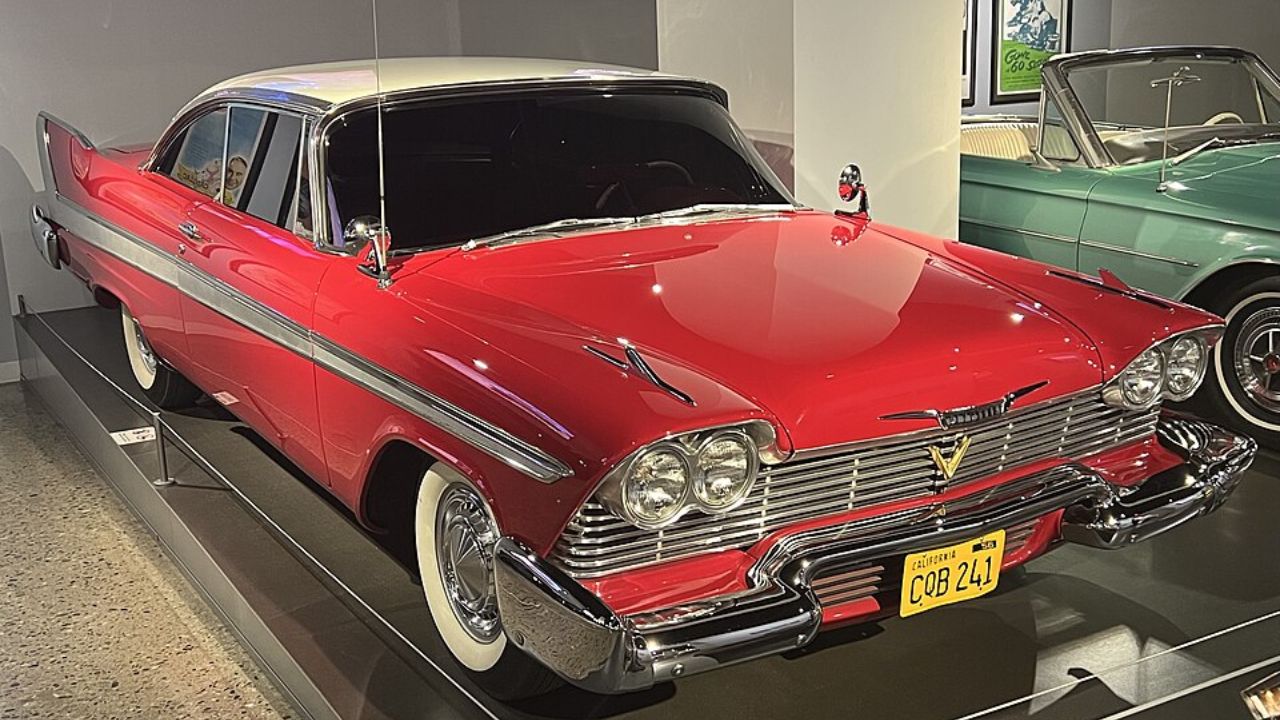
The Plymouth Fury, particularly the models from the mid-1950s, epitomized the flashy, bold design and aspirations of 1950s America. With its chrome accents, vibrant colors, and powerful V8 engine options, the Fury was a symbol of the post-war economic boom and the American dream. It was featured prominently in popular culture, including the horror film “Christine,” where it was portrayed as a sentient vehicle, further cementing its status as an automotive icon.
The Fury represented more than just a car; it was a lifestyle statement, embodying the optimism and consumerism of the era. In many ways, the Plymouth Fury captured the essence of 1950s Americana. It was a car that turned heads and demanded attention, reflecting the societal shifts of the time. Though production ended in the early 1980s, the Fury remains a nostalgic symbol of a bygone era, celebrated by collectors and classic car enthusiasts alike.
Mini Cooper: The Surprise Hit of the Swinging Sixties
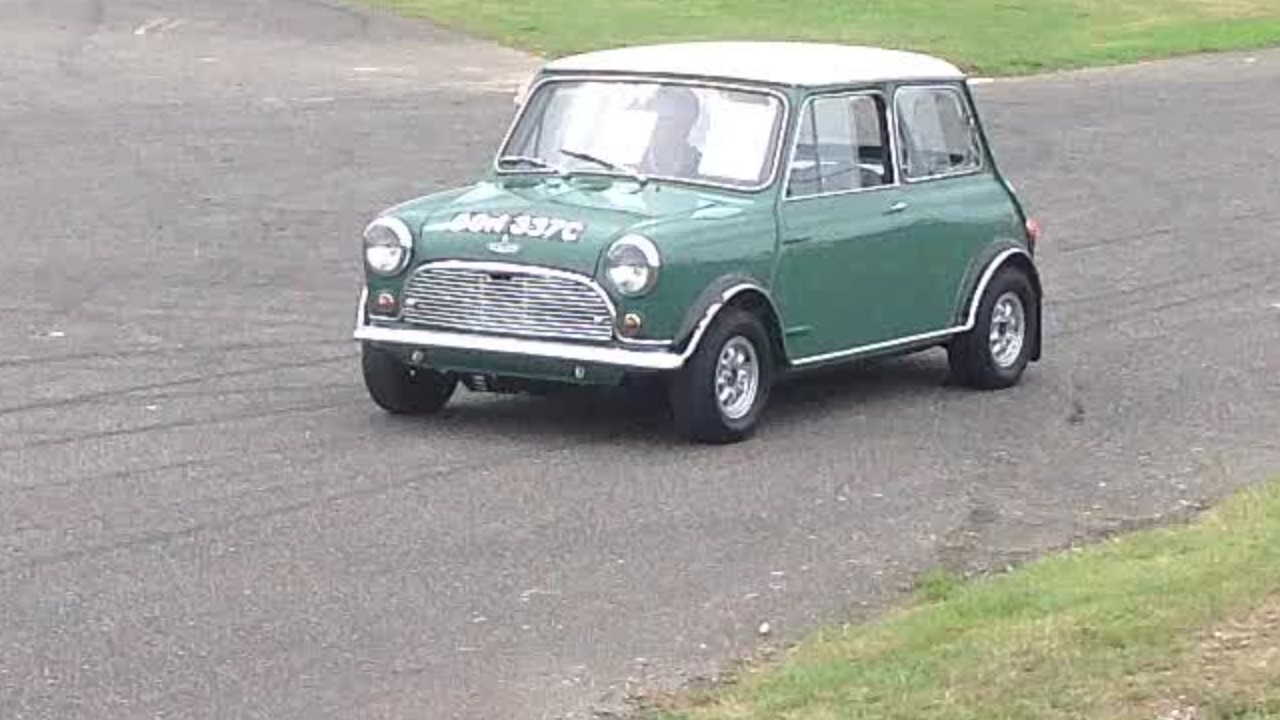
The Mini Cooper, launched in 1961, quickly became a symbol of the Swinging Sixties in Britain. Its compact size and quirky design made it a practical choice for urban drivers, while its racing pedigree gave it a sporty allure. The car was adopted by various cultural icons, including the Beatles and the British royal family, further embedding it into the fabric of 1960s pop culture. The Mini’s success was not just about its size; it resonated with a generation seeking fun and expressiveness in their vehicles.
With its agile handling and economical performance, the Mini Cooper became a favorite for city dwellers and rally racers alike. Its unexpected rise to fame was a testament to how a well-designed car could capture the zeitgeist of a particular era. Even today, the Mini brand continues to thrive, with modern iterations paying homage to the original’s charm and character.
Honda Civic: Small Car, Big Impact on the Environment
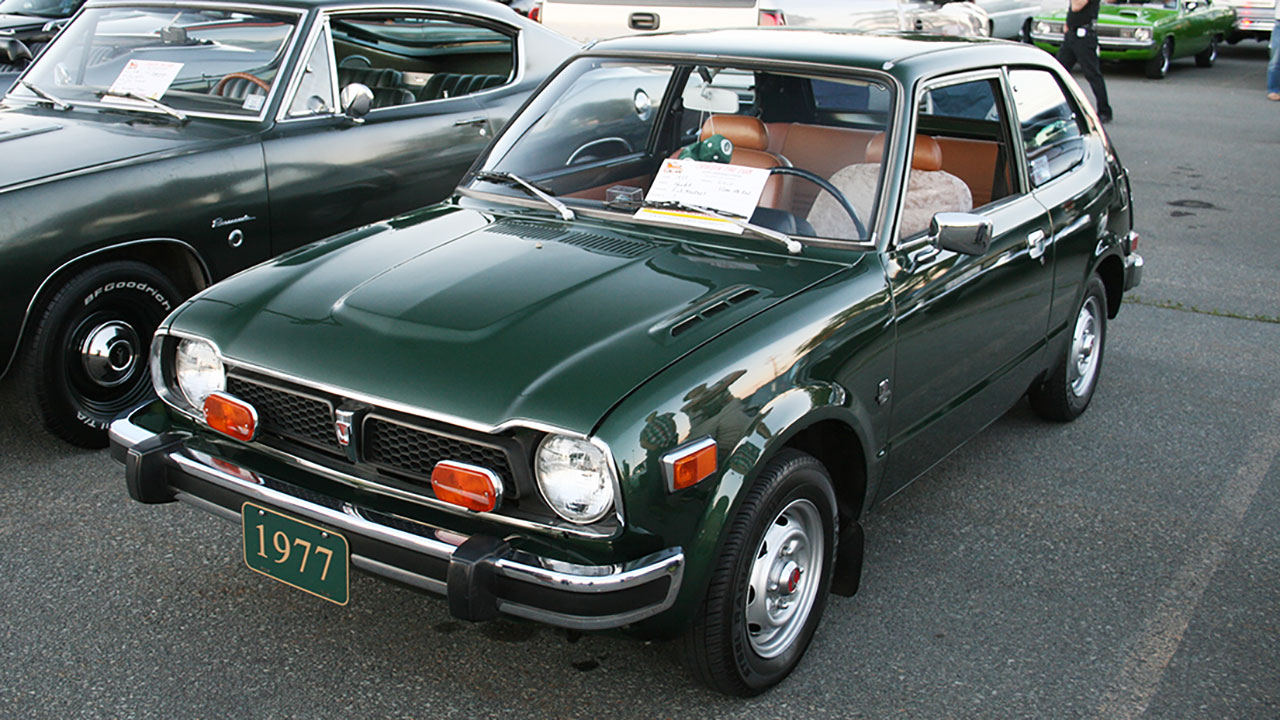
Launched in 1972, the Honda Civic was initially marketed as a fuel-efficient compact car, appealing to consumers during the oil crisis of the 1970s. This was a time when Americans were becoming increasingly conscious of their fuel consumption and environmental impact. The Civic’s reliability and affordability made it an instant favorite, and it quickly became a symbol of practicality. Over the decades, the Civic has evolved, adapting to changing consumer demands while maintaining its reputation for efficiency and reliability.
The Civic has also played a pivotal role in shaping the compact car segment, pushing other manufacturers to prioritize fuel economy and emissions. With numerous generations of the Civic being produced, it has become one of the best-selling cars worldwide, demonstrating how a simple vehicle can have a lasting impact on the automotive industry and environmental consciousness.
Toyota Corolla: The Unassuming Global Champion
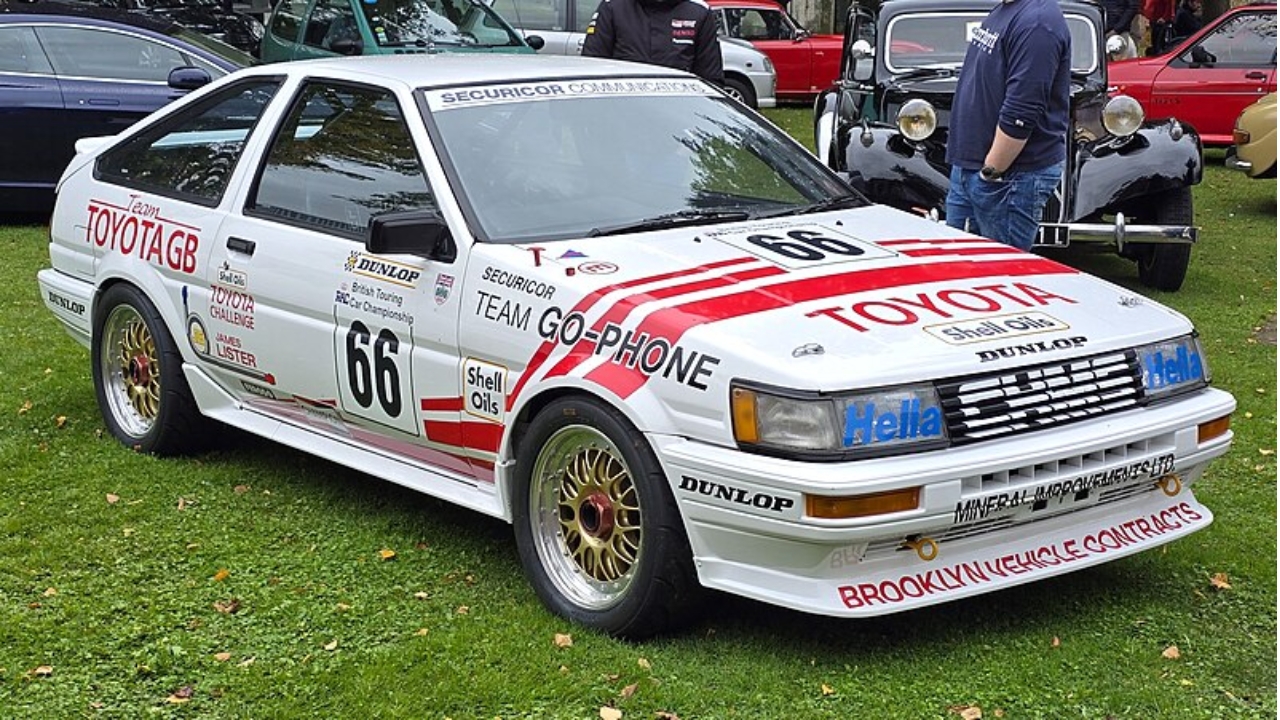
Since its launch in 1966, the Toyota Corolla has quietly become one of the best-selling vehicles of all time. Initially designed to be an affordable and reliable compact car, the Corolla captured the hearts of consumers around the globe. Its understated design and practicality made it a top choice for families and commuters alike. It was never marketed as a high-performance vehicle, yet its reputation for durability and low maintenance costs helped it gain immense popularity.
The Corolla’s success story is a testament to how a vehicle can achieve iconic status through reliability rather than flashiness. It has been produced in various configurations to meet different global markets, further solidifying its position as a symbol of dependable transportation. The Corolla continues to be a staple in the automotive world, proving that sometimes the most unassuming cars can have the biggest impact.
Jeep Wrangler: The Unintentional Off-Road Legend

The Jeep Wrangler, first introduced in 1986, was designed to be a rugged and versatile vehicle, capable of handling off-road conditions. Over the years, it has evolved into a cultural icon synonymous with adventure and outdoor exploration. Although the Wrangler was initially intended for utility, it became a symbol of freedom and the American spirit, appealing to a broad audience—from off-road enthusiasts to everyday drivers.
The Wrangler’s distinctive design and capabilities have made it a favorite for those seeking adventure. Its ability to traverse rugged terrains has solidified its status as an off-road legend. The vehicle’s legacy continues, as it remains a popular choice among those who value exploration and outdoor experiences, proving that a car can become a symbol of an era through performance and lifestyle.
Tesla Model S: The Accidental Catalyst for Electric Revolution
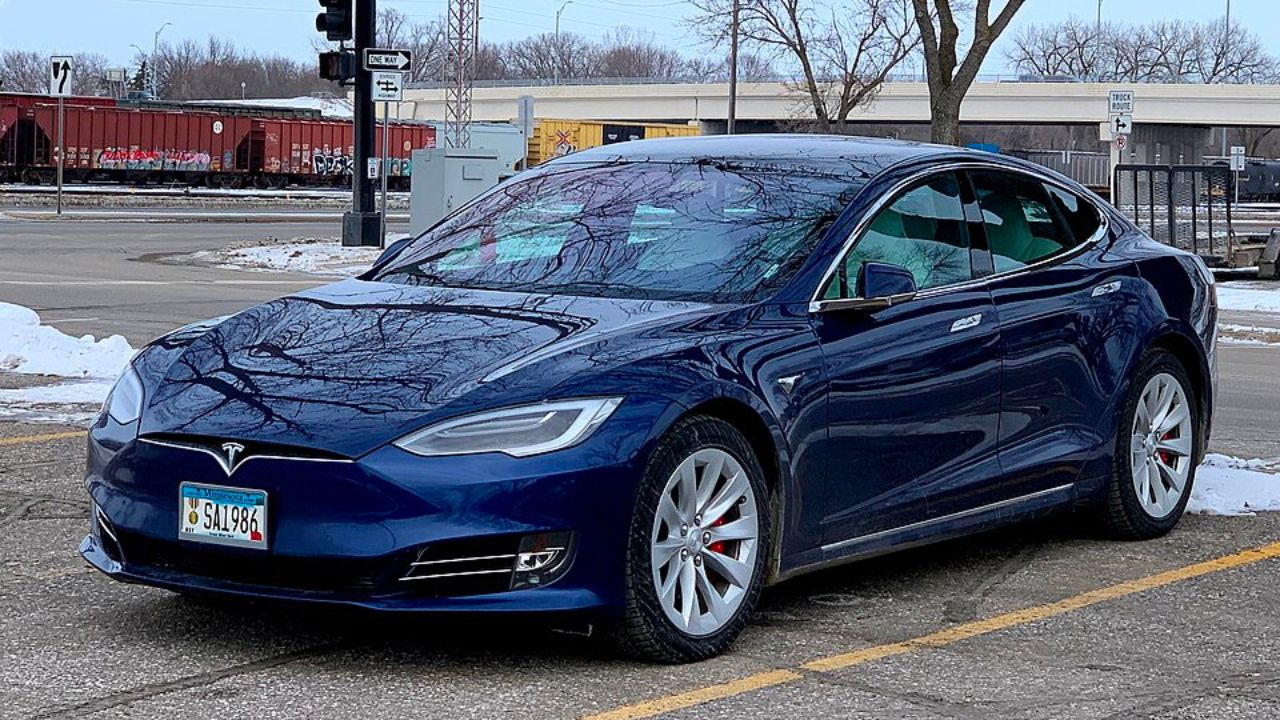
When Tesla introduced the Model S in 2012, it was initially seen as a niche luxury vehicle. However, it quickly became a pivotal player in the automotive industry, reshaping perceptions of electric cars. The Model S combined high performance with zero emissions, proving that electric vehicles could compete with traditional gas-powered cars. This unexpected success helped spark a broader interest in electric vehicles, influencing major automakers to invest in EV technology.
The Model S has not only changed the automotive landscape but has also become a symbol of sustainability and innovation. Its impact is reflected in the growing acceptance of electric vehicles among consumers, making it clear that the future of transportation may be electric. Tesla’s success has inspired a wave of new electric models, showcasing how a single vehicle can change the course of an industry.
More from Fast Lane Only
- Unboxing the WWII Jeep in a Crate
- 15 rare Chevys collectors are quietly buying
- 10 underrated V8s still worth hunting down
- Police notice this before you even roll window down
*Research for this article included AI assistance, with all final content reviewed by human editors.