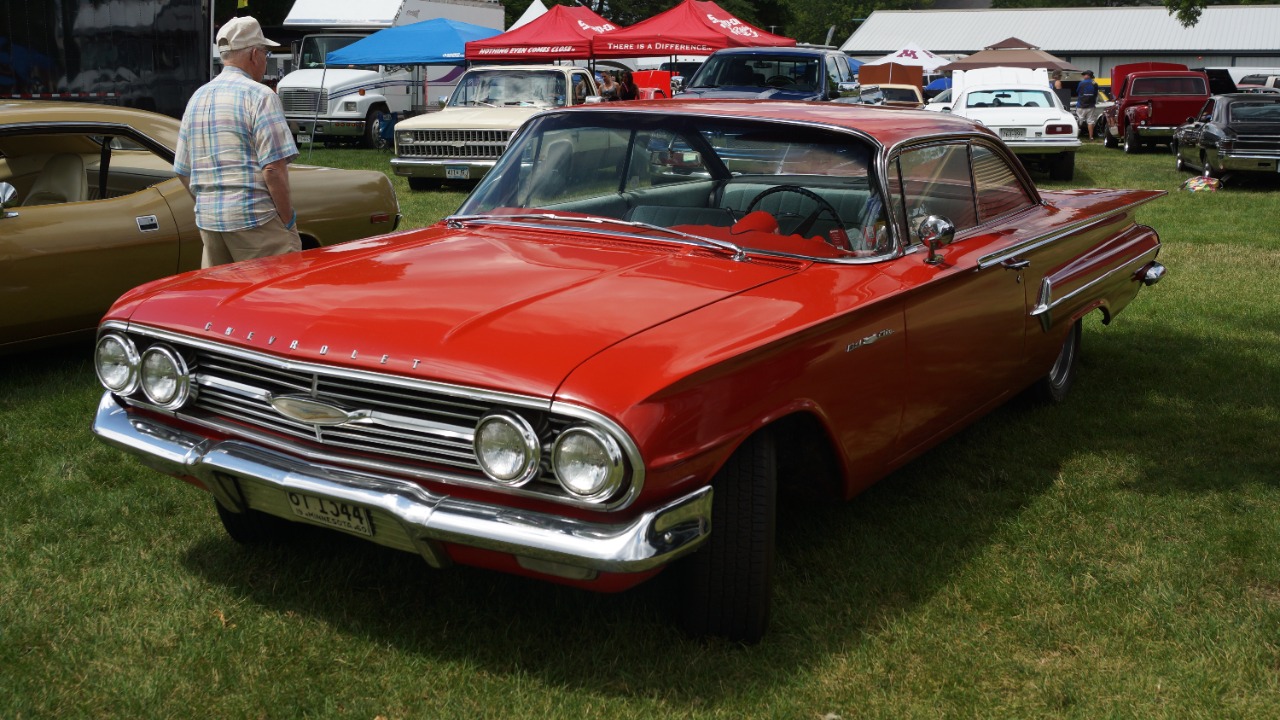
The Chevrolet Bel Air is more than just a car; it’s a symbol of American culture that evolved through the decades. From its inception in the early 1950s to its last production model in the late 1970s, the Bel Air has left an indelible mark on the automotive landscape. Join me as I explore ten Chevrolet Bel Air models that not only defined their respective eras but also captured the spirit of America during those times.
1950 Chevrolet Bel Air: The Birth of Post-War Glamour
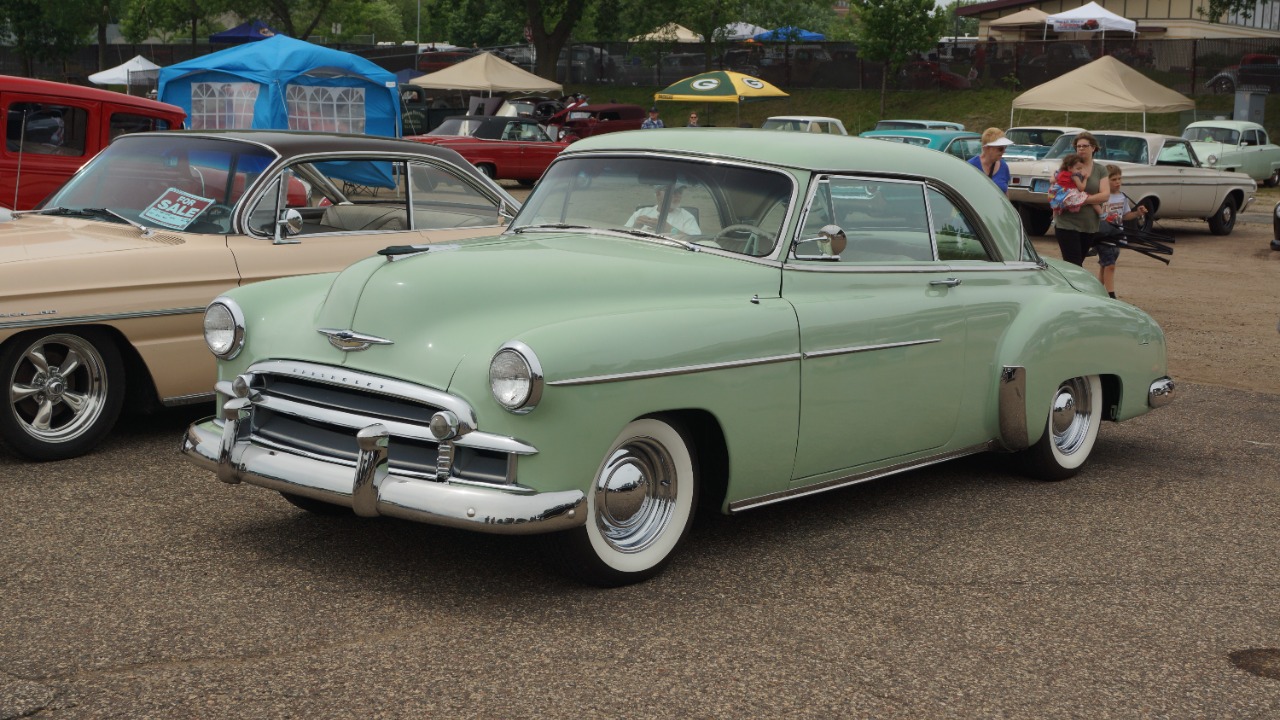
The 1950 Chevrolet Bel Air marked the beginning of a new era in American automotive design. With its sleek lines, chrome detailing, and vibrant color options, it represented the optimism of the post-war period. Car buyers were eager for something that embodied both style and practicality, and the Bel Air delivered just that. Its two-door hardtop model was particularly popular, offering an elegant silhouette that turned heads on the streets. This model’s design featured a distinctive wraparound windshield and a spacious interior, making it a favorite for families and young couples alike. Its introduction helped solidify Chevrolet’s reputation as a leader in the automotive market. The 1950 Bel Air was a pivotal moment, setting the stage for the iconic designs that would follow in subsequent years.
1955 Chevrolet Bel Air: The Icon of the ‘Hot Rod’ Era
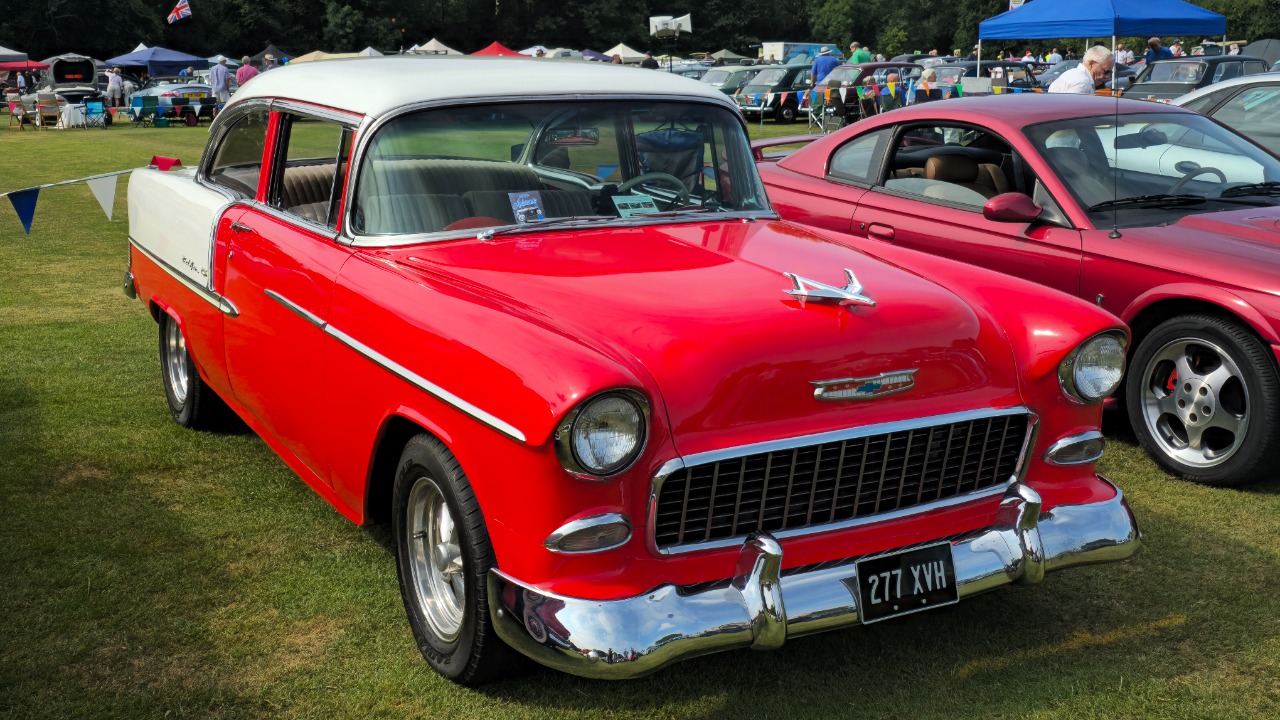
The 1955 Chevrolet Bel Air is often credited with popularizing the hot rod culture that swept across America in the mid-1950s. Featuring a more aggressive design and a powerful V8 engine, it became a favorite among car enthusiasts looking to customize and race their vehicles. The introduction of the 265 cubic inch V8 engine not only enhanced performance but also solidified the Bel Air’s status as a performance icon. This model was more than just a car; it was a canvas for personal expression. Numerous aftermarket parts and modifications allowed owners to create unique versions of the Bel Air, further embedding it in the fabric of American car culture. The vibrant colors and chrome accents made it a striking presence on the road, exemplifying the youthful spirit of the era.
1957 Chevrolet Bel Air: The Classic 50s Cruiser
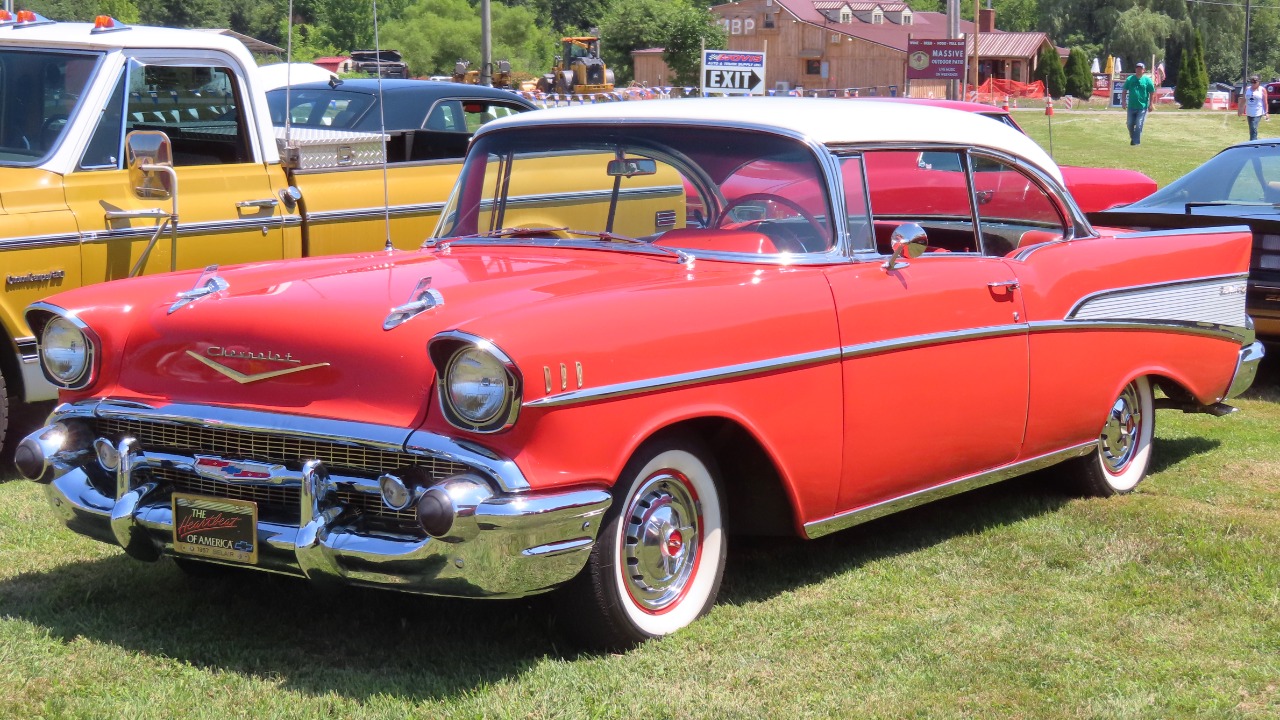
In 1957, Chevrolet unveiled what many consider the quintessential Bel Air model. The 1957 Chevrolet Bel Air is an iconic representation of 1950s American automotive design with its tailfins, chrome accents, and stylish two-tone paint options. It became a symbol of affluence and leisure, appealing to families and young professionals alike. The 1957 model boasted improved aerodynamics and a more powerful engine lineup, including the legendary 283 cubic inch V8. Its combination of performance and style made it a popular choice for anyone wanting to make a statement. The Bel Air’s timeless design continues to inspire car enthusiasts and collectors today, ensuring its status as a classic.
1960: The Stylish ‘Bubbletop’ – A Symbol of Mid-Century Modernity
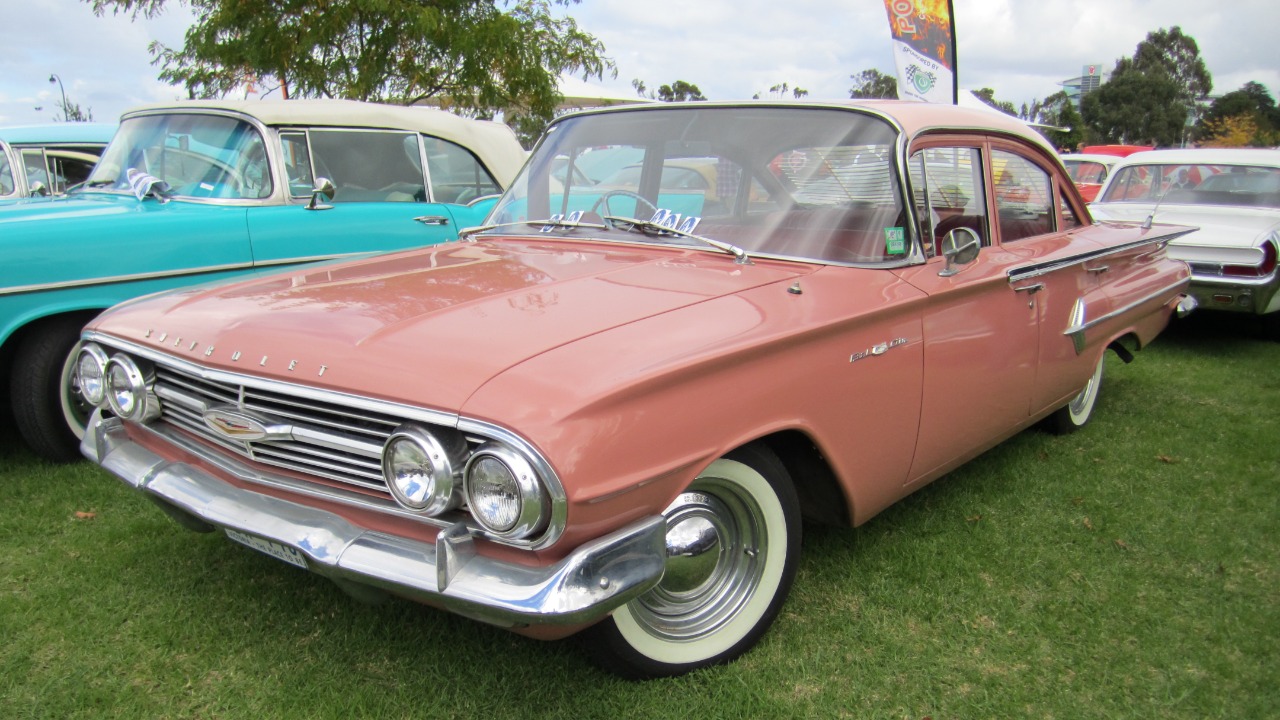
The 1960 Chevrolet Bel Air featured the iconic ‘bubbletop’ design, characterized by its sweeping roofline and expansive glass. This model marked a significant shift in automotive design, emphasizing aerodynamics and modernity. The 1960 model was not just about aesthetics; it offered a range of powerful engine options, making it a popular choice among drivers seeking both style and performance. The Bel Air’s unique shape also made it a favorite among car enthusiasts and collectors, setting the stage for a decade of innovation. As the 1960s unfolded, the Bel Air continued to symbolize the American dream, where style met substance in a fast-paced world.
1961: The Sporty Convertible – Capturing the Spirit of Freedom
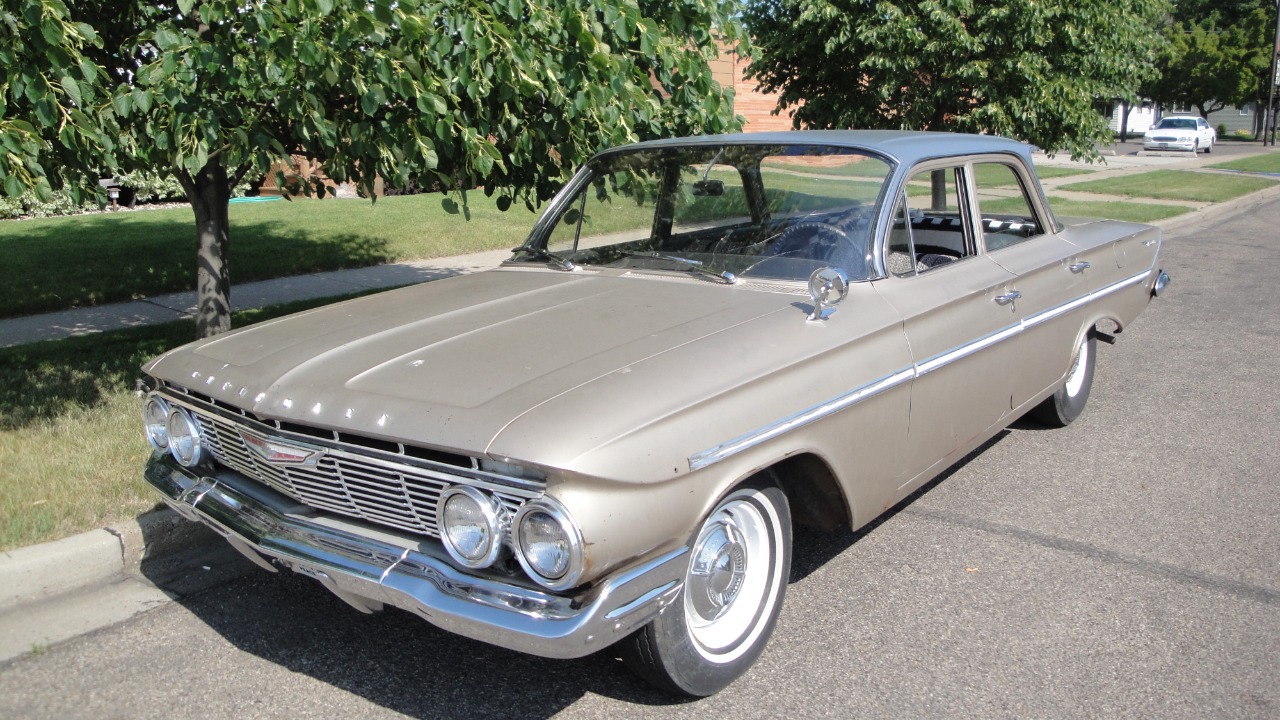
In 1961, the Chevrolet Bel Air convertible emerged as a symbol of freedom and youthful exuberance. With its stylish lines and open-top design, this model invited drivers to experience the thrill of the open road. The 1961 convertible was equipped with a range of features, including an optional V8 engine that provided impressive horsepower. This vehicle became a favorite among young Americans, as it perfectly captured the spirit of the era, emphasizing individuality and adventure. The Bel Air convertible also made numerous appearances in popular culture, further solidifying its iconic status. For those looking to reminisce about this era, classic car enthusiasts often share their experiences on platforms like Quora.
1964: The New Design Language – A Shift Towards the Future
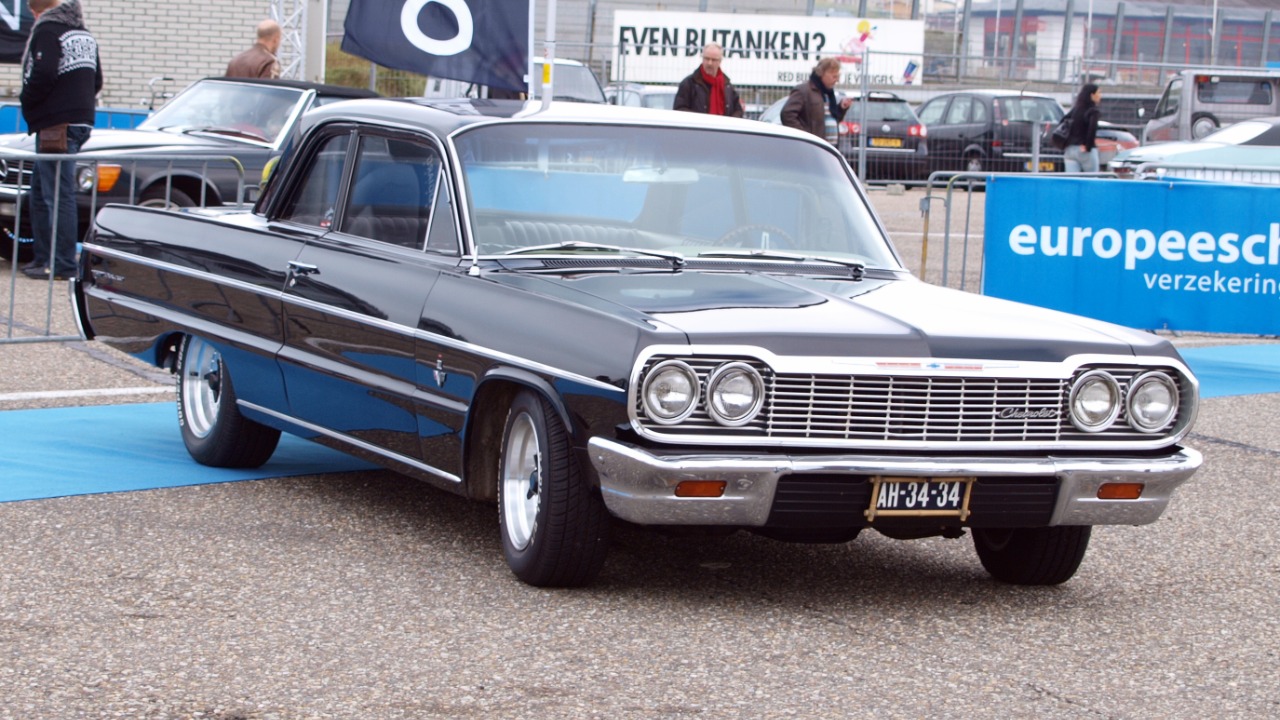
The 1964 Chevrolet Bel Air marked a pivotal moment in automotive design, showcasing a shift towards a more modern and streamlined aesthetic. This model introduced sharper lines and a more refined silhouette, reflecting the changing tastes of consumers. With a focus on comfort and performance, the 1964 Bel Air was equipped with advanced features such as a newly designed dashboard and improved safety elements. This model was not just about looks; it also offered a variety of engine options, appealing to a broad range of drivers. As the 1960s progressed, the Bel Air continued to adapt, remaining a popular choice for families and individuals alike.
1965: The Bel Air as Family Sedan – Embracing the American Dream
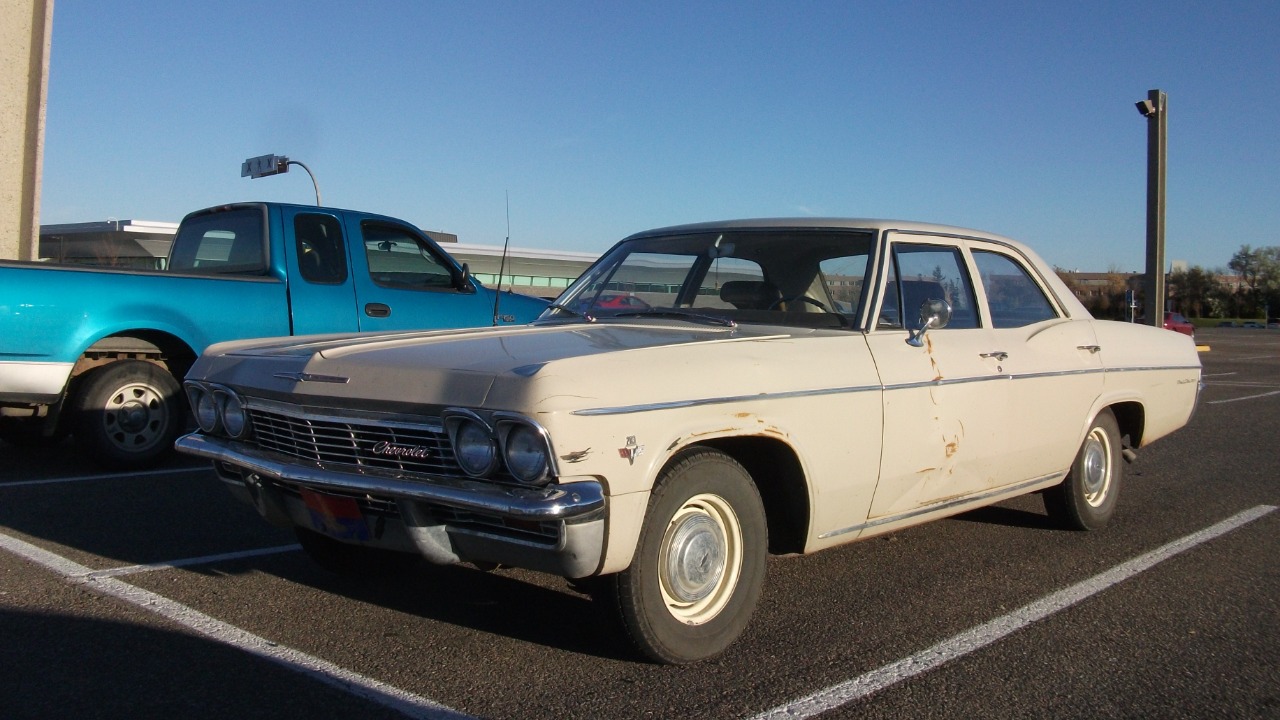
By 1965, the Chevrolet Bel Air was firmly established as a quintessential family sedan, embodying the American dream of spaciousness and comfort. This model prioritized practicality without compromising style, offering ample legroom and cargo space. The 1965 Bel Air came with various engine choices, allowing families to select a powertrain that suited their needs, whether for daily commuting or weekend getaways. Its reputation for reliability and affordability solidified its place in American households, making it a staple on driveways across the country. The Bel Air’s role as a family car also reflected the societal shift towards suburban living during this decade.
1966: The Last of the Chrome – Nostalgia in a Changing Era
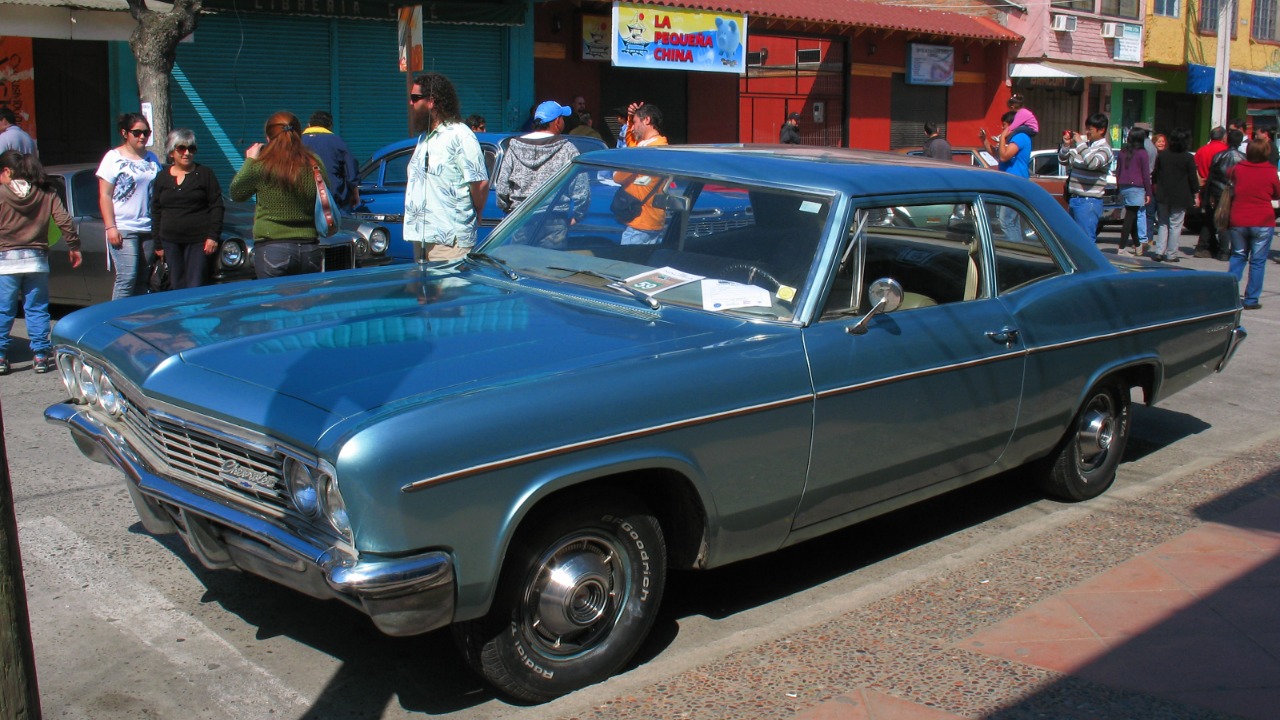
The 1966 Chevrolet Bel Air is often regarded as the last of the classic chrome-laden designs that defined the earlier models. With more subdued chrome accents and a cleaner look, this model represented a transition towards the more minimalistic designs of the late 1960s. Despite these changes, the 1966 Bel Air retained its reputation for durability and comfort, making it still a popular choice among families. The nostalgic appeal of chrome and classic lines attracted collectors and enthusiasts, eager to preserve a piece of automotive history. As the market shifted, the 1966 model held a special place in the hearts of those who appreciated the craftsmanship of a bygone era.
1970: The Shift to Practicality – Adapting to the Muscle Car Movement

By 1970, the Chevrolet Bel Air had to adapt to the changing landscape of the automotive market, which was heavily influenced by the muscle car movement. The emphasis was now on practicality and fuel efficiency, reflecting the economic realities of the time. The 1970 model offered a more subdued design and a variety of engine options that prioritized fuel efficiency over sheer power. This shift also coincided with the growing popularity of smaller, more nimble cars, as American drivers began to seek vehicles that were more economical. Despite these changes, the Bel Air maintained its identity as a reliable family car and continued to be a trusted choice.
1975: The Final Years of an Icon – A Reflection of Changing Times

The 1975 Chevrolet Bel Air marked the closing chapter of an iconic nameplate that had evolved through decades of American culture. By this time, the car was more focused on comfort and practicality, reflecting the changing consumer preferences. The design had shifted significantly from its earlier models, showcasing a more rounded and softer appearance that catered to a different market. Despite the changes, the Bel Air’s legacy lived on through its loyal fan base, who appreciated its historical significance and reliability. As the last model rolled off the assembly line, it left behind a rich heritage that continues to resonate with car enthusiasts to this day.
More from Fast Lane Only
- Unboxing the WWII Jeep in a Crate
- 15 rare Chevys collectors are quietly buying
- 10 underrated V8s still worth hunting down
- Police notice this before you even roll window down
*Research for this article included AI assistance, with all final content reviewed by human editors.