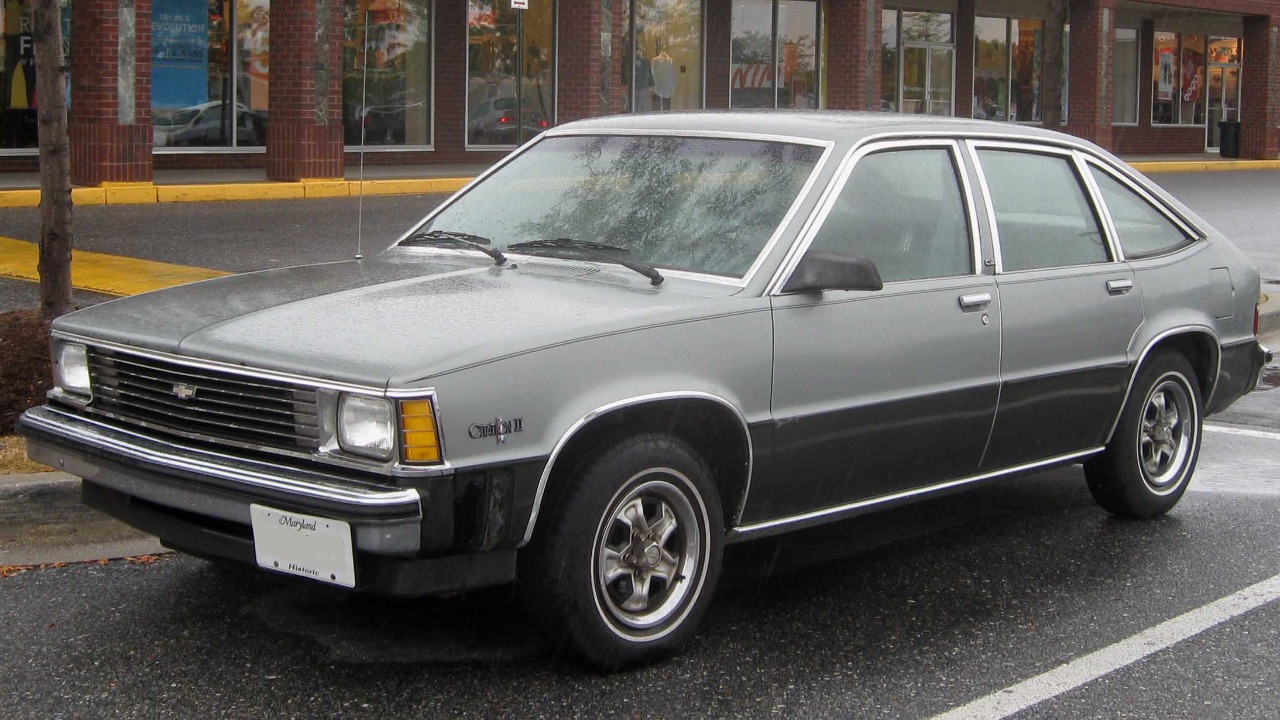
Chevrolet has produced a vast array of vehicles over the decades, some of which have slipped into the shadows of automotive history. From quirky designs to practical family vehicles, these Chevys may not be top of mind, but they each contributed to the brand’s legacy in unique ways. Here’s a look at ten Chevys you might have forgotten existed, showcasing their features and stories that made them memorable in their own right.
Chevrolet Vega
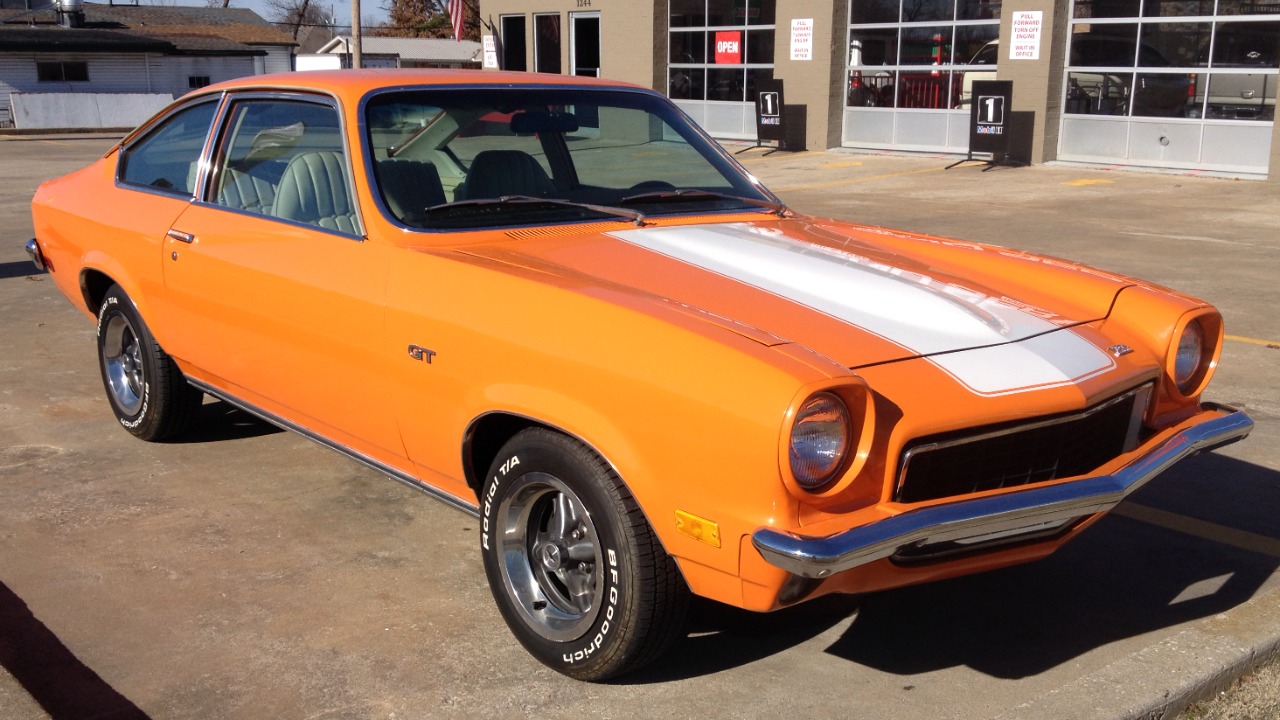
The Chevrolet Vega was introduced in 1970 as a compact car designed to compete with imported models. It was notable for its innovative use of lightweight materials, including a fiberglass front-end and aluminum engine components. The Vega was available as a coupe, hatchback, and station wagon, and offered a sporty appearance with a distinctive design. Unfortunately, it struggled with quality issues, particularly regarding rust and engine reliability, which led to its decline in popularity. Despite these setbacks, the Vega had a dedicated following and remains a sought-after classic among enthusiasts today. It’s often remembered for its ambitious design and the impact it had on Chevrolet’s future models.
Chevrolet Corvair
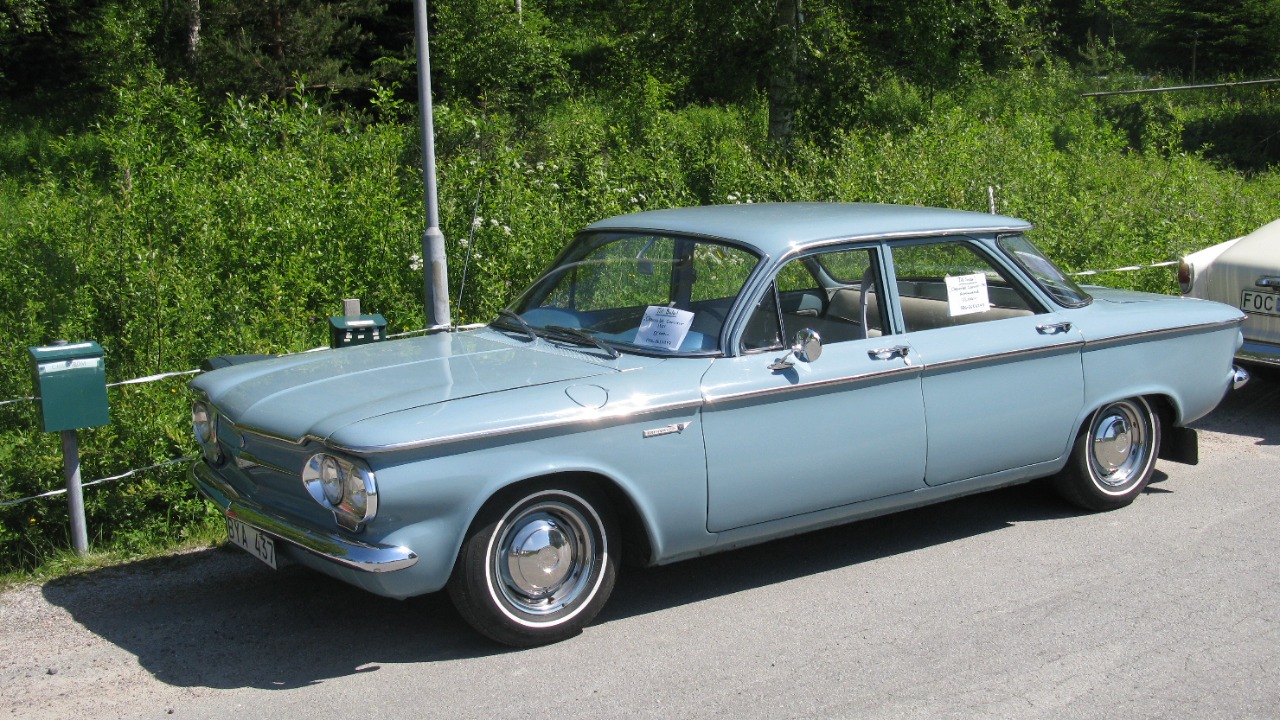
Produced from 1960 to 1969, the Chevrolet Corvair was a unique vehicle for its time, featuring a rear-engine layout and an air-cooled engine. This innovative design put it in direct competition with the Volkswagen Beetle. The Corvair was available in various body styles, including a coupe, sedan, and convertible, making it popular among families and young drivers alike. However, it became infamous due to safety concerns highlighted in Ralph Nader’s book “Unsafe at Any Speed.” Despite its troubled reputation, the Corvair has garnered a cult following and is often celebrated for its distinctive styling and engineering. The Corvair’s influence can still be seen in modern compact cars, reflecting the company’s willingness to push boundaries.
Chevrolet Citation
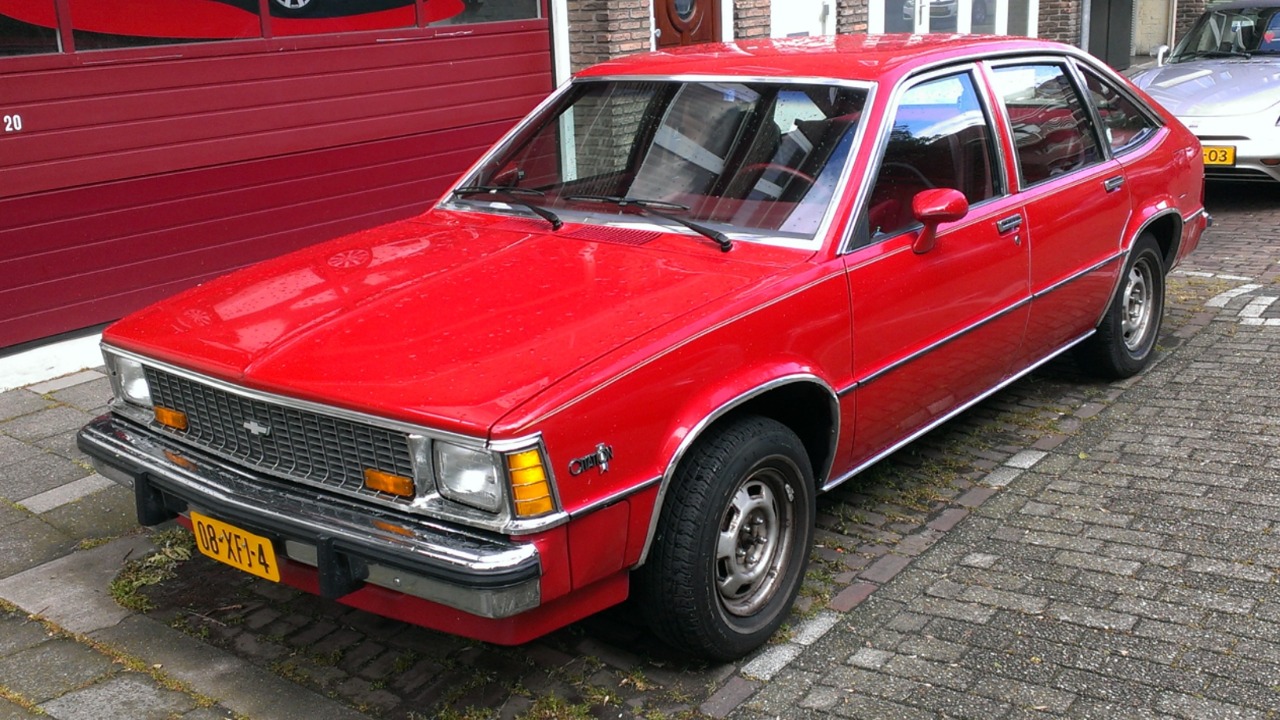
The Chevrolet Citation was introduced in 1980 as part of the X-body platform, marking a significant shift towards front-wheel-drive vehicles for the brand. It was marketed as a compact car that offered decent fuel efficiency and practicality. The Citation was available in various trims and body styles, including a two-door coupe and a four-door sedan. While it initially received positive reviews, it soon faced criticism for its build quality and handling. Despite these issues, the Citation was a best-seller in its early years, with over a million units sold. It represented a pivotal moment for Chevrolet as they transitioned to more economy-focused vehicles during the oil crisis of the late 1970s.
Chevrolet Chevette

Launched in 1976, the Chevrolet Chevette was a subcompact car that appealed to budget-conscious drivers. It was designed as an economical option and was equipped with a simple four-cylinder engine that delivered respectable fuel efficiency. The Chevette was available as a two-door hatchback and a four-door sedan, making it versatile for various consumer needs. Its boxy design and straightforward features made it easy to maintain, contributing to its popularity among first-time car buyers. However, like many vehicles of its era, it faced competition from imports, leading to a gradual decline in sales. The Chevette remains a nostalgic reminder of the economic automotive landscape of the late 20th century.
Chevrolet S-10 Blazer
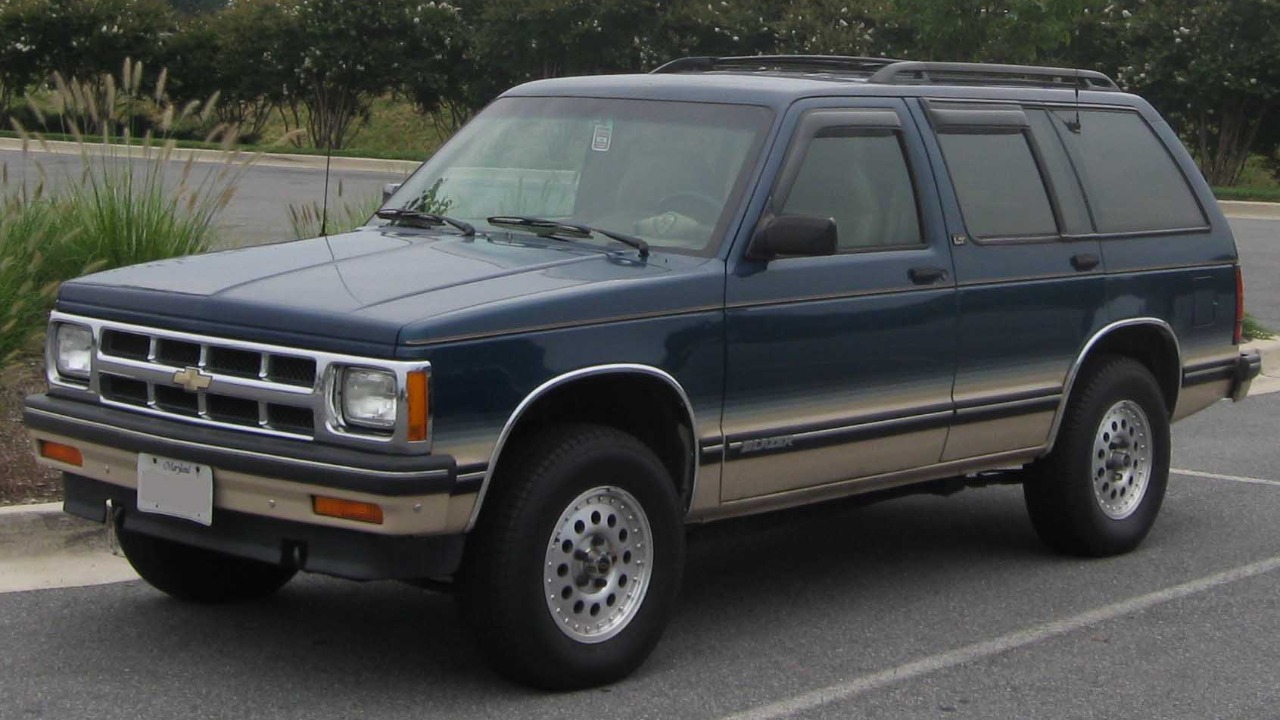
The Chevrolet S-10 Blazer was introduced in 1983 as a compact SUV that combined the versatility of a truck with the comfort of an SUV. It was built on the S-10 pickup platform and offered a range of engines and trim levels. The S-10 Blazer was praised for its off-road capability and compact size, making it an attractive option for urban drivers and outdoor enthusiasts alike. However, by the late 1990s, changing consumer preferences led to a decline in demand for smaller SUVs, and the model was eventually discontinued. Today, the S-10 Blazer has become a classic among SUV enthusiasts, often sought after for restoration projects and vintage shows.
Chevrolet El Camino (Fourth Generation)
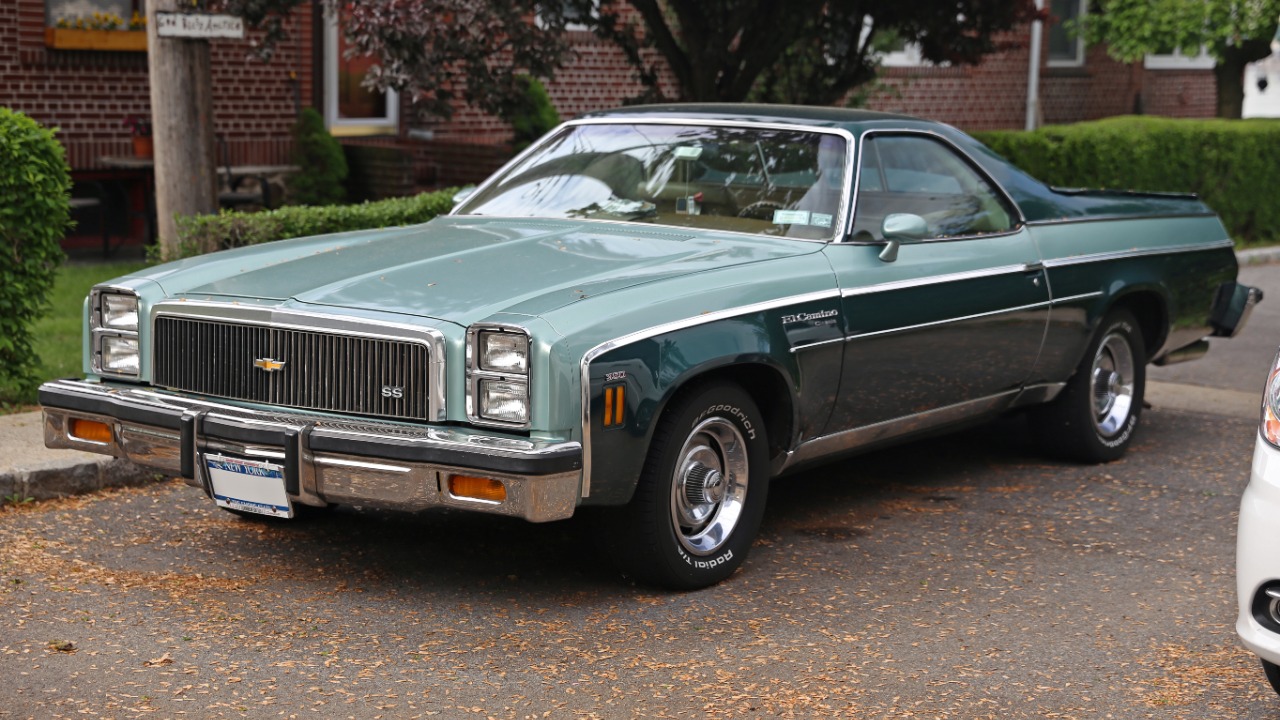
The fourth generation of the Chevrolet El Camino was produced from 1978 to 1987, blending the utility of a pickup truck with the comfort of a car. This iteration was built on the G-body platform and featured a variety of engine options, including V6 and V8 choices. The El Camino’s unique styling and versatility made it a popular choice for those who needed a vehicle for both work and leisure. However, as consumer preferences shifted towards more traditional trucks and SUVs, the El Camino’s popularity waned, leading to its discontinuation in 1987. Today, it remains a valued classic, celebrated for its distinctive design and unique position in the automotive market.
Chevrolet Lumina APV
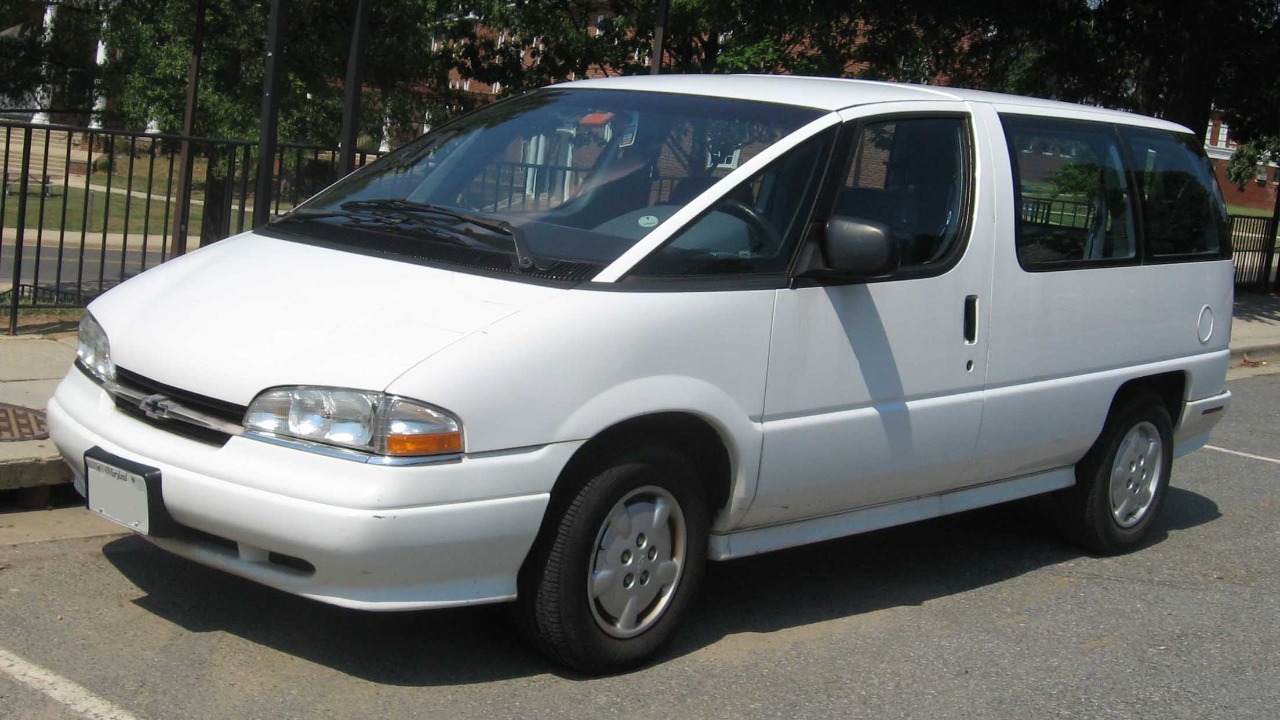
The Chevrolet Lumina APV was a minivan produced from 1990 to 1996, designed to compete with other family vehicles of its time. With its unique boxy design and spacious interior, it could accommodate up to seven passengers, making it a practical choice for families. The Lumina APV featured sliding side doors for easy access and a range of engine options, including a V6 for better performance. Despite its innovative features, the Lumina APV struggled to compete against more popular models, and it was eventually phased out. Today, it’s often remembered for its distinctive styling and represents a bygone era of minivan design.
Chevrolet Caprice Classic Wagon
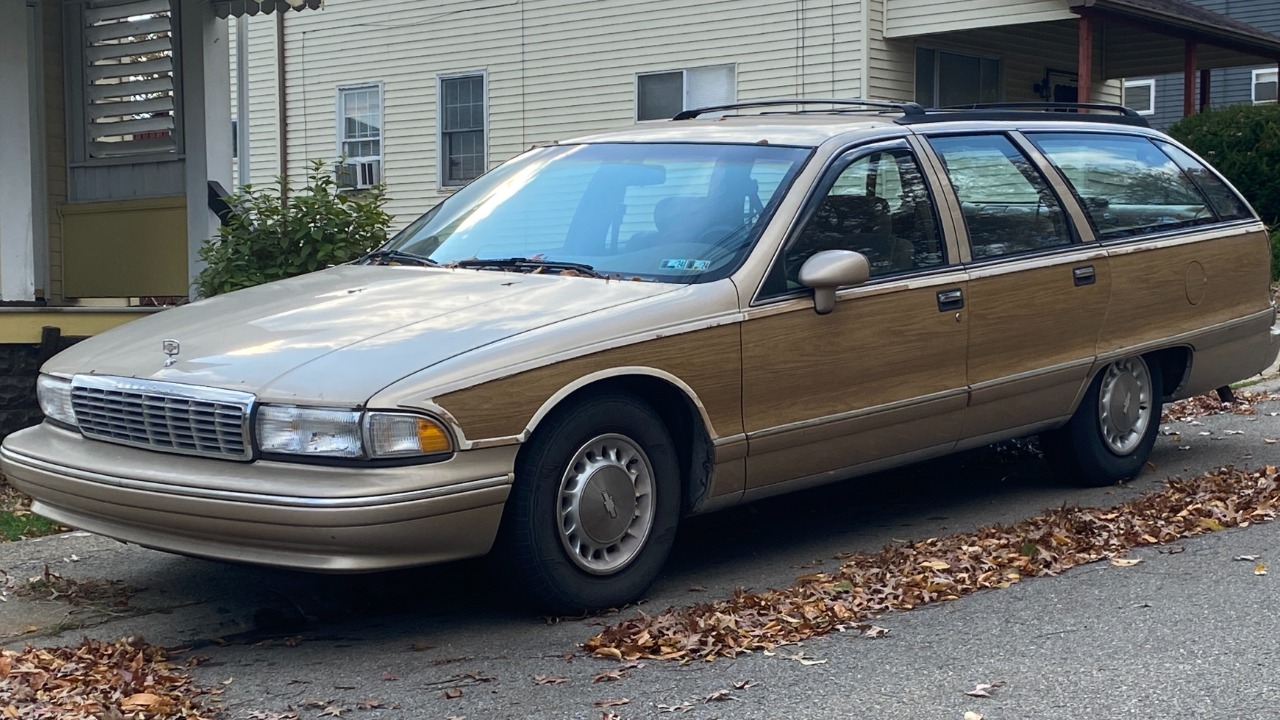
The Chevrolet Caprice Classic Wagon, available from 1977 to 1990, was a full-size station wagon that epitomized family travel during its heyday. With ample cargo space and seating for up to eight passengers, it was ideal for road trips and daily commuting alike. The Caprice was known for its smooth ride, comfortable interior, and range of powerful V8 engines. However, rising fuel prices and changing consumer preferences for SUVs led to a decline in station wagon popularity. Despite its eventual discontinuation, the Caprice Classic Wagon remains a nostalgic symbol of family life in the late 20th century and is often revived in classic car circles.
Chevrolet Malibu (First Generation)
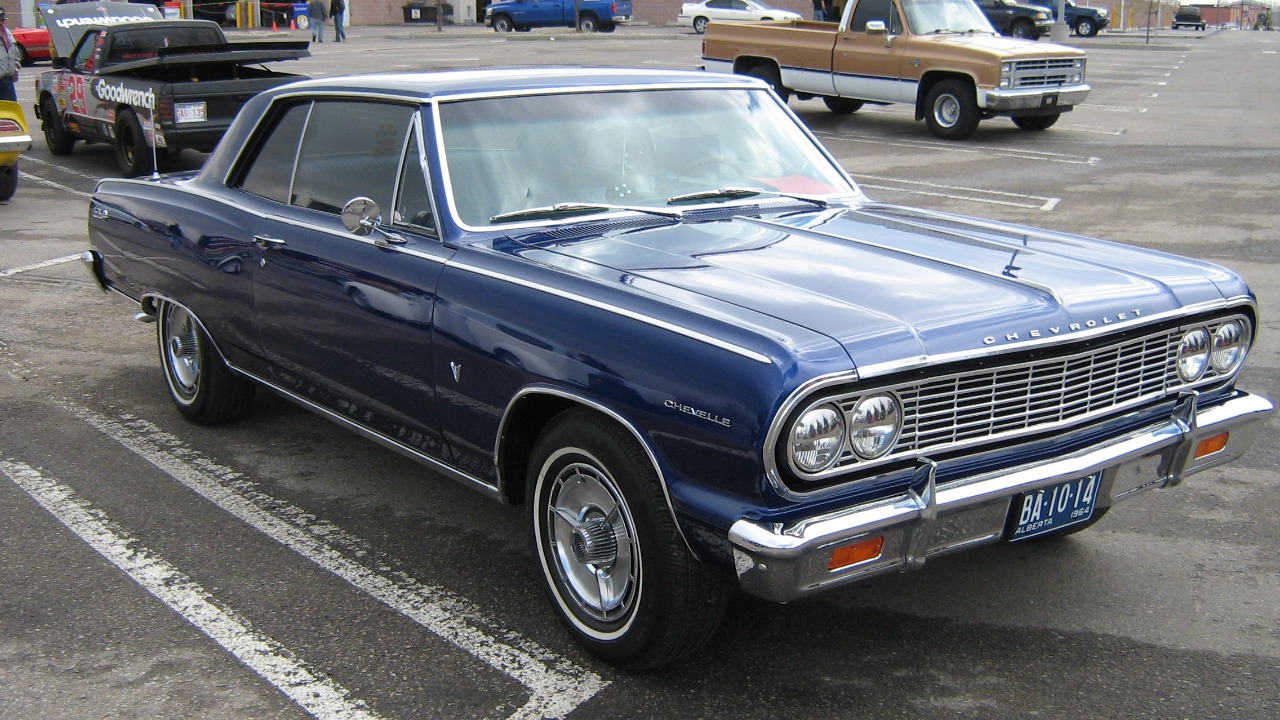
The first-generation Chevrolet Malibu debuted in 1964 as a premium trim of the Chevrolet Chevelle, quickly becoming a standalone model by 1978. It was available in various body styles, including two-door coupes, four-door sedans, and station wagons. The Malibu was well-received for its stylish design and range of powerful engine options, appealing to a wide audience. Its reputation for reliability and performance helped cement its status as a staple in the Chevrolet lineup. Despite facing competition from other midsize cars in the 1980s, the Malibu has evolved over the years and remains a popular choice today, illustrating the brand’s adaptability and commitment to quality.
Chevrolet Astro Van

The Chevrolet Astro Van was introduced in 1985 as a mid-size van designed for families and commercial use. With a boxy design reminiscent of the era, the Astro offered spacious interiors and a variety of configurations to meet different needs. It was equipped with a powerful V6 engine and was known for its durability and versatility. The Astro was popular among families for its ample seating and cargo capacity, making it ideal for road trips. However, as the minivan market grew, the Astro faced stiff competition. It was discontinued in 2005 but remains a fond memory for many who appreciated its practicality and reliability.
More from Fast Lane Only
- Unboxing the WWII Jeep in a Crate
- 15 rare Chevys collectors are quietly buying
- 10 underrated V8s still worth hunting down
- Police notice this before you even roll window down
*Research for this article included AI assistance, with all final content reviewed by human editors.