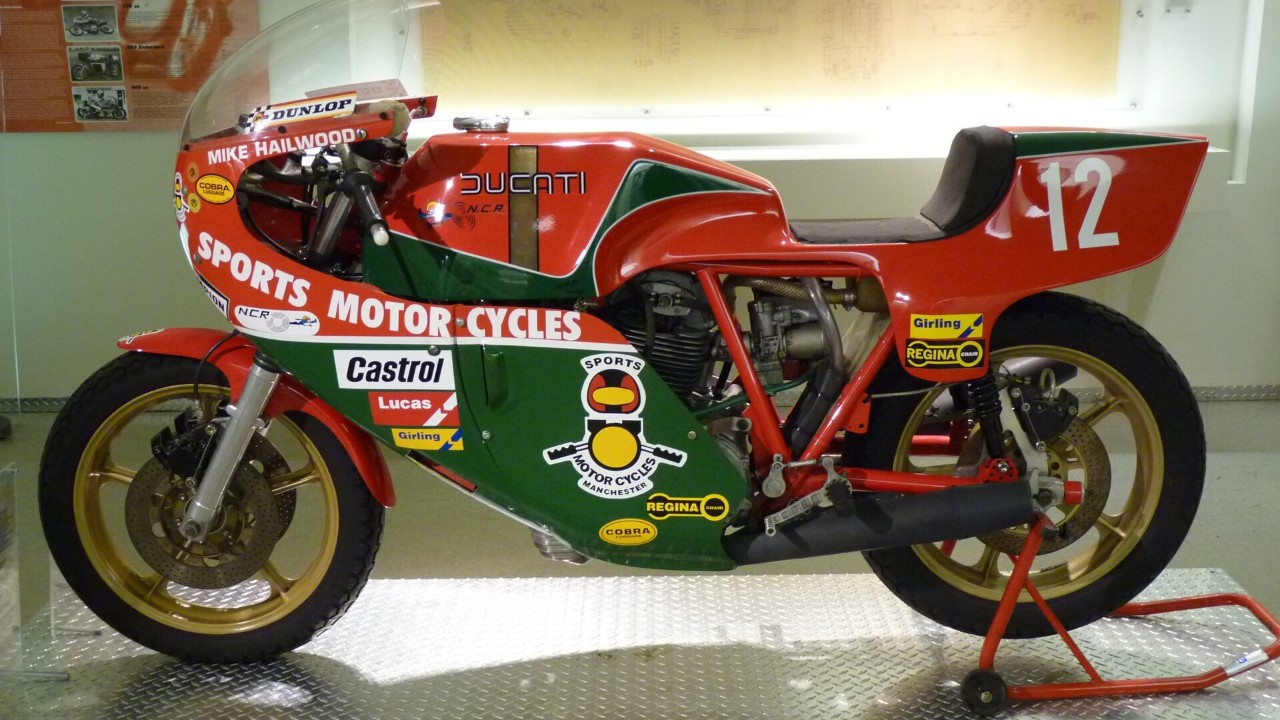
Ducati has built plenty of fast motorcycles, but only some of them became the bikes collectors fight over. The eight below range from a 1970s bevel-drive racer replica to the Ducati Supermono, a single-cylinder race bike the factory built only 67 times. In fact, each one earns its place with a build count, a racing link or a value record.
What ties them together is scarcity with a story behind it. Some were limited from the start, while others got used up on race tracks until clean survivors became hard to find.
1. 1974 Ducati 750 SS
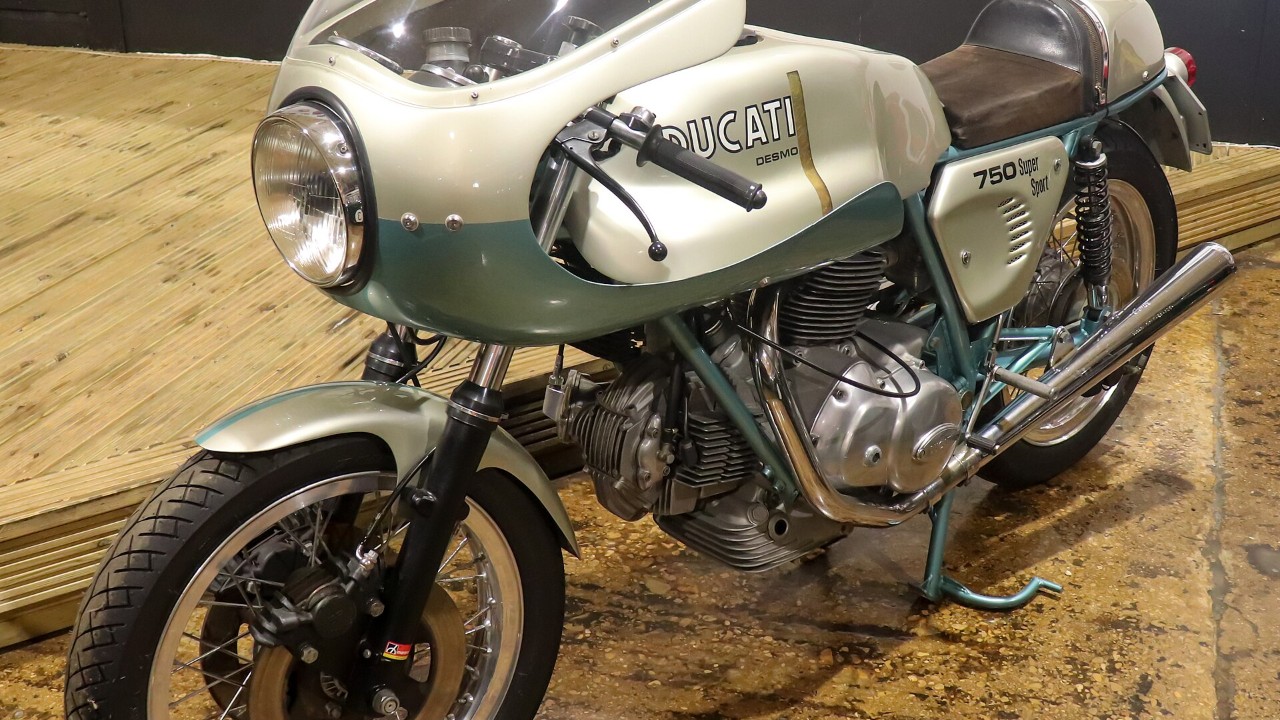
The 750 SS is the street version of a race win. In 1972, Paul Smart won the Imola 200 on a 750 Imola Desmo, and teammate Bruno Spaggiari finished second. Two years later, Ducati sold a road-legal replica of that winning machine.
According to Hagerty’s history of the bike, Ducati built only 401 of the original round-case 750 SS. Like the racer, it used desmodromic valve gear, which closes the valves with rocker arms instead of springs, and breathed through Dell’Orto PHM40A carburetors. Survivors are scarce for another reason, too. Many owners raced them, fitted dealer race kits and wore out the fiberglass tanks.
2. 1979–1986 Ducati 900 Mike Hailwood Replica
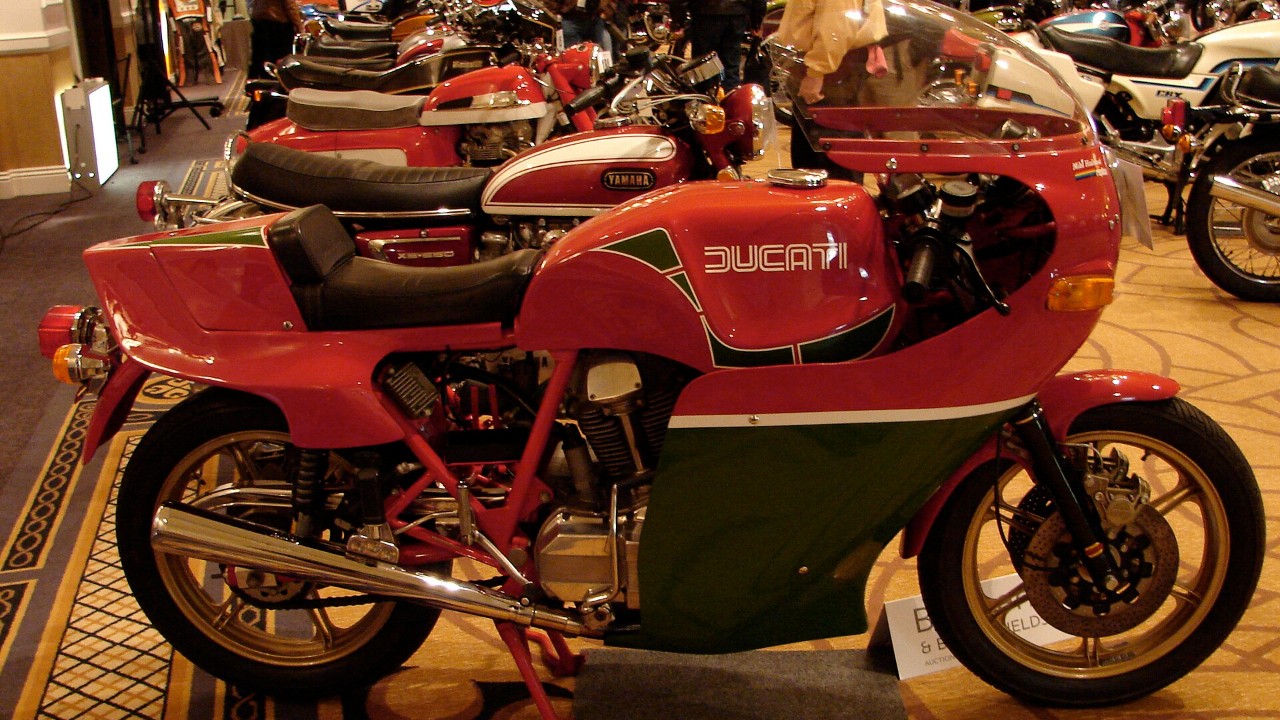
This bike exists because of one comeback. In 1978, Mike Hailwood returned to the Isle of Man TT after an 11-year absence. He then won the TT F1 race on Steve Wynne’s NCR Ducati 900 Super Sport, and Ducati turned that result into a showroom model.
Hagerty’s valuation page counts 6,085 built in all, including 1,282 Milles. The Mille arrived in 1984 with a 973 cc bevel-drive twin and 76 hp. Meanwhile, the first 200 bikes had a one-piece fairing and a single seat. The last examples left the factory in early 1986, after Cagiva had taken over Ducati. For a 1980 bike, the page shows a figure of $18,700.
3. 1994–1998 Ducati 916

Hagerty made the 916 one of its 2020 Bull Market picks, a list of vehicles it expected to rise in value. At that time, it put a 1995 bike at $10,700 to $13,300. By comparison, the 916 cost $14,495 new.
Massimo Tamburini drew the bike. Meanwhile, its 916 cc water-cooled V-twin used eight desmodromic valves. The 1995 model made 109 hp at 9,000 rpm, according to Hagerty’s Bull Market write-up. Ducati also won four World Superbike titles with it. In 1998, the 916 became a centerpiece of the Art of the Motorcycle exhibit at the Guggenheim Museum in New York.
4. 2001–2002 Ducati MH900e
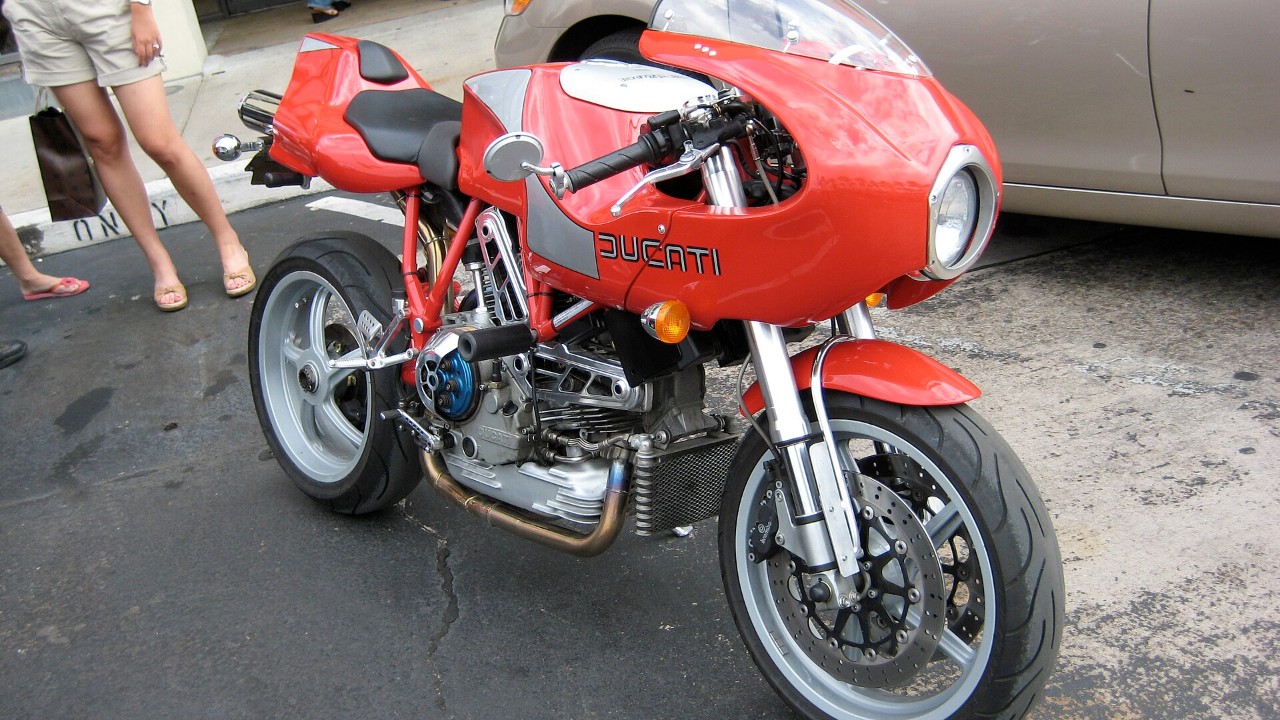
Ducati sold the MH900e only through its own website. Pre-orders opened at 00:01 GMT on January 1, 2000, and the run sold out in 31 minutes. Buyers paid about $18,000 each.
Pierre Terblanche led the design team. Silodrome reports that Ducati built exactly 2,000 between 2001 and 2002. Every bike also used a 904 cc air-cooled V-twin rated at 74 hp at 8,000 rpm. As a result, a buyer today is shopping from a fixed pool that will never grow.
5. 2006 Ducati Paul Smart 1000 LE
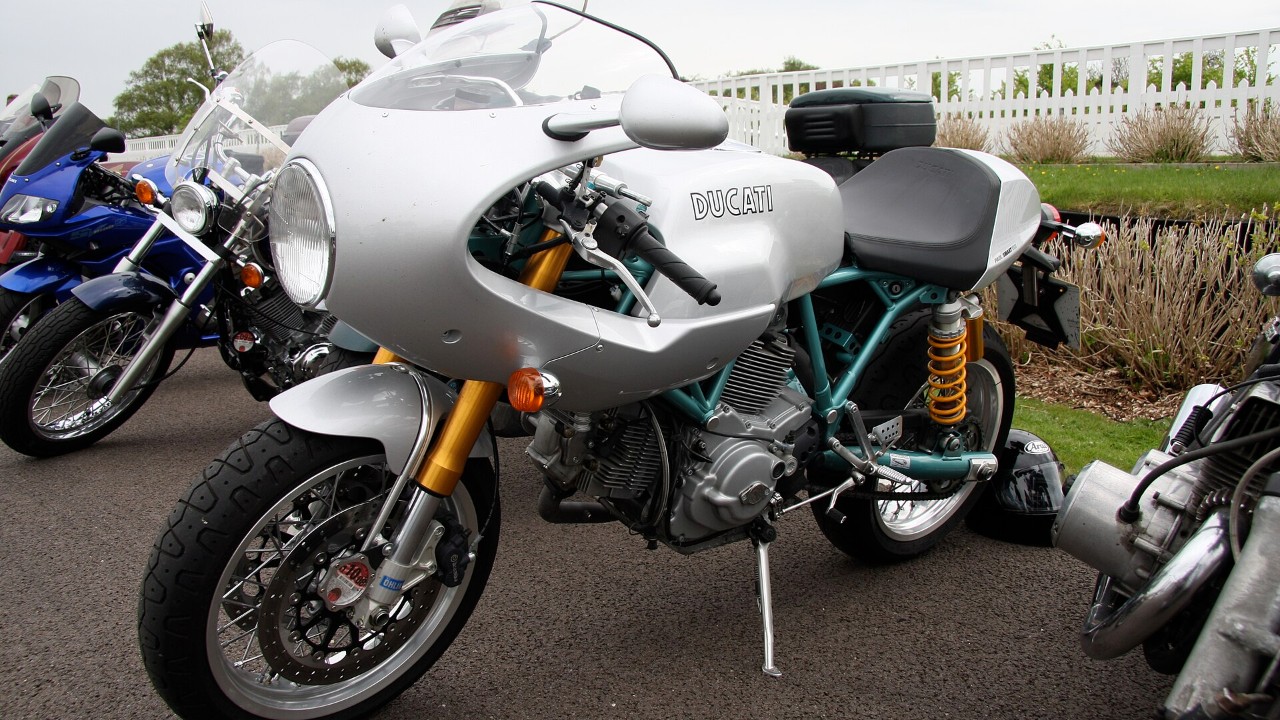
Ducati honored the 1972 Imola win a second time in 2006. Terblanche designed the Paul Smart 1000 LE, and he also drew the rest of the SportClassic family.
The bike used a 992 cc air- and oil-cooled twin making 92 hp at 8,000 rpm, along with Öhlins suspension at both ends. According to Silodrome, Ducati built about 2,000. The same report says it never really depreciated. Instead, examples now typically sell for well above their original sticker price.
6. 1969–1974 Ducati Scrambler 450
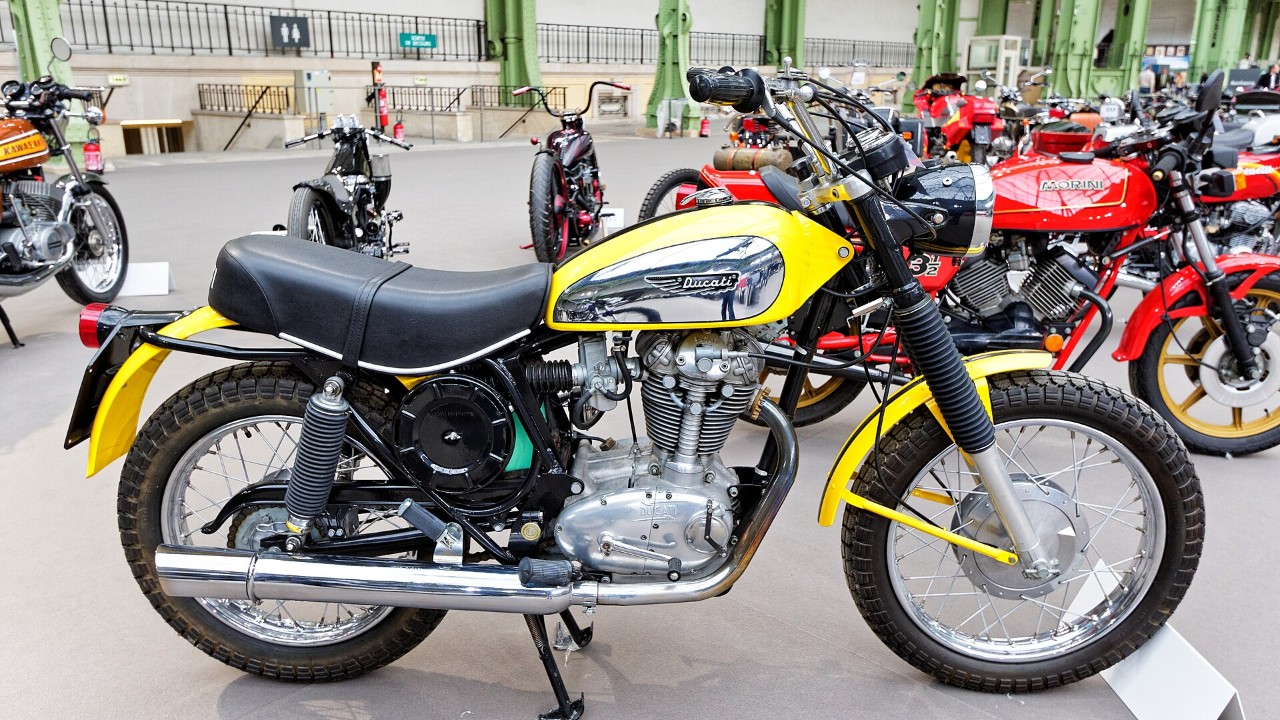
The Scrambler line started with an American importer, not with the factory. Joseph Berliner, whose Berliner Motor Corporation brought European bikes to North America, persuaded Ducati to build its first Scrambler. Scramblers reached the US in 1962 as 250s, and 350s and 450s followed.
Later, Ducati unveiled the 450 in 1969 as the biggest Scrambler it made. Its 436 cc bevel-drive single made 27 bhp at 6,500 rpm, and the bike weighed 145 kg. Silodrome notes that production ended in 1974. It also calls the 450 the main forefather of today’s Scrambler range, which arrived about 40 years later.
7. 1993–1995 Ducati Supermono
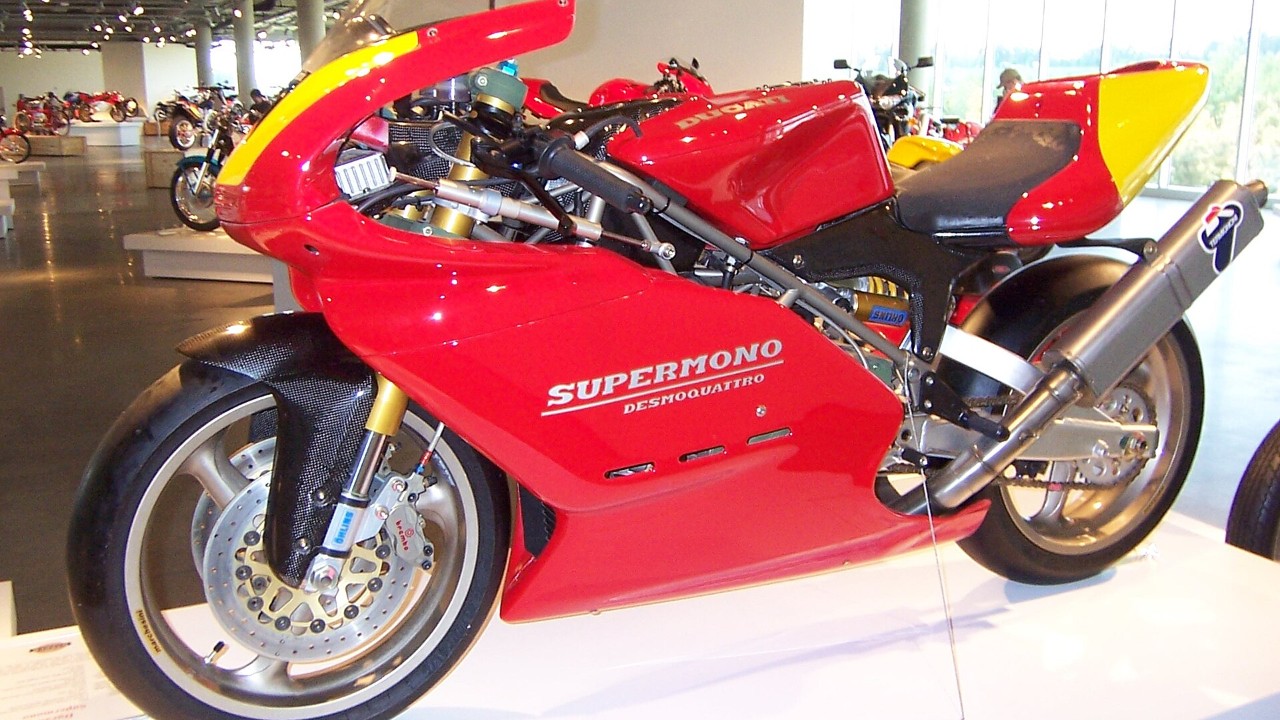
The Ducati Supermono was a race bike, and the factory never sold a road version. Ducati planned two street models, but other projects, including the Monster and the 916, took priority. Money problems then ended the idea.
Hagerty reports that Ducati built 40 Supermonos with a 549 cc engine in 1993 and 27 with a 572 cc engine in 1995. Massimo Bordi based the engine on the V-twin, but he replaced one cylinder with a dummy connecting rod to cancel vibration. Terblanche styled it, and it made 75 bhp at 10,000 rpm with a claimed dry weight of 118 kg. Today, clean original racers draw bidding that starts above $100,000.
8. 1985–1987 Ducati 750 F1
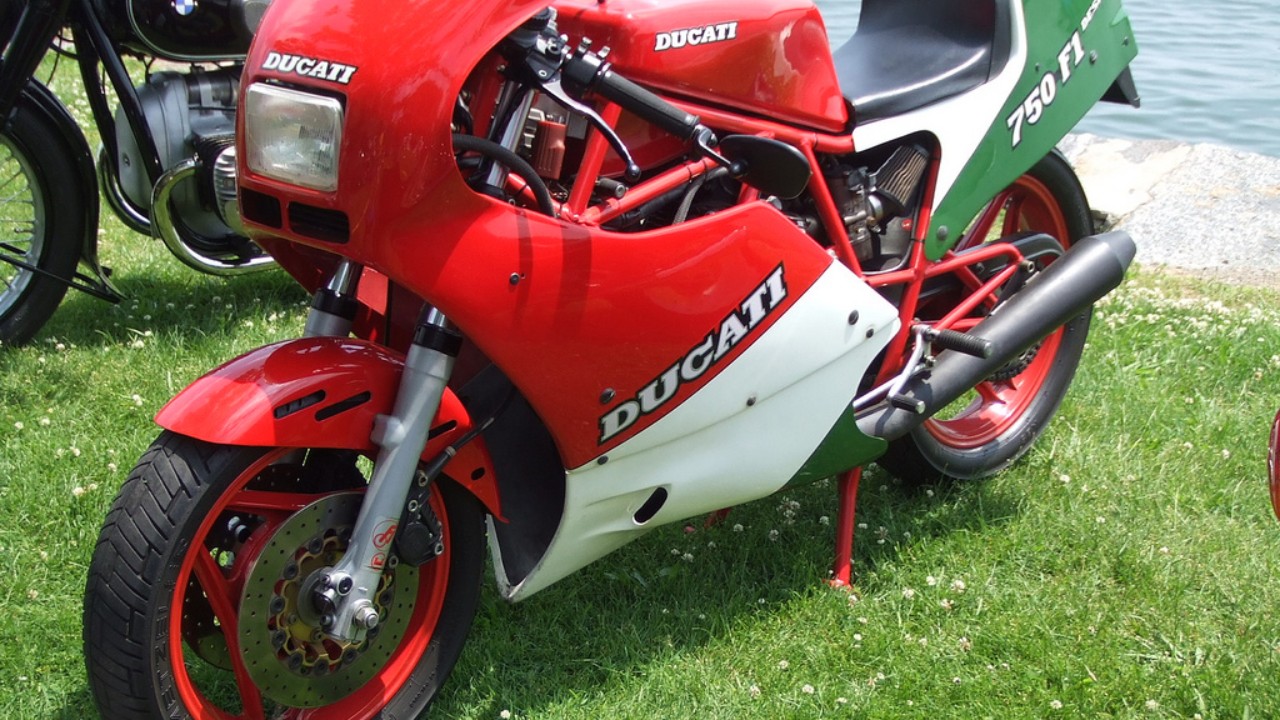
The 750 F1 marks the end of an era for the company. Cagiva bought Ducati around the time the F1 went on sale in 1985. After that, the new owner focused on mainstream models, and the F1 became the last of the pre-Cagiva Ducatis.
According to Hagerty’s valuation page, the 1985 F1A made 62.5 bhp and the 1986 F1B made 75 bhp. In total, Ducati built 1,801 F1A and F1B bikes, plus 200 Montjuich, 200 Laguna Seca and 204 Santamonica editions. Silodrome adds that survivors rarely come up for sale and often stay with one owner for decades. In June 2025, Hagerty’s figure for a 1986 bike stood at $13,600.
More from Fast Lane Only