Some classic cars slip out of memory because so few were built, while others vanish with the companies that made them. This list of 16 runs from a prewar Humber to a Maserati-powered Citroën. Along the way come a Lancia Flaminia, two Wankel engines and a Japanese coupe. Each one did something its rivals didn’t. Every figure below comes from the Classic & Sports Car buyer’s guides or Hagerty.
1. 1939–1940 Humber Super Snipe
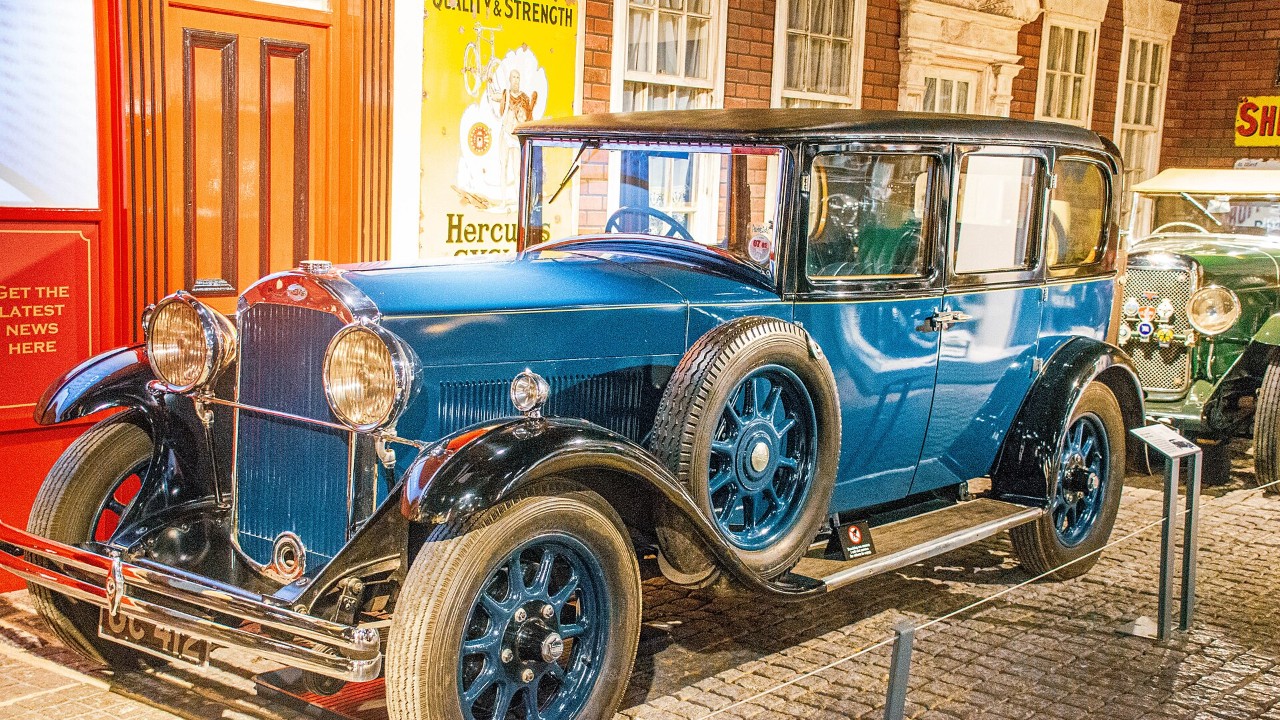
Humber created the Super Snipe by fitting its big 4,086cc side-valve six into the 114-inch chassis of its 1939 compact cars. That engine made 100bhp. Humber also reinforced the frame and gave the car hydraulic brakes.
According to the Classic & Sports Car guide, about 1,500 were built in 1939 and 1940. Buyers could pick a saloon, sports saloon or drophead coupé. Top speed was 85mph, though the guide warns that the car still weighs over a ton and a half.
2. 1947–1953 Jowett Javelin
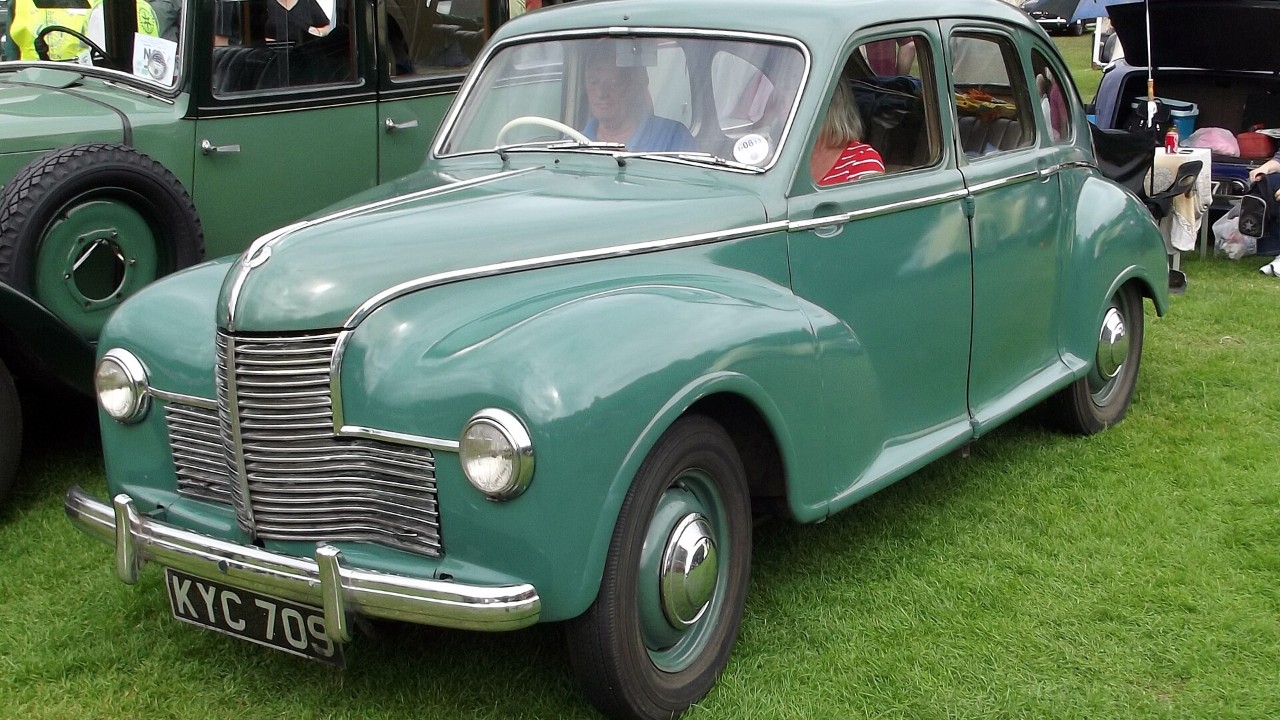
Jowett launched the Javelin in 1947 with a 1,486cc overhead-valve flat-four. The chassis was just as modern, because it used torsion bars at every corner and rack-and-pinion steering. A four-speed column shift completed the package.
The Classic & Sports Car guide calls it “a great car for its day” capable of 80-plus mph. However, it also flags engine and gearbox problems, and most survivors carry the stronger Series III engine. Production reached 23,307, including kits shipped for overseas assembly.
3. 1955–1959 Bentley Continental S1
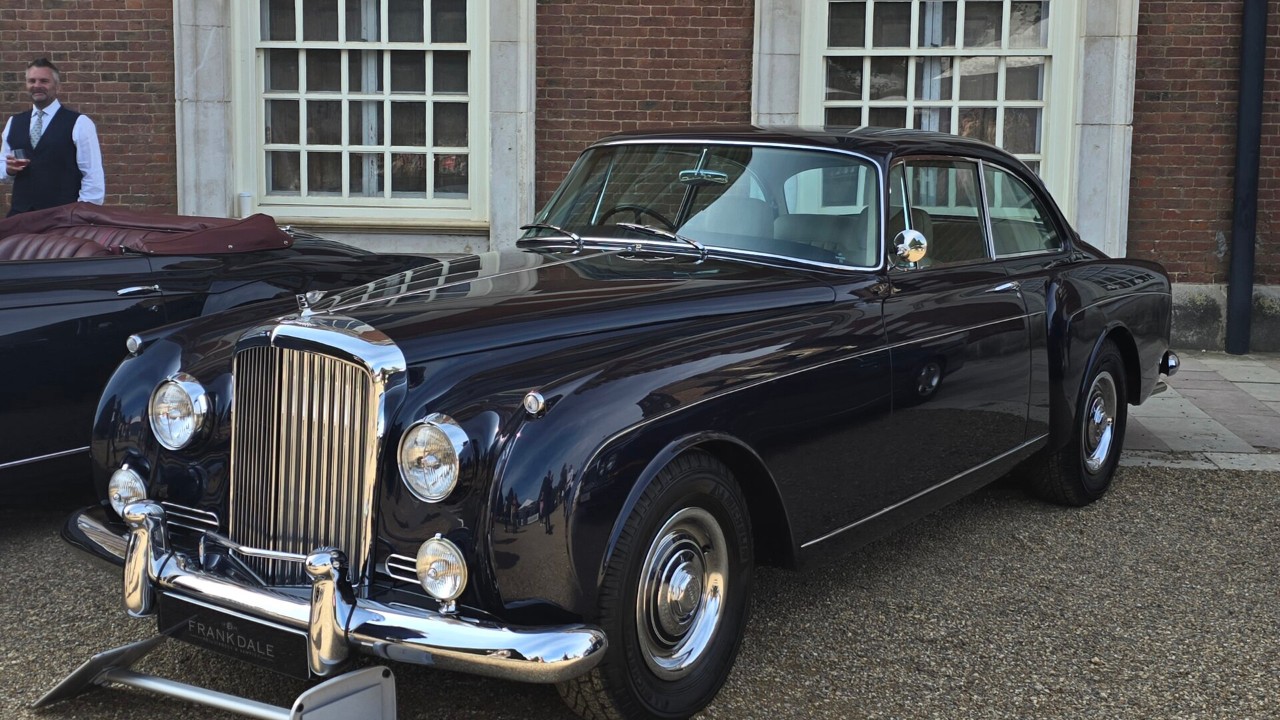
Bentley sold only 431 S1 Continentals, and coachbuilders bodied every one. H.J. Mulliner and Park Ward built bodies, while James Young added 20 and Hooper just six. Under the hood sat a mildly uprated 4,887cc inlet-over-exhaust six.
A manual gearbox is very rare and disappeared after early 1957, Classic & Sports Car notes. For buyers today, Park Ward’s closed cars usually cost the least. By contrast, the dropheads are rare and very expensive.
4. 1957–1962 Borgward Isabella Coupe
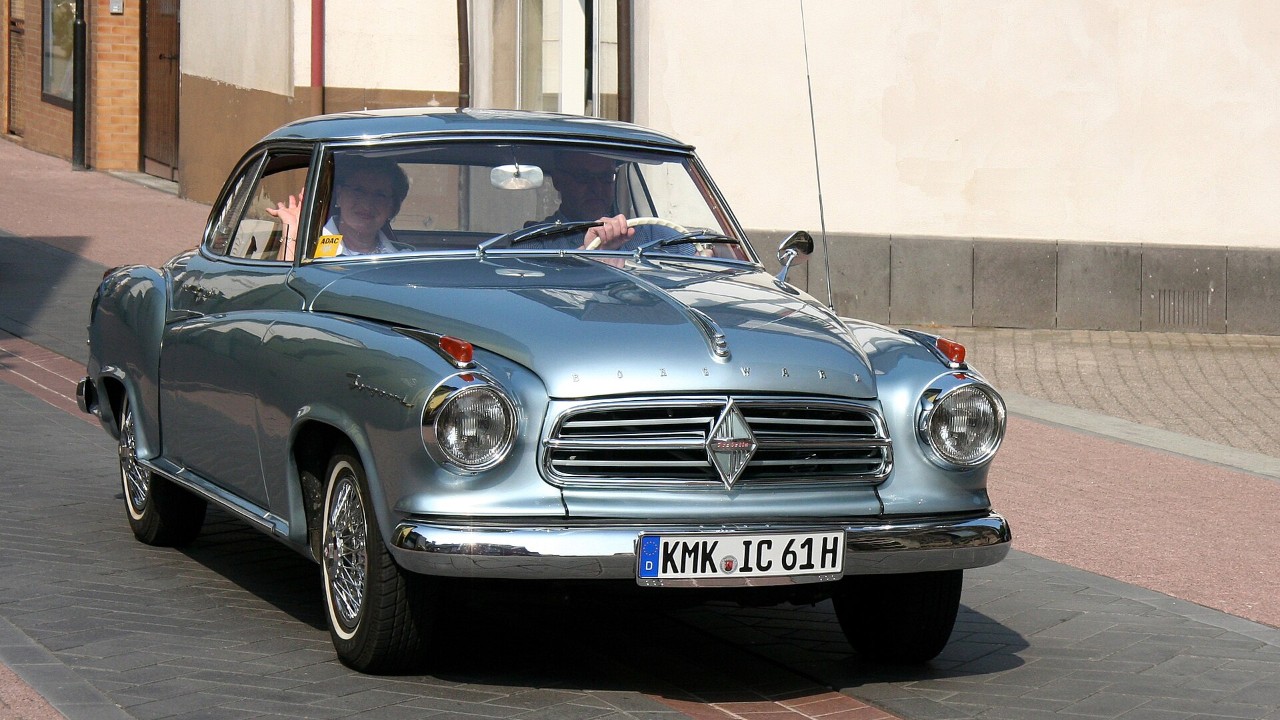
Borgward turned its Isabella saloon into a two-door coupe and an even scarcer drophead. Both used a 1,493cc overhead-valve four. A column change worked the four-speed gearbox.
The Classic & Sports Car guide calls the coupe “classy.” It also credits the car with a 95mph top speed and “fine road manners.” That was strong pace for a 1.5-liter car of the late 1950s.
5. 1958–1964 Simca Aronde P60
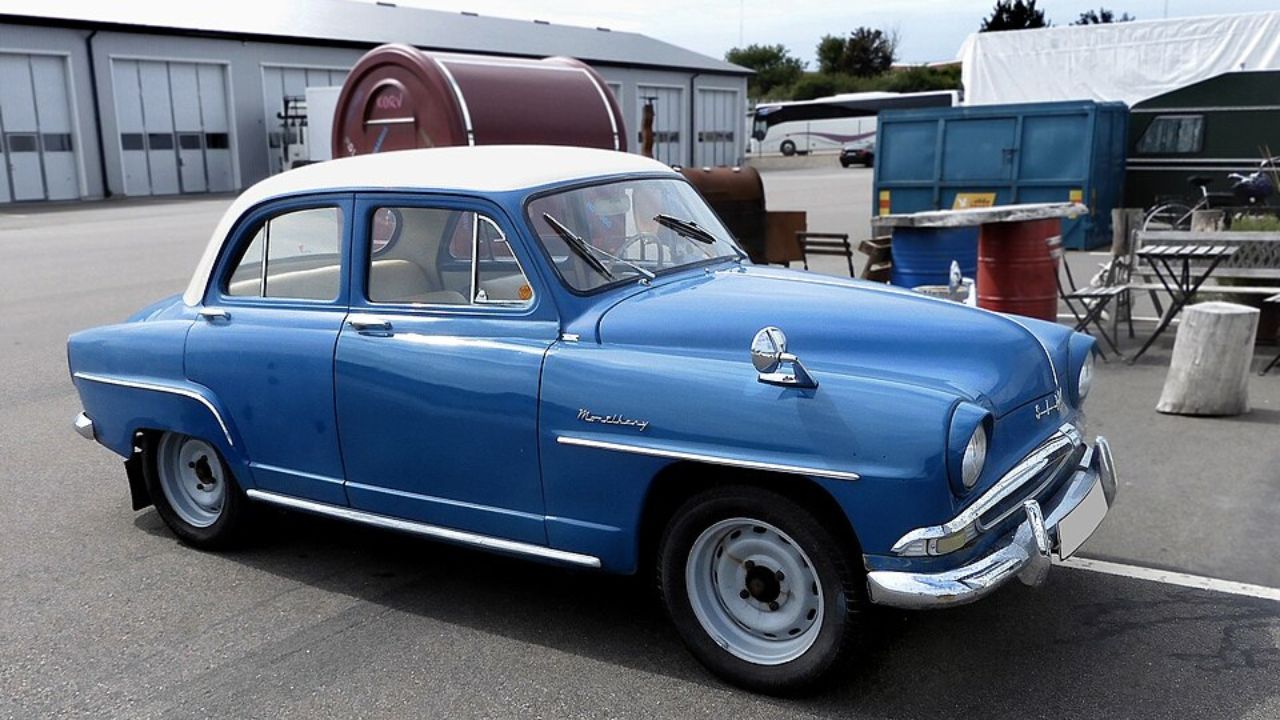
Simca gave its ageing Aronde a clever restyle for 1958 and called it the P60. The 1,290cc four made 62bhp in the Montlhéry and the Monaco hardtop. Later, some models reached 70bhp.
Simca then added a stronger five-bearing “Rush” engine for 1961, according to Classic & Sports Car. Even the cheap Étoile and Élysée versions, with only 52bhp, could reach 75 to 80mph. The range covered a saloon, an estate car and a hardtop coupe.
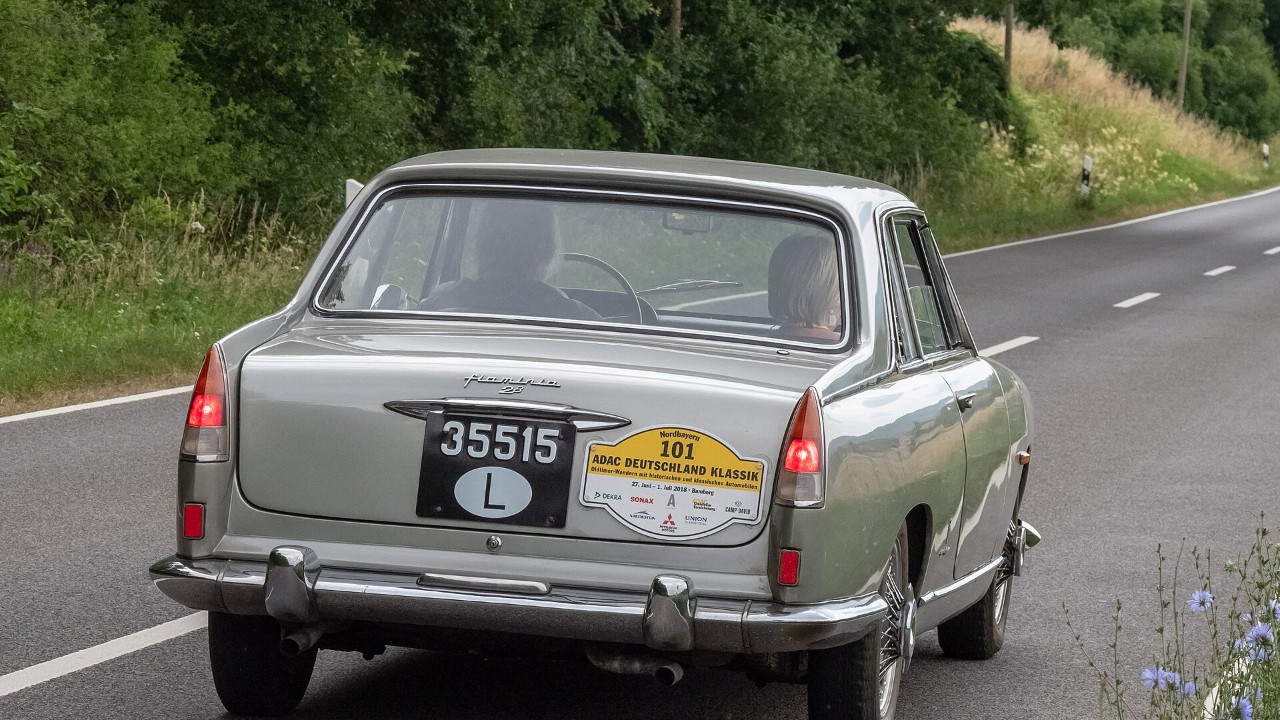
6. 1958–1967 Lancia Flaminia Coupe
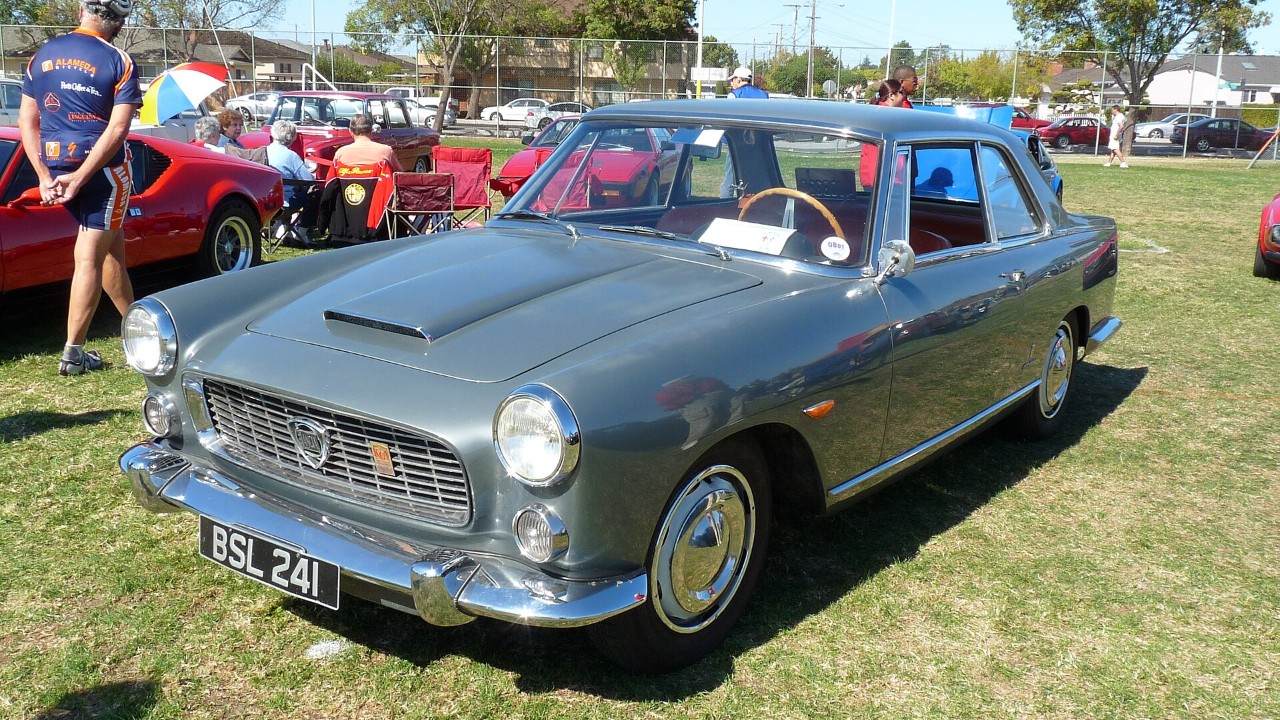
The Lancia Flaminia Coupe wore a four-seat Pininfarina shape over an overhead-valve V6. Early cars made 119bhp from 2,458cc. Then, for 1963, a 2,775cc version arrived with 136bhp.
Lancia built 5,284 Flaminia coupes, and every one has disc brakes, says Classic & Sports Car. Later cars also gained power windows. Still, the guide notes the Lancia Flaminia has little following yet, and spares can be hard to find.
7. 1958–1962 Rover 3-Litre Mk I and Mk IA

Rover’s big 3-Litre saloon used a 2,995cc inlet-over-exhaust six in a unitary body. Classic & Sports Car describes it as a “hefty unitary barge beloved of British officialdom.” Most cars stop on servo-assisted front disc brakes.
Buyers could order an automatic, and overdrive became standard on manual cars during 1960. Power steering arrived in October 1960, so the guide advises finding a car with it. Then the Mk IA of late 1961 added swiveling front quarter-lights.
8. 1958–1968 NSU Sport Prinz
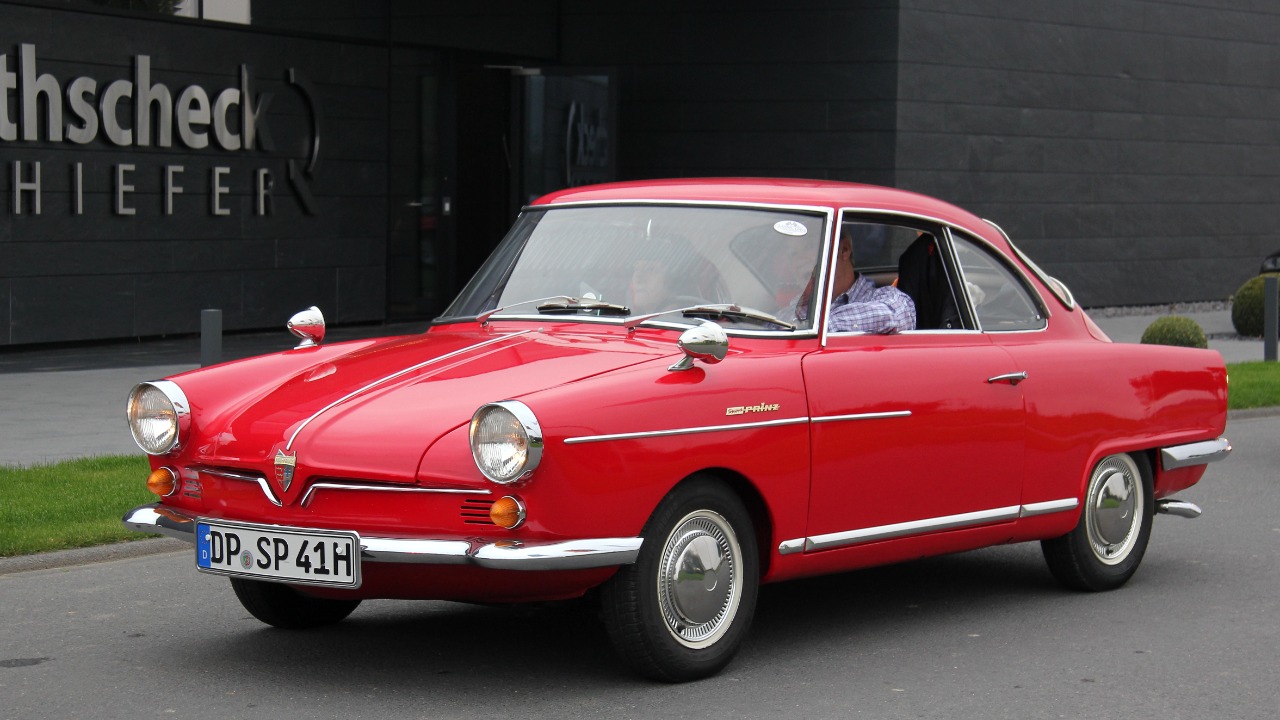
NSU hired Bertone to clothe its small Prinz, and the result was a pretty two-seat coupe. A 583cc twin powered early cars. In late 1962 a 598cc engine took over, and front disc brakes followed in 1965.
NSU built 20,831 Sport Prinz cars of all types, according to Classic & Sports Car. The guide admits the rival Fiat 850 was faster and thriftier, since the NSU managed 75mph and 37 to 40mpg. Even so, it rates the Sport Prinz as more practical than NSU’s Wankel Spider.
9. 1959–1964 Panhard PL17
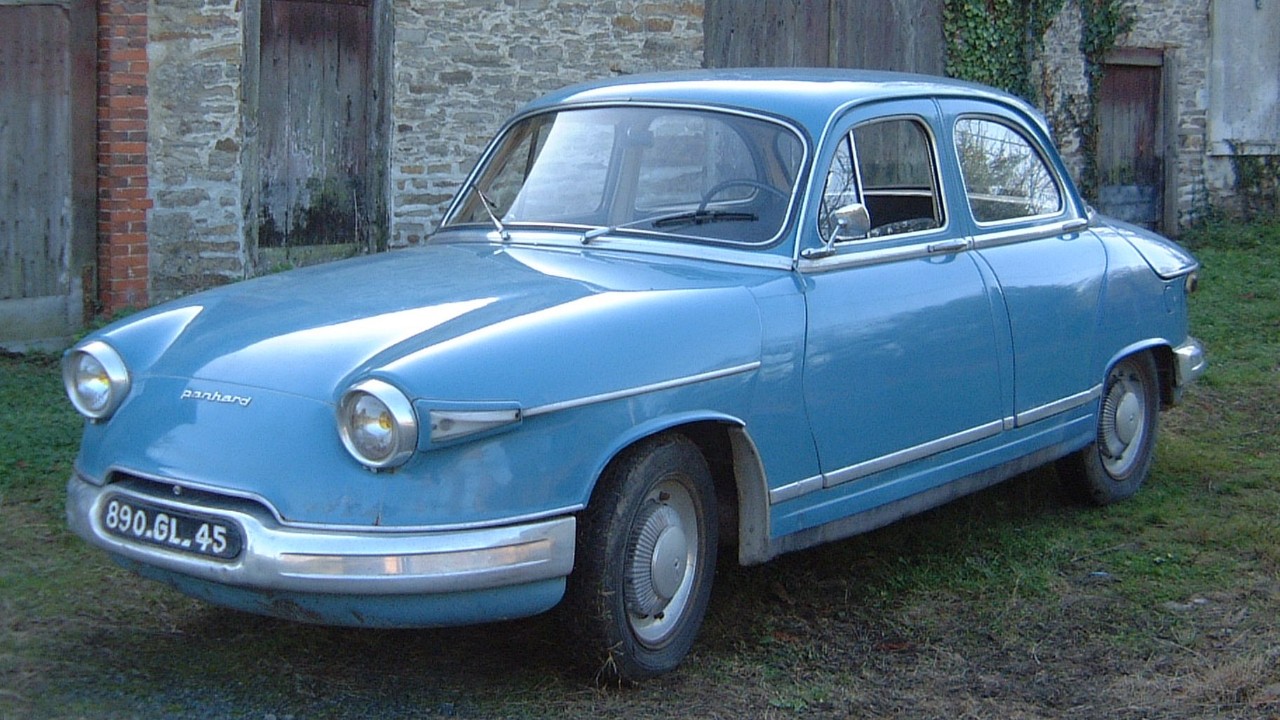
The PL17 was an all-steel version of Panhard’s aluminum Dyna 54. An 845cc flat-twin drove the front wheels. In fact, it carried six people at 75mph while returning 40mpg.
Panhard built about 130,000 PL17s, Classic & Sports Car reports. The guide picks the 1961 Tigre, with a twin-choke carburetor and 60bhp, as the best one. An all-synchromesh gearbox followed in 1963.
10. 1959–1967 Jaguar Mk II
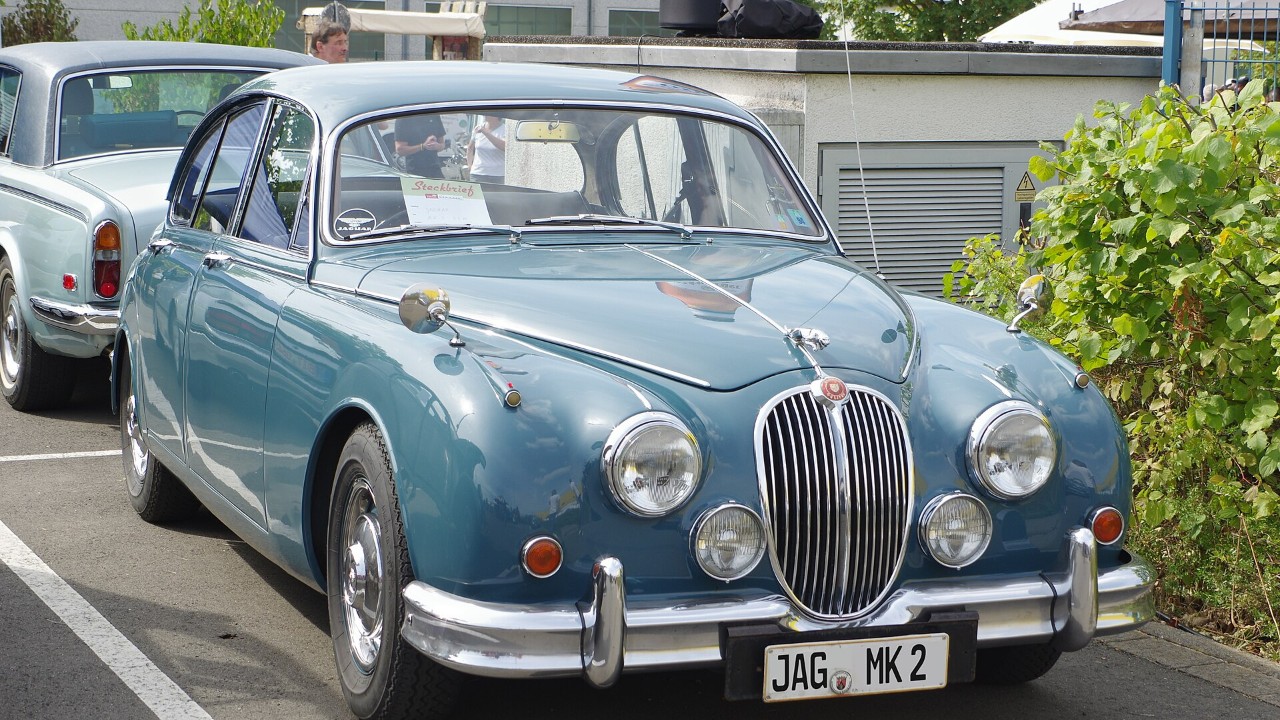
Jaguar sold the Mk II with three twin-cam sixes of 2,483cc, 3,442cc and 3,781cc. Disc brakes helped it stop, and it also rode on a wider rear track. From September 1965 it also gained Jaguar’s all-synchro gearbox.
Production estimates from Classic & Sports Car add up to roughly 83,800 cars across the three engine sizes. The US market took only 3.8-liter cars, mostly automatics. Meanwhile, the guide warns that rust can quickly become terminal.
11. 1956–1963 Alvis TC108G and TD21
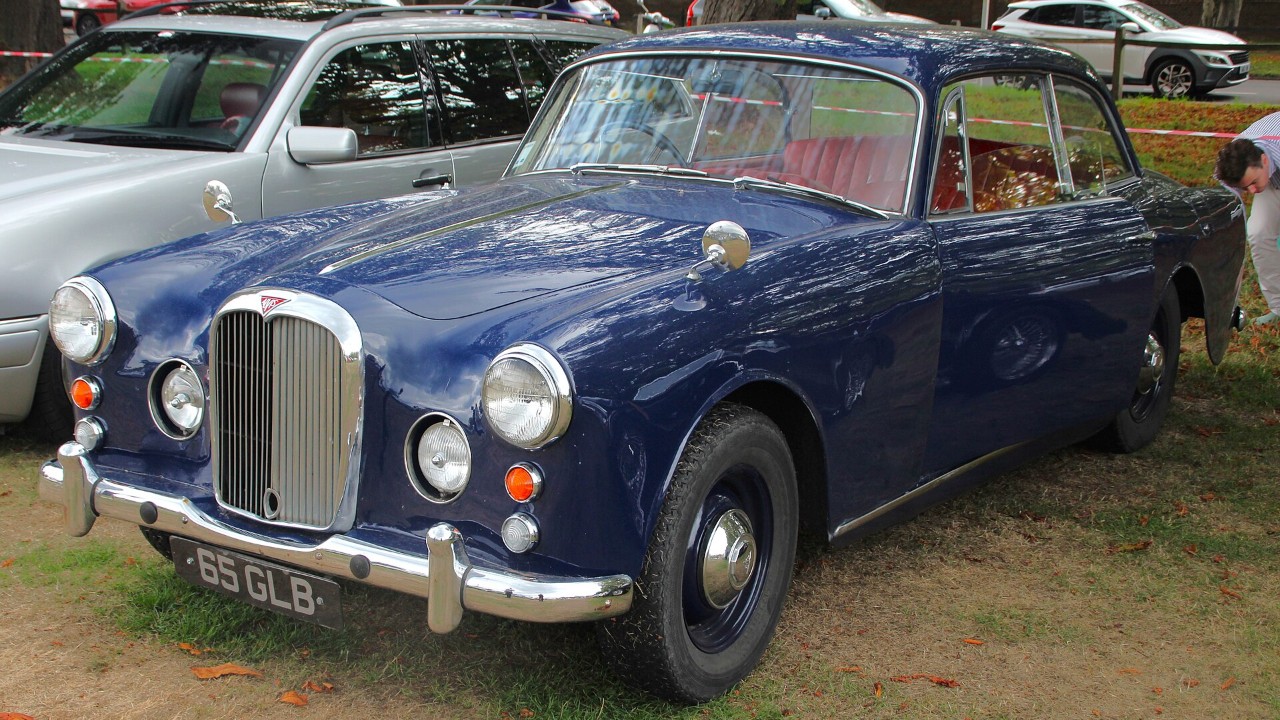
Alvis first had Willowbrook of Loughborough build the Graber-styled TC108G, which you can spot by its curved rear window. Then, in October 1958, a plusher and restyled TD21 by Park Ward followed. Both used a 2,993cc overhead-valve six, uprated to 120bhp in March 1959.
Classic & Sports Car lists production as 16 and 1,070, in the same order as the model names. That makes fewer than 1,100 cars in all. The TD21 Series II of August 1962 also brought four-wheel disc brakes, and a five-speed ZF gearbox followed that October.
12. 1960–1971 Citroën DS Décapotable
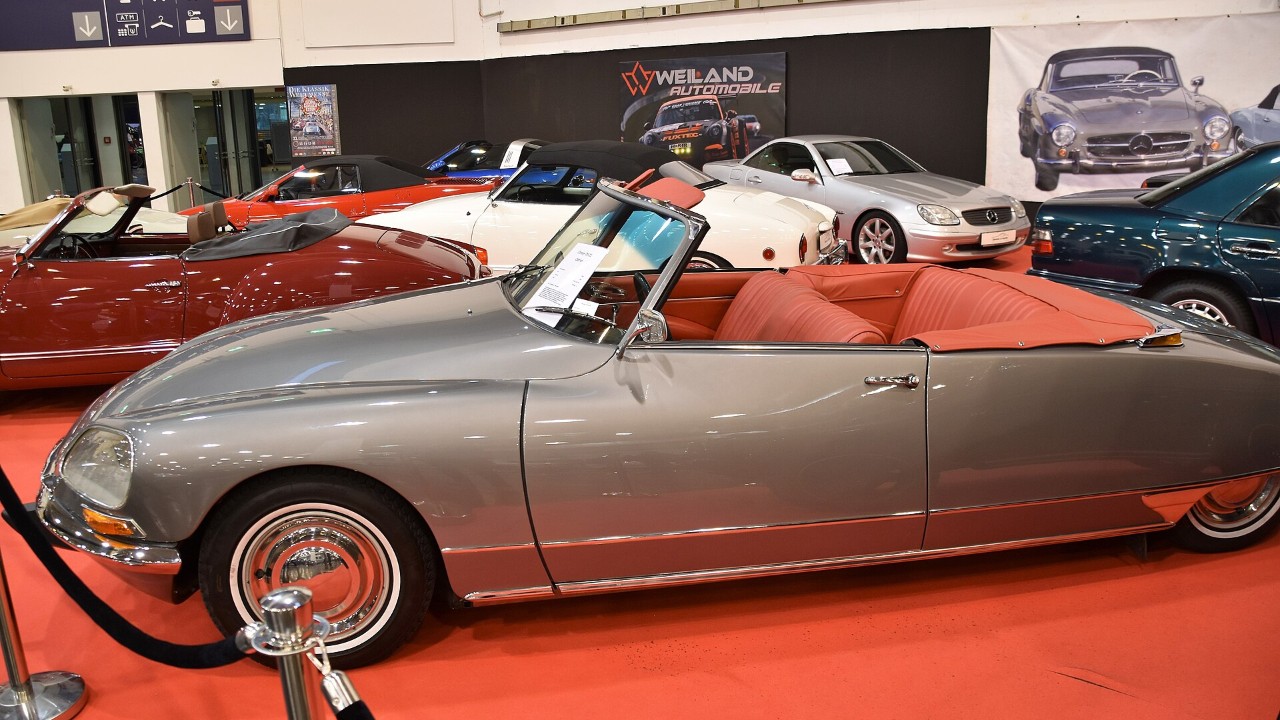
Coachbuilder Chapron turned the DS into a drophead coupe, with engines of 1,911cc and 2,175cc. From the 1966 model year it came only with the DS21’s 2.2-liter short-stroke engine. Swiveling headlamps followed for 1968.
Later cars also offered fuel injection and a five-speed gearbox, Classic & Sports Car notes. However, the guide warns of “all the complexity plus the structural headaches” of a chopped unitary body. Its verdict on finding one is blunt: “You’ll be lucky.”
13. 1963–1981 Mercedes-Benz 600
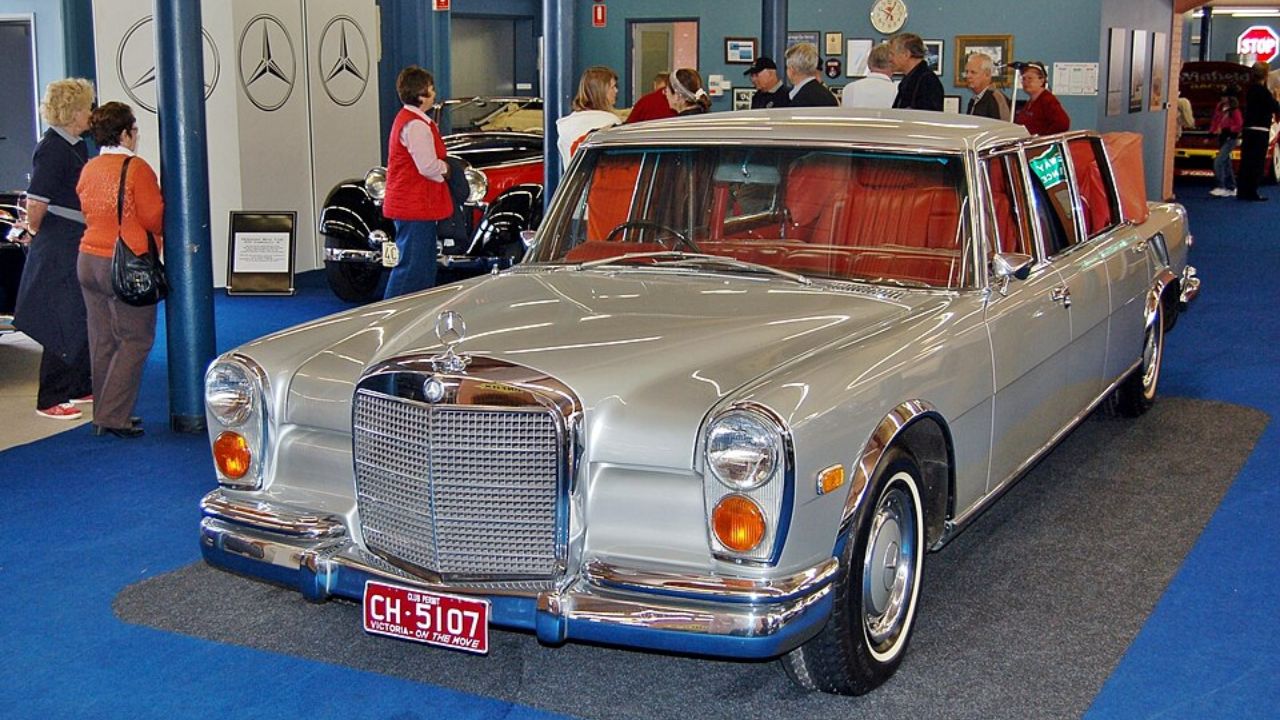
Mercedes offered its 600 on a 126-inch or a 153-inch wheelbase. A 6,332cc overhead-cam V8 moved it. Air suspension, air conditioning and electro-hydraulic assistance for the seats and windows came with it.
Classic & Sports Car lists 2,190 and 487 cars for the two versions, or 2,677 across 18 years. A handful of landaulettes joined them. Despite its size, the guide credits it with surprisingly good handling and four-wheel discs.
14. 1966–1972 Mazda Cosmo Sport 110S
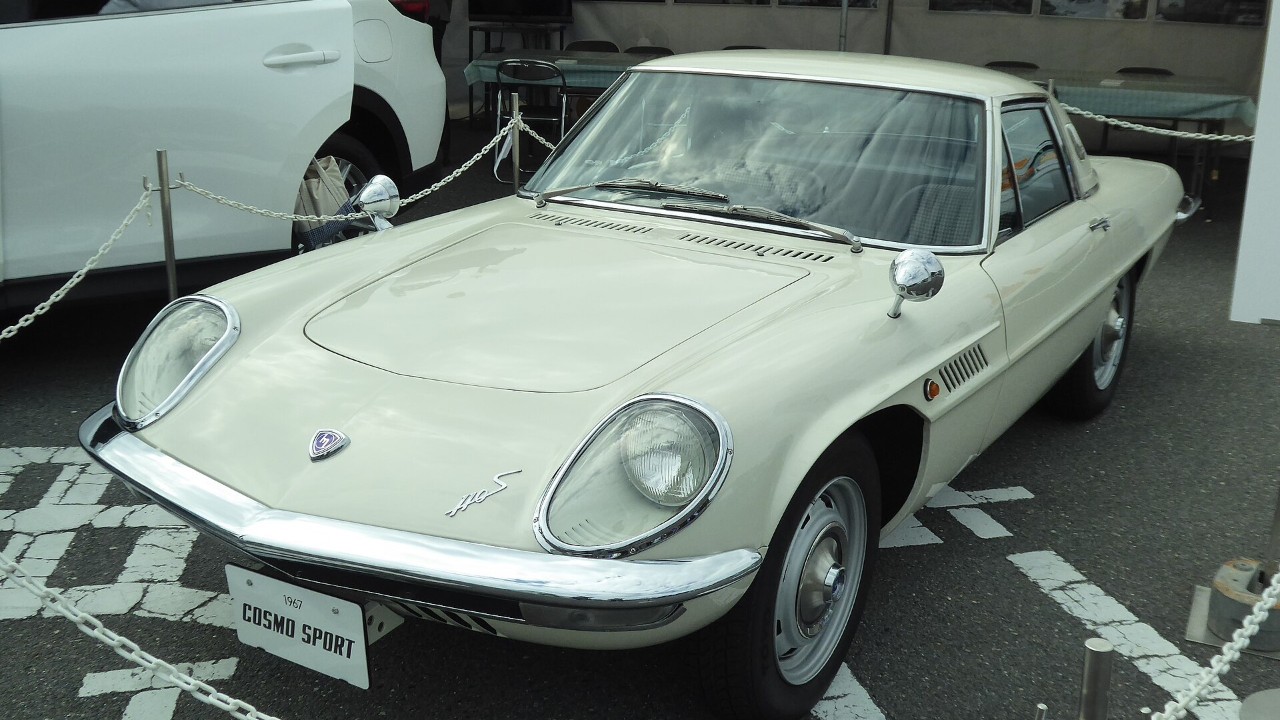
Mazda first showed the Cosmo in 1964, two years before production began. It paired a twin-rotor Wankel engine with a De Dion rear end. Output started at 110bhp, then rose to 128bhp in the longer-wheelbase “B” model from 1968.
Only 1,176 Cosmos were built, according to Classic & Sports Car. The guide adds that the two-seater has a cult following in Japan.
15. 1967–1977 NSU Ro80
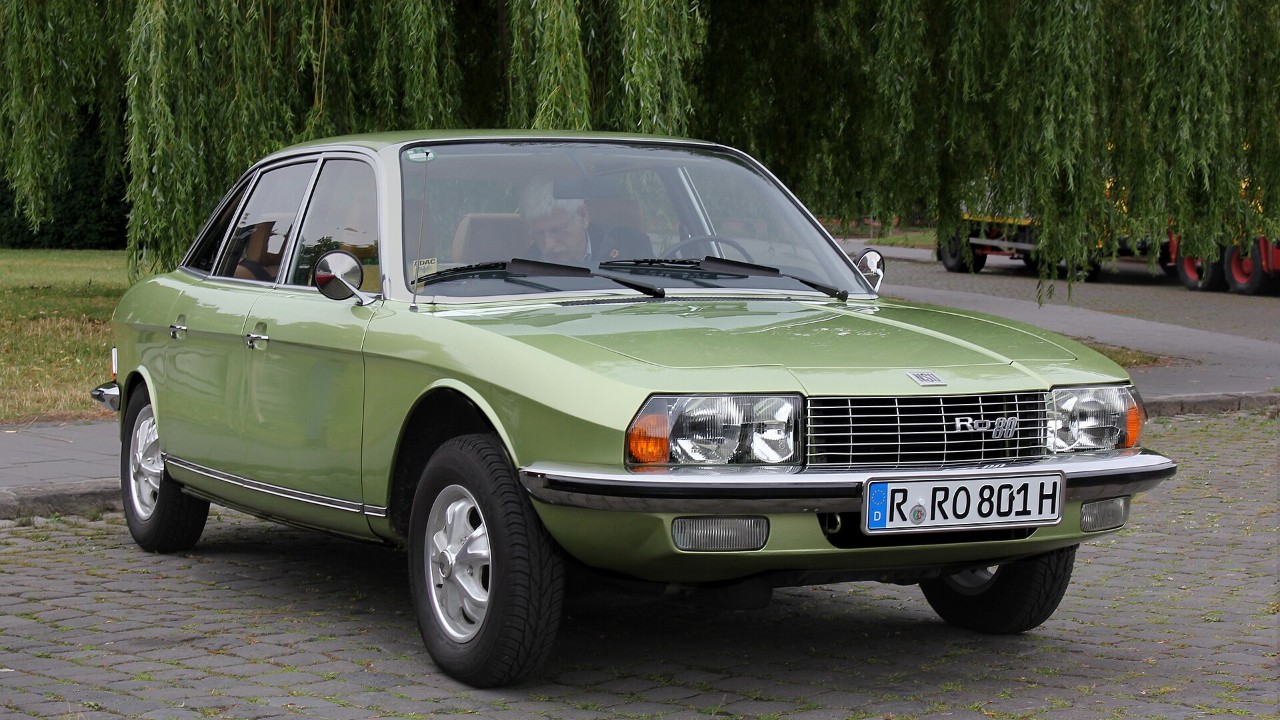
NSU’s Ro80 saloon combined a two-rotor Wankel of 1,990cc nominal with a semi-automatic gearbox. It also had four-wheel disc brakes, power steering and a 110mph top speed. Over ten years, NSU built 37,204.
The trouble was rotor sealing, and Classic & Sports Car says it “killed off NSU and their Wankel programme.” As a result, many survivors now run Ford V4 or V6 engines. The original Wankel cars that remain, the guide adds, are real collectors’ items.
16. 1970–1975 Citroën SM
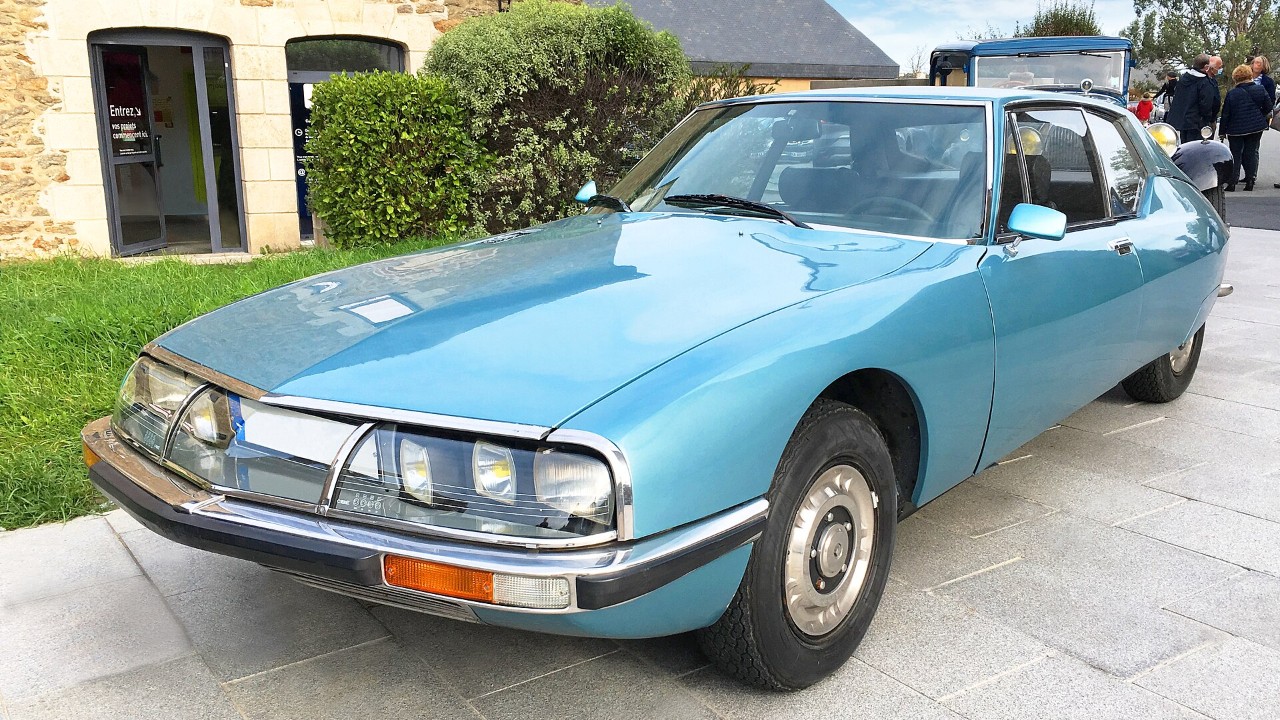
Citroën revealed the SM at the 1970 Geneva show, where it “caused a sensation,” Hagerty reports. Maserati’s Giulio Alfieri designed its compact V6, which grew from 2.7 to 3.0 liters. Meanwhile, the speed-sensitive steering self-centers and needs about two turns lock to lock.
The SM also had six headlights, and one pair turned with the steering. US cars, however, got fixed lights instead. Production ended in 1975, and Hagerty puts the total at just 12,920.
More from Fast Lane Only