Classic cars have a certain allure that draws enthusiasts and collectors. Over time, many models have gained appreciation, not just for their design but for their historical significance, engineering innovations, and cultural impact. Here are ten classic cars that have become easier to appreciate as the years go by.
Ford Mustang (1964-1973)
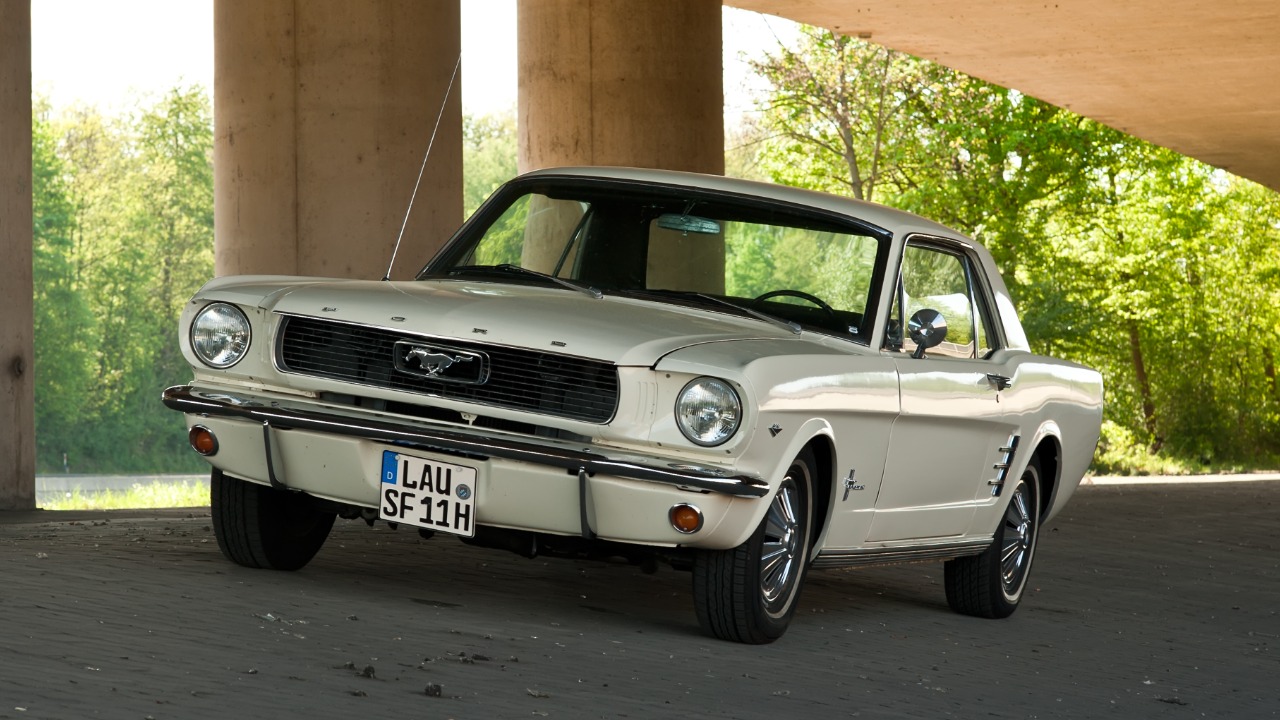
The Ford Mustang is often hailed as the quintessential American muscle car. Launched in 1964, this iconic vehicle captured the spirit of a generation. With its combination of style and performance, it became a symbol of freedom and rebellion. As time has passed, the Mustang’s place in automotive history has only solidified, making early models highly sought after among collectors. The 1966 Mustang, in particular, is revered for its classic design and robust engine options. Today, enthusiasts appreciate its role in shaping the muscle car era and promoting a culture of performance driving. The Mustang is not just a car; it’s a cultural phenomenon.
Chevrolet Camaro (1967-1969)
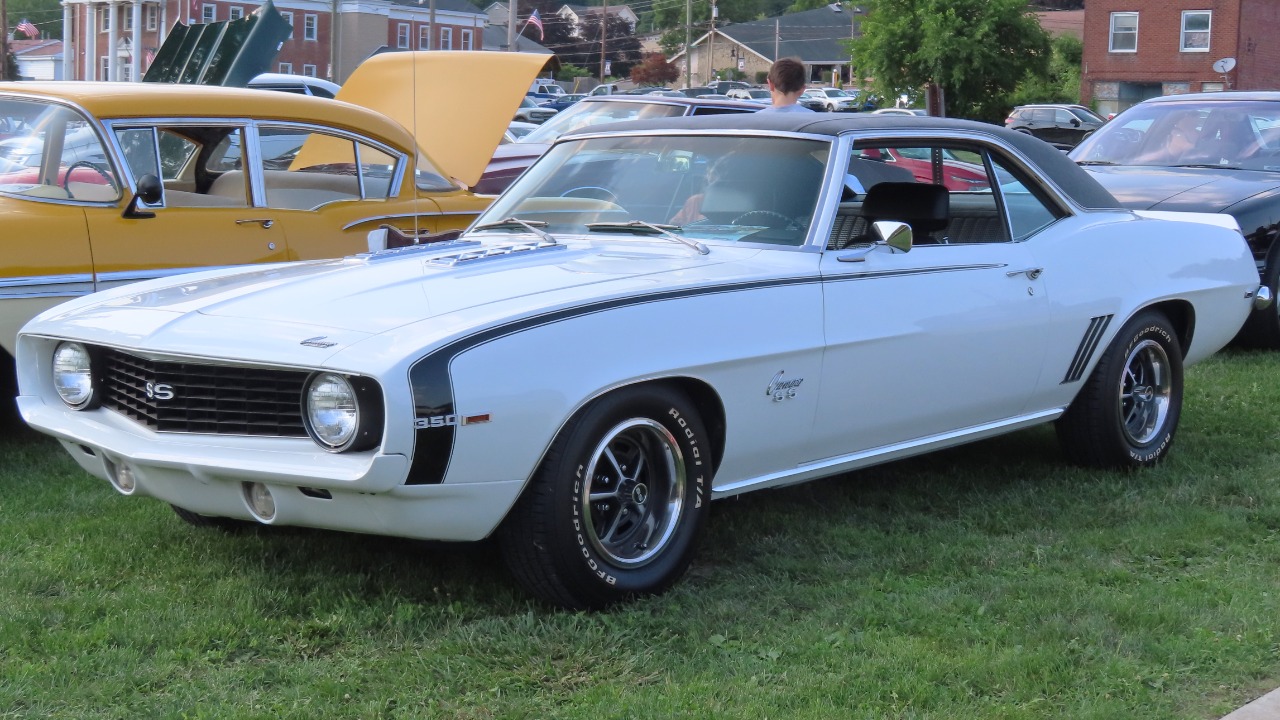
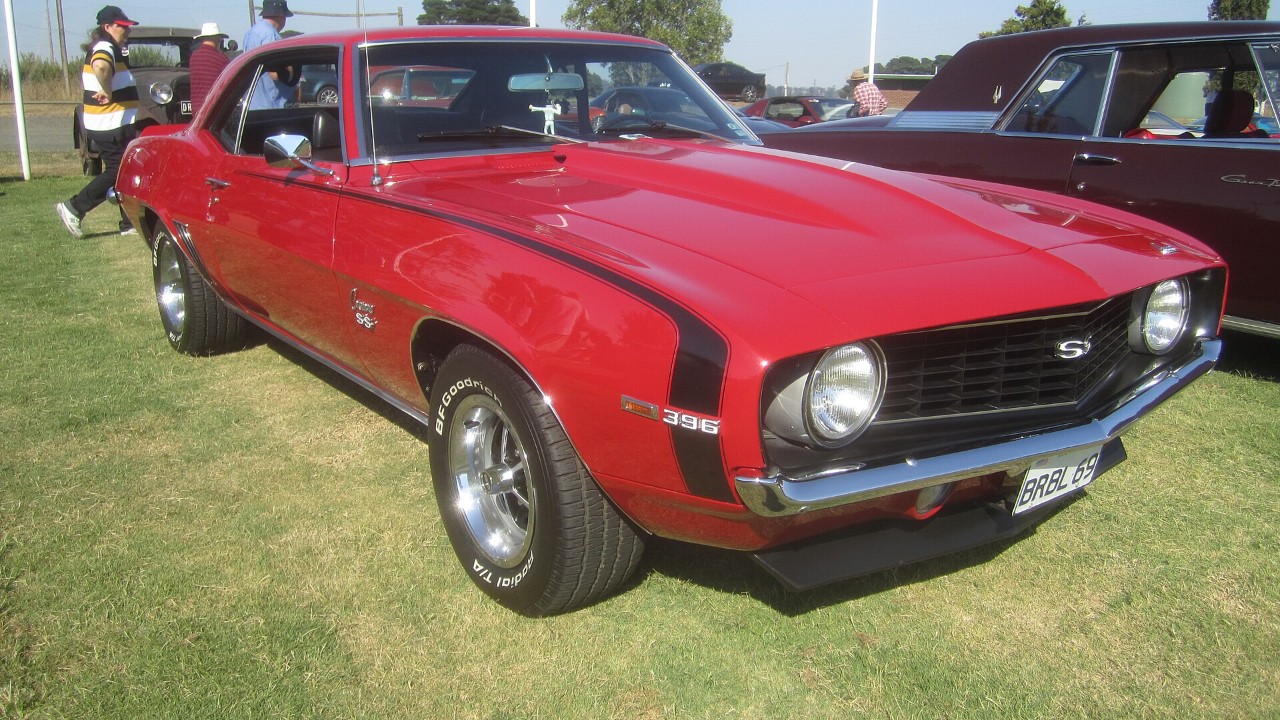
The Chevrolet Camaro was introduced in 1966 as a direct competitor to the Ford Mustang. Its aggressive styling and powerful engine options captured the hearts of car enthusiasts. The first-generation models, especially the Z/28 variant, have gained a legendary status over the years. With vintage racing history and a loyal fanbase, these cars are now celebrated for their performance and aesthetic appeal. As I delve into the history of the Camaro, I find that its impact on American car culture is profound. The 1969 model year is particularly popular, often admired for its bold lines and potent engine choices, making it a timeless classic.
Volkswagen Beetle (1938-2003)
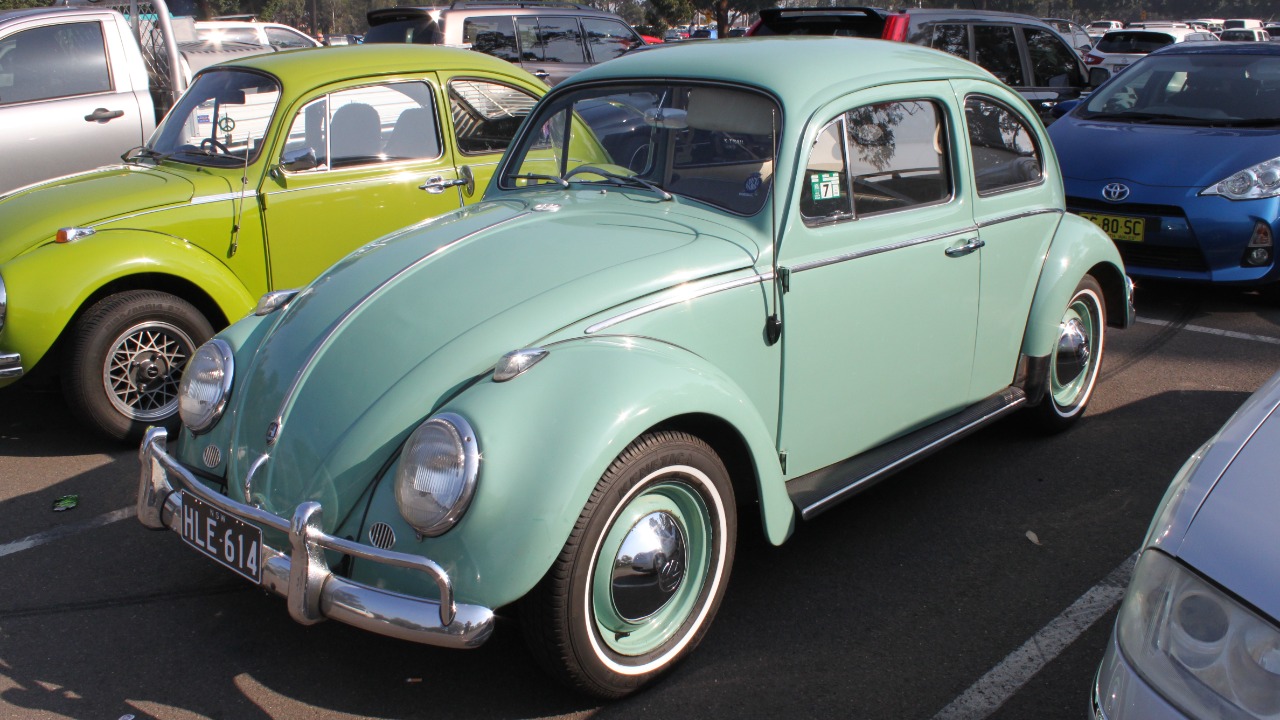
The Volkswagen Beetle, with its distinctive shape and approachable price, became a symbol of the 1960s counterculture. Originally designed in the late 1930s, its quirky design and reliability won over millions worldwide. Over the decades, its reputation has evolved from a simple people’s car to a beloved classic. Today, enthusiasts cherish the Beetle not only for its design but for its role in automotive history. The model’s longevity, spanning from 1938 to 2003, speaks volumes about its enduring appeal. Collectors value early models, particularly from the 1960s, for their simplicity and charm, making them a staple at car shows and enthusiast gatherings.
Datsun 240Z (1969-1973)
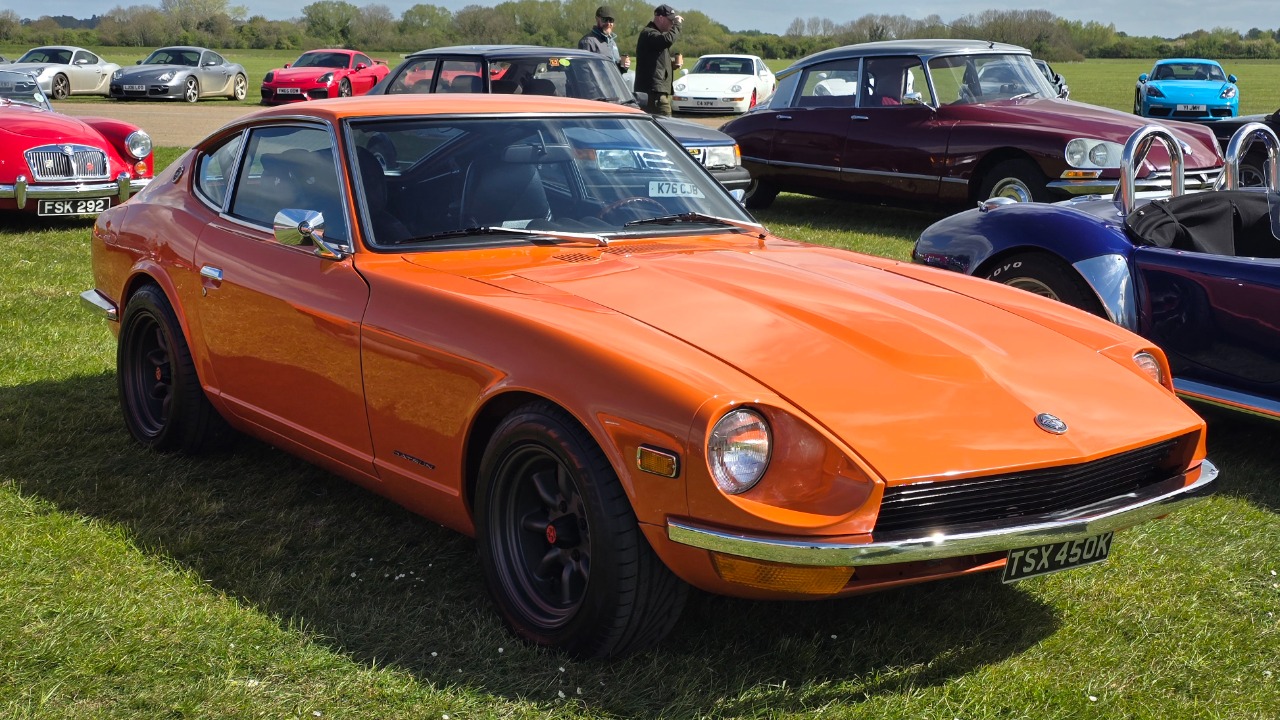
The Datsun 240Z marked Nissan’s entry into the American sports car market, and it did so with style. Launched in 1969, the 240Z combined performance with affordability, appealing to a wide audience. Its sleek design and responsive handling made it a favorite among driving enthusiasts. As I explore the legacy of the 240Z, it becomes clear why these cars have gained recognition. The early models are now celebrated for their engineering and design, with many enthusiasts restoring them to their former glory. The 240Z has become a classic that represents a pivotal moment in automotive history, embodying the spirit of the 1970s sports car revolution.
BMW 2002 (1968-1976)
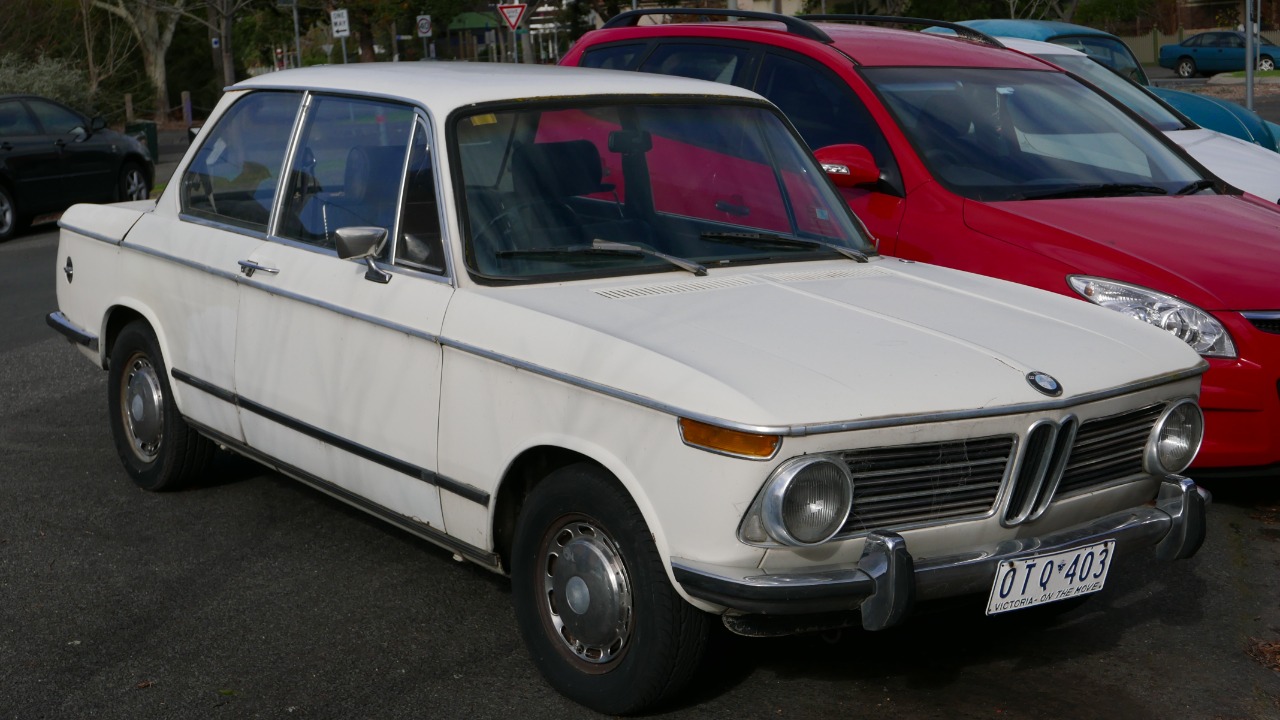
The BMW 2002 is often credited with starting the compact sports sedan segment. Launched in 1968, it offered a unique blend of performance and practicality. Its agile handling and classic BMW design have made it a favorite among enthusiasts and collectors. Over the years, the 2002 has seen a resurgence in popularity, particularly among those who appreciate its driving dynamics and simplicity. The 1972 model, known for its iconic “roundel” badge, is particularly sought after. As I reflect on its impact, I realize that the 2002 paved the way for BMW’s future success, solidifying its reputation for building engaging and sporty vehicles.
Pontiac Firebird (1967-2002)
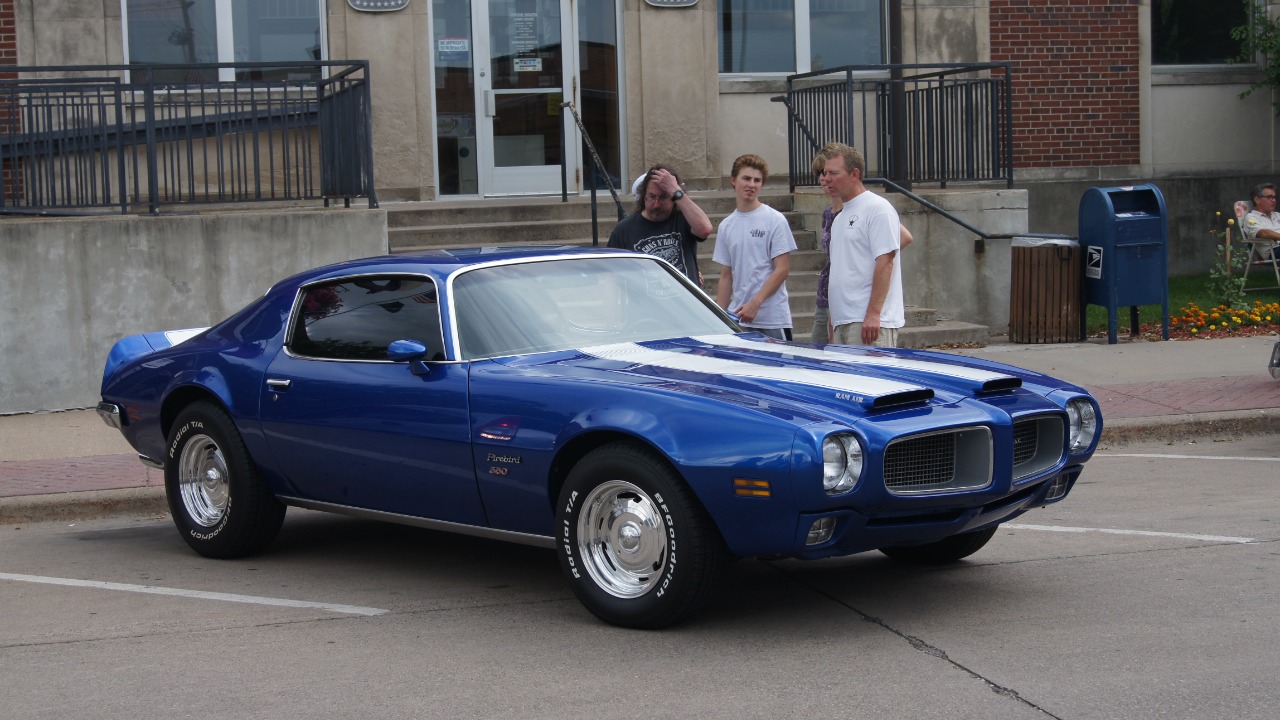
The Pontiac Firebird, introduced in 1967, quickly became a staple of American muscle car culture. With its aggressive styling and performance options, it captured the imagination of car enthusiasts. The first-generation Firebirds, especially the Trans Am models, are now celebrated for their powerful engines and distinctive looks. As I consider its legacy, the Firebird stands out for its contributions to automotive performance and style. The 1970 model, with its bold design and high-performance options, is particularly revered. Today, collectors appreciate the Firebird not just as a muscle car, but as a representation of an era defined by speed and style.
Mercedes-Benz 300SL (1952-1963)
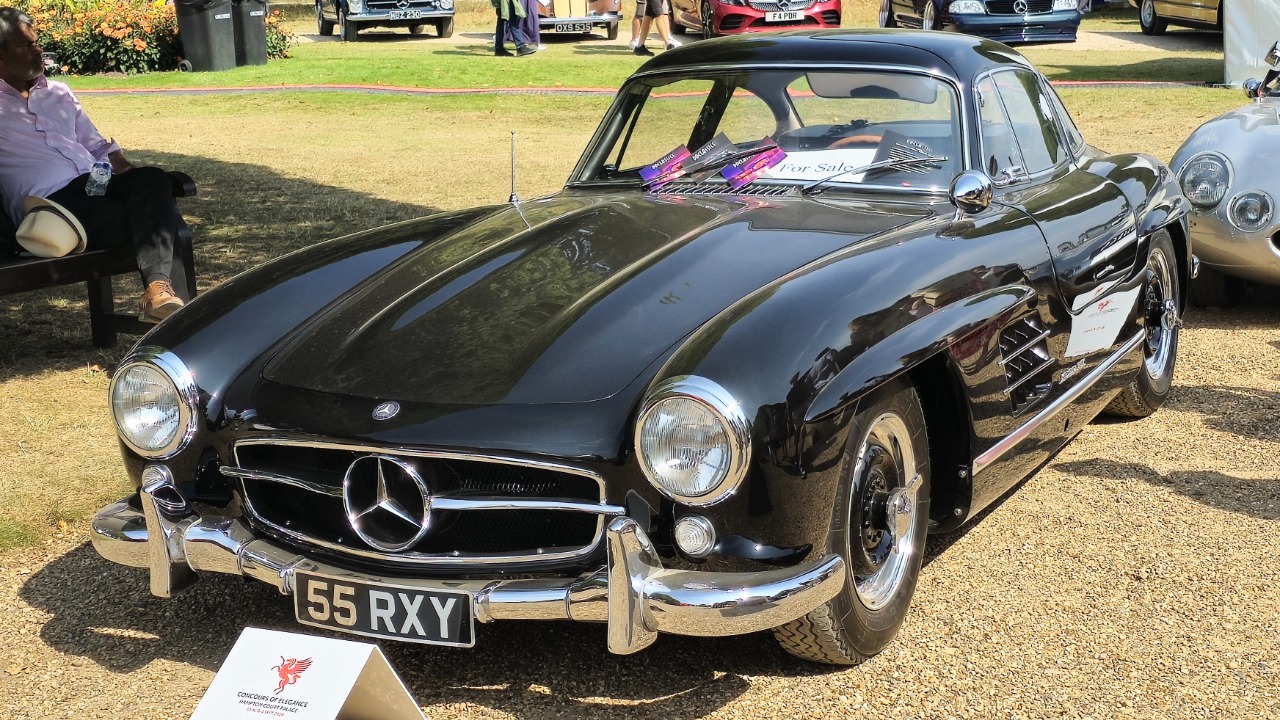
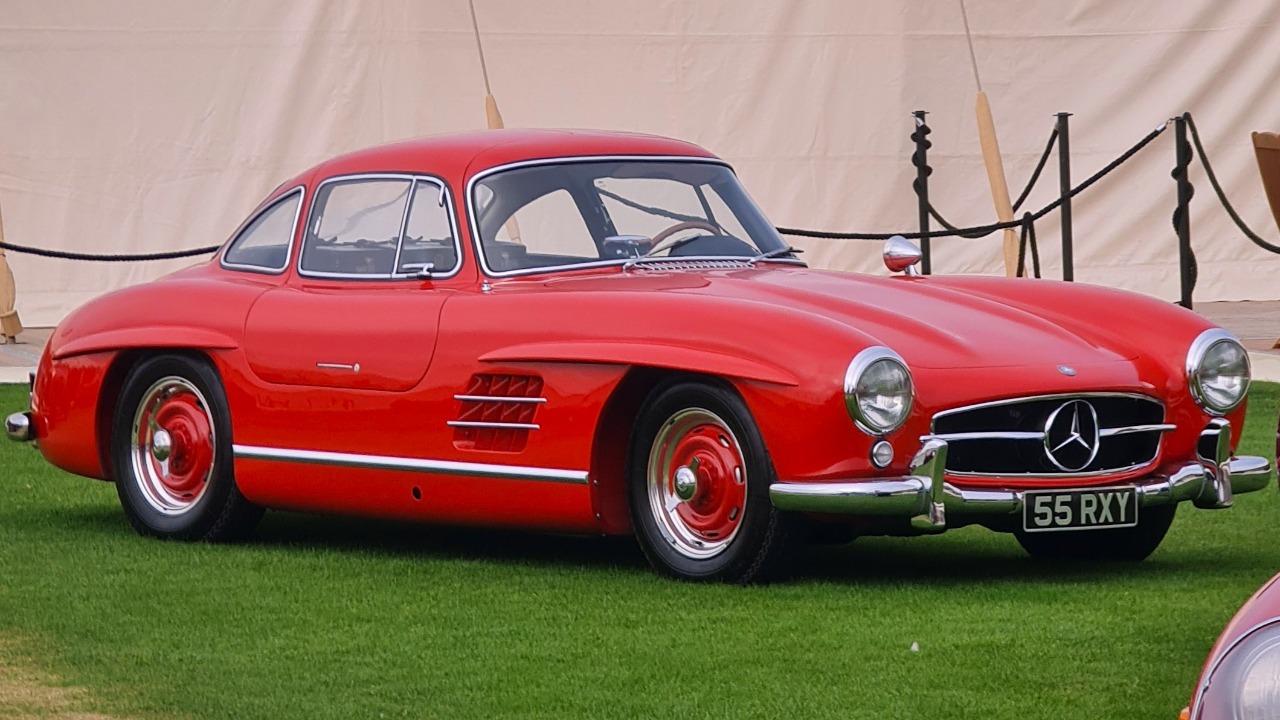
The Mercedes-Benz 300SL is a masterpiece of engineering and design, often regarded as one of the most beautiful cars ever made. Launched in 1952, it featured cutting-edge technology, including fuel injection and a lightweight chassis. Its distinctive gullwing doors have become iconic, making it a favorite among collectors. As I delve into its history, I find that the 300SL’s influence extends beyond its aesthetics; it paved the way for modern sports cars. The 1955 model, renowned for its performance and style, remains a benchmark in automotive history. Today, the 300SL is celebrated not just as a car, but as a symbol of innovation and luxury.
Jaguar E-Type (1961-1975)
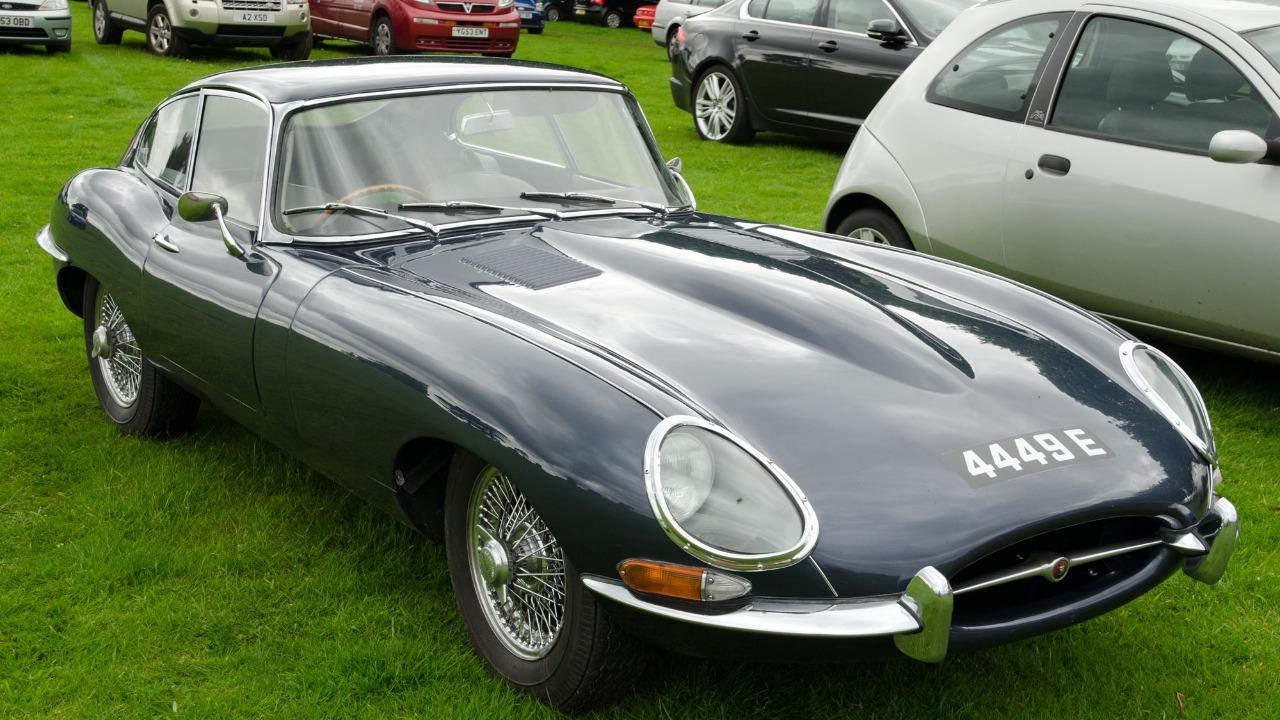
The Jaguar E-Type is often hailed as one of the most beautiful cars ever produced. Launched in 1961, it combined stunning looks with impressive performance. The E-Type’s long hood and graceful lines make it an enduring icon of automotive design. Over the years, its appreciation has only grown, with collectors recognizing its significance in automotive history. The 1963 model, with its combination of design and engineering prowess, is particularly revered. As I explore the world of classic cars, it’s clear that the E-Type represents the pinnacle of British automotive excellence, captivating enthusiasts and collectors alike.
Porsche 911 (1964-present)
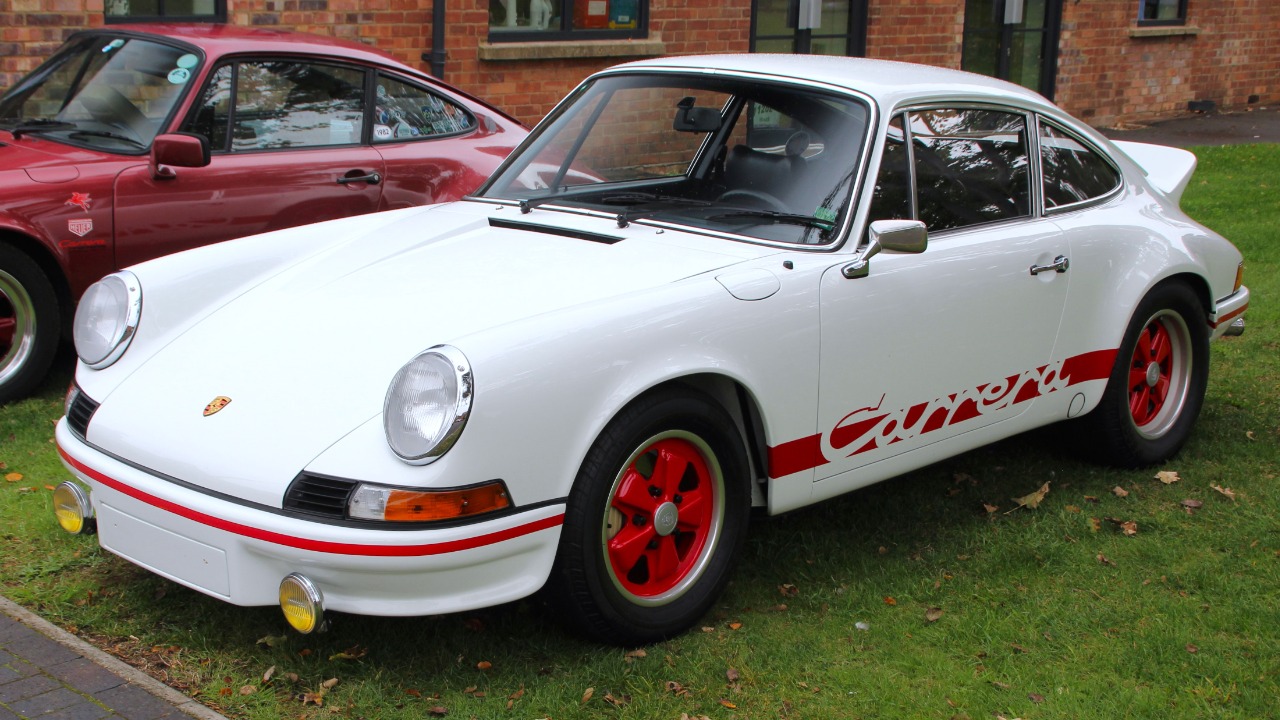
The Porsche 911 is one of the most recognizable sports cars in the world, with a lineage that dates back to 1964. Its distinctive shape and rear-engine layout have made it a favorite among driving enthusiasts. Over the decades, the 911 has evolved while retaining its core characteristics, making it a symbol of performance and engineering excellence. As I reflect on its history, I find that each model year, particularly the classic early models from the 1960s and 1970s, holds a special place in the hearts of collectors. The 911’s enduring appeal lies in its ability to combine everyday usability with exhilarating performance.
Fiat 124 Spider (1966-1985)
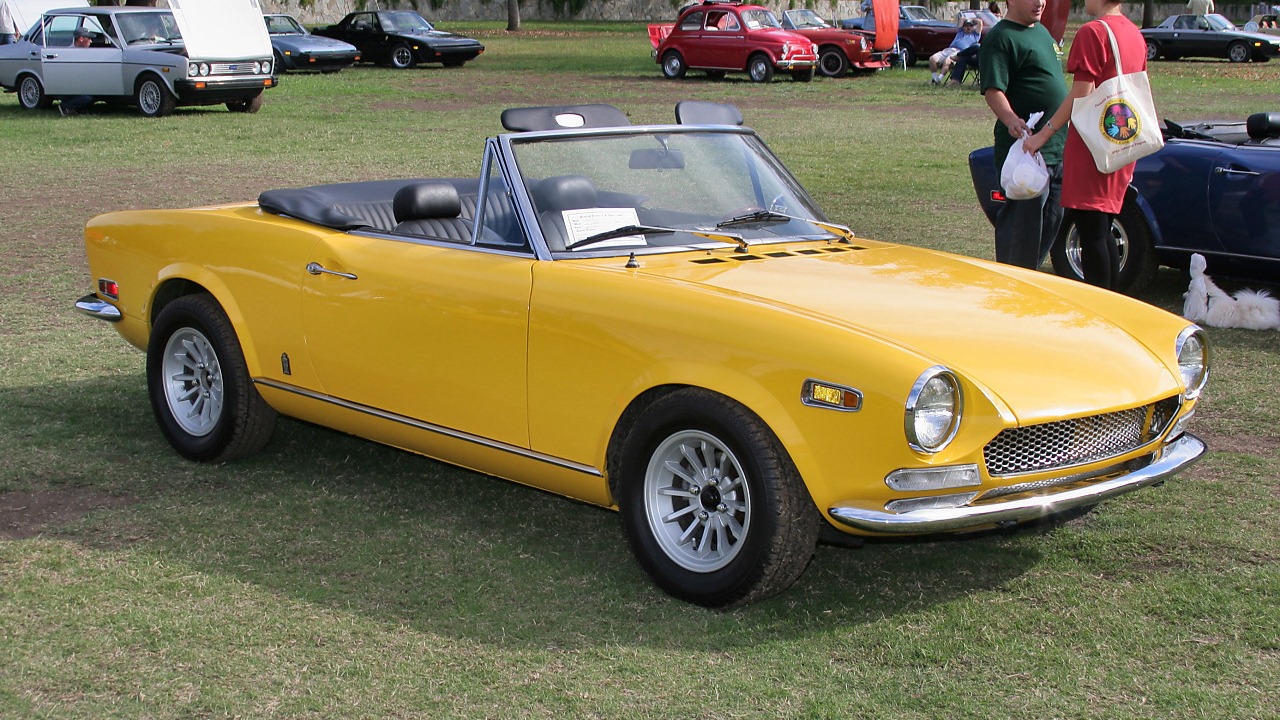
The Fiat 124 Spider is a classic convertible that has garnered appreciation over the years for its stylish design and enjoyable driving experience. Launched in 1966, it became an affordable option for those seeking a sporty roadster. Its combination of Italian styling and performance has made it a favorite among classic car enthusiasts. The 1970 model is particularly cherished for its clean lines and engaging handling. As I explore the legacy of the 124 Spider, I see how it represents a time when driving was all about the joy of the open road. Today, it stands as a testament to Fiat’s contribution to automotive history.
More from Fast Lane Only
- Unboxing the WWII Jeep in a Crate
- 15 rare Chevys collectors are quietly buying
- 10 underrated V8s still worth hunting down
- Police notice this before you even roll window down
*Research for this article included AI assistance, with all final content reviewed by human editors.