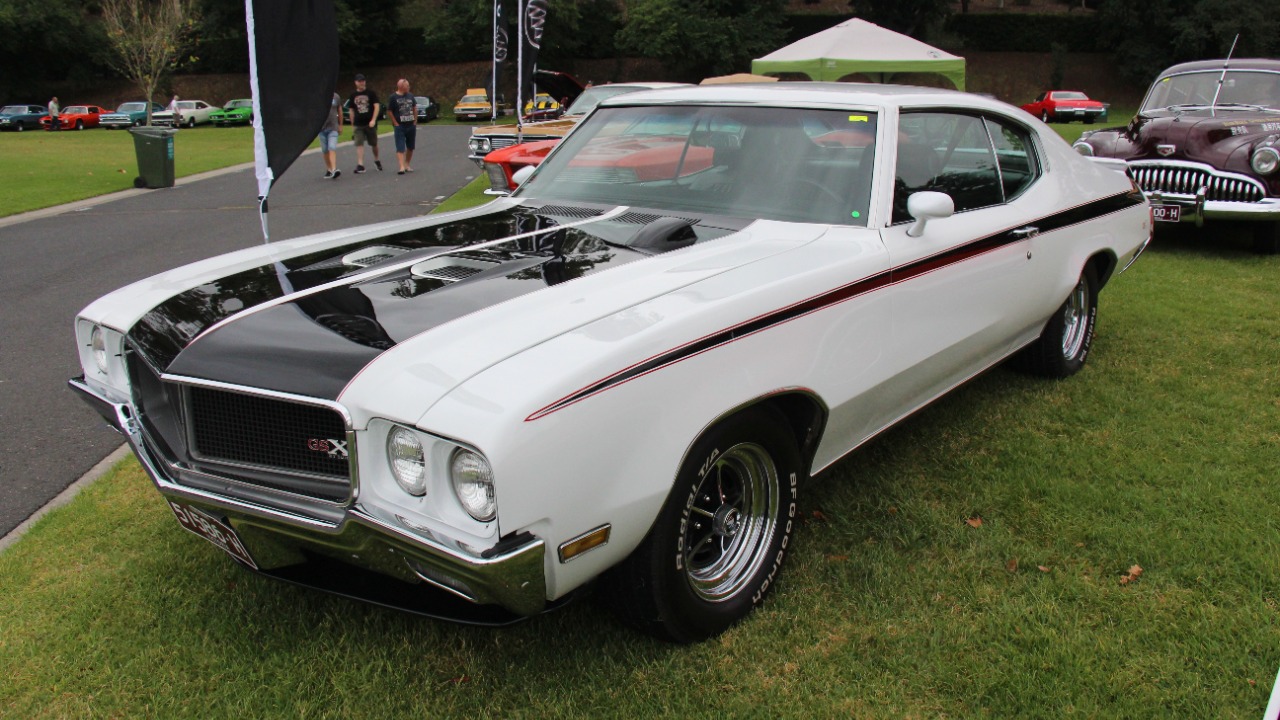
The 1970 Buick GSX stands as a remarkable instance of General Motors’ daring innovation during the muscle car era. With its bold styling, high-performance features, and limited production, the GSX not only challenged the norms of its time but also left an indelible mark on automotive history.
Historical Context of the Muscle Car Era
The late 1960s and early 1970s marked a pivotal time in the American automotive landscape. The rise of the muscle car was more than just an automotive trend; it was a cultural phenomenon that captured the spirit of rebellion and freedom. As the baby boomer generation came of age, they sought vehicles that represented power and performance, leading to an explosive demand for cars that could deliver thrilling acceleration and raw horsepower. The muscle car segment began to flourish, with manufacturers like GM, Ford, and Chrysler vying for dominance in a rapidly evolving market.
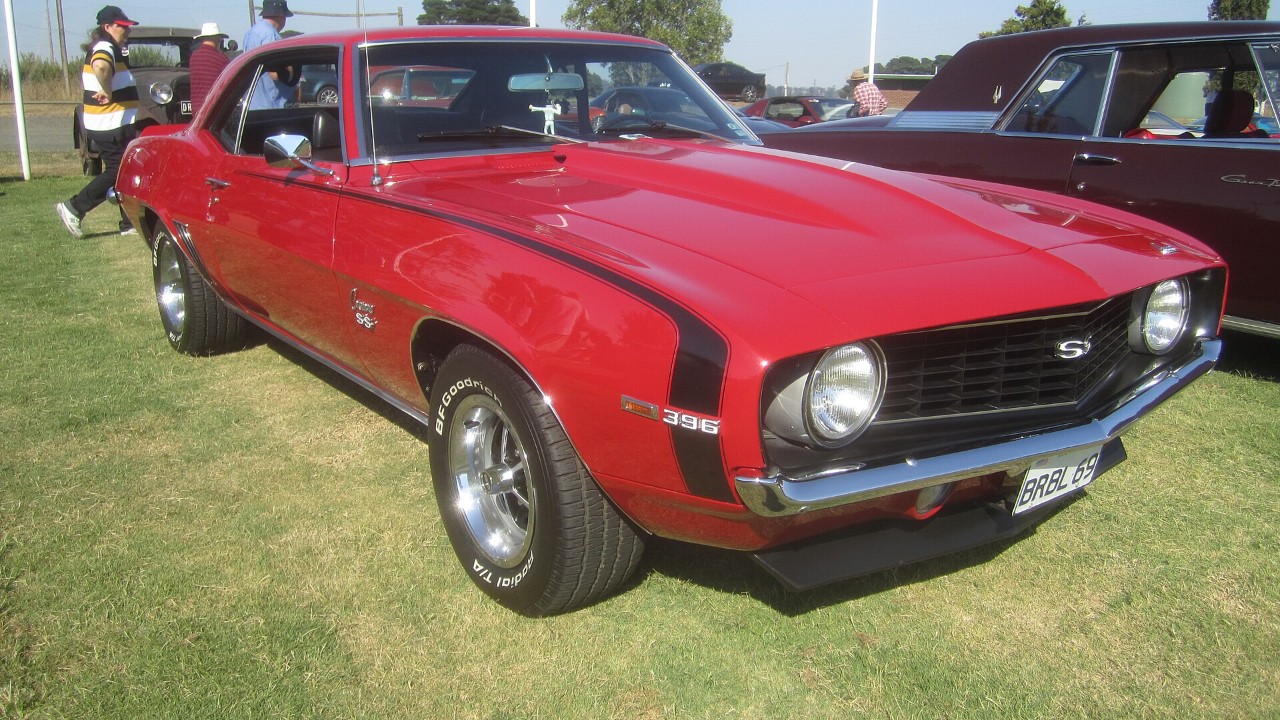
During this era, muscle cars became synonymous with American identity, embodying the values of speed and freedom that resonated deeply with consumers. The competition heated up as each manufacturer raced to produce the most powerful and stylish offerings. GM’s Chevrolet Camaro and Pontiac GTO, Ford’s Mustang and Mercury Cougar, as well as Chrysler’s Dodge Charger and Plymouth Road Runner, all contributed to the muscle car’s legacy. These vehicles were not merely modes of transportation; they were status symbols and expressions of individuality.
The Birth of the Buick GSX
The Buick GSX was conceived during a time when the demand for high-performance vehicles was at its peak. The development process for the GSX began with the Buick Skylark, a model that was already well-regarded but lacked the aggressive performance edge that consumers desired. Key figures in Buick’s design and engineering teams recognized the potential for creating a performance variant that could compete with the likes of the Pontiac GTO and Chevrolet Chevelle SS. The GSX was born out of a desire to elevate Buick’s reputation within the muscle car segment.
Designers and engineers worked tirelessly to refine the GSX’s specifications. The decision to position the GSX as a performance variant of the Skylark was strategic, aiming to attract younger buyers while also retaining Buick’s traditional consumer base. The GSX’s introduction in 1970 was a bold statement by GM, showcasing their willingness to innovate and take risks in a crowded marketplace. The GSX was not just another model; it was an embodiment of Buick’s commitment to performance excellence, setting the stage for what would become one of the most iconic muscle cars of its time.
Performance Features and Specifications
At the heart of the Buick GSX was its formidable 455 cubic inch V8 engine. This powerhouse was capable of generating an impressive 360 horsepower and a staggering 510 lb-ft of torque, making it one of the most potent engines available in a production car at the time. The GSX stood out not only for its raw power but also for its performance metrics; it could accelerate from 0 to 60 mph in just over six seconds, a feat that firmly placed it in the upper echelon of muscle cars.
In addition to its impressive engine, the GSX featured advanced innovations in suspension and handling that set it apart from competitors. The introduction of a heavy-duty suspension system enhanced the car’s stability and cornering capabilities, allowing drivers to experience a level of performance that was often reserved for racing vehicles. The GSX was equipped with wider tires and a unique rear spoiler, which contributed to its aggressive stance and improved aerodynamics. These performance enhancements made the GSX not just a car for straight-line speed, but a well-rounded performer that could tackle winding roads with confidence.
Design Elements and Aesthetics
The design of the Buick GSX was as bold as its performance. Distinctive styling cues, such as the vibrant color options—including the iconic Apollo 350 color—set the GSX apart in a sea of muscle cars. The bold graphics and distinctive “GSX” badging were designed to catch the eye and signify the car’s high-performance pedigree. The attention to detail in the GSX’s design extended to its interior, which was thoughtfully crafted to complement its performance-oriented nature. Features such as bucket seats and a sporty steering wheel enhanced the driving experience, making it clear that the GSX was built for those who valued both style and substance.
The impact of the GSX’s design went beyond aesthetics; it significantly influenced Buick’s brand identity. The GSX badge became synonymous with performance, helping to reshape consumer perceptions of Buick from a manufacturer known primarily for family sedans to one that could compete head-to-head with performance vehicles from other brands. This transformation played a crucial role in establishing Buick’s reputation in the muscle car market, showcasing that the brand could deliver excitement and performance along with luxury.
Marketing Strategies and Public Reception
GM’s marketing approach for the GSX was as innovative as the car itself. The company positioned the GSX as a high-performance vehicle that appealed to younger buyers who were eager for speed and style. Advertising campaigns highlighted the GSX’s impressive specifications and its ability to compete with the fastest cars on the market. By emphasizing the car’s performance capabilities, GM attracted attention not only from car enthusiasts but also from the media, generating significant buzz around the GSX’s launch.
Consumer and media reactions upon the GSX’s release were largely positive. The car was praised for its bold design and impressive performance, garnering accolades from automotive journalists and enthusiasts alike. However, comparisons with other GM models, such as the Chevrolet Chevelle SS, revealed a competitive landscape that was both exciting and challenging. Despite the acclaim, the GSX faced an uphill battle in establishing itself in a market saturated with high-performance options. Nonetheless, its unique positioning and strong marketing strategy helped to carve out a niche for the GSX that resonated with a dedicated audience.
Production Numbers and Exclusivity
The production run of the Buick GSX was notably limited, with only about 678 units produced in the 1970 model year. This exclusivity has significant implications for collectors today, as the GSX is often regarded as one of the most sought-after muscle cars. Factors contributing to the GSX’s rarity include not only its limited production numbers but also the shifting market dynamics of the automotive industry during the early 1970s, including the onset of the oil crisis, which led to reduced demand for high-performance vehicles.
For collectors, the GSX represents a unique opportunity to own a piece of automotive history. Its rarity and performance credentials have solidified its status as a collector’s item, with many enthusiasts willing to pay top dollar for well-preserved examples. The GSX’s legacy as a limited-production muscle car continues to impact Buick’s reputation, as it serves as a reminder of the brand’s capabilities in the performance arena.
Challenges and Controversies
Despite its accolades, the Buick GSX faced significant challenges during its production. The early 1970s brought about a fuel crisis that shifted consumer priorities towards fuel efficiency and practicality, placing high-performance vehicles like the GSX in a precarious position. GM had to navigate these external pressures while also addressing internal challenges, including the need to balance performance with the demands of a changing market.
Controversial decisions made by GM regarding the GSX’s market positioning further complicated its legacy. Some critics argued that the car was misaligned with Buick’s traditional image, which had been associated more with comfort and luxury than performance. This tension within the brand led to discussions about the future direction of Buick and whether it could successfully compete in the muscle car segment without alienating its existing customer base. These challenges ultimately influenced the GSX’s production and marketing strategies, shaping its legacy in the years to come.
Legacy of the Buick GSX
The legacy of the Buick GSX extends far beyond its production years. The car’s influence can be seen in subsequent Buick models, which have sought to capture the performance spirit that the GSX embodied. While the muscle car era eventually waned, the GSX remains a symbol of a time when American automakers boldly embraced performance and innovation. It is remembered fondly within automotive circles as one of the defining muscle cars of its era, alongside other icons like the Ford Mustang and Chevrolet Camaro.
Today, the GSX is celebrated among enthusiasts for its unique blend of style, performance, and exclusivity. Its role in shaping Buick’s identity as a performance-oriented brand is significant, as it helped to pave the way for future models that would continue to push the boundaries of performance and design. The GSX’s enduring popularity is a testament to its status as a classic American muscle car that continues to inspire admiration and passion among collectors and enthusiasts alike.
Reflecting on the boldness of GM’s decision to produce the GSX amidst industry challenges reveals not only the spirit of innovation that characterized the muscle car era but also the importance of taking risks in automotive design and performance. The GSX’s lasting impact on muscle car culture is undeniable, and it serves as a reminder of the potential for bold experimentation to yield extraordinary results in the world of automotive engineering.
More from Fast Lane Only