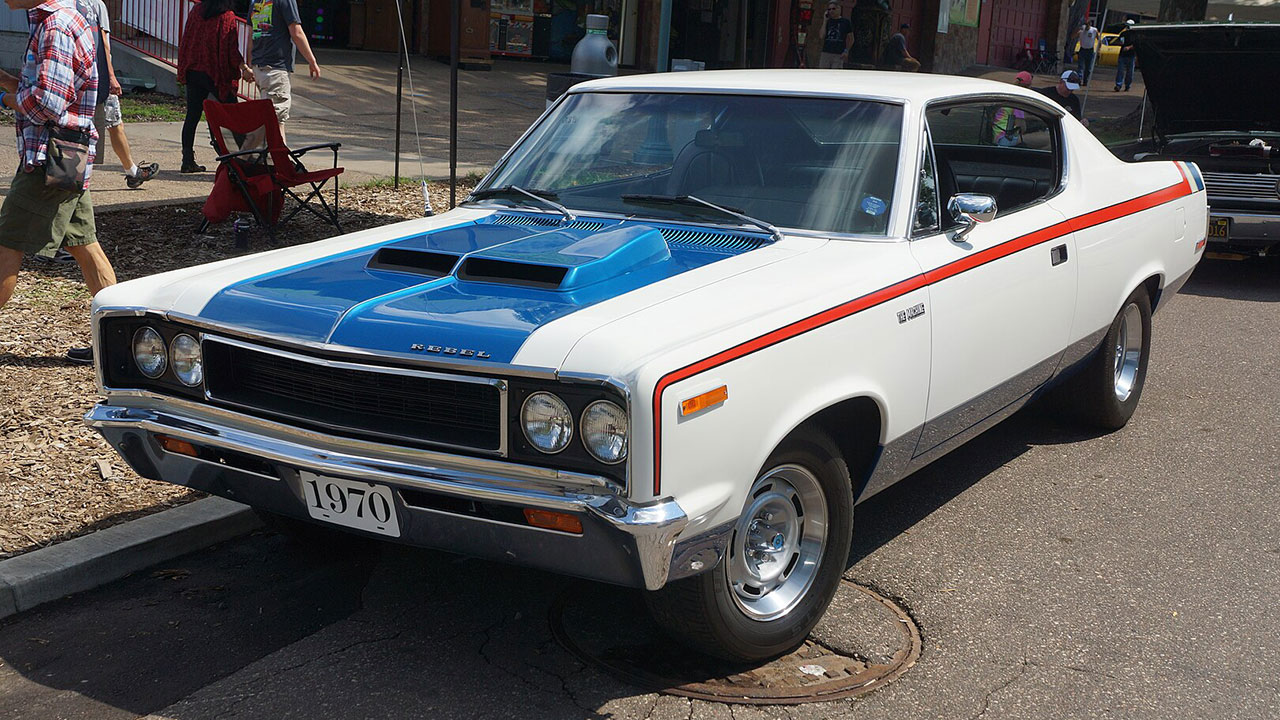
The 1970 AMC Rebel Machine often finds itself in the shadows of more renowned muscle cars from the same era, yet it possesses an intriguing combination of engineering and performance that merits recognition. This vehicle showcases a unique approach to design and engineering that set it apart in the competitive automotive market, making it an essential subject for enthusiasts and historians alike.
Historical Context of the AMC Rebel Machine
During the late 1960s and early 1970s, the American Motors Corporation (AMC) was a small but ambitious player in the automotive industry, competing against giants like Ford, Chevrolet, and Chrysler. The muscle car segment was booming, and AMC sought to carve out a niche for itself amidst the fierce competition. The introduction of the Rebel Machine in 1970 was a bold statement, showcasing AMC’s determination to innovate and compete in a market dominated by well-established brands.
The Rebel Machine was significant not only as a performance vehicle but also as a cultural artifact of its time. It emerged during a period when American car buyers were increasingly drawn to high-performance vehicles that combined speed with style. While the Rebel Machine may not have achieved the same level of fame as the Chevrolet Camaro or Ford Mustang, it still made a mark in the automotive landscape, representing a distinct approach to muscle car design and engineering.
Design and Aesthetic Features
The exterior design of the 1970 AMC Rebel Machine set it apart from its competitors in several ways. Its aggressive stance, bold lines, and distinctive front grille contributed to a look that exuded power and performance. Unlike many muscle cars of its time, which often leaned towards more rounded shapes, the Rebel Machine featured sharp angles and a muscular silhouette that hinted at its capabilities.
Unique color options played a crucial role in the car’s appeal, with vibrant shades like “Machine Red” and “Go Green” catching the eyes of potential buyers. These bold colors, combined with racing stripes and decals, made the Rebel Machine a standout on the road. The design elements were not merely cosmetic; they were carefully crafted to resonate with a demographic that valued performance and individuality. The styling cues of the Rebel Machine reflected the broader automotive design trends of the era, emphasizing a sense of speed and excitement.
Engine Specifications and Performance
At the heart of the 1970 AMC Rebel Machine was its formidable 390 cubic inch V8 engine, which produced an impressive 340 horsepower. This powerful engine was complemented by a host of performance-enhancing features, including a four-barrel carburetor and a heavy-duty suspension system. The result was a car that could accelerate from 0 to 60 mph in just over six seconds, putting it in direct competition with some of the most celebrated muscle cars of its time.
When compared to other muscle car engines, the Rebel Machine’s V8 offered a unique blend of power and reliability. For instance, while the Chevrolet Camaro’s 396 cubic inch engine produced similar horsepower, it often required more maintenance and offered a less engaging driving experience. The Rebel Machine’s quarter-mile times were competitive, often clocking in the low 14-second range, making it a formidable contender on the drag strip. Enthusiasts today continue to appreciate the blend of power and engineering that defined this vehicle, as seen in various online discussions and performance tests, including one featured on HotCars.
Innovative Engineering Solutions
AMC faced numerous engineering challenges while developing the Rebel Machine, particularly in terms of performance and reliability. One of the most notable innovations was the car’s suspension system, which was designed to enhance handling while maintaining ride comfort. This was a crucial consideration for AMC, as many muscle cars of the era struggled with balancing performance and everyday drivability.
The weight distribution was another critical factor in the Rebel Machine’s engineering. By optimizing the placement of heavy components, AMC was able to create a vehicle that not only excelled in straight-line speed but also handled well in corners. The integration of technology into the design process helped AMC achieve these objectives, allowing them to enhance performance without sacrificing the reliability that consumers expected from an American car. The culmination of these engineering feats positioned the Rebel Machine as an innovative entry into the muscle car market.
Manufacturing and Production Challenges
The production of the AMC Rebel Machine took place at AMC’s Kenosha, Wisconsin plant, where the company faced both budgetary constraints and resource limitations. These challenges impacted the manufacturing quality and quantity of the vehicle, with AMC needing to balance cost-effectiveness with the desire to produce a high-performance muscle car. The Rebel Machine was produced in limited numbers, which added to its allure and collectibility.
Employee anecdotes from those involved in the assembly of the Rebel Machine reveal the pride that workers felt in creating a vehicle that competed with more prominent brands. Many employees were car enthusiasts themselves, which translated into a commitment to quality during production. The Rebel Machine was often viewed as a labor of love, with workers striving to ensure that each car met the high standards set by AMC’s engineers.
Marketing Strategies and Target Audience
AMC’s marketing campaign for the Rebel Machine was both strategic and targeted, aimed at appealing to the performance-oriented car buyer. The company positioned the Rebel Machine as an alternative to more mainstream muscle cars, emphasizing its unique features and engineering prowess. Advertisements highlighted the car’s impressive performance metrics and eye-catching design, appealing to a demographic that valued individuality and speed.
The target audience for the Rebel Machine included younger buyers and performance enthusiasts, many of whom were drawn to motorsports. AMC leveraged this interest by participating in various racing events, showcasing the car’s capabilities on the track. This marketing strategy not only increased visibility but also created a sense of community among Rebel Machine enthusiasts. The connection between motorsports and the Rebel Machine helped solidify its reputation as a serious contender in the muscle car segment.
Legacy and Impact on Future Models
The legacy of the AMC Rebel Machine extends beyond its production years, influencing subsequent AMC models and the broader muscle car landscape. While the Rebel Machine itself was only produced for a single model year, its design and engineering principles can be seen in later AMC vehicles. The emphasis on performance, reliability, and unique styling set a precedent for future models, allowing AMC to maintain a distinct identity in a crowded market.
Automotive historians often reflect on the Rebel Machine’s role in shaping the muscle car segment, noting its unique contributions to both performance and design. The car helped to inspire future designs, not only within AMC but also across the industry. As muscle cars evolved in the late 1970s and beyond, the Rebel Machine’s influence remained a touchstone for engineers and designers striving to create vehicles that married speed with practicality.
Collector’s Perspective and Current Market Trends
Today, the AMC Rebel Machine holds a special place among collectors and automotive enthusiasts. Interest in this rare muscle car has increased in recent years, with many enthusiasts appreciating its unique characteristics and historical significance. The limited production numbers contribute to its desirability, with collectors willing to pay a premium for well-preserved models.
Valuation trends indicate a growing appreciation for the Rebel Machine, driven by factors such as its innovative engineering and unique design. Auctions and private sales have seen increasing prices, particularly for models in excellent condition or with original components. The community surrounding the Rebel Machine is vibrant, with events and online forums dedicated to celebrating its legacy and connecting enthusiasts. For those interested in the car’s rich history, resources like HotCars offer insights into the current collector landscape.
The Rebel Machine in Popular Culture
The AMC Rebel Machine has made appearances in various forms of popular culture, further solidifying its place in automotive history. It has been featured in films, television shows, and even music videos, often representing the rebellious spirit of the muscle car era. These appearances have helped to keep the car relevant in the minds of both car enthusiasts and the general public.
Additionally, the Rebel Machine serves as a symbol of a particular era in American engineering and culture, embodying the excitement and innovation of the muscle car movement. Automotive clubs and online forums have dedicated sections to this unique vehicle, allowing fans to share stories, restoration tips, and performance upgrades. The car’s role in popular culture, along with its engineering achievements, ensures that the AMC Rebel Machine remains a topic of discussion and admiration among automotive enthusiasts.
More from Fast Lane Only