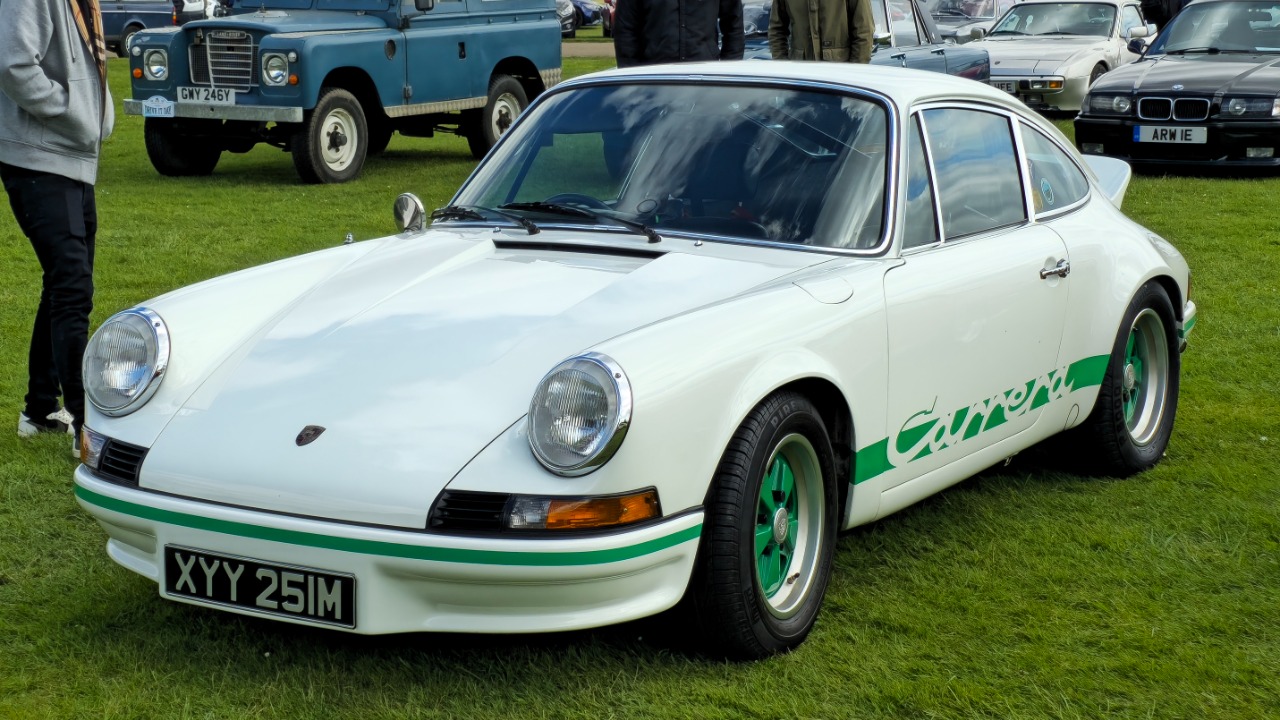
Classic cars hold a special place in automotive history, often celebrated for their design, performance, and the culture they represent. Each of these vehicles has earned its reputation through innovation, durability, and a loyal following. Here’s a look at ten classic cars that truly deserve the accolades they’ve received over the years.
Ford Mustang
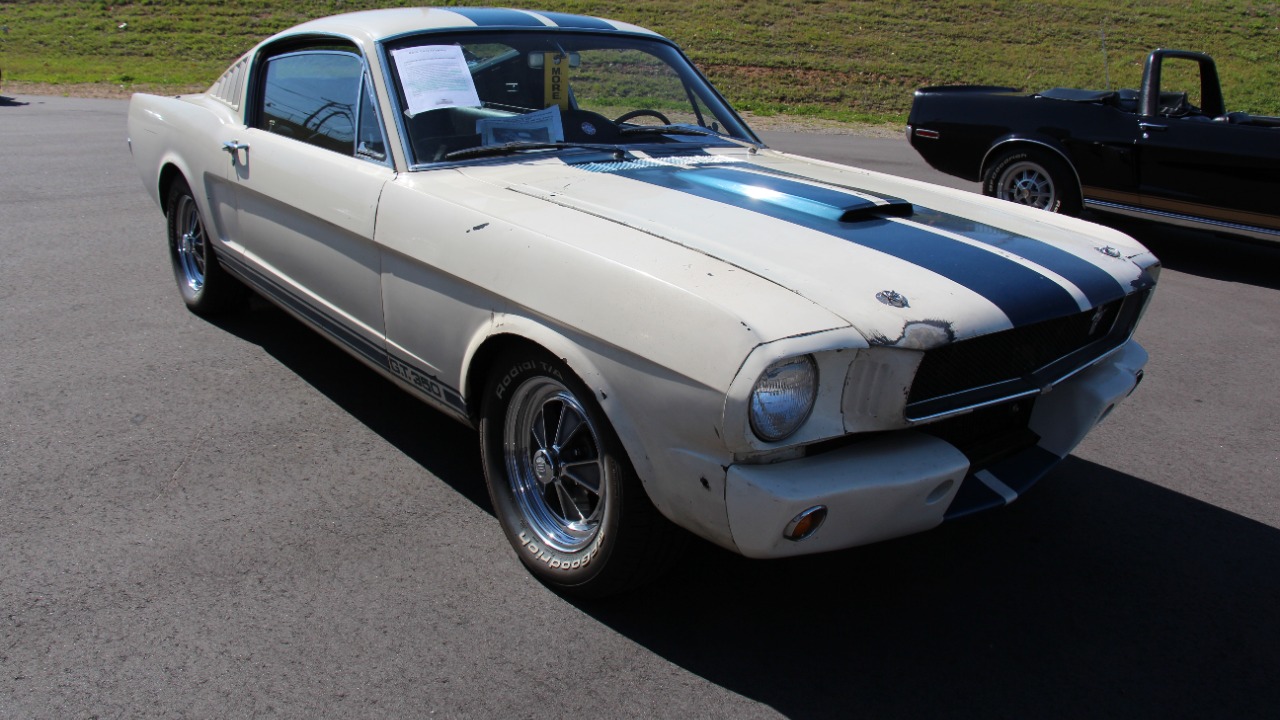
The Ford Mustang, introduced in 1964, revolutionized the American automotive landscape as one of the first pony cars. Its combination of style, power, and affordability captured the hearts of many, leading to an immediate cult following. The 1965 model, with its iconic fastback design, showcased a sporty look that appealed to a youthful audience. Over the decades, the Mustang has evolved, maintaining its essence while integrating modern technology. Enthusiasts often appreciate the classic 1969 Boss 302 for its performance and racing pedigree. With a rich history and continuous production, the Mustang remains a symbol of American muscle. For more insights, check out this video on the Mustang’s legacy.
Chevrolet Corvette

Since its debut in 1953, the Chevrolet Corvette has been synonymous with American sports cars. The C1 generation introduced a fiberglass body, which was revolutionary at the time, making it lightweight and agile. The Corvette has always been known for its performance, with the 1963 Sting Ray often regarded as one of the best designs in automotive history. Its powerful V8 engines and sleek design have made it a favorite among car enthusiasts and collectors alike. Over the years, the Corvette has continued to innovate, balancing classic appeal with modern engineering. Numerous racing victories, especially in the 24 Hours of Le Mans, solidified its status in the automotive world, as highlighted in various rankings.
Volkswagen Beetle
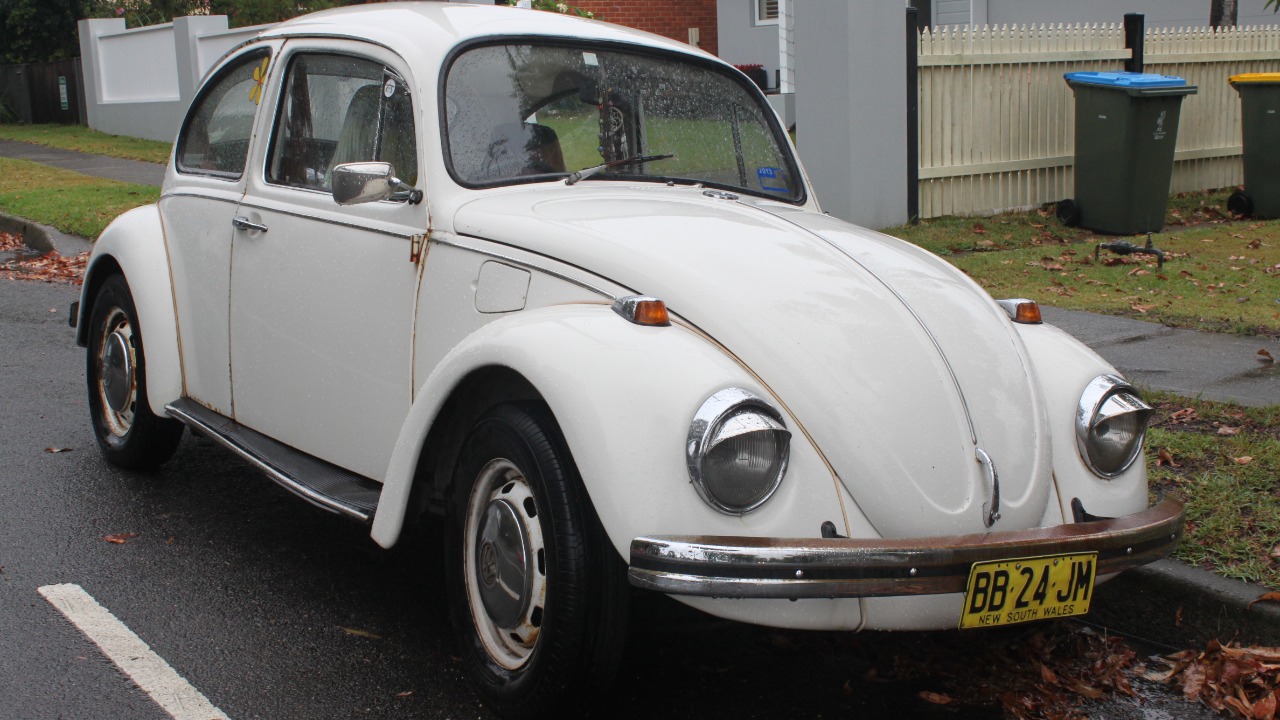
The Volkswagen Beetle, originally designed in the 1930s, became an icon of the 1960s counterculture. Its unique shape and affordable price made it accessible to the masses, resulting in a production run that lasted more than six decades. The Beetle’s reliability and simplicity endeared it to drivers around the globe. The 1968 version, often seen as the quintessential model, showcased the classic design that many still love today. The car has a fascinating history, having been associated with the “people’s car” movement in Germany. Its cultural significance is highlighted in films and literature, making it more than just a vehicle; it’s a symbol of an era. You can read more about its impact on culture in this study.
Porsche 911
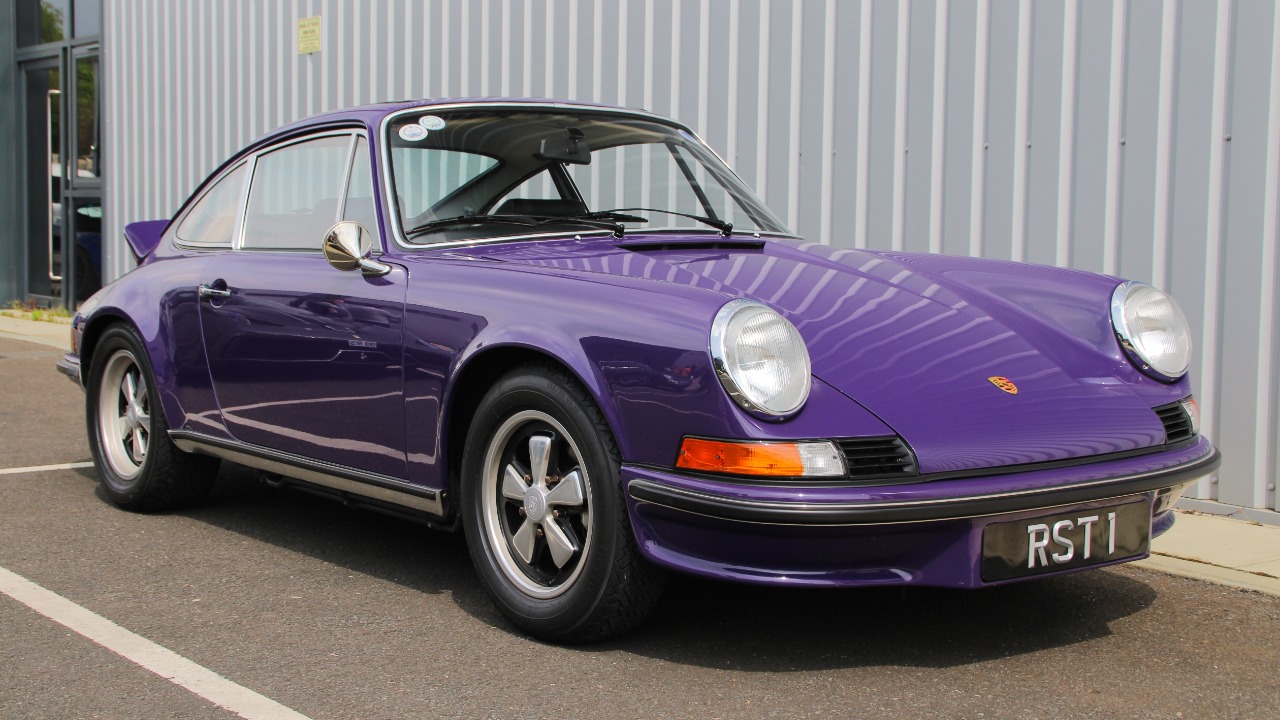
Launched in 1964, the Porsche 911 quickly established itself as a benchmark in the sports car world. With its distinctive silhouette and rear-engine layout, the 911 has undergone continuous refinement while staying true to its roots. The 1973 Carrera RS is often celebrated for its lightweight design and racing pedigree, making it a coveted model among collectors. Over its many iterations, the 911 has consistently delivered exhilarating performance, blending everyday usability with track-ready capabilities. Its engineering excellence is evident in its handling and speed, making it a favorite in motorsports and among driving enthusiasts. For a deeper dive into its engineering, check this journal article.
Jaguar E-Type
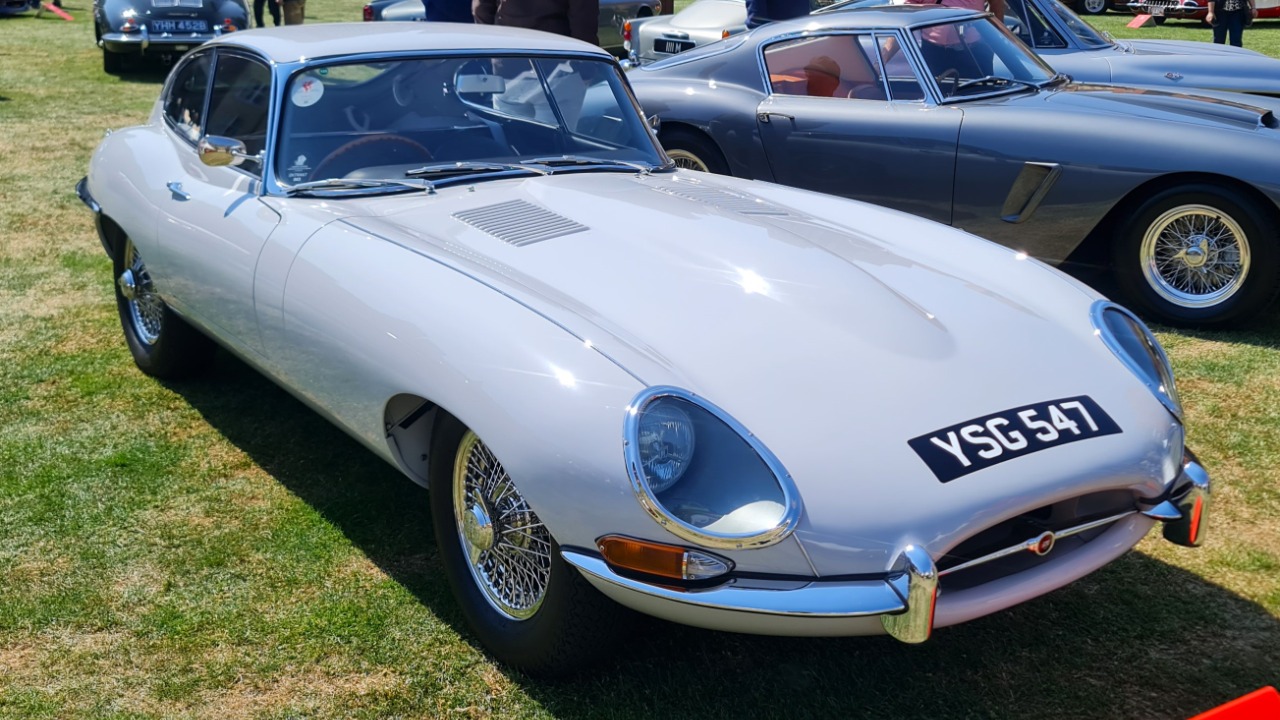
Unveiled in 1961, the Jaguar E-Type is often hailed as one of the most beautiful cars ever made. Its stunning curves and long hood captured the attention of car lovers and celebrities alike, including Enzo Ferrari, who called it “the most beautiful car ever made.” The E-Type was not just about looks; it also delivered impressive performance, with a top speed of 150 mph. The 1961 model featured a 3.8-liter inline-six engine, offering an exhilarating driving experience. Over the years, the E-Type has become a symbol of 1960s British motoring, and its legacy continues to inspire automotive design. Many collectors still seek out well-preserved models for their unique blend of beauty and performance.
Mercedes-Benz 300SL
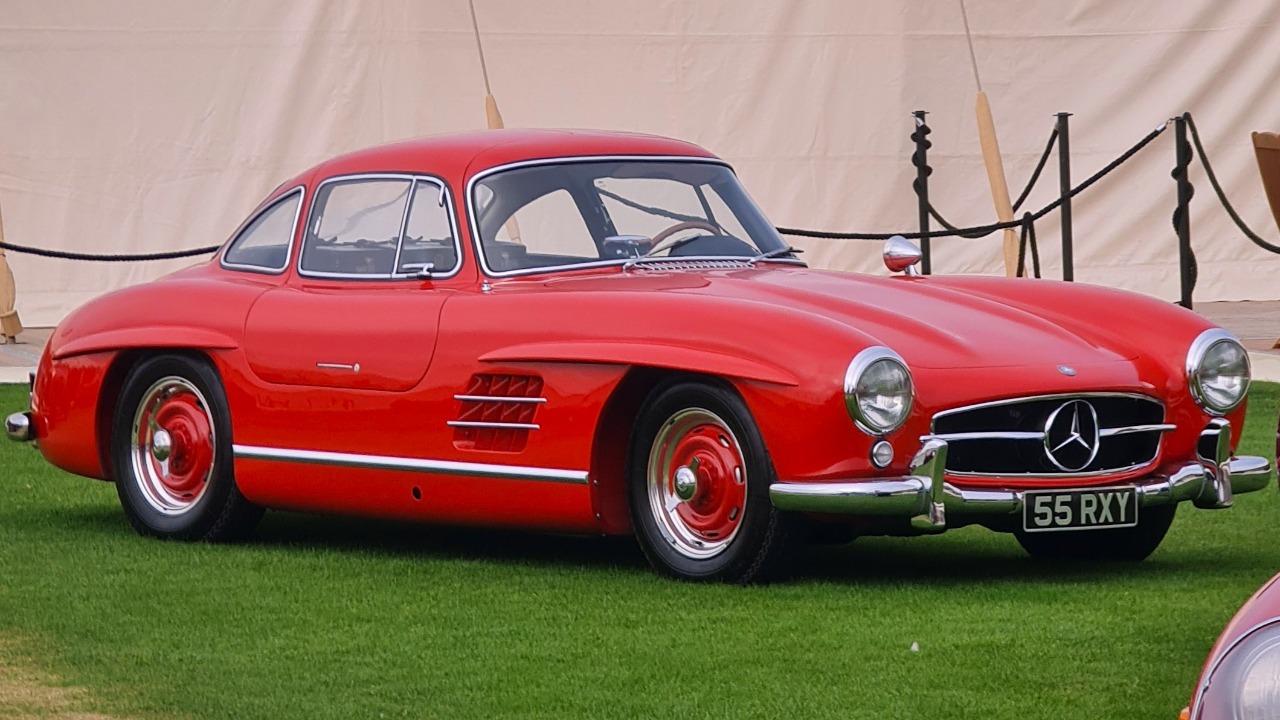
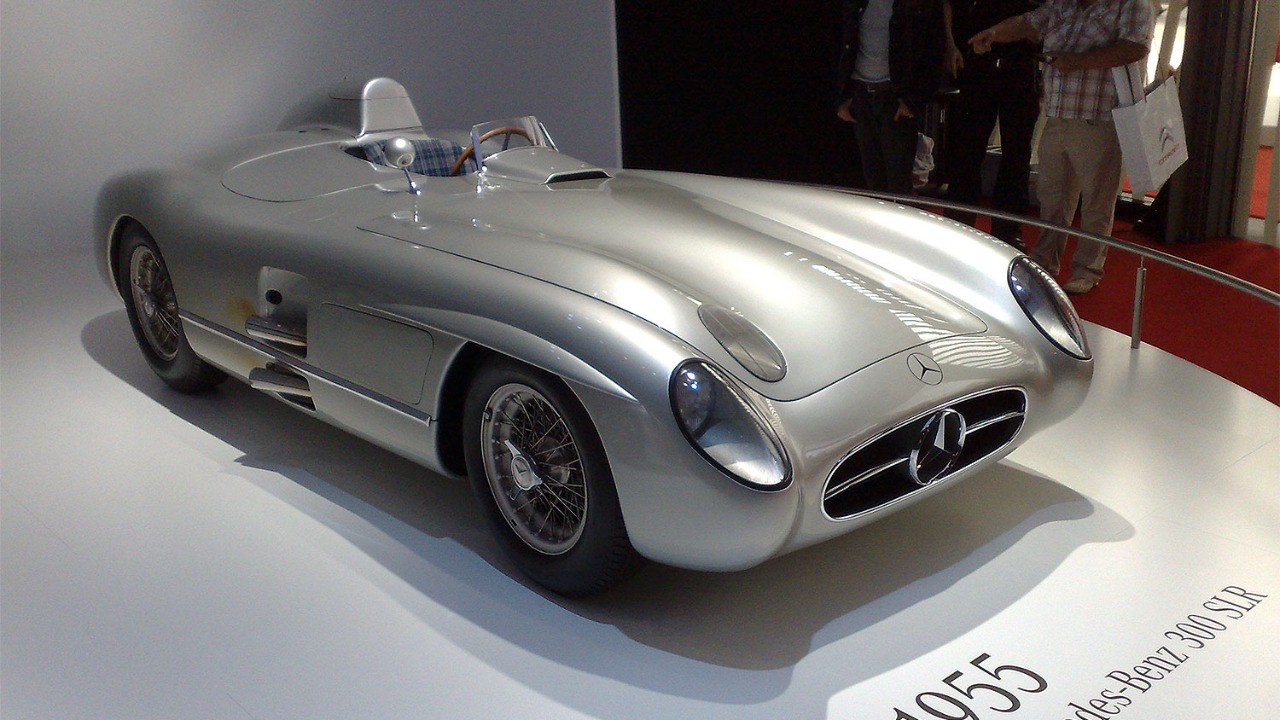
The Mercedes-Benz 300SL, often referred to as the “Gullwing” due to its distinctive doors, debuted in 1952 as a racing car. Its innovative design included a lightweight aluminum body and a powerful inline-six engine, allowing it to achieve remarkable speeds for its time. The 300SL not only dominated the racetrack but also captured the imagination of car enthusiasts with its stunning aesthetics. The 1955 model, with its sleek lines and advanced engineering, became a symbol of luxury and performance. Today, the 300SL is a highly sought-after classic car, celebrated for its heritage and elegance. As a result, it continues to command impressive auction prices, showcasing its lasting appeal.
Dodge Charger
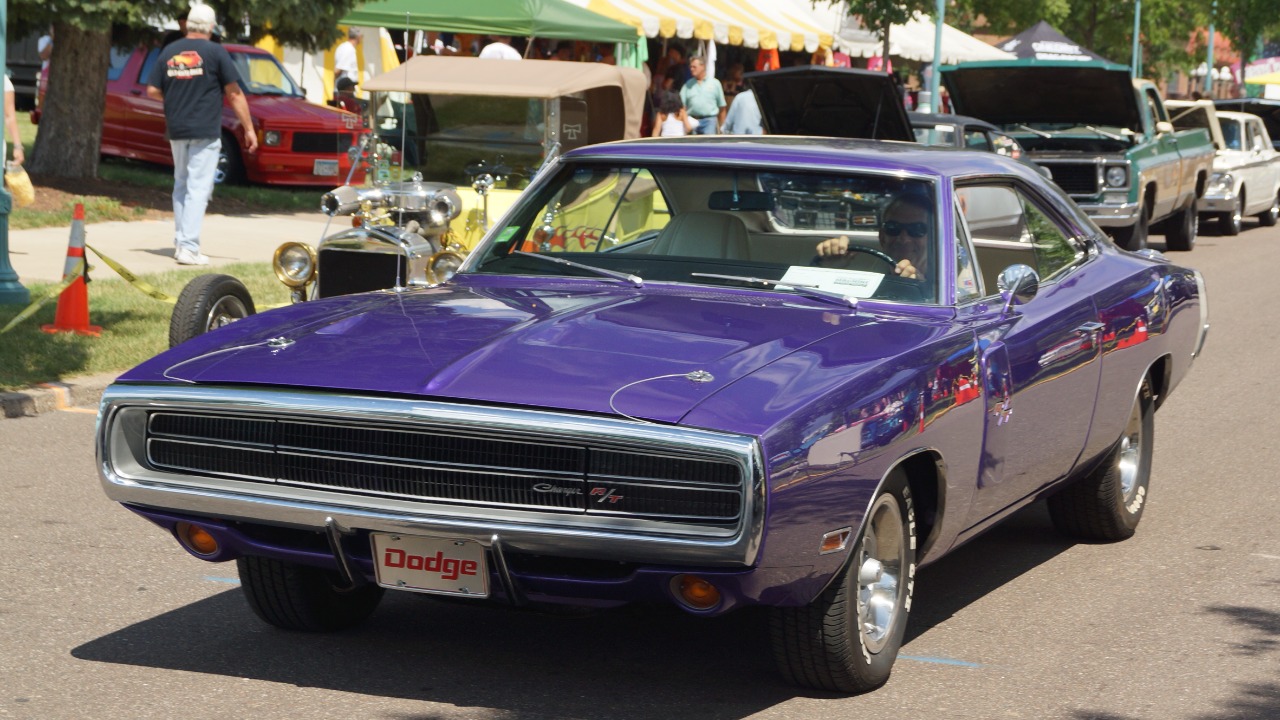
The Dodge Charger first hit the road in 1966 and quickly became a symbol of American muscle. Known for its aggressive styling and powerful engine options, the Charger was designed to compete in the growing pony car market. The 1970 model, with its iconic split grille and bold lines, is often regarded as a classic example of muscle car design. With options for V8 engines pushing over 400 horsepower, the Charger offered exhilarating performance on both the street and the racetrack. Its cultural significance was further solidified by its appearances in films and television, notably in the “Fast and Furious” franchise. The Charger remains a favorite among muscle car enthusiasts, bridging the gap between classic and modern performance.
Toyota Land Cruiser

The Toyota Land Cruiser has built a reputation for durability and off-road capability since its introduction in 1951. Originally designed for military use, the Land Cruiser quickly transitioned to a civilian model, becoming popular for its ruggedness and reliability. The 1980s FJ60 model is often celebrated among off-road enthusiasts for its classic design and capability. Its reputation for long-lasting performance has made it a top choice for adventurers and those in remote areas. With a loyal fan base, the Land Cruiser has evolved over the decades while maintaining its core attributes, ensuring its status as an off-road legend. The vehicle’s proven track record in various terrains has solidified its place in automotive history.
Aston Martin DB5
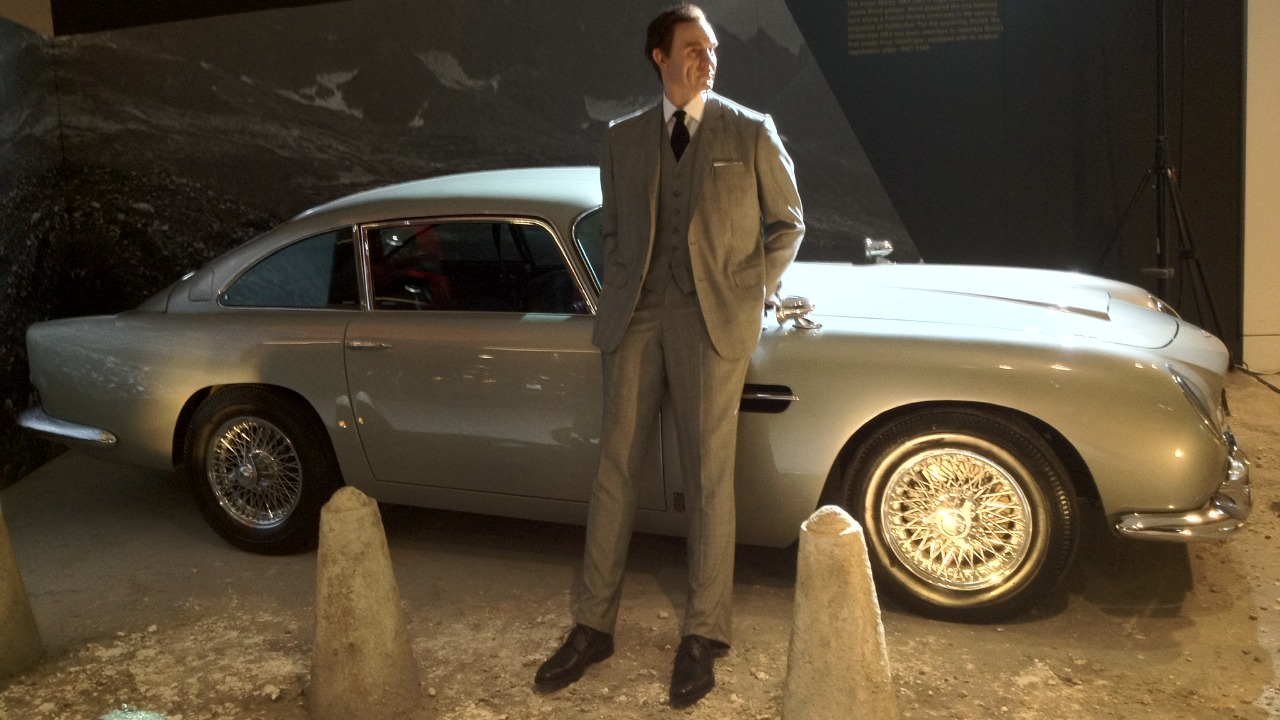
The Aston Martin DB5, introduced in 1963, is perhaps best known as James Bond’s car of choice in “Goldfinger.” Its luxurious design and powerful engine made it the epitome of British elegance and performance. With a 4.0-liter inline-six engine, the DB5 offered a thrilling driving experience while incorporating advanced features for its time, including electric windows and reclining seats. Its iconic status was further cemented by its association with the famous spy franchise, making it a cultural phenomenon. Today, the DB5 is a highly sought-after collector’s item, representing the pinnacle of luxury sports cars in the 1960s. The allure of the DB5 continues, as it stands as a testament to Aston Martin’s craftsmanship.
Mini Cooper
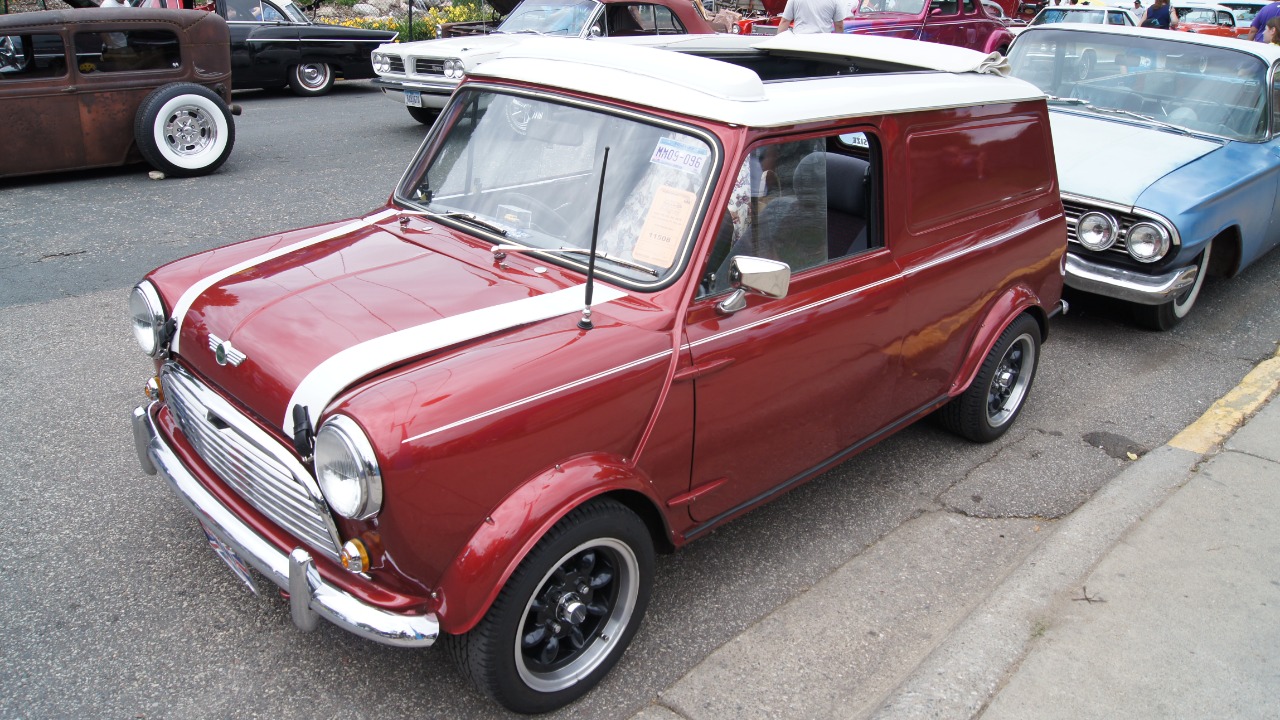
The Mini Cooper, originally launched in 1961, became a cultural icon due to its compact size and spirited performance. Designed by Sir Alec Issigonis, the Mini was revolutionary in maximizing interior space while maintaining a small footprint. The 1964 Mini Cooper S, with its rally success, showcased the car’s impressive handling and agility, earning a loyal following.
More from Fast Lane Only
- Unboxing the WWII Jeep in a Crate
- 15 rare Chevys collectors are quietly buying
- 10 underrated V8s still worth hunting down
- Police notice this before you even roll window down
*Research for this article included AI assistance, with all final content reviewed by human editors.