Throughout automotive history, certain classic cars have not only captured the imagination but also addressed issues that were largely overlooked in their time. These vehicles introduced innovative solutions, influencing the industry and setting standards that would shape future designs. From accessibility to efficiency, these cars paved the way for what we now consider essential features in modern automobiles.
Ford Model T: Making Cars Accessible for the Masses

The Ford Model T, produced from 1908 to 1927, revolutionized the automotive landscape by making car ownership attainable for the average person. Prior to its introduction, automobiles were luxury items, affordable only to the wealthy. Henry Ford’s implementation of assembly line production drastically reduced costs, allowing more families to own a car. By producing over 15 million units, the Model T’s affordability and reliability changed the perception of automobiles in society.
Its design was simple yet effective, featuring a lightweight structure and a robust engine that could traverse various terrains. The Model T’s success laid the groundwork for mass production techniques and inspired other manufacturers to follow suit, ultimately democratizing vehicle ownership and transforming the automotive industry.
Volkswagen Beetle: Embracing Simplicity and Efficiency
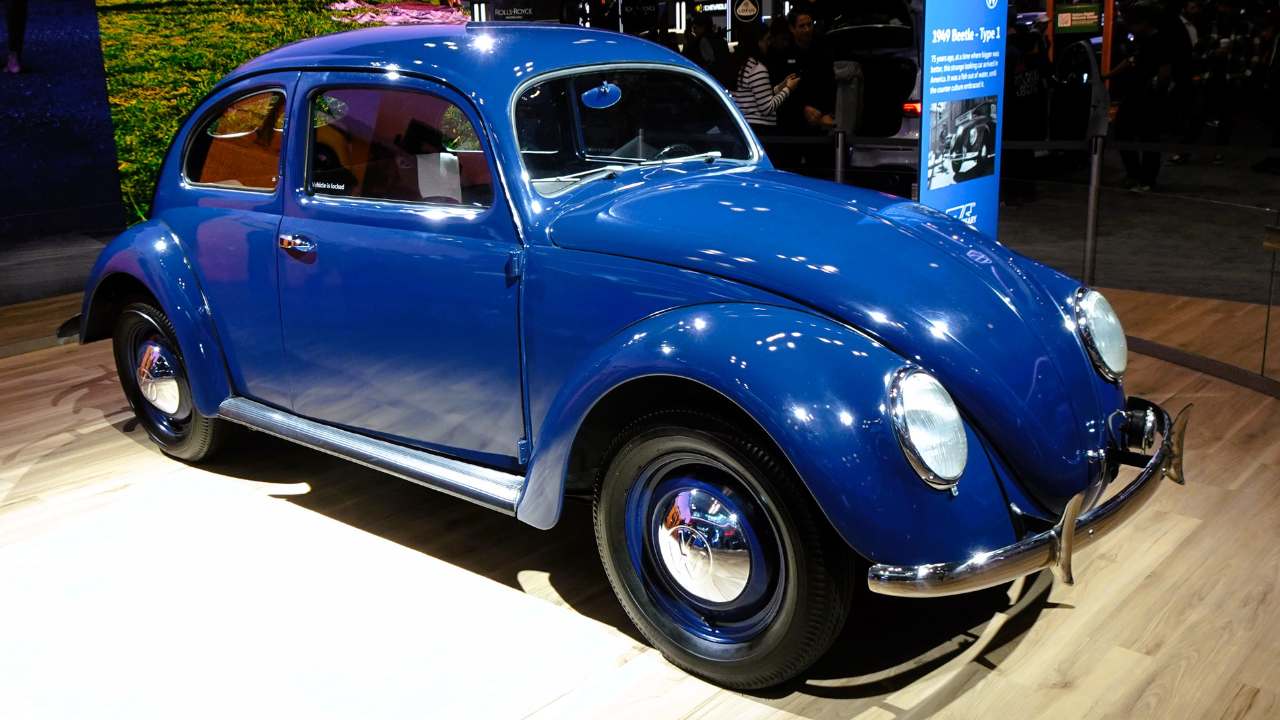
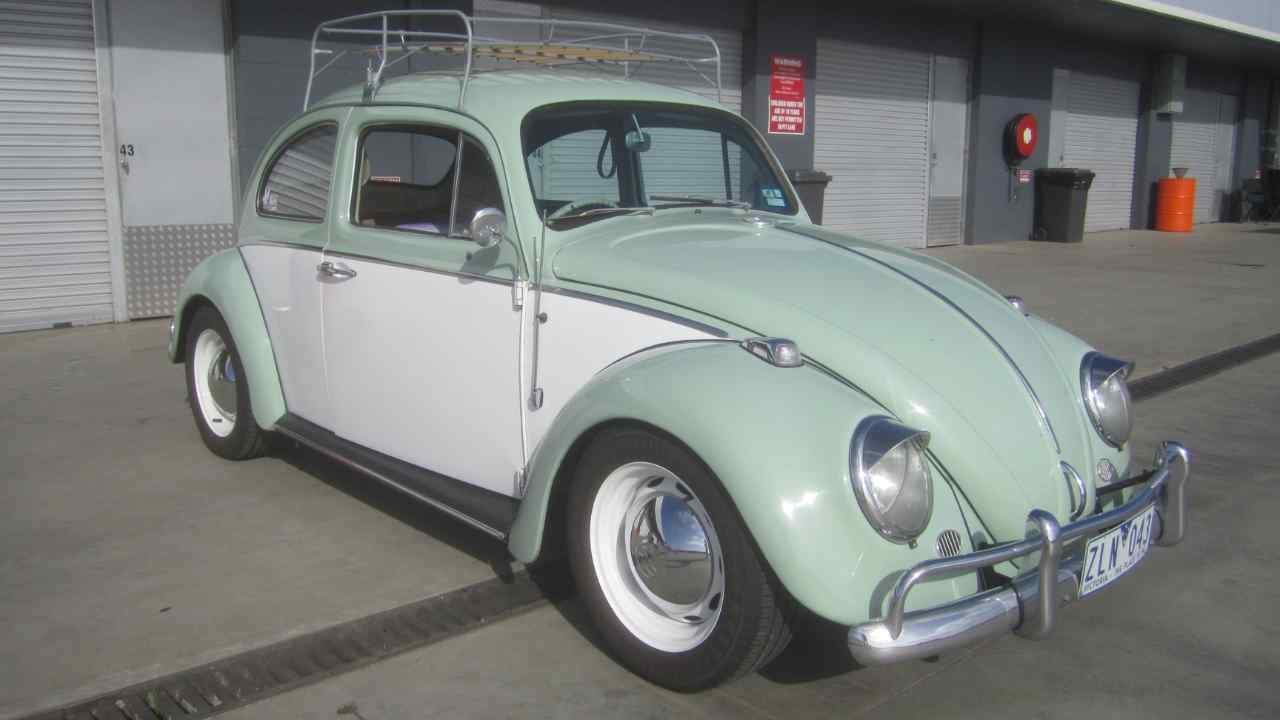
The Volkswagen Beetle, launched in 1938, epitomized the idea of simplicity and efficiency in automotive design. With its iconic rounded shape and air-cooled engine, it was designed to be affordable and reliable for the masses. The Beetle’s rear-engine layout allowed for better traction and fuel efficiency, addressing the need for economical transportation during challenging economic times, particularly post-World War II.
Its production continued for several decades, making it one of the best-selling cars of all time. The Beetle’s focus on practicality over extravagance resonated with consumers, establishing a blueprint for future compact cars that prioritize efficiency without sacrificing style.
Chevrolet Corvette: Pioneering Aerodynamic Design
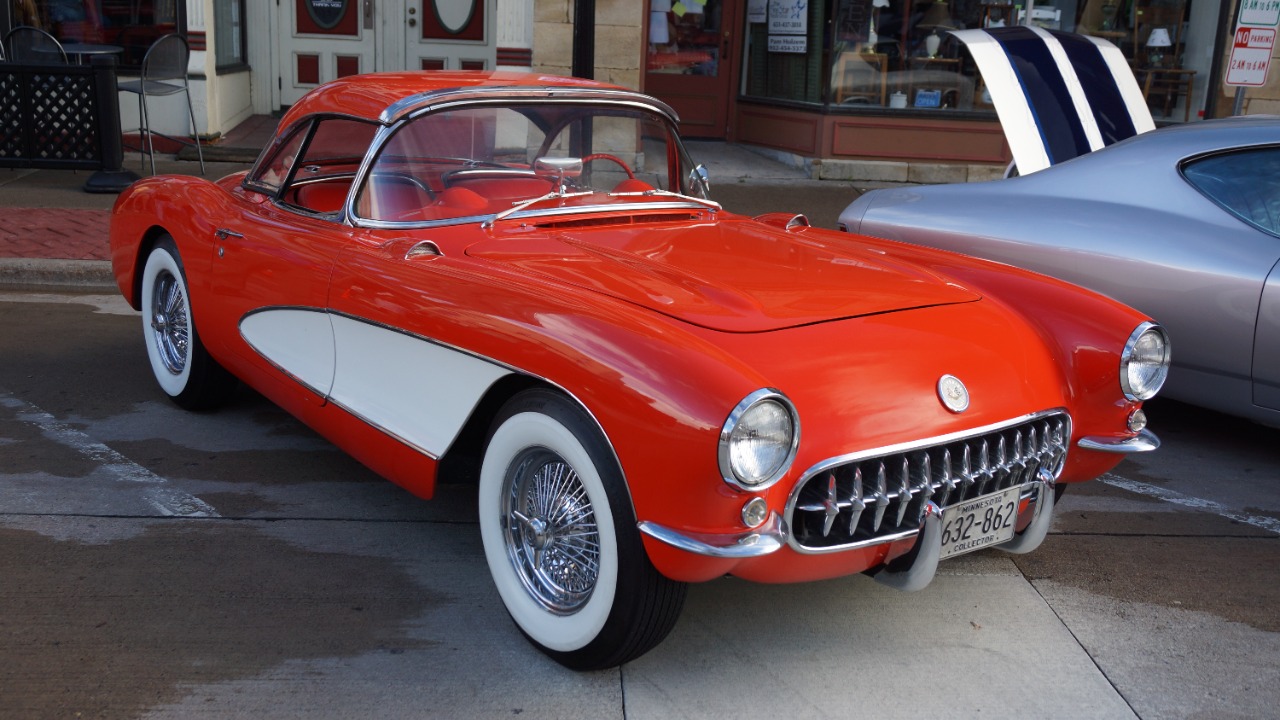
The Chevrolet Corvette, introduced in 1953, marked a significant shift in automotive design with its emphasis on aerodynamics. The Corvette’s sleek body and low profile were designed not only for aesthetics but also for improved performance. This focus on aerodynamics allowed the Corvette to achieve impressive speeds, making it a competitive presence in racing and a symbol of American muscle.
As the years progressed, the Corvette continued to evolve, incorporating advanced materials and technologies that further enhanced its aerodynamic capabilities. This attention to design has influenced countless sports cars, setting a standard that prioritizes both performance and visual appeal.
Jaguar E-Type: Blending Performance with Style

Launched in 1961, the Jaguar E-Type is often hailed as one of the most beautiful cars ever made. Its design was not only visually striking but also functional, featuring a long hood and short rear that improved aerodynamics. The E-Type showcased performance with its powerful six-cylinder engine while maintaining a balance between elegance and speed. This blend made it a favorite among enthusiasts and collectors alike.
The E-Type’s influence extended beyond aesthetics; it introduced performance metrics that would become standard in future sports cars, proving that style and speed could coexist. Its legacy continues to inspire modern automotive design.
Toyota Corolla: Setting Standards for Reliability
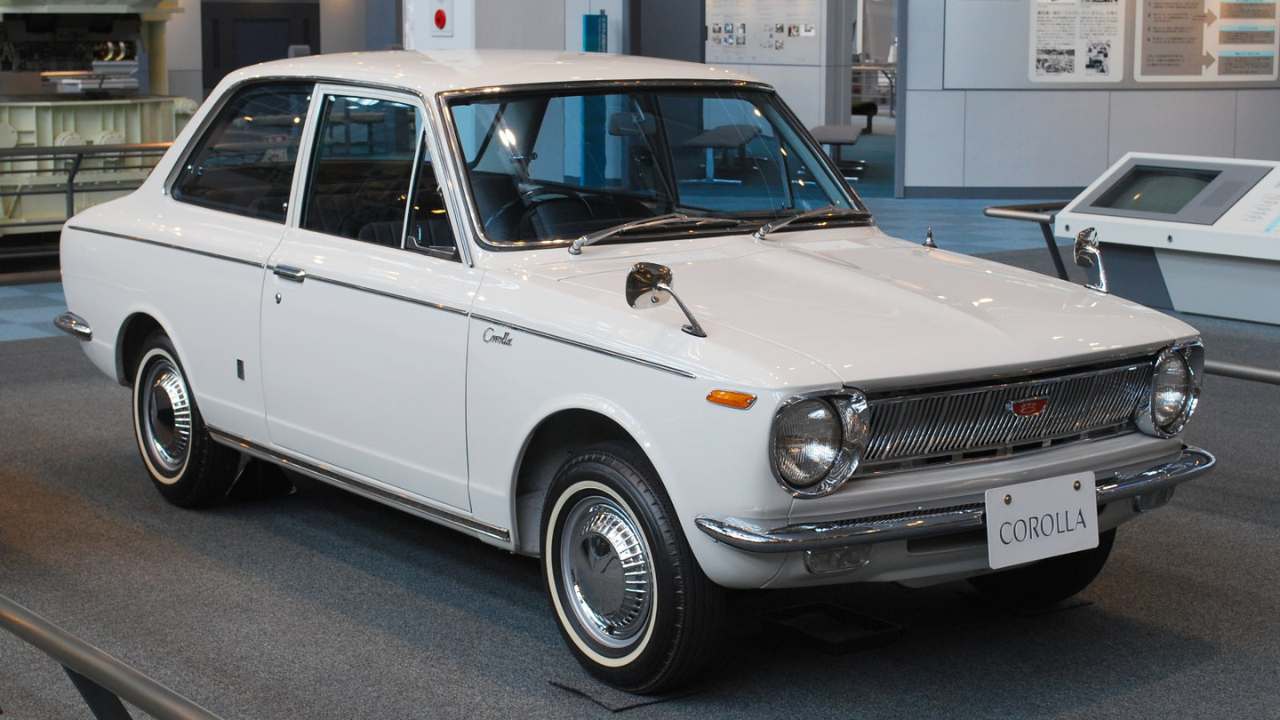
First introduced in 1966, the Toyota Corolla has become synonymous with reliability and practicality. It was designed to be a no-frills vehicle that prioritized dependability over luxury. With its efficient fuel consumption and low maintenance costs, the Corolla quickly became a top choice for families and commuters, addressing the growing demand for affordable transportation.
Over the decades, the Corolla has maintained its reputation for reliability, with millions sold worldwide. Its success has influenced competitors to adopt similar approaches, emphasizing the importance of quality and dependability in automotive design.
Porsche 911: Perfecting the Balance of Power and Handling

The Porsche 911, introduced in 1964, has stood the test of time as a benchmark for performance sports cars. Its distinctive design and rear-engine layout have set it apart from its competitors. The 911 is celebrated for its exceptional handling, making it a favorite among driving enthusiasts and professionals alike.
Its engineering has continuously evolved, incorporating technological advancements that enhance both power and handling dynamics. The 911 established a standard for sports cars, demonstrating that performance could be both exhilarating and accessible.
Datsun 240Z: Introducing Affordable Sports Car Performance

Launched in 1969, the Datsun 240Z broke barriers by offering an affordable sports car experience without compromising on performance. Its sleek design and powerful inline-six engine provided a thrilling driving experience, appealing to a wide range of consumers. The 240Z’s introduction came at a time when many sports cars were priced beyond reach for average buyers.
With its combination of style, performance, and affordability, the Datsun 240Z helped to popularize the sports car segment and influenced future designs by proving that high performance could be accessible to the masses.
Subaru 360: Revolutionizing Compact and All-Wheel Drive

The Subaru 360, produced from 1958 to 1971, is a noteworthy example of compact car innovation. Known as the “ladybug,” this iconic vehicle was one of the first to offer all-wheel drive in a compact format, addressing the needs of urban drivers facing challenging weather conditions. Its small size and efficient fuel consumption made it an ideal choice for crowded city environments.
By combining all-wheel drive with a compact design, the Subaru 360 set a precedent for future compact vehicles. Its influence can be seen in modern all-wheel-drive systems, proving that practicality can coexist with innovation in automotive design.
Mercedes-Benz 300SL: Innovating with Fuel Injection and Gullwing Doors

The Mercedes-Benz 300SL, introduced in 1954, redefined sports car engineering with innovations that were years ahead of their time. It became the first production car to feature direct fuel injection, significantly improving power output and fuel efficiency compared to conventional carbureted engines. Its distinctive gullwing doors were a practical solution to the car’s tubular spaceframe chassis, allowing easier entry while preserving structural rigidity. These engineering breakthroughs demonstrated how performance and innovation could work together in a road-going automobile.
Beyond its technical achievements, the 300SL influenced the future of high-performance vehicle design by proving that advanced technology could enhance both driving dynamics and everyday usability. Its pioneering fuel injection system paved the way for modern engine management, while its lightweight construction inspired generations of sports cars. Today, the 300SL remains an enduring symbol of engineering excellence and forward-thinking automotive design.
Chrysler Airflow: Advancing Aerodynamics Before Its Time
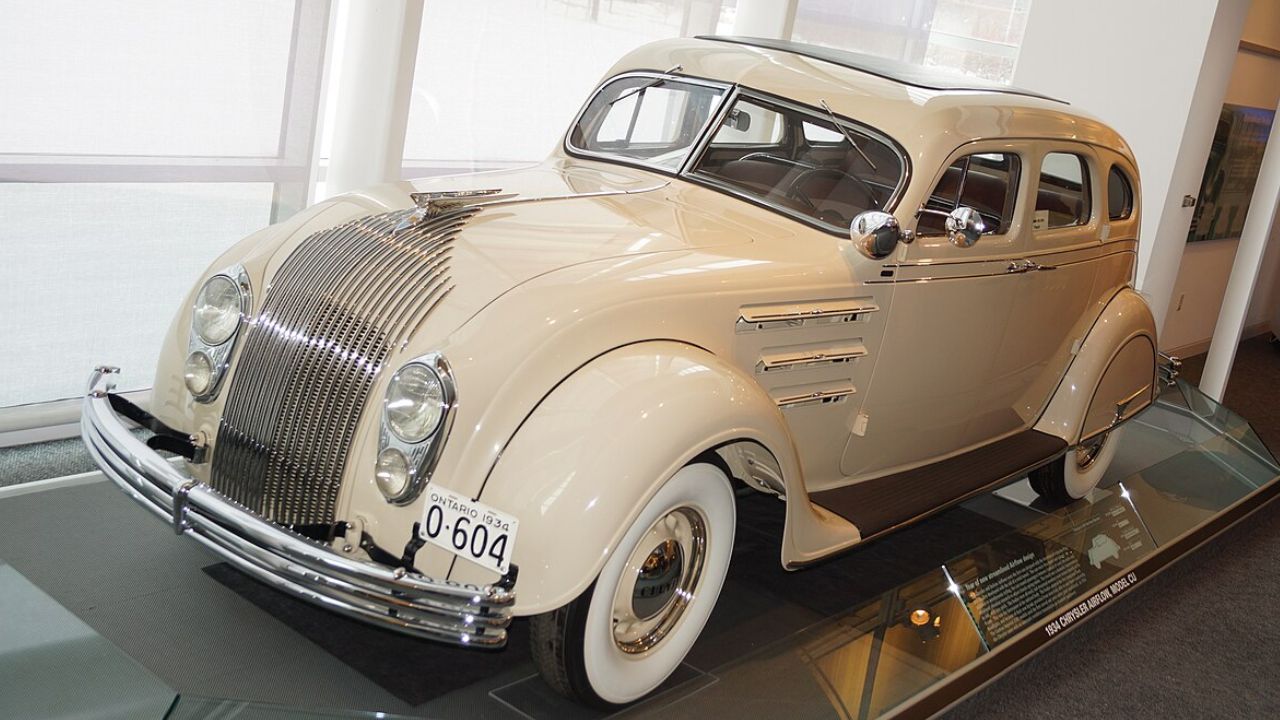
The Chrysler Airflow, introduced in 1934, challenged conventional automotive design by placing a strong emphasis on aerodynamics and passenger comfort. Unlike the boxy vehicles common during the era, the Airflow featured a streamlined body that reduced air resistance and improved stability at higher speeds. Its innovative construction also distributed weight more evenly between the front and rear axles, resulting in better handling and a smoother ride. These forward-thinking design choices addressed efficiency and safety concerns long before they became industry priorities.
Although its unconventional styling was met with mixed reactions from consumers, the Airflow’s engineering innovations influenced future generations of automobiles. Its aerodynamic principles eventually became standard practice across the industry, while its emphasis on structural integrity and balanced weight distribution helped shape modern vehicle design. Today, the Chrysler Airflow is recognized as a landmark achievement that demonstrated how engineering innovation could solve problems decades before the wider automotive market embraced them.
More from Fast Lane Only