Before trucks came with touchscreen displays and panoramic sunroofs, they were built to work—and nobody did it better than Ford. From hauling lumber to pulling stumps, these classics weren’t just transportation; they were tools that helped build farms, towns, and families across America.
Whether it was a flathead-powered hauler or a diesel that never quit, each of these trucks left its mark in its own way. Here are 10 classic Ford trucks that didn’t just move cargo—they helped move the country forward.
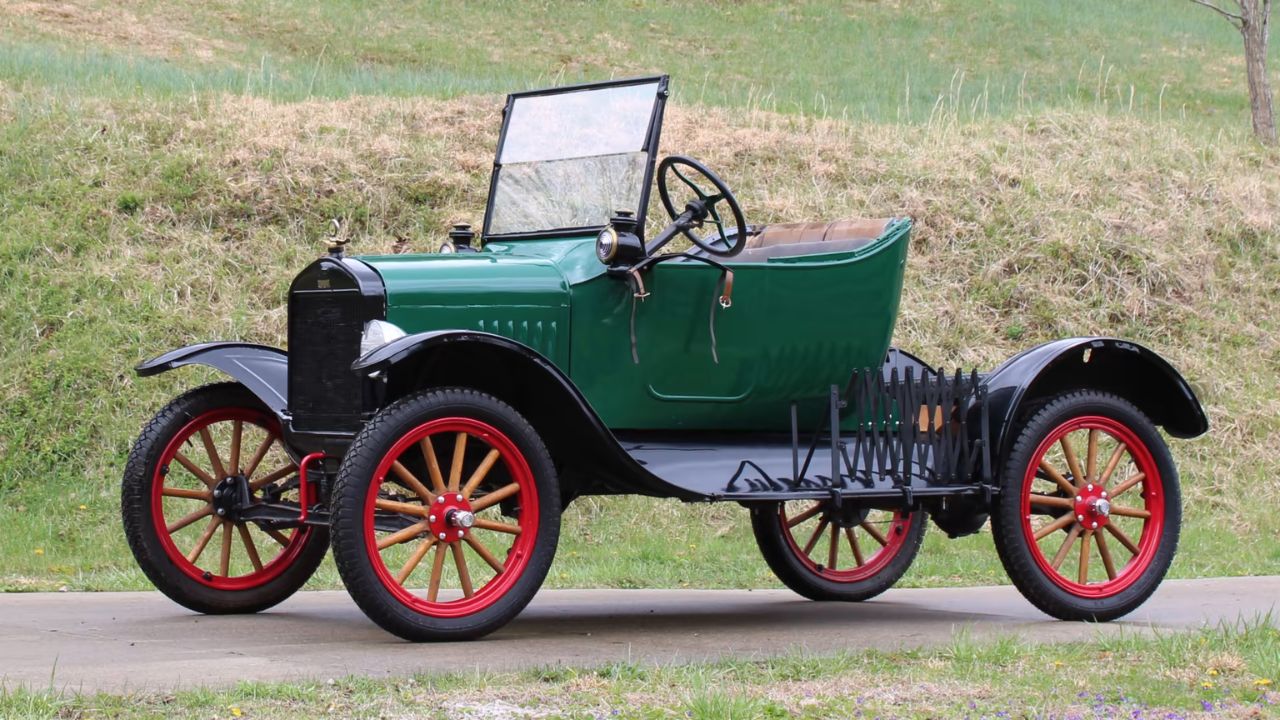
1. 1925 Ford Model T Runabout with Pickup Body
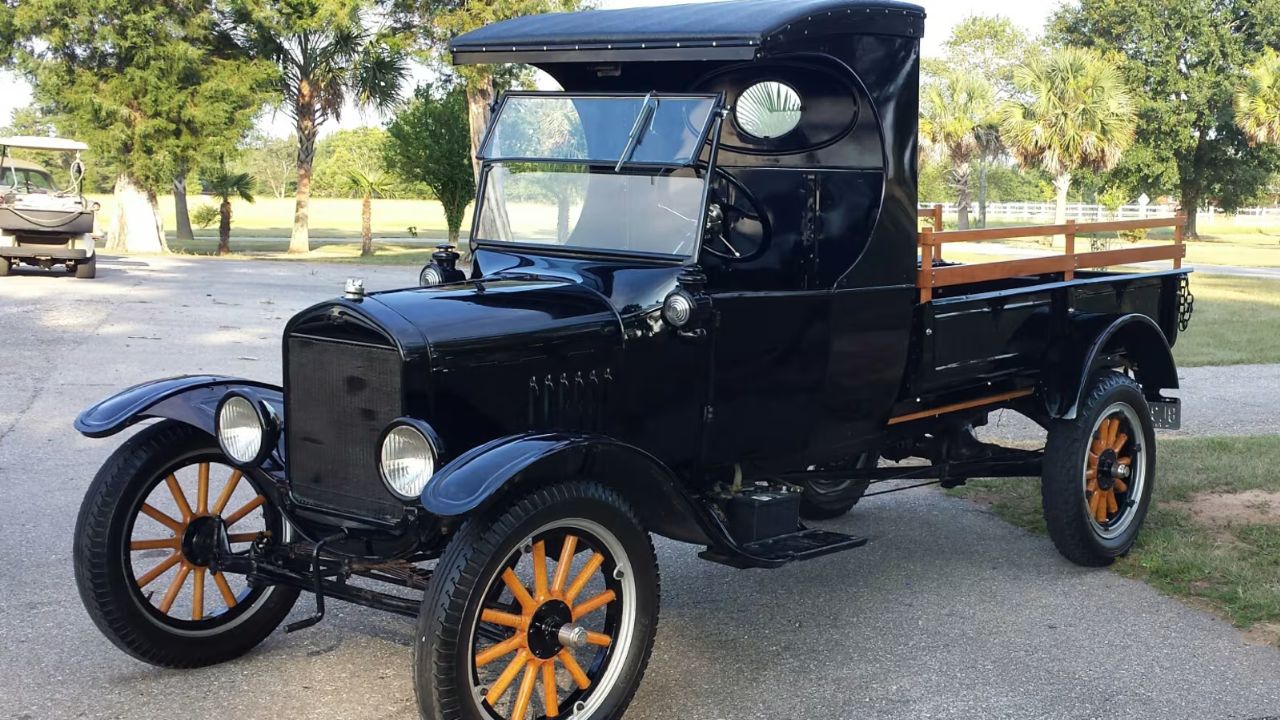
Ford’s first factory-built pickup was the 1925 Model T Runabout with a pickup bed. It wasn’t flashy, but it was functional, offering small businesses and farmers a way to haul without breaking the bank.
With a 20-horsepower inline-four and a wooden bed, it could carry 1,000 pounds of cargo. It marked the beginning of Ford understanding that Americans needed utility—and it laid the groundwork for nearly every pickup that followed.
2. 1935 Ford Model 50 V8 Pickup
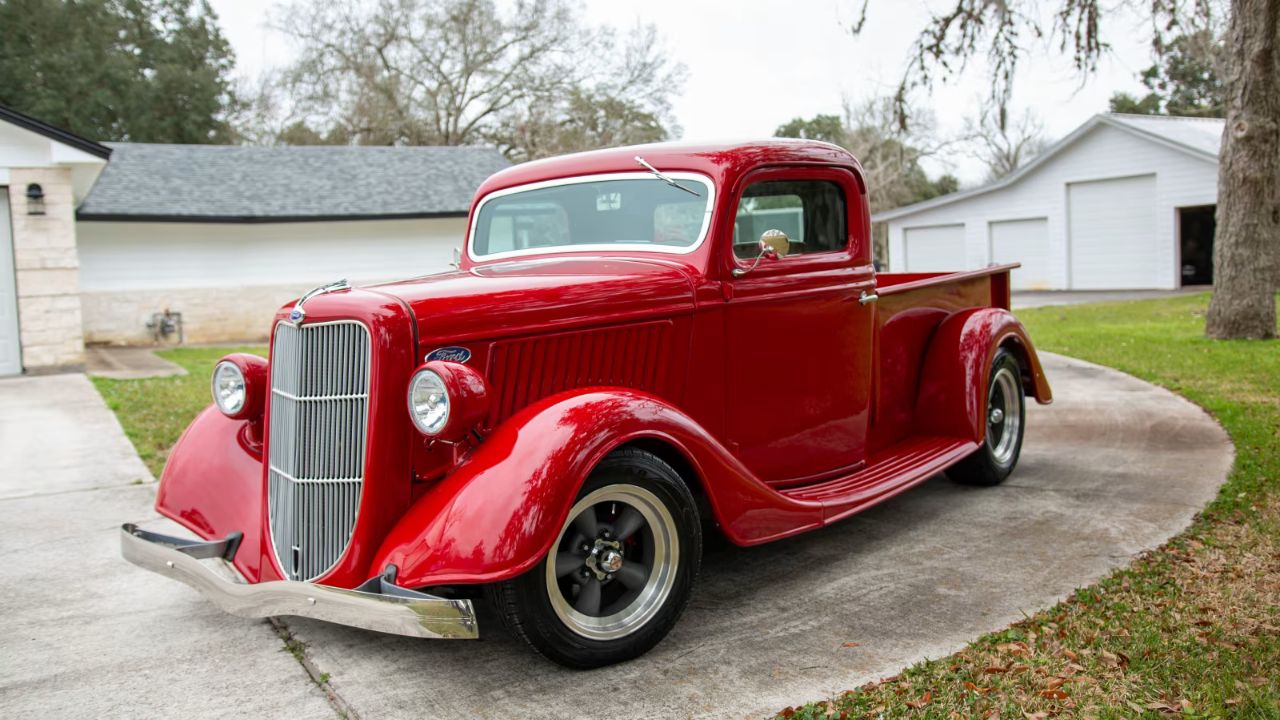
By 1935, Ford had added serious power to its trucks with the flathead V8, making the Model 50 one of the first pickups to offer real muscle under the hood. It put down 85 horsepower—strong for the era—and looked good doing it.
With its art-deco grille, teardrop fenders, and improved suspension, the Model 50 was a working man’s truck that didn’t skimp on style. It was dependable, rugged, and played a big role in keeping businesses moving through the Great Depression.
3. 1948 Ford F-1
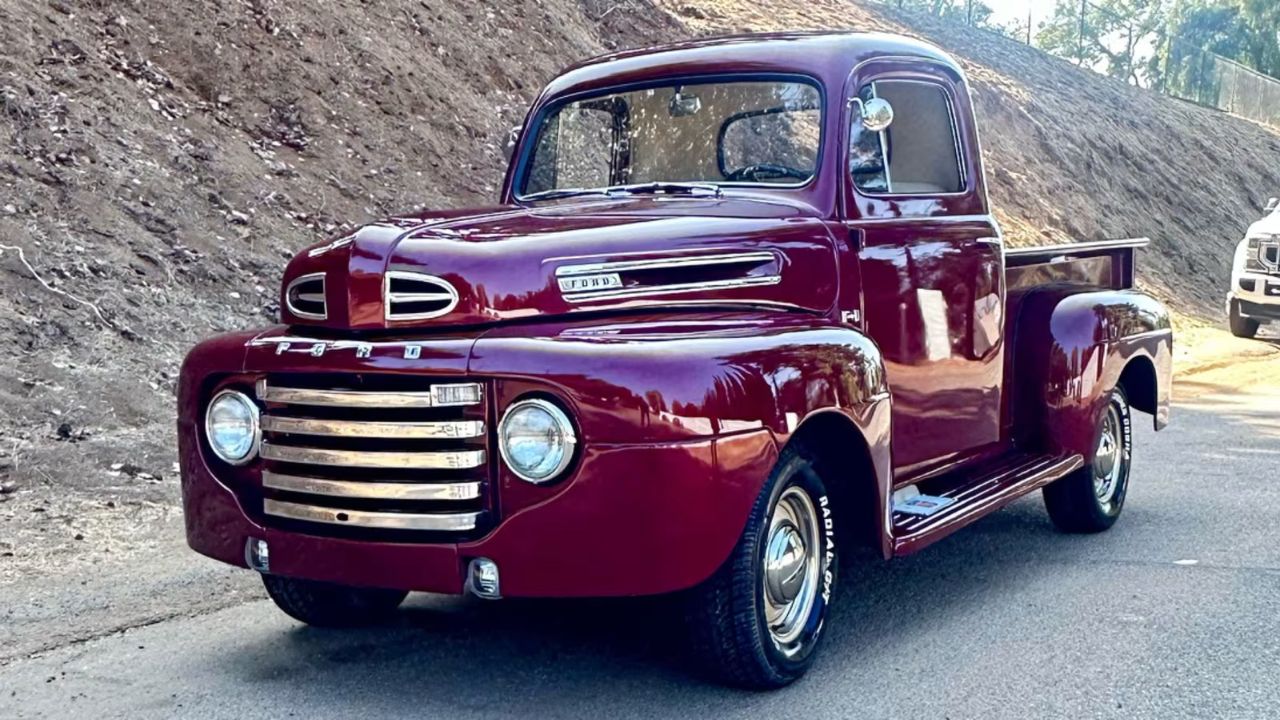
The F-Series began here. Launched right after World War II, the 1948 F-1 was the first Ford truck built on its own dedicated chassis instead of a car platform. It was more durable, better-riding, and came in multiple body styles.
Buyers could choose flathead inline-six or V8 power, and Ford offered options like a heater, radio, and even two-tone paint. This wasn’t just a workhorse—it was the start of a new direction for pickup trucks in America.
4. 1953 Ford F-100
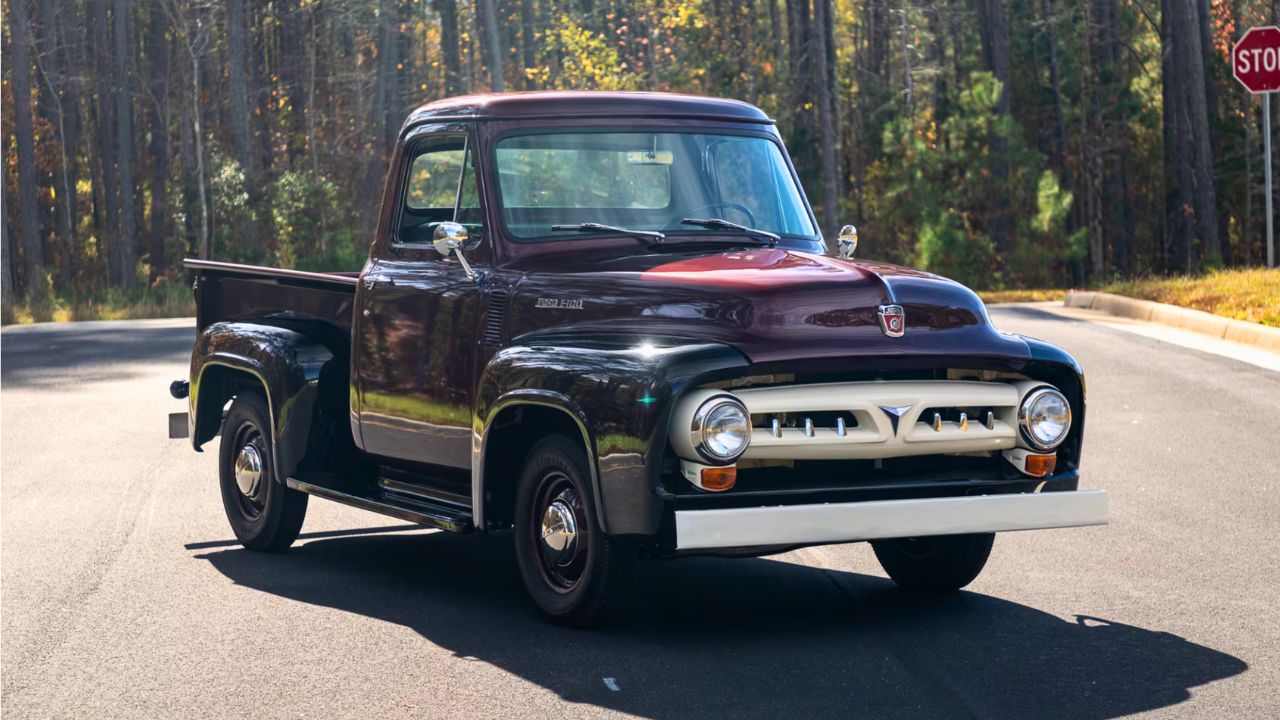
The second-generation F-Series debuted in 1953 with new styling, more interior comfort, and a stronger frame. The F-1 became the F-100, and the available overhead-valve “Y-block” V8 brought more power and smoother running.
This truck helped make pickups appealing for personal use, not just work. With more cab space, improved visibility, and updated suspension, the ’53 F-100 showed that utility and comfort could share the same cab.
5. 1965 Ford F-100 Twin I-Beam
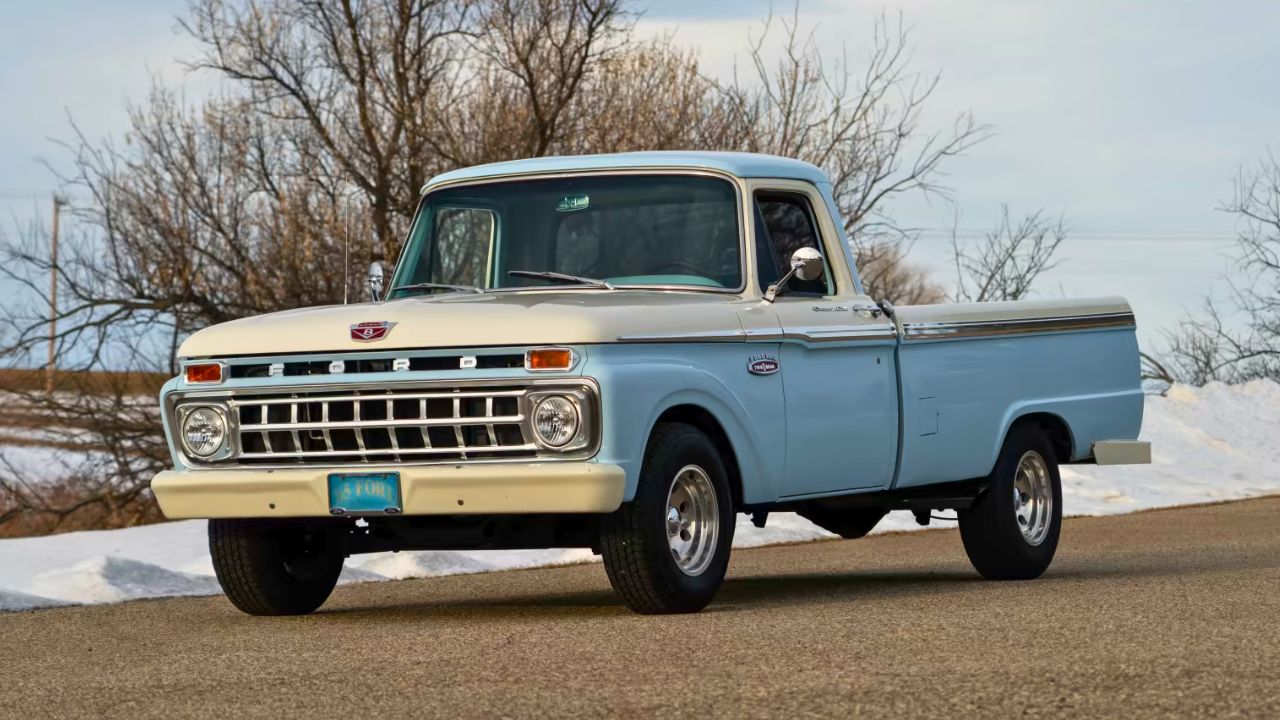
In 1965, Ford introduced the Twin I-Beam suspension, which gave the F-100 a smoother ride and better handling than most of its competitors. It used two separate beams for each front wheel—more comfortable for daily use, yet still tough enough for hauling.
The styling also got squared up with a wide grille and clean lines. Under the hood, buyers could choose anything from a 240 inline-six to a 352 V8. This era of F-100 was a turning point—when trucks started to feel a lot more like cars inside.
6. 1970 Ford F-250 Highboy
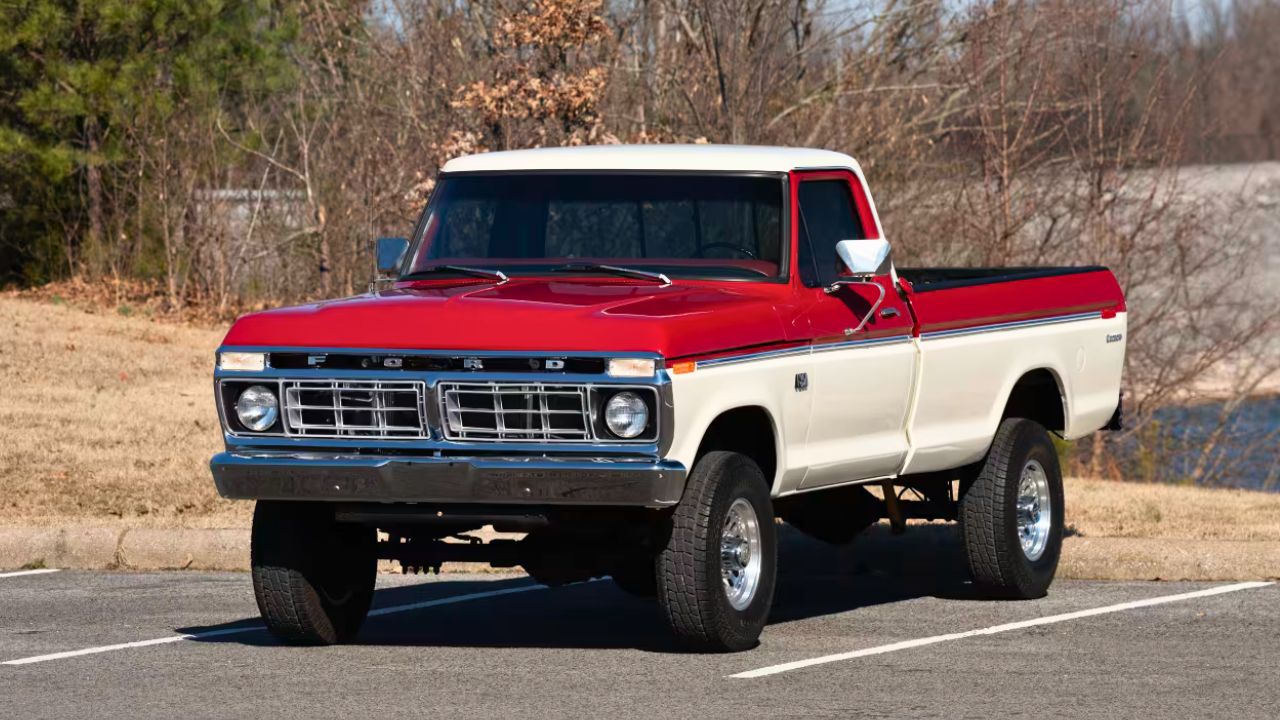
If you needed a truck to get into the backcountry or survive a job site, the F-250 Highboy was the go-to rig. Built with a factory lift, divorced transfer case, and heavy-duty suspension, it was ready to work hard in rough terrain.
The Highboy name wasn’t official—it came from enthusiasts who noticed the taller stance and rugged drivetrain. Powered by FE-series V8s and built with thick-gauge steel, it earned its stripes in logging camps, on ranches, and anywhere toughness mattered.
7. 1979 Ford F-150 Ranger Lariat
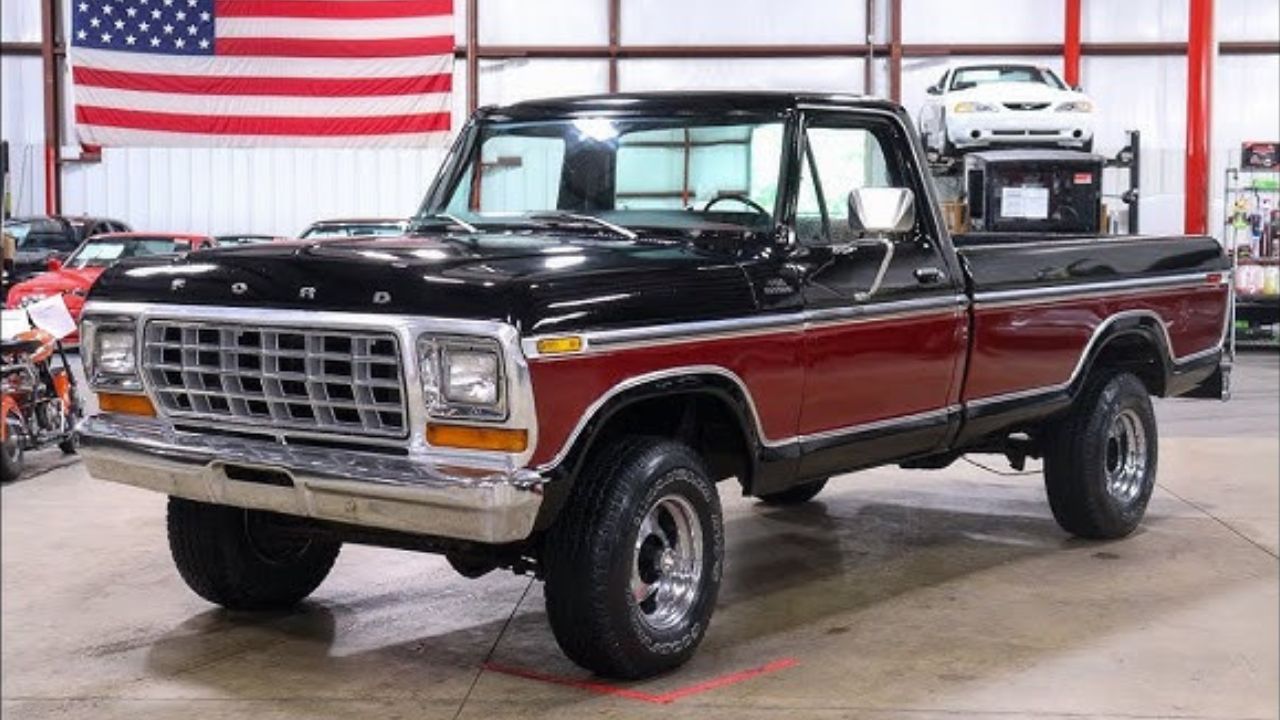
By the late ’70s, trucks were pulling double duty—part workhorse, part daily driver. The 1979 F-150 Ranger Lariat embraced that idea with upscale trim, chrome bumpers, plush bench seats, and woodgrain accents inside the cab.
It was the final year of the sixth-gen F-Series, and buyers could get 351 or 400 cubic-inch V8s, 4WD, and a strong 9-inch rear axle. The Lariat showed that people wanted comfort with capability—and Ford delivered.
8. 1986 Ford F-150 XLT Lariat
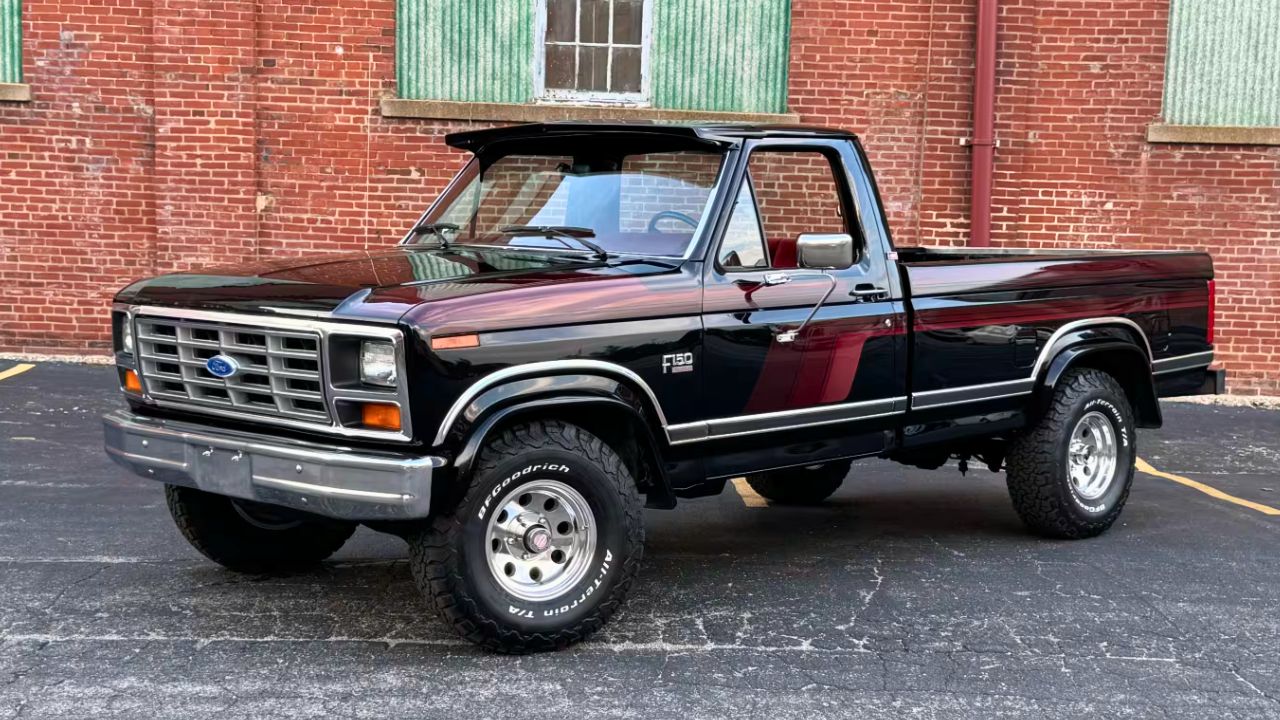
By the mid-’80s, the F-150 had become America’s best-selling vehicle, and the 1986 model showed why. The XLT Lariat package added power windows, upgraded cloth seats, chrome trim, and full gauges—luxuries for a truck at the time.
You could still spec it with a 300 inline-six or 302/351 V8s, and it came with optional fuel injection. These trucks were reliable, durable, and offered more refinement than the average work truck. It was a sign of things to come—where trucks became everyday vehicles for millions of people.
9. 1993 Ford F-250 HD
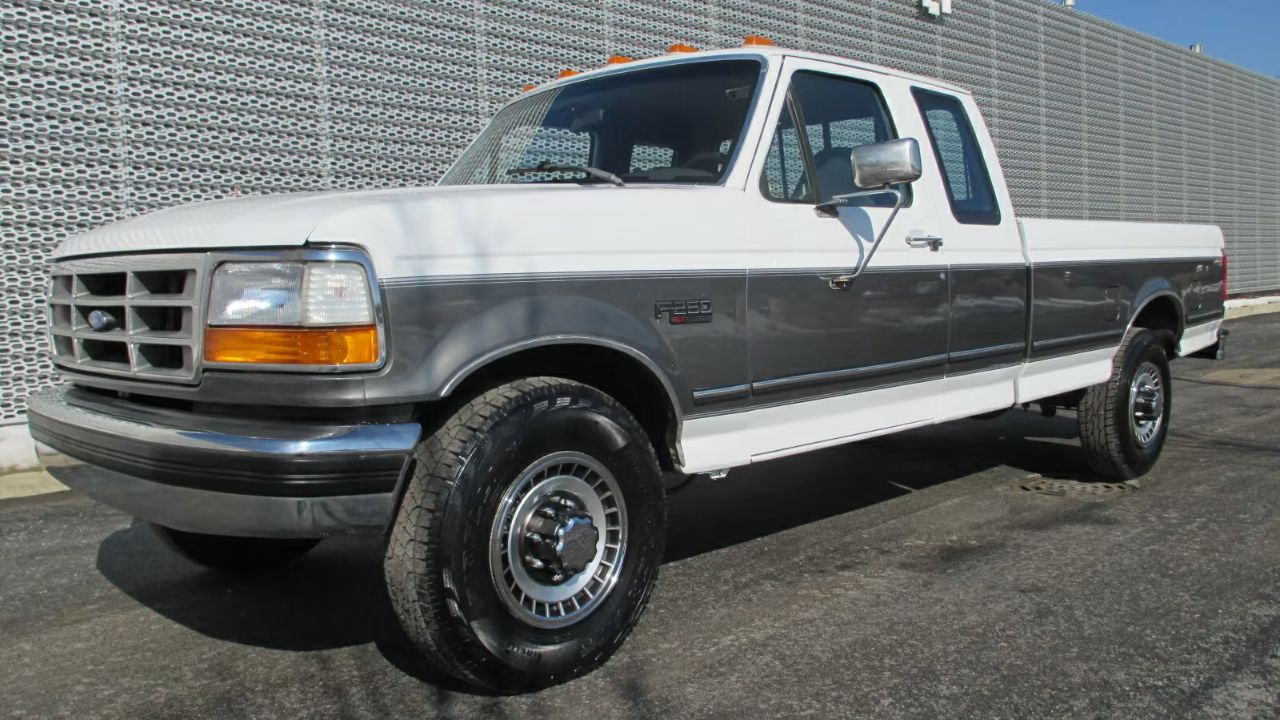
Before the Super Duty lineup debuted, the heavy-duty F-250 carried the load. The 1993 model was built tough, with twin I-beam suspension up front and a Dana 60 axle out back on 4×4 models. Engine choices included the 7.5L V8 or the 7.3L IDI diesel—long before the Power Stroke name arrived.
These trucks were made for hauling heavy trailers, fifth wheels, and construction gear. You’d find them on farms, job sites, and towing campers across the country. They were plain, powerful, and hard to kill.
10. 1996 Ford F-150 Eddie Bauer
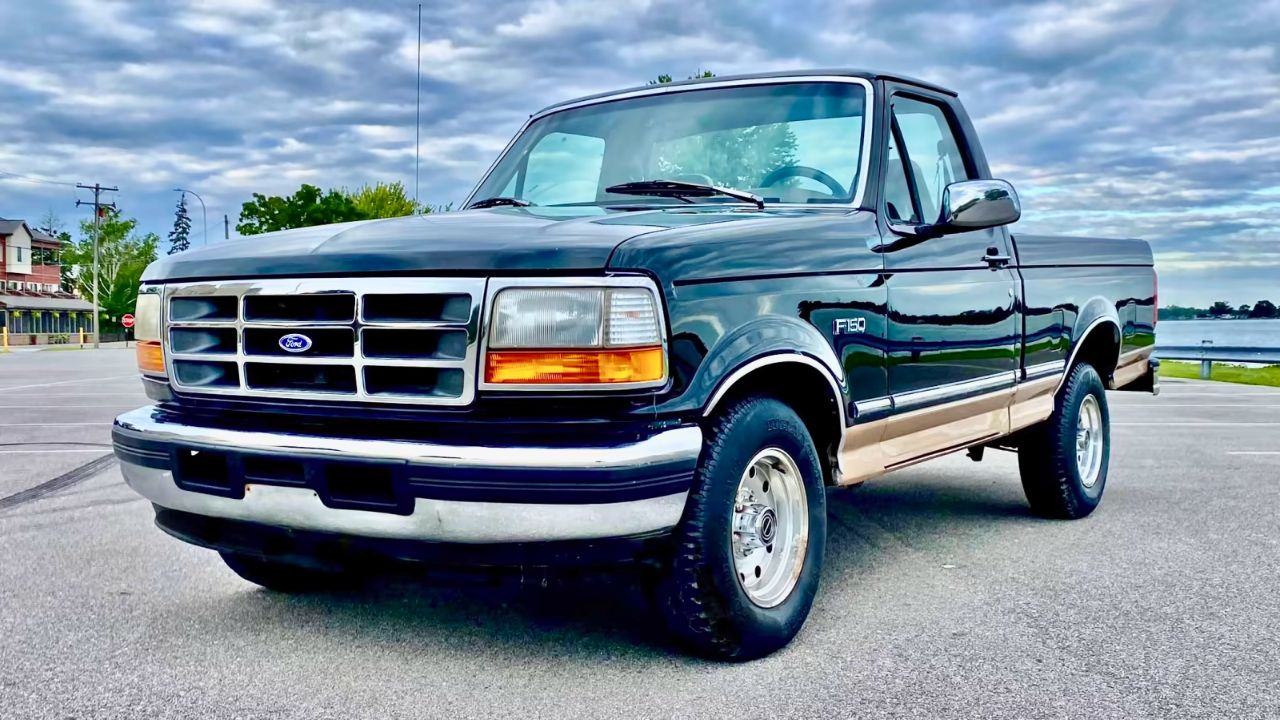
Right before the switch to the 10th generation, Ford pushed the 9th-gen F-150 to its most refined point. The Eddie Bauer edition added two-tone paint, captain’s chairs, premium trim, and a 5.0L or 5.8L V8. It was as close to an SUV as you could get in a pickup.
Buyers loved the blend of function and luxury, and the 1996 model marked the end of the classic F-Series boxy look. It closed the chapter on traditional truck design before Ford ushered in a smoother, more rounded era.
*This article was hand crafted with AI-powered tools and has been car-fully, I mean carefully, reviewed by our editors.