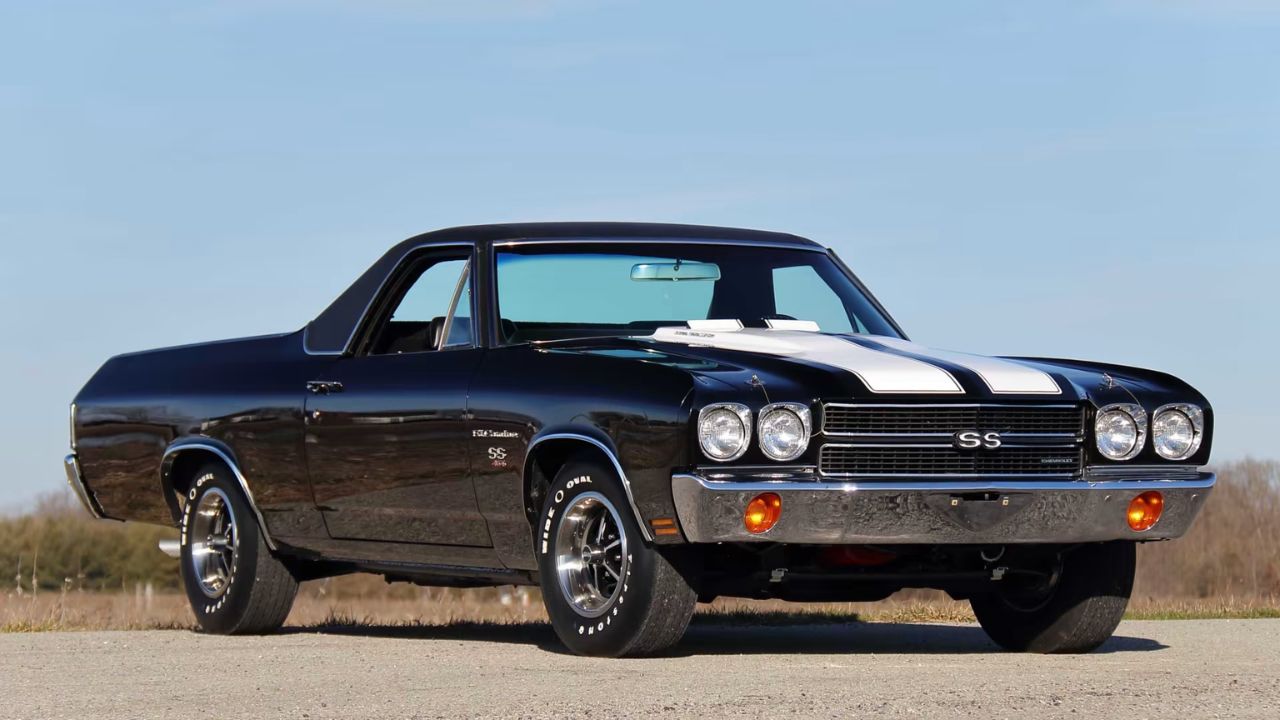
When it comes to muscle cars with attitude, the 1970 Chevrolet El Camino SS 454 might be one of the coolest rule-breakers ever built. It wasn’t quite a car, and it wasn’t quite a truck—but it packed more punch than most things on the road in its day. Built on the Chevelle platform and optioned with Chevy’s nastiest big-block, the El Camino SS blurred the line between muscle and utility in the best way possible.
It may not have gotten the spotlight like its coupe sibling, but this one-year wonder still stands tall. Here’s why the 1970 El Camino SS 454 has earned its place in muscle car history.
1. It Was Built on the Chevelle Platform
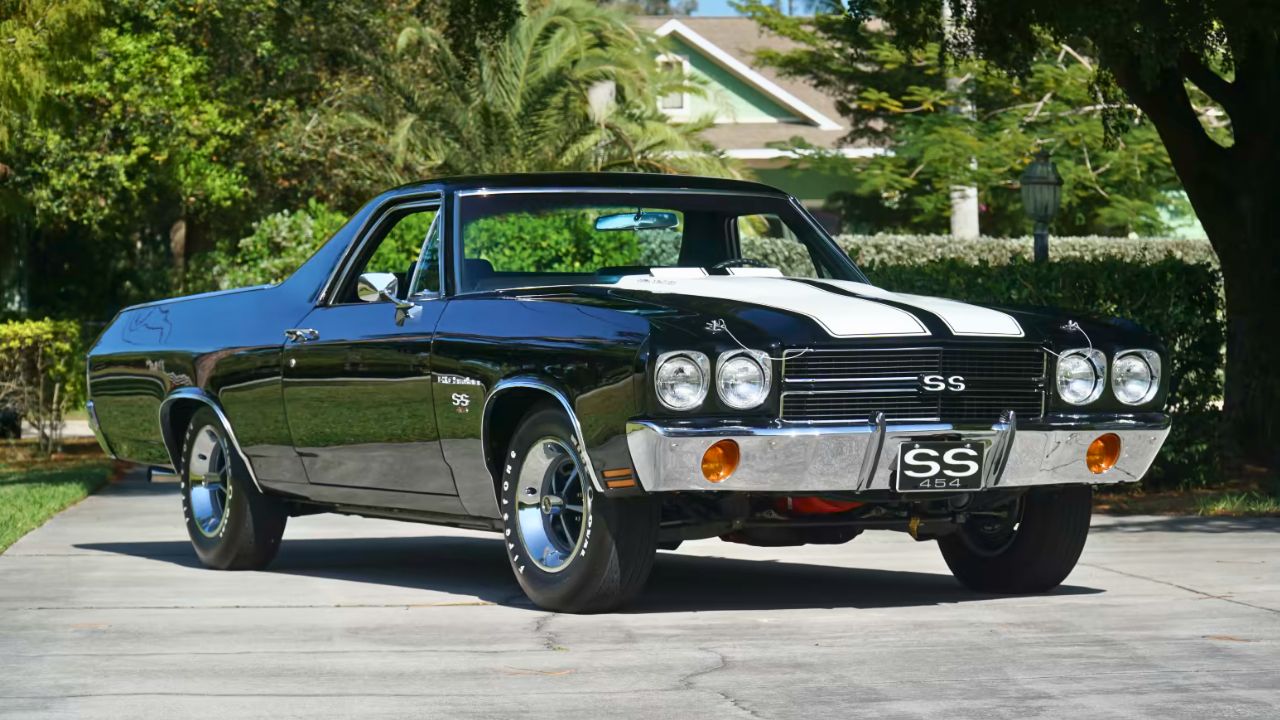
The 1970 El Camino shared its chassis and running gear with the Chevelle, which was a blessing in disguise. That meant the El Camino could be optioned with all the go-fast hardware found in Chevrolet’s most iconic muscle car.
Underneath, it had the same A-body architecture, so you got coil springs at all four corners, a boxed frame, and the same suspension tuning that made the Chevelle SS a legend. It handled more like a car than a truck, but still offered pickup practicality.
2. The LS6 454 Made It the Most Powerful El Camino Ever

Chevy’s LS6 454 engine was the crown jewel of 1970—and the El Camino SS could be optioned with it. With 450 hp and 500 lb-ft of torque, it was the most powerful engine ever offered in a factory El Camino.
Backed by either a Muncie M22 “Rock Crusher” 4-speed or Turbo 400 automatic, the LS6 turned the El Camino into a real street brawler. Zero to 60 came in the low 5-second range, and the quarter mile flashed by in the high 13s—serious numbers for a vehicle with a bed.
3. Functional Cowl Induction Added Style and Performance
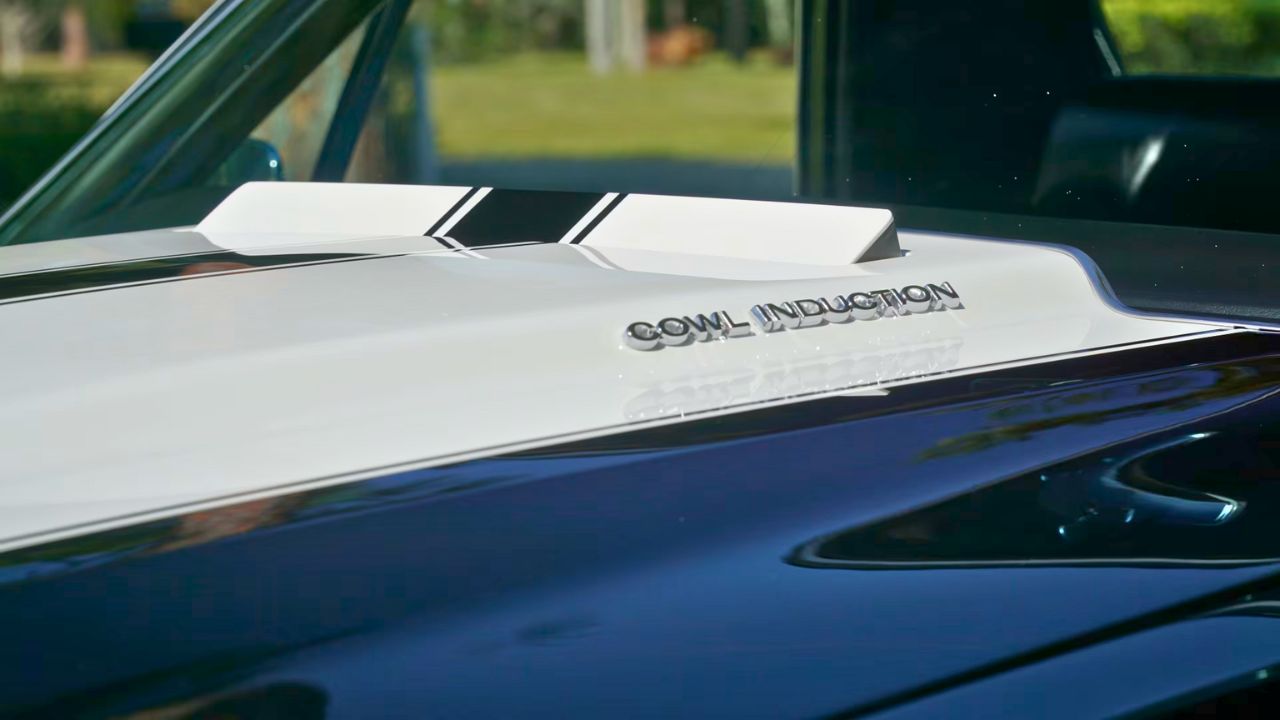
The 1970 SS 454 El Camino could be optioned with a cowl induction hood that wasn’t just for looks. A vacuum-operated flap at the base of the windshield opened under throttle, pulling in high-pressure, cooler air from the cowl area.
This setup helped improve throttle response and added a little extra edge to the already potent 454. Combined with the aggressive twin hood stripes, it gave the El Camino the muscle car attitude it earned—visually and mechanically.
4. The SS Package Was More Than Just Badges
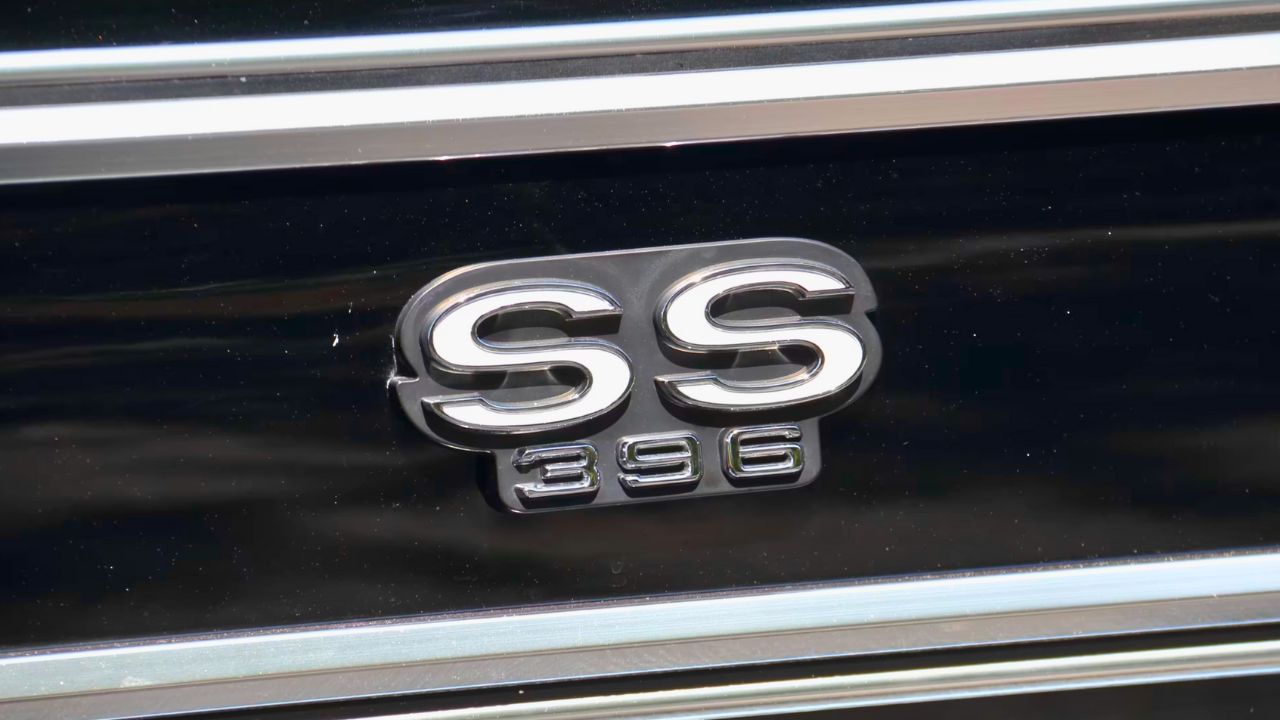
When you checked the SS option box on the 1970 El Camino, you got a lot more than just a few emblems. It included a special suspension package with stiffer springs and upgraded shocks, power front disc brakes, and a 12-bolt rear axle.
You also got the signature SS grille, blacked-out trim, and sport mirrors. Inside, the dash came with round gauges and optional tachometer. It was a full-blown performance package, not just cosmetic flare.
5. It Had One of the Best-Looking Front Ends of the Era
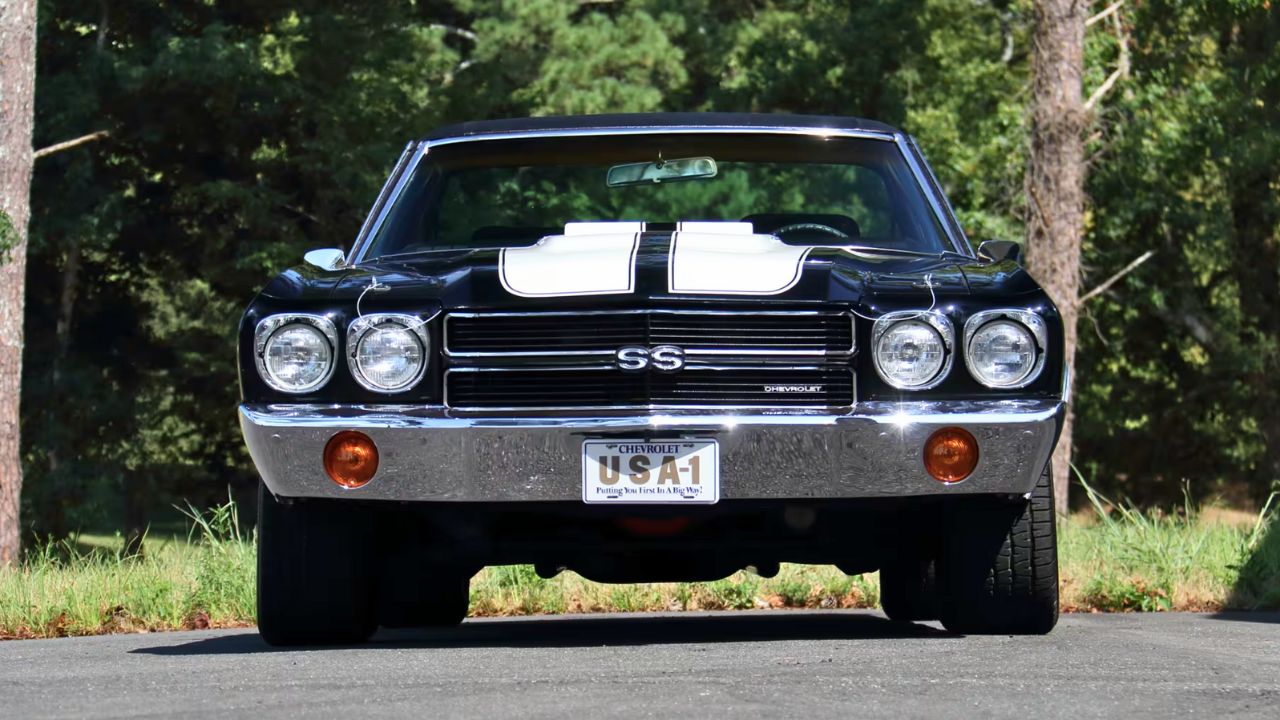
The 1970 model year brought a complete redesign to the Chevelle and El Camino front end. With quad headlamps, a bold center grille, and a more sculpted hood, the El Camino SS looked lean and aggressive from any angle.
That front end is one reason so many collectors gravitate toward the 1970. It’s a one-year-only look that set it apart from the smoother designs of ’68–’69 and the heavier styling of ’71–’72.
6. Rear Coil Springs Gave It a Better Ride Than Most Pickups
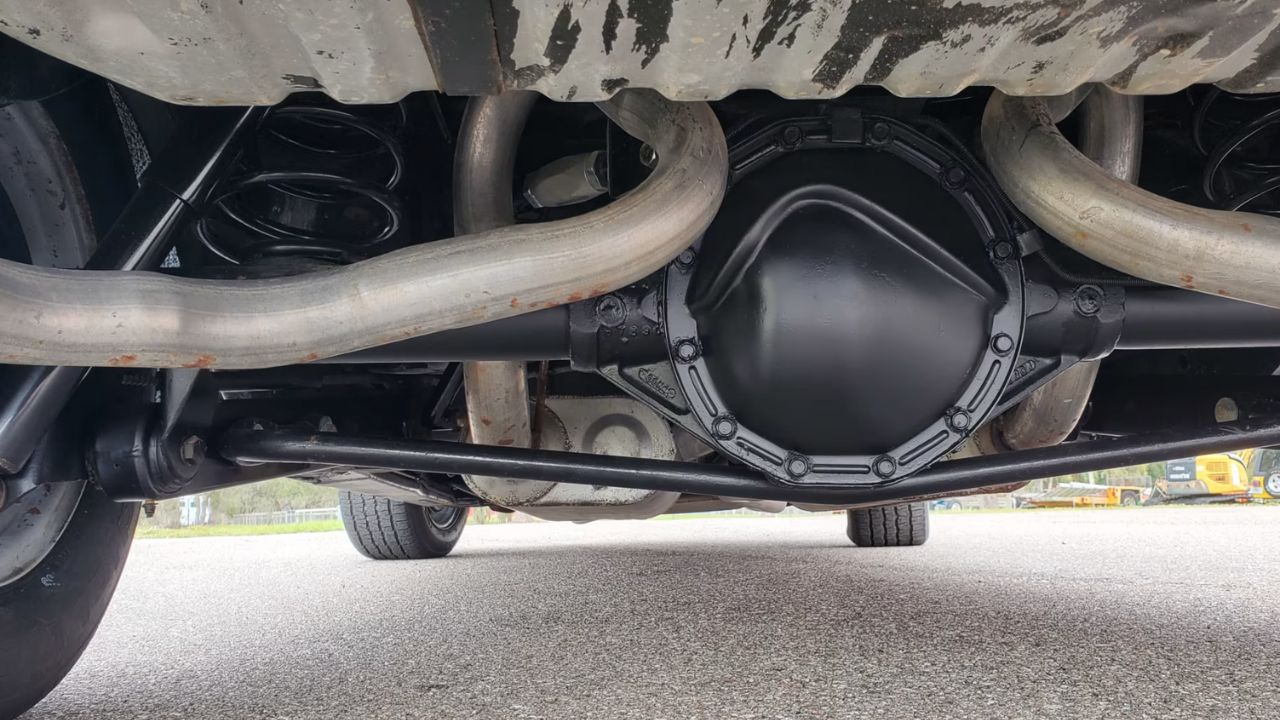
Unlike traditional leaf-spring pickups, the El Camino SS 454 used coil springs out back—just like the Chevelle. That gave it a smoother ride, better handling, and improved weight transfer under hard acceleration.
While you weren’t hauling gravel with this thing, it could still carry a decent payload. But more importantly, it hooked well off the line and didn’t feel like a truck in corners. That rear suspension setup was part of what made it a true hybrid between muscle car and hauler.
7. Interior Appointments Were Car-Like and Sporty
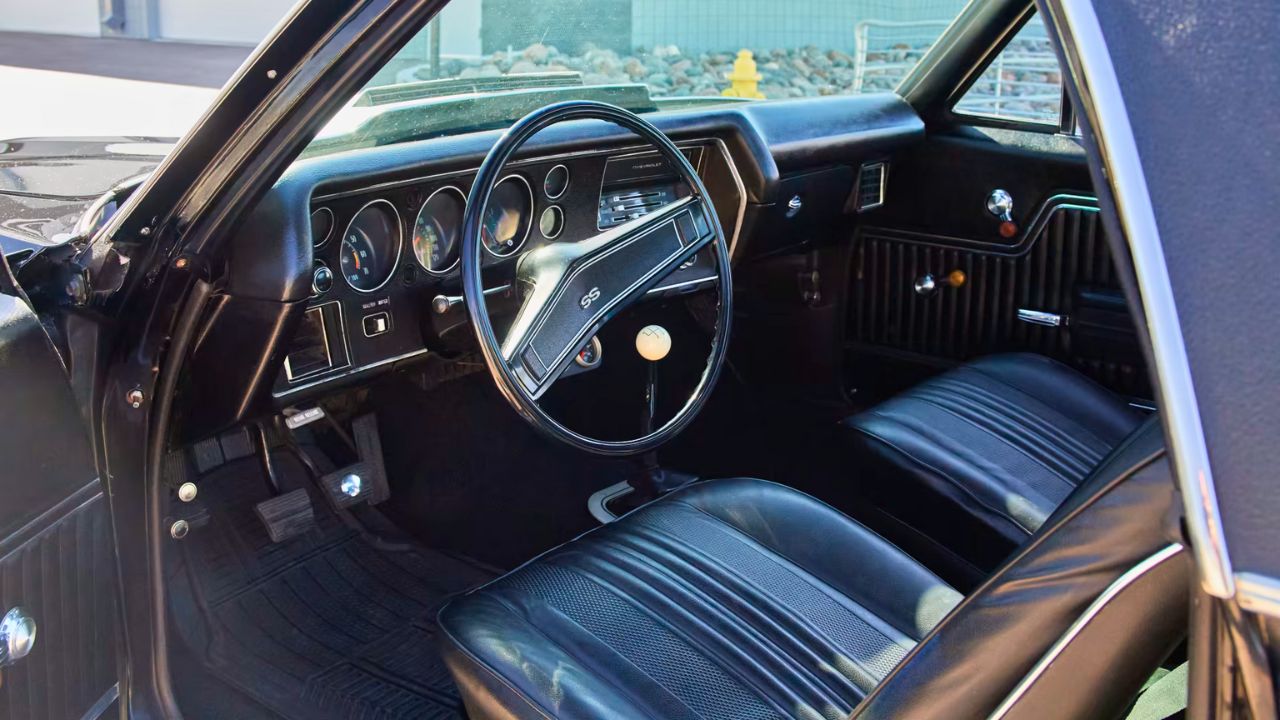
Inside, the El Camino SS was more Chevelle than pickup. You could get bucket seats with a center console, full instrumentation, and even an AM/FM stereo. The dashboard had a clean layout, and SS models included optional Rally gauges.
This wasn’t a stripped-down work truck—it was a personal vehicle with real muscle car ambition. Buyers could spec theirs with power windows, tilt wheel, and air conditioning, giving it everyday comfort along with weekend performance.
8. It Was a Rare Factory Muscle Truck
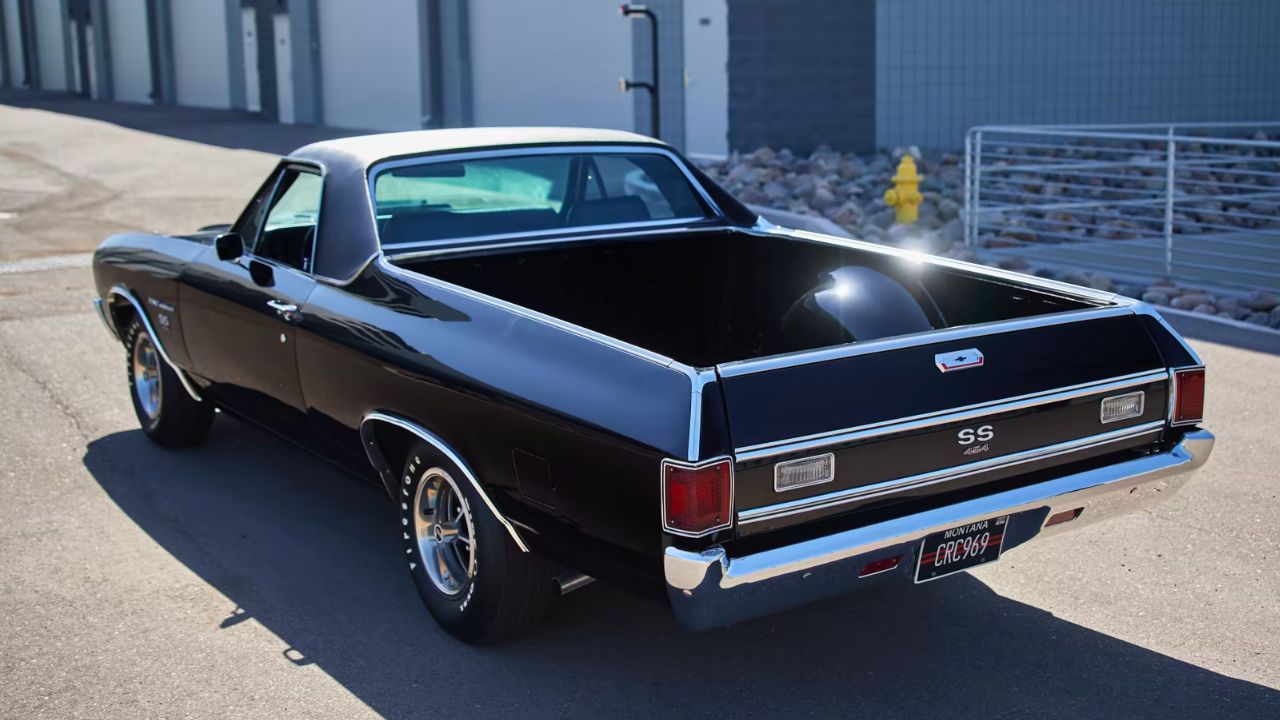
While the Chevelle SS 454 saw solid production numbers, the El Camino version was always built in smaller quantities. Only around 4,475 LS5-powered SS 454 El Caminos were made in 1970—and even fewer with the high-output LS6.
That rarity has helped values climb steadily in recent years. It’s one of the few muscle cars that also counts as a utility vehicle, and it never quite got the mass appeal of the Chevelle. For some collectors, that’s exactly what makes it so desirable.
9. It Could Be Ordered With 3.31, 3.55, or 4.10 Gears
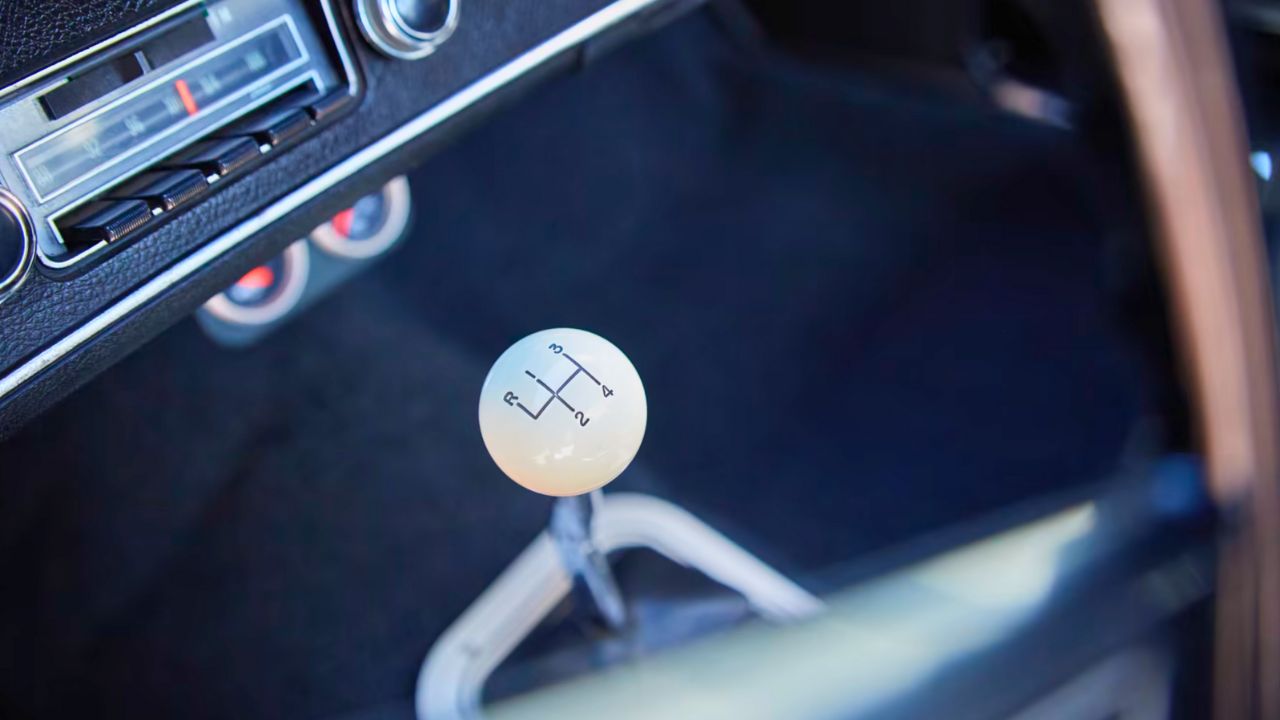
One of the performance advantages of the El Camino SS 454 was the gear ratio flexibility. You could get it with 3.31 or 3.55 gears for street driving, or go all-in with a 4.10 rear for dragstrip dominance.
When paired with the right gearing, the torque-rich LS6 made the El Camino shockingly quick off the line. Many owners used them for weekend bracket racing—and a few for towing their race cars, too.
10. It’s Still One of the Coolest Muscle Hybrids Ever Built
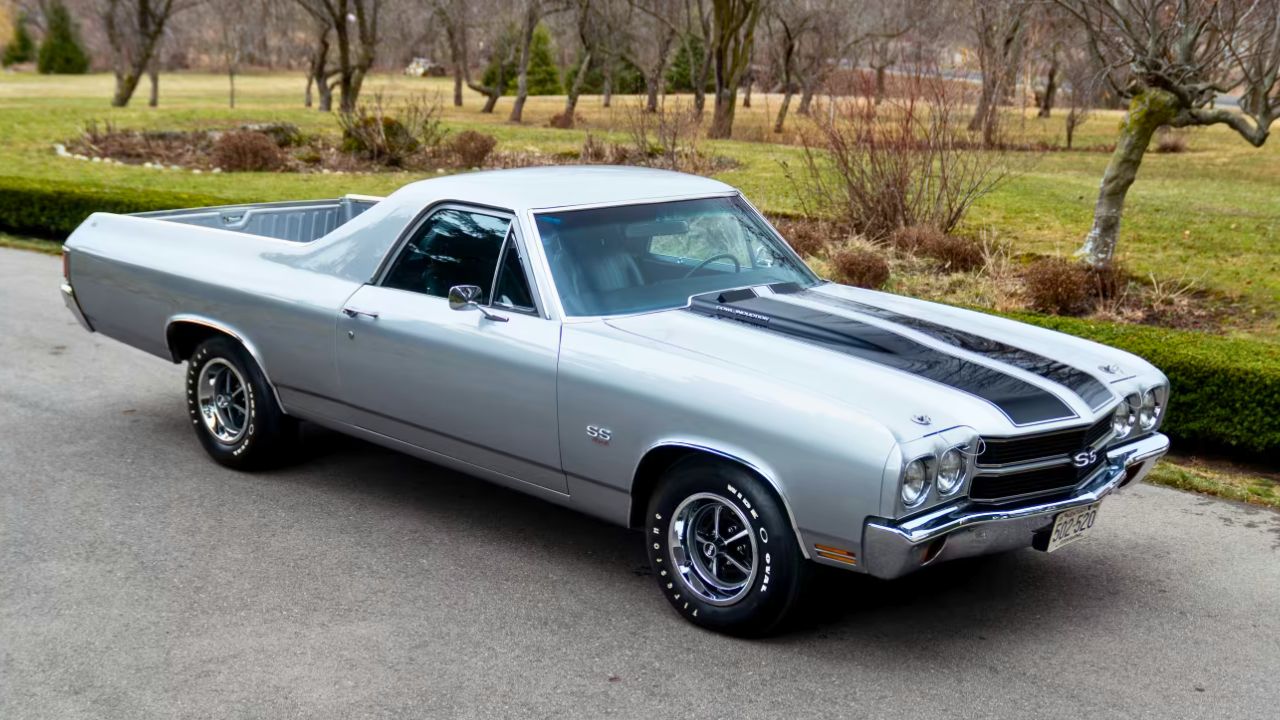
There’s something timeless about the idea of a muscle car with a bed. The 1970 El Camino SS 454 didn’t just lean into that identity—it perfected it. It offered big-block power, sharp styling, and daily drivability with enough room in the back to haul a dirt bike or parts run.
It might not have the same name recognition as a Chevelle SS, but for those in the know, the 1970 El Camino SS 454 is one of the best examples of what Detroit muscle looked like when it refused to compromise.
*This article was hand crafted with AI-powered tools and has been car-fully, I mean carefully, reviewed by our editors.