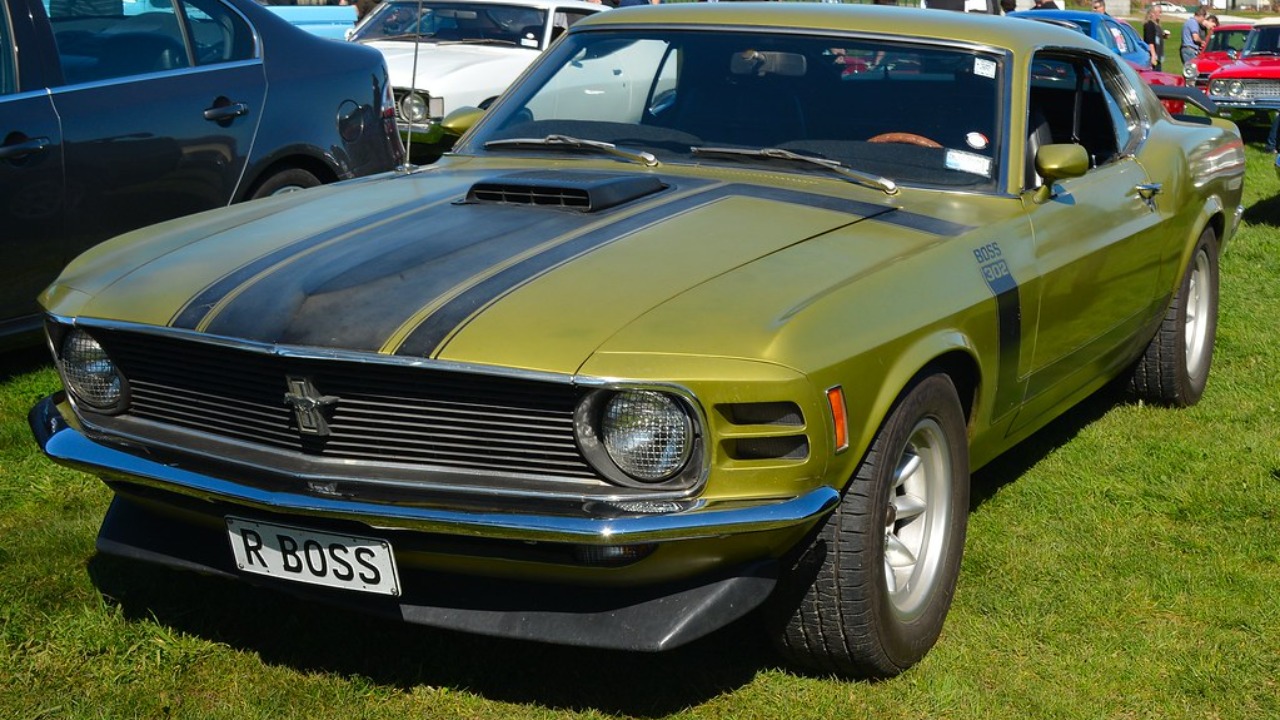
Classic muscle cars are often remembered for straight-line power, but the best examples also delivered something more important: raw, unfiltered driving feel. Before traction control, adaptive suspensions, and electronic filters, these machines connected driver and road with mechanical honesty that modern performance cars often dilute.
The following muscle cars stand out not just for horsepower, but for steering feedback, chassis balance, throttle response, and the unmistakable sensation of driving something alive. These are the cars that defined what “pure” really meant behind the wheel.
1969 Chevrolet Camaro SS
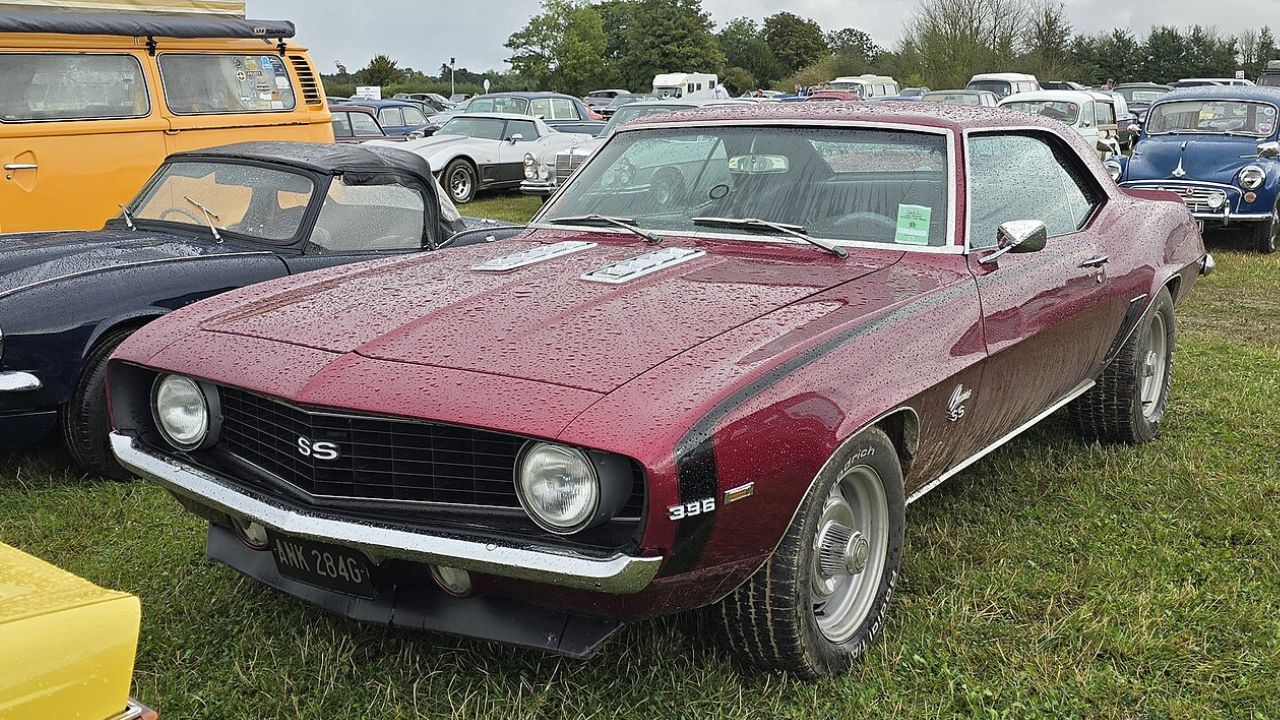
The 1969 Chevrolet Camaro SS is one of the most iconic expressions of American muscle driving feel. With its tight proportions, heavy V8 torque, and relatively simple suspension setup, it delivered a direct and mechanical connection between driver inputs and road behavior.
What made it special was not refinement but responsiveness. Steering feedback was raw, throttle delivery was immediate, and the chassis communicated road conditions clearly. Drivers still value it today because it feels honest rather than filtered or assisted.
1970 Dodge Challenger R/T
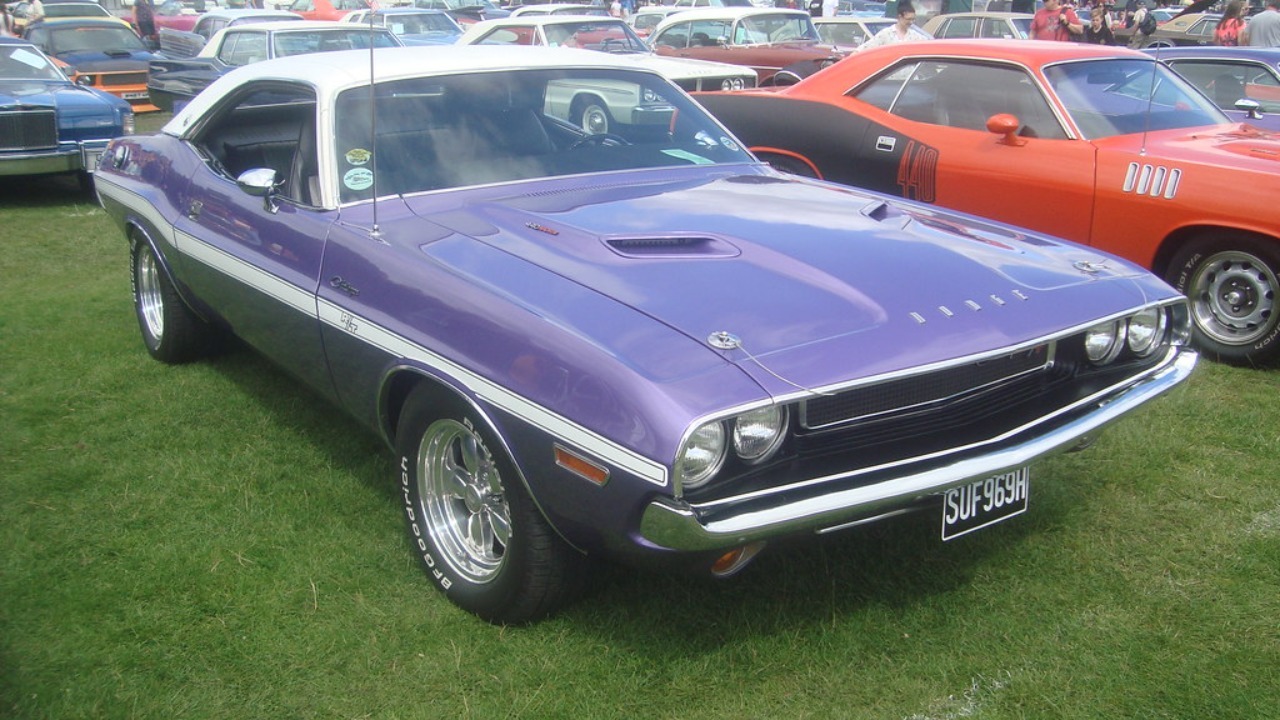
The 1970 Dodge Challenger R/T combined aggressive styling with big-block power and a surprisingly engaging driving character. While it was built for straight-line speed, its long-wheelbase stability also made it feel planted at high speed.
Despite its size, the Challenger R/T delivered strong mechanical feedback through its steering and drivetrain. Enthusiasts appreciate it today because it preserves the raw muscle car experience without modern interference.
1965 Ford Mustang GT
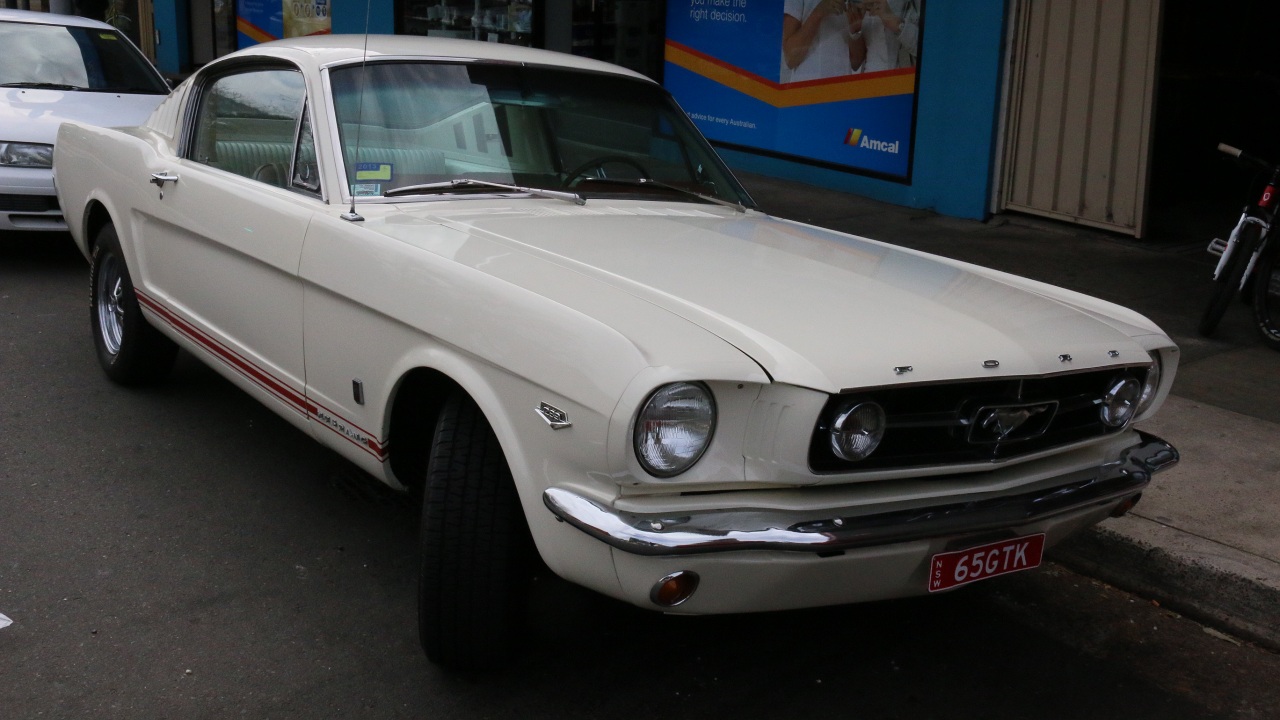
The 1965 Ford Mustang GT introduced a lighter, more agile approach to muscle car performance. Compared to later, heavier models, it felt more like a sporty coupe with V8 power rather than a brute-force machine.
Its simplicity is what makes it special. Minimal weight, responsive steering, and direct engine behavior give drivers a sense of immediacy that defines early muscle car charm.
1970 Chevrolet Chevelle SS 454
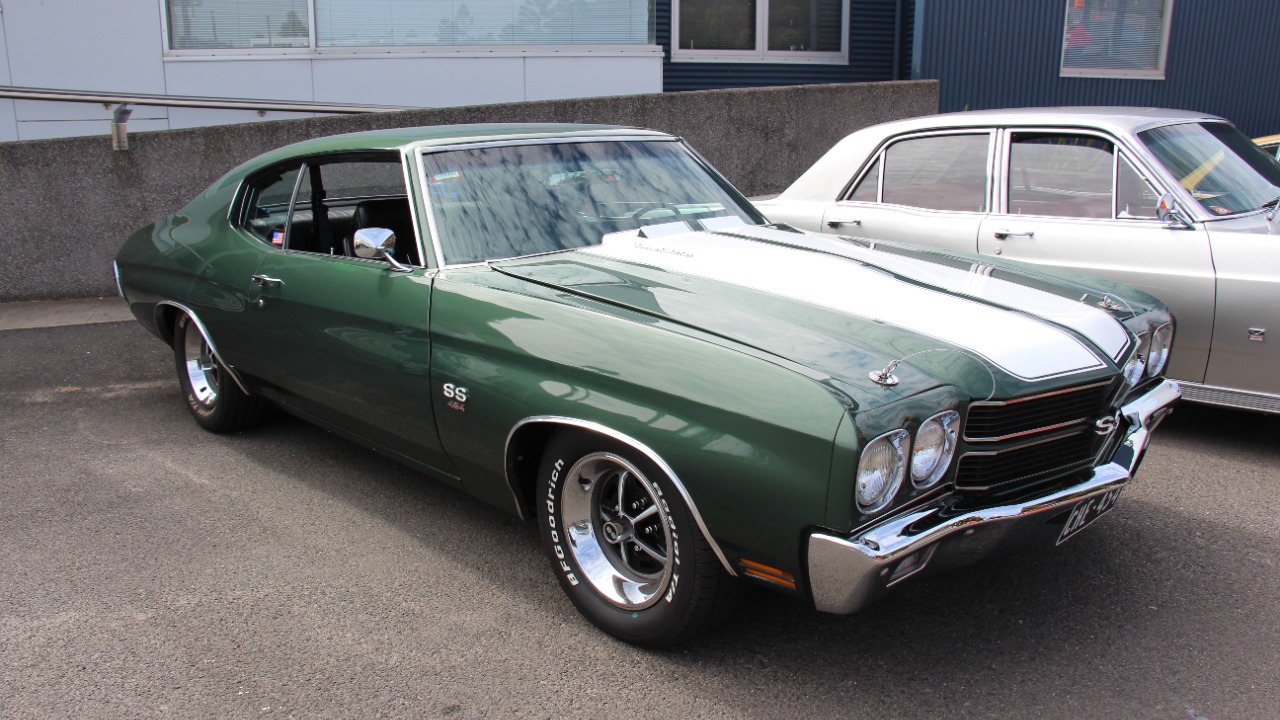
The 1970 Chevrolet Chevelle SS 454 is often remembered for its massive horsepower, but its driving feel was equally important. The LS6-powered versions delivered explosive acceleration with little delay or electronic smoothing.
The car’s heavy-duty chassis gave it a grounded, mechanical sensation. Every throttle input translated directly into forward motion, creating one of the most visceral big-block experiences of the era.
1968 Plymouth Road Runner

The 1968 Plymouth Road Runner was built with one philosophy: simplicity and speed. With minimal luxury features and a focus on performance, it delivered one of the most stripped-down driving experiences in muscle car history.
That lack of refinement is exactly what made it feel so direct. Road feedback, engine vibration, and raw exhaust sound created an unfiltered driving environment that enthusiasts still admire today.
1969 Pontiac GTO Judge
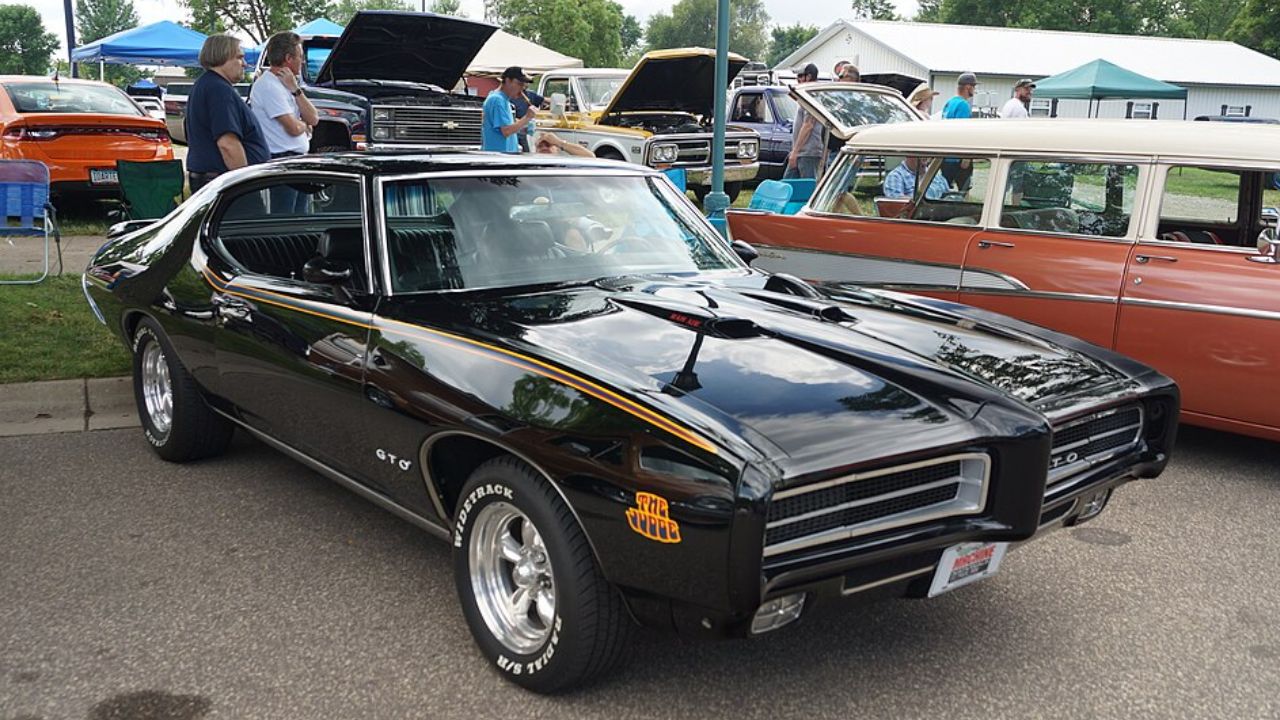
The 1969 Pontiac GTO Judge combined bold styling with a powerful Ram Air setup that made it feel aggressive and alive on the road. Its V8 response and suspension tuning gave it a strong sense of personality.
Drivers appreciated how mechanical and predictable it felt at the limit. It didn’t isolate the driver—it involved them, making every acceleration and cornering moment feel intentional.
1971 Plymouth ’Cuda 440 Six Pack
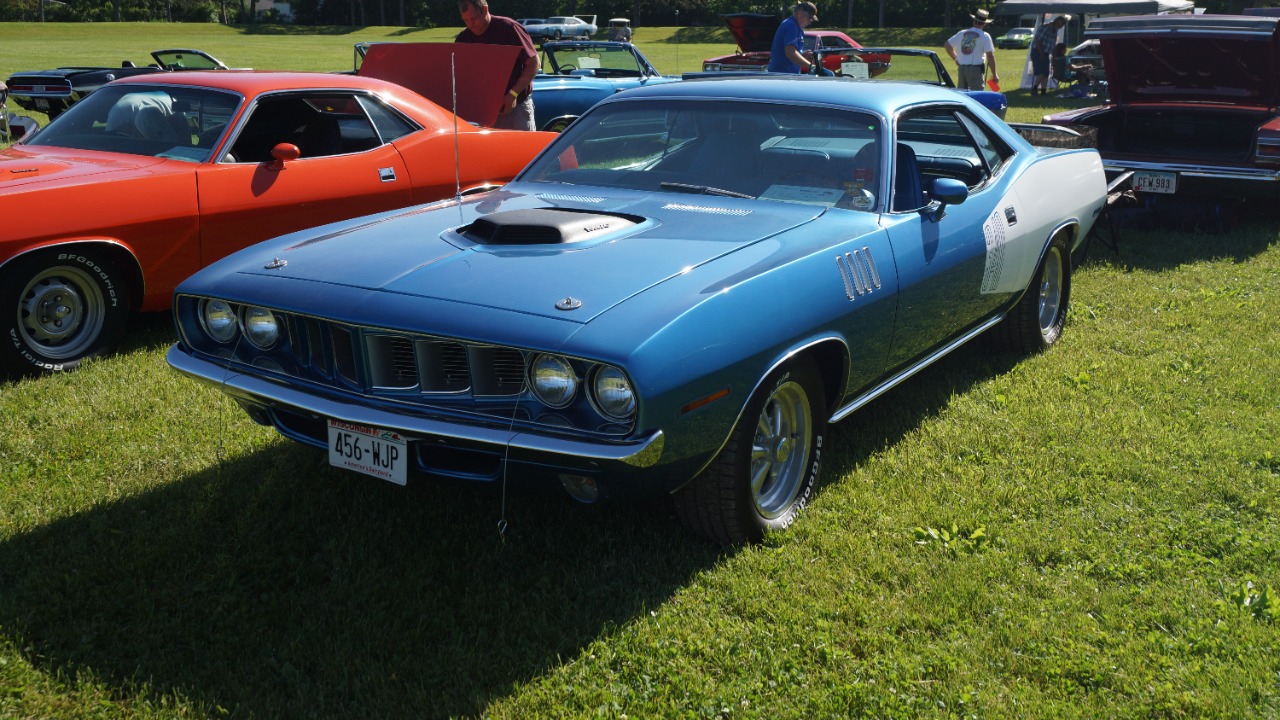
The 1971 Plymouth ’Cuda 440 Six Pack delivered a uniquely raw muscle car experience. Its triple-carburetor setup provided sharp throttle response, especially in mid-range power delivery.
The chassis felt heavy but communicative, giving drivers a clear sense of speed and load transfer. It remains a favorite among enthusiasts who value unfiltered V8 character over refinement.
1966 Chevrolet Nova SS
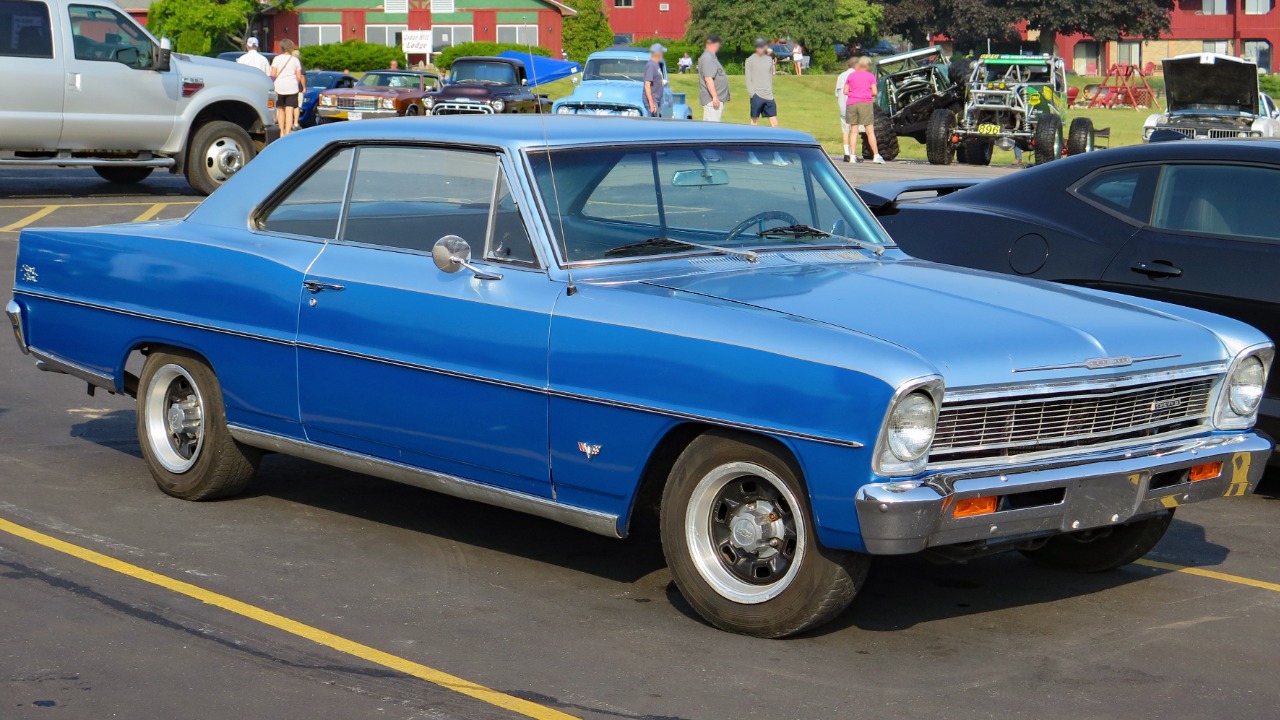
The 1966 Chevrolet Nova SS was compact, lightweight, and surprisingly aggressive when equipped with V8 power. Its smaller size compared to full-size muscle cars gave it a more responsive and playful driving character.
It delivered a strong sense of connection between steering input and vehicle reaction. This made it one of the most engaging sleeper-style muscle cars of its time.
1969 Ford Mustang Boss 302
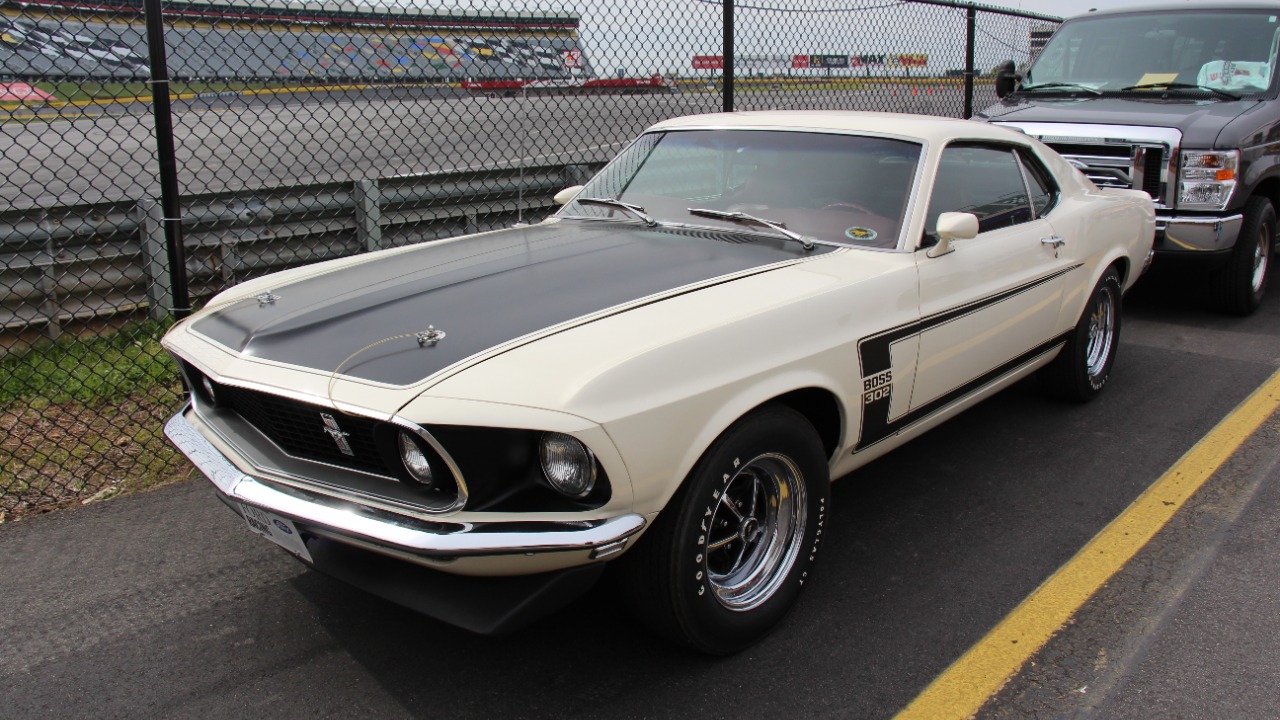
The 1969 Ford Mustang Boss 302 was engineered with road racing in mind, which gave it sharper handling than most muscle cars of its era. Its high-revving V8 and stiff suspension made it feel more precise and controlled.
Unlike typical straight-line muscle cars, it rewarded skilled driving. The combination of balance and engine response created one of the most engaging classic Mustang experiences ever built.
1970 AMC Javelin AMX
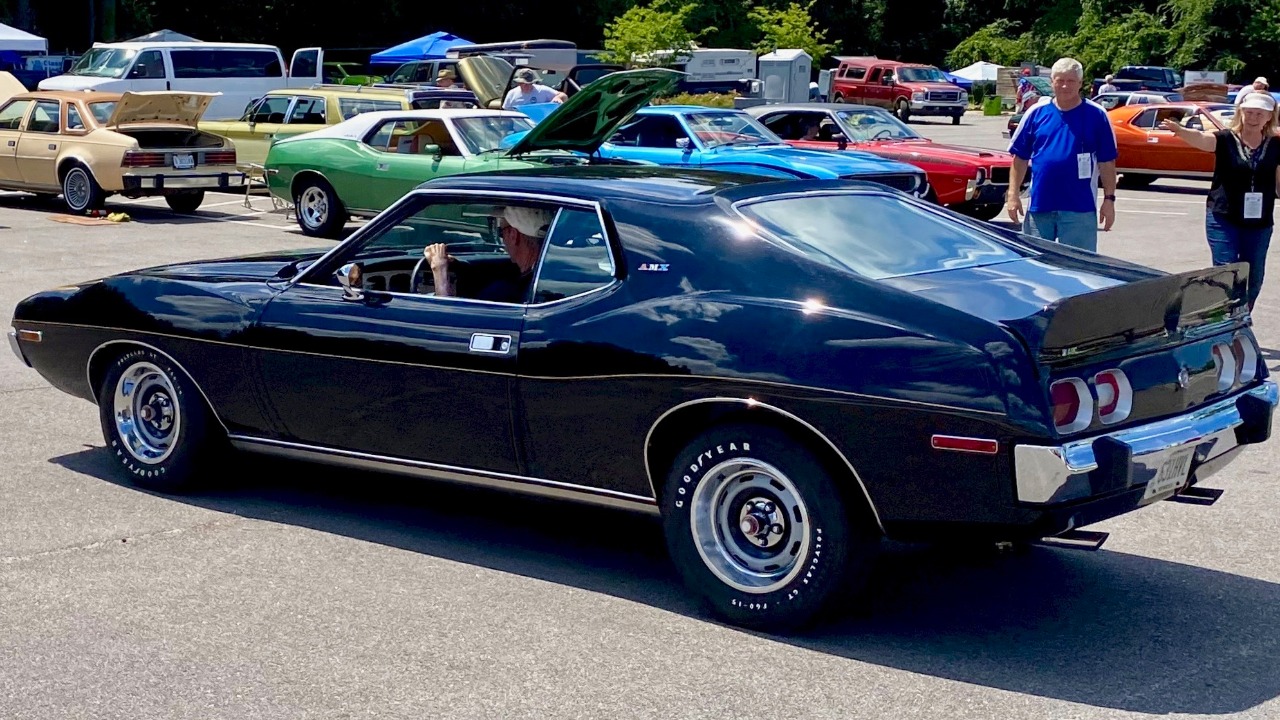
The 1970 AMC Javelin AMX is often overlooked, but it delivered one of the most balanced driving experiences in the muscle car segment. Its chassis tuning and compact proportions made it feel more agile than expected.
Drivers often describe it as surprisingly modern in behavior for its time. It combined torque-heavy V8 power with controlled handling, giving it a unique place among classic muscle machines.
More From Fast Lane Only: