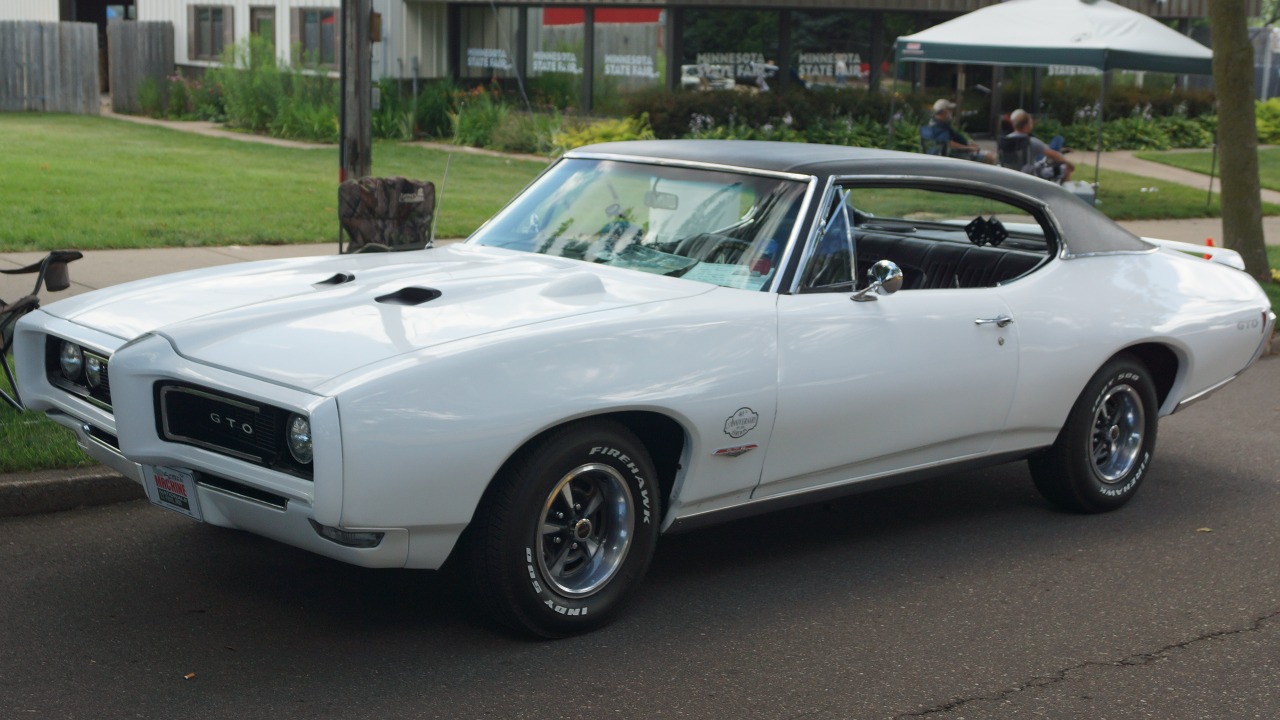
The 1968 Pontiac GTO stands as a testament to a bygone era of automotive design and performance, delivering an unparalleled connection to the road. This classic muscle car not only epitomized the raw power and style of the 1960s but also fostered a visceral driving experience that many modern vehicles lack.
Historical Context of the 1968 Pontiac GTO
The muscle car era of the 1960s was a defining moment in American automotive history, characterized by a burgeoning youth culture that craved speed, power, and freedom on the open road. This period saw the emergence of vehicles designed not just for transportation, but for performance and style, reflecting the aspirations and rebellious spirit of a generation. The Pontiac GTO, introduced in 1964, quickly became a key player in this segment, setting the stage for its iconic status.
The GTO was one of the first cars to blend a high-performance engine with a stylish design, influencing a wave of competitors like the Ford Mustang, Chevrolet Camaro, and Dodge Charger. However, what set the GTO apart was its engineering prowess. With a powerful V8 engine and a focus on performance, the GTO distinguished itself as a leader in the muscle car revolution, appealing to a demographic eager for excitement and individuality.
As the years progressed, the GTO remained firmly rooted in the muscle car culture, continually evolving while maintaining its reputation as a powerhouse. In 1968, the GTO received several enhancements that not only improved its performance but also solidified its place in automotive history.
Design and Aesthetics
The 1968 Pontiac GTO featured iconic styling elements that are still revered today. Its sleek body lines, aggressive stance, and distinctive grille design communicated power and performance at first glance. The addition of the “Coke bottle” shape, a signature of many muscle cars, gave the GTO a dynamic profile that was both sporty and elegant. The car’s wide wheelbase and low-slung silhouette contributed to its road-hugging demeanor, making it visually striking.
Color options played a significant role in the GTO’s appeal. Pontiac offered a range of vibrant hues, including the popular “Montero Red” and “Verdoro Green,” which allowed owners to express their personality. Special editions, such as the “Ram Air” option, not only enhanced performance but also added to the car’s aesthetic allure. When compared to contemporaries like the Chevrolet Camaro and the Ford Mustang, the GTO’s design was often viewed as more refined and aggressive, capturing the essence of the muscle car era.
The attention to detail in the GTO’s design extended to features like its dual exhaust outlets and chrome accents, which further emphasized its sporty character. This combination of form and function made the GTO not just a car, but a symbol of an era defined by power and style.
Performance Features
Under the hood, the 1968 Pontiac GTO was a powerhouse, boasting a range of engine options that catered to performance enthusiasts. The base engine was a 400 cubic-inch V8, capable of delivering 350 horsepower and 440 lb-ft of torque. For those seeking even more power, the optional 428 cubic-inch V8 was available, pushing horsepower figures higher and solidifying the GTO’s status as a muscle car icon. The performance metrics were nothing short of exhilarating, allowing the GTO to accelerate from 0 to 60 mph in just over six seconds, a remarkable feat for its time.
In addition to its formidable engine lineup, the GTO also featured significant innovations in suspension and handling. The incorporation of a heavy-duty suspension system, along with front and rear anti-roll bars, provided enhanced stability and control on the road. This engineering excellence translated into a driving experience that was both thrilling and precise, setting the standard for muscle cars of the era.
Acceleration and speed capabilities were further enhanced by the GTO’s lightweight construction, allowing it to compete fiercely with rivals. The combination of power, weight, and advanced suspension made the 1968 GTO a benchmark in performance, one that many car enthusiasts still regard with admiration.
Driving Experience
Driving the 1968 Pontiac GTO is an experience that transcends mere transportation. The tactile feedback provided by its manual transmission creates a connection between the driver and the machine that is often lost in modern vehicles dominated by automatic systems. Each shift of the gears is accompanied by a satisfying mechanical response, allowing drivers to truly feel the power beneath them.
The balance and responsiveness of the GTO contribute significantly to its reputation as a driver’s car. When navigating curves or accelerating on straightaways, the car’s handling inspires confidence, making it easy to push the limits of performance. Many owners describe the exhilarating sensation of the GTO as it roars to life, with the engine’s growl and the rush of speed combining to create an unforgettable driving experience.
Personal anecdotes from GTO owners often highlight this thrill. One such account comes from a longtime enthusiast, who recalls his teenage years spent behind the wheel of his father’s 1968 GTO. He fondly remembers the feeling of the wind in his hair and the adrenaline as he navigated winding roads, a connection that many modern cars fail to replicate.
Cultural Impact and Legacy
The 1968 Pontiac GTO’s cultural significance extends beyond its engineering and design; it has become an icon in popular culture. From appearances in films like “The Fast and the Furious” franchise to its mention in songs by artists such as Kid Rock, the GTO has solidified its place in the collective consciousness of car enthusiasts and casual fans alike. Its representation in media has helped to immortalize the spirit of the muscle car era, inspiring a new generation to appreciate the raw power and style of these classic vehicles.
The GTO’s legacy also lies in its influence on subsequent generations of car manufacturers. The success of the GTO prompted other automakers to develop their own muscle cars, sparking a competitive landscape that defined the automotive market in the late 1960s and early 1970s. This influence is still felt today, as the principles of performance and design established by the GTO continue to shape modern muscle cars.
As appreciation for classic cars has grown, so too has interest in reviving the spirit of the GTO. Car shows and enthusiast gatherings often feature restored models, showcasing the enduring appeal of this iconic vehicle. The GTO’s influence on automotive design and culture remains strong, ensuring that it will continue to captivate enthusiasts for years to come.
Collectibility and Market Trends
The 1968 Pontiac GTO has emerged as a highly sought-after collectible among automotive enthusiasts and investors. Current market values for well-preserved models can range from $30,000 to over $100,000, depending on factors such as rarity, condition, and documentation. The GTO’s status as a classic muscle car has solidified its place in the collector car market, making it an attractive investment for those looking to own a piece of automotive history.
Several factors affect the collectibility of classic cars, including the rarity of specific models and the condition in which they are maintained. The GTO’s limited production numbers, particularly for certain color options and special editions, contribute to its desirability among collectors. Additionally, cars with original parts and well-documented histories tend to command higher prices, further increasing their investment potential.
In comparison to modern vehicles, classic cars like the GTO often appreciate in value over time, making them a unique investment opportunity. While new cars depreciate significantly once driven off the lot, classic models can appreciate, especially as they become more difficult to find. This trend has led to a renewed interest in classic cars, with many collectors seeking to preserve the legacy of the Pontiac GTO and other iconic vehicles.
Modern Comparisons
When comparing contemporary vehicles to the 1968 Pontiac GTO, it becomes evident that many modern cars fall short in providing a similar connection to the road. While advancements in technology have led to more powerful and efficient engines, the driving experience often lacks the raw engagement that enthusiasts seek. Many modern cars are equipped with electronic aids that prioritize safety and comfort, sometimes at the expense of the visceral thrill that comes from driving a classic muscle car.
Automotive experts often discuss how the evolution of driving dynamics has shifted focus from the driver to technology. Features like adaptive cruise control, lane departure warnings, and automated driving modes can create a disconnect between the driver and the vehicle. In contrast, the GTO’s straightforward mechanics and driver-focused design foster a relationship that allows for a deeper appreciation of the driving experience.
While some modern muscle cars, such as the Ford Mustang and Chevrolet Camaro, strive to recapture the spirit of their predecessors, they often do so through the lens of contemporary technology. This can create an experience that, while powerful and fast, may not resonate with enthusiasts seeking the unfiltered connection that the 1968 GTO provides. The charm of the GTO lies in its simplicity, allowing drivers to engage with their vehicle in a way that modern cars often do not.
The enduring appeal of the 1968 Pontiac GTO is rooted in its ability to connect drivers to the road in a way that many contemporary vehicles fail to achieve. From its powerful performance and iconic design to its cultural significance and collectibility, the GTO represents a unique chapter in automotive history. As we continue to embrace the future of automotive engineering, the spirit of the GTO serves as a reminder of the joy that comes from driving a true muscle car.
More from Fast Lane Only