Some engines transcend their production years, earning legendary status long after they’ve been retired. Whether through their performance, reliability, or impact on automotive history, these engines have left an indelible mark on car enthusiasts and the industry alike. Here’s a look at ten iconic powerplants that became symbols of innovation and passion, even after they ceased production.
Ford Flathead V8
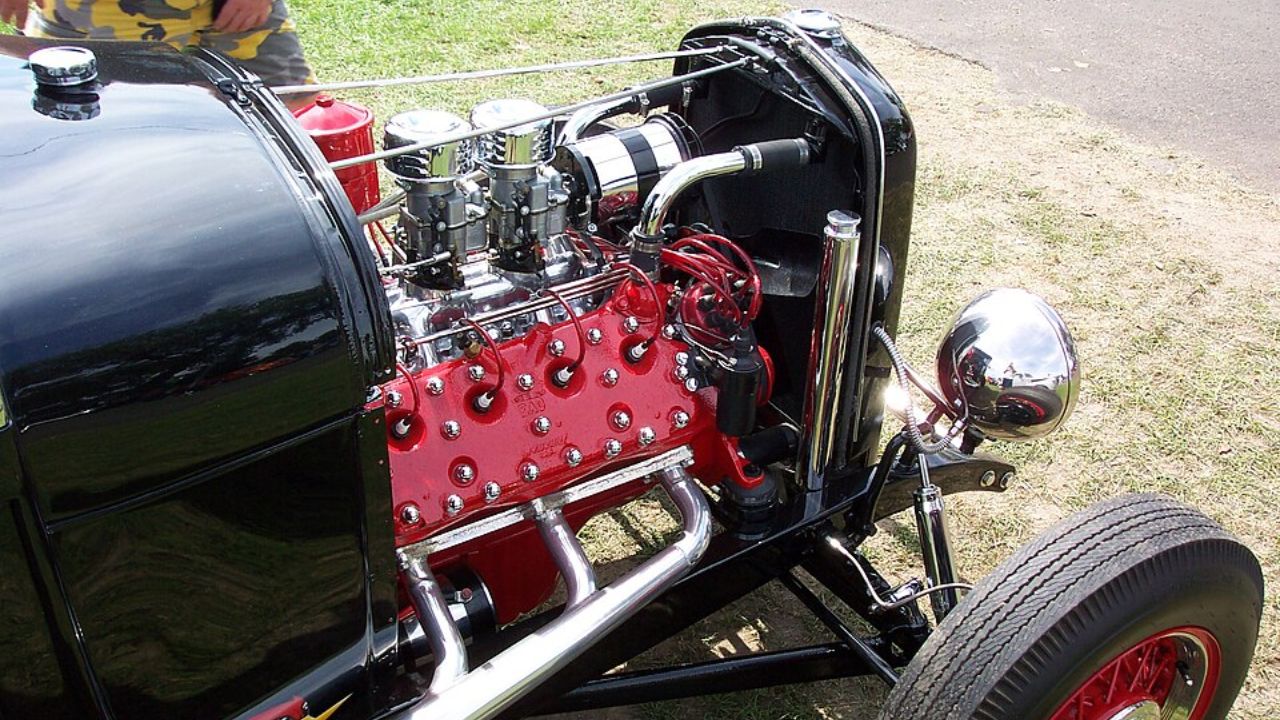
The Ford Flathead V8, introduced in 1932, revolutionized the automotive landscape with its simple design and powerful performance. This engine is often credited with popularizing the V8 configuration in America, becoming the go-to choice for hot rodders and custom builders after World War II. Its lightweight construction and ease of modification made it ideal for enthusiasts looking to upgrade their vehicles.
Even decades after its production ended in 1953, the Flathead V8 remains a beloved choice for classic car restorations. Iconic models such as the 1939 Ford Deluxe featured this engine, and it continues to inspire a loyal following. For more on long-lived engine families, check out this detailed analysis.
Chevrolet Small Block V8
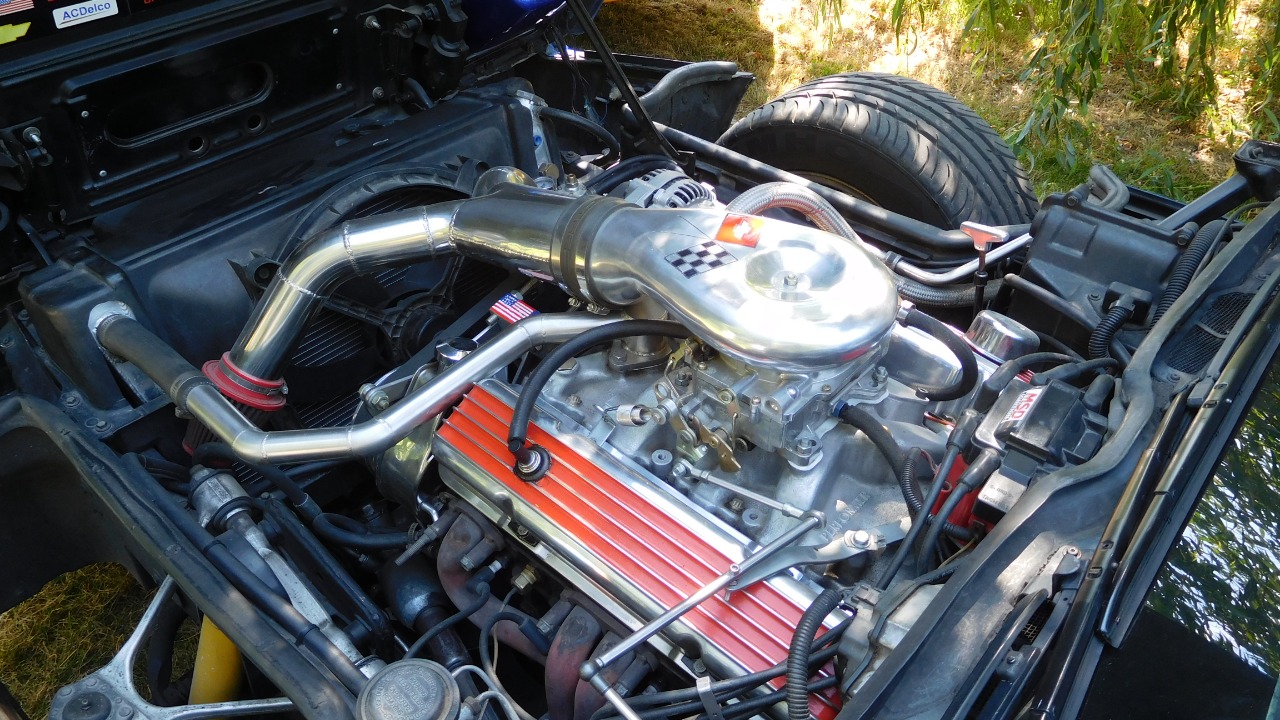
Launched in 1955, the Chevrolet Small Block V8 has become one of the most successful engines in automotive history. Renowned for its versatility and performance, this engine has powered everything from family sedans to high-performance sports cars like the Corvette. The Small Block has undergone numerous iterations over the years, adapting to changing technologies while maintaining its core attributes of reliability and power.
Even today, the Small Block is still in production, a testament to its enduring legacy. Enthusiasts continue to celebrate its performance in various racing forms and restorations. It’s not just an engine; it’s a cultural icon. If you want to dive deeper into iconic engines, consider reading this article.
Porsche Type 547
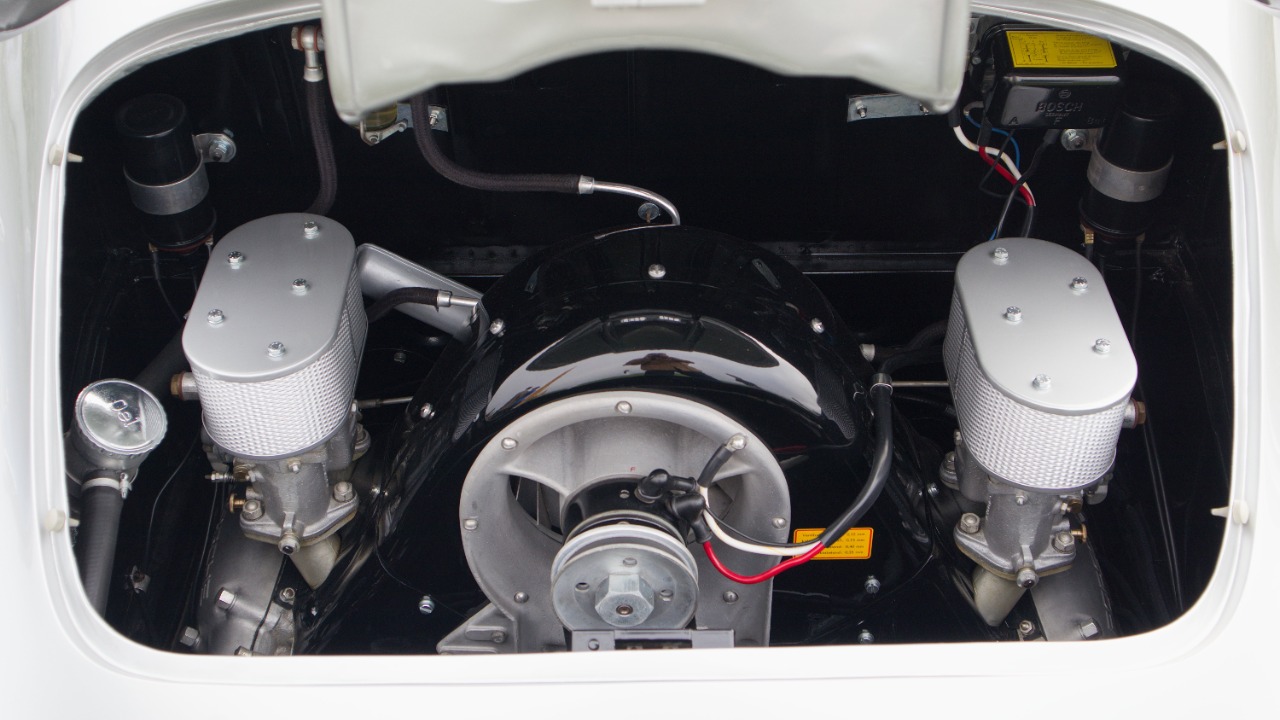
The Porsche Type 547 engine, produced from 1953 to 1965, was a remarkable flat-four designed to power the iconic Porsche 356 and the legendary 550 Spyder. Its lightweight design and innovative engineering contributed to Porsche’s racing success during the mid-20th century. The Type 547 gained fame for its high-revving capabilities and exceptional handling, making it a favorite among racers and enthusiasts alike.
Even after its production ended, the Type 547 has become a sought-after engine for restorations and custom builds, embodying the spirit of Porsche’s racing heritage. The continued interest in this engine highlights its impact on performance engineering and motorsports, celebrating a legacy that persists in the world of automotive excellence.
BMW M10
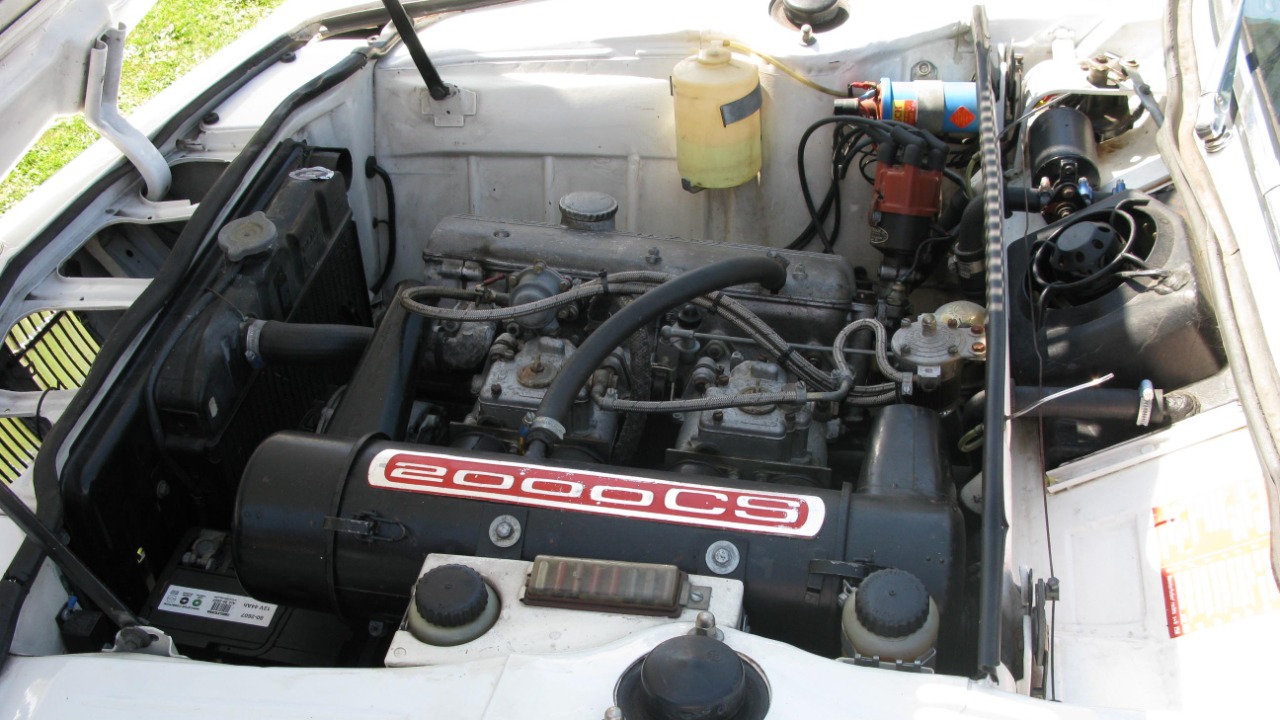
The BMW M10 engine, produced from 1962 to 1988, is often regarded as the foundation of BMW’s performance lineage. Initially designed as a four-cylinder engine for the BMW 1500, it quickly gained notoriety for its robust performance and tuning potential. The M10 powered several notable models, including the 2002 and the legendary BMW 3.0 CSL.
Even decades after its retirement, the M10 has maintained a cult following, with enthusiasts and tuners continuing to extract impressive power from its relatively simple design. Its influence on modern BMW engines is undeniable, and it remains a testament to the brand’s commitment to performance and engineering excellence.
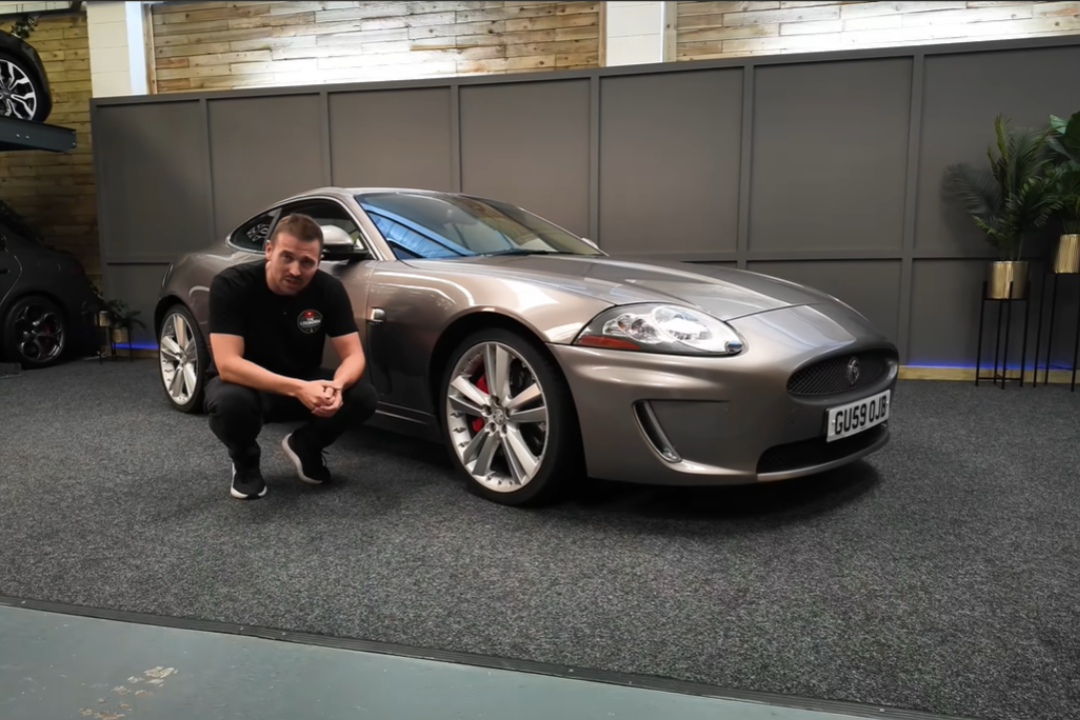
Jaguar XK Inline-Six
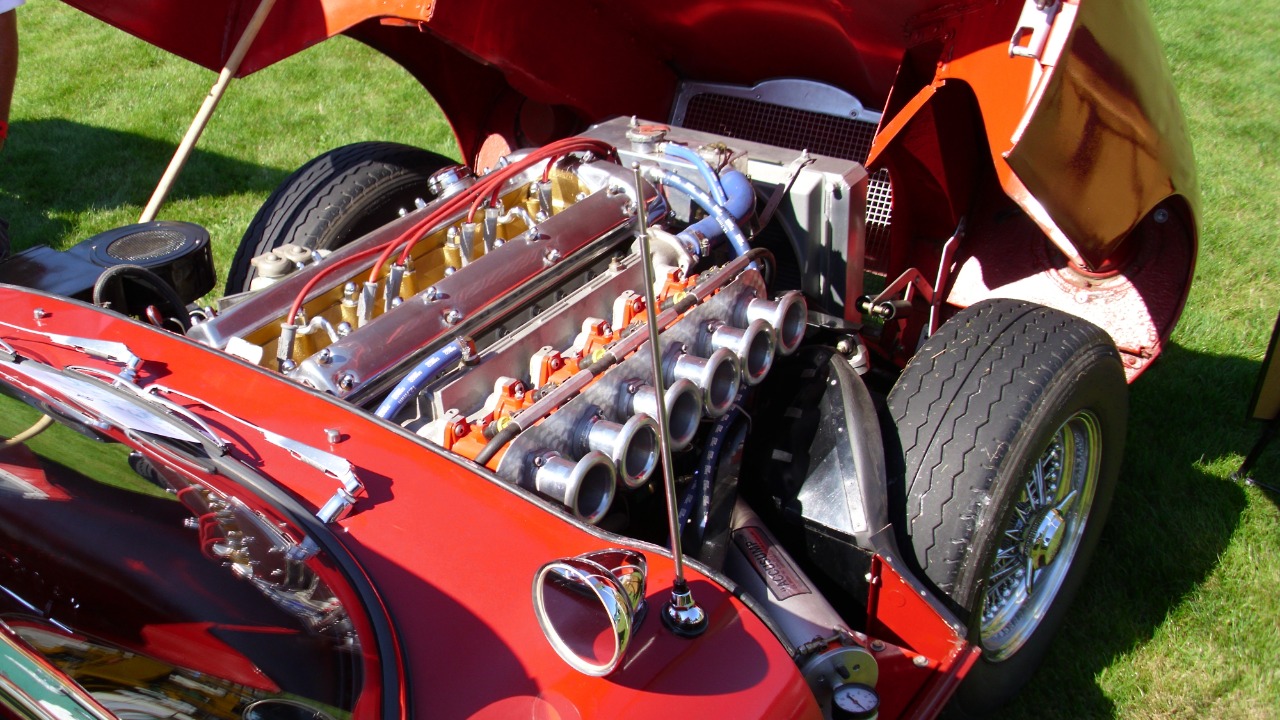
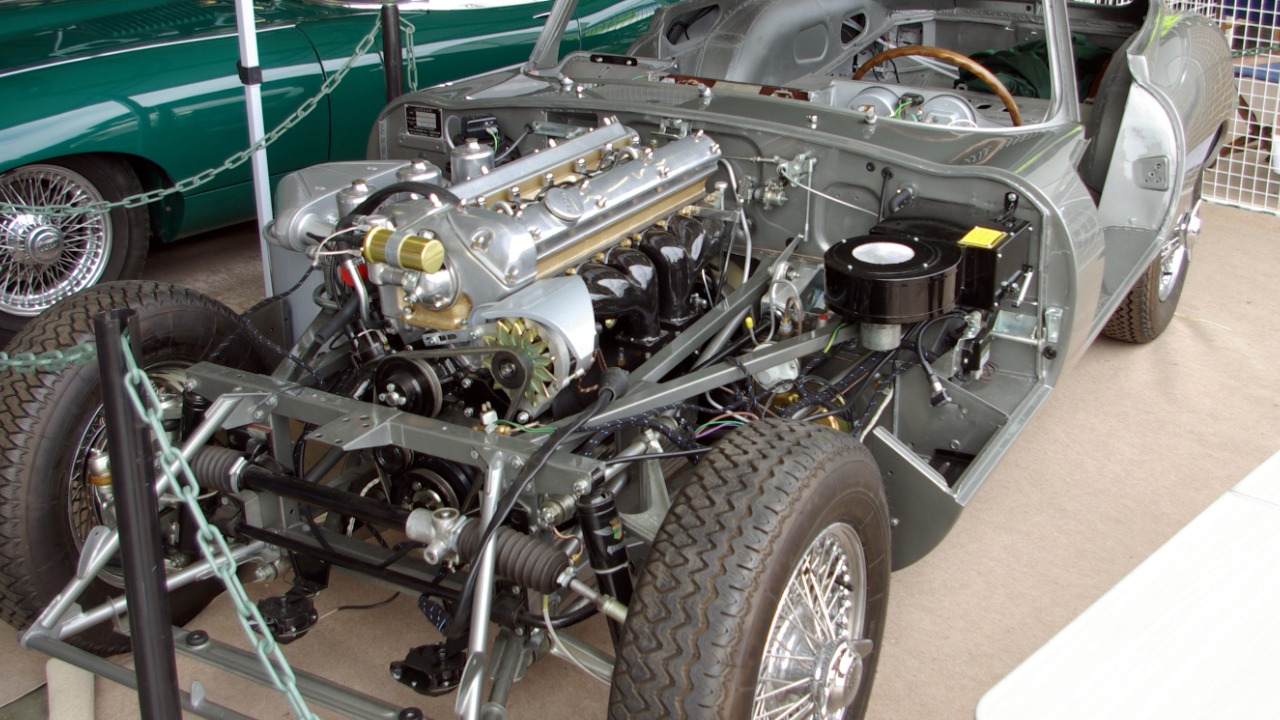
The Jaguar XK Inline-Six engine, first introduced in 1949, set a new standard for performance and refinement in the automotive world. This engine powered iconic models such as the XK120, XK140, and XK150, helping establish Jaguar as a luxury brand synonymous with speed and elegance. Its smooth operation and high-revving nature made it a favorite among enthusiasts and racers alike.
Production of the XK engine ended in 1986, but its legacy lives on through its impact on subsequent Jaguar engines and its continued popularity in classic car circles. The XK’s blend of performance and luxury solidifies its place in automotive history, making it an enduring symbol of British engineering prowess.
Mercedes-Benz M100
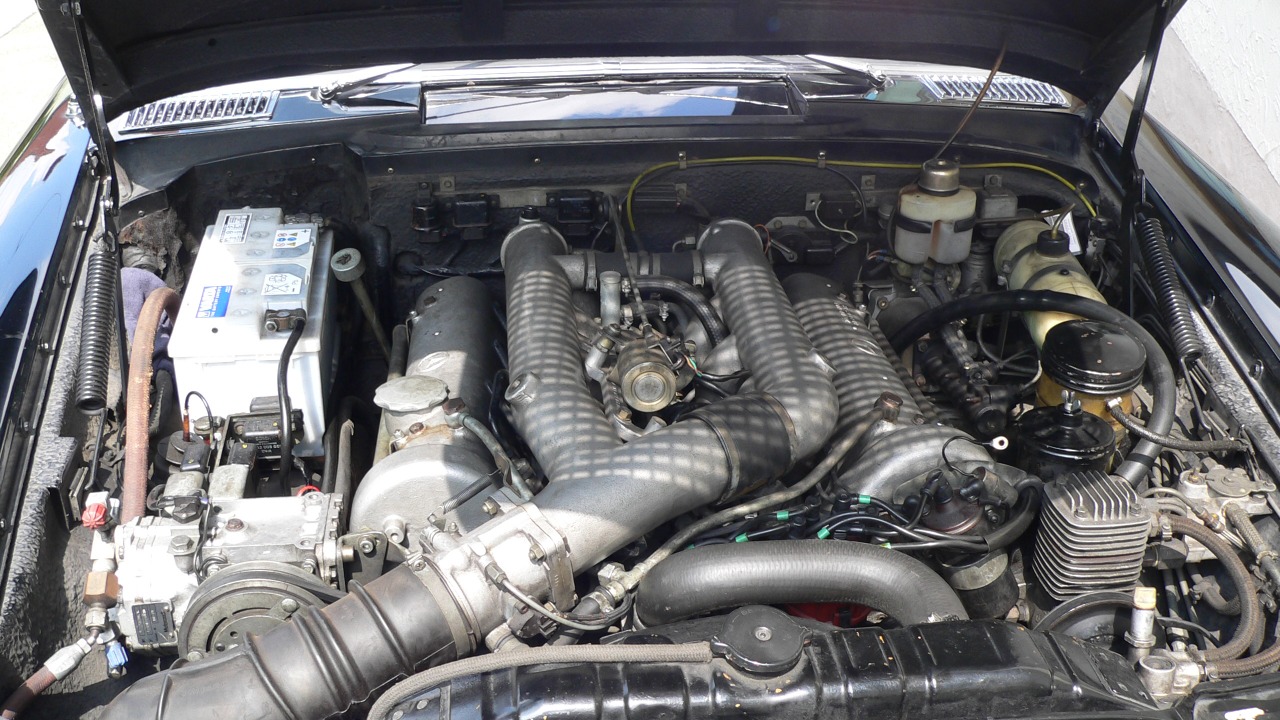
The Mercedes-Benz M100 engine, produced from 1963 to 1981, is famous for powering the iconic 600 limousine. Known for its massive displacement and luxurious performance, the M100 is a V8 engine that epitomizes the pinnacle of automotive engineering. Its design emphasized smooth power delivery and exceptional reliability, making it the choice of dignitaries and celebrities worldwide.
Even after the last unit rolled off the assembly line, the M100 remains a sought-after engine for collectors and restorers. Its presence in luxury vehicles has cemented its status as a symbol of prestige, and it continues to captivate enthusiasts who appreciate the blend of power and sophistication.
Honda K-Series
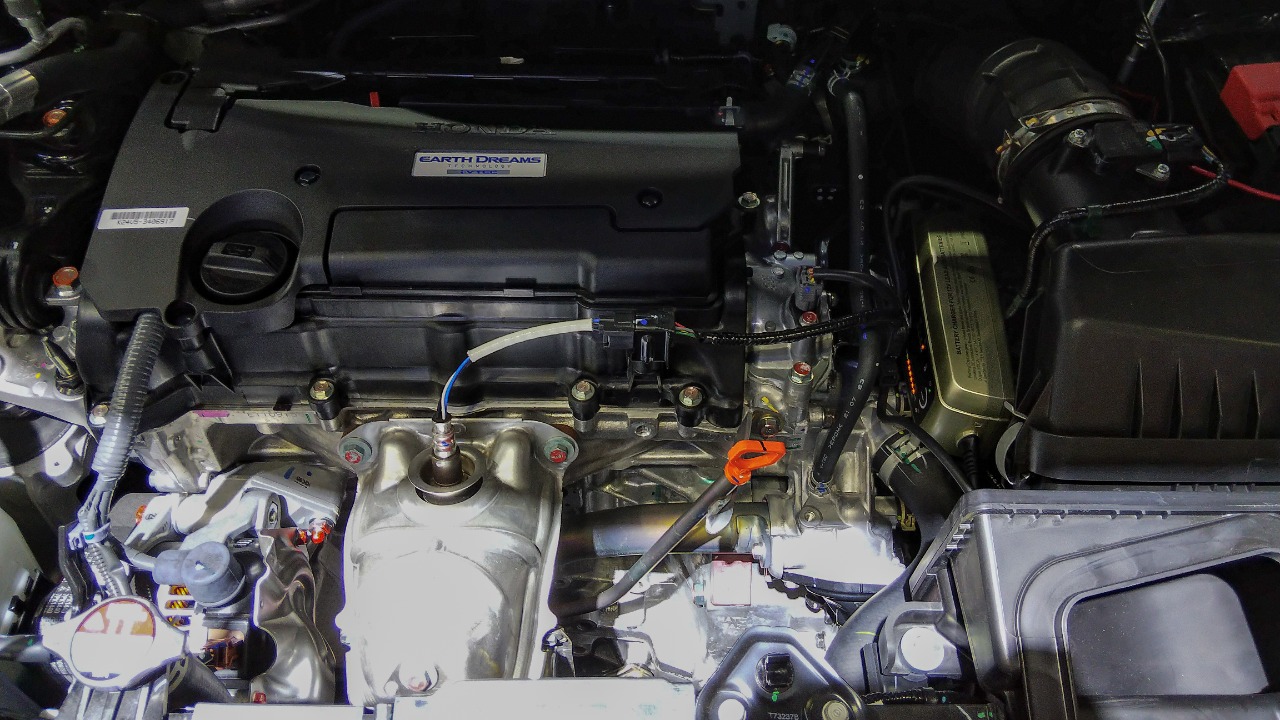
Launched in the early 2000s, the Honda K-Series engine quickly became a favorite among car enthusiasts for its performance and efficiency. This four-cylinder engine is known for its high-revving nature and exceptional tuning potential, making it a popular choice for both street and racing applications. Models like the Civic Si and the Acura RSX showcased the K-Series’ capabilities, delivering thrilling performance while maintaining fuel efficiency.
Even years after production, the K-Series is still praised for its reliability and aftermarket support, with countless performance upgrades available. Its versatility and engineering excellence make it an enduring choice for enthusiasts looking to enhance their vehicles. For insights into performance cars, check out this interesting read.
Toyota 2JZ-GTE
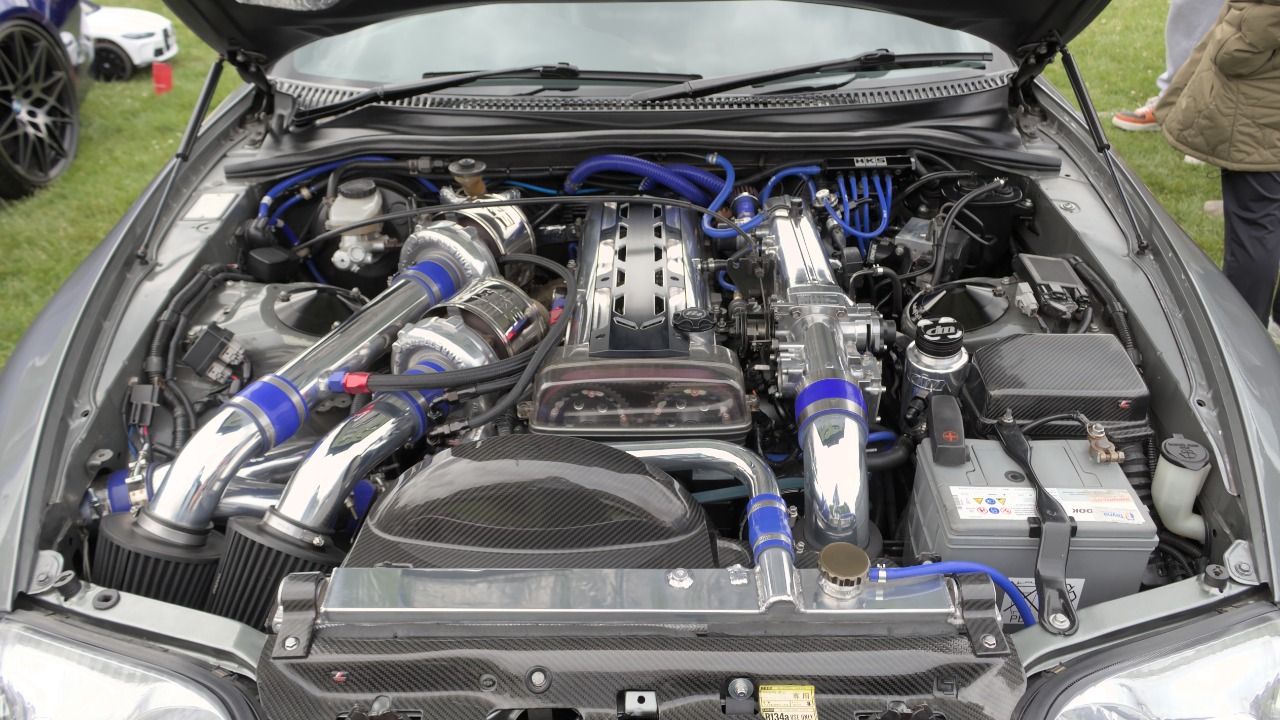
The Toyota 2JZ-GTE engine, introduced in 1991, is often celebrated as one of the greatest engines in automotive history. Famous for its role in the Toyota Supra MK4, the 2JZ-GTE is a turbocharged inline-six known for its incredible power potential and durability. With a robust aftermarket support system, this engine is a favorite among tuners and racers, capable of supporting massive horsepower numbers.
Even after the Supra’s production ended in the early 2000s, the 2JZ-GTE continues to dominate the tuning scene. Its legendary status is reinforced by its appearances in motorsports and its representation in popular car culture, ensuring its place in the hearts of enthusiasts.
Nissan RB26DETT
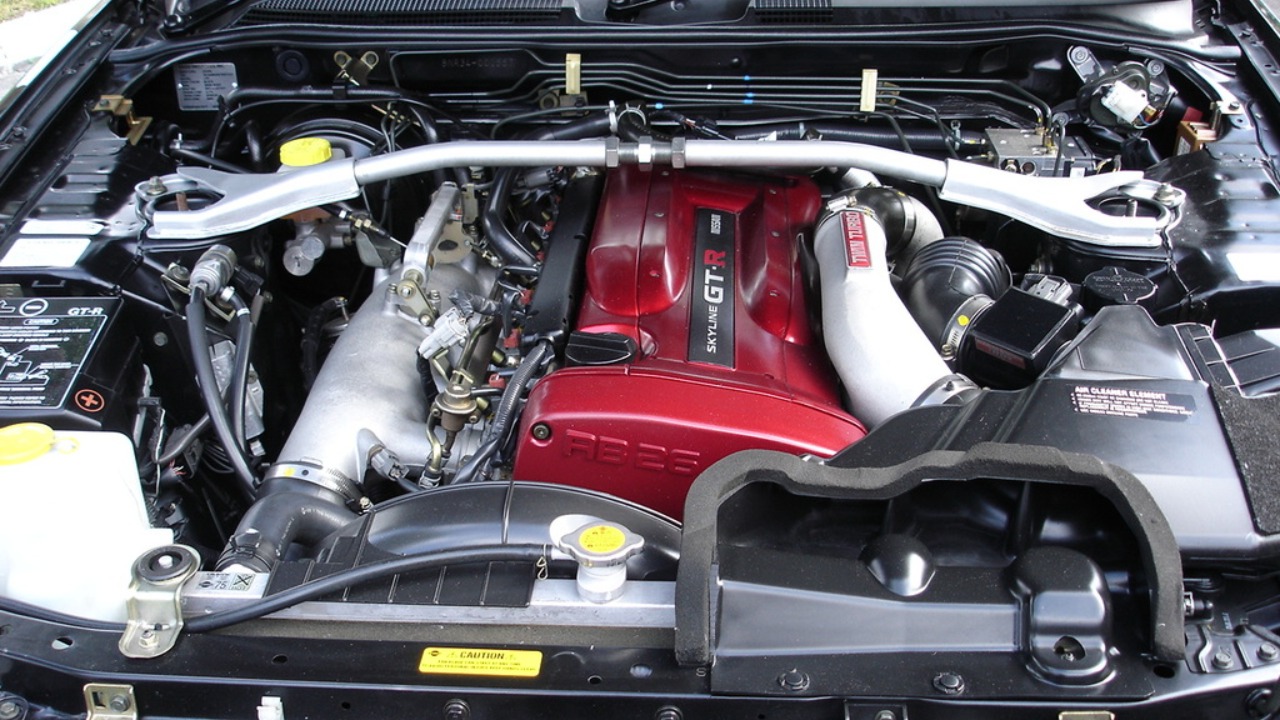
The Nissan RB26DETT engine, produced from 1989 to 2002, is revered by car enthusiasts for its performance and tuning capabilities. This inline-six twin-turbocharged engine powered the Nissan Skyline GT-R, a car that became a legend in both street and racing environments. Renowned for its robustness, the RB26DETT is capable of handling significant power upgrades, making it a favorite among tuners.
Even after its production ended, the RB26DETT remains a staple in the performance community, with countless vehicles benefiting from its engineering excellence. Its legacy as a performance powerhouse is well-documented, and it continues to inspire a new generation of automotive enthusiasts interested in high-performance builds.
Volkswagen Type 1 Air-Cooled Engine
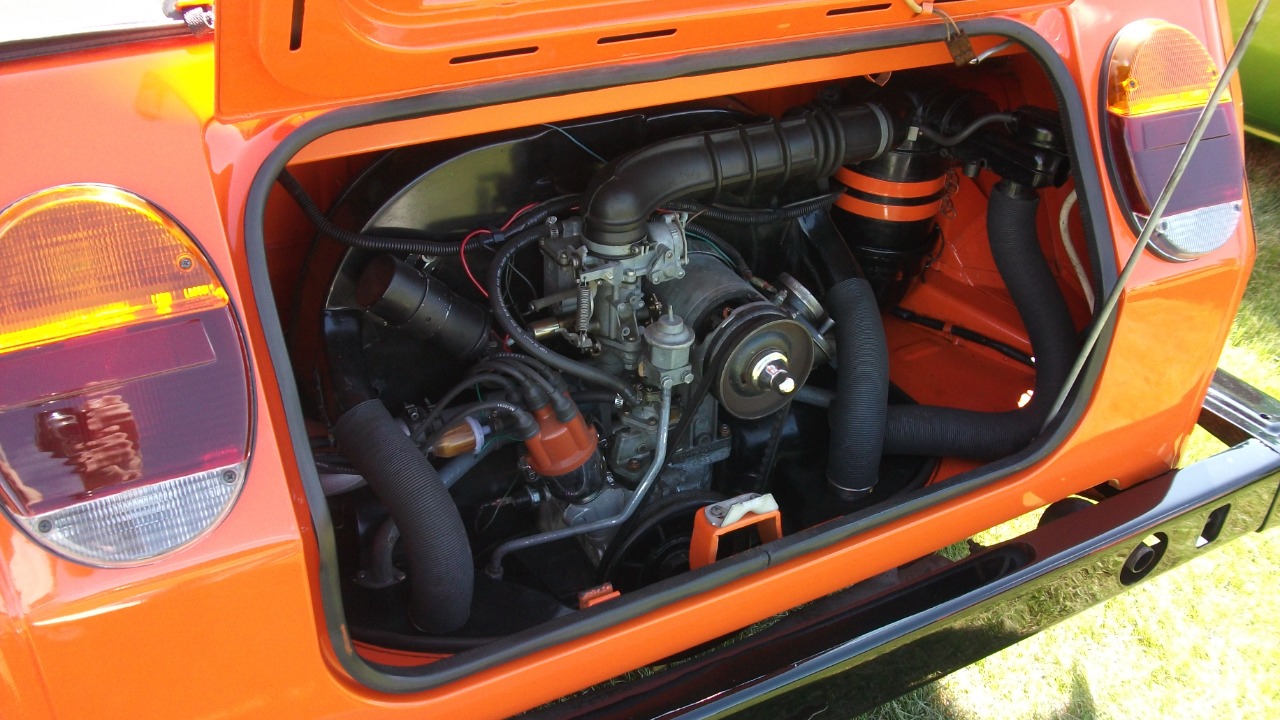
The Volkswagen Type 1 air-cooled engine, commonly associated with the iconic Beetle, is one of the most recognized engines in automotive history. Produced from 1938 until the early 2000s, this simple yet effective engine design has powered millions of vehicles worldwide. Its air-cooled design contributed to its reliability and ease of maintenance, making it a favorite for both everyday drivers and enthusiasts.
Even long after production ceased, the Type 1 engine continues to be celebrated for its impact on automotive culture. Its simplicity and charm have led to a dedicated community of restorers and enthusiasts, ensuring that this engine will remain a beloved piece of automotive history for years to come.
More from Fast Lane Only
- Unboxing the WWII Jeep in a Crate
- 15 rare Chevys collectors are quietly buying
- 10 underrated V8s still worth hunting down
- Police notice this before you even roll window down
*Research for this article included AI assistance, with all final content reviewed by human editors.