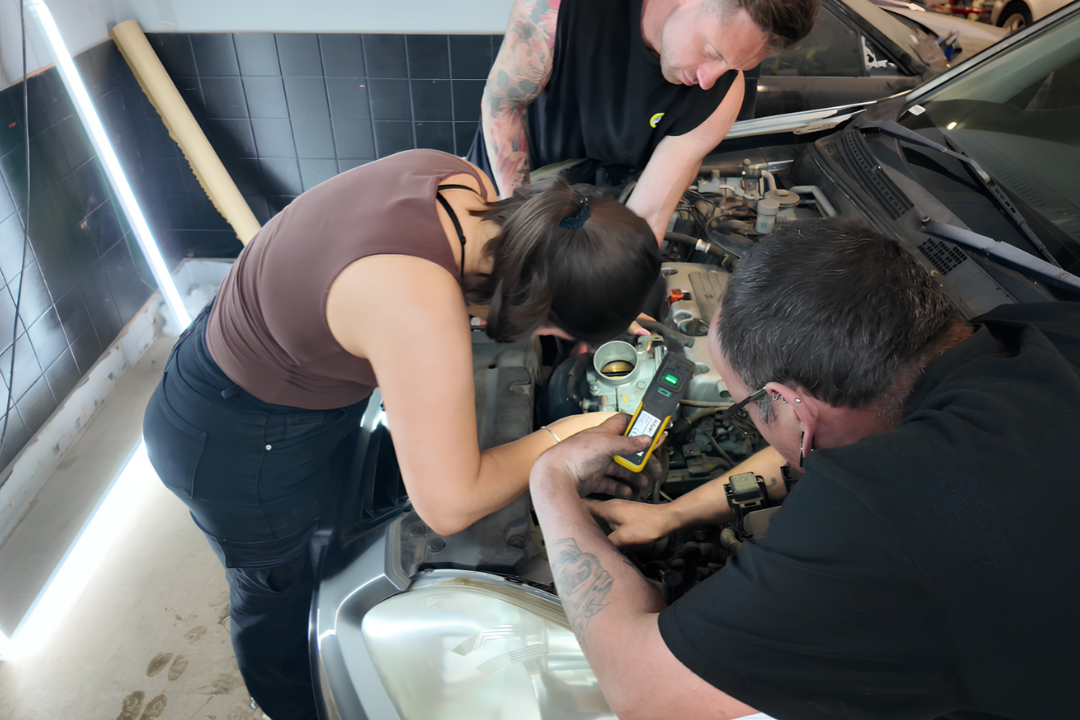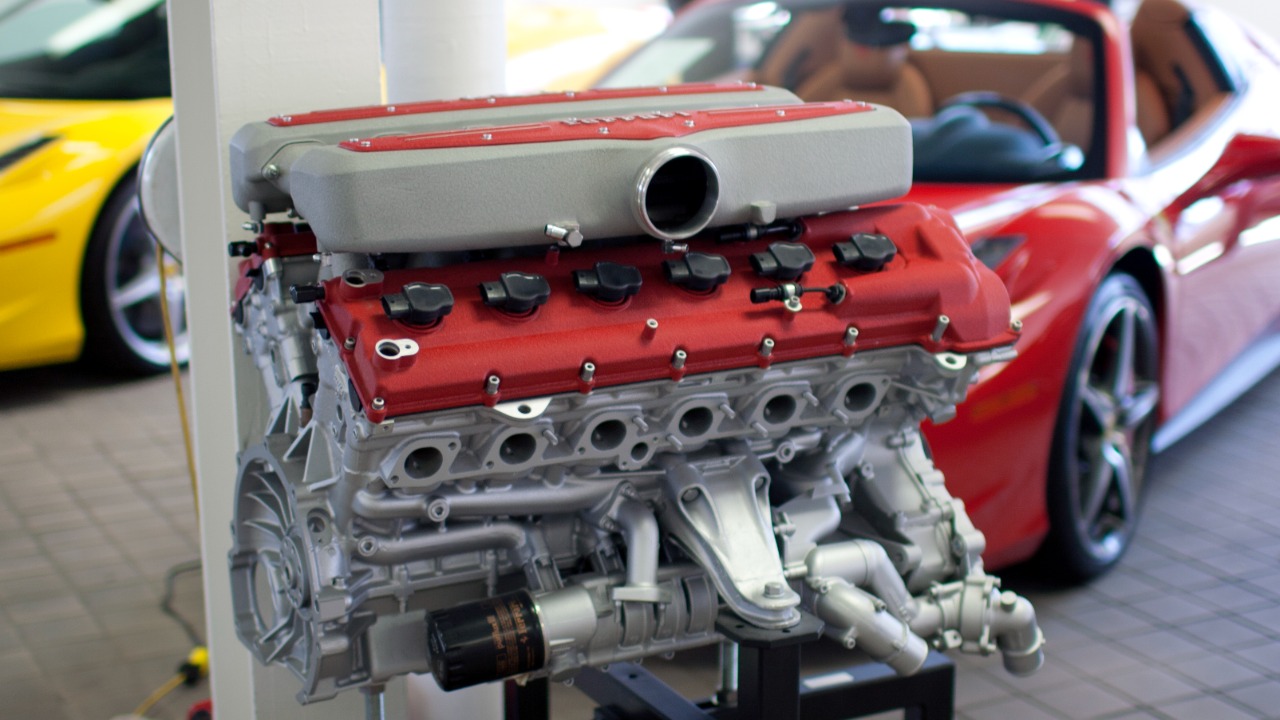
The automotive world is filled with iconic engines that have not only powered vehicles but also defined entire car companies. These engines have become symbols of innovation, performance, and reliability, setting benchmarks in the industry. Let’s explore ten engines that have left an indelible mark on their respective manufacturers.
Ford Flathead V8
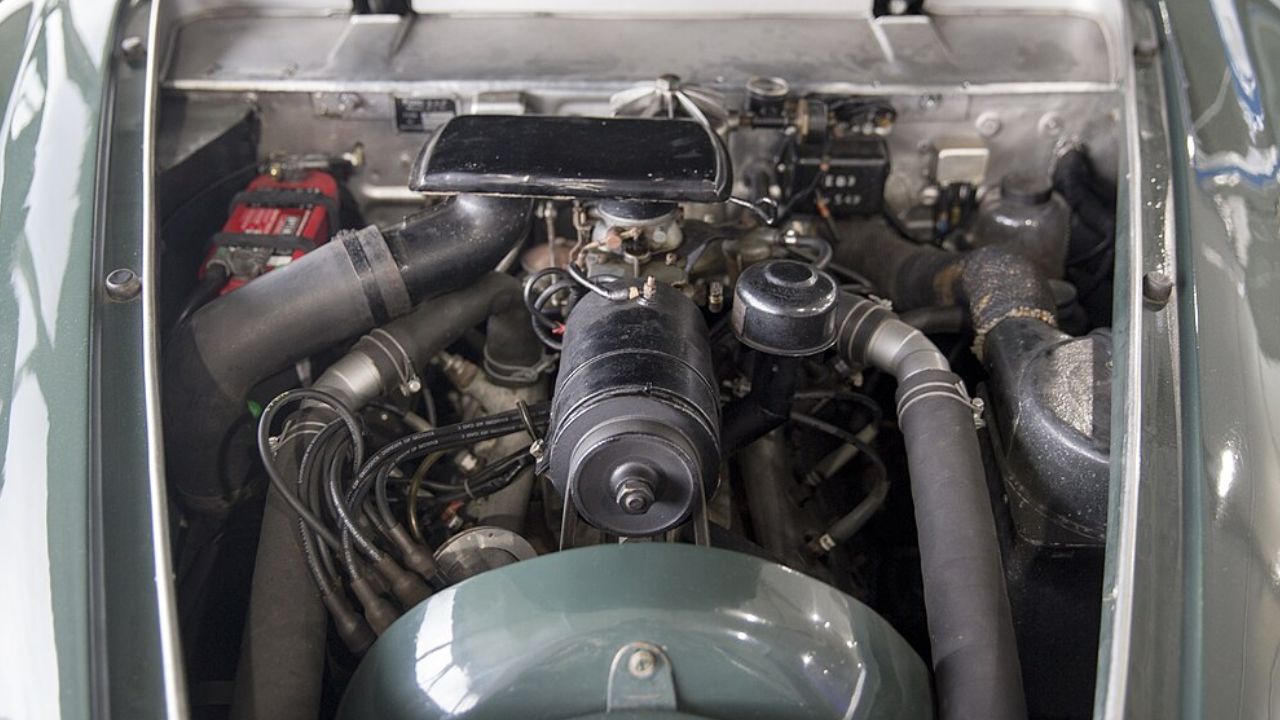
Introduced in 1932, the Ford Flathead V8 was a groundbreaking engine that democratized V8 power for the masses. Before its launch, V8 engines were typically reserved for luxury vehicles. Ford’s innovation allowed the average American to enjoy the benefits of V8 performance, making it a staple in hot rods and custom cars for decades. Its simplicity and ease of tuning made it a favorite among car enthusiasts, cementing Ford’s reputation for affordable performance.
The Flathead V8 powered a wide range of models, including the Ford Model 18 and the iconic 1949 Ford. It remained in production until 1953, influencing automotive design and engineering far beyond its years.
Chevrolet Small-Block V8
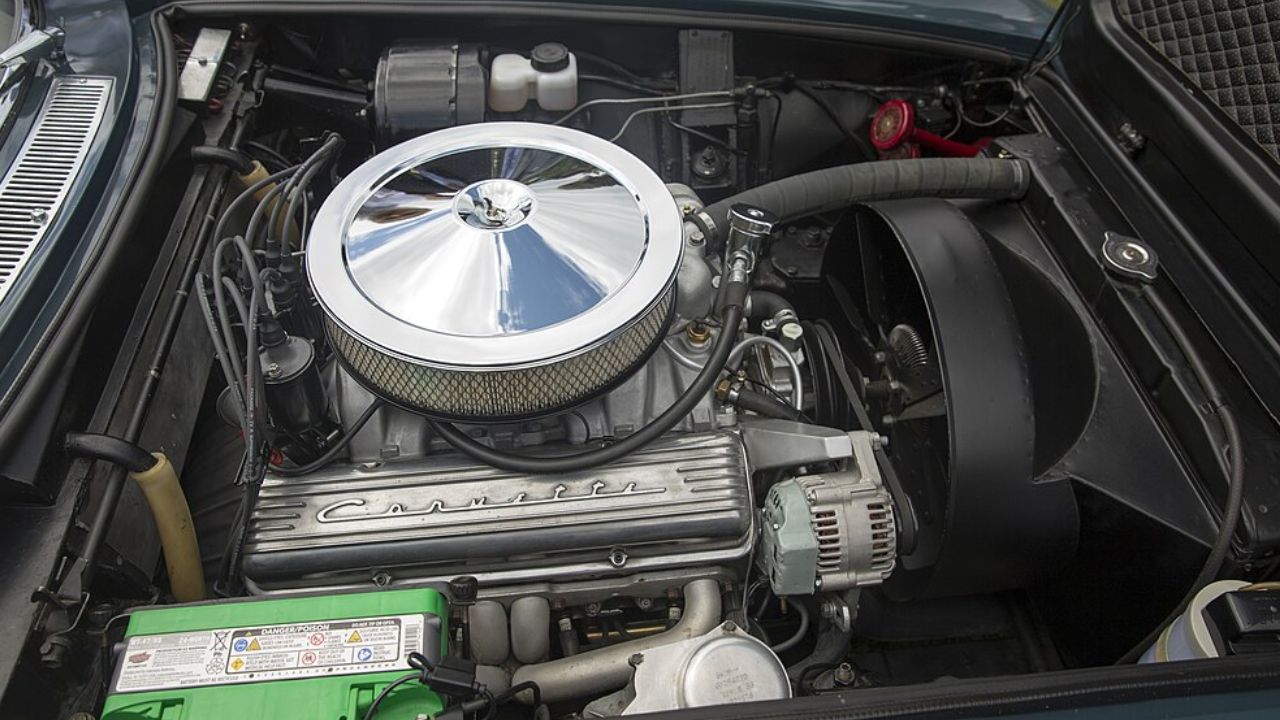
Since its debut in 1955, the Chevrolet Small-Block V8 has become one of the most versatile and enduring engines in automotive history. Known for its compact size and high performance, this engine has powered a wide array of vehicles, from the sporty Corvette to the rugged Silverado pickup. Its adaptability and robust design have made it a favorite for aftermarket modifications.
The Small-Block V8’s longevity is a testament to its engineering excellence, with newer iterations still in production today. This engine has not only defined Chevrolet but has also played a significant role in motorsports, solidifying its legacy.
Volkswagen Air-Cooled Boxer
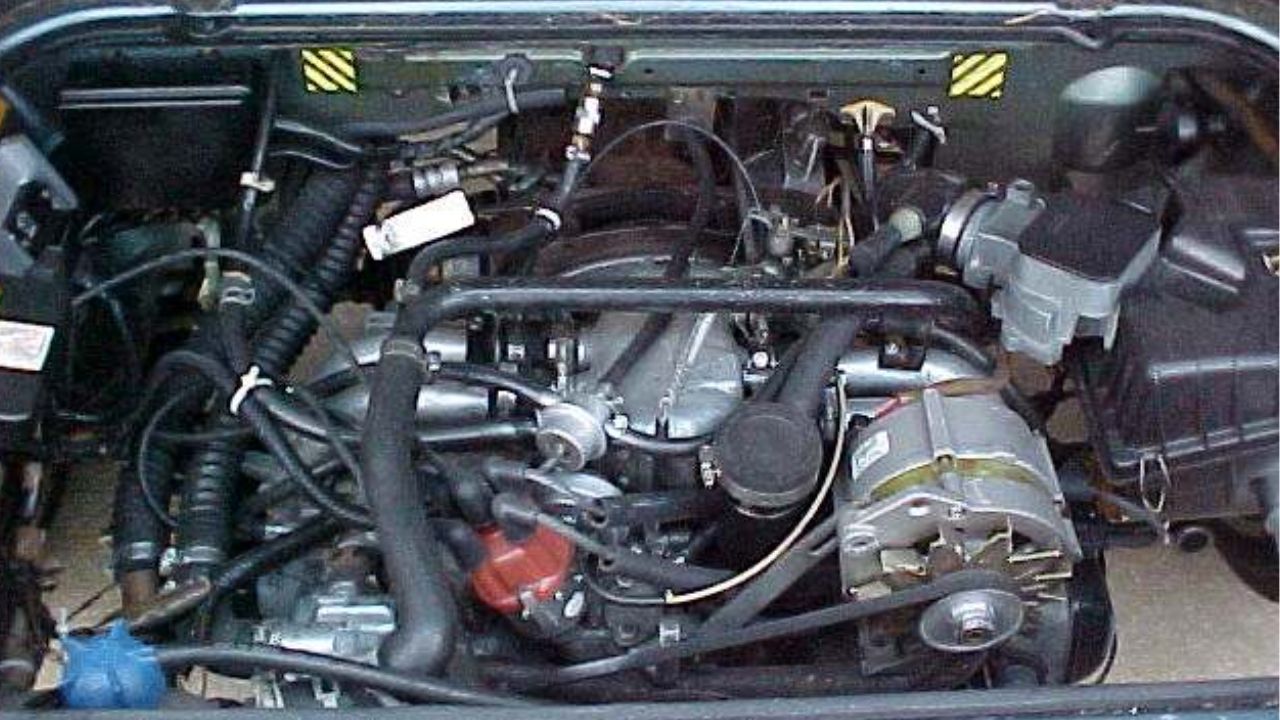
The Volkswagen Air-Cooled Boxer engine is synonymous with simplicity and reliability. First introduced in the 1930s, this engine powered the iconic Beetle, a car that became a symbol of the post-war automotive boom. Its air-cooled design eliminated the need for a radiator, making it ideal for various climates and conditions.
This engine’s charm lies in its distinctive sound and durability, which played a crucial role in Volkswagen’s global success. Models like the VW Bus and the Karmann Ghia also benefitted from this engine, further embedding it in automotive history.
Ferrari Colombo V12

The Ferrari Colombo V12 is a masterpiece of engineering that set the standard for high-performance engines. Developed by Gioachino Colombo, this engine debuted in the 125 S in 1947 and quickly became the heart of Ferrari’s racing and road cars. Its smooth power delivery and high-revving nature made it ideal for the demanding world of motorsport.
Throughout its production, the Colombo V12 powered some of Ferrari’s most legendary models, including the 250 GTO and the 275 GTB. This engine not only defined Ferrari but also helped establish its reputation as a producer of world-class sports cars.
Honda B-Series Inline-4
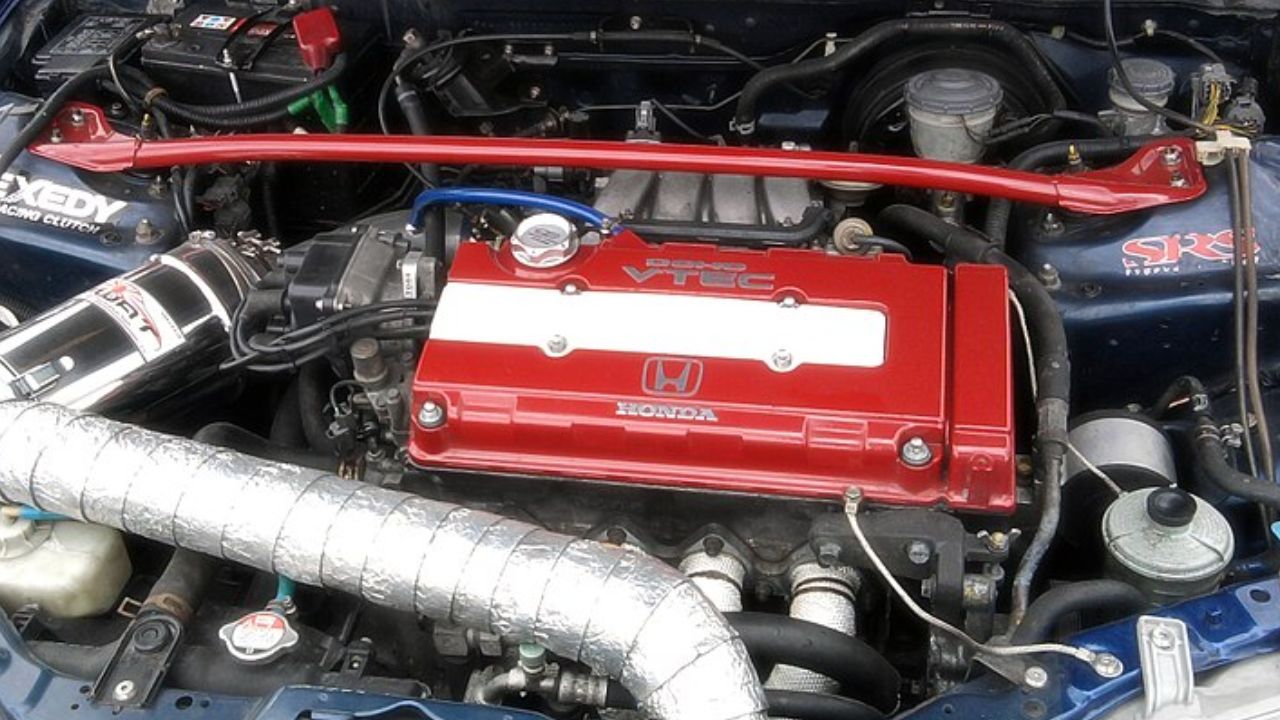
The Honda B-Series Inline-4 engine is a symbol of efficiency and performance. Introduced in the late 1980s, it became the backbone of Honda’s reputation for reliable and sporty compact cars. Found in models like the Civic Si and Integra, the B-Series was renowned for its ability to deliver impressive power without sacrificing fuel economy.
Its versatility made it a favorite among tuners and racers, leading to a thriving aftermarket scene. The B-Series engine helped Honda cement its place as a leader in the compact car segment.
Porsche Flat-Six
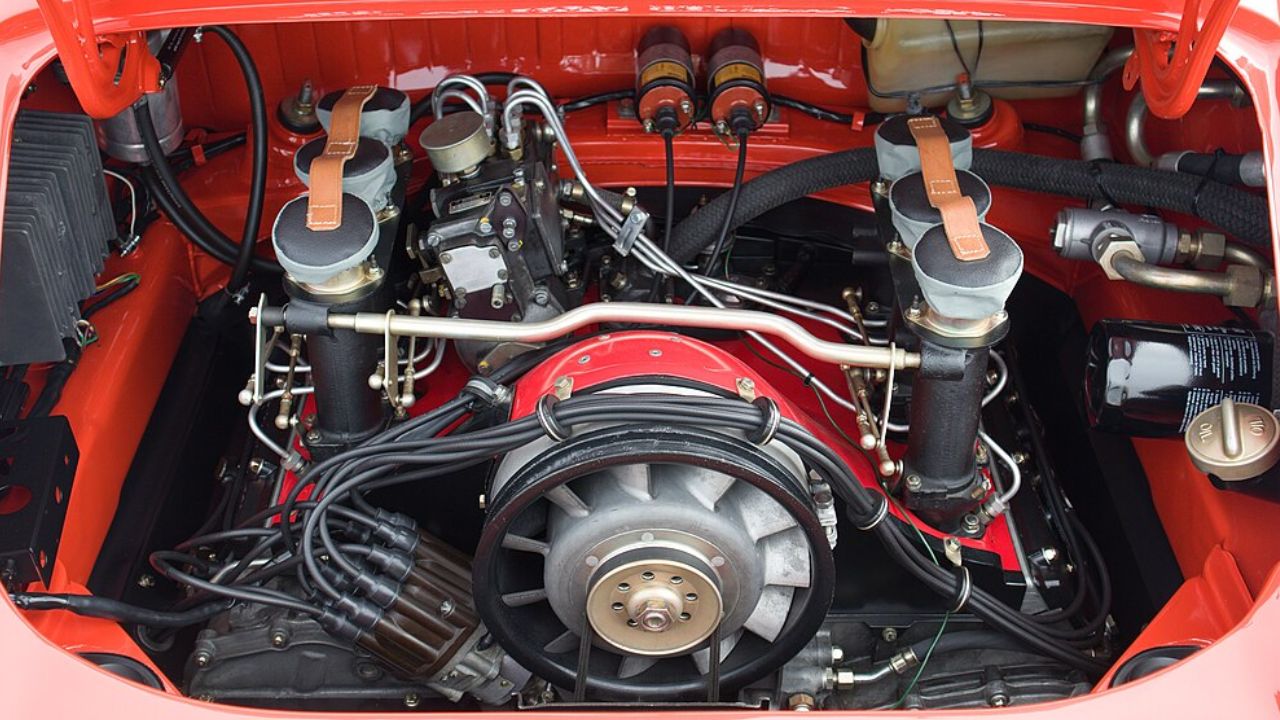
The Porsche Flat-Six engine is the soul of the brand’s legendary 911 model. First appearing in 1964, this engine has undergone numerous refinements while maintaining its classic horizontally opposed configuration. Known for its distinctive sound and balance, the Flat-Six has been a key factor in Porsche’s success on and off the racetrack.
From the early air-cooled units to the modern water-cooled versions, the Flat-Six continues to power the 911, showcasing Porsche’s commitment to engineering excellence and performance.
Toyota 2JZ Inline-6
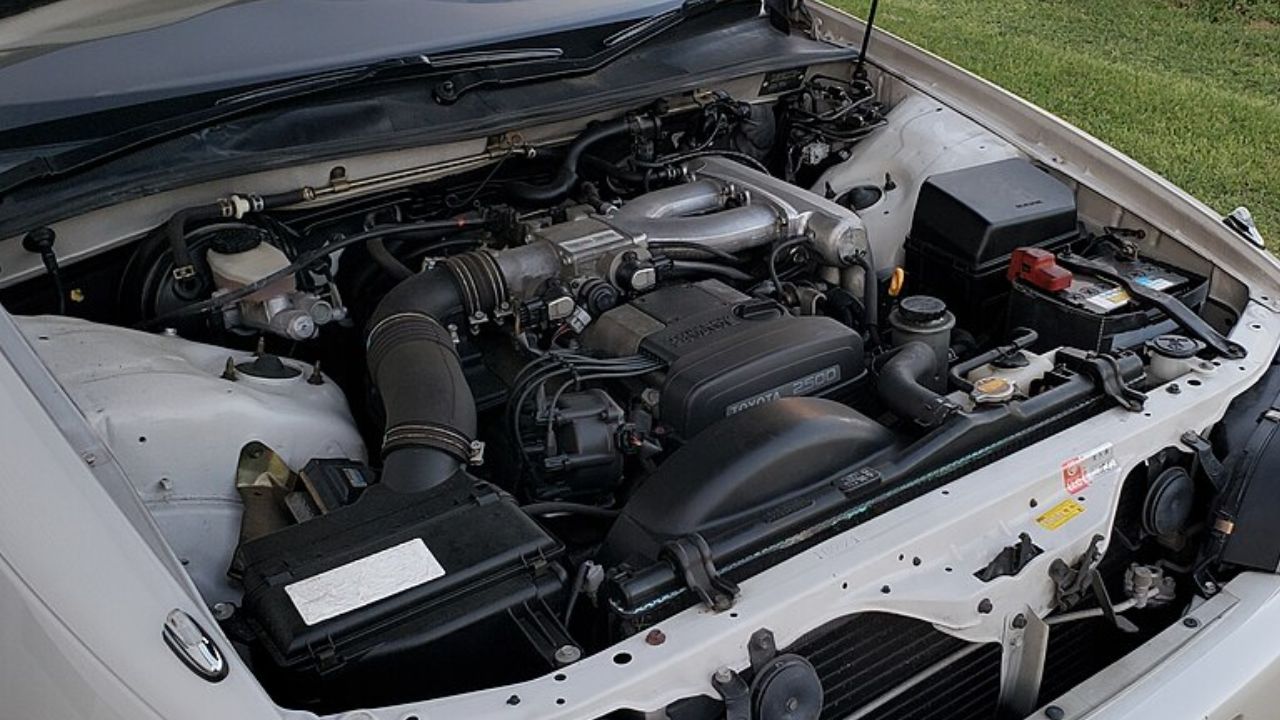
The Toyota 2JZ Inline-6 engine is revered for its robustness and tunability. Launched in the 1990s, it gained fame in the Toyota Supra, where its impressive strength and capability to handle high levels of boost made it a legend among car enthusiasts and tuners.
Known for its durability, the 2JZ engine has become a popular choice for aftermarket performance upgrades, often achieving power levels far beyond its original design. Its legacy continues to influence Toyota’s image as a manufacturer of reliable and performance-oriented vehicles.
BMW M10 Inline-4
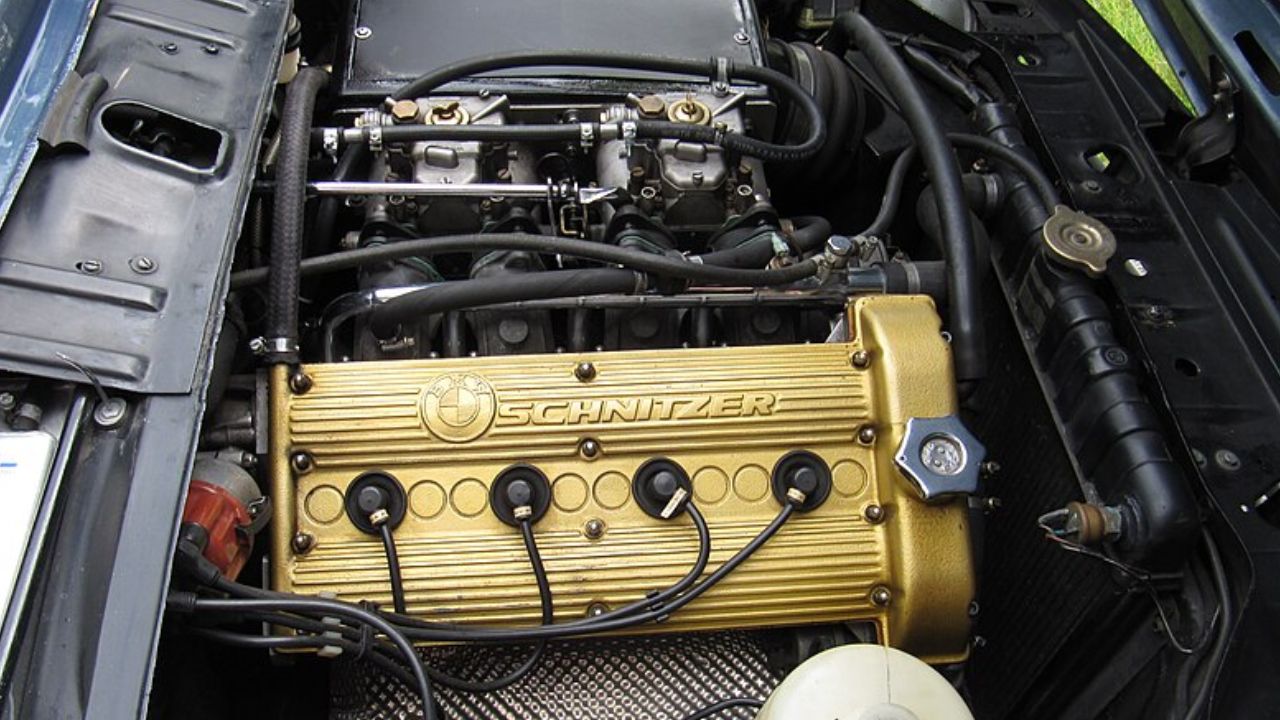
The BMW M10 Inline-4 engine was a cornerstone of BMW’s return to prominence in the automotive world. Introduced in 1962, it powered models like the 2002, a car that played a significant role in establishing BMW as a leader in the sports sedan market. Known for its reliability and performance, the M10 engine was a versatile powerplant that could be found in a variety of BMW models.
The M10’s design also laid the groundwork for BMW’s future engine developments, including the M30 Inline-6 and the turbocharged M12 Formula 1 engine, highlighting its impact on automotive engineering.
Nissan RB26DETT Inline-6
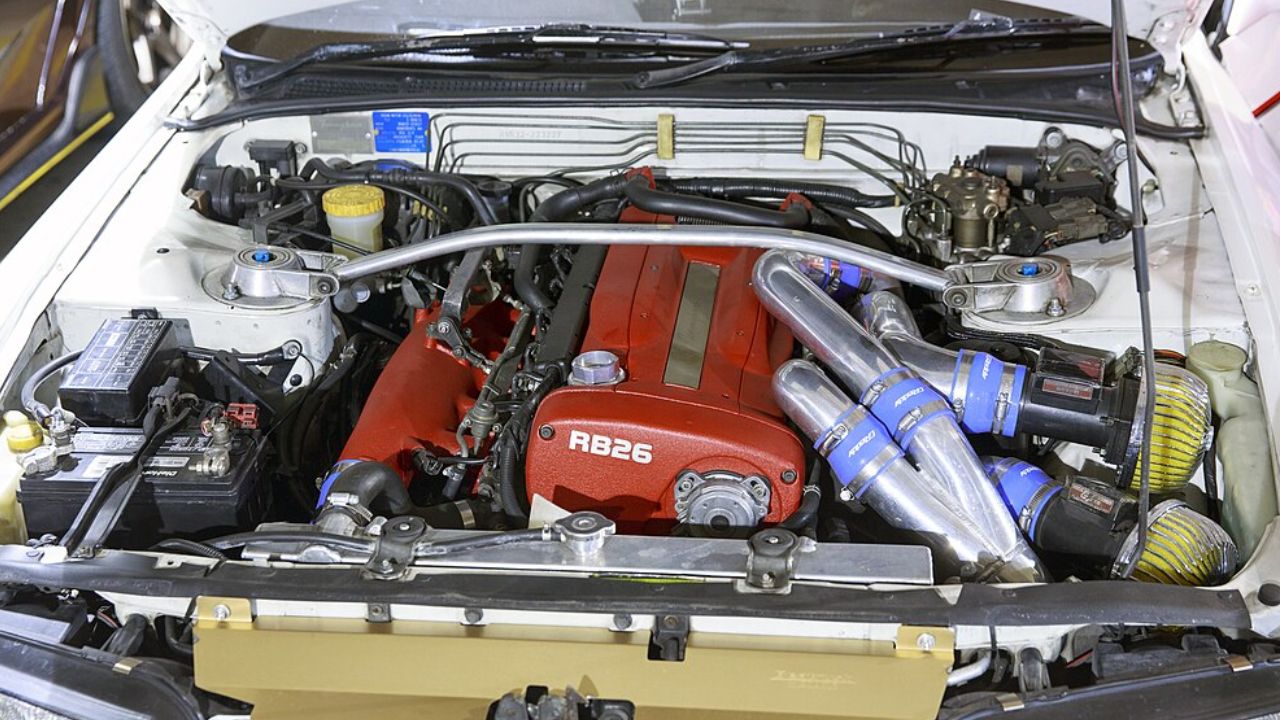
The Nissan RB26DETT Inline-6 engine is a legend in the world of Japanese performance cars. Developed for the Nissan Skyline GT-R, it debuted in 1989 and quickly became synonymous with high performance and motorsport success. Its twin-turbocharged design allowed it to produce significant power, making it a favorite among tuners and racers.
The RB26DETT’s success in motorsport, particularly in the JGTC and Group A racing, solidified Nissan’s reputation as a leader in performance engineering. The engine’s cult status continues to influence Nissan’s performance lineage.
Chrysler Hemi V8
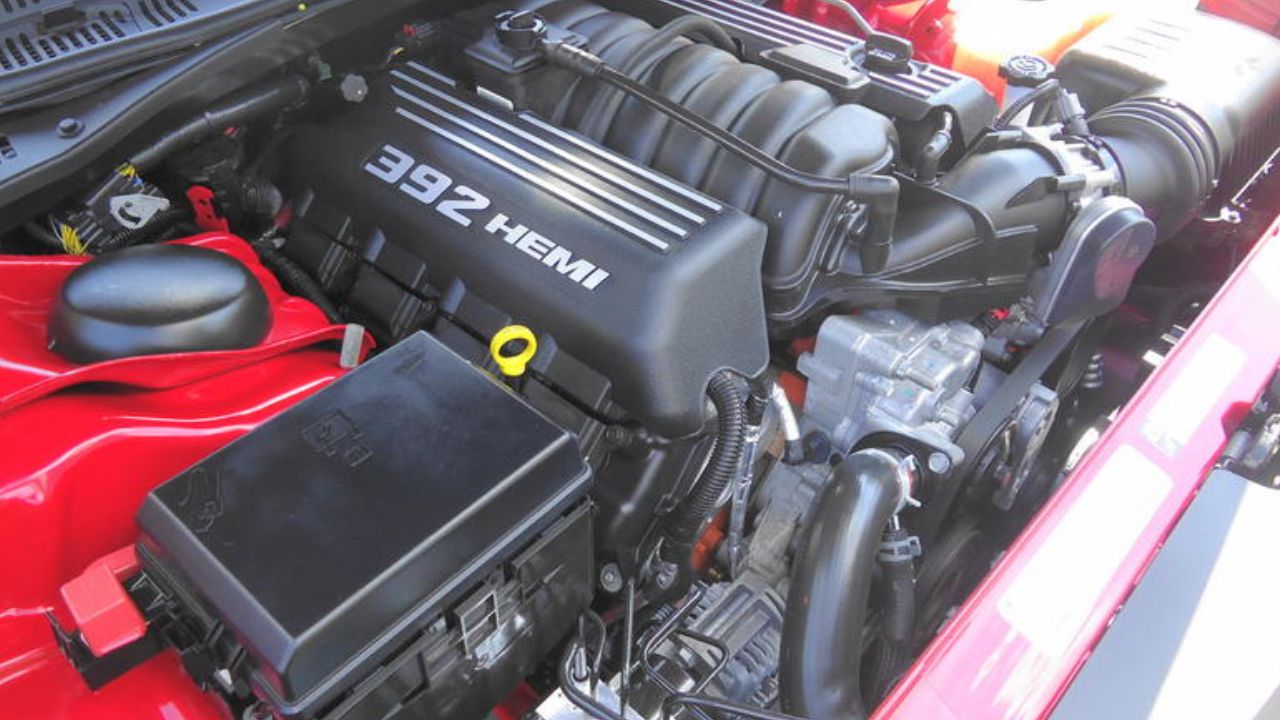
The Chrysler Hemi V8 is an icon of American muscle. Originally introduced in 1951, its hemispherical combustion chamber design provided superior airflow and combustion efficiency, leading to impressive power outputs. The Hemi became a staple of Chrysler’s performance vehicles, including the Dodge Charger and Plymouth Barracuda.
Renowned for its power and durability, the Hemi V8 has undergone various iterations, continuing to power modern muscle cars like the Dodge Challenger SRT Hellcat. Its legacy is a testament to Chrysler’s enduring commitment to powerful, performance-oriented engines.
Like Fast Lane Only’s content? Be sure to follow us.
Here’s more from us:
*Created with AI assistance and editor review.