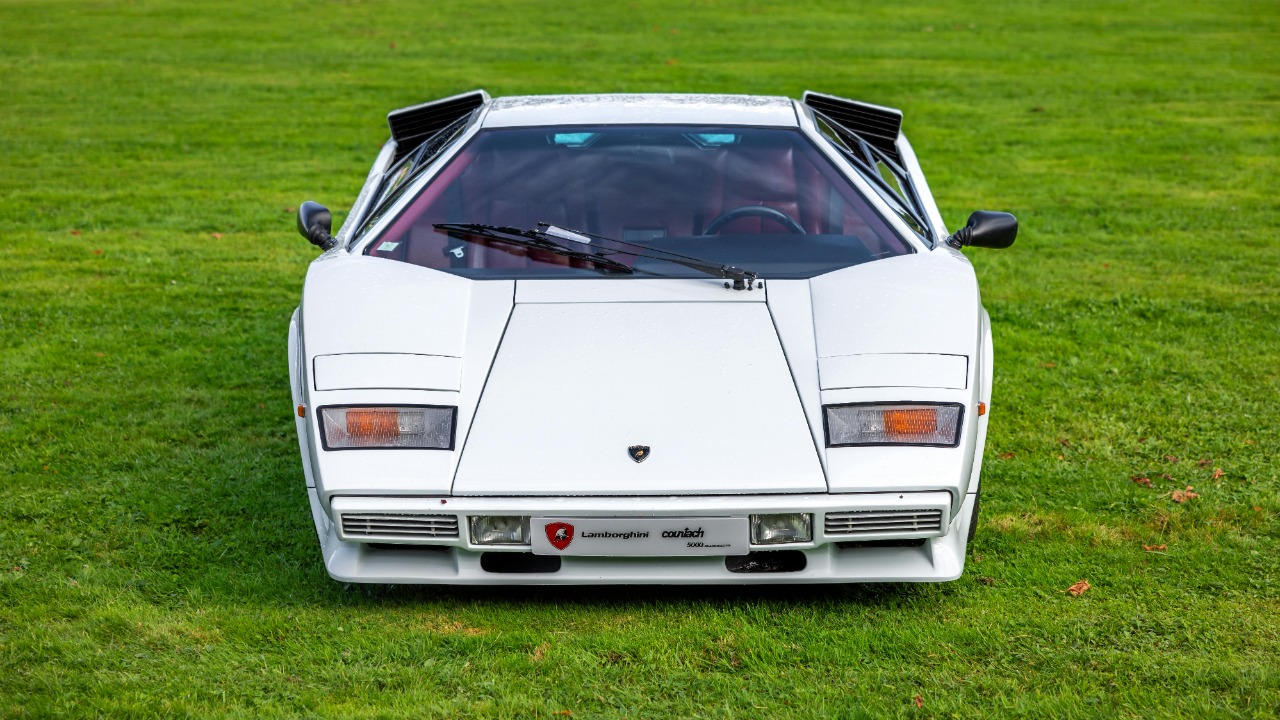
The Lamborghini Countach was a poster before it was a car. For an entire generation, it existed first as a flat, impossible shape on bedroom walls, arcade screens, and VHS covers, long before anyone had a chance to hear its V12 or see its scissor doors in motion. The car became a cultural object that transcended production numbers and geography, turning into a shared fantasy more people knew from images than from real roads.
That disconnect between myth and reality is key to understanding why the Countach still defines the word “supercar” for so many enthusiasts. It was never just about speed or engineering. It was about the way a single outrageous design could colonize imaginations worldwide, even in places where a real Lamborghini might never appear.
What happened
The story starts with a prototype that hardly resembled anything else on four wheels. When Lamborghini unveiled the LP500 concept in the early 1970s, the car introduced the sharp wedge profile, cab-forward stance, and scissor doors that would become the Countach’s visual signature. The original LP500 remained a one-off, later destroyed in crash testing, but its radical proportions and low, flat surfaces set the template for the production LP400 that followed, as detailed in histories of the Countach’s evolution.
The first production LP400 was cleaner and simpler than the wild poster cars that came later. It lacked the huge rear wing, flared arches, and telephone-dial wheels that would define the 1980s versions, yet it carried over the essential drama of the concept. The car’s shape was so extreme that it effectively became its own marketing. Lamborghini built relatively few early examples, but photographs of that low yellow wedge circulated widely in magazines and brochures, and the name “Countach” (a Piedmontese exclamation of astonishment) helped lock in its mystique.
The original LP500 prototype itself eventually returned in a new form. Specialists reconstructed the first Countach using surviving measurements and period documentation, creating a modern tribute that mirrors the lost show car. Reports on the project describe how the team reproduced details such as the slim nose, periscope-style roof intake, and early interior layout to bring the first Countach back into physical existence. That reconstruction underscored how much of the car’s legend rested on a design many fans had only ever seen in grainy photos.
The Countach’s leap from exotic prototype to global icon accelerated once it reached film and television. One of the most influential appearances came through a black Countach used in the opening sequence of “The Cannonball Run.” That car, a modified LP400S, roared across American highways on screen and became an instant symbol of outlaw speed. Enthusiast accounts describe how that specific Cannonball Run Countach gained its own following, complete with added front wing, extra lights, and period-correct radar detectors.
By the time the Countach evolved into the 5000 Quattrovalvole and later 25th Anniversary models, its shape had been exaggerated even further. Wider arches, deeper air intakes, and that towering rear wing turned the car into a caricature of speed. Those later variants were the ones most often immortalized on posters and toys, including a detailed LEGO set that recreates the Countach 5000 with brick-built vents and wedge-shaped bodywork. For many younger fans, the LEGO version is the closest they will ever come to parking a Countach in their own room.
Why it matters
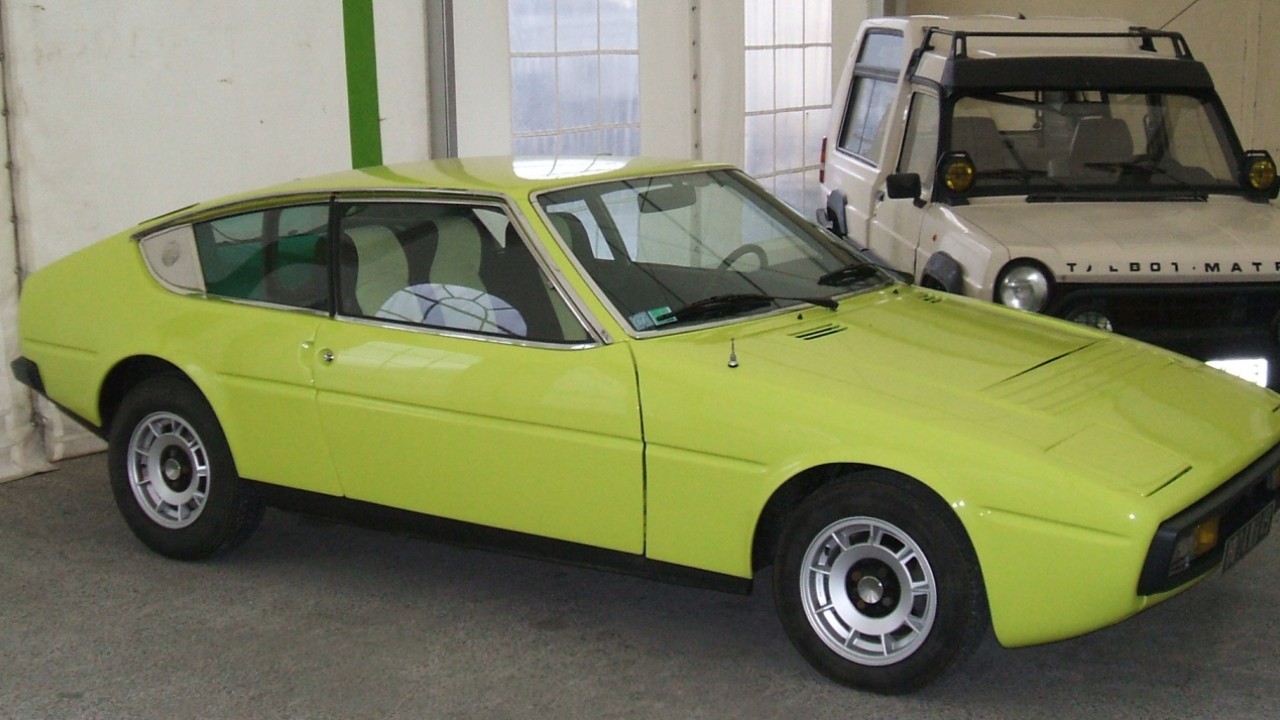
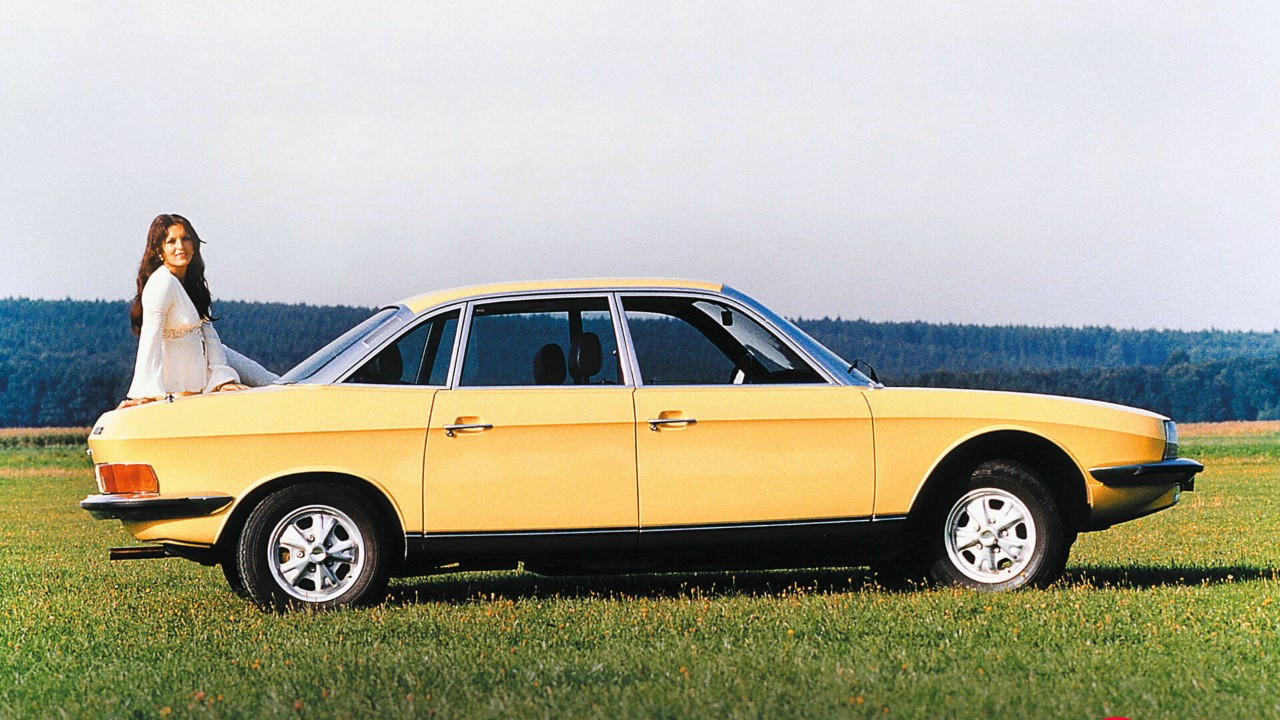
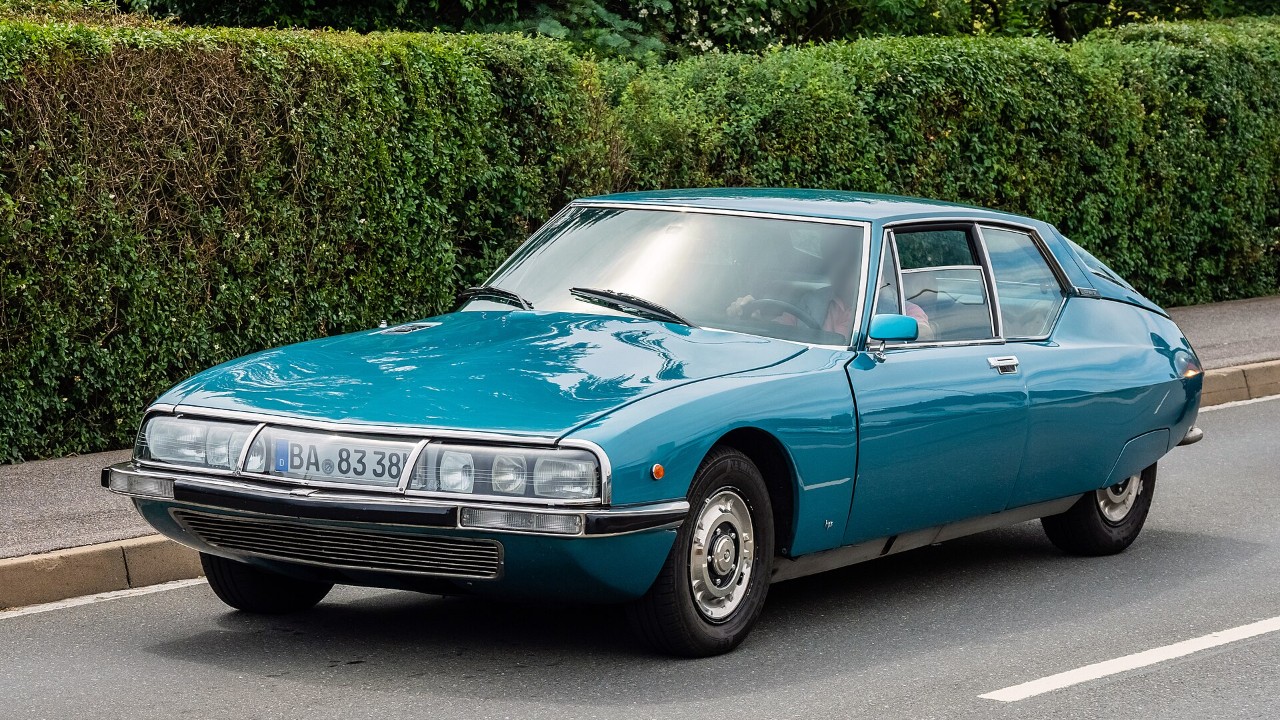
The Countach’s influence goes far beyond its production run or performance figures. It helped fix the template for what a supercar should look like: low, angular, and unapologetically theatrical. Designers across the industry absorbed its cues. Wedge-shaped exotics from the 1970s and 1980s, from rival Italian brands to smaller boutique makers, all show traces of the Countach’s proportions. The car turned sharp angles and scissor doors into visual shorthand for excess, a language that later models would echo even when they pursued very different engineering goals.
It also became one of the first truly global car fantasies. In markets where Lamborghini had no dealer network and import rules made ownership nearly impossible, children still knew the shape. It appeared in arcade racers, trading cards, and scale models. The car’s presence in pop culture meant that millions formed an opinion about the Countach without ever seeing one in traffic. For many, the first encounter came not on a street but on a bedroom wall, where the white 5000 Quattrovalvole or red 25th Anniversary version loomed over a desk or bed.
That distance between image and reality shaped the car’s reputation. Owners and reviewers often pointed out that the Countach could be hot, cramped, and difficult to see out of, with heavy controls at low speed. The myth was smoother than the mechanical truth. Yet the complaints never really dented the car’s status. If anything, the Countach’s flaws reinforced its aura as something uncompromising and extreme. It was not designed to be practical. It was designed to look like speed made solid.
The same qualities that made the Countach so iconic also attracted a certain type of attention. Commentators who rank vehicles by social perception often place it among the cars that signal loud, showy taste. One analysis of “attention-grabbing” models lists the Countach among cars that attract of admirers, lumping it in with other flamboyant exotics that can project arrogance as easily as enthusiasm. That tension between admiration and ridicule is part of the car’s cultural footprint. The Countach is not a subtle object. It never tried to be.
At the same time, the car’s enduring presence in toys, games, and construction sets has softened its edges for younger audiences. The LEGO Countach, for instance, turns the once-intimidating wedge into something approachable and collectible. Builders who assemble the brick version learn to recognize the real car’s intakes, roofline, and stance, even if they never see a full-scale example. The model acts as a gateway into automotive history, teaching design language through plastic rather than metal.
The Countach also matters because it marks a bridge between analog and digital car culture. Early fans discovered it through print magazines and movie posters. Later generations met it in racing games and online videos. The car’s design proved flexible enough to thrive in both worlds. Whether rendered in pixels, film grain, or high-resolution photography, the silhouette remains instantly recognizable. That persistence helps explain why the Countach still appears in discussions of the most influential cars ever built, despite being out of production for decades.
What to watch next
The Countach’s afterlife is still unfolding, and several threads are worth watching. The reconstruction of the original LP500 showed that there is strong appetite for historically accurate restorations and recreations. As values for surviving cars climb, more owners and specialists are likely to pursue factory-correct rebuilds, period modifications, or faithful tributes that mirror specific film and magazine cars. The painstaking work that went into recreating the first prototype suggests that similar projects could follow for other significant chassis, including famous movie and show cars.
Another area to watch is how the Countach continues to be reinterpreted in miniature. The LEGO Countach 5000 is part of a broader trend where iconic cars get translated into detailed kits aimed at adults as much as children. As brick-based and die-cast models grow more sophisticated, they keep the design in circulation and introduce it to audiences who may never have heard of the original V12. The popularity of the LEGO version hints at continued demand for tangible, collectible versions of classic supercars.
There is also the question of how future supercars will reference the Countach without simply copying it. Modern performance cars must meet far stricter safety and emissions rules, which makes the original’s low nose and flat surfaces difficult to replicate. Even so, designers still borrow elements such as the aggressive wedge stance, angular intakes, and theatrical doors. As electrification reshapes performance car design, the Countach’s influence may show up in new ways, perhaps in lighting signatures, cabin layouts, or the way brands communicate drama without the sound of a large combustion engine.
More from Fast Lane Only