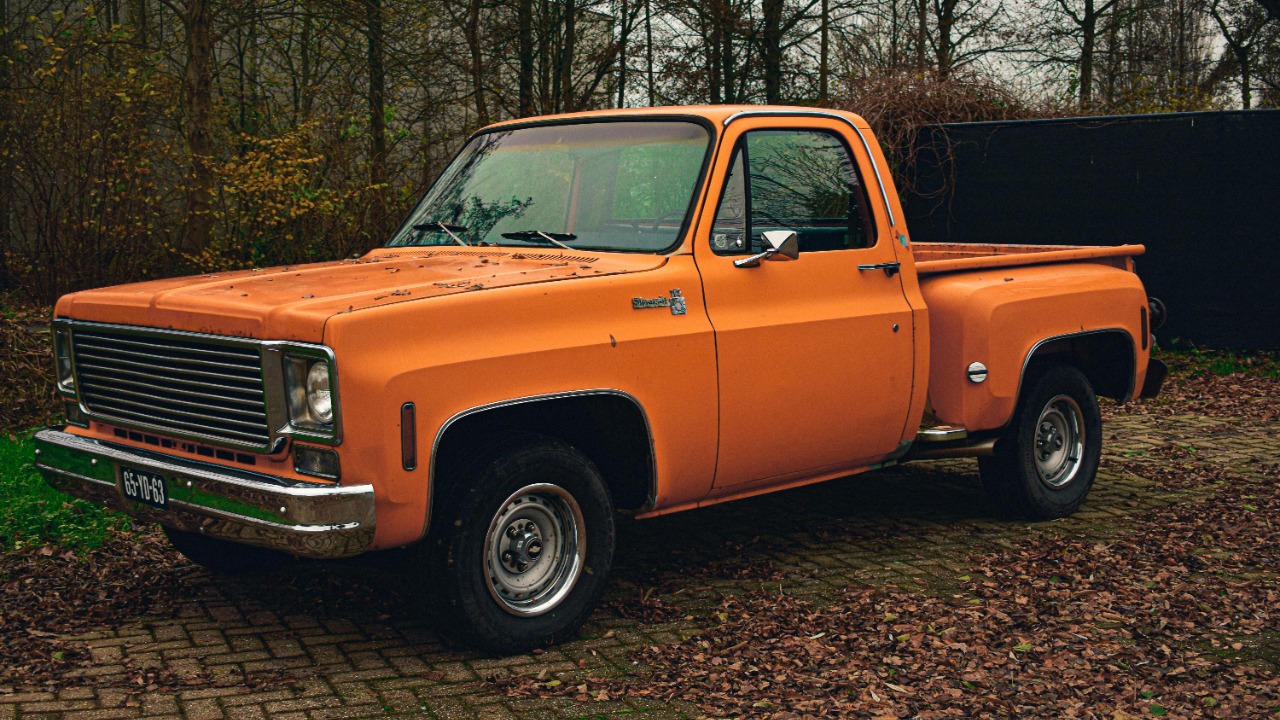
It started as the kind of simple, neighborly deal people like to brag about—no dealerships, no pressure, just a handshake and a set of keys. One homeowner had an old pickup that had been sitting around more than it had been hauling anything. A neighbor mentioned needing a truck for work, and the two struck a quick agreement that felt fair to both sides.
But a few days later, while scrolling through online listings, the seller froze. There it was: the same truck, same dents, same faded paint on the tailgate—listed for about double what he’d just sold it for. The post read like a bargain hunter’s dream, and it left him wondering whether he’d been played or simply missed what the market had become.
A handshake deal that felt like a win-win
The seller described the truck as “solid, just old,” the kind of vehicle that starts every morning but doesn’t impress anyone at a stoplight. It had a few known quirks: a finicky window switch, tires that were more “almost” than “new,” and a check-engine light that had become more of a roommate than a warning. Still, it ran, it hauled, and it had served its purpose.
When the neighbor asked about it, the conversation stayed refreshingly low-key. No haggling marathons, no dramatic “I’ve got another buyer” speeches. They settled on a price that seemed reasonable for an older truck in decent working shape, and the seller was mostly relieved to get it out of the driveway.
The online listing that made his stomach drop
The surprise came during a normal, mindless scroll—exactly when you don’t expect to see your past purchases pop up like a jump scare. The listing showed the truck cleaned up, photographed in flattering light, and described with the kind of optimism usually reserved for real estate listings. The asking price was roughly double what had changed hands just days earlier.
It wasn’t just the number that stung—it was the tone. The ad suggested the truck was “hard to find,” “ready for work,” and “priced to sell,” which is a pretty bold vibe for something that still had the same scratch down the side panel. The seller recognized small details that confirmed it was the exact vehicle, not just a similar model.
So… is that shady, or just business?
This is where things get murky, because the answer depends on what was said before the sale. If the neighbor acted like they needed the truck personally and used that story to push the price down, then flipped it immediately, it can feel deceptive—even if it’s technically allowed. If, on the other hand, the neighbor simply bought it and later realized they could resell it for more, that’s closer to everyday capitalism than outright betrayal.
In most private-party sales, once the title is signed over and the payment is done, the buyer can do what they want with the vehicle. They can drive it, modify it, park it under a tarp forever, or list it online with a price that makes your eyebrows climb. Legally, the original seller usually doesn’t have a say unless there was a written contract limiting resale, which is rare in casual neighbor transactions.
Why the price gap happens more than people think
Used vehicle pricing has been all over the place in recent years, and trucks in particular can hold value in ways that surprise folks who haven’t checked listings in a while. A vehicle that feels “old and tired” when it’s yours can look “reliable and affordable” to someone shopping in a tight market. Sometimes the seller’s price reflects personal history, not current demand.
Also, presentation matters more than it should. A quick wash, a vacuum, a $30 bottle of plastic trim restorer, and photos taken at golden hour can make the same truck look like it just got its life together. Add a confident description and an ambitious price, and you’ve got the online equivalent of putting a blazer on a teenager and calling it “business casual.”
The neighbor’s playbook: clean, stage, list high
People who flip vehicles aren’t always doing major repairs; a lot of the “value” comes from effort, timing, and patience. If the neighbor spent a weekend fixing small annoyances—replacing a bulb, patching a seat tear, topping off fluids—that can justify a higher price to a buyer who wants something turnkey. Even small improvements can bump perceived value, especially if the original seller didn’t feel like tinkering anymore.
Then there’s the classic strategy: list high, expect to negotiate. The asking price isn’t always what the truck will sell for, and the neighbor might be aiming for a middle ground that’s still substantially higher than what they paid. That difference can feel personal, but it’s also how most online marketplaces work.
What the seller can do now (without making it weird)
Seeing your old truck listed for double can trigger an immediate urge to confront the neighbor, but it’s worth pausing first. If the sale is already completed and there weren’t promises about how the truck would be used, there may not be much practical leverage. The seller can ask a simple question—casual, not accusatory—if they want clarity: “Hey, I saw the truck listed online. Are you flipping it?”
That conversation can go a few ways. The neighbor might shrug and say they changed their mind, needed the cash, or realized the market was hotter than expected. Or they might get defensive, which at least provides information about how they handle conflict—useful data when deciding whether future favors stay on “friendly wave” terms or move into “polite distance” territory.
A lesson in pricing, not just trust
If there’s a silver lining, it’s that this kind of situation is a crash course in how quickly pricing can drift from what feels fair to what the market will pay. The seller’s number likely reflected convenience: no strangers coming by, no test drives, no negotiation texts at 10 p.m. That convenience has real value, even if it’s hard to quantify.
Still, it can sting to realize the truck might’ve been worth more with a little extra effort. Checking a few comparable listings before selling—same year range, similar mileage, similar condition—can prevent that shock later. Even if someone still chooses the quick neighbor sale, at least it’s an informed decision rather than an accidental donation to someone else’s side hustle.
The bigger neighborhood question
Beyond the truck, the story taps into something more personal: how money changes the temperature of everyday relationships. Most people expect neighbors to be decent, not necessarily generous, but decent. When a neighbor transaction turns into a profit play, it can make future interactions feel slightly staged, like you’re suddenly living next to a walking classified ad.
At the same time, not every flip is a betrayal. Some folks treat buying and selling like a hobby, and they don’t always realize how it looks from the other side—especially if they didn’t communicate their intent. Either way, the seller now knows something important: next time, the “friendly deal” should come with a friendly bit of research, too.
For now, the truck sits online with a shiny new price tag and an optimistic description, waiting for a buyer who doesn’t know its history. The seller, meanwhile, is left with a familiar mix of feelings: annoyance, curiosity, and the faint urge to refresh the listing just to see what happens. Because nothing says modern neighborhood drama like a used pickup and an internet connection.
More from Fast Lane Only
- Unboxing the WWII Jeep in a Crate
- 15 rare Chevys collectors are quietly buying
- 10 underrated V8s still worth hunting down
- Police notice this before you even roll window down
*Research for this article included AI assistance, with all final content reviewed by human editors.