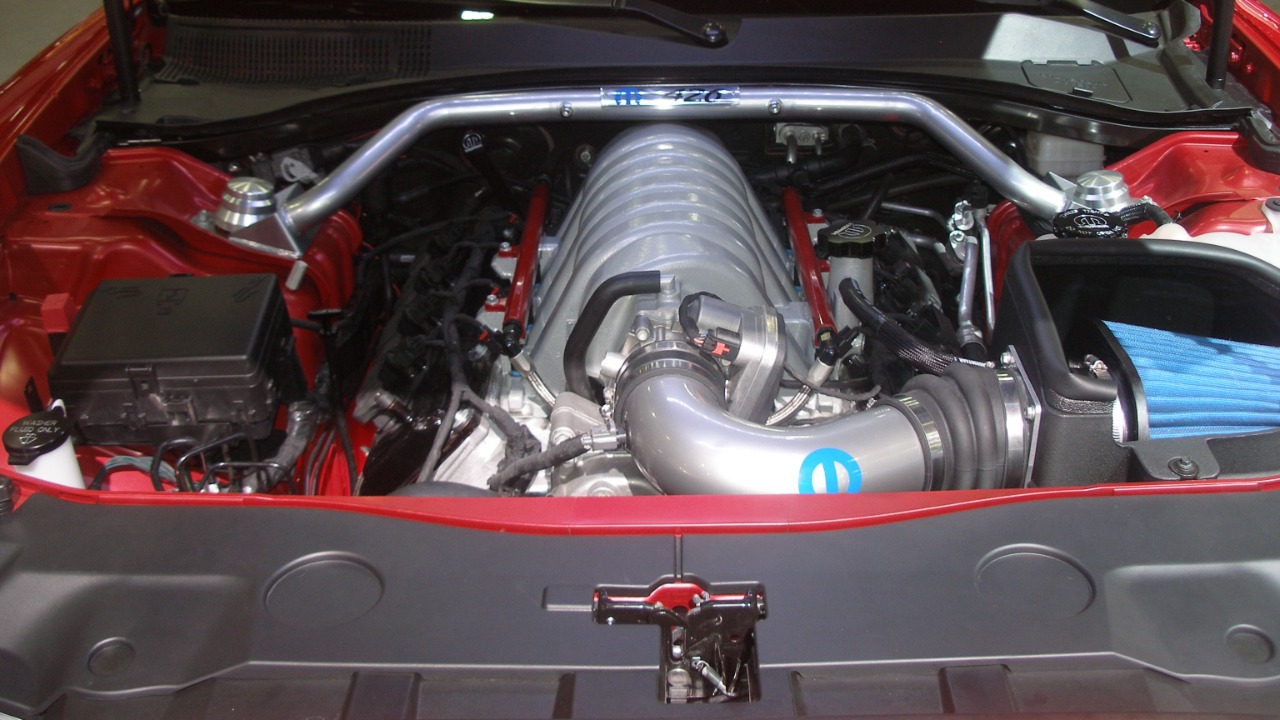
When it comes to automotive engineering, some engines have proven to withstand the test of time, delivering reliable performance year after year. Durability and efficiency are key traits that define these engines, making them favorites among enthusiasts and everyday drivers alike. Here are ten engines renowned for their ability to handle years of use without slowing down.
Toyota 2JZ-GTE
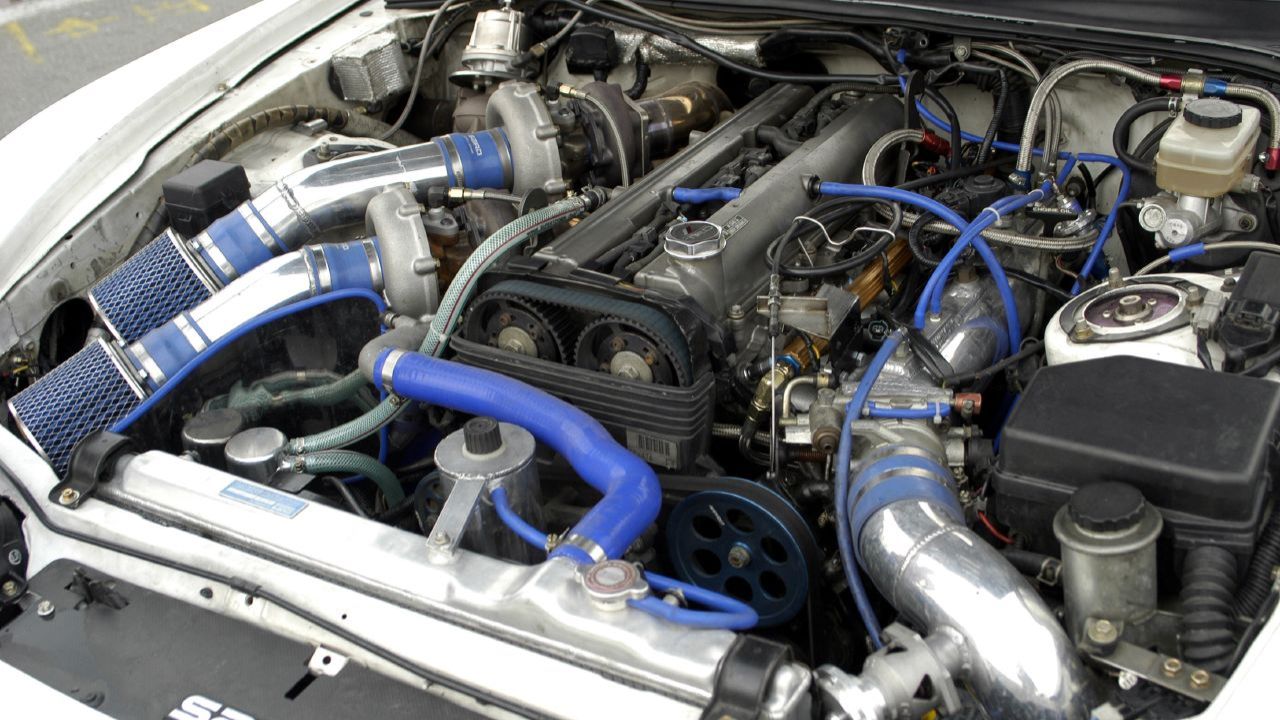
The Toyota 2JZ-GTE is a legendary inline-six engine that powers the iconic Toyota Supra Mk4, produced from 1993 to 2002. Known for its robust construction and performance potential, the 2JZ-GTE can easily handle high horsepower modifications without compromising reliability. Many enthusiasts have reported their 2JZ-GTE engines running flawlessly even after hundreds of thousands of miles. The engine features a cast-iron block and a forged steel crankshaft, which contribute to its durability. Additionally, its turbocharged design allows for impressive power output while maintaining efficiency. For serious tuners and casual drivers alike, the 2JZ-GTE remains a top choice for those seeking long-lasting performance.
In the world of motorsport, the 2JZ-GTE’s reliability has made it a favorite for drag racing and drifting. Enthusiasts often swap this engine into various chassis, further showcasing its versatility. The aftermarket support for the 2JZ-GTE is immense, with countless performance upgrades available. Whether you’re looking to push for 1,000 horsepower or simply want a reliable daily driver, the 2JZ-GTE has proven to rise to the occasion time and again. Interested in learning more about other reliable engines? Check out this resource on reliable engines.
Honda K-Series
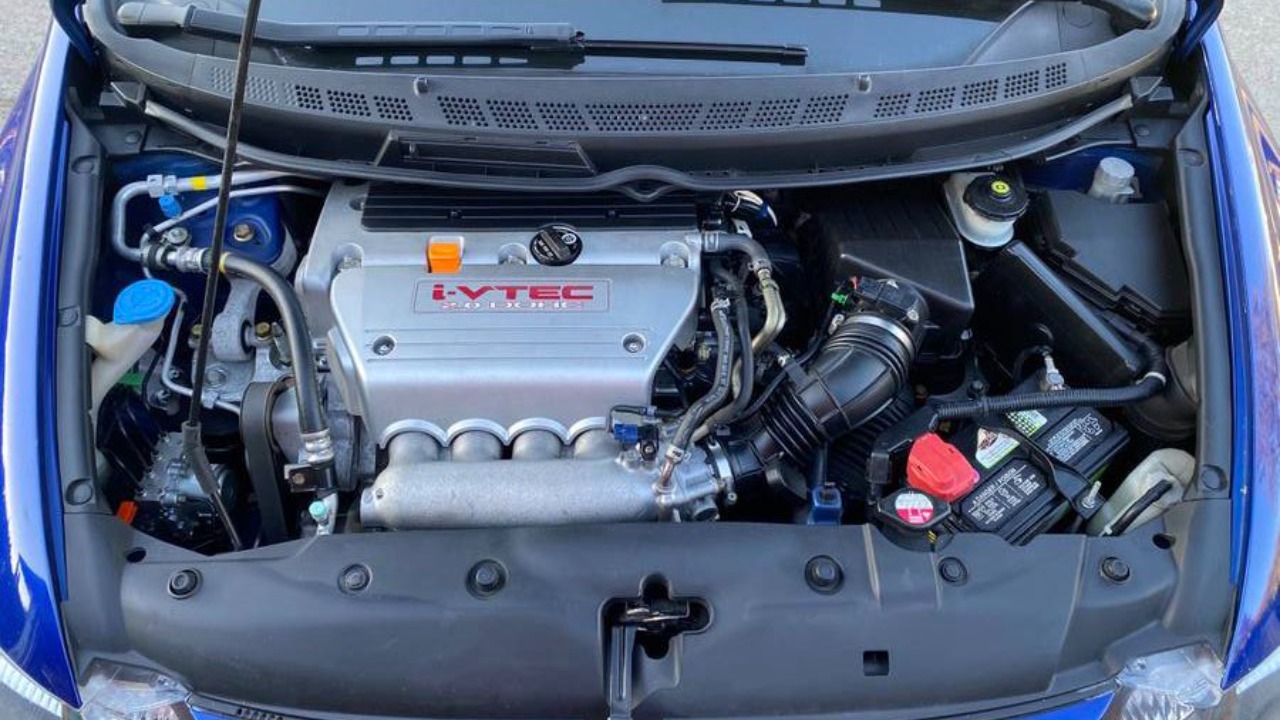
The Honda K-Series engines, particularly the K20 and K24, have garnered a reputation for their longevity and performance. These engines, found in models like the Civic and CR-V, are known for their high-revving nature and impressive fuel efficiency. Built with a robust aluminum block and DOHC design, the K-Series engines provide a perfect balance of power and reliability. Many owners report their K-Series engines reaching well over 200,000 miles with minimal issues, making them a popular choice for both daily drivers and performance builds.
Thanks to a vast aftermarket community, upgrading a K-Series engine is both accessible and rewarding. Performance parts such as intake manifolds, exhaust systems, and tuning solutions allow for significant horsepower gains while maintaining reliability. The K-Series platform has also become a favorite among racers, with many using these engines in various disciplines, from autocross to road racing. For more insights into reliable engines, take a look at this study on engine performance longevity.
Chevrolet LS Series
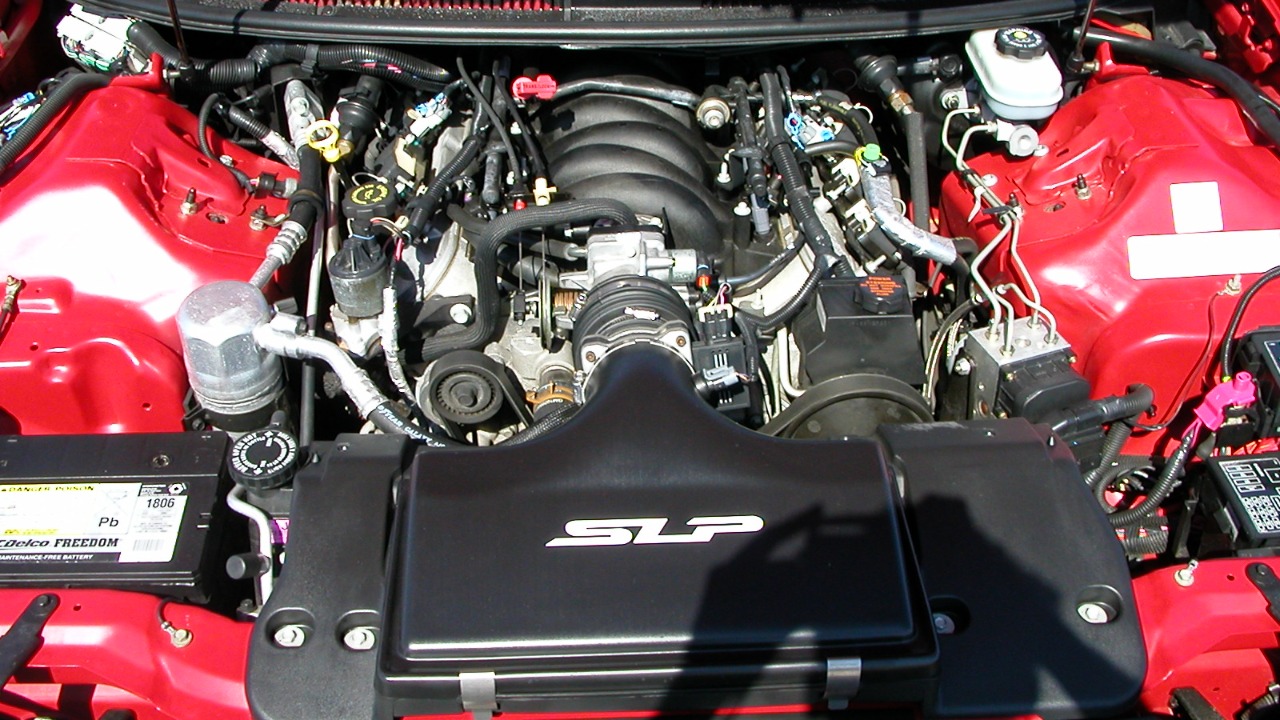
The Chevrolet LS Series engines, particularly the LS1 and LS3, are renowned for their durability and versatility. Originally designed for the Corvette and later used in various Chevrolet models, the LS engines have become a staple in the automotive aftermarket. Their lightweight aluminum construction and efficient design make them a popular choice for engine swaps and performance builds. Many enthusiasts have successfully logged over 300,000 miles on their LS engines, often with minimal maintenance.
The LS engines are known for their immense aftermarket support, allowing for easy sourcing of parts and upgrades. From turbocharging kits to high-performance cylinder heads, the possibilities for enhancing power are endless. Their reliability has made them a favorite not only in street cars but also in motorsports, with many racers opting for LS engines due to their ability to withstand high RPMs and loads. For those seeking performance and durability, the LS Series stands out as a premier option.
Subaru EJ Series
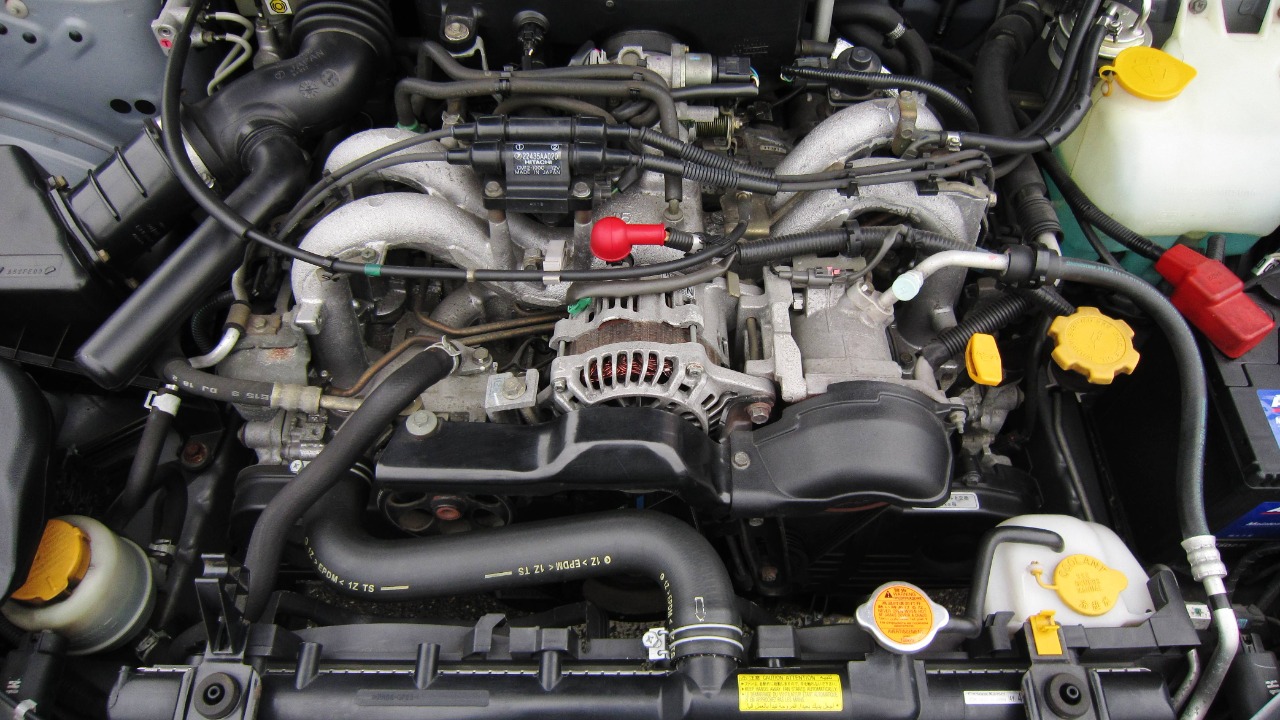
The Subaru EJ Series engines, particularly the EJ20 and EJ25, have built a strong reputation for their reliability and performance in various Subaru models. Known for their unique boxer configuration, these engines provide a low center of gravity, enhancing vehicle stability and handling. Many Subaru owners have reported their EJ engines lasting well beyond 200,000 miles, even in harsh driving conditions. The robust construction of the EJ Series, combined with its turbocharged options, allows for a balance of power and longevity.
Subaru’s commitment to all-wheel-drive systems further complements the EJ engines, making them popular among rally enthusiasts and off-roaders. The reliability of these engines has also led to a passionate community of owners who share tips, modifications, and experiences. Whether you drive a WRX or an Outback, the EJ Series has proven itself time and time again as a durable and capable engine choice.
Ford Modular V8
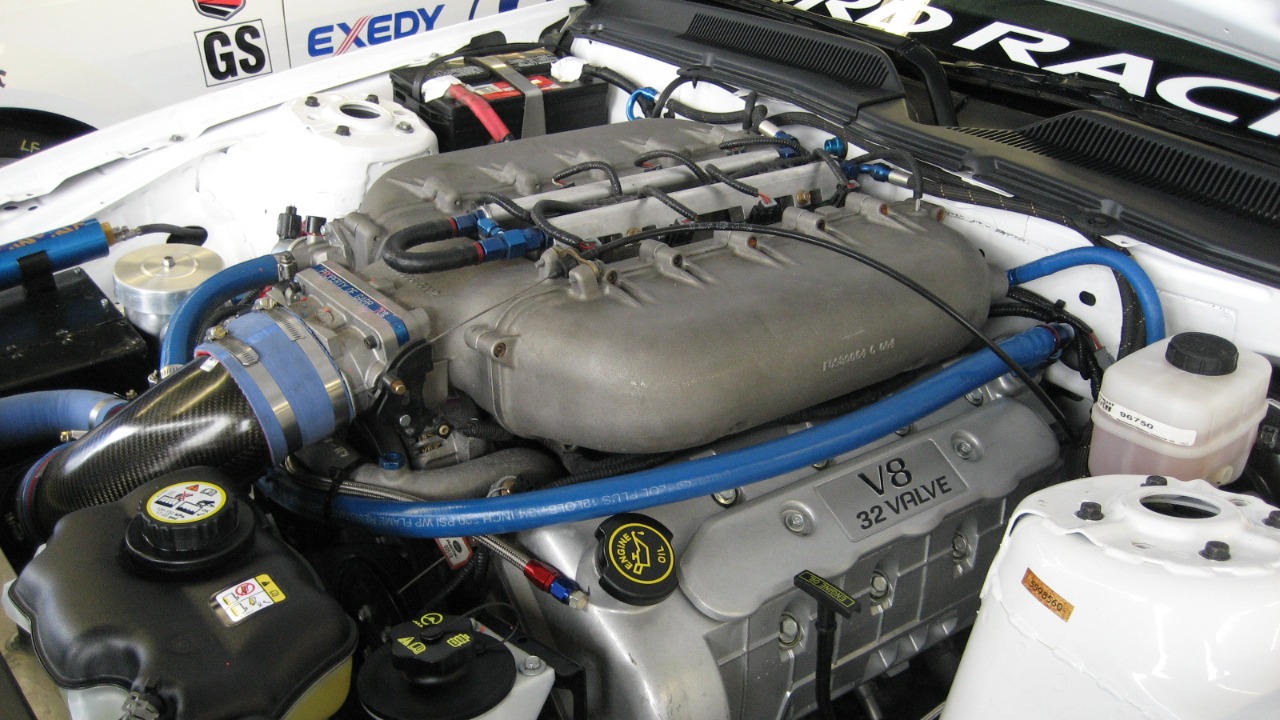
The Ford Modular V8 engines, including the 4.6L and 5.4L variants, are recognized for their longevity and performance across a range of Ford vehicles. Initially introduced in the 1990s, these engines have powered everything from the Ford Mustang to the F-150. Their iron block and aluminum heads contribute to their durability, with many owners reporting over 200,000 miles without major issues. The Modular V8’s design allows for smooth power delivery and efficient operation, making it a versatile choice for various applications.
These engines also have a strong aftermarket presence, with numerous performance parts available for those looking to enhance their performance. From superchargers to exhaust systems, the Modular V8 can easily be tuned to meet the demands of both everyday driving and racing. The reliability of these engines has solidified their status as a favorite among Ford enthusiasts, ensuring they remain a popular choice for years to come.
Mazda Wankel
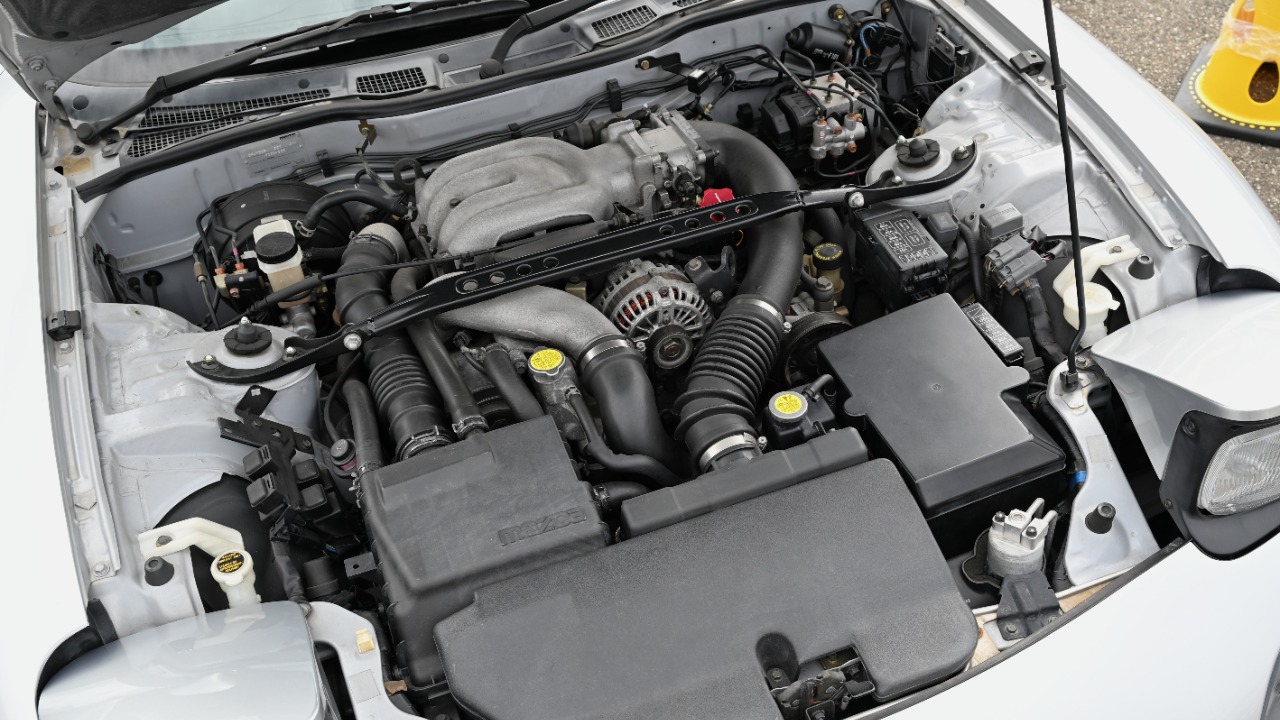
The Mazda Wankel engine, particularly the RX-7’s 13B rotary engine, is known for its unique design and impressive performance. The Wankel engine’s compact size and lightweight nature have made it a favorite among sports car enthusiasts. While the Wankel engine has fewer moving parts than traditional piston engines, it requires regular maintenance to ensure longevity. Many RX-7 owners have successfully kept their 13B engines running strong for over 200,000 miles with proper care.
The Wankel engine’s high-revving nature and smooth power delivery provide a thrilling driving experience that is hard to replicate. The aftermarket support for the Wankel engine has also contributed to its reputation, with many performance upgrades available. From turbochargers to custom exhaust systems, enthusiasts enjoy making modifications that push the limits of this unique engine. For those seeking a distinctive engine with a history of reliability, the Mazda Wankel continues to be a compelling choice.
Nissan SR20DET
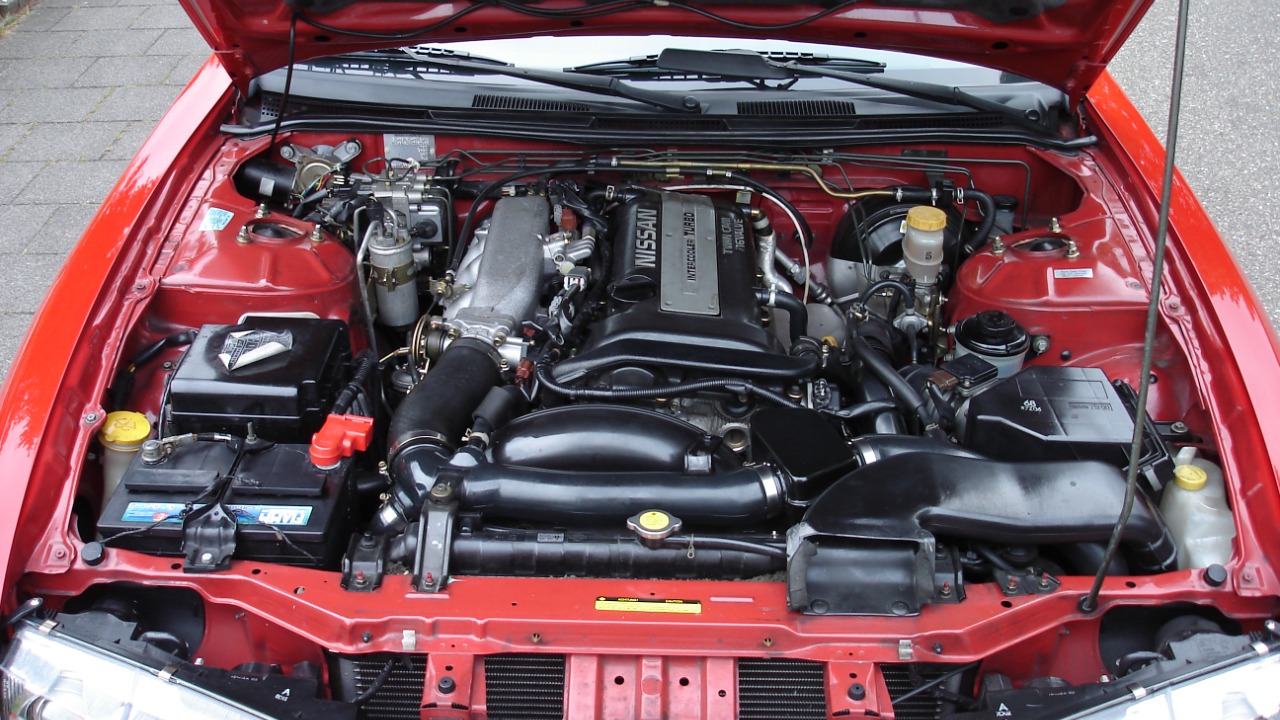
The Nissan SR20DET is a turbocharged inline-four engine celebrated for its performance and tuning potential. Found in models like the Nissan Silvia and 240SX, the SR20DET has become a favorite among drift and motorsport enthusiasts. Its robust construction and ability to handle significant power upgrades without sacrificing reliability make it a go-to choice for those looking to build high-performance vehicles. Many owners have reported their SR20DET engines lasting well beyond 200,000 miles with routine maintenance.
With an extensive aftermarket offering, the SR20DET can be easily modified to achieve impressive horsepower levels. From upgraded turbochargers to high-performance intercoolers, the versatility of this engine allows for a range of performance builds. The SR20DET’s reputation for reliability, combined with its strong performance capabilities, ensures that it remains a popular option for both street and track applications. Enthusiasts can find a wealth of information and resources to help them maximize the potential of this remarkable engine.
Volkswagen TDI
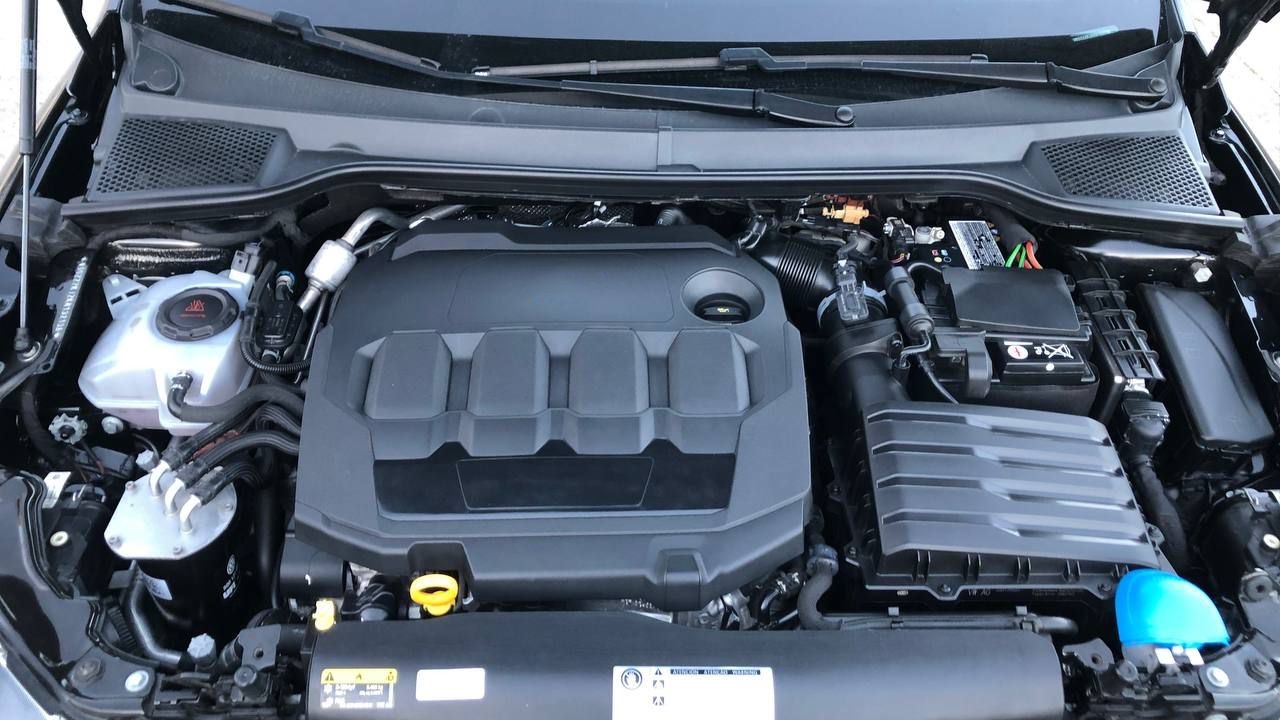
The Volkswagen TDI (Turbocharged Direct Injection) engines have gained a reputation for their longevity and fuel efficiency. Known for their torque-rich performance, these diesel engines are found in a variety of Volkswagen models, including the Jetta and Golf. Many TDI owners enjoy remarkable fuel economy while also reporting high mileage, often exceeding 300,000 miles. The TDI engines are built with a strong focus on durability, making them ideal for those looking for a long-lasting vehicle.
Despite some controversy surrounding emissions, the TDI engines remain popular for their performance and reliability. The aftermarket community supports TDI enthusiasts with various tuning options that can enhance both power and efficiency. Whether you’re looking for a dependable daily driver or a vehicle with strong towing capabilities, the TDI engine offers a well-rounded package that has stood the test of time.
BMW M54
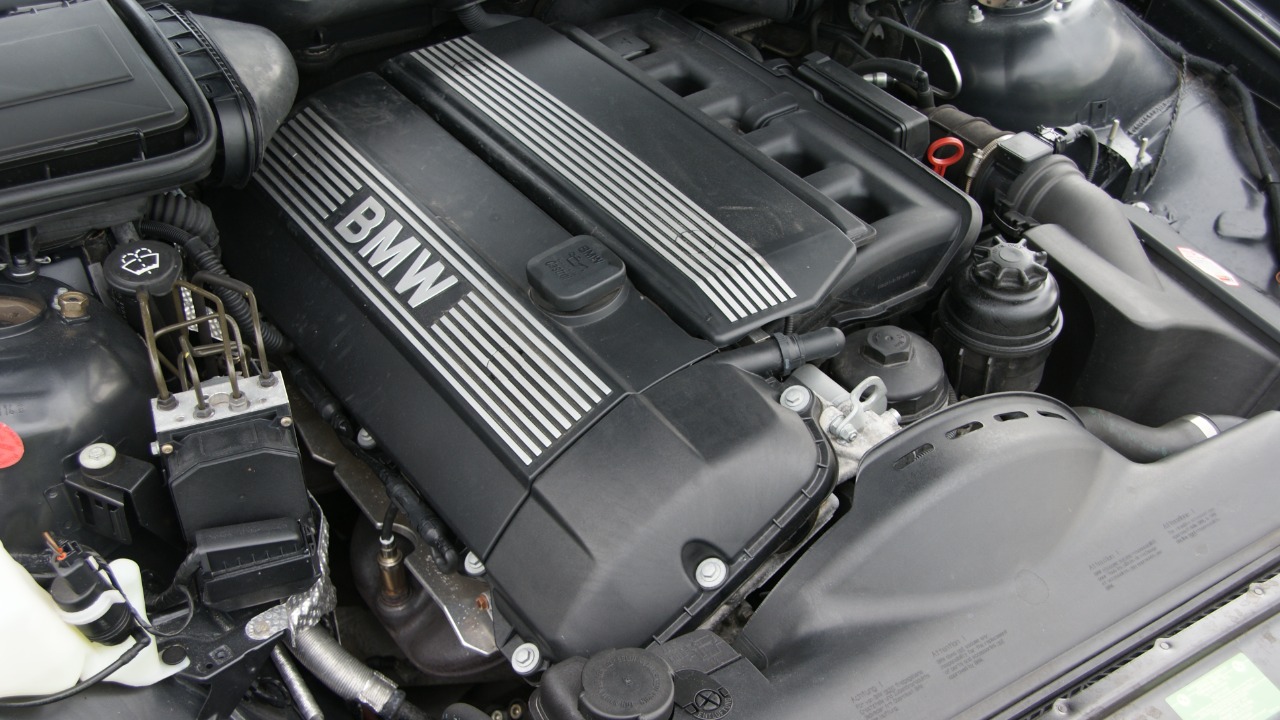
The BMW M54 engine is a straight-six engine that has left a significant mark on the automotive world. Found in models such as the E46 3 Series and E39 5 Series, the M54 is known for its smooth power delivery and reliability. Many owners have reported their M54 engines running strong well past 200,000 miles, thanks to their solid engineering and quality materials. With a cast-iron block and aluminum head, the M54 engine offers a perfect blend of performance and durability.
Moreover, the M54 has become a favorite among performance enthusiasts, with various tuning options available to enhance its power output. Upgrades such as intake systems, exhaust headers, and engine management solutions can significantly improve performance without sacrificing reliability. The M54’s reputation for longevity and performance ensures it remains a sought-after engine choice among BMW fans. For those interested in diving deeper into engine reliability, you can find more information in this research article.
Dodge HEMI
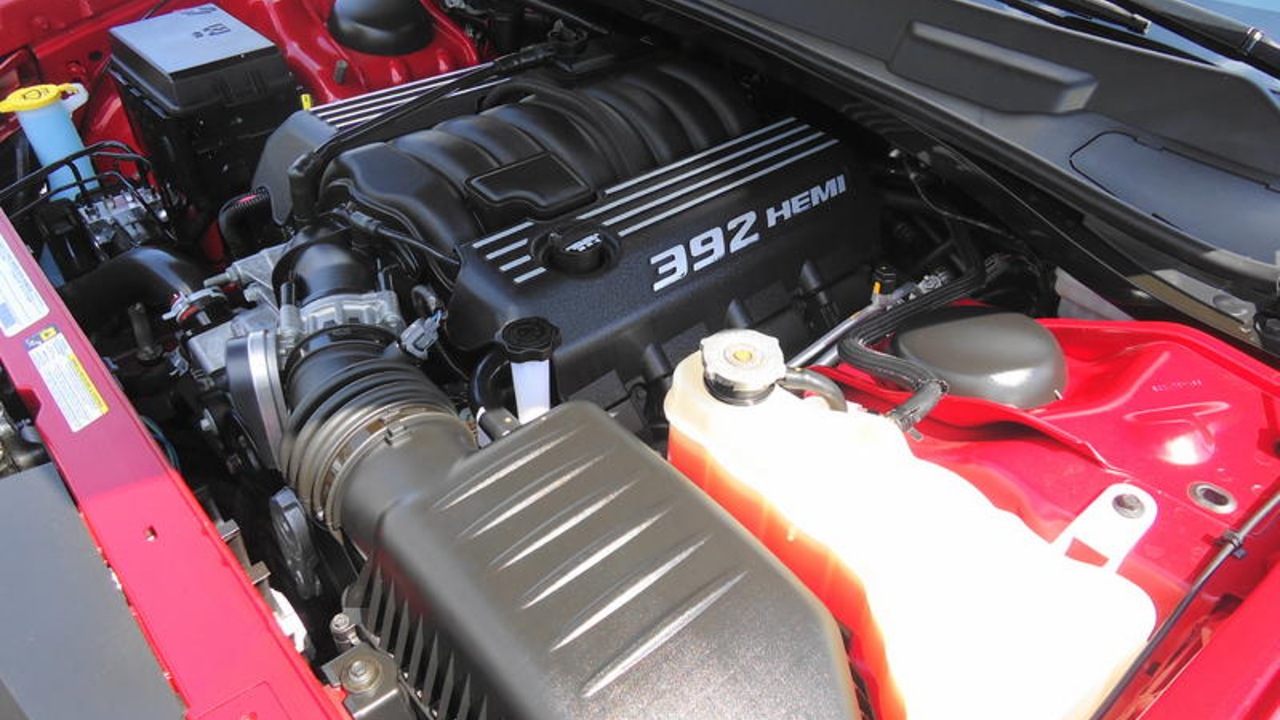
The Dodge HEMI engines, particularly the 5.7L and 6.4L versions, have become synonymous with power and durability. Known for their distinctive hemispherical combustion chambers, HEMI engines deliver impressive performance while maintaining reliability. These engines are found in popular models like the Dodge Charger and Ram 1500, and many owners report their HEMI engines lasting well beyond 200,000 miles with regular maintenance. The robust construction and engineering of HEMI engines contribute to their longevity, making them a favorite among truck and muscle car enthusiasts.
The aftermarket support for HEMI engines is extensive, with numerous performance parts available for those looking to enhance their power. From cold air intakes to superchargers, the possibilities for tuning these engines are vast. Their combination of reliability, performance, and aftermarket potential ensures that the HEMI engine remains a top choice for drivers seeking a powerful and long-lasting engine.
More from Fast Lane Only
- Unboxing the WWII Jeep in a Crate
- 15 rare Chevys collectors are quietly buying
- 10 underrated V8s still worth hunting down
- Police notice this before you even roll window down
*Research for this article included AI assistance, with all final content reviewed by human editors.