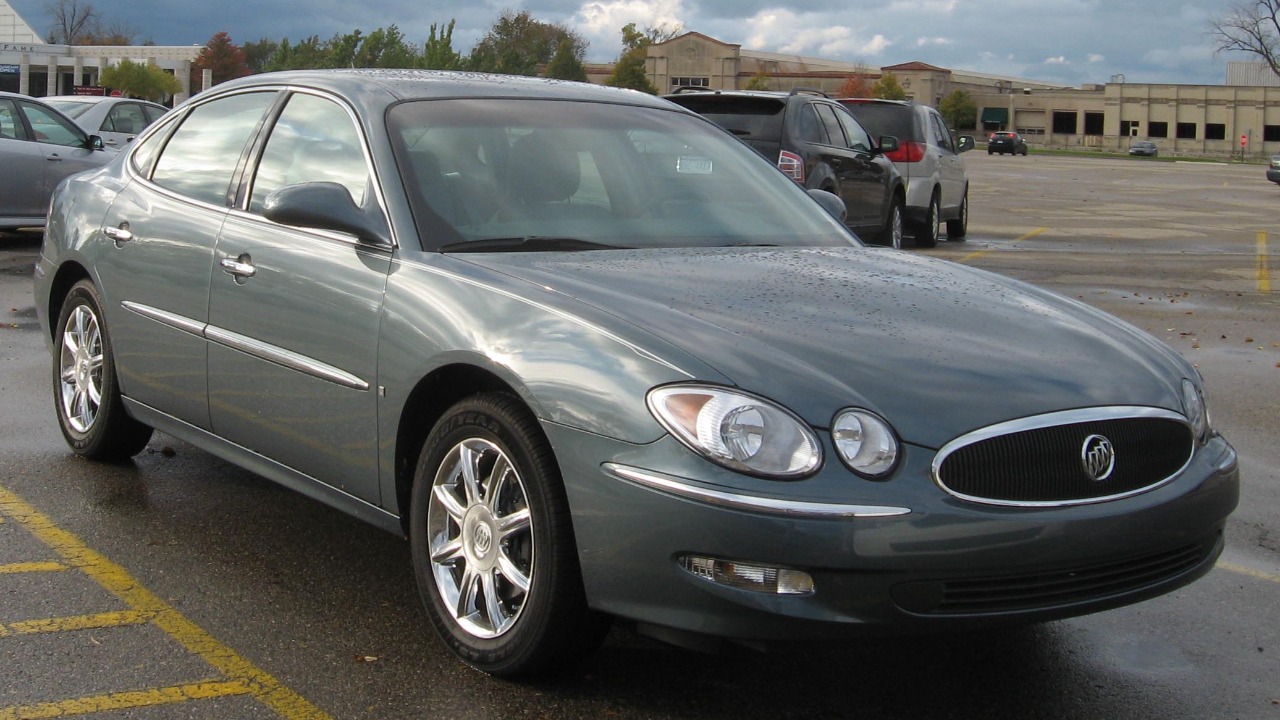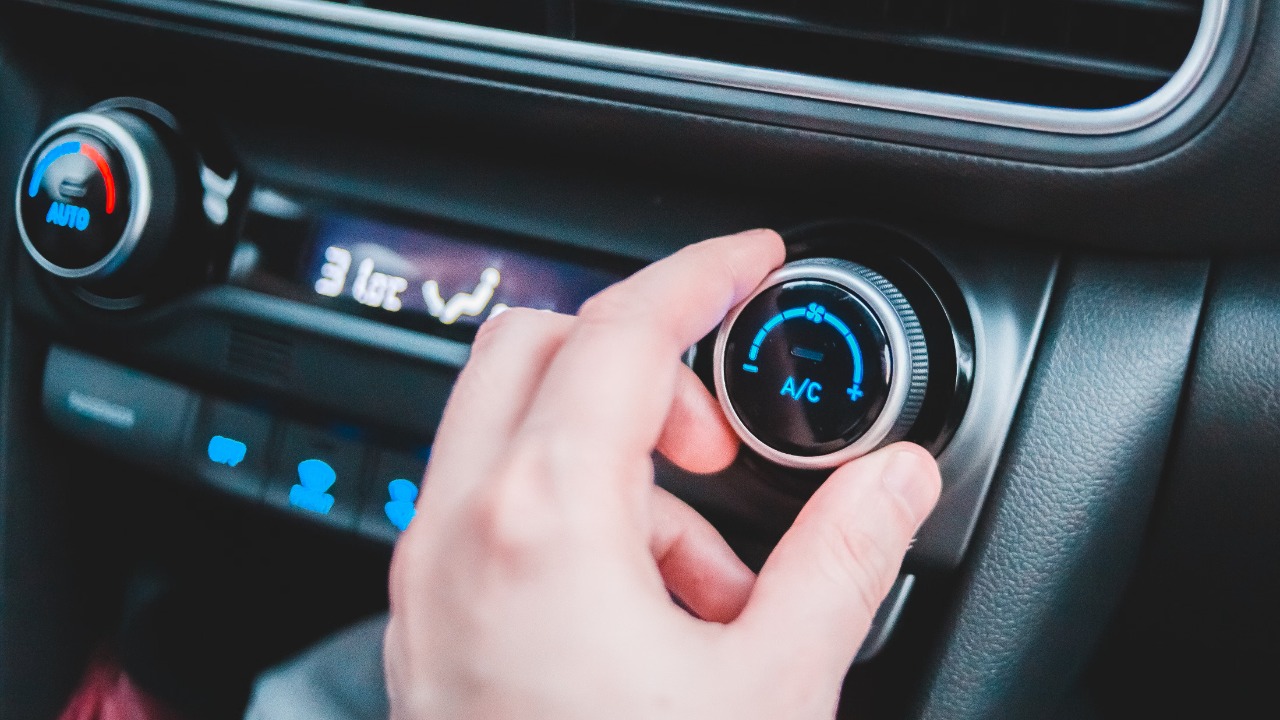
Before the advent of modern air conditioning, drivers employed various clever and resourceful methods to remain comfortable while on the road. The experience of driving was often a test of ingenuity, as motorists navigated the challenges of heat and humidity with a variety of techniques and tools. As I delve into this topic, I can’t help but appreciate the creativity and resilience that defined a time when car journeys were as much about finding comfort as they were about mobility.
Natural Ventilation Techniques
One of the most straightforward methods drivers used to combat the heat was simply opening the windows. This approach, while basic, was surprisingly effective. The rush of air entering the vehicle could lower the temperature inside, especially when the car was moving at higher speeds. Drivers learned to adjust their windows, sometimes leaving the front windows open while keeping the rear ones up, to create a cross-breeze that would help circulate air. In the summer months, the sensation of wind blowing through the car was not just refreshing; it was essential for survival on hot days.
Wind deflectors, accessories that attach to car windows, emerged to further enhance airflow during travel. These devices helped to redirect the wind into the vehicle, allowing for increased ventilation without the noise and turbulence that often accompanied open windows. They were particularly popular among long-distance travelers who couldn’t afford to be distracted by too much wind noise. Additionally, strategic driving habits played a crucial role in maximizing comfort. I remember my grandfather sharing tales of how he would angle his car in relation to the wind during road trips, effectively turning his vehicle into a makeshift air conditioner, albeit one powered by nature.
Design Innovations in Vehicles
Convertible cars have always offered a unique driving experience, particularly in hot weather. Models like the Ford Mustang (1964) and the Chevrolet Corvette (1953) epitomized open-air driving, allowing passengers to enjoy the breeze and sunshine. The very design of these vehicles catered to a more relaxed form of travel, with ample space to feel the wind against your skin. I often think about how the allure of convertibles during summer months was not just about aesthetics; it was about embracing the elements to stay cool.
Moreover, before the widespread implementation of air conditioning, car manufacturers experimented with various ventilation systems. Features such as “fresh air intakes” and adjustable vents were introduced in the 1930s and 1940s, allowing for some degree of air exchange. Brands like Cadillac and Packard began to incorporate these early designs, which provided drivers with options to control airflow, albeit limited compared to today’s standards. The materials used in car interiors also played a significant role in comfort levels. For example, cars with leather seats would retain heat more than those with cloth upholstery, prompting manufacturers to rethink their material choices to enhance passenger comfort.
Clothing and Personal Comfort Measures
Clothing choices significantly impacted a driver’s comfort level. Lightweight and breathable fabrics became essential for anyone planning a long drive during the summer months. Cotton and linen were popular choices, allowing air to circulate while helping to wick away sweat. I recall hearing stories from older generations about how they would opt for loose-fitting clothes to ensure maximum comfort, even if it meant sacrificing a bit of style.
Accessories such as hats and sunglasses were also crucial in protecting drivers from the sun. Wide-brimmed hats not only provided shade but also helped keep the head cool, while polarized sunglasses reduced glare from the sun reflecting off the asphalt. Additionally, cooling techniques like carrying a spray bottle filled with water or using damp cloths on the neck were common practices. Some even resorted to ice packs or frozen bottles of water, strategically placed in their lap or against their necks for instant relief.
Creative Cooling Gadgets and Solutions
Innovative cooling gadgets emerged as drivers sought relief from the oppressive heat. Handheld fans, often battery-operated, became popular accessories during the summer months. These portable devices, sometimes featuring colorful designs, provided a direct airflow that could be directed precisely where needed. I’ve seen vintage advertisements for these fans that highlight their effectiveness, and they certainly evoke nostalgia for simpler times.
DIY solutions were also commonplace. Many drivers took it upon themselves to create homemade window shades using cardboard or reflective materials to block out the sun. These custom shades not only helped keep temperatures down but also provided a sense of personal style. The use of ice and cold water was another clever technique. Some drivers would fill a bowl with ice and place it in the car, allowing the cold air to circulate as it melted, creating a makeshift cooling system. Ingenious as it sounds, this method required constant attention to keep the ice replenished!
The Role of Route Planning and Timing
Timing and route planning were essential strategies for staying comfortable on long drives. Traveling during the cooler hours of the day, such as early mornings or late evenings, became a common practice among experienced drivers. The lower temperatures during these times made for a much more pleasant travel experience. I’ve often heard tales of family road trips taken at dawn, where the air was crisp, and the sun just beginning to rise, casting a beautiful glow over the landscape.
Additionally, choosing routes that offered shade from trees or natural landscapes could significantly impact driving comfort. Drivers would often plan their journeys to include stops in shaded areas, whether it was under a large oak tree or near a lake. Such considerations influenced not only the route taken but also the overall experience of the trip. Avoiding congested traffic was another key factor, as sitting in slow-moving traffic could lead to heat build-up inside the vehicle, making it unbearable. I’ve found that even today, when traffic is heavy, the temperature inside the car can rise quickly, making route planning an important consideration for any driver.
Cultural Practices and Social Norms
Driving before the widespread availability of air conditioning fostered a sense of community among motorists. Shared experiences on the road, whether through family trips or social gatherings, created bonds that transcended mere transportation. Picnic stops along scenic routes often became traditions, where families would gather to share refreshments and stories, creating lasting memories. I can recall my parents speaking fondly of road trips with friends, where the journey itself was as enjoyable as the destination.
The evolution of road trips further reflects how comfort considerations shaped travel culture. The rise of roadside attractions and diners in the mid-20th century catered to families looking for a break from the heat. Stories and anecdotes from drivers of the past illustrate the various ways people coped with extreme temperatures, from carrying ice in coolers to setting up elaborate shade structures during long stops. These shared narratives not only highlight the resourcefulness of the time but also underline a collective spirit of adventure that is often lost in today’s fast-paced travel culture.
More from Fast Lane Only
- Unboxing the WWII Jeep in a Crate
- 15 rare Chevys collectors are quietly buying
- 10 underrated V8s still worth hunting down
- Police notice this before you even roll window down
*Research for this article included AI assistance, with all final content reviewed by human editors.