Road trips in a 1930s automobile represented both adventure and challenge, requiring meticulous planning that modern drivers often take for granted. In an era of limited infrastructure and technology, every journey was an exercise in foresight and resourcefulness.
Planning the Route
Before the days of GPS navigation, planning a route meant relying heavily on paper maps and road atlases. Travelers would meticulously chart their course, calculating distances and estimating travel times based on road conditions. I remember flipping through pages of a Rand McNally road atlas, tracing my finger along the winding lines that represented highways and byways. The excitement of discovering new routes was often accompanied by the anxiety of getting lost, particularly in unfamiliar territory.
Understanding road conditions was vital, especially since many roads were unpaved or poorly maintained. Researching the quality of the roads ahead, as well as the weather forecasts, could make or break a trip. Seasonal changes could drastically affect travel plans; for instance, rain could turn dirt roads into impassable mudslides. I learned firsthand how vital it was to consult local weather reports before setting out. Additionally, the scarcity of reliable information meant that a traveler had to be resourceful, often asking locals for the best routes and road conditions.
Identifying rest stops along the way was another critical component of planning. Gas stations and accommodations were far less common than they are today, requiring advance knowledge of where to find fuel and food. I recall the thrill of spotting a small gas station in the middle of nowhere, often run by a family who would provide not only fuel but also a welcoming smile and a conversation about the local area. These stops felt like little oases in the journey, making careful planning essential.
Vehicle Preparation
Before embarking on a long journey in a 1930s automobile, performing key maintenance checks was crucial. Essential tasks included checking oil levels, inspecting tires for wear, and ensuring that the brakes were functioning correctly. I vividly remember the scent of motor oil and the sound of a wrench turning as I prepped my vintage car for a weekend getaway. These simple yet critical checks could prevent breakdowns and ensure a smoother ride.
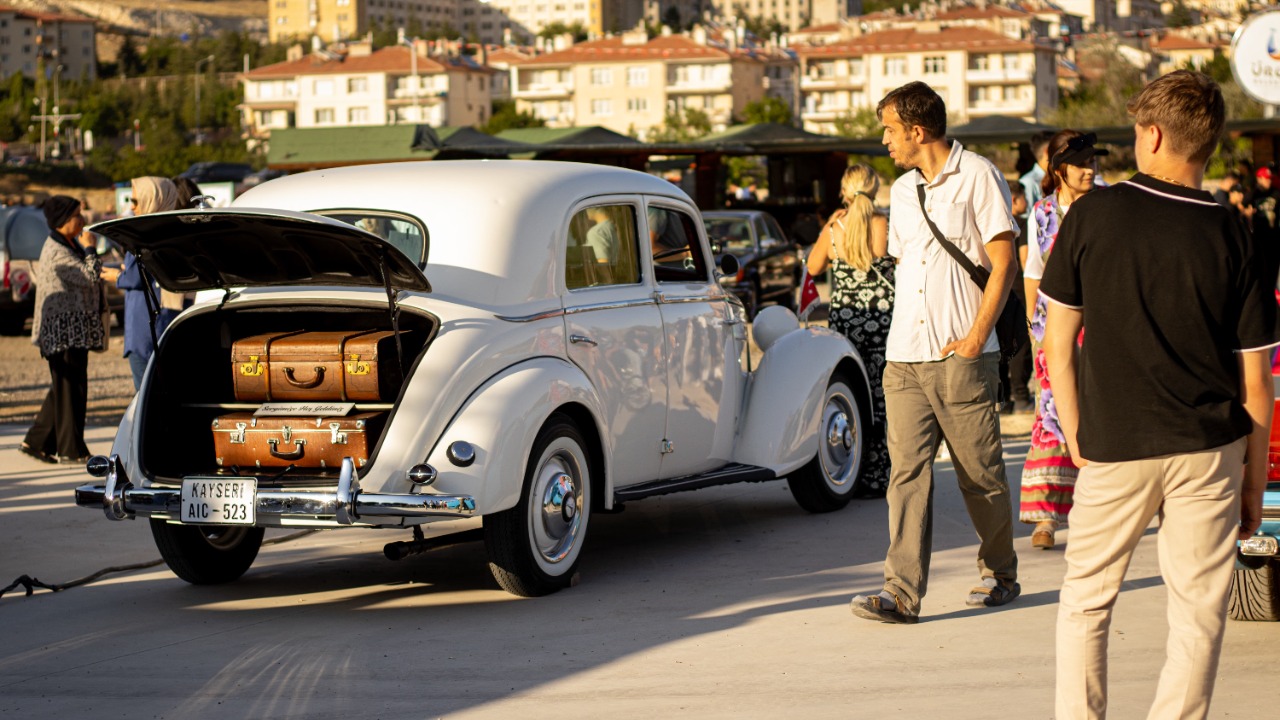
In addition to regular maintenance, carrying spare parts and tools was paramount for on-the-road repairs. Essential items included a spare tire, a jack, and basic hand tools like wrenches and pliers. I always made sure to pack these items in my trunk, just in case I encountered a flat tire or needed to tighten a loose connection. The peace of mind that came from being prepared for any eventuality was invaluable during long stretches of driving.
Understanding fuel types was also essential for 1930s automobiles. Many vehicles ran on leaded gasoline, which was becoming increasingly scarce as fuel technology evolved. Knowing where to find compatible gas stations was a challenge in itself. I often found myself relying on recommendations from locals or outdated travel guides to find stations that still offered the right fuel type. The experience reinforced the importance of planning ahead and being aware of the limitations that came with driving vintage cars.
Traveling with Comfort
Packing essentials for comfort and survival was another aspect that modern travelers might overlook. In the absence of modern amenities, I learned to bring along blankets, non-perishable food supplies, and emergency gear. A well-stocked picnic basket was a delight on long drives, offering a chance to enjoy meals in scenic locations. I often prepared sandwiches and packed thermoses of coffee, creating a small oasis of comfort amidst the vast open roads.
Managing passenger comfort during long stretches of driving required creativity and resourcefulness. I would often devise games to keep everyone entertained, from counting license plates from different states to storytelling sessions filled with laughter. The car, a 1935 Ford Model 48, became a space for bonding and shared experiences, even as we navigated the challenges of the journey together.
Dealing with varying weather conditions was another layer of complexity. I kept an eye on the forecast, but I also prepared for the unexpected. For instance, I would pack umbrellas and raincoats, anticipating the possibility of sudden downpours. During hot summer drives, I would bring along fans and ensure that the car’s windows could be opened for ventilation. Comfort was often an artful balance between preparation and adaptation.
Communication and Navigation Challenges
Limited communication options were a reality for travelers in the 1930s. Without cell phones or the internet, we relied on post offices and telegraphs for staying connected. If something unexpected occurred, such as a car breakdown, it often meant finding the nearest town and locating a payphone. I remember the sense of isolation that came with being out of touch, but it also fostered a sense of adventure. The challenge of reaching out to family or friends felt like part of the journey.
Navigational aids were primarily focused on landmarks and roadside signs. I learned to pay attention to distinctive features, such as old barns or unique rock formations, that could help guide me. The importance of asking for directions also cannot be overstated; friendly locals were often more than willing to provide assistance. Their insights about the best routes or hidden gems along the way enriched my travel experience, transforming strangers into allies.
Handling emergencies was an inevitable part of any road trip. Breakdowns or accidents could happen at any moment, and immediate help was often not readily available. I remember one trip where I encountered a flat tire in the middle of nowhere. With no cell service, I had to rely on my spare tire and tools to fix the problem. It was a valuable lesson in self-reliance, and the experience of completing the repair became a point of pride and empowerment.
Social and Cultural Considerations
Engaging with local communities turned out to be one of the most rewarding aspects of road trips in the 1930s. Stopping at small diners or roadside stands often led to conversations with locals who shared stories and recommendations. I found that these interactions not only enriched my travel experience but also provided a deeper understanding of regional cultures and traditions. Each stop was an opportunity to learn something new, whether it was about the local cuisine or the history of the area.
Understanding regional differences was crucial when traversing various states. Each region had its own unique customs, food, and social norms. I distinctly remember traveling through the South, where hospitality was a way of life, and the locals took pride in their culinary traditions. The experience of enjoying homemade biscuits and gravy at a charming roadside diner opened my eyes to the richness of cultural diversity in America.
The impact of the Great Depression also shaped road trips during this era. Many families were budget-conscious and sought affordable adventures close to home. I often encountered travelers who shared tips on how to save money while still enjoying the journey. Camping became a popular option for those looking to stretch their budgets, as did cooking meals over campfires. It was a testament to human resilience and creativity in the face of economic challenges.
Reflection on the Road Trip Experience
The joy of discovery during these trips was unparalleled. Each journey became an opportunity to create unique experiences and memories. I fondly recall the feeling of freedom while driving along winding roads, the wind in my hair, and the open sky above me. The challenges we faced, from navigating rough terrain to dealing with unexpected weather, only added to the stories I would tell later. Each trip felt like a tapestry woven from the threads of adventure, resilience, and camaraderie.
Modern travelers can learn valuable lessons from the planning and execution of 1930s road trips. The importance of preparation, resourcefulness, and connecting with others on the journey is timeless. I often find myself reflecting on these experiences as I plan my own travels today. Being mindful of the challenges and joys of the road instills a greater appreciation for the adventure that lies ahead.
The enduring appeal of vintage road trips continues to captivate people today. The nostalgia of traveling in classic automobiles allows individuals to connect with the past, embracing the simplicity and authenticity of an era gone by. As I take my own vintage car out for a spin, I am reminded of the spirit of adventure that defined those road trips in the 1930s, a spirit that still resonates with modern travelers seeking to escape the ordinary.
More from Fast Lane Only
- Unboxing the WWII Jeep in a Crate
- 15 rare Chevys collectors are quietly buying
- 10 underrated V8s still worth hunting down
- Police notice this before you even roll window down
*Research for this article included AI assistance, with all final content reviewed by human editors.