Some engines earned such loyal followings that enthusiasts kept rebuilding, modifying, and preserving them long after newer alternatives became available. Whether because of reliability, tuning potential, unique sound, or emotional attachment, these engines survived through generations of dedicated owners unwilling to let them disappear. Their continued presence today proves how strongly certain powerplants shaped automotive culture.
Toyota 2JZ-GTE
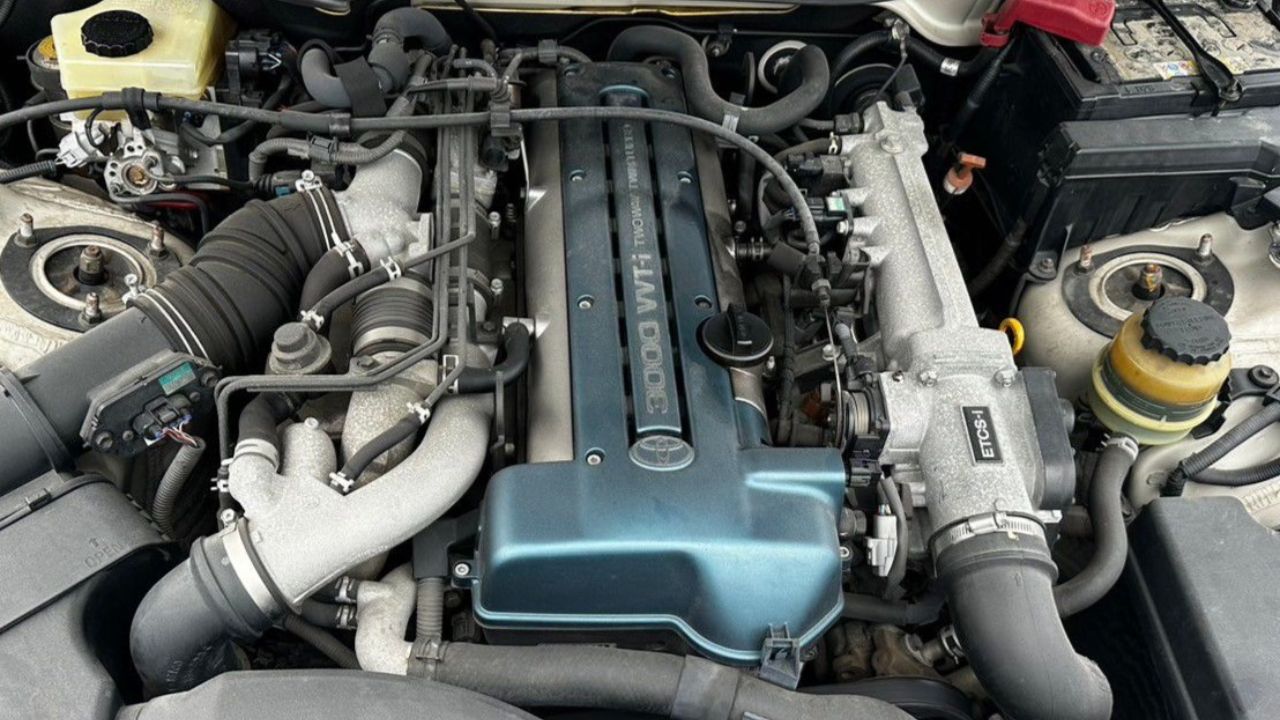
The Toyota 2JZ-GTE survived far beyond its original production era because owners discovered the engine could handle enormous horsepower without sacrificing durability. Enthusiasts continuously rebuilt and upgraded 2JZ engines for drag racing, drifting, and street performance projects worldwide. Even heavily modified examples often retained remarkable reliability under extreme boost pressure. Its legendary strength turned the 2JZ into one of the most preserved performance engines ever built.
Chevrolet Small-Block 350
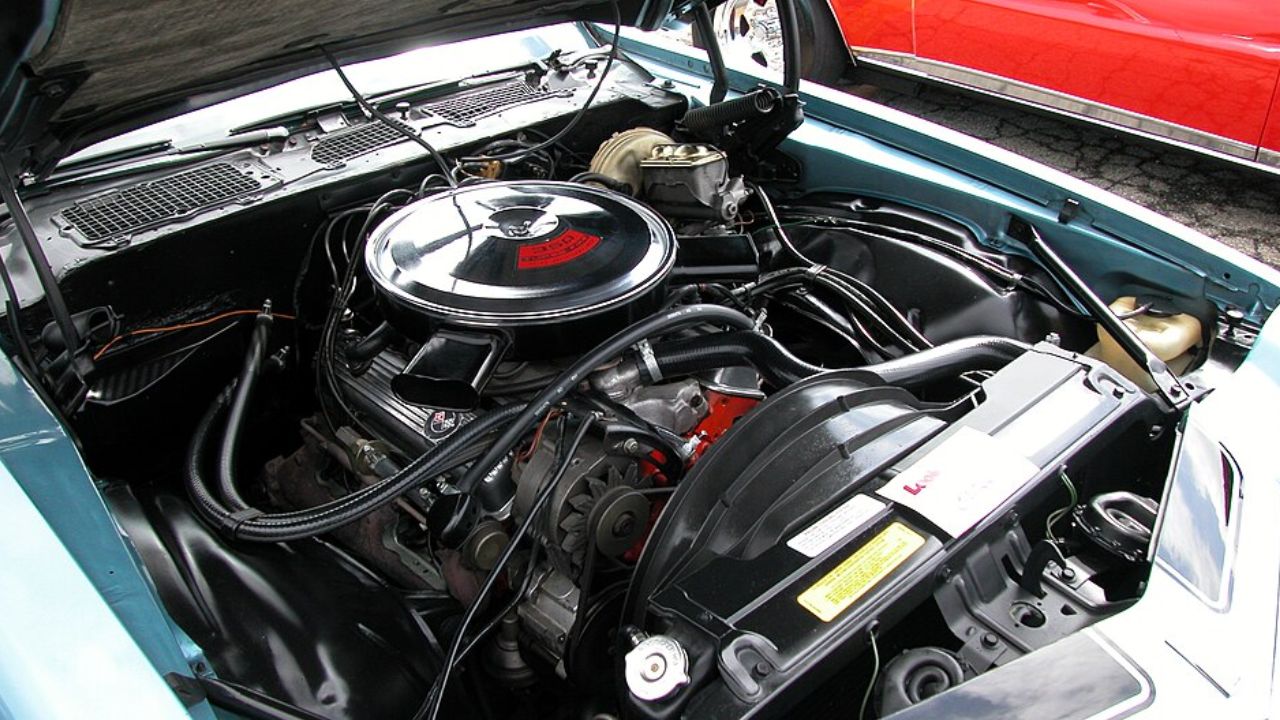
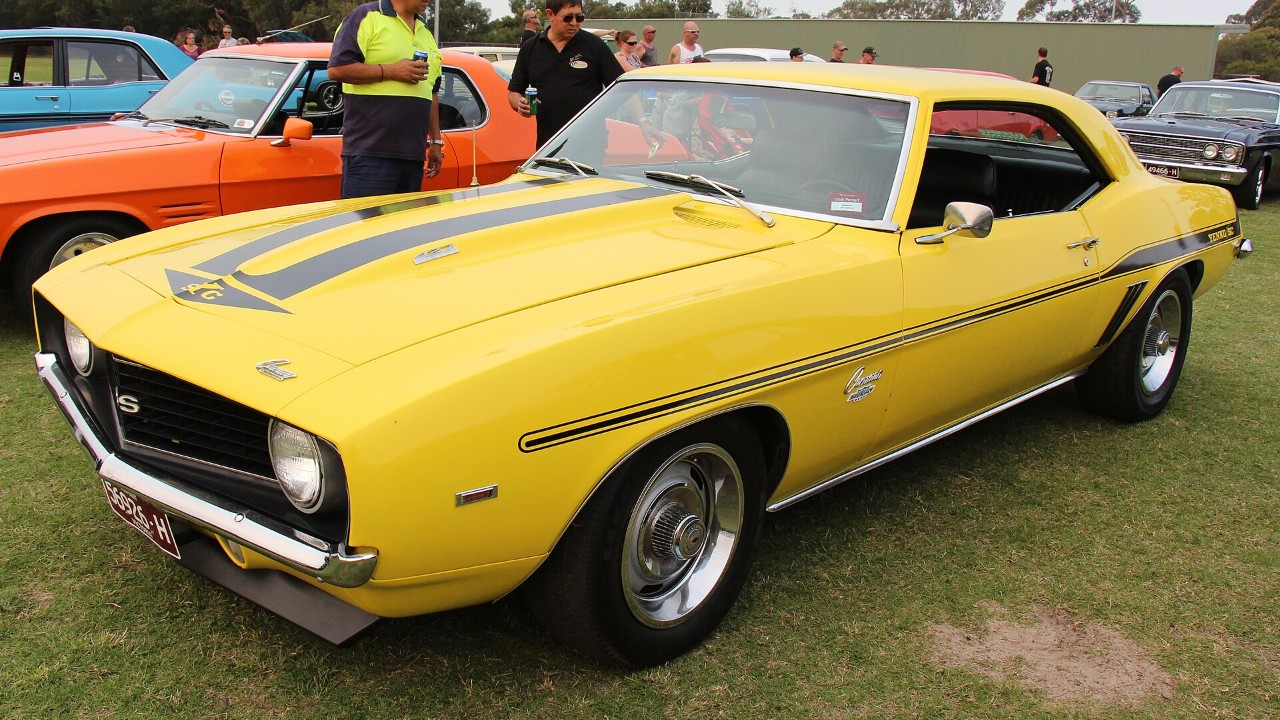
The Chevrolet Small-Block 350 remained alive for decades because owners loved its simplicity, affordability, and endless aftermarket support. Found in everything from pickups to muscle cars, the small-block became easy to rebuild and modify almost anywhere. Generations of mechanics learned engine-building skills using Chevrolet’s famous V8 architecture. Its adaptability ensured enthusiasts kept saving and restoring countless examples instead of replacing them.
Mazda 13B Rotary
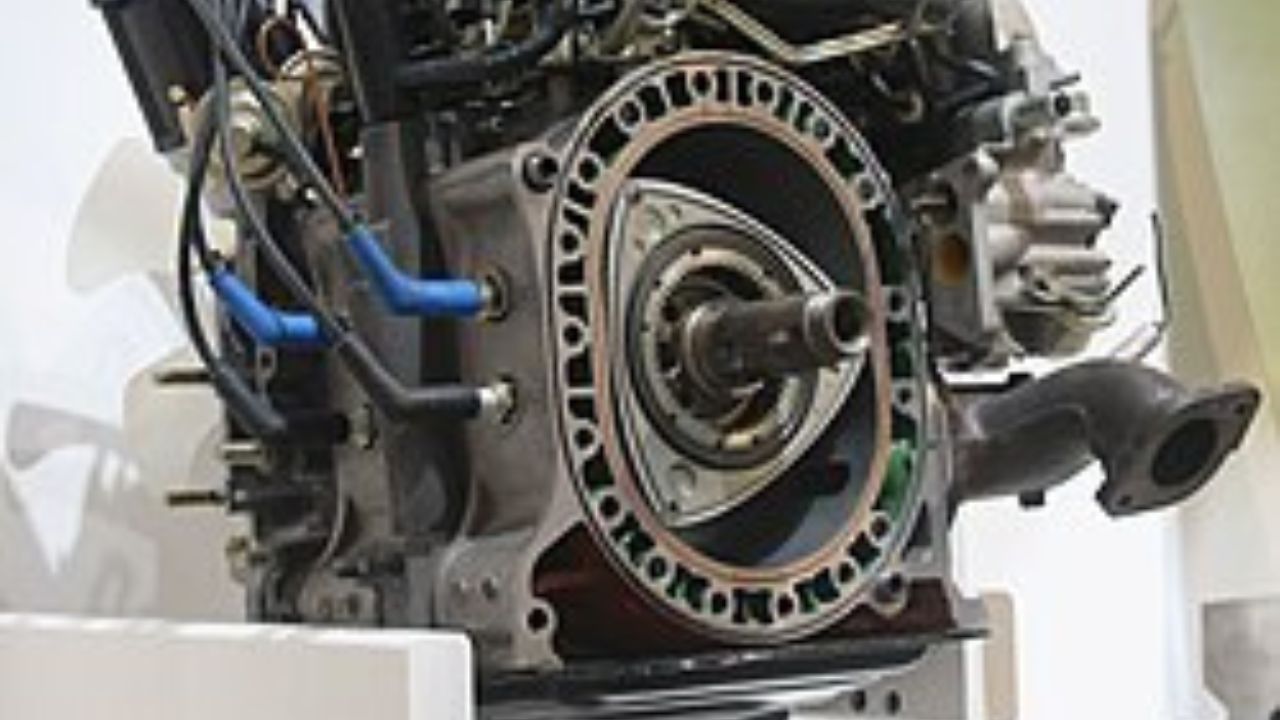
The Mazda 13B Rotary survived because rotary enthusiasts refused to abandon Mazda’s unconventional engineering philosophy despite maintenance challenges. Owners became deeply attached to the engine’s unique sound, smooth power delivery, and high-revving personality. Even after production numbers declined, dedicated communities continued rebuilding rotaries and developing specialized tuning knowledge. The 13B became more than an engine—it became part of enthusiast identity itself.
Nissan RB26DETT

The Nissan RB26DETT earned lifelong loyalty because it powered some of Japan’s most respected performance cars during the 1990s. Owners continually restored aging Skyline GT-R models rather than letting them disappear because the RB26 represented an entire era of Japanese tuning culture. Strong internals and massive tuning potential helped the engine remain competitive decades later. Its unmistakable sound and racing heritage only strengthened owner devotion further.
Buick 3800 V6
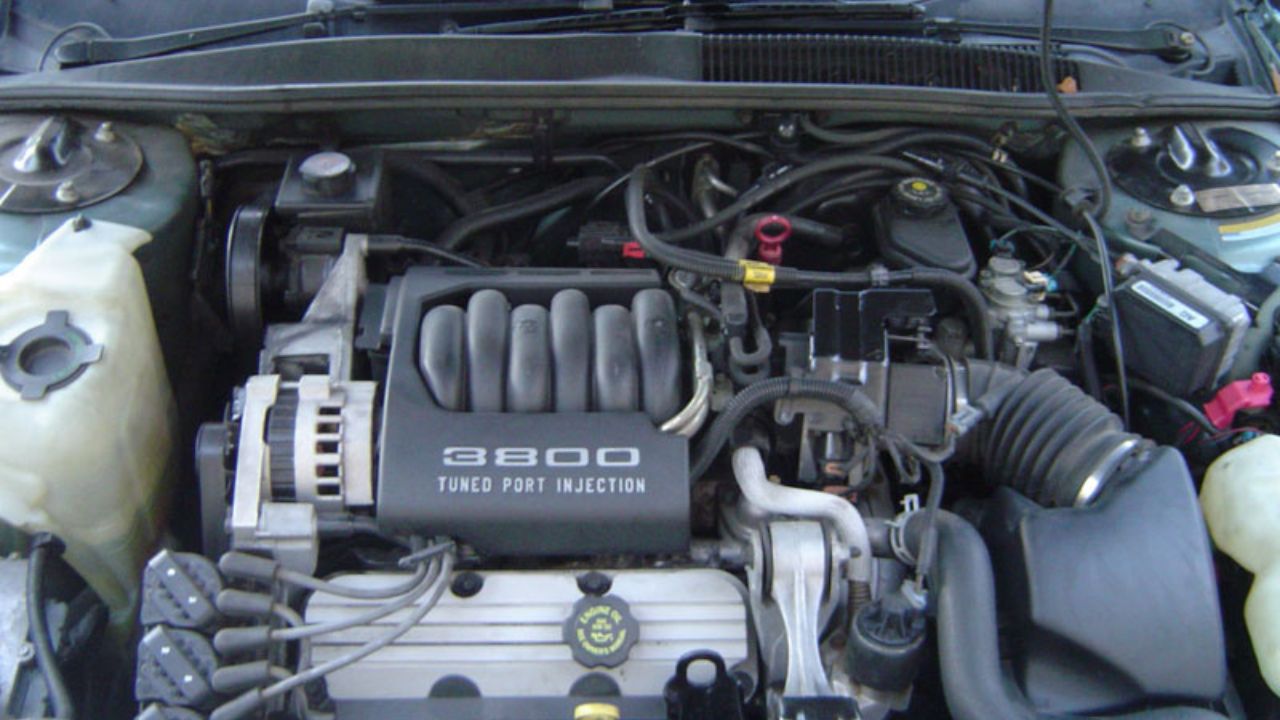
The Buick 3800 V6 survived because owners discovered it could accumulate enormous mileage with basic maintenance and remarkable consistency. Mechanics trusted the engine’s durability so much that many drivers kept repairing vehicles powered by the 3800 instead of replacing them. Smooth operation and dependable everyday performance made the engine especially beloved among long-term owners. Its reputation for reliability became almost legendary within GM circles.
Ford Flathead V8
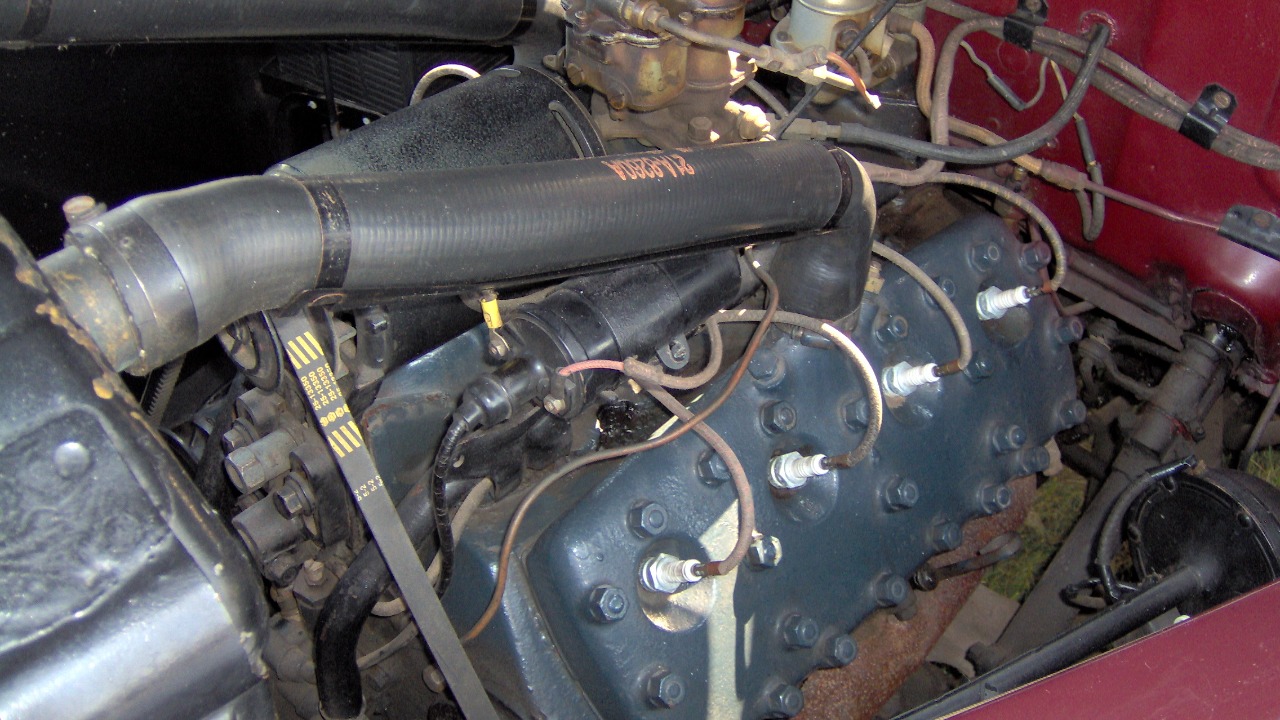
The Ford Flathead V8 survived largely because hot-rodders embraced it during the earliest years of American performance culture. Even after newer overhead-valve engines became more powerful, enthusiasts continued rebuilding flatheads for traditional hot rods and vintage customs. The engine’s distinctive sound and historical importance created deep emotional attachment among owners. It remains one of the most celebrated engines from automotive history’s early performance era.
Honda B-Series VTEC
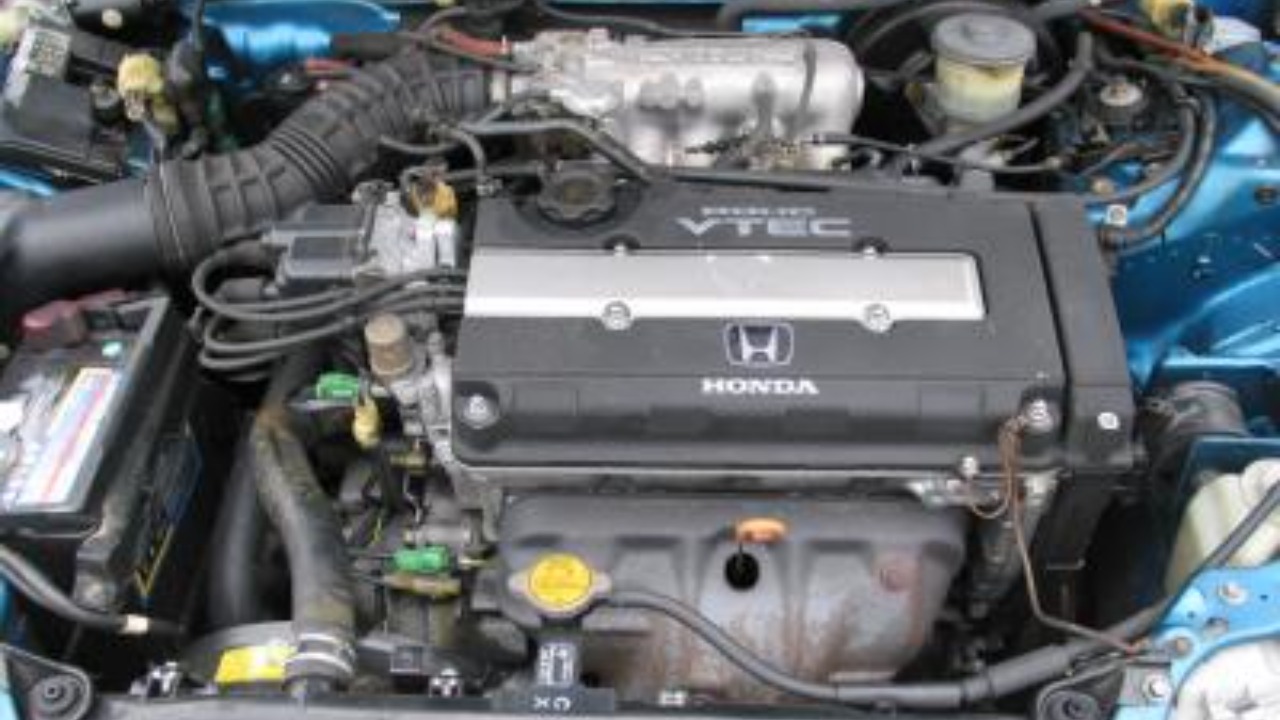
The Honda B-Series VTEC continued thriving because enthusiasts loved its combination of reliability, lightweight design, and screaming high-RPM performance. Owners repeatedly swapped B-series engines into older Hondas to preserve the classic VTEC driving experience. The engine’s tuning flexibility and strong aftermarket support helped it remain relevant long after production ended. Many enthusiasts still view it as one of Honda’s greatest engineering achievements.
Cummins 5.9L 12-Valve
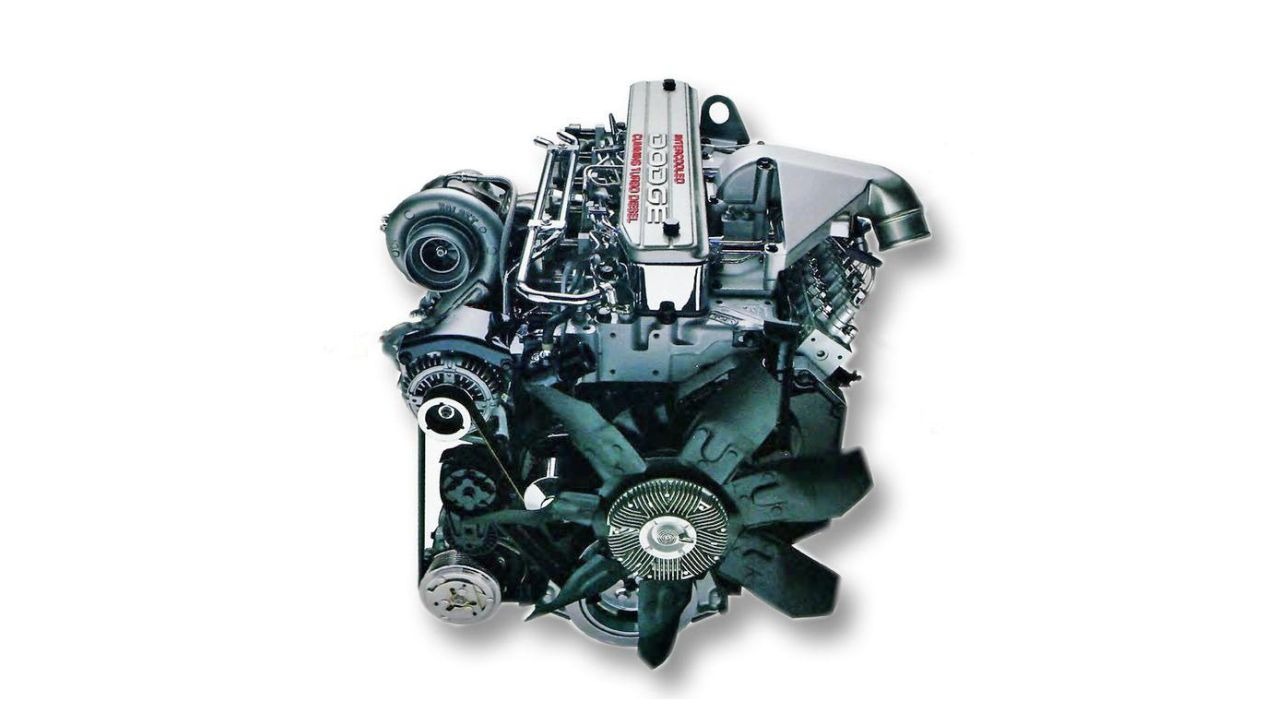
The Cummins 5.9L 12-Valve survived because truck owners trusted its mechanical simplicity and incredible durability more than many newer diesel designs. The engine became famous for surviving extreme mileage and heavy workloads with proper maintenance. Owners often rebuilt aging trucks specifically to keep the legendary Cummins running. Its reputation for toughness turned it into one of the most beloved diesel engines ever produced.
Porsche Air-Cooled Flat-Six
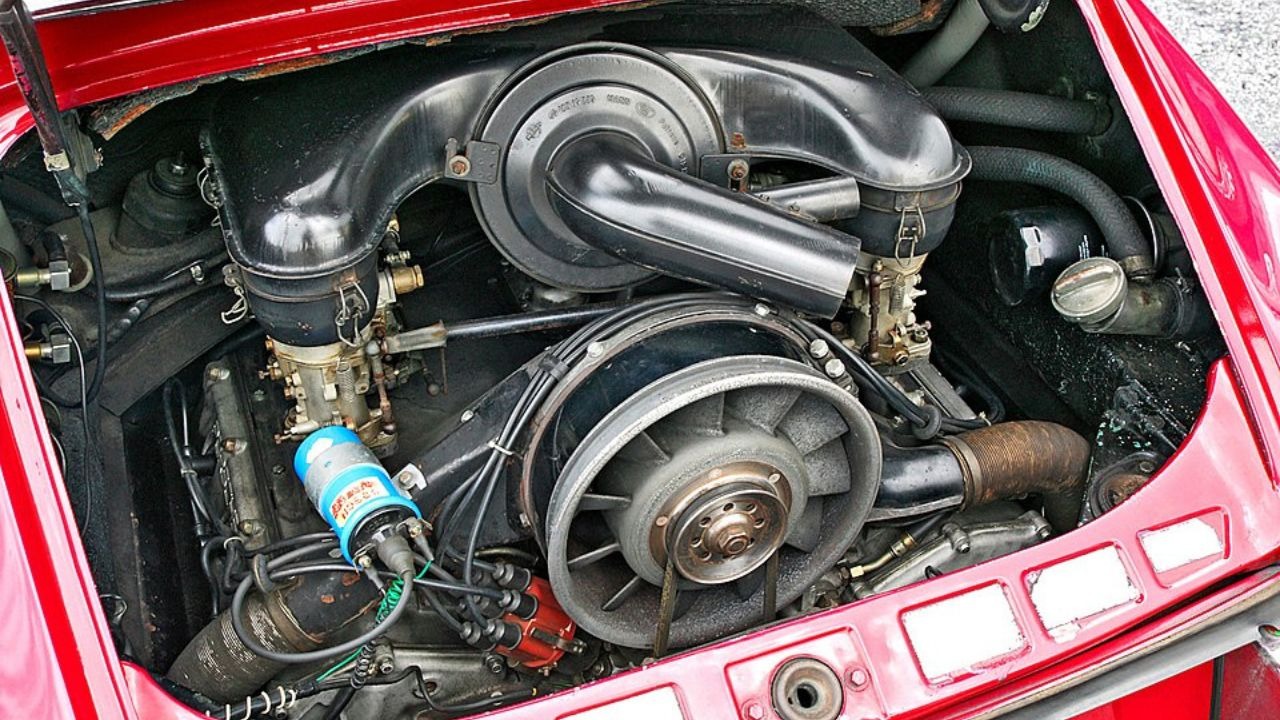
The Porsche Air-Cooled Flat-Six survived because Porsche enthusiasts became emotionally attached to its mechanical sound, throttle response, and analog driving feel. Even as water-cooled technology replaced it in newer models, owners continued restoring and rebuilding older air-cooled cars obsessively. The engine’s unique personality and connection to Porsche motorsport history kept demand strong. Its loyal fanbase ensured air-cooled Porsche culture never disappeared.
AMC Inline-Six 4.0L
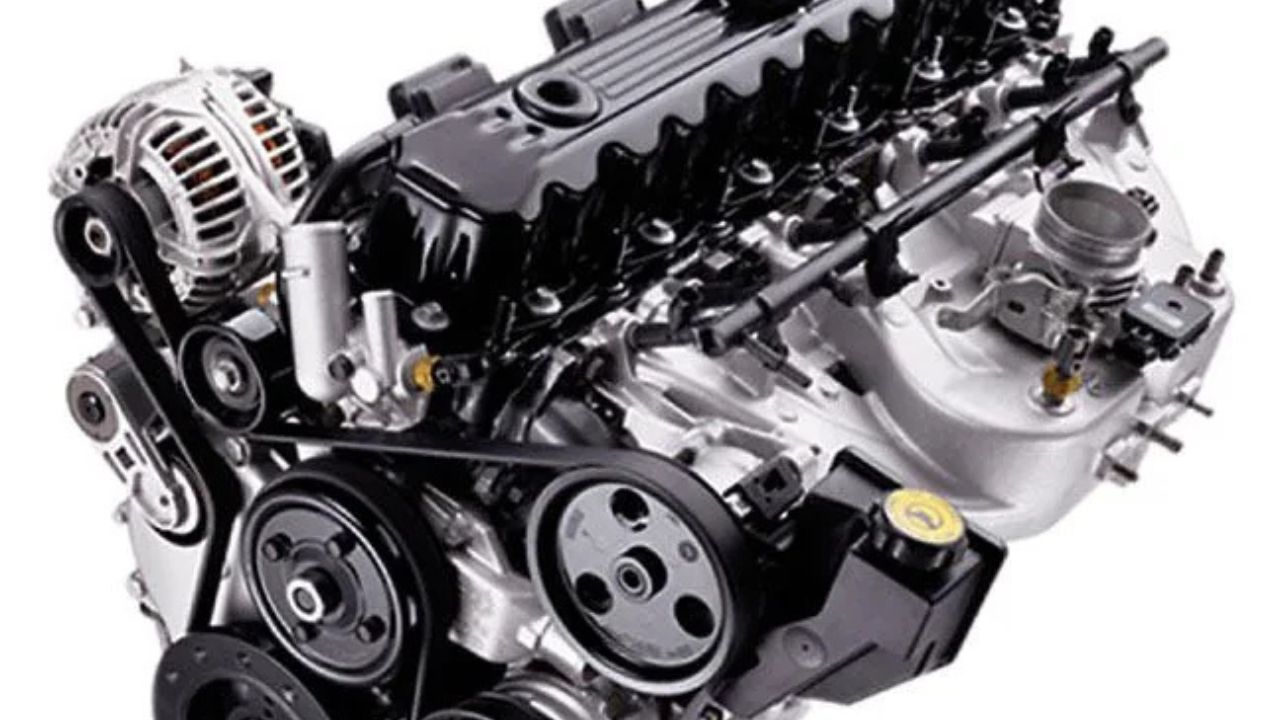
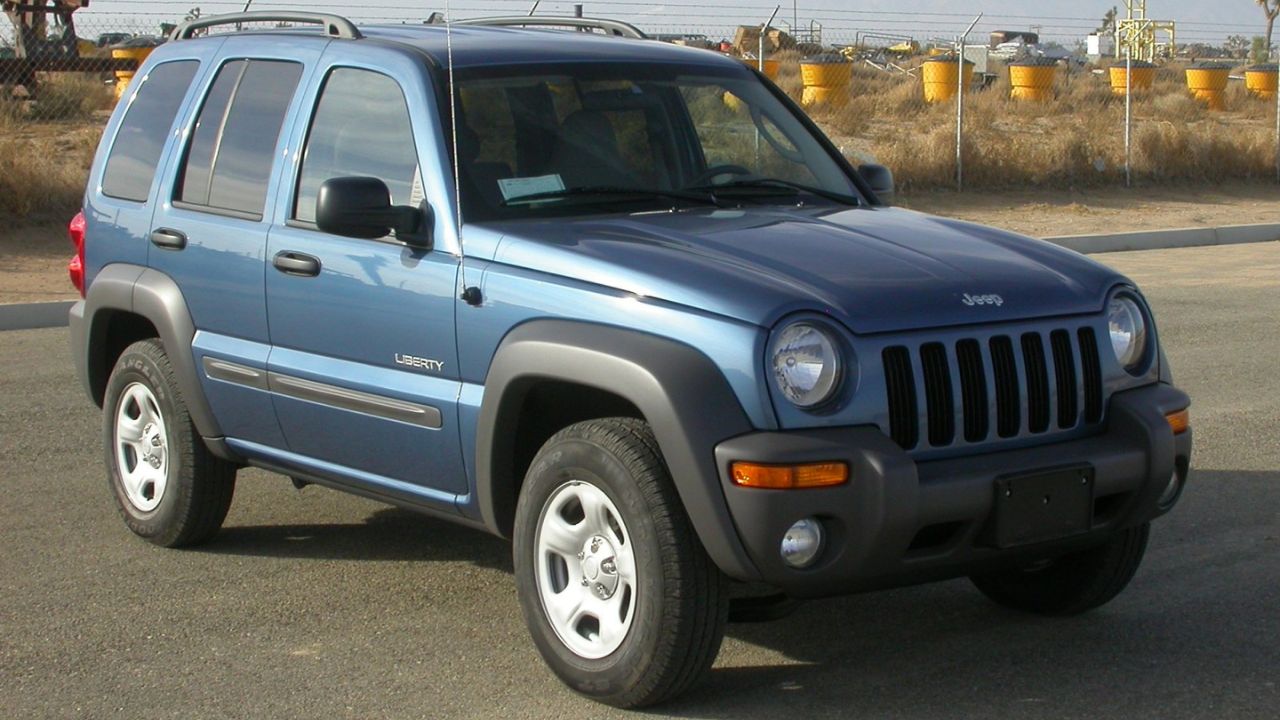
The AMC 4.0L Inline-Six remained alive because Jeep owners trusted it to survive abuse in difficult off-road conditions for decades. Simple design and strong durability made the engine easy to repair and maintain almost anywhere. Many owners continued restoring old Jeeps specifically to preserve the dependable inline-six powertrain. Its reputation for toughness created extraordinary long-term loyalty among off-road enthusiasts.
More from Fast Lane Only