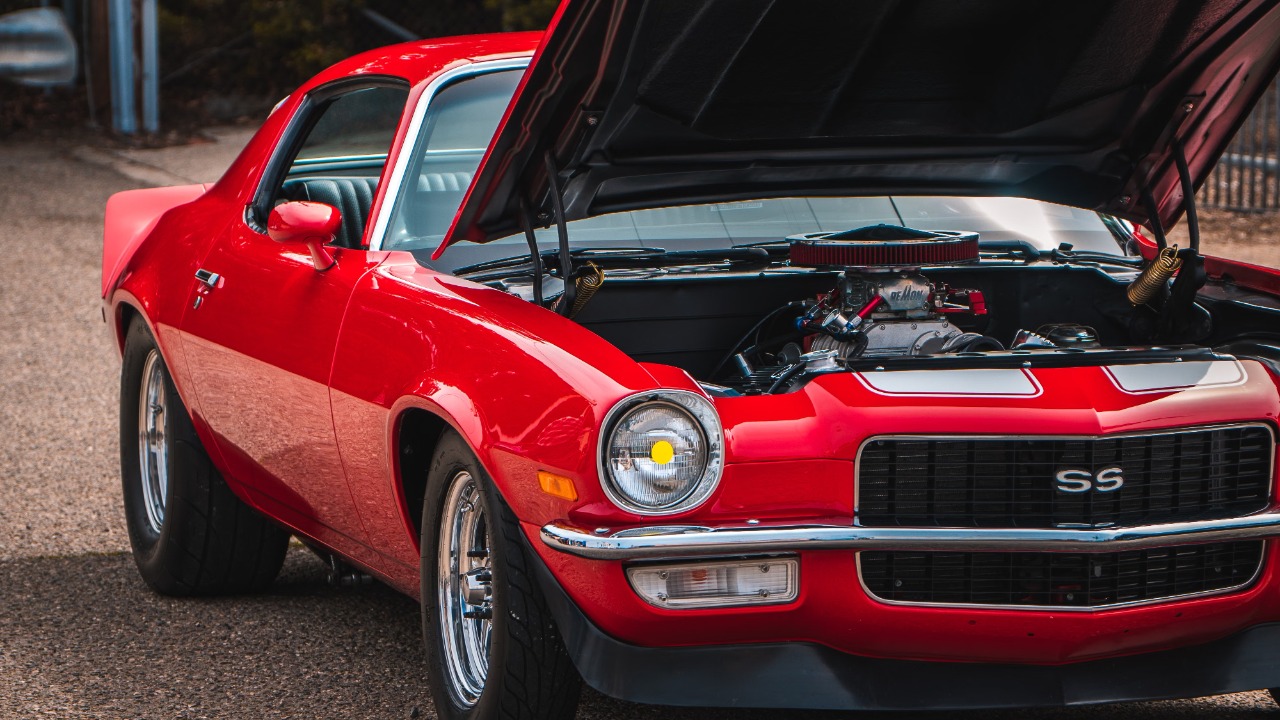
The 1960s marked a golden era in automotive culture, where performance and style melded seamlessly. While many enthusiasts remember iconic cars, the dealer-installed performance parts that enhanced these vehicles often remain overlooked. I want to delve into the fascinating world of these forgotten enhancements that defined an era.
Dealer-Installed Performance Packages
During the 1960s, car dealerships recognized the growing demand for performance upgrades and began offering dealer-installed performance packages that transformed standard vehicles into thrilling machines. One of the most notable examples is the 1967 Chevrolet Camaro’s Z/28 package, which included a high-revving 302 cubic inch V8 engine, a heavy-duty suspension, and a distinctively aggressive stance. This package was designed to meet the needs of both everyday drivers and aspiring racers, making it one of the most sought-after options of its time.
These performance packages typically included modifications such as upgraded carburetors, high-performance exhaust systems, and enhanced suspension setups. In many cases, the parts were engineered to work cohesively with the vehicle’s original design. Dealerships marketed these options aggressively, often using catchy slogans and showcasing the cars’ capabilities in local racing events. The idea was to make performance accessible, allowing customers to take home a more powerful vehicle straight from the dealer without the hassle of aftermarket installations.
Iconic Brands and Their Offerings
The landscape of dealer-installed performance parts was vibrant, with major brands like Mopar and Ford leading the charge. Mopar’s Super Bee, for instance, offered a range of performance options, including a potent 383 cubic inch V8 engine and a heavy-duty suspension. This model was aimed at budget-conscious buyers who still wanted a taste of muscle car performance. Similarly, Ford’s Mustang GT included dealer-installed enhancements such as dual exhaust systems and upgraded suspension components, making it a favorite among enthusiasts.
However, it wasn’t just the big names that made an impact. Lesser-known manufacturers like American Motors Corporation (AMC) also catered to niche markets with unique performance parts. The AMC Javelin, for example, had dealer-installed options that appealed to a younger demographic seeking speed and style. These brands created performance parts that not only enhanced vehicle performance but also complemented their aesthetic appeal, ensuring that the modifications were as visually striking as they were mechanically impressive.
Impact on Car Culture and Racing
Dealer-installed performance parts played a significant role in the grassroots racing scene of the 1960s. Local speedways and drag strips became popular venues where enthusiasts could showcase their modified vehicles, thanks in part to the performance upgrades available at dealerships. This era saw the rise of iconic events like the NHRA (National Hot Rod Association) Nationals, where cars equipped with dealer-installed parts often competed fiercely. The camaraderie among racing enthusiasts fostered a vibrant community, with local dealerships serving as hubs for information, support, and even sponsorships.
Notable races, such as the famous “Camaro vs. Mustang” rivalry, highlighted the impact of these enhancements. The fierce competition pushed manufacturers to innovate and improve their offerings continually. Local dealerships often hosted events or meet-ups, creating opportunities for enthusiasts to connect, share tips, and even trade parts. This community-driven aspect of car culture was critical in solidifying the legacy of these dealer-installed performance parts.
Legacy and Influence on Modern Performance Parts
The influence of dealer-installed performance parts from the 1960s can still be felt in today’s automotive landscape. Many modern performance upgrades can trace their lineage back to the innovations of this era, as manufacturers recognized the need for speed and style in their vehicles. The aftermarket industry has also evolved significantly, with a myriad of options available that mirror the enhancements once offered by dealerships. For example, components like cold air intakes, performance exhaust systems, and upgraded suspension kits are now commonplace, providing enthusiasts with a wealth of choices.
Contemporary automotive experts and historians often emphasize the lasting legacy of these parts. In interviews, they note how the spirit of the 1960s continues to inspire current trends, such as the resurgence of muscle cars and performance-oriented vehicles. Brands like Ford have reintroduced models like the Mustang with performance packages that echo the characteristics of their 1960s predecessors, proving that the demand for power and style remains strong.
Collectability and Nostalgia
Today, classic cars equipped with original dealer-installed performance parts are highly sought after by collectors and enthusiasts alike. The market for these vehicles has experienced a resurgence, with prices reflecting their rarity and desirability. Cars like the 1969 Chevrolet Camaro ZL1, which came with a legendary 427 cubic inch V8 and the optional performance package, can fetch staggering amounts at auctions, demonstrating the lasting appeal of these enhancements.
Nostalgia plays a significant role in the valuation of vehicles from this era. Many collectors are drawn to the memories associated with these cars, often seeking to relive their youth or connect with the automotive culture of the time. Restoration trends also reflect this nostalgia, as enthusiasts prioritize the use of authentic parts over modern replicas. The pursuit of originality has become a key factor in the restoration process, as owners aim to preserve the very components that defined their vehicles’ identities.
Challenges in Documentation and Authenticity
Despite the excitement surrounding collector cars, verifying the originality of dealer-installed performance parts can be a challenging endeavor. As restorations become more popular, enthusiasts often face difficulties in authenticating performance modifications. Documentation can be scarce, and many vehicles have undergone multiple ownership changes, making it hard to trace the history of specific parts. Resources like the National Corvette Museum offer guides and seminars for enthusiasts looking to document their vehicles accurately, but the process can still be fraught with challenges.
The potential for counterfeit parts is another concern that collectors and restorers must navigate. As the demand for original parts increases, so does the risk of encountering replicas or outright fakes. This situation can complicate the restoration process and impact the value of the vehicle. Enthusiasts must be diligent in their research, seeking out reputable sources and verifying the authenticity of parts before making significant investments.
In conclusion, the dealer-installed performance parts of the 1960s represent a fascinating chapter in automotive history. These enhancements not only shaped the cars of the era but also influenced the culture surrounding them. As we continue to celebrate the legacy of these performance upgrades, it’s clear that their impact is still felt in today’s automotive landscape.
More from Fast Lane Only
- Unboxing the WWII Jeep in a Crate
- 15 rare Chevys collectors are quietly buying
- 10 underrated V8s still worth hunting down
- Police notice this before you even roll window down
*Research for this article included AI assistance, with all final content reviewed by human editors.