Porsche ownership is often associated with six-figure price tags and rarefied collector circles, yet recent used-market data shows a far more varied set of entry points. From high-mileage sports cars to depreciated electric sedans, buyers willing to look beyond the obvious can access the badge for less than expected. The following ten specific models illustrate how carefully chosen used Porsches can deliver authentic engineering, character, and even long-term value without requiring supercar money.
986 Boxster 2.7

The 986 Boxster 2.7 is frequently highlighted as one of the most accessible ways into Porsche ownership, combining a relatively low purchase price with genuine mid-engine dynamics. Guides on the best Porsche for every budget describe the first-generation 986 with the 2.7L flat-six as “incredibly fun,” noting that its balance and steering feel rival far more expensive sports cars. That assessment matters for buyers who fear that an entry-level model might dilute the brand’s reputation for precision and feedback.
Because the 986 arrived in large numbers, prices have remained approachable, especially for cars with higher mileage or cosmetic wear. Yet the underlying engineering, from the chassis tuning to the hydraulic steering, still reflects the company’s focus on driver engagement. For shoppers, this means that a carefully inspected 986 Boxster 2.7 can serve as a surprisingly affordable weekend car that also hints at future appreciation as clean examples become harder to find.
986 Boxster 3.2 S

The 986 Boxster 3.2 S builds on the same platform but adds power and a more focused specification, creating a second, slightly more expensive entry point that still undercuts many expectations. Reporting on budget-friendly Porsches notes that early Boxster S models with the 3.2L flat-six offer performance that embarrasses some newer sports cars, while remaining within reach of buyers who might otherwise shop mainstream coupes. The S badge brings stronger brakes and suspension tuning, which are crucial for those planning regular spirited driving.
For stakeholders in the used market, the 3.2 S illustrates how incremental specification changes can reshape perceived value. Enthusiasts often seek out the S for its stronger engine and more complete equipment, which can support prices better over time than base models. Yet depreciation has already done much of the work, so a patient buyer can secure a well-maintained 986 Boxster S at a cost that still surprises those who associate Porsche with new-car pricing.
996-generation 911 Carrera

The 996-generation 911 Carrera is repeatedly identified as the ultimate “bang for your buck” Porsche under $25K, especially in higher-mileage form. Detailed buyer guides argue that a 996-generation 911 offers the full rear-engine experience, including the iconic silhouette and flat-six soundtrack, at a fraction of the cost of earlier air-cooled cars. That combination of heritage and relative affordability makes it a pivotal, and often unexpected, entry point for enthusiasts who assumed a 911 was out of reach.
Within the 996 range, the 996.2 Carrera in Manual form is singled out as particularly underrated, pairing incremental mechanical improvements with the engagement of a three-pedal layout. Analysts emphasize that this configuration remains “below the radar,” which can keep asking prices softer than later 991.1 Carrera GTS models that attract more attention. For buyers, the implication is clear: accepting the 996’s controversial styling can unlock a genuine 911 experience, with strong performance and daily usability, at a surprisingly modest outlay.
944 base coupe
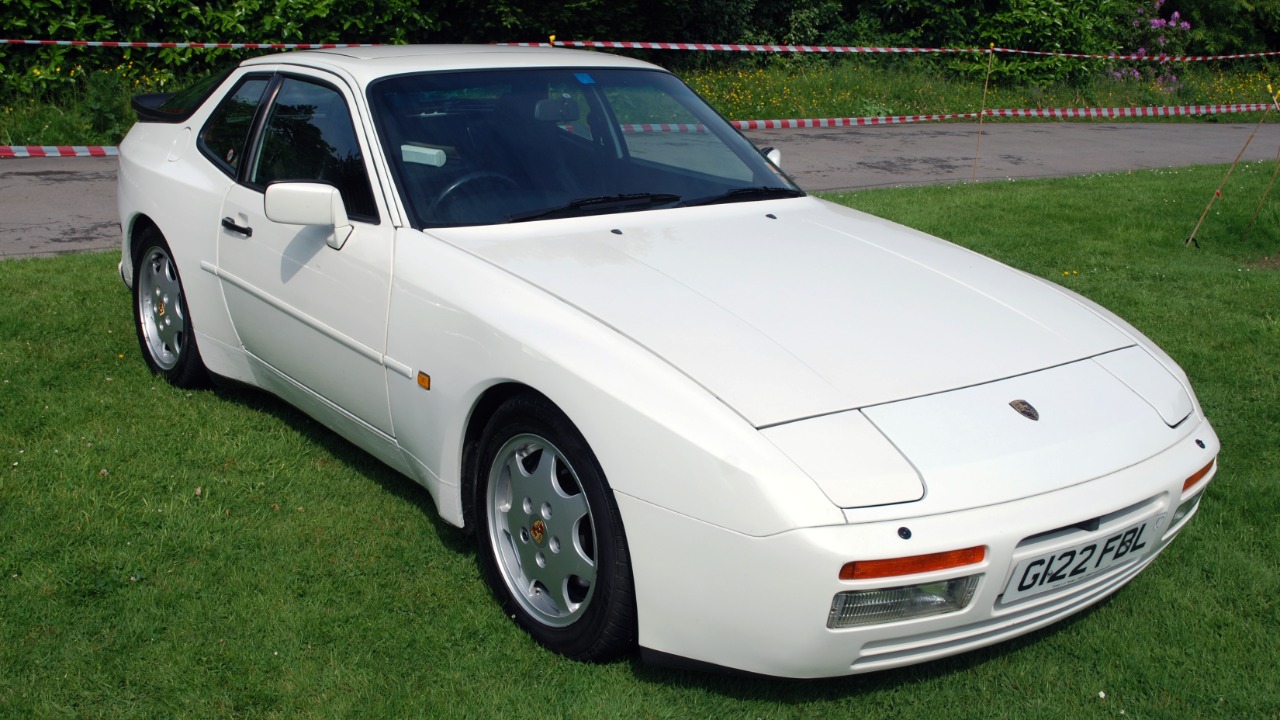
The 944 base coupe represents a very different path into the brand, one centered on balance and usability rather than outright speed. Recent analysis describes the 944 as the benchmark for affordable Porsche balance, noting that the base 944 market sits around the mid-teens, with figures cited near $14.1K. That pricing leaves headroom for preventative maintenance, which is essential when approaching any older performance car. The transaxle layout, with the engine up front and gearbox at the rear, contributes to the car’s reputation for neutral handling.
Separate research on European sports car ownership costs reinforces that the 944 is generally reliable and quite cheap to maintain, placing 944s among the cheapest Porsches on the market to buy and run. For first-time Porsche owners, this combination of low entry price, manageable upkeep, and forgiving dynamics reduces the financial and practical risk. It also broadens the brand’s appeal to drivers who value chassis sophistication and steering feel over straight-line acceleration figures.
924S (1988)

The 924S from 1988 is another underappreciated transaxle model that offers a surprisingly low-cost route into the marque. Underrated Porsche lists specifically call out the 924S (1988) as part of a group of “below the radar” cars that deliver more driving satisfaction than their prices suggest. With a relatively light curb weight and a focus on balance, the 924S rewards smooth inputs and momentum driving, qualities that appeal to enthusiasts who prioritize feel over outright power.
Because the 924S has long lived in the shadow of the 944, values have remained modest, often trailing its more famous sibling despite sharing much of the same engineering philosophy. For budget-conscious buyers, that market oversight creates an opportunity to acquire a genuine Porsche sports car with a distinctive period character. The implication for the broader used market is that knowledge and patience can be just as valuable as cash when identifying overlooked entry points.
Porsche 912

The Porsche 912 offers an air-cooled experience that many assume is financially unattainable, yet certain examples remain more accessible than headline-grabbing auction results suggest. Enthusiast reporting notes that most of the attention given to the 912 centers on early short-wheelbase cars with green-faced, chrome-ringed gauges, details that tie the model visually to contemporary 911s. While top-tier restorations can be expensive, drivers willing to consider driver-quality cars or later production years may find pricing that undercuts comparable 911s.
The 912’s four-cylinder engine delivers less power than a period 911, but it also reduces running costs and can make the car more approachable for new classic owners. For stakeholders in the collector space, the 912 demonstrates how design continuity and shared components can sustain interest even when performance figures are modest. Buyers who value the aesthetic and tactile aspects of classic Porsche ownership may see the 912 as a more realistic, yet still emotionally resonant, point of entry.
Porsche 944 m track build

The concept of a Porsche 944 m track build, based on the 944 platform, has gained traction among enthusiasts seeking a low-cost way into both the brand and amateur motorsport. Affordable Porsche discussions highlight that base 944 values around $14.1K leave room in the budget for upgrades such as suspension, brake pads, and safety equipment, which are essential for track use. The car’s inherent balance and predictable handling make it a forgiving learning tool for drivers progressing from street to circuit.
From a market perspective, the 944’s relatively low acquisition cost and robust mechanicals mean that converting one into a dedicated track car does not carry the same financial risk as modifying a newer, more expensive model. Owners can focus on incremental improvements, confident that parts availability and community knowledge remain strong. This pathway into Porsche ownership underscores how the brand’s engineering depth can be accessed creatively, not only through pristine collector cars but also through purpose-built, budget-conscious projects.
Early Cayenne 4.5L V8

The early Cayenne 4.5L V8 often surprises shoppers who associate Porsche with compact sports cars rather than large SUVs, yet it is frequently cited as one of the cheapest ways to acquire the badge. Community market tracking notes that the cheapest Porsche some buyers can find is a Cayenne 4.5L V8 starting at around 6000 Euros, a figure that undercuts many older sports models. That pricing reflects both age and the running costs associated with a complex, powerful SUV.
For buyers who need space and all-weather capability, the Cayenne 4.5L V8 offers a blend of practicality and performance that few rivals match at similar prices. However, stakeholders emphasize that low purchase cost must be balanced against potential maintenance, particularly for neglected examples. The broader implication is that Porsche ownership can intersect with family and utility needs, but only those prepared for higher operating expenses should treat the early Cayenne as a bargain rather than a liability.
First-generation Panamera

The first-generation Panamera has emerged as an unexpected budget entry into four-door Porsche ownership, particularly for those seeking a daily-drivable car. Used-market overviews describe the Panamera as an excellent choice for buyers who want a cheap, daily-drivable Porsche, especially when they avoid the most complex high-performance variants. Depreciation has been steep, reflecting both the car’s original price and polarizing styling, which together push values down into territory that surprises many observers.
Despite that depreciation, the Panamera retains a cabin and chassis engineered for long-distance comfort at high speed, attributes that remain compelling on the used market. For commuters and families, this means that a carefully vetted example can deliver a level of refinement and performance that would be unattainable in a new car at similar cost. The model illustrates how luxury sedans, once out of warranty, can become stealthy entry points into brands typically associated with sports cars.
First-generation Taycans

First-generation Taycans represent a new kind of entry point, one shaped by the rapid depreciation typical of luxury electric vehicles. Detailed buyer guidance notes that the first Taycans depreciated quickly, especially the more expensive trims, which now allows used buyers to access high-performance electric Porsches at a significant discount. The cabin is described as minimalist but high quality, while the driving experience is framed as one of the most engaging among current EVs.
For stakeholders watching the transition to electrification, the Taycan’s used-market trajectory signals how early adopters effectively subsidize later buyers. Those entering Porsche ownership through a first-generation Taycan gain cutting-edge technology, rapid acceleration, and access to emerging charging networks without absorbing the steepest depreciation. However, they must also weigh battery health and software support, factors that will increasingly shape the long-term viability and appeal of electric performance cars.
More from Fast Lane Only