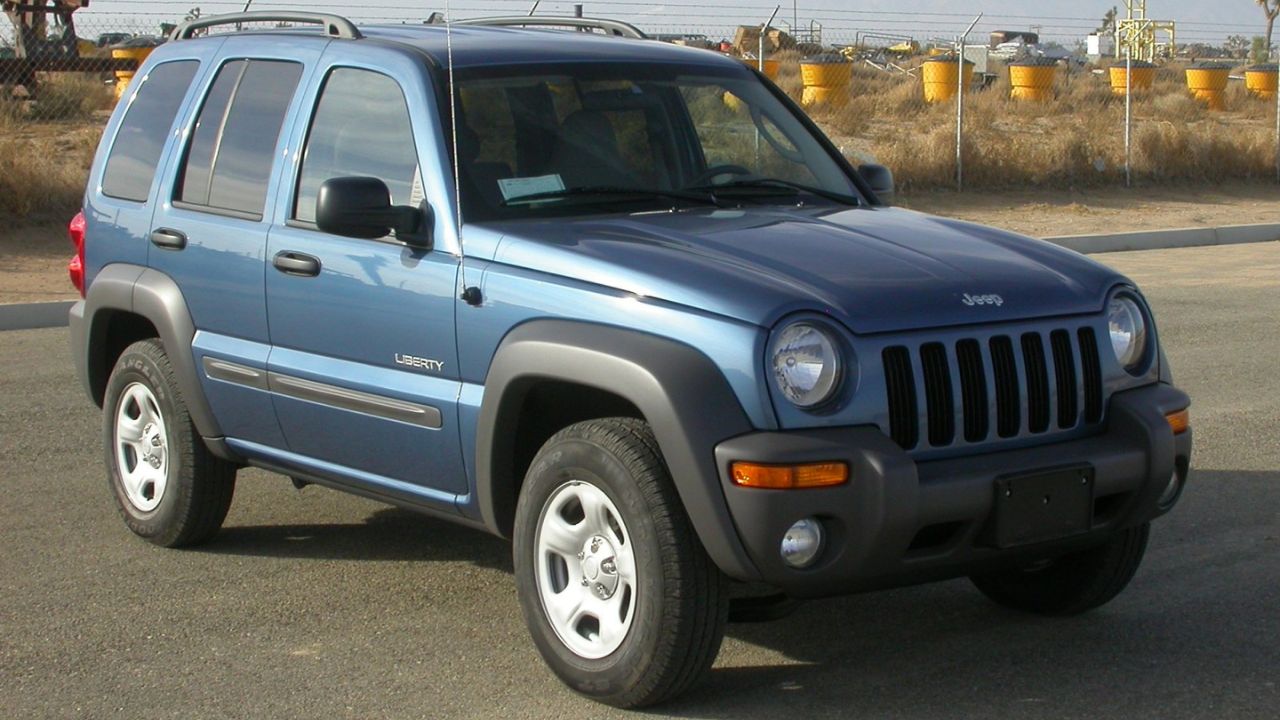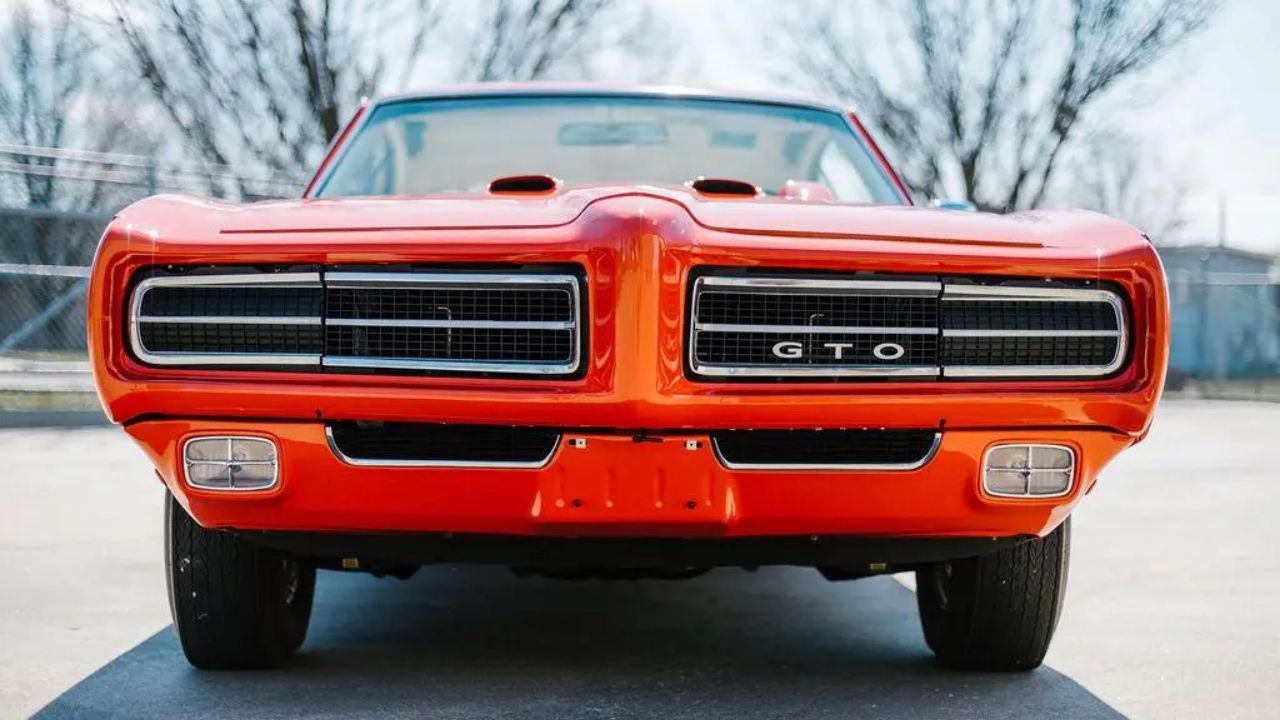
By the late 1960s and early 1970s, Detroit’s horsepower wars reached incredible extremes. Manufacturers competed fiercely to build faster, louder, and more intimidating street machines that could dominate drag strips and local streets alike. These factory-built beasts represented the absolute peak of muscle car culture before emissions regulations, insurance costs, and fuel crises changed the industry permanently.
Plymouth Hemi Cuda 1970
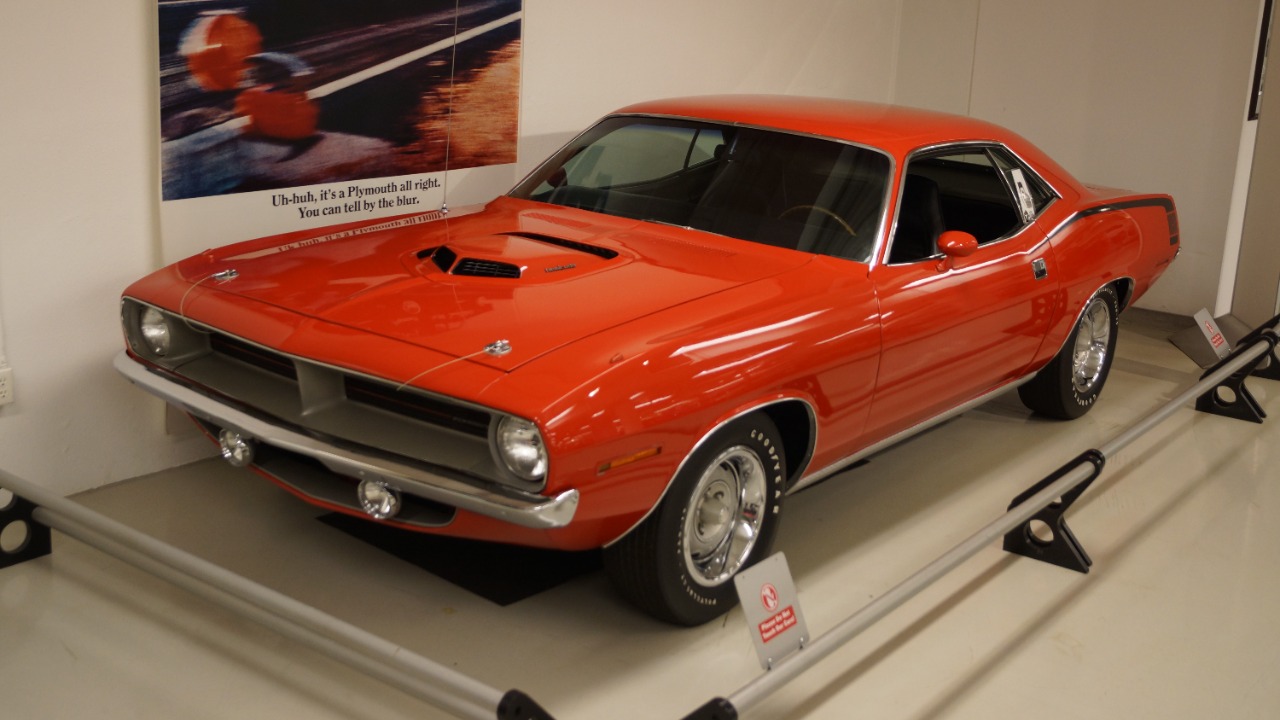
The Plymouth Hemi Cuda became one of the ultimate symbols of muscle car excess because its legendary 426 HEMI V8 delivered brutal straight-line acceleration straight from the factory. Aggressive styling, massive torque, and limited production numbers turned the car into an instant icon. Drivers respected how violently the HEMI delivered power under full throttle. Today, it remains one of the most valuable and feared muscle cars ever produced.
Chevrolet Chevelle SS 454 LS6
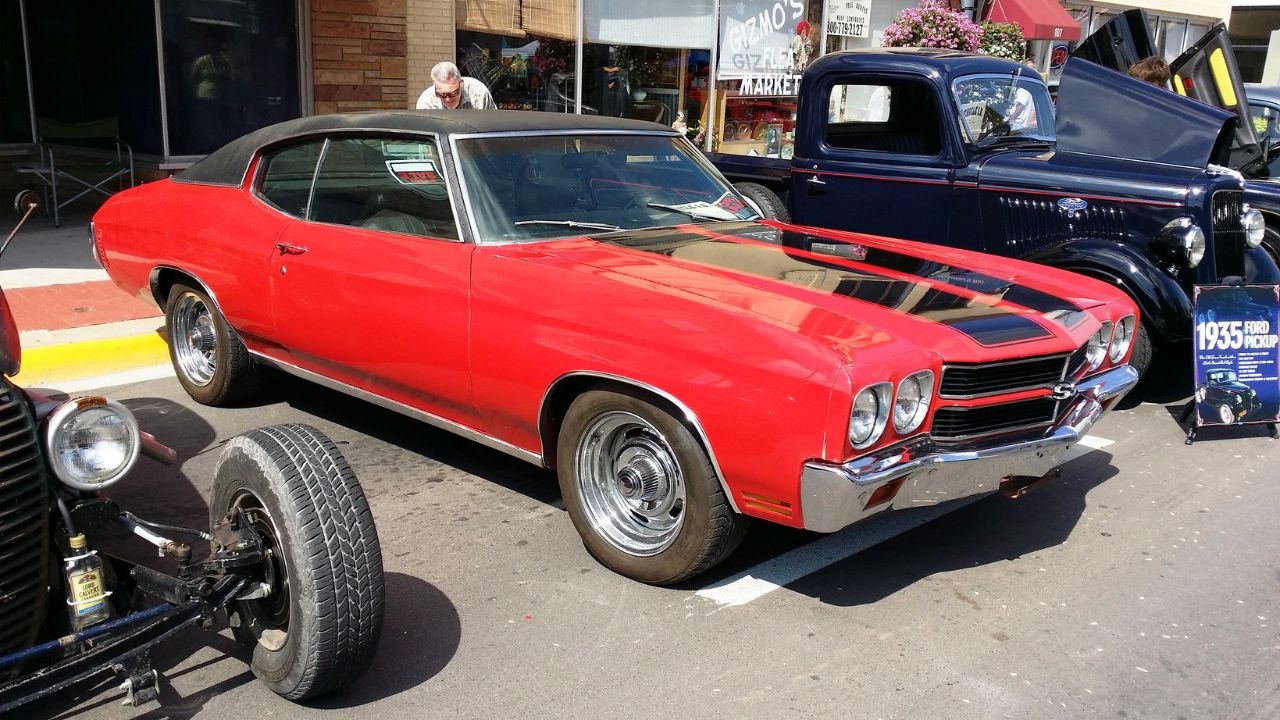
The Chevrolet Chevelle SS 454 LS6 pushed Chevrolet performance to outrageous levels with one of the most powerful engines of the muscle-car era. The LS6 big block produced enormous torque capable of overwhelming rear tires effortlessly. Despite its midsize body, the Chevelle delivered acceleration that rivaled many dedicated race cars of the time. Its combination of comfort and brutality helped define peak muscle culture.
Dodge Charger R/T 426 HEMI
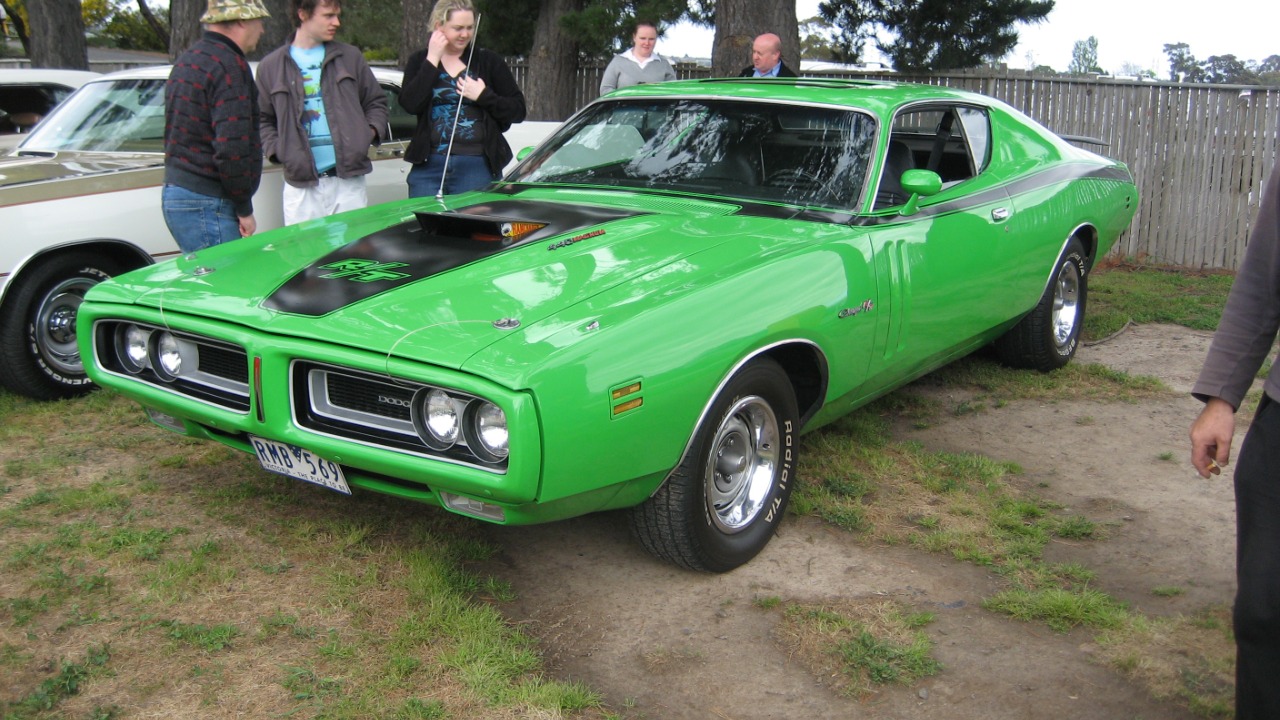
The Dodge Charger R/T 426 HEMI became legendary because it blended aggressive fastback styling with massive HEMI power during Detroit’s horsepower wars. The Charger’s intimidating presence and booming exhaust note made it a feared street machine immediately. NASCAR success also strengthened its performance reputation significantly. Few muscle cars captured the rebellious spirit of late-1960s American performance culture more effectively.
Pontiac GTO Judge Ram Air IV
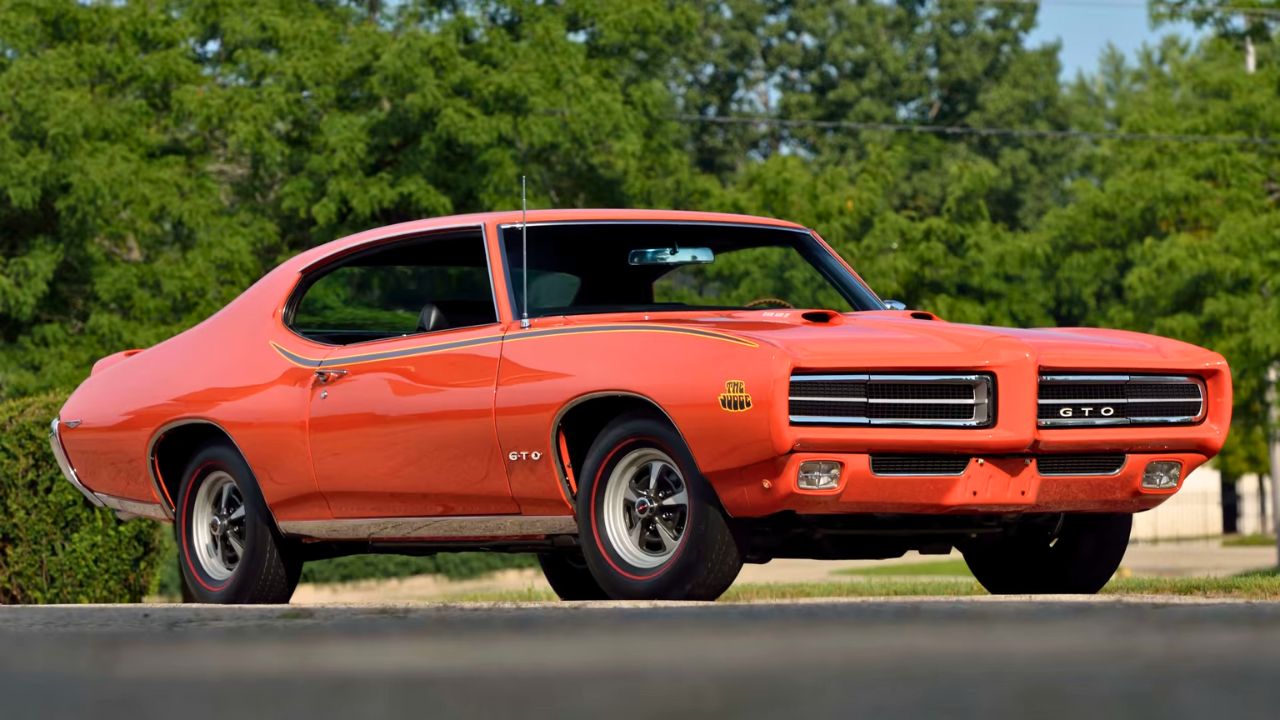
The Pontiac GTO Judge Ram Air IV represented Pontiac’s determination to remain a leader during the muscle-car boom. Ram Air IV engines delivered strong high-RPM performance while colorful Judge graphics emphasized the car’s rebellious image. Enthusiasts admired the combination of serious power and unmistakable visual attitude. The Judge became one of the most recognizable factory muscle cars of its generation.
Ford Torino Cobra Jet
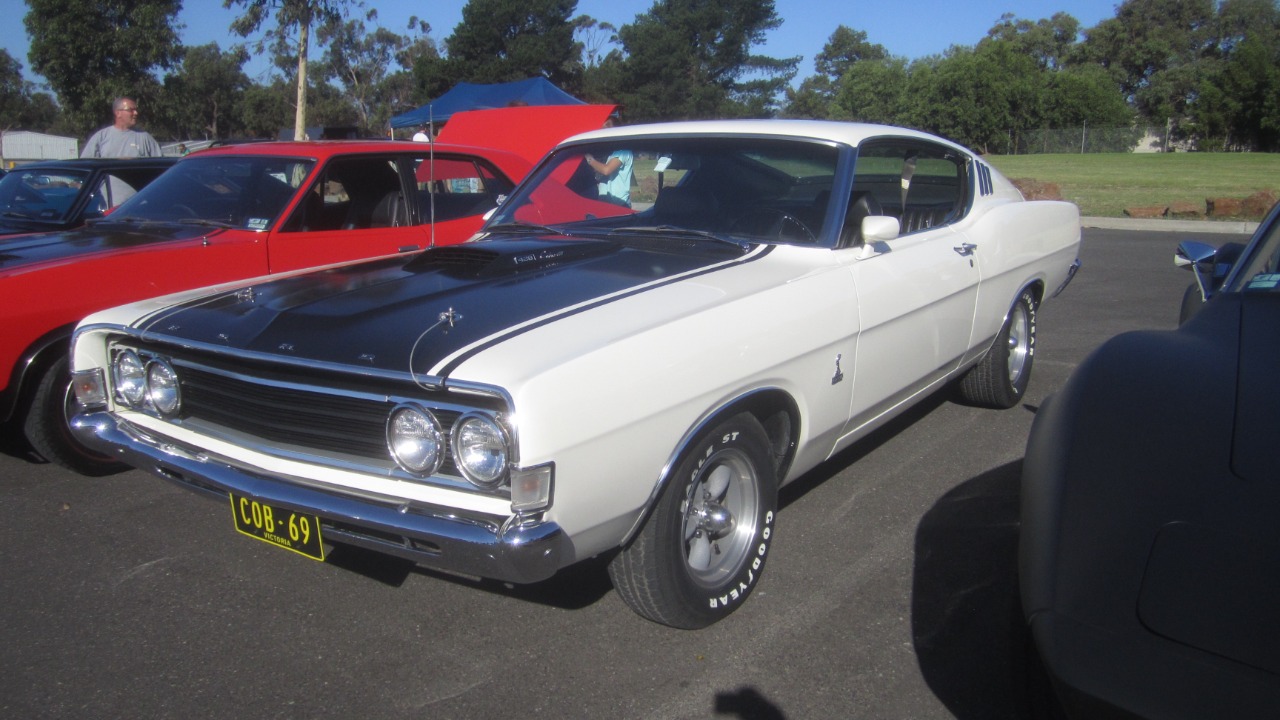
The Ford Torino Cobra Jet earned enormous respect because its Cobra Jet V8 delivered impressive drag-strip performance in a larger and more aggressive package than earlier Mustangs. Ford engineers focused heavily on straight-line speed and durability for competition use. The Torino’s NASCAR success also reinforced its high-performance image among enthusiasts. Its combination of power and size made it one of Ford’s most intimidating muscle machines.
Buick GSX Stage 1
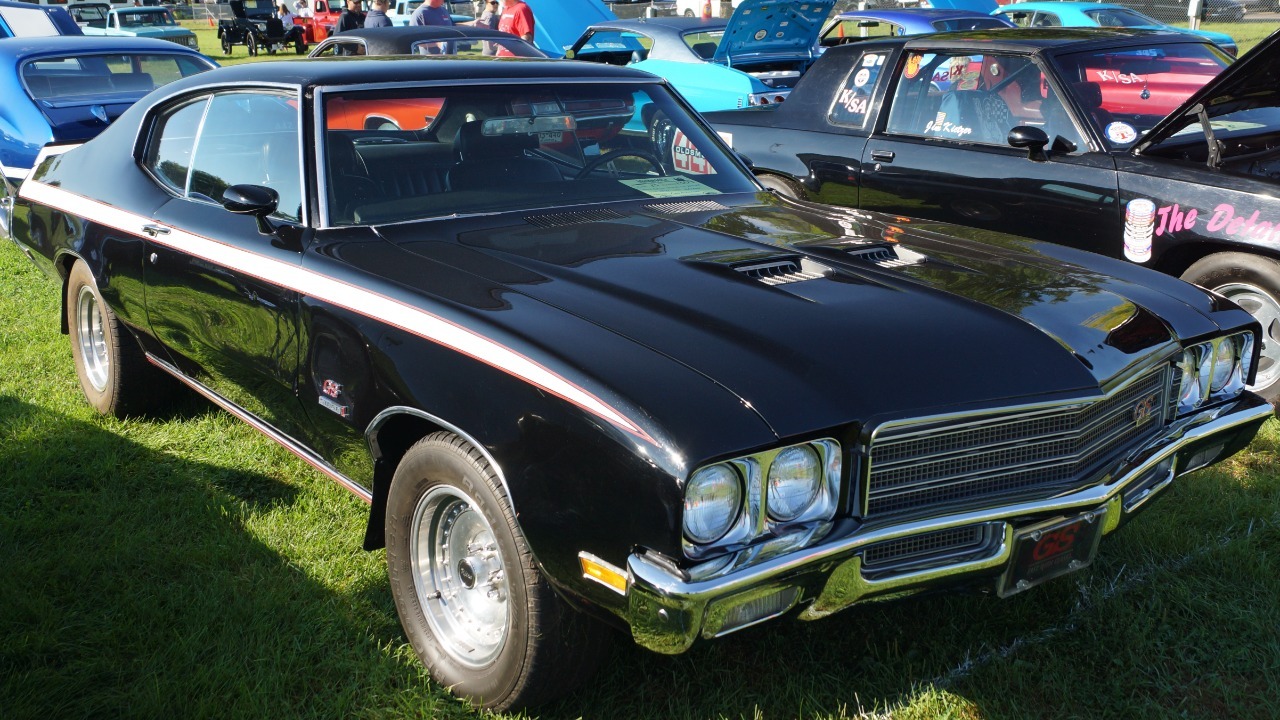
The Buick GSX Stage 1 shocked many enthusiasts because Buick transformed a traditionally refined brand into a builder of brutally fast street cars. The Stage 1 455 engine produced enormous low-end torque capable of humiliating many rivals at stoplights. Bright colors and aggressive hood scoops gave the GSX unmistakable road presence. It became proof that luxury and extreme muscle performance could exist together successfully.
AMC AMX 390
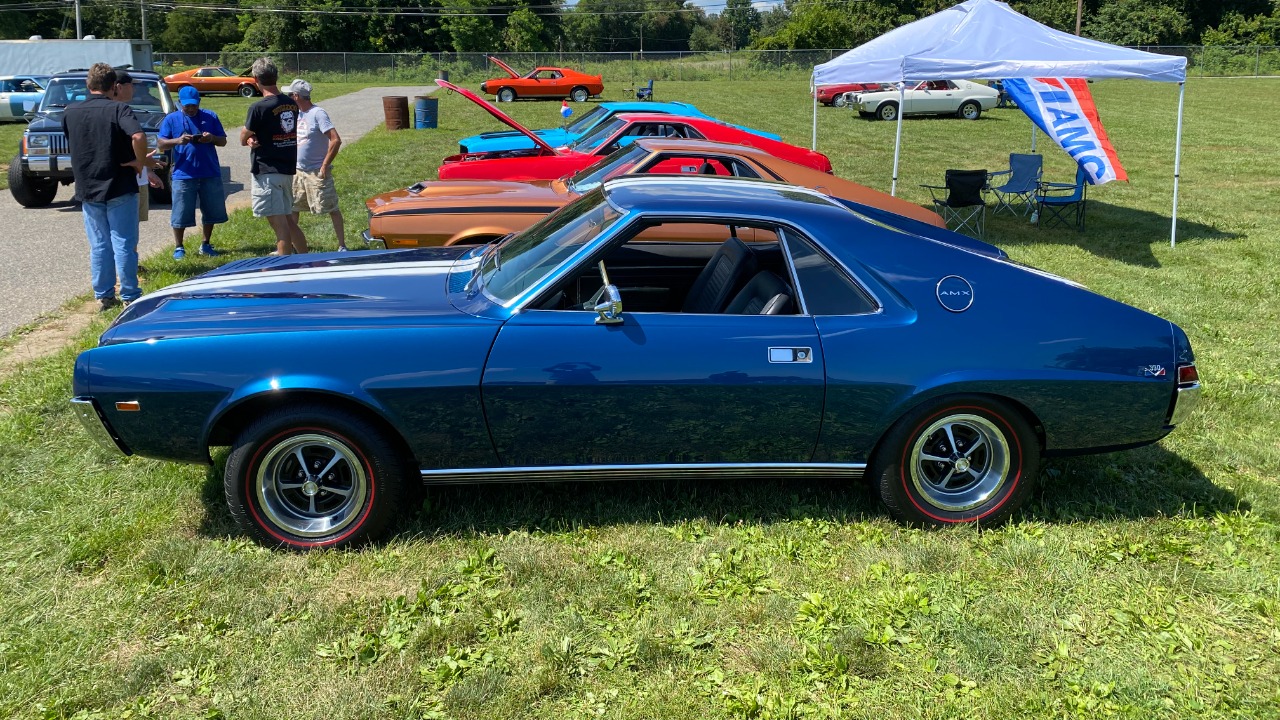
The AMC AMX 390 stood out because AMC built a compact high-performance machine that felt far more aggressive than many expected from the smaller manufacturer. Lightweight dimensions and strong V8 power gave the AMX excellent straight-line performance and sharp street manners. Its shorter wheelbase made the car feel especially lively during hard acceleration. The AMX proved smaller automakers could compete seriously during the horsepower wars.
Oldsmobile 442 W-30
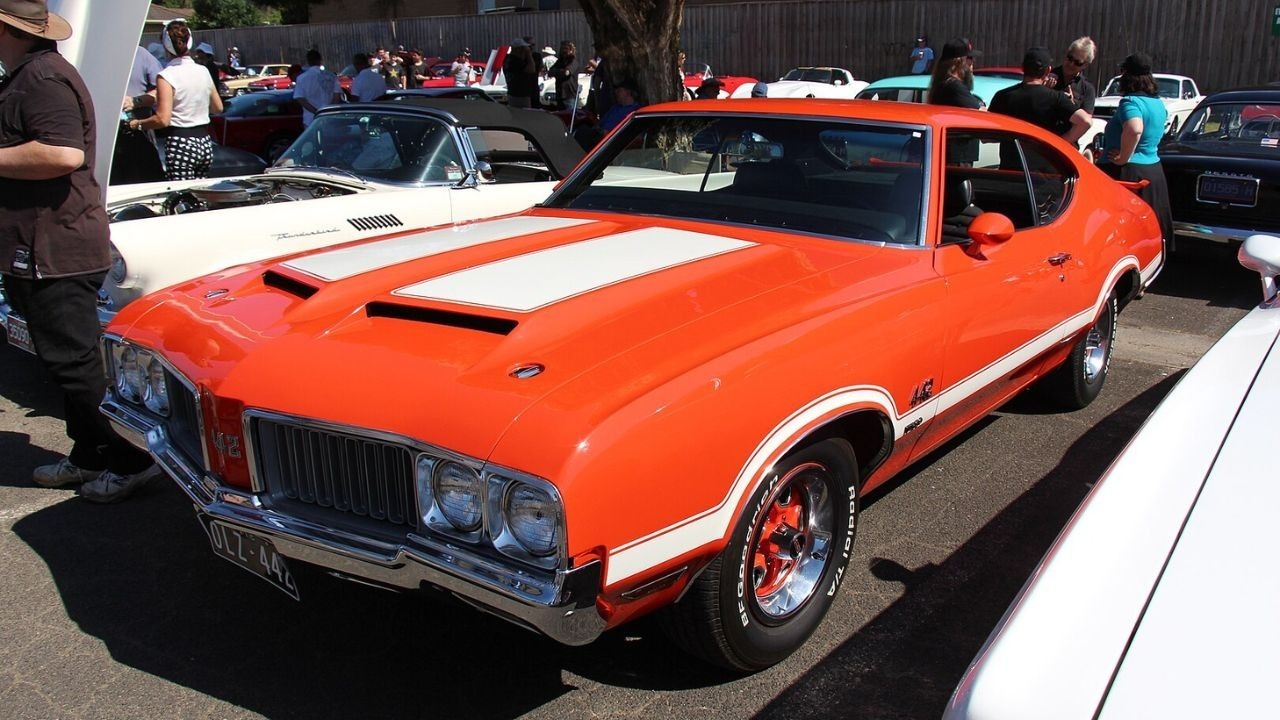
The Oldsmobile 442 W-30 became respected because it combined refined styling with serious big-block performance capable of challenging Detroit’s toughest competitors. Functional hood scoops and upgraded induction systems gave W-30 models strong breathing and impressive acceleration. Enthusiasts appreciated the balance between comfort and raw speed. Oldsmobile quietly produced one of the era’s most capable factory muscle cars.
Mercury Cyclone Spoiler 429
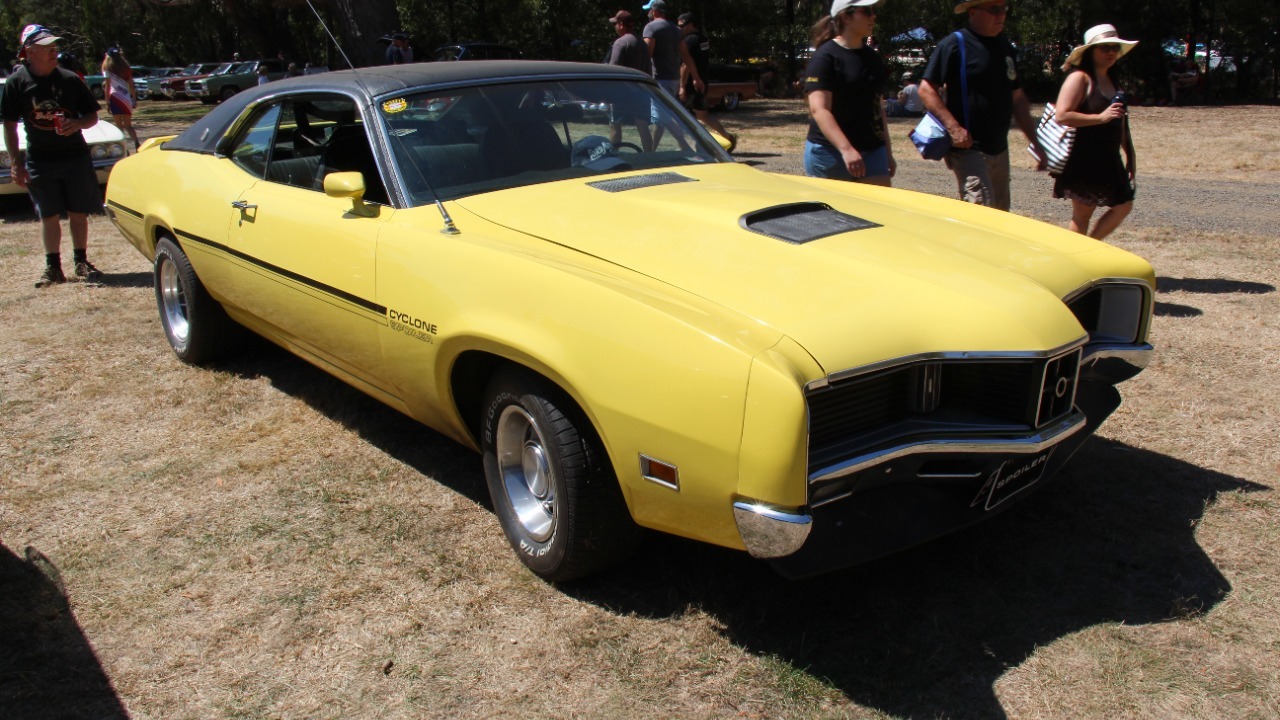
The Mercury Cyclone Spoiler 429 pushed Mercury deeper into factory performance competition with aggressive aerodynamics and massive big-block power. Developed partly with racing influence in mind, the Cyclone delivered excellent high-speed stability and strong drag-strip performance. Its distinctive front-end styling separated it from more common muscle cars immediately. The Spoiler represented Mercury’s most serious performance ambitions during the muscle-car peak.
Plymouth Superbird 426 HEMI
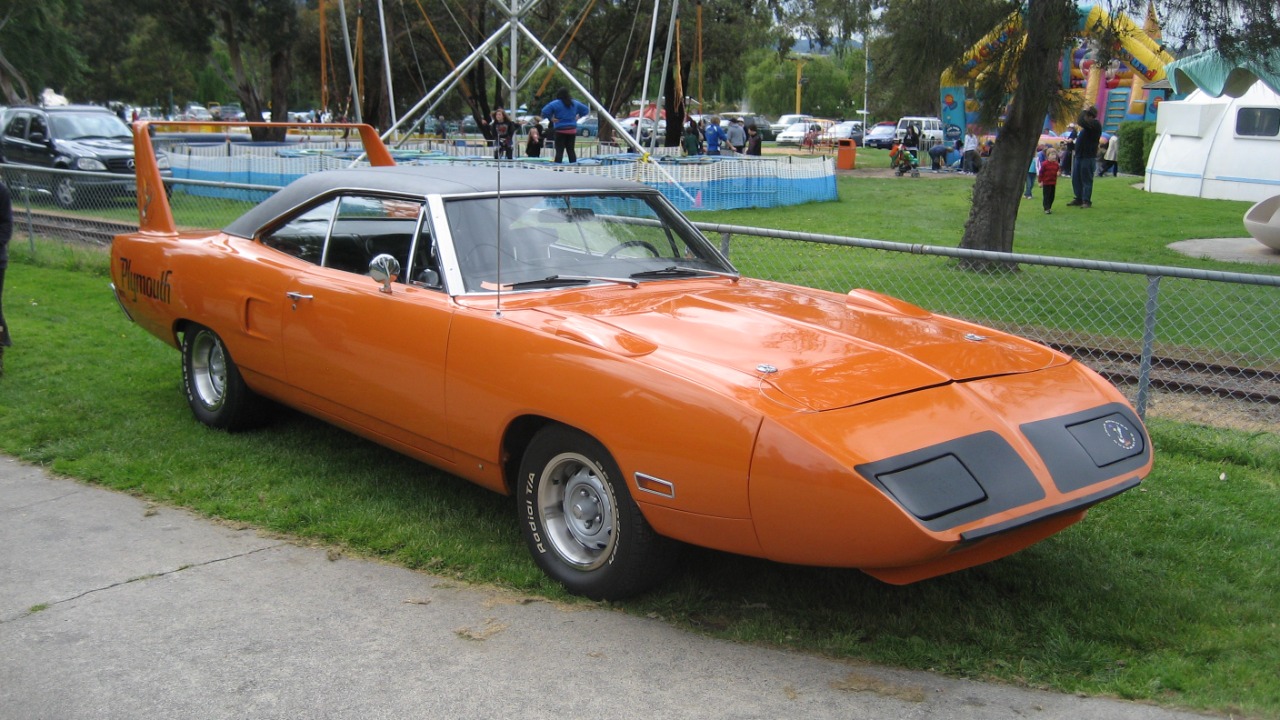
The Plymouth Superbird 426 HEMI became one of the wildest factory muscle cars ever built because its enormous wing and pointed nose looked more like a race car than a street vehicle. Beneath the outrageous styling sat the legendary 426 HEMI, delivering immense power and unmistakable sound. Built largely to satisfy NASCAR homologation requirements, the Superbird instantly became an automotive icon. Few factory muscle cars ever pushed performance culture further visually or mechanically.
More from Fast Lane Only