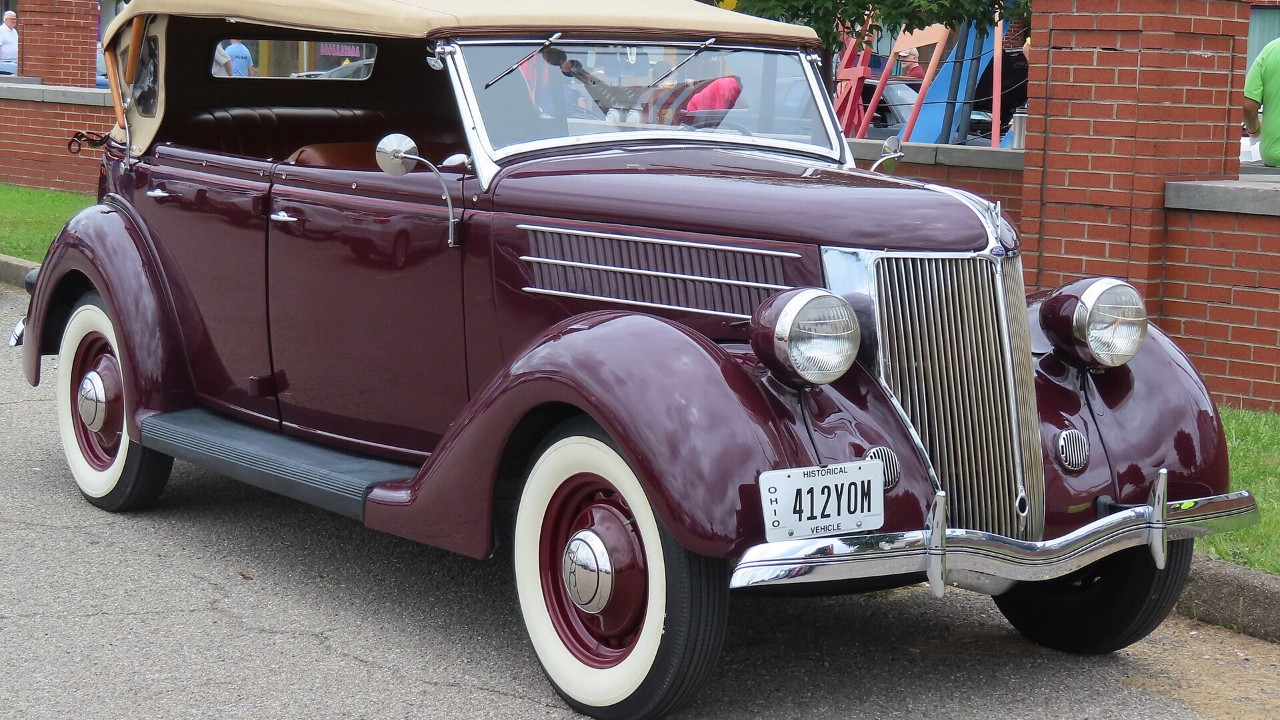
Some foreign performance cars became so influential that enthusiasts still debate, modify, collect, and admire them decades after release. Whether through racing success, tuning potential, groundbreaking engineering, or unforgettable styling, these machines left permanent marks on automotive culture worldwide. Even as newer supercars arrive constantly, these icons continue dominating enthusiast conversations because their impact extends far beyond simple horsepower numbers.
Nissan Skyline GT-R R34
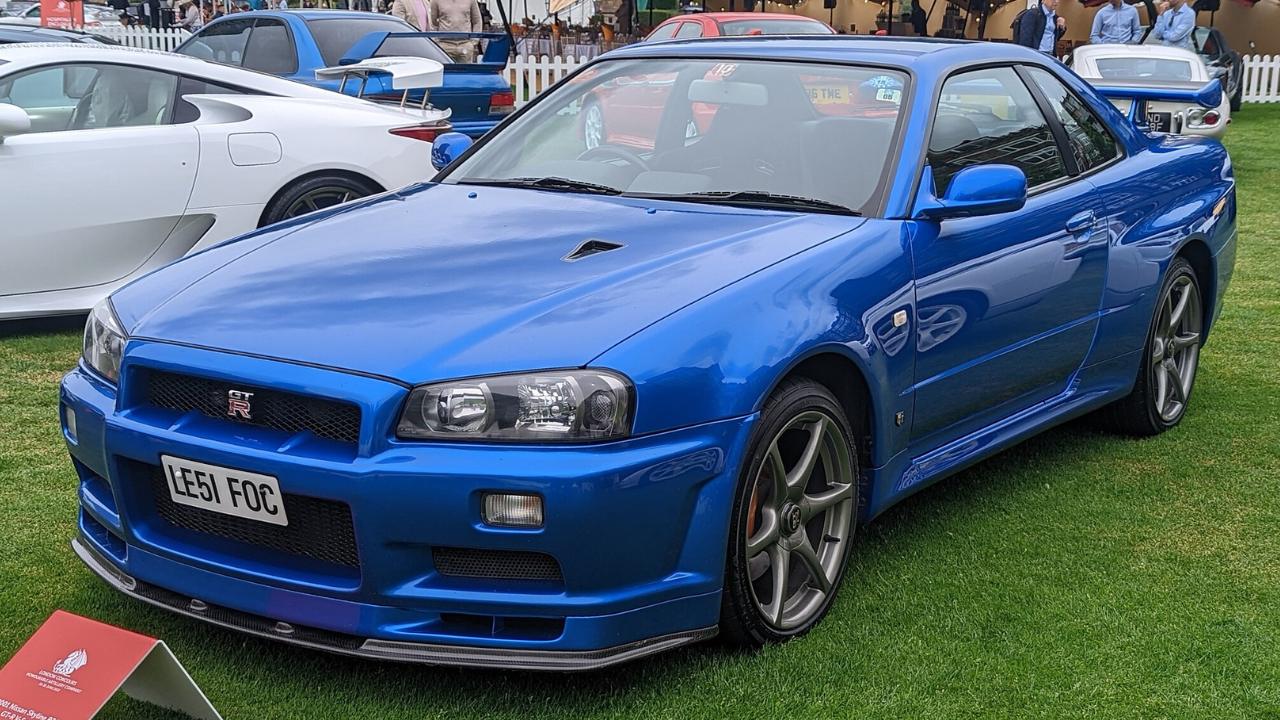
The Nissan Skyline GT-R R34 remains one of the most discussed performance cars ever because it perfectly combined advanced technology, racing heritage, and enormous tuning potential. Its RB26DETT engine and ATTESA all-wheel-drive system gave the GT-R incredible capability both on streets and racetracks. Video games and movies expanded its global popularity even further. Decades later, enthusiasts still debate its performance limits and legendary status constantly.
Porsche 911 Turbo 930
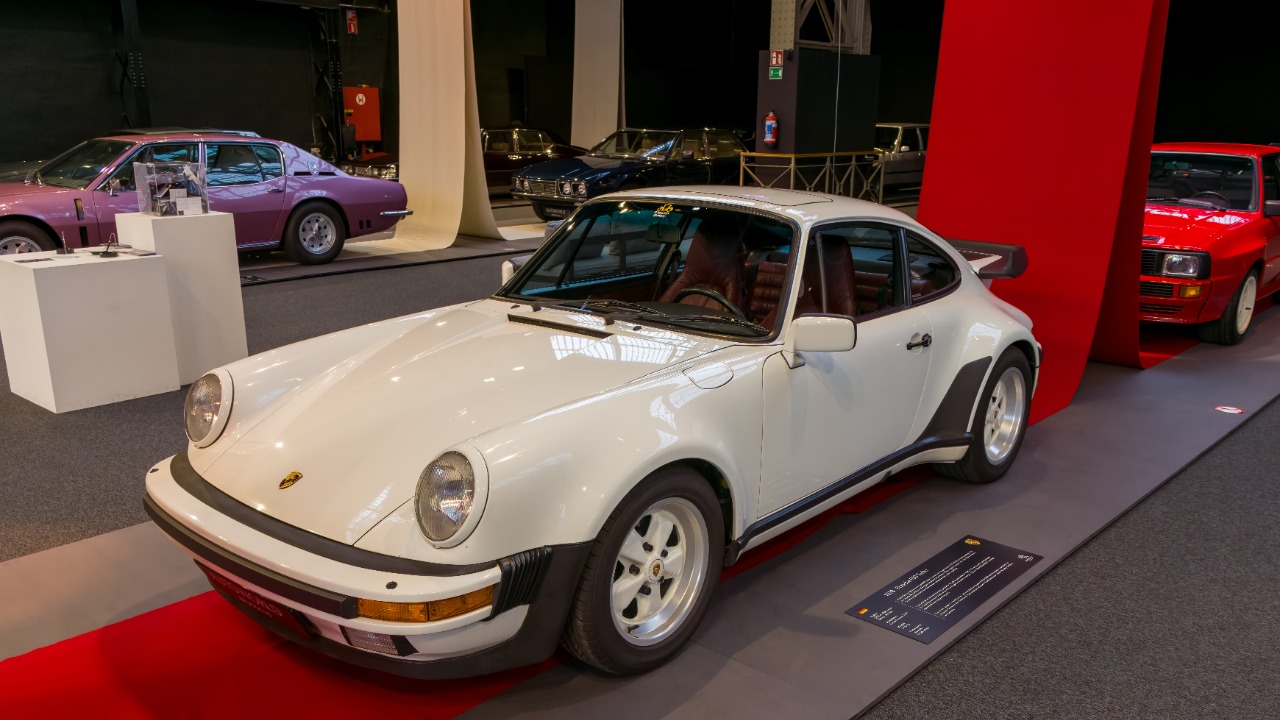
The Porsche 911 Turbo 930 continues dominating enthusiast discussions because of its intimidating driving characteristics and unmistakable turbocharged personality. Massive turbo lag followed by explosive acceleration created one of the most dramatic driving experiences of the analog era. Combined with the unique rear-engine layout, the 930 demanded skill and respect from drivers. Its reputation for danger and excitement still fascinates sports-car enthusiasts worldwide today.
Toyota Supra MK4
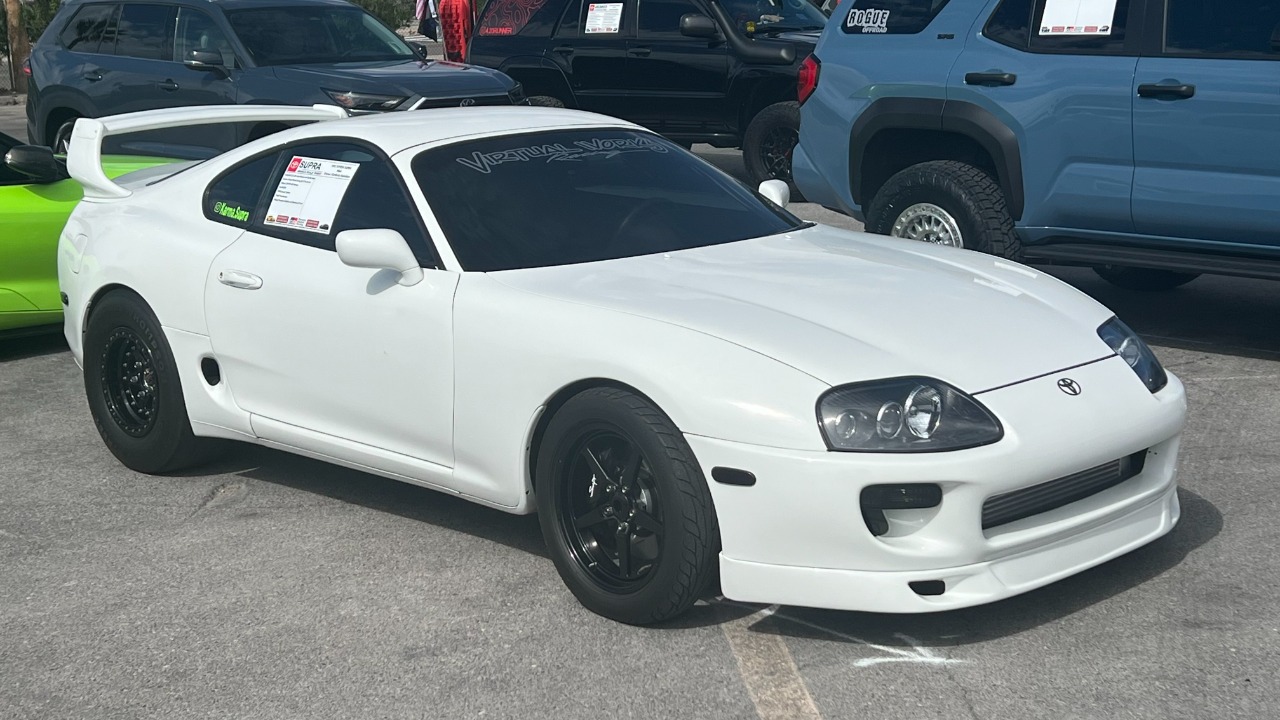
The Toyota Supra MK4 became a permanent enthusiast favorite because the 2JZ-GTE engine proved capable of handling astonishing horsepower increases reliably. Tuners embraced the Supra for drag racing, highway builds, and street performance projects worldwide. Its sleek styling and strong motorsport reputation only strengthened its appeal further. The car remains central to countless conversations surrounding Japanese tuning culture and high-horsepower engineering decades after production ended.
Ferrari F40
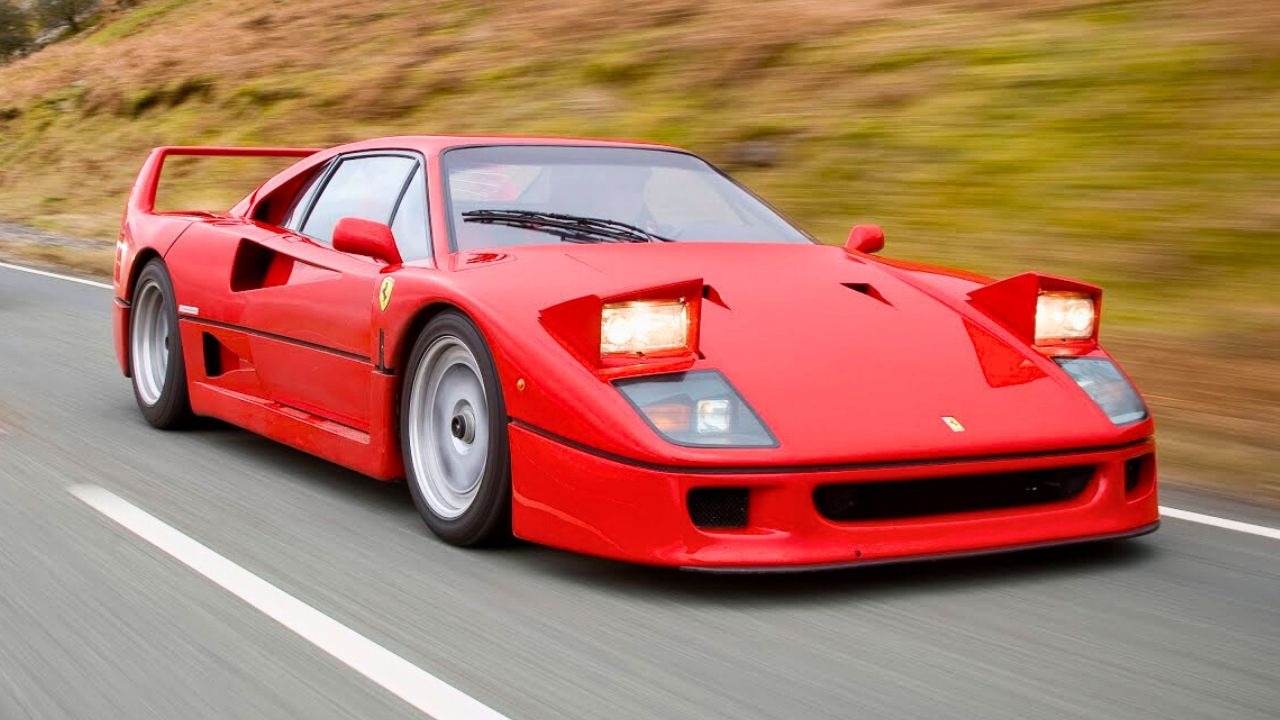
The Ferrari F40 still dominates automotive conversations because it delivered an unfiltered and brutally mechanical supercar experience unlike most modern exotics. Built to celebrate Ferrari’s 40th anniversary, the F40 prioritized raw speed and lightweight engineering over luxury or comfort. Drivers respected its violent turbocharged acceleration and total lack of electronic driving aids. Many enthusiasts still consider it the purest Ferrari supercar ever created.
Mazda RX-7 FD

The Mazda RX-7 FD continues attracting passionate debate because its lightweight chassis and unique rotary engine created an experience unlike anything else from the 1990s. The twin-turbo rotary produced a distinctive sound and power delivery that enthusiasts still obsess over today. While reliability discussions remain common, fans admire the RX-7’s balance, styling, and tuning possibilities. Few Japanese sports cars maintain such a dedicated and emotional fanbase decades later.
BMW E46 M3
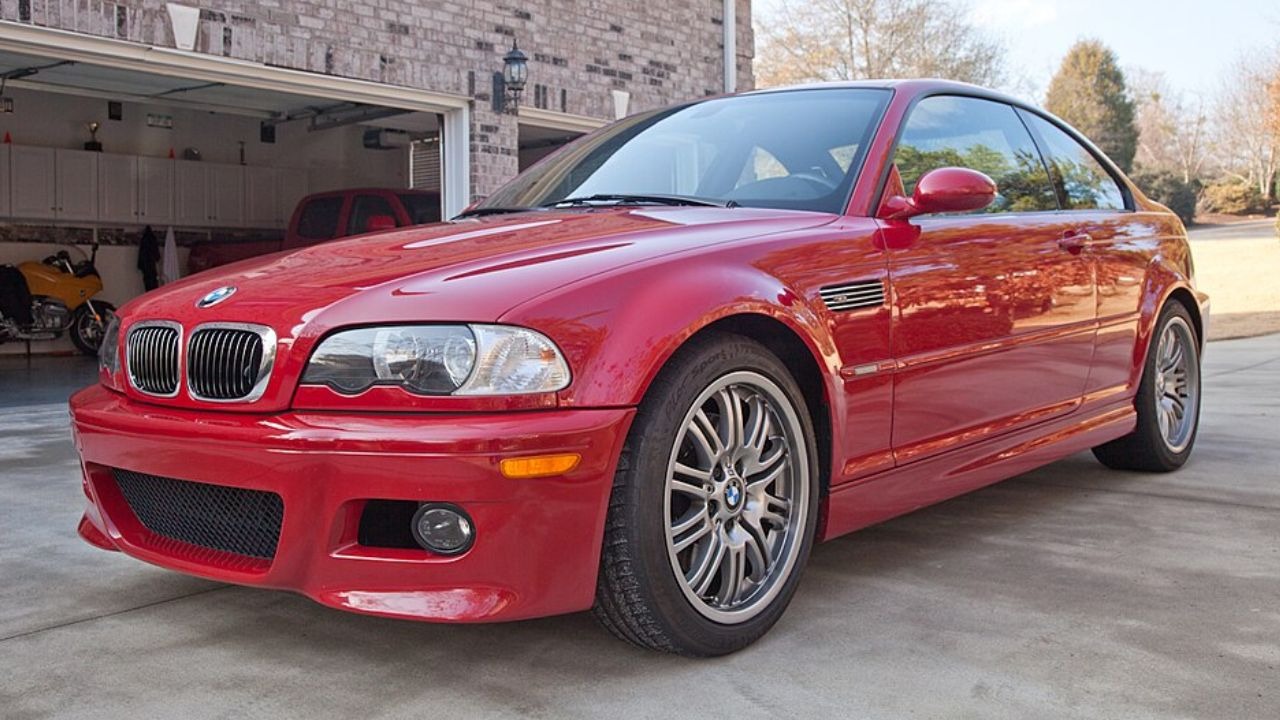
The BMW E46 M3 remains central to enthusiast culture because it perfectly balanced everyday usability with sharp analog driving dynamics. Its naturally aspirated S54 inline-six engine delivered thrilling high-RPM performance while the chassis communicated every input clearly. Many enthusiasts view the E46 M3 as the final classic-era BMW before excessive technology began dominating modern performance cars. Discussions about driver engagement often include this car immediately.
Honda NSX NA1
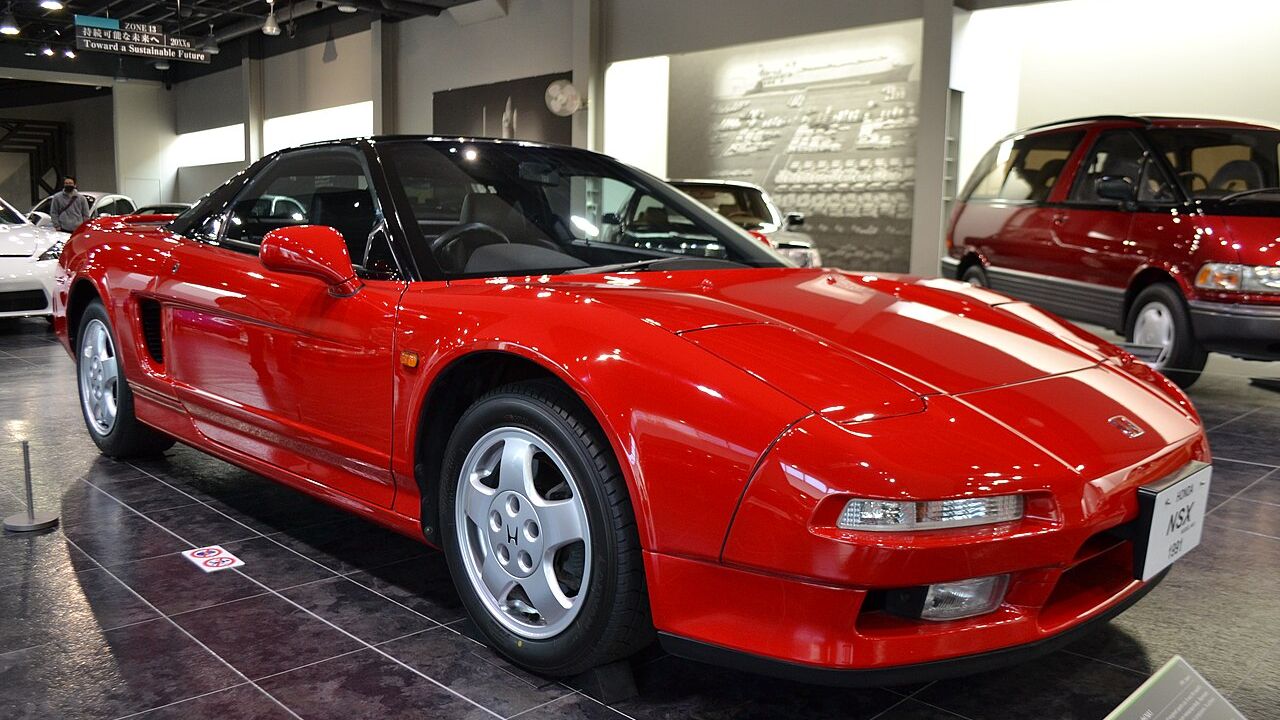
The Honda NSX NA1 changed enthusiast expectations by proving supercars could combine reliability with exotic-level handling and design. Ayrton Senna’s involvement in chassis tuning added enormous credibility to the NSX’s development story. The naturally aspirated V6 and lightweight aluminum construction created a remarkably balanced driving experience. Even decades later, enthusiasts continue discussing the NSX as one of the most important sports cars Japan ever produced.
Lancia Delta Integrale
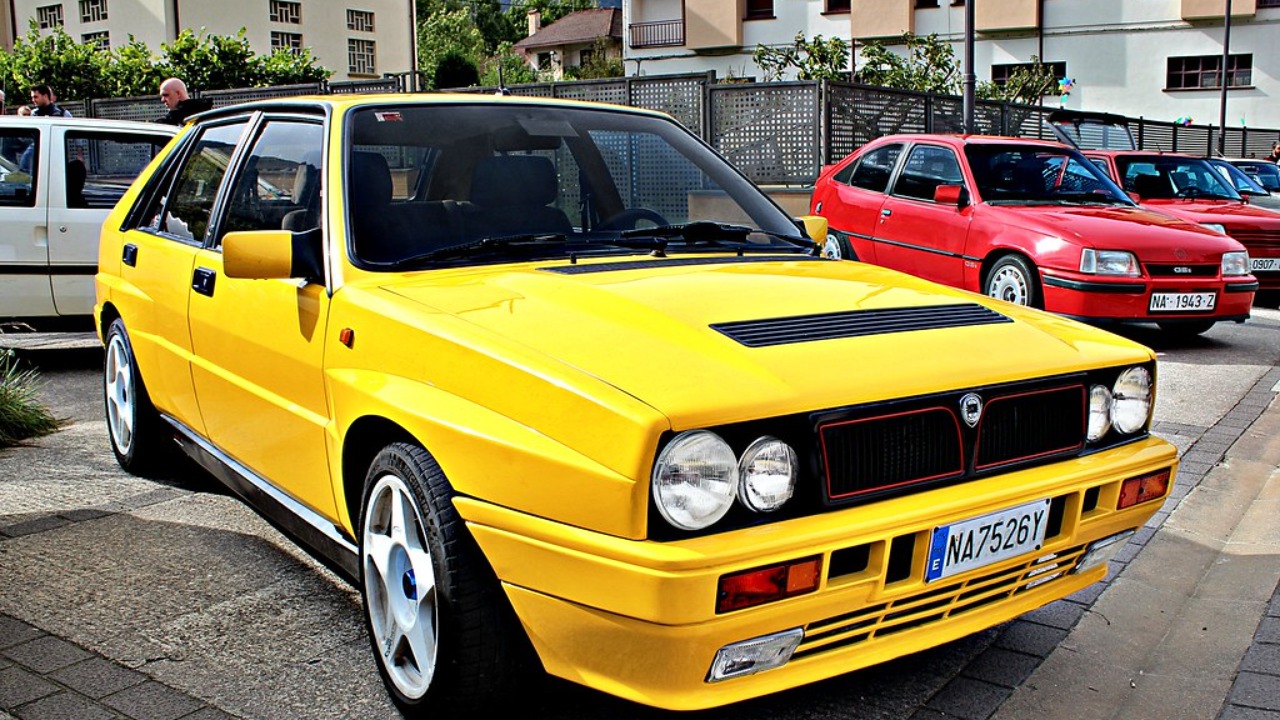
The Lancia Delta Integrale still dominates rally-car conversations because of its incredible World Rally Championship success and aggressive all-wheel-drive performance. Boxy styling, flared fenders, and turbocharged power gave the Delta unmistakable motorsport character. Enthusiasts admire how effectively the car translated rally technology onto public roads. Its rarity and racing pedigree continue making it one of Europe’s most respected performance hatchbacks among collectors and fans alike.
Mitsubishi Lancer Evolution VI
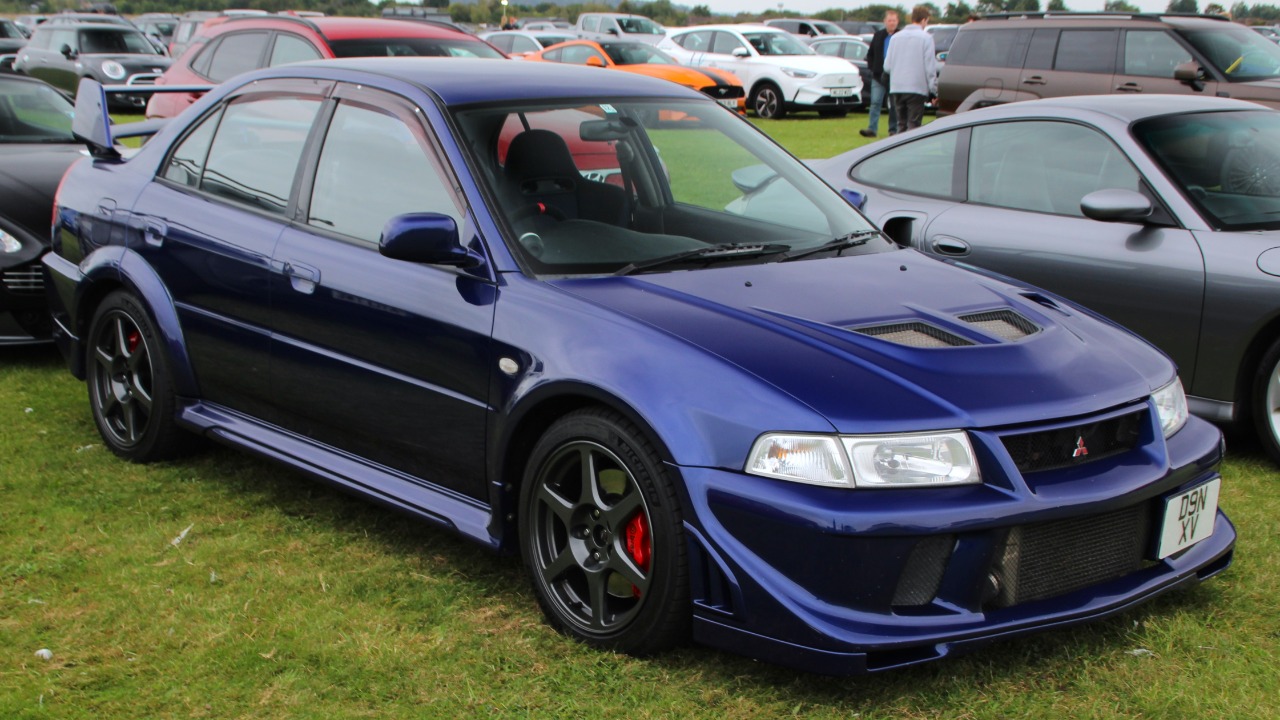
The Mitsubishi Lancer Evolution VI became legendary because it delivered rally-inspired performance at a price enthusiasts could realistically access. Sharp handling, aggressive turbocharged acceleration, and advanced all-wheel-drive capability made the Evo terrifyingly effective on difficult roads. The car’s rivalry with Subaru’s WRX STI only intensified its enthusiast following. Discussions surrounding affordable performance sedans still regularly compare newer cars against the Evo’s raw capability.
Jaguar XJ220
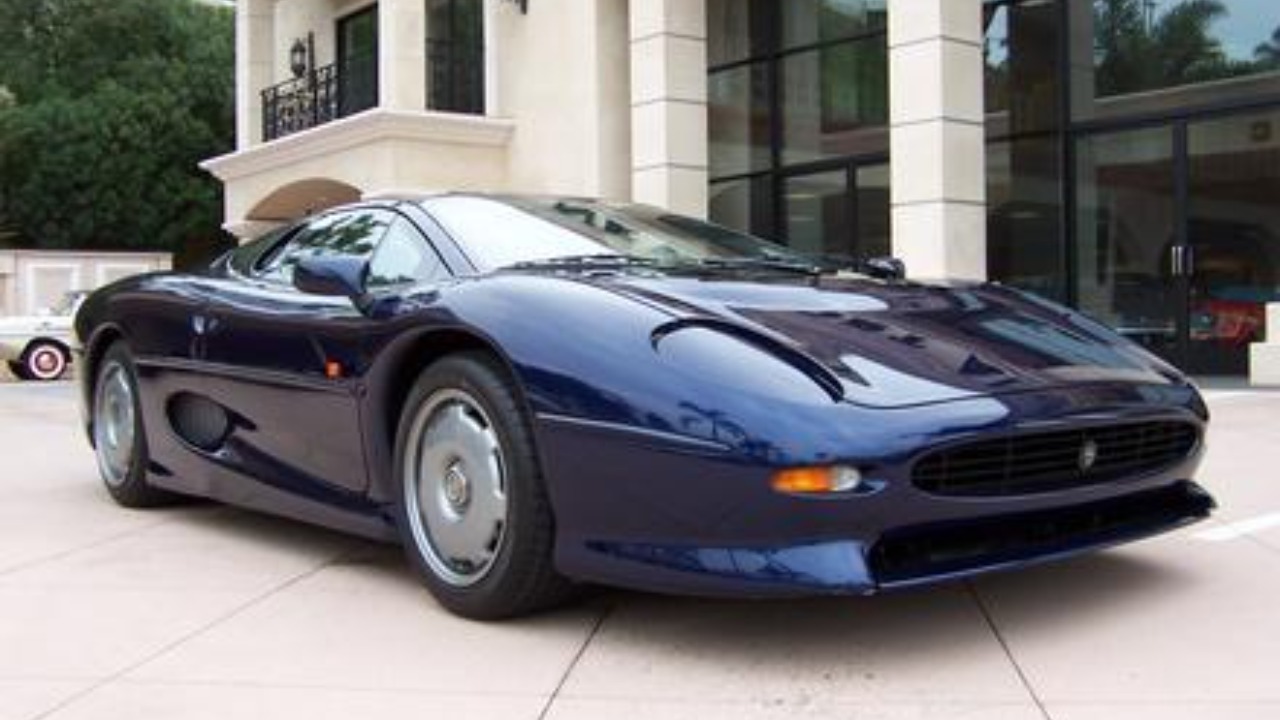
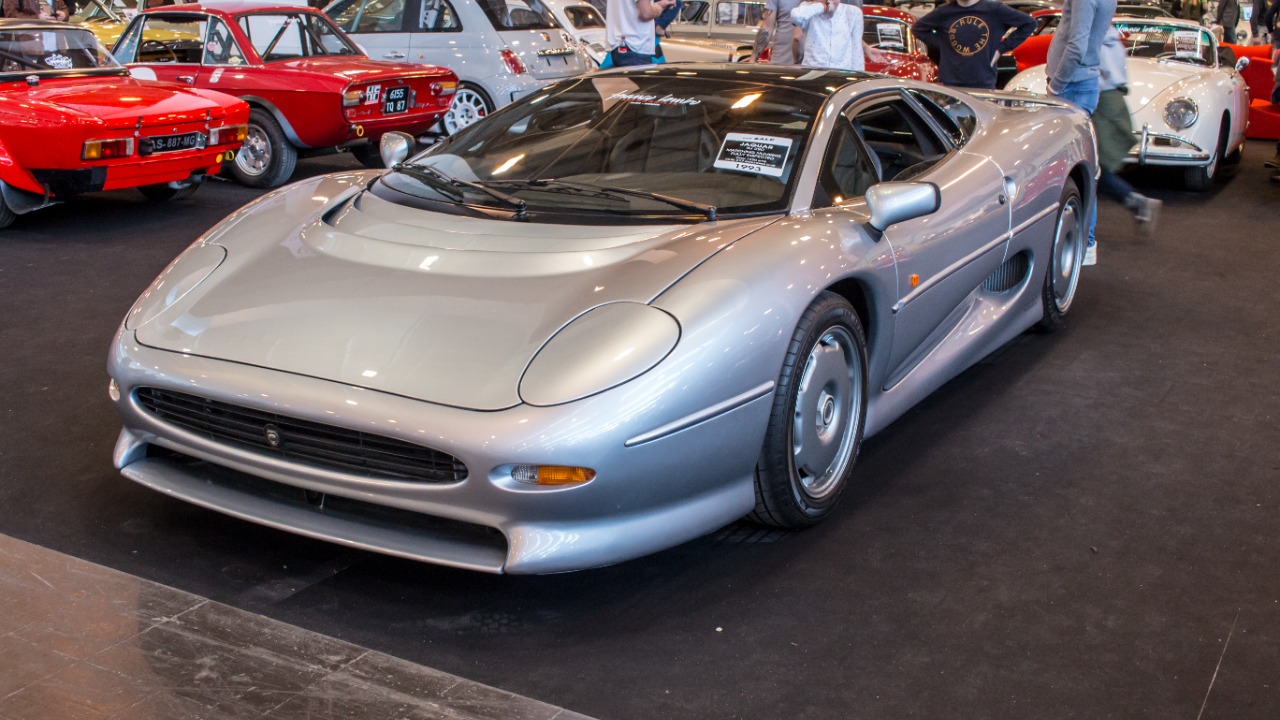
The Jaguar XJ220 continues generating fascination because it combined stunning speed with one of the most controversial development stories in supercar history. Originally expected to use a V12 and all-wheel drive, the production version arrived with a twin-turbo V6 instead, sparking debate immediately. Despite the controversy, the XJ220 achieved incredible top-speed performance and dramatic styling. Enthusiasts still argue passionately about its legacy and misunderstood brilliance today.
More from Fast Lane Only