It started the way a lot of car troubles do: with a sound that doesn’t belong. One afternoon, while pulling out of a parking spot, she heard a sharp, rhythmic knock from the engine bay—loud enough to cut through the radio and make her grip the wheel a little tighter. It wasn’t a squeal, not a hiss, not the usual “old car” rattle. It was the kind of noise that makes your brain say, “Turn this off before it turns expensive.”
She did what most people would do. She drove gently, kept the revs low, and headed straight home, already rehearsing the text she’d send: “Something’s wrong with the car, and it sounds bad.” When she popped the hood, nothing looked obviously broken, but the sound lingered in her ears like a warning bell.
A Knock Is Rarely Just “A Knock”
Engine knocking can mean a few different things, and none of them are especially fun. Sometimes it’s a simple issue like low oil pressure, a clogged filter, or oil that’s thinned out and isn’t cushioning moving parts the way it should. Other times, it points to deeper wear—rod bearings, crankshaft issues, or damage that’s been quietly building for a while.
But here’s the tricky part: the sound itself doesn’t always tell you the whole story. A light tick can be harmless, and a heavy knock can be catastrophic—or it can be somewhere in between. The only reliable approach is to treat it like a symptom, then go looking for the cause.
The First Check Was the Simplest One
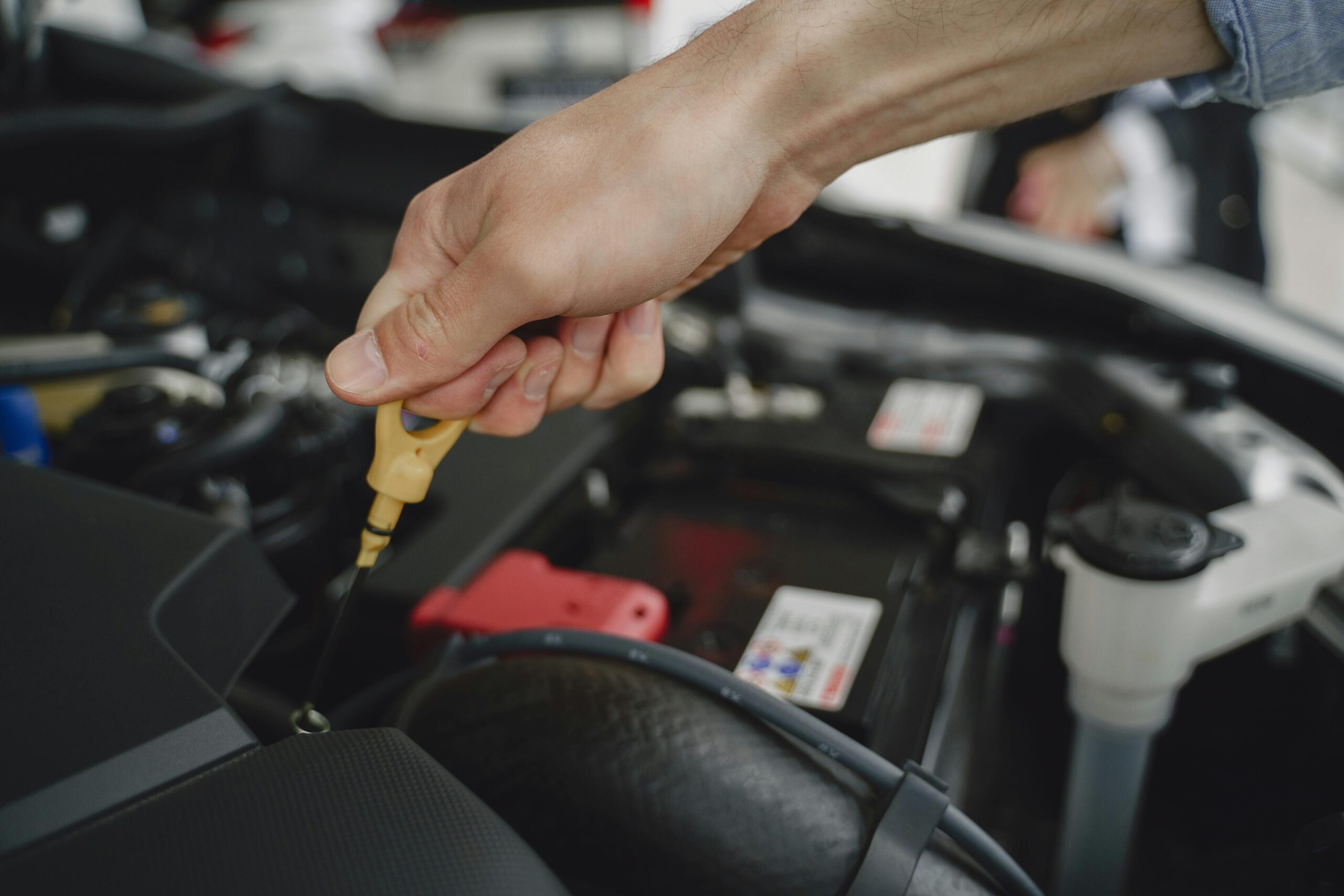
Before any tools came out, she checked the oil. The dipstick showed it was low—lower than it should’ve been, especially since the car had supposedly had an oil change “not that long ago.” The oil that was on the dipstick looked darker than expected, too, which isn’t a smoking gun, but it raised an eyebrow.
That’s when she went digging for paperwork. Most people don’t keep a “car file” like a dealership would, but many do keep receipts in the glove box or a kitchen drawer. She found one quickly, folded and slightly greasy, the kind of receipt that’s survived a few cup holders.
The Receipt Date Didn’t Add Up
The receipt said the oil change was done recently. But “recently” depends on whose calendar you’re using, and the date on the paper didn’t match the story she’d been told. The car had been in the family’s routine for weeks, and yet the receipt claimed the service happened during a time when the car was supposedly somewhere else entirely.
At first, it felt like a simple mix-up—maybe the shop typed the date wrong, maybe the receipt was for a different visit. But the more she looked, the more details seemed off: the mileage written on the slip didn’t line up cleanly with what the odometer showed now. It wasn’t wildly impossible, but it was close enough to be suspicious and weird enough to nag at her.
So What Happens When the Oil Change Might Not Have Happened?
If an engine is low on oil, it can start knocking because metal parts don’t get the lubrication they need. Oil isn’t just “liquid in there”; it’s a pressurized cushion that keeps fast-moving components from grinding into each other. When the level drops, oil pressure can dip, heat rises, and wear accelerates.
And if the oil change didn’t happen—or happened but the wrong oil was used, or the filter wasn’t installed correctly—then the risk goes up. Even being a quart low can matter in certain engines, especially if the car already burns oil or has high mileage. The knock she heard could’ve been the engine’s way of saying, “Hey, I’m running out of protection.”
A Quick Reality Check: Receipts Aren’t Proof, They’re Clues
It’s tempting to treat a receipt like a certificate of safety. But receipts can be wrong, reused, misprinted, or simply not connected to the car you think they’re connected to. People also sometimes keep old receipts and assume they’re current because they look familiar.
Still, mismatched dates and mileage aren’t nothing. They’re the kind of small inconsistency that can lead you to a big answer, especially when paired with an engine noise that arrived out of nowhere. At minimum, it’s a sign to stop assuming and start verifying.
What a Mechanic Will Usually Check Next
When an engine knock shows up alongside oil questions, most reputable shops go straight to the basics. They’ll confirm oil level and condition, check for leaks, inspect the filter, and look for signs of contamination like metal flakes in the oil. Some will cut open the oil filter to see what it caught, which is oddly satisfying in a “crime scene investigation” kind of way.
They may also hook up a mechanical oil pressure gauge. Dash lights and digital readouts are helpful, but a real gauge tells the truth fast. If oil pressure is low at idle or drops under load, that points to a lubrication issue—either supply, pressure regulation, or internal wear.
The Uncomfortable Possibility: The Knock Was Already Damage
Here’s the part nobody loves to hear: once an engine knock becomes loud and repeatable, it can mean internal damage has already started. A rod knock, for example, often shows up when a bearing has too much clearance and the rod begins to “tap” with each rotation. It can sometimes be quiet at first, then get louder quickly.
That doesn’t automatically mean the engine is done. Sometimes catching the issue early, correcting oil level, and addressing the underlying cause can prevent it from getting worse. But it’s also why driving “just a little more” with a knock can be a gamble—one that tends to favor the tow truck.
How People Can Protect Themselves From “Phantom Maintenance”
If there’s one practical takeaway, it’s this: trust the dipstick more than the calendar. Even newer cars can burn oil, and many engines won’t warn you until the level is dangerously low. A 60-second check every couple of weeks can prevent a month of stress.
It also helps to log oil changes with a photo: snap the receipt, take a picture of the odometer, and save both in a phone folder. It’s not obsessive; it’s the modern version of writing it in the back of a manual. If something doesn’t add up later, you’ve got a clean timeline.
The Small Moment That Turned Into a Big Catch
By the time she connected the knock to the low oil and then to the strange receipt date, it wasn’t just about a sound anymore. It was about whether the car had been cared for the way everyone believed it had. And that’s a hard thing to realize when you’re standing in a driveway holding a piece of paper that suddenly feels less like proof and more like a question.
She did the smartest thing next: she stopped driving it and scheduled a professional inspection. Because as curious as the receipt mystery was, the engine noise was the real headline. The paperwork might explain how it happened, but the mechanical checks would decide what happens next.
More from Fast Lane Only
- Unboxing the WWII Jeep in a Crate
- 15 rare Chevys collectors are quietly buying
- 10 underrated V8s still worth hunting down
- Police notice this before you even roll window down
*Research for this article included AI assistance, with all final content reviewed by human editors.