The 1980s were an era of bold designs and innovative engineering in the automotive world. While some cars from this decade became icons, others have been overshadowed and largely forgotten. Here’s a trip down memory lane with 10 underrated cars from the 1980s that deserve a second look.
Pontiac Fiero
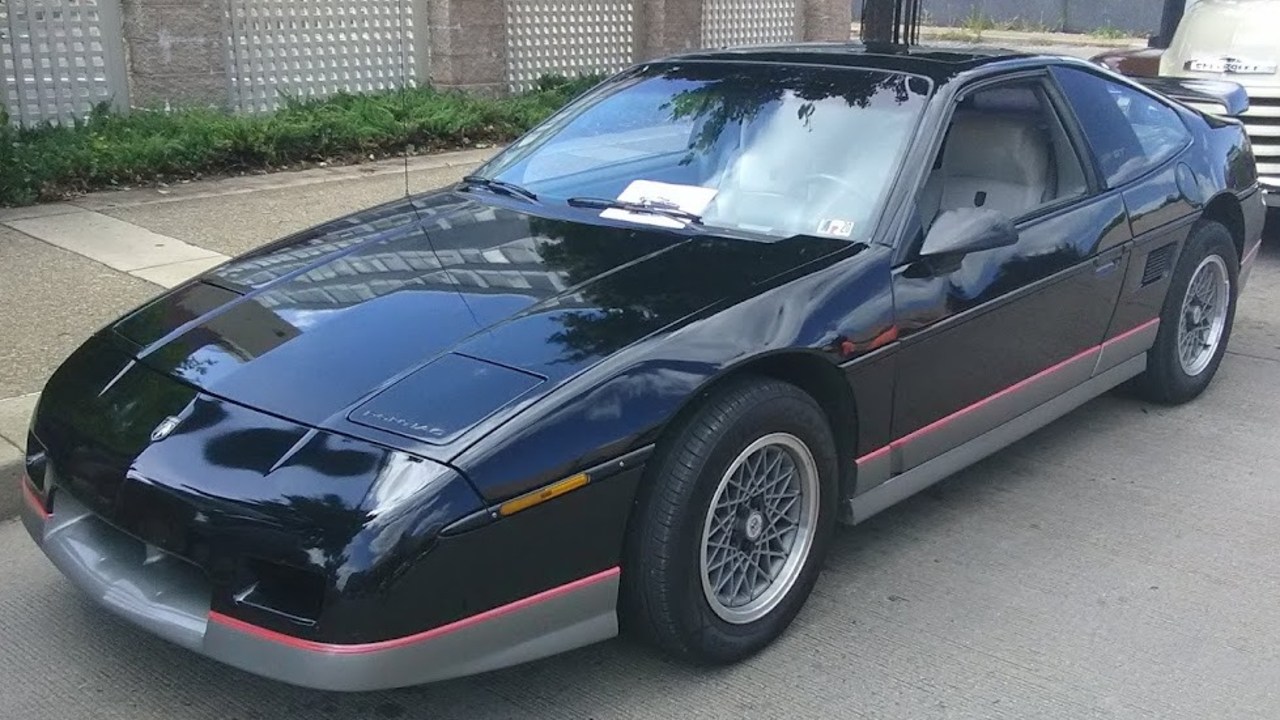
The Pontiac Fiero, produced from 1984 to 1988, was one of the most innovative cars of its time. It was Pontiac’s first two-seater and America’s first mass-produced mid-engine sports car. Despite its initial reputation for unreliability, the Fiero has gained a cult following for its unique design and potential for modification. The 1988 model, with its improved suspension, is particularly sought after by enthusiasts today.
Its sporty look and affordable price tag made it popular among younger drivers. Today, the Fiero is celebrated for its forward-thinking design and is a favorite project car for those looking to create something truly unique.
Merkur XR4Ti
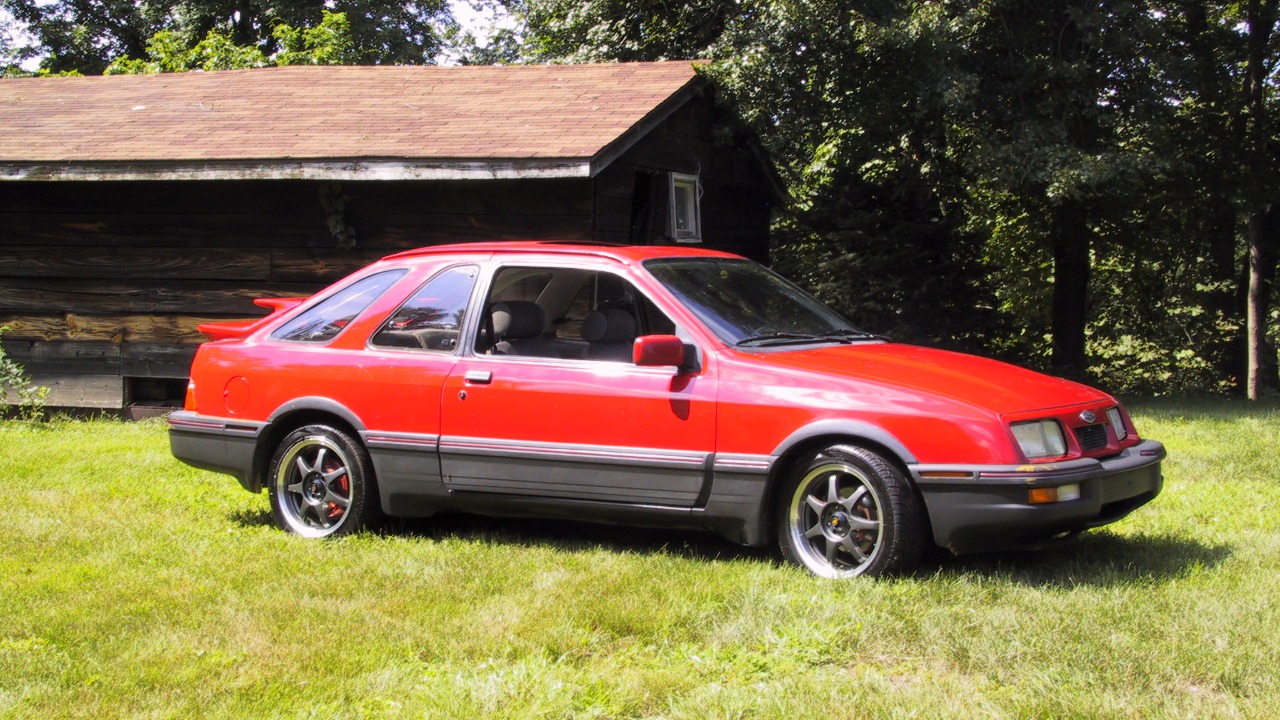
The Merkur XR4Ti was an intriguing offering from Ford’s European division, making its way to the U.S. from 1985 to 1989. This sporty coupe featured a turbocharged 2.3-liter engine and rear-wheel drive, providing a spirited driving experience distinct from other cars in its class. Unfortunately, it suffered from branding issues and didn’t quite catch on with American buyers.
Today, the XR4Ti has gained a niche following among car enthusiasts who appreciate its unique styling and performance capabilities. With its distinctive bi-plane rear wing and European flair, the XR4Ti remains a conversation starter at car shows.
Isuzu Impulse
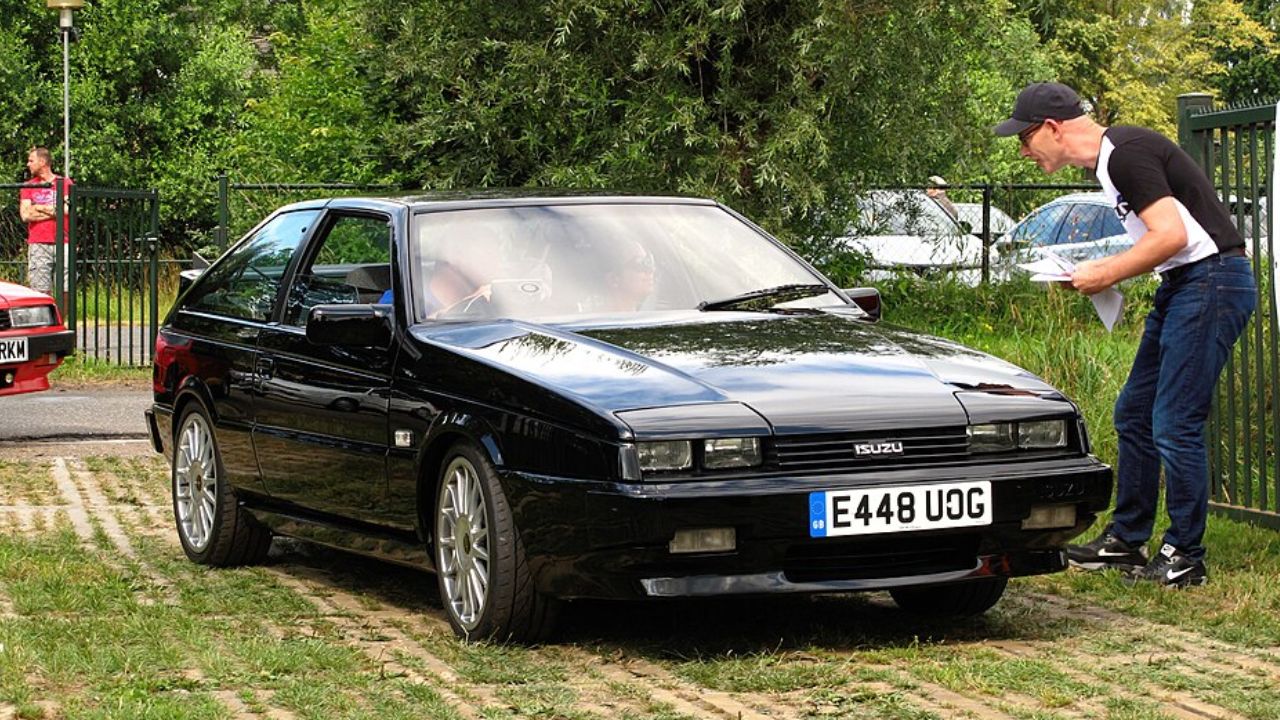
The Isuzu Impulse, known for its distinctive styling by Giorgetto Giugiaro, was produced from 1981 to 1992. This sleek coupe was praised for its handling and was one of the few cars of its time to offer a turbocharged engine. The Impulse’s striking looks and advanced features, including a digital dashboard, made it stand out in a crowded market.
While it didn’t achieve mainstream success, the Impulse remains a beloved choice for those who appreciate its innovative design and spirited performance. The 1988 model, with its Lotus-tuned suspension, is particularly noteworthy among enthusiasts.
Mitsubishi Starion

The Mitsubishi Starion hit the scene in the early ’80s and quickly became known for its turbocharged performance and rear-wheel-drive setup. Marketed between 1982 and 1989, the Starion was a part of Mitsubishi’s attempt to make inroads into the American sports car market. It featured an aggressive design with wide fender flares and pop-up headlights, making it a head-turner.
Enthusiasts still appreciate the Starion for its potential in the modification scene, with many examples being used in motorsports. Its robust engine and unique styling make it a standout from the era, worthy of admiration.
Renault Alliance
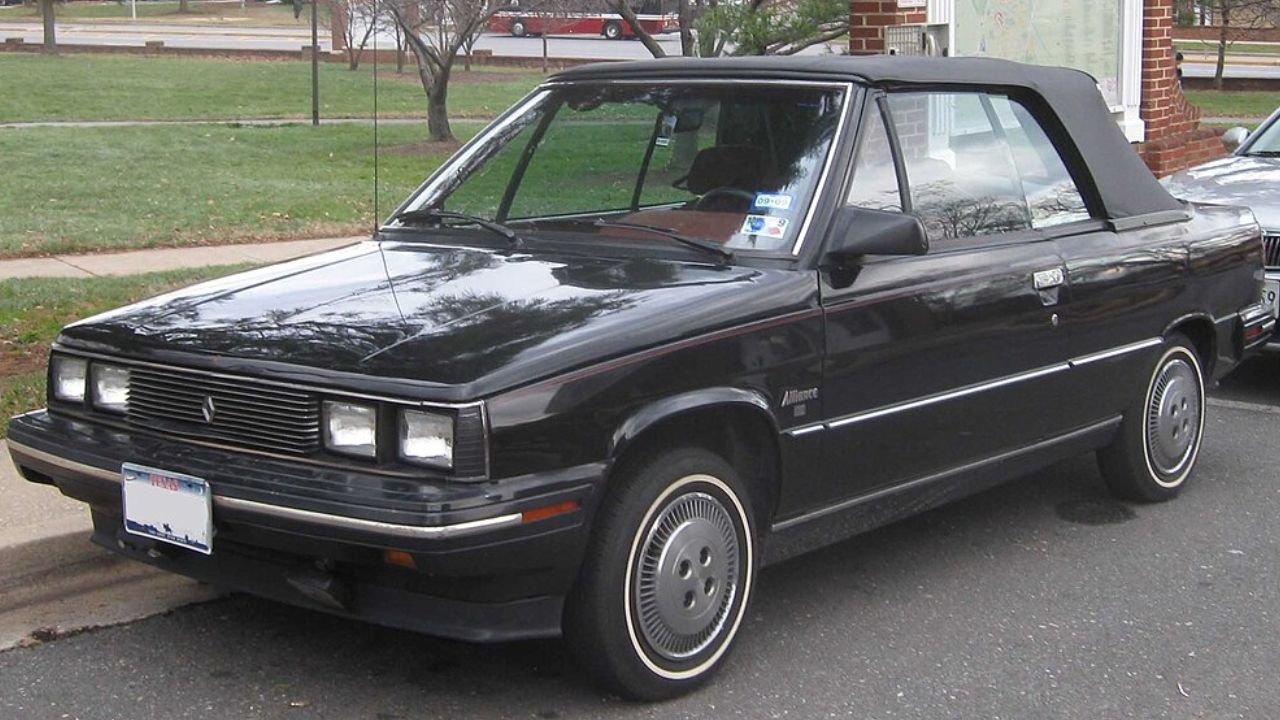
When Renault and AMC teamed up to produce the Renault Alliance in 1983, they aimed to bring European sensibility to the American market. This compact car was based on the Renault 9 and was available in sedan, hatchback, and convertible forms. It even won the 1983 Motor Trend Car of the Year award, thanks to its fuel efficiency and comfortable ride.
Despite its initial acclaim, the Alliance struggled with quality issues and was eventually phased out. However, its unique place in automotive history and its European charm make it an interesting piece for collectors.
Dodge Shelby Charger
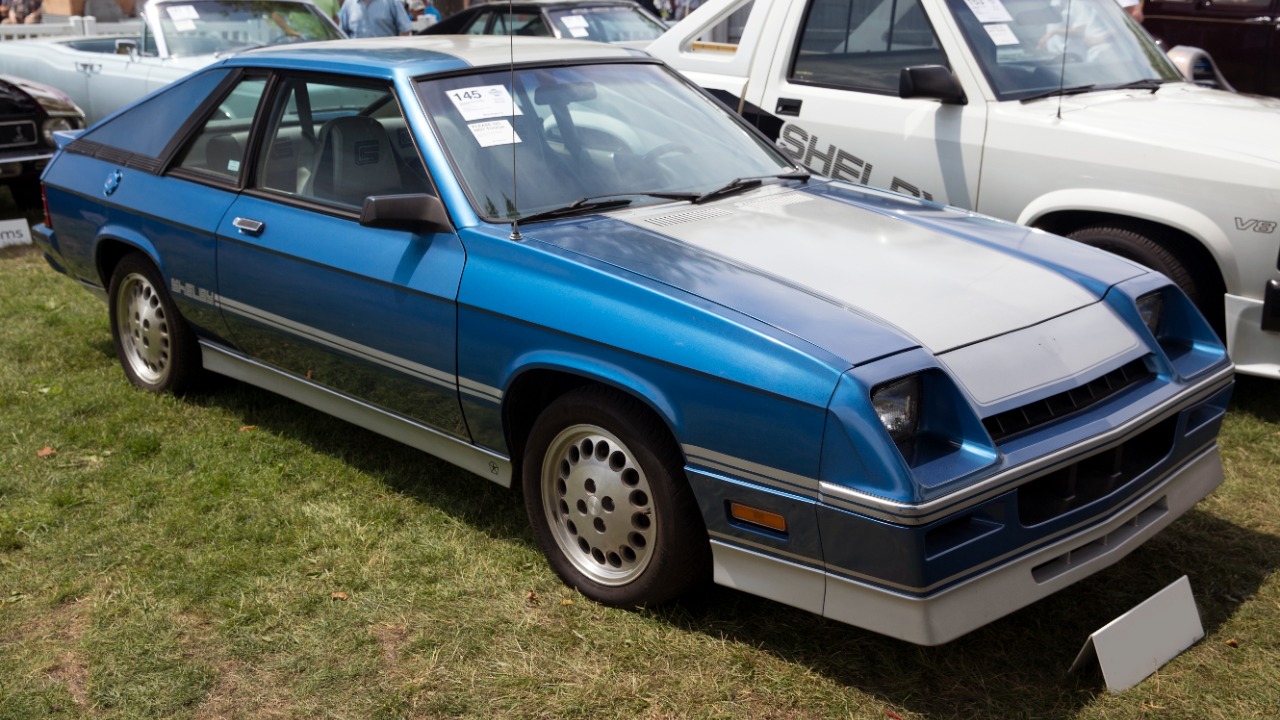
The Dodge Shelby Charger, a collaboration between Dodge and legendary car designer Carroll Shelby, was produced from 1983 to 1987. This sporty hatchback featured a turbocharged engine and performance upgrades that set it apart from the standard Dodge Charger of the time. Its bold colors and racing stripes made it a staple of 1980s street culture.
Today, the Shelby Charger is cherished by fans of American muscle and 1980s nostalgia. Its affordable price and potential for further tuning make it an attractive option for car enthusiasts looking for a slice of automotive history.
Subaru XT
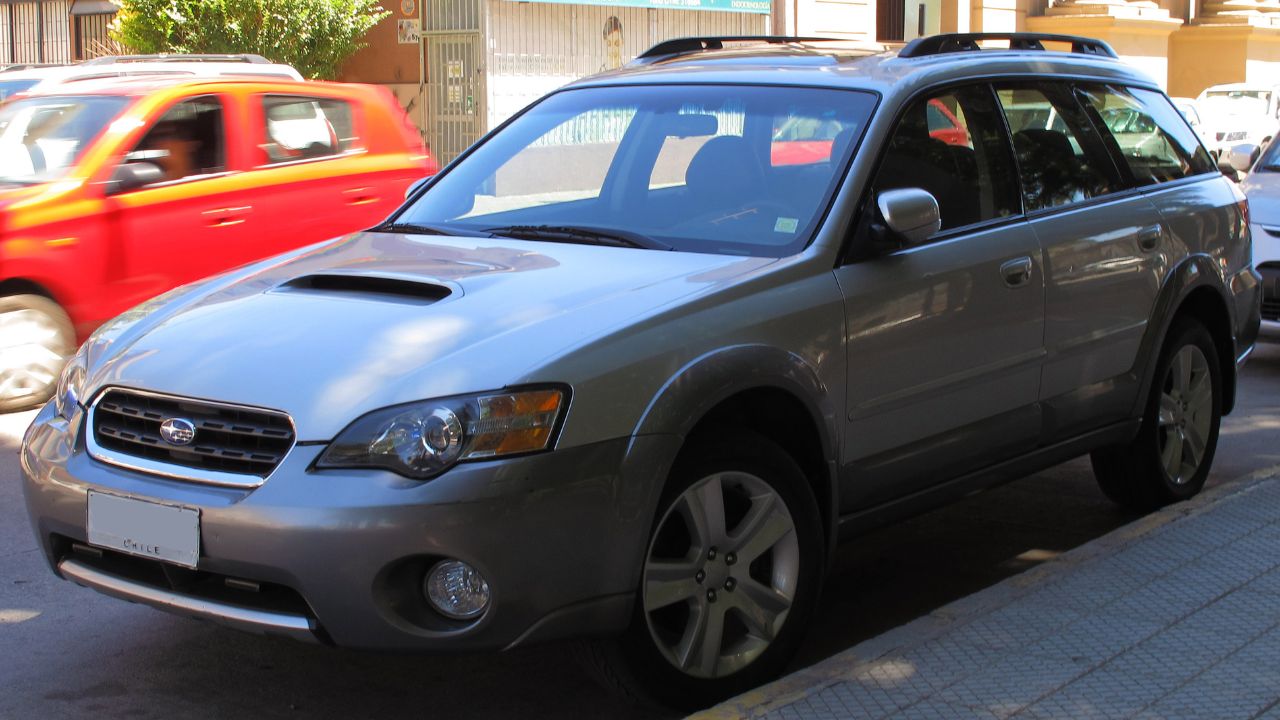
The Subaru XT was one of the most futuristic cars of the 1980s, with its wedge-shaped design and aircraft-inspired interior. Produced from 1985 to 1991, it was available with a turbocharged engine and all-wheel drive, a rarity at the time. The XT was Subaru’s attempt to break into the sports car market, and while it didn’t achieve massive success, it left a lasting impression.
Today, the XT is appreciated for its quirky design and advanced features, such as a digital dash and an adjustable air suspension. It’s a fascinating example of Subaru’s willingness to take risks and push the boundaries of conventional car design.
Toyota Cressida

The Toyota Cressida, produced from 1976 to 1992, was a luxury sedan that offered a blend of comfort and performance. By the mid-1980s, the Cressida came equipped with a smooth inline-six engine and rear-wheel drive, making it a precursor to the Lexus brand. It was known for its refined ride and high-quality interior, appealing to buyers seeking a more upscale experience.
Although it was overshadowed by the emergence of Lexus, the Cressida remains a favorite among car collectors who appreciate its build quality and potential for modification. It’s a reminder of Toyota’s ability to deliver luxury and reliability in a single package.
Peugeot 505
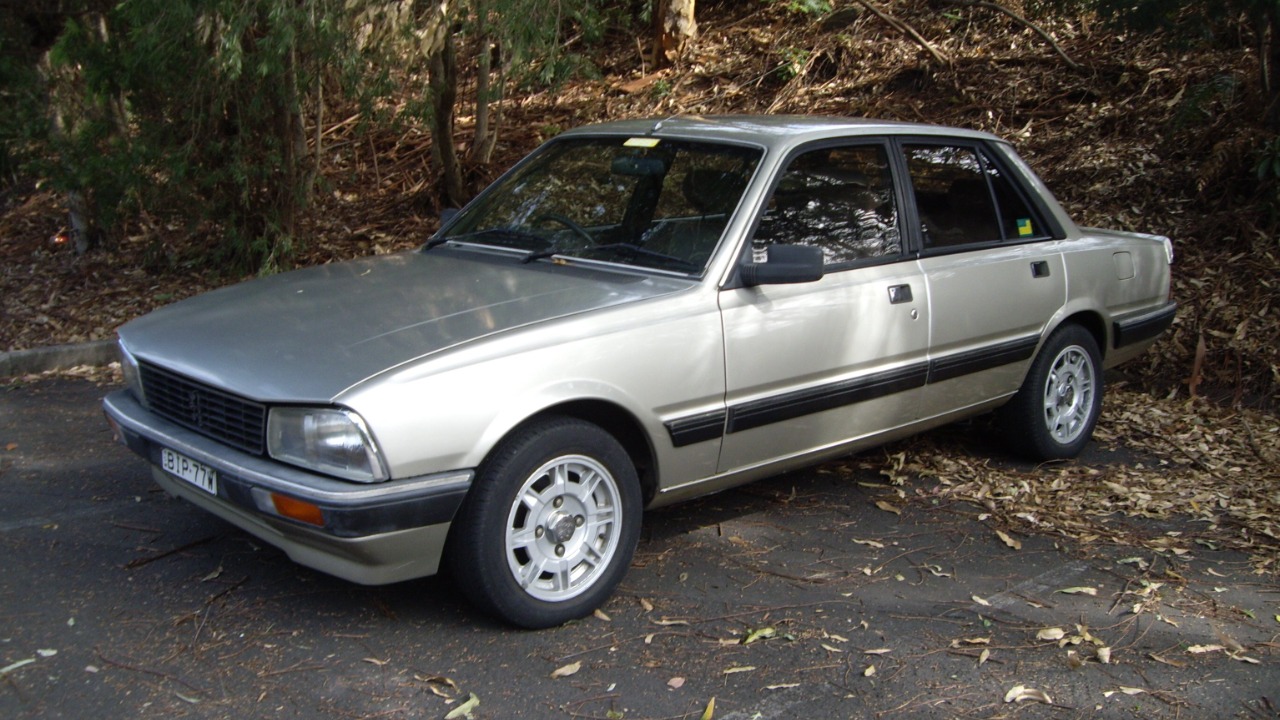
The Peugeot 505 was a French executive car that made its mark between 1979 and 1992. Known for its comfortable ride and robust engineering, it offered a range of body styles, including sedan and wagon. The 505 was praised for its handling and was often compared to more expensive European rivals.
While Peugeot’s presence in the U.S. was short-lived, the 505 has gained a cult following among those who appreciate its unique characteristics and European flair. It’s a piece of French automotive history that still turns heads today.
Nissan Stanza Wagon
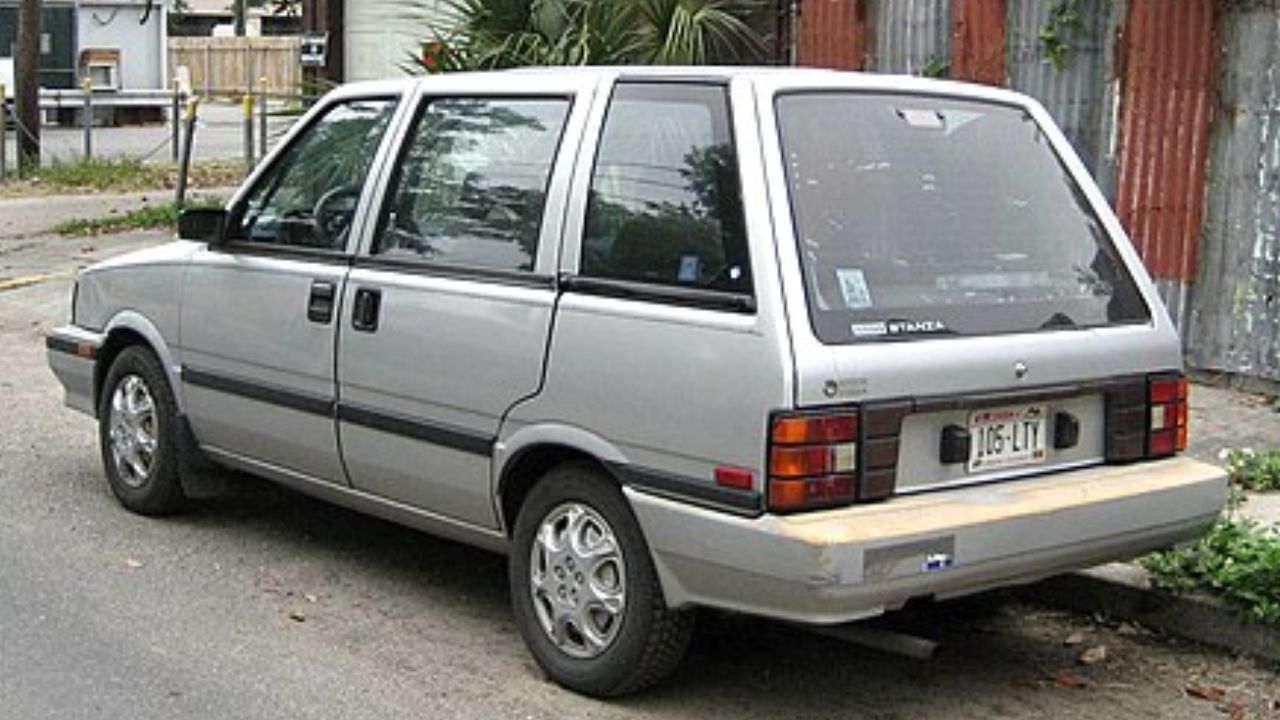
Also known as the Nissan Prairie, the Stanza Wagon was an early precursor to the modern minivan, produced from 1982 to 1986. With its sliding rear door, absence of a B-pillar, and innovative interior space, it was a practical choice for families. The Stanza Wagon was a unique offering in a market not yet flooded with minivans and crossovers.
While it wasn’t a commercial success, the Stanza Wagon is remembered for its innovative approach to family transportation. It’s a favorite for those who appreciate its quirkiness and forward-thinking design.
More from Fast Lane Only