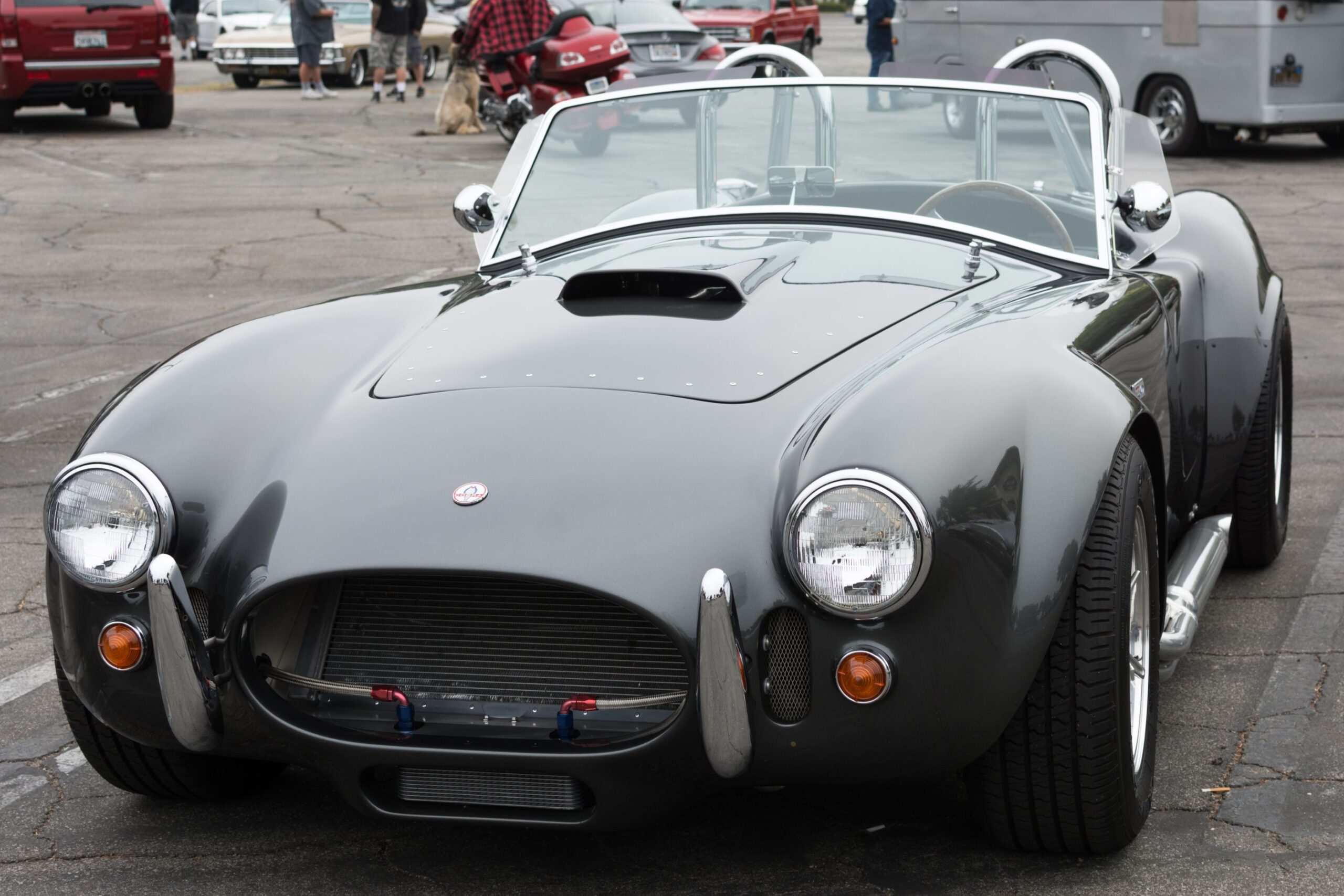
The 1960s was a golden era for car enthusiasts, as manufacturers around the world pushed the boundaries of design and performance. This decade saw the introduction of some of the most iconic and powerful cars ever made. From American muscle cars to European sports cars, these vehicles left an indelible mark on automotive history.
Ford Mustang
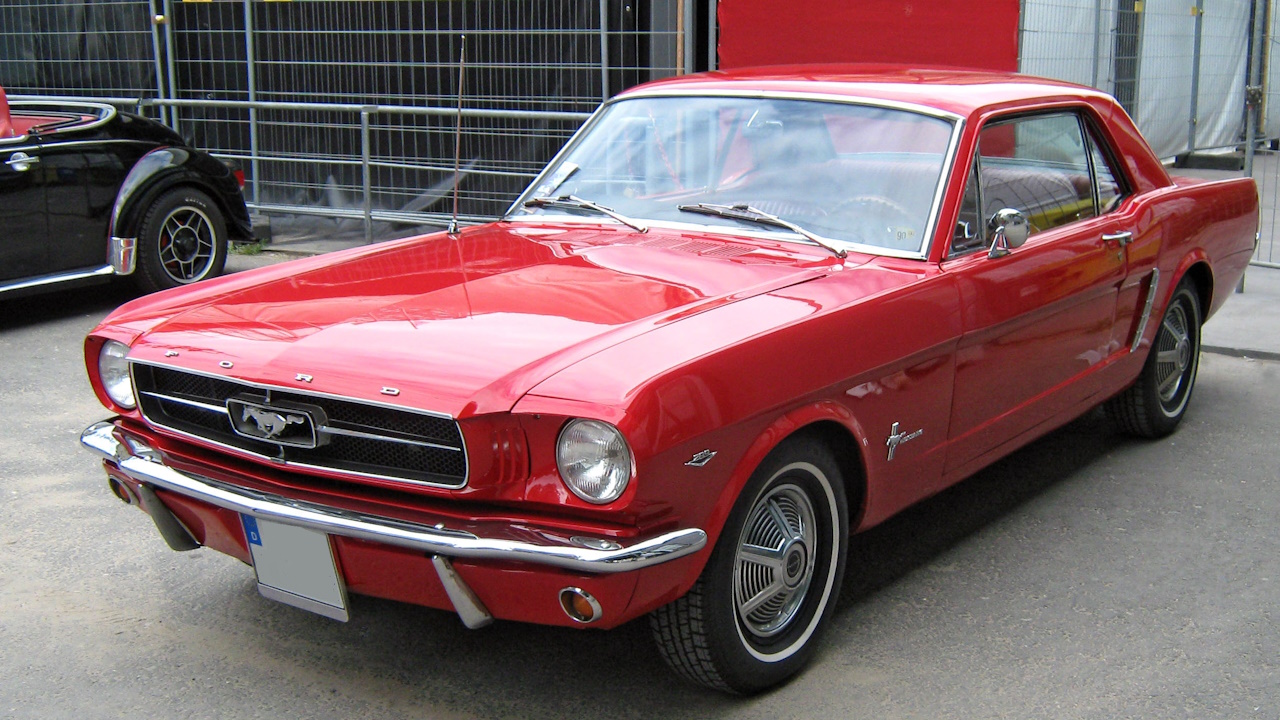
The Ford Mustang is arguably the most legendary car to come out of the 1960s. Introduced in 1964, the Mustang’s sleek design and powerful engine options captured the hearts of car lovers everywhere. It was not just a car; it was a symbol of freedom and rebellion. The 1965 Mustang GT, with its V8 engine, became an instant classic, offering performance that was accessible to the masses.
Its impact was immediate, sparking a new class of cars known as “pony cars.” The Mustang’s legacy continues today, but the original 1960s models hold a special place in the hearts of collectors and enthusiasts alike.
Chevrolet Corvette Sting Ray
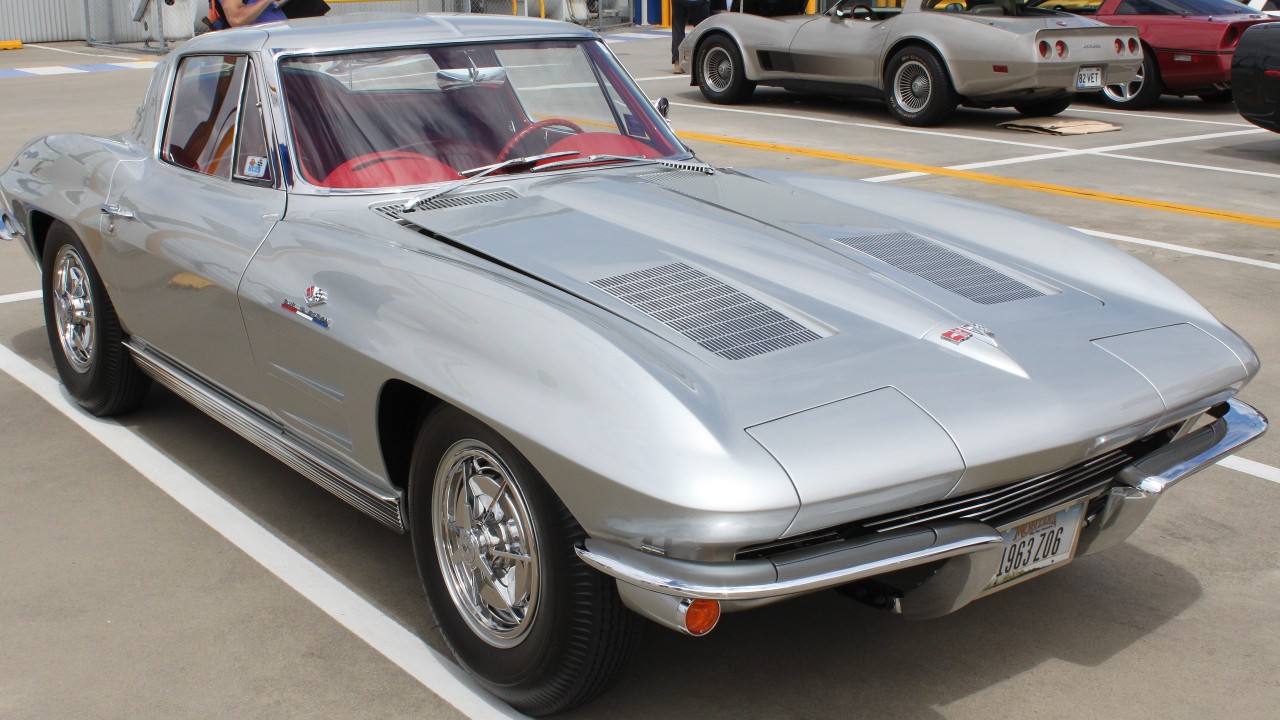
The 1963 Chevrolet Corvette Sting Ray was a game changer with its futuristic design and breakthrough innovations. Known for its split rear window and sleek bodywork, the Sting Ray combined style with performance. Under the hood, it packed a punch with a range of powerful engine choices, making it a favorite among speed enthusiasts.
Its independent rear suspension was a first for American cars, providing improved handling and a smoother ride. The Sting Ray’s blend of performance and style continues to influence Corvette designs today, making it a timeless classic.
Jaguar E-Type
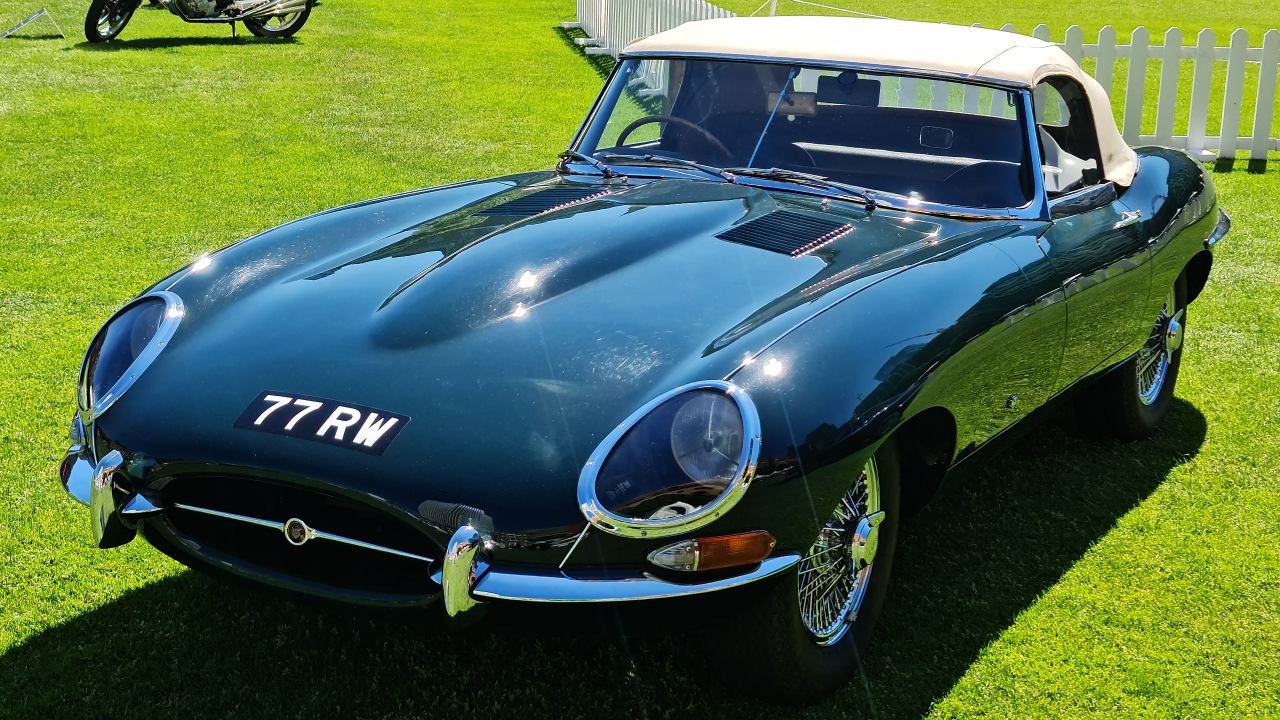
The Jaguar E-Type is often hailed as one of the most beautiful cars ever made. Launched in 1961, its long hood and sleek lines captured the essence of 1960s sports car design. But it wasn’t just about looks; the E-Type was a high-performance machine with a top speed of over 150 mph, thanks to its robust inline-six engine.
It was not just a hit among the general public, but also found fans in celebrities and racing drivers. The E-Type’s combination of speed, style, and sophistication has cemented its status as a cultural icon.
Ferrari 250 GTO
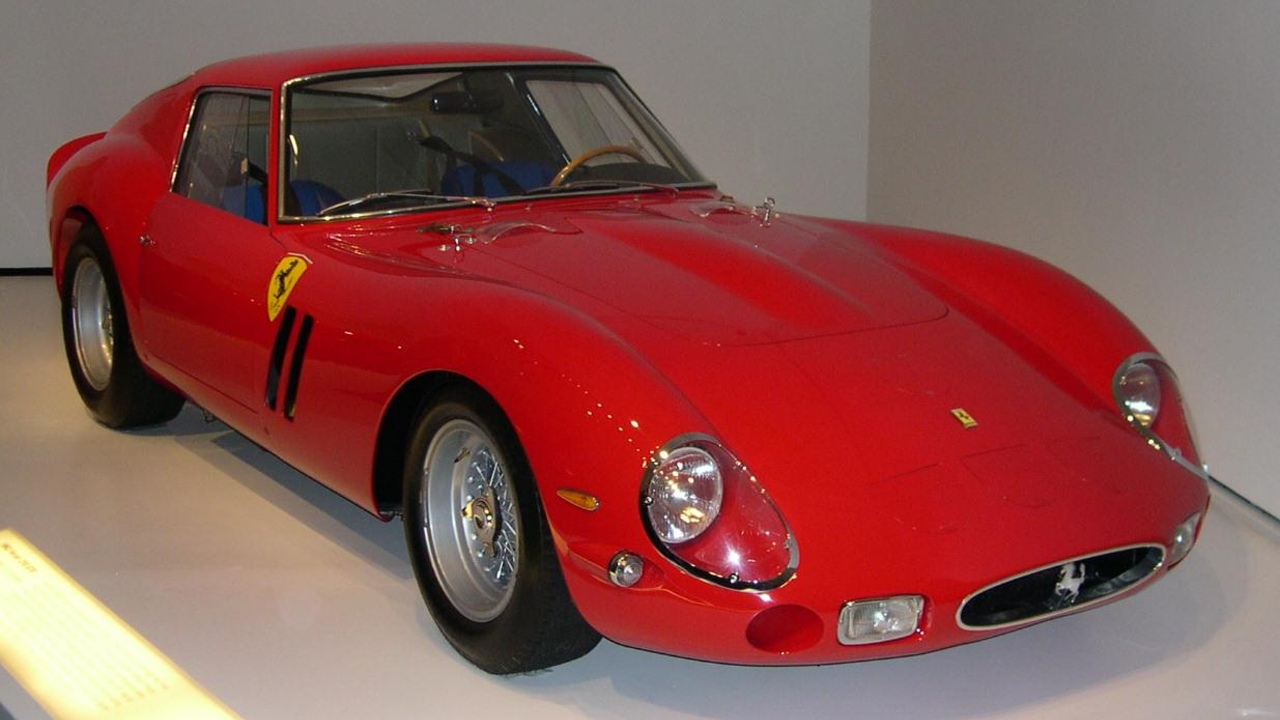
The Ferrari 250 GTO is the stuff of legends, both on the racetrack and in the collector’s market. Produced between 1962 and 1964, only 36 of these beauties were ever made. With a 3.0-liter V12 engine under its hood, the 250 GTO was designed for endurance racing and dominated the tracks, winning the FIA World Sportscar Championship in 1962, 1963, and 1964.
Today, the 250 GTO is one of the most coveted cars in the world, with auction prices reaching tens of millions of dollars. Its rarity and racing pedigree make it a standout in automotive history.
Porsche 911
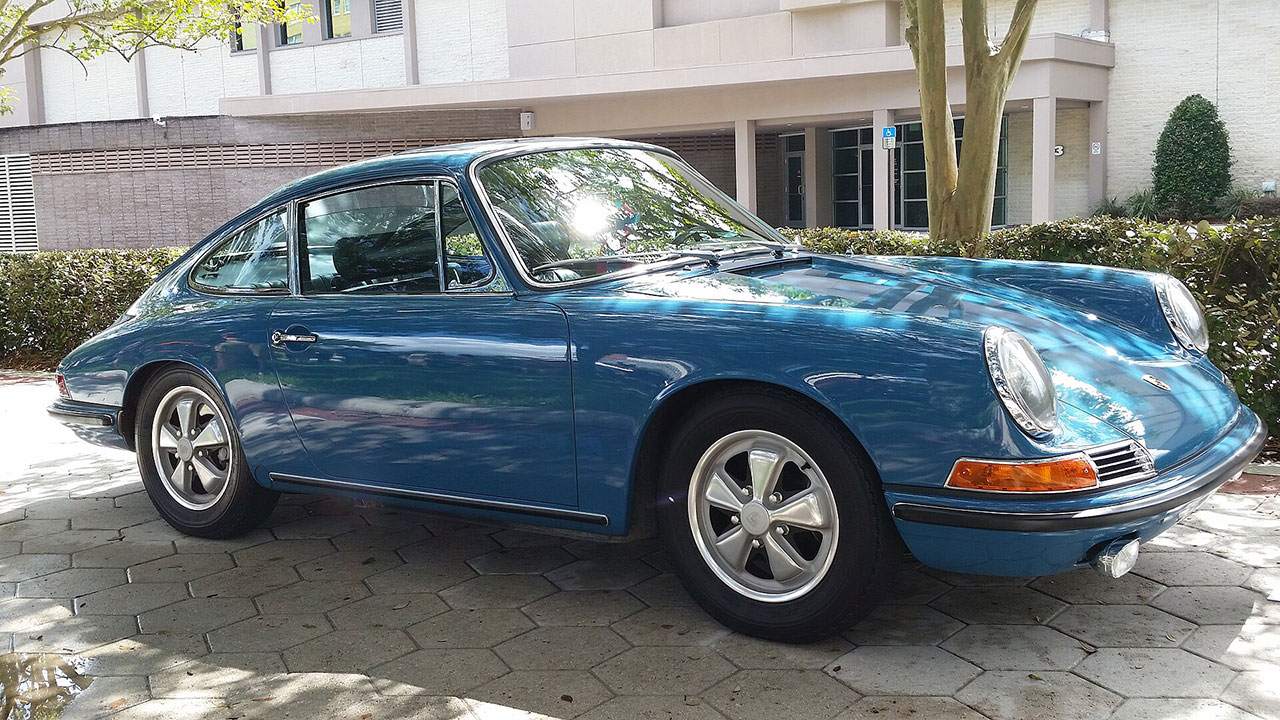
Introduced in 1964, the Porsche 911 quickly became a symbol of precision engineering and performance. Known for its distinctive design with a rear-engine layout, the 911 offered a unique driving experience. The 1960s models, like the 911S, delivered impressive power and handling, setting the stage for the model’s ongoing evolution.
The 911’s versatility made it a favorite on both the road and the racetrack. Its iconic silhouette and engineering excellence have ensured its place in history, with the model still being produced and loved today.
Shelby Cobra
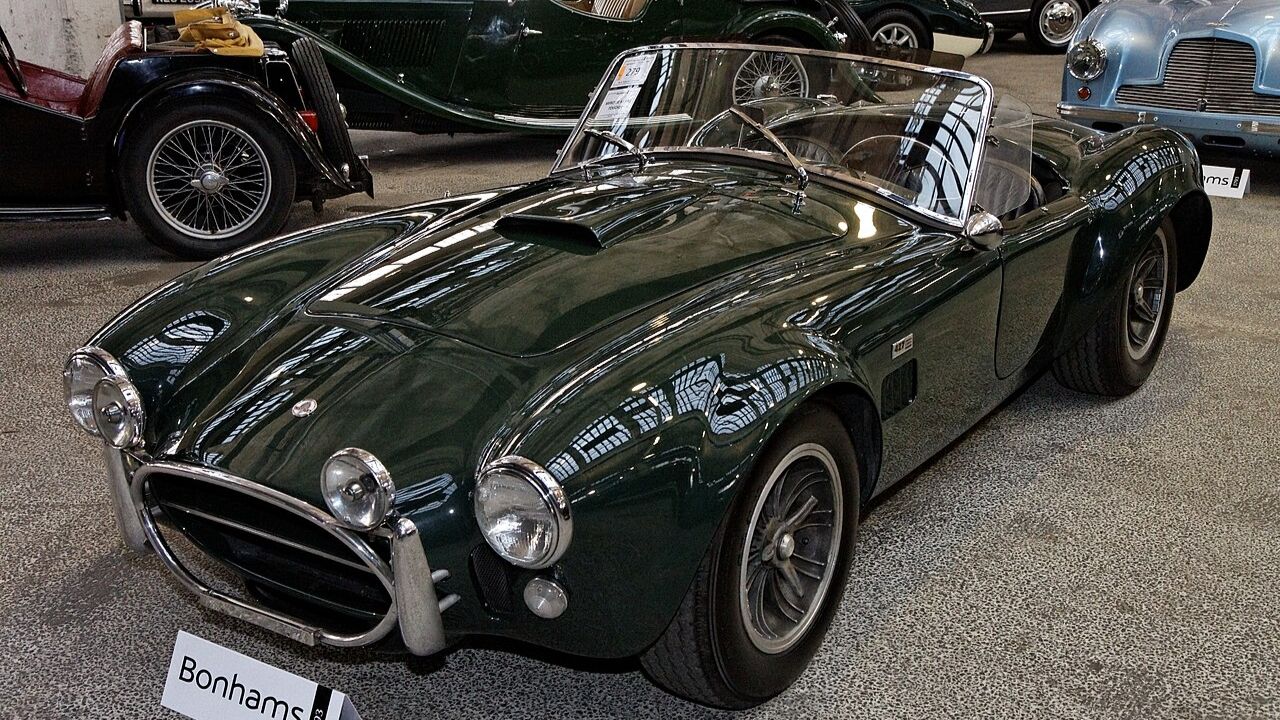
The Shelby Cobra was born from a collaboration between American car designer Carroll Shelby and British automaker AC Cars. First introduced in 1962, the Cobra combined a lightweight chassis with a powerful Ford V8 engine, resulting in a beastly performance machine.
The 427 Cobra, in particular, is legendary for its raw power and blistering speed. Its aggressive stance and performance capabilities made it a formidable competitor on the track and a classic symbol of 1960s American muscle.
Lamborghini Miura
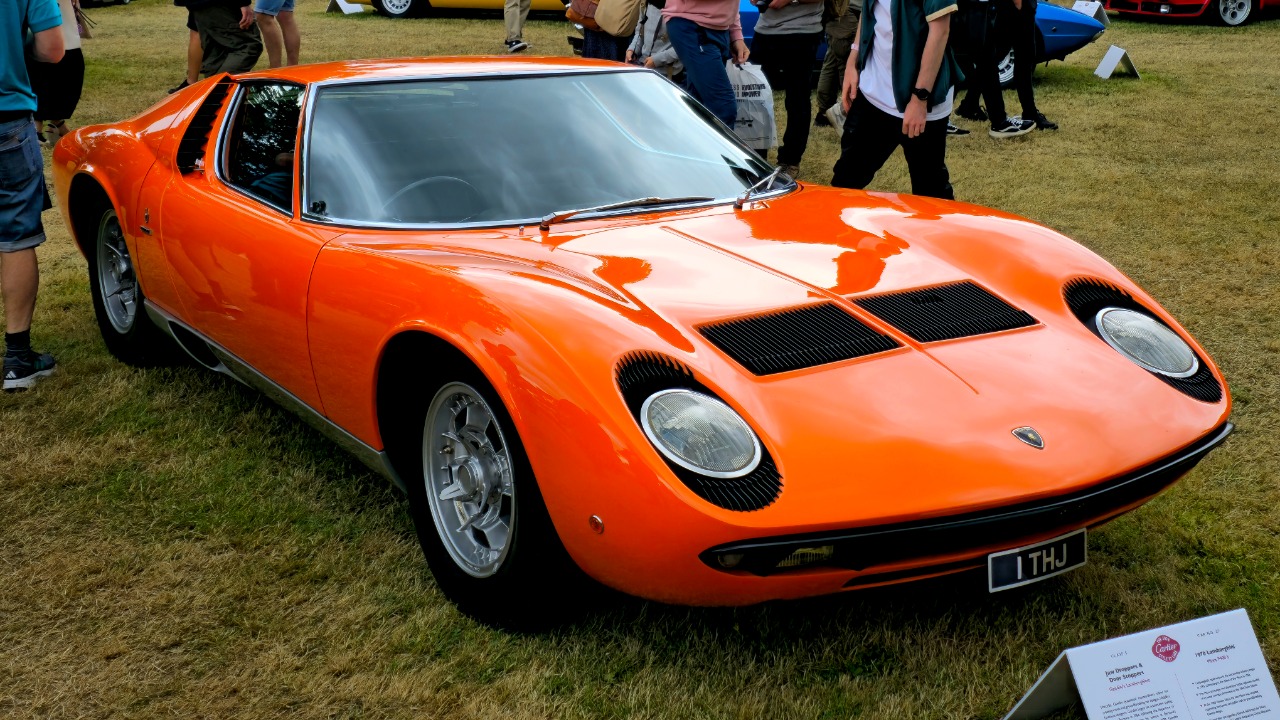
The Lamborghini Miura is often credited with being the world’s first supercar. Launched in 1966, it was a radical departure from conventional car design with its mid-engine layout. The Miura’s V12 engine and stunning design made it a sensation, and it quickly became a status symbol among the elite.
Its influence is still seen in modern supercars, with the Miura setting the standard for performance and style. The car’s blend of beauty and brute force has ensured its place in the pantheon of automotive legends.
Aston Martin DB5
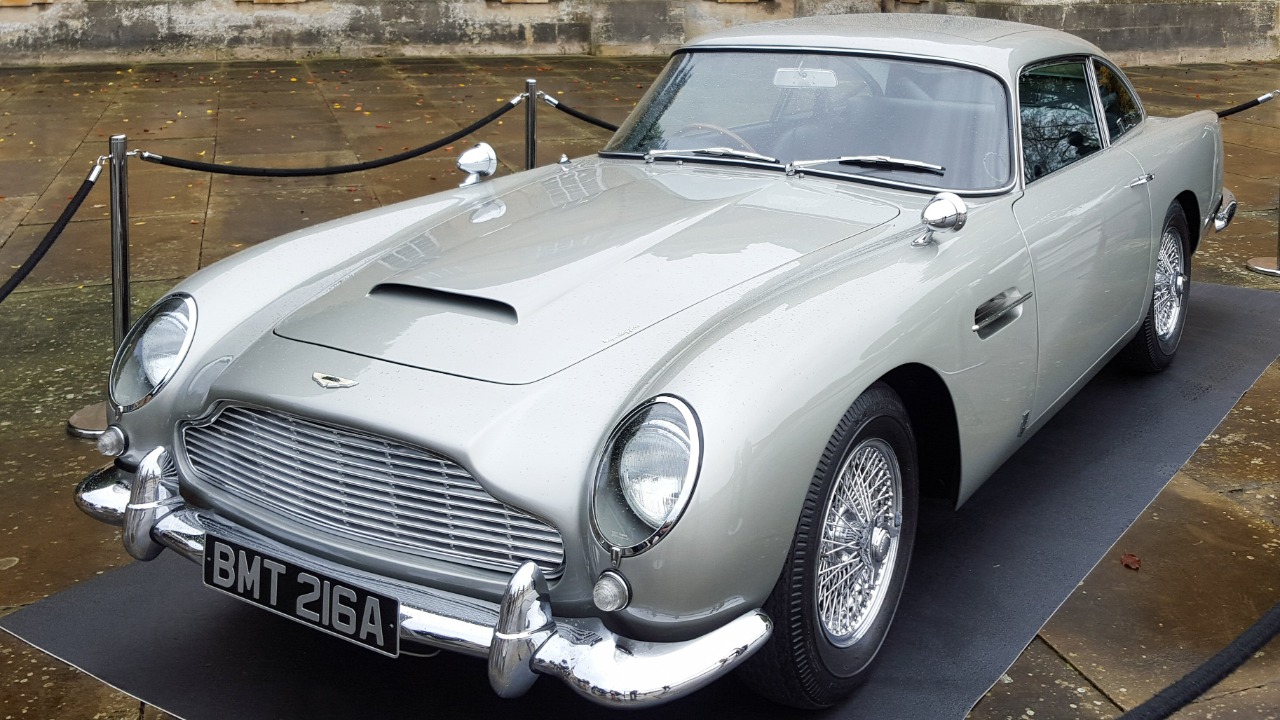
The Aston Martin DB5 is best known for its association with James Bond, debuting in the 1964 film “Goldfinger.” But beyond its cinematic fame, the DB5 was a masterpiece of British engineering and design. With a 4.0-liter inline-six engine, it offered both performance and luxury.
The DB5’s timeless design and its place in popular culture have made it one of the most recognizable cars in the world. Its blend of elegance and power represents the quintessential 1960s grand tourer.
Pontiac GTO
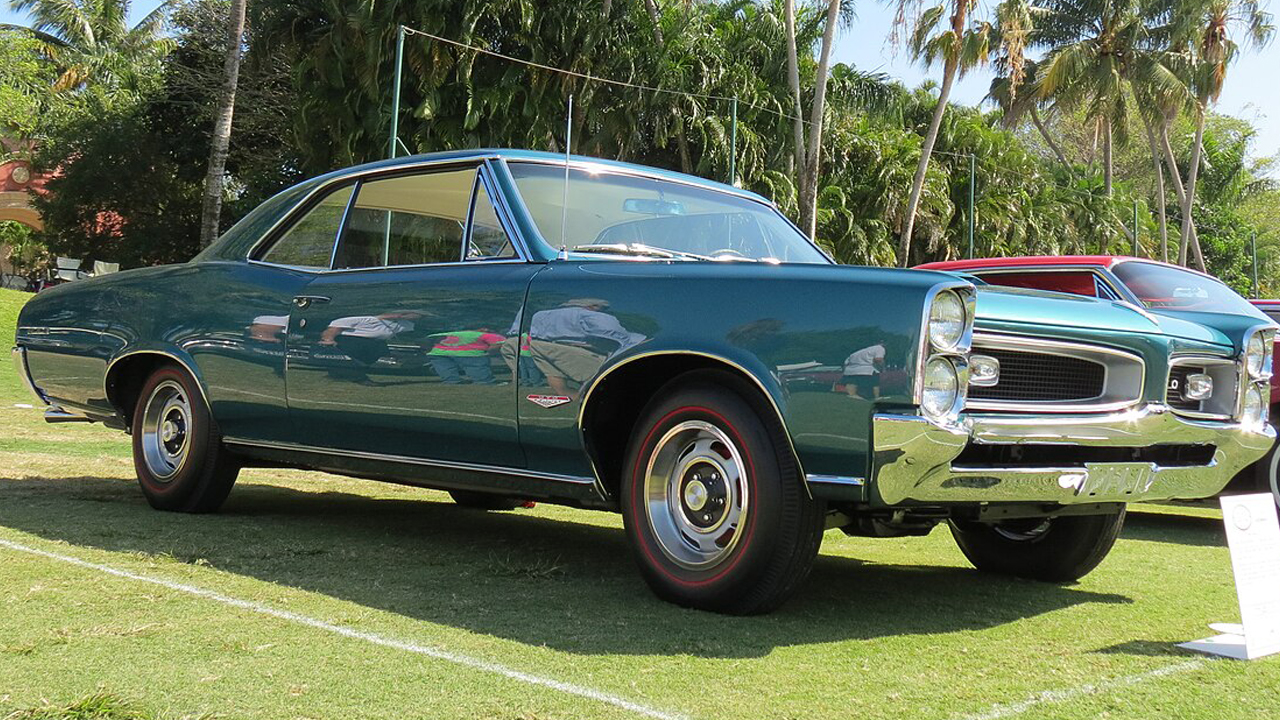
Often referred to as the car that started the muscle car craze, the Pontiac GTO made its debut in 1964. It was a game changer, offering a powerful V8 engine in a midsize car, which created a new market segment. The 1966 GTO, with its iconic “Coke bottle” styling, became a symbol of American performance.
The GTO’s influence was profound, inspiring a generation of muscle cars that defined an era. Its legacy continues to inspire automotive design and performance today.
Alfa Romeo Spider Duetto
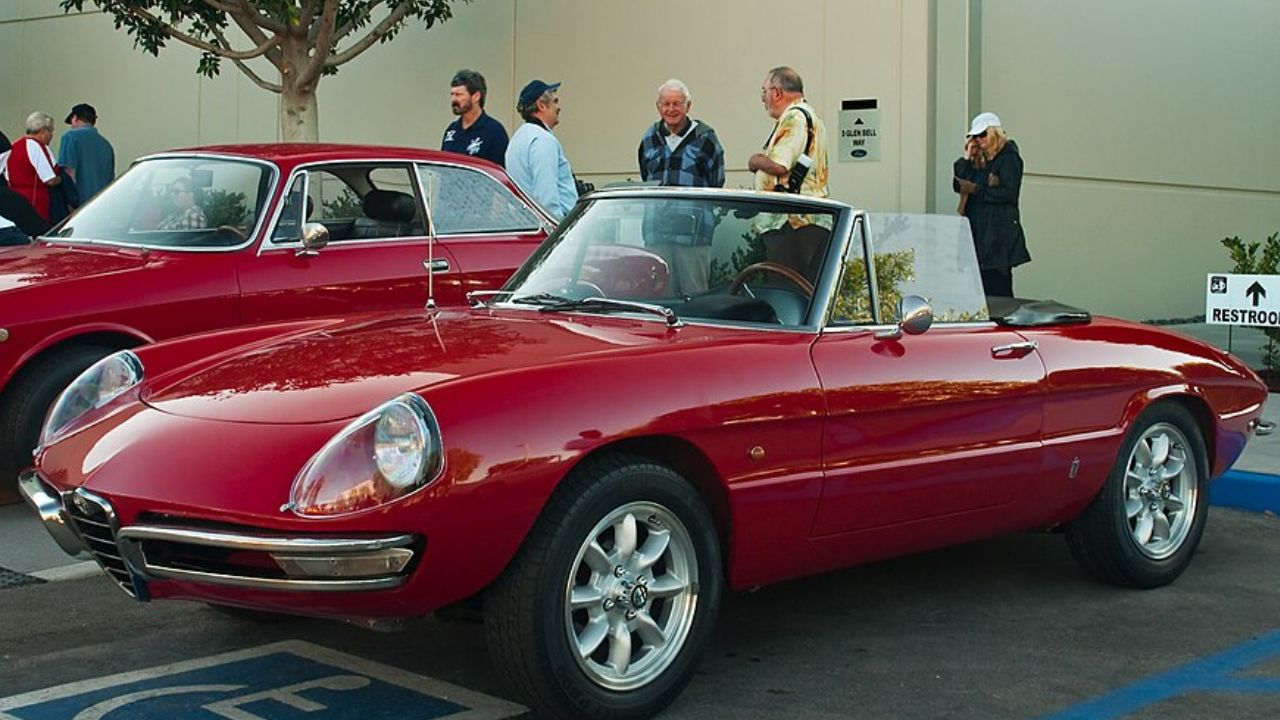
The Alfa Romeo Spider Duetto gained fame as the car driven by Dustin Hoffman in the 1967 film “The Graduate.” Its sleek and elegant design, created by Pininfarina, captured the imagination of car enthusiasts worldwide. Under the hood, the Spider offered a spirited driving experience with its lively four-cylinder engine.
The Duetto’s timeless design and open-top driving pleasure have made it a classic, with enthusiasts still cherishing the car for its style and performance. It’s a quintessential representation of 1960s Italian automotive flair.
More from Fast Lane Only