You want something fun to drive that still fits a normal budget, but you also would not mind if it quietly turns into a nest egg. Future classics under $30,000 are still out there if you know where to look. Here are ten cars you can actually buy now that enthusiasts and market watchers already see as tomorrow’s collectibles.
Mazda MX-5 Miata (ND)
The Mazda MX and Miata in ND form give you a light roadster with real upside. One report lists the 2016 to 2023 cars starting from 18 000 to 30 000, showing how wide the spread is for clean examples that are still within reach. That same piece notes how Image and Mazda managed to keep weight low and reliability high, which is exactly what you want when you plan to drive a future collectible instead of hiding it away.
Enthusiasts also point out that you do not need to make $150,000 a year to buy a Miata, even as prices for cool cars creep up. When you combine that kind of accessibility with strong club support and cheap running costs, you get a car that younger drivers can afford now and still love in twenty years. There are faster cars, but few that feel as special at legal speeds.
Hyundai Veloster N

The Hyundai Veloster N is already treated as a benchmark hot hatch, which is rare for a first effort. When Hyundai launched the Veloster, some people compared it to the Kia Soul, but the N version quickly proved it was in a different league. One buyer guide on best sports cars under $30,000 says the Veloster is one of the standouts in this segment, by a country mile, thanks to its punchy turbo engine and playful chassis.
A separate review that begins with Enter the and highlights the Hyundai Veloster as a Performance Car notes that the N model even took a major performance award. Sure, that kind of recognition usually goes to long‑established brands, so seeing it go to Hyundai hints at how special this car is. Limited production, manual gearboxes, and bright colors all add to its future appeal.
Pontiac Fiero

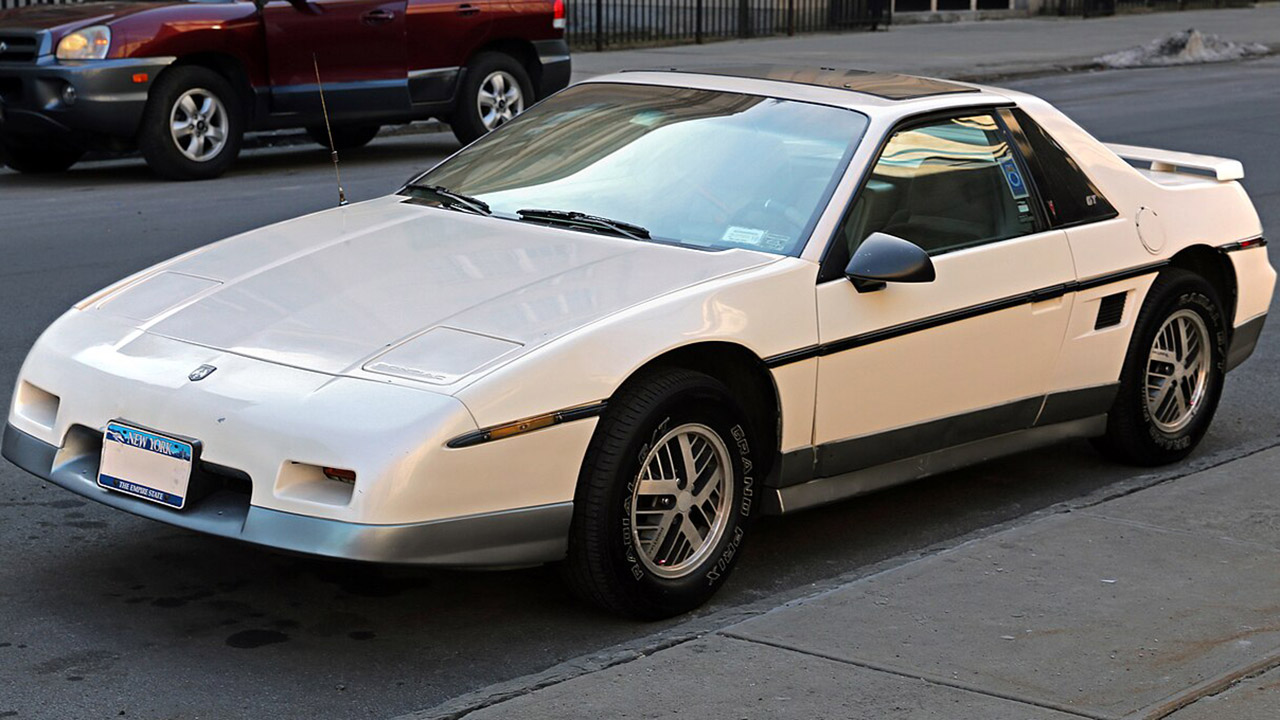
The Pontiac Fiero spent years as a punchline, which is exactly why you can still buy one cheaply. A performance post from Sep that asks you to look for performance on a budget points out how Unlike conventional steel-bodied cars, the Fiero used composite panels of plastic reinforced with fiberglass. That unusual construction kept rust at bay and made the car lighter, two traits collectors appreciate once the jokes fade.
As you shop, you will see that the car’s mid‑engine layout and wedge shape now feel more like a quirky time capsule than a failed experiment. When you add in the low running costs and the huge supply of parts from the wider GM network, the Fiero becomes a smart way to get into a mid‑engine car without supercar money. Values are already firming for clean, unmodified examples.
Jeep Cherokee (XJ)

The 1984 to 2001 Jeep Cherokee Credit or blame the boxy Jeep Cherokee for helping to ignite the SUV boom that still shapes the market. One collector‑focused report says the Jeep Cherokee for many drivers became the template for a compact SUV, with simple lines that have aged incredibly well. That same piece notes how its rugged image and honest design now appeal to buyers who feel newer crossovers are too soft.
Because so many XJs were used hard, unmodified survivors are getting harder to find. That scarcity, combined with strong off‑road ability and a huge aftermarket, makes the Cherokee an easy candidate for future classic status. If you find a clean example with the legendary straight‑six and four‑wheel drive, you are looking at a practical classic you can use all year.
Porsche 911 Carrera 996

The 1998 to 2001 Porsche 911 Carrera 996 has long been the odd one out, which is why it still sneaks in under $30,000 in some markets. A buyer guide on cheap sports cars that could rise points to this 911 and cites the 996 generation as a bargain way into the brand, especially compared with air‑cooled models. That same guide reminds you that the car still offers strong performance on a race track Porsche fans respect.
Because the 996 introduced water cooling and a new headlight design, purists shunned it for years. Now, younger enthusiasts care more about driving feel than about engine lore, and they see a modern interior and real performance. If you budget for preventive maintenance, you can enjoy a genuine 911 experience while the market slowly corrects its old bias.
Chevrolet Camaro (fifth generation)

The early fifth‑generation Chevrolet Camaro Coupe and V8 cars combine retro looks with modern safety and power. A feature on cheap sports cars that could rise urges shoppers to Find these cars in good condition through an enthusiast Marketplace where you can Shop Now before prices move. That advice reflects a broader trend, where clean V8 muscle cars from this era are no longer treated as disposable.
As emissions rules tighten and electric performance grows, a big‑cube, naturally aspirated American coupe starts to feel like a time‑limited offer. The fifth‑gen Camaro also benefited from factory track packages and special trims, which collectors usually chase later. If you pick a manual car with a desirable color and keep the mileage reasonable, you are likely to see growing interest from younger muscle fans.
Toyota 86 / Subaru BRZ (first generation)

The first‑generation Toyota 86 and Subaru BRZ give you rear‑wheel drive, a manual gearbox, and a low center of gravity at an accessible price. An enthusiast discussion on reliable sports cars under 30k with AWD or RWD manual highlights how buyers want cars that have already passed most of their depreciation curve, with no interest in a $30K Equ that will still drop. The 86 and BRZ fit that brief because values have stabilized and clean examples are now sought after.
These twins also appeal to track‑day drivers and tuners, which helps keep demand strong. If you find a stock car with full service records, you are buying into a community that values driving skill over raw power. That culture often supports long‑term values, because people remember how a car made them feel more than any spec sheet.
Mazda MX-5 Miata (NA and NB)

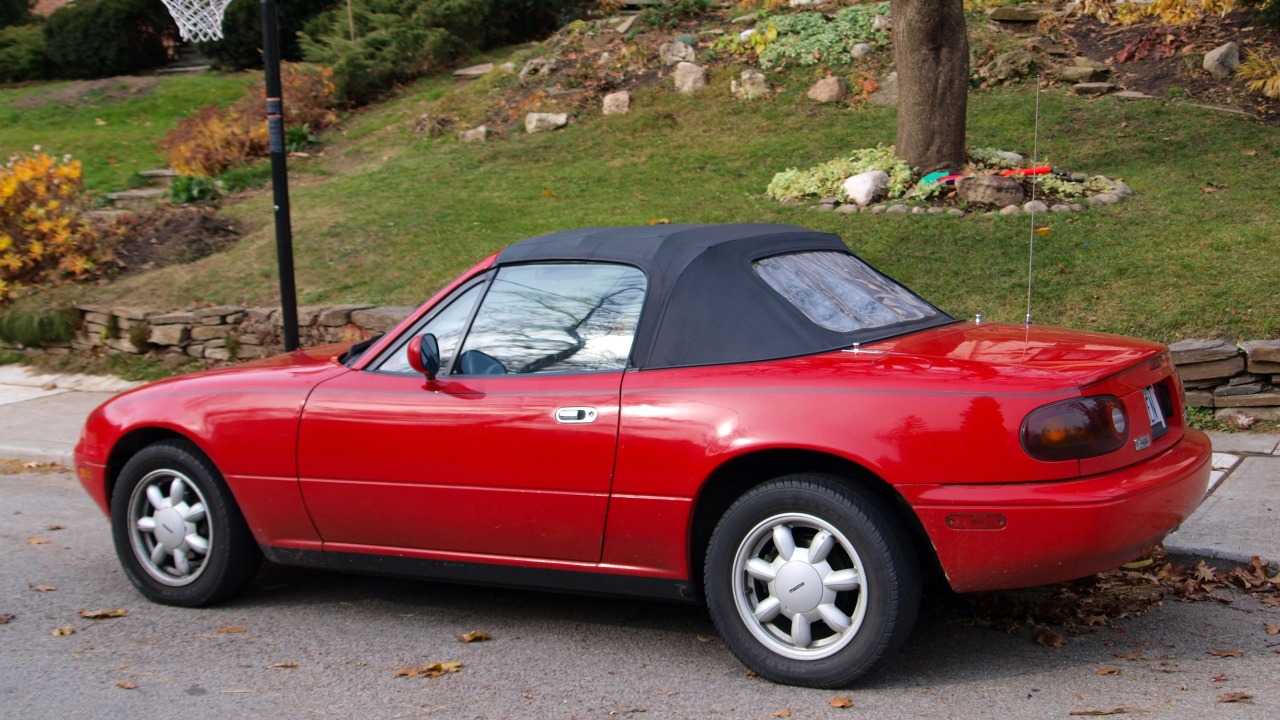
The earlier Mazda MX and Miata generations, the NA and NB, have already started their climb, but you can still find usable cars under $30,000. A feature on three budget‑friendly used cars that could be collector’s gold lists the Miata as a standout, noting that There are still plenty of solid examples with fewer miles and far fewer emotional breakdowns. That mix of reliability and charm is rare in older sports cars.
Because these cars are simple and light, they appeal to both new drivers and seasoned enthusiasts. Parts are cheap, and the global fan base means knowledge is easy to find. If you choose a special edition or an unmodified car, you stack the odds in your favor as more people look for the purest version of the classic roadster formula.
Hyundai Veloster Turbo (first generation)

Separate from the full‑fat N, the first‑generation Hyundai Veloster Turbo is an overlooked hot hatch with real potential. A guide to the best sports cars under $30,000 notes that When Hyundai launched the Veloster, many people misread it as a quirky commuter, yet the Turbo model brought serious pace and a unique three‑door layout. That unusual shape already makes it stand out at cars and coffee meets.
Because the Turbo never had the same hype as the N, prices have stayed low. That is good news if you want a distinctive daily driver that might appreciate once people realize how few clean examples remain. Look for cars with factory wheels and no heavy modifications, since originality usually matters once collectors start paying attention.
Honda S2000 (AP2)

Honda’s S2000 AP2 combines razor-sharp handling with one of the most celebrated four-cylinder engines ever built. The 2.2-liter VTEC powerplant thrives at high revs, rewarding precise inputs and driver commitment. Few affordable sports cars deliver such an intense, mechanical connection to the road.
While early AP1 models have climbed sharply, AP2 examples can still be found near the $30,000 mark. Reliability, motorsport heritage, and timeless proportions strengthen its case. As analog roadsters fade away, the S2000’s purity and durability position it as a lasting enthusiast icon.
and your head.More from Fast Lane Only