You expect a car to cost money, but some models turn into financial sinkholes that teach you harsh lessons about maintenance, depreciation, or reliability. These 14 cars stand out because owners discovered, often too late, how fast repair bills and upkeep can snowball. By walking through what went wrong for them, you can spot the warning signs before you sign a finance contract or chase a dream car that quietly drains your savings.
King Midget Model III

The King Midget Model III looks charming, but it shows how a bargain car can become a long-term headache. Reports on The King Midget explain how Claud Dry and his partner tried to sell a tiny, low-cost runabout to a middle-class America that wanted simple transportation. The car used a small single cylinder engine that struggled with real-world driving, especially once owners left quiet neighborhood streets.
Because the King Midget Model III was built to a price, corners were cut on durability and safety, and owners often paid the price in constant tinkering and repairs. Parts were not widely available, so even basic fixes could turn into custom jobs. If you chase the cheapest possible car, you risk learning the same lesson these owners did, that rock-bottom purchase prices can hide years of extra work and expense.
VAZ-2101 / Lada Riva / Zhiguli
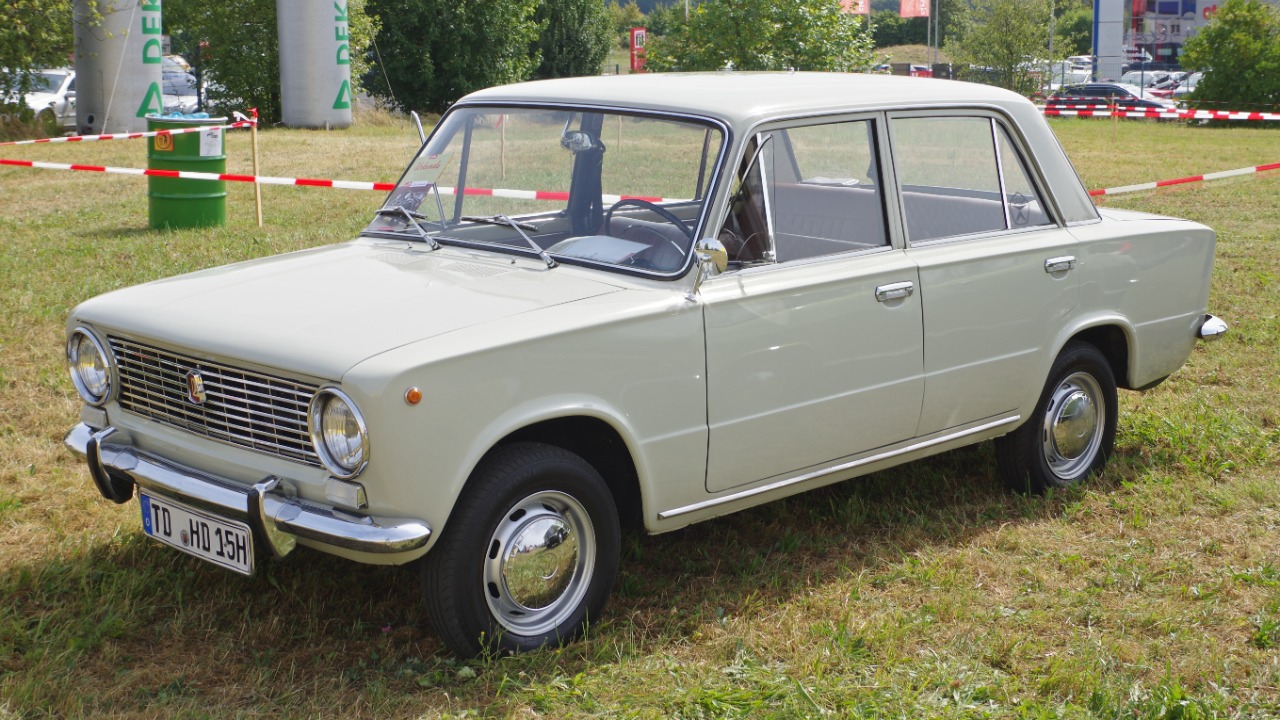
The VAZ-2101, also known as the Lada Riva and Zhiguli, shows how a car can earn a bad reputation across decades. In lists of troubled models, the VAZ-2101 appears under section Contents 4.1 alongside other infamous cars like the AMC Gremlin in 4.2, the Chevrolet Vega in 4.3, and the Ford Pinto in 4.4. That grouping alone tells you how owners remember it.
Drivers often faced rust, crude build quality, and poor reliability, which meant repair shops became a second home. Even if parts were cheap, the constant need for fixes added up in both money and time. If you are tempted by a low-cost import with a shaky track record, the VAZ, Lada Riva, and Zhiguli story warns you to factor in long-term frustration, not just the price on the windshield.
AMC Gremlin
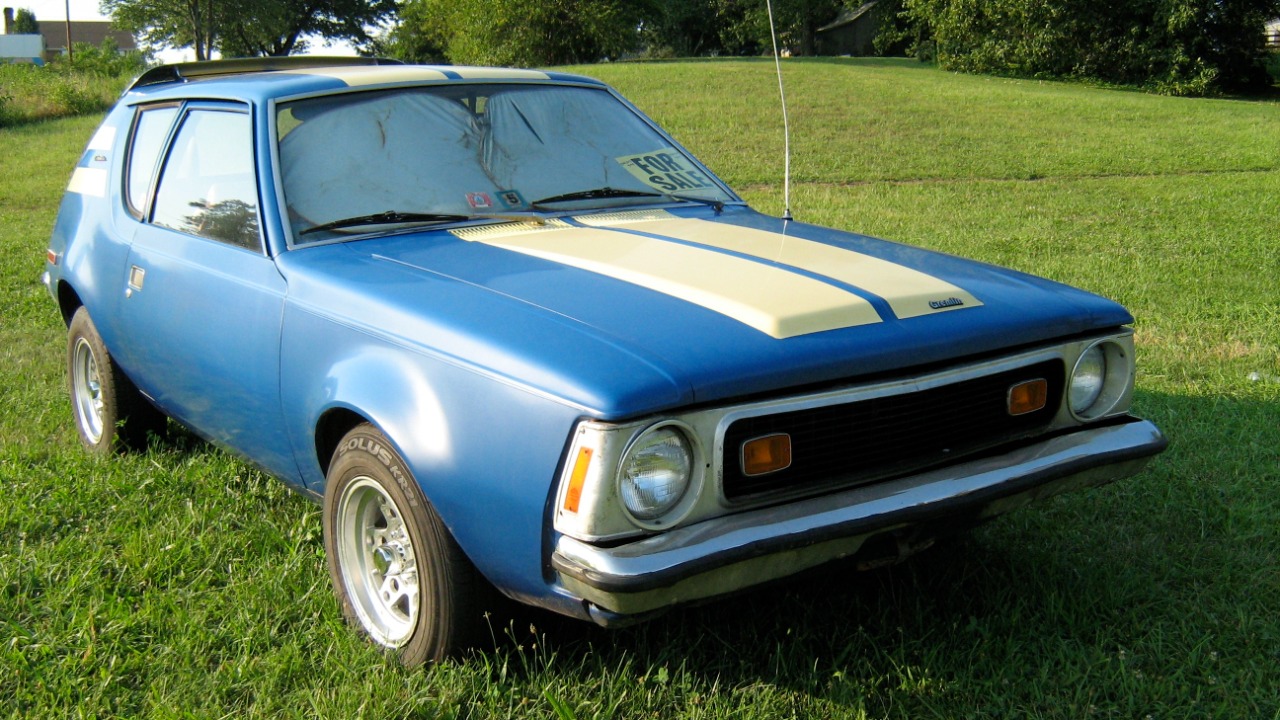
The AMC Gremlin is another car that taught owners how a quirky design can come with serious trade-offs. It sits in that same negative list at Contents 4.2, right next to other problem children from the 1970s. Owners liked the idea of a small, affordable American car, but they often ended up dealing with quality issues, awkward proportions, and dated engineering.
Because the AMC brand disappeared, long-term owners also had to worry about parts availability and specialist knowledge. That can drive up repair costs even when the car itself is not complex. The Gremlin shows how buying into a dying brand can leave you stuck with a vehicle that is hard to keep on the road, turning a cheap used-car deal into an ongoing project you never planned for.
Chevrolet Vega

The Chevrolet Vega is remembered for teaching buyers how quickly a promising new compact can sour. It appears in the same negative catalog at Contents 4.3, grouped with other all-time lemons. Owners ran into engine problems, corrosion, and build issues that showed up far earlier than they expected, especially in harsh climates.
Those early failures meant frequent shop visits and major repairs while loans were still being paid off. Many drivers learned the hard way that a new model with unproven engineering can be risky, even from a big brand. If you like being an early adopter, the Vega story is a reminder to check long-term reliability data before you commit, or you might end up funding the manufacturer’s learning curve with your own wallet.
Ford Pinto

The Ford Pinto is infamous for safety problems, but it also punished owners with long-term costs tied to that reputation. It shows up in the same negative list at Contents 4.4, close to other controversial cars. Beyond the well-known fuel tank concerns, owners had to live with poor resale values and higher insurance costs once the car’s image collapsed.
When a model becomes a symbol of bad engineering, you pay in ways that do not show up on a repair invoice. You may struggle to sell it, face skeptical buyers, or accept low trade-in offers. The Pinto teaches you to think beyond the showroom and ask how a car’s design and safety record might affect your finances years down the road.
Early Nissan Leaf
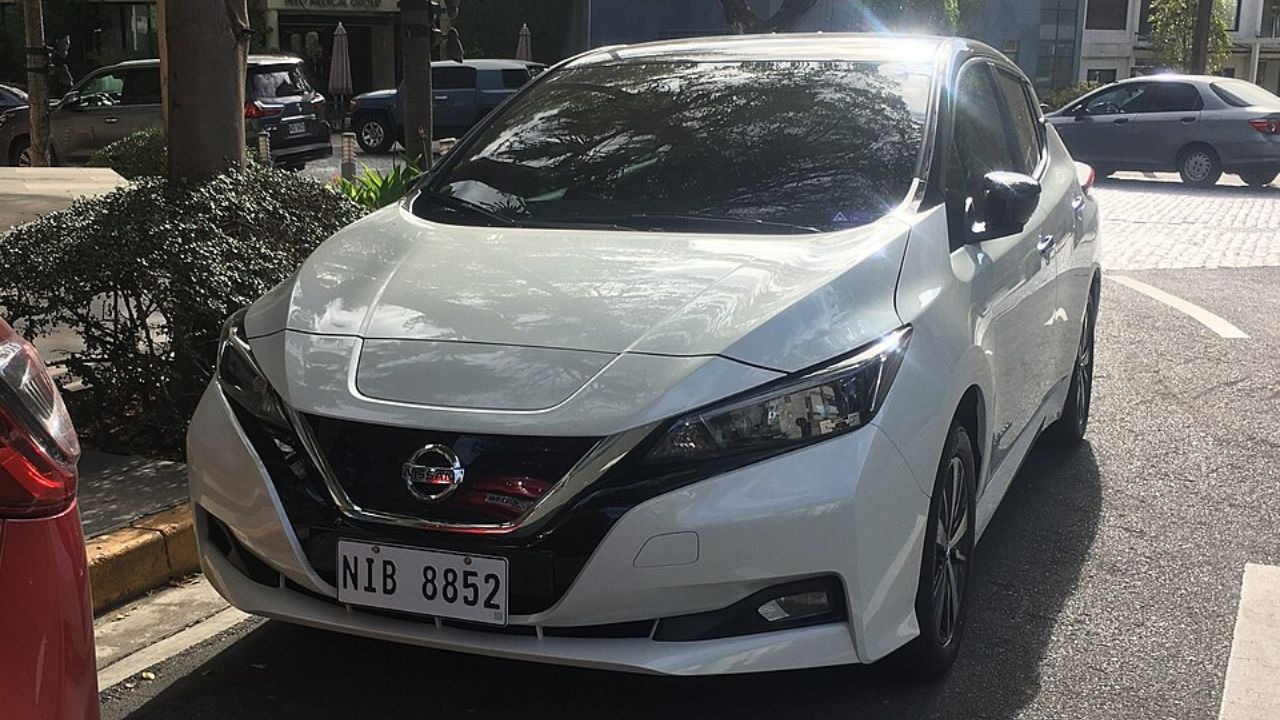
Early Nissan Leaf models attracted buyers with the promise of cheap electric driving, but many owners learned how battery issues can flip that math. A video on cars that will cost you thousands points out that some early Leafs had battery drains so severe that owners kept trickle chargers in their garages just to keep them alive. That kind of constant babysitting turns a simple commuter into a part-time job.
When the main battery degrades, replacing it can cost more than the car is worth on the used market. That leaves you choosing between an expensive repair or a vehicle with sharply reduced range. The lesson is clear, if you are shopping for an older EV, you need to budget for battery health checks and possible replacement, or the “cheap to run” promise can disappear overnight.
Mercedes-Benz S-Class
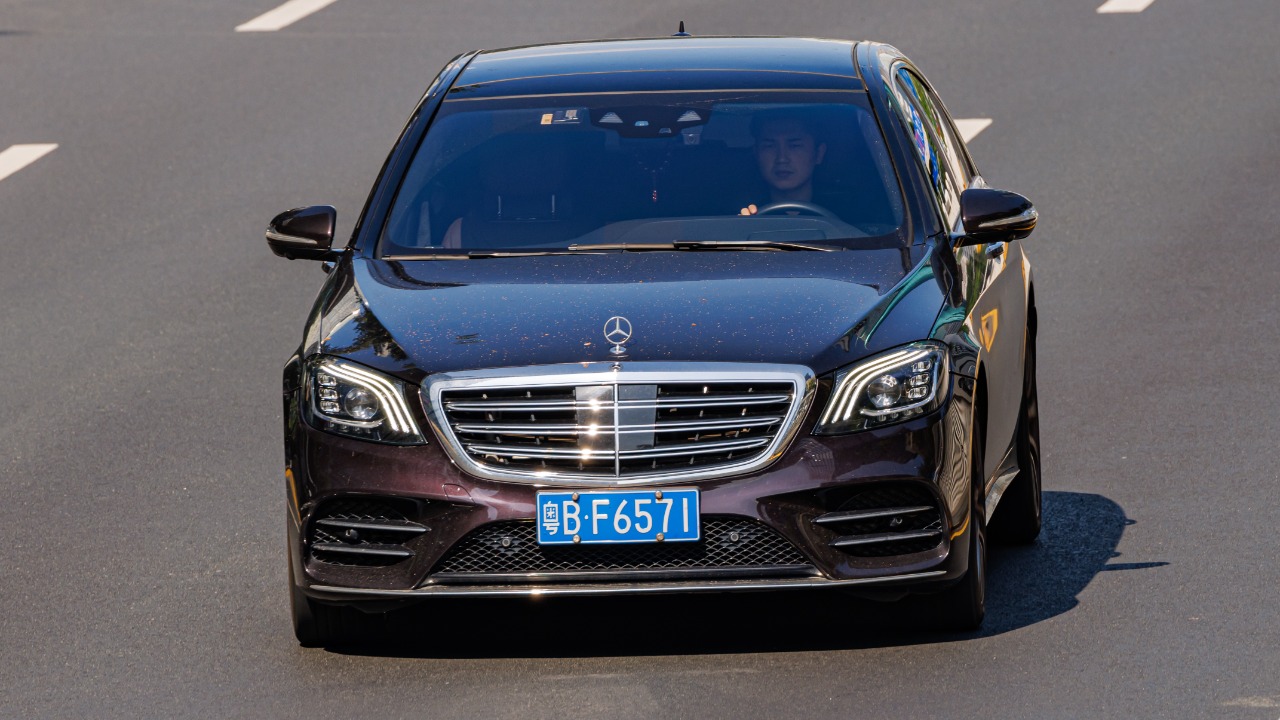
The Mercedes-Benz S-Class shows how a luxury flagship can surprise you with everyday running costs. High-end models with advanced technology and complicated electrical systems are singled out as key Factors Contributing to High Maintenance Costs. The S-Class is packed with air suspension, driver aids, and comfort features that all need expert attention when they age.
Even basic service items can be expensive. One guide notes that a typical oil change on some luxury cars can cost between $150 and $250, while the average is $50, and bigger jobs like brakes can exceed that by a wide margin. If you buy an older S-Class for a bargain price, you still have to pay for unique parts and specialized service, which can turn each visit to the shop into a budget shock.
BMW 7 Series
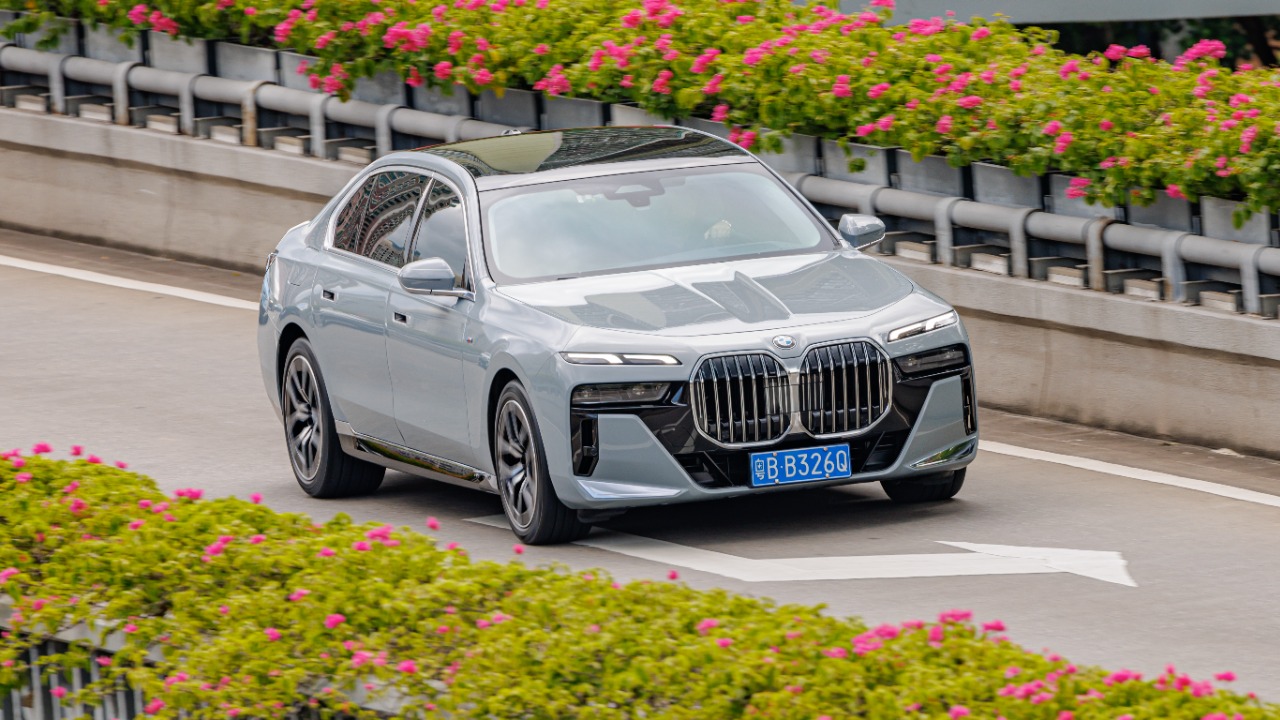
The BMW 7 Series offers performance and status, but owners often discover how complex engineering affects their bank accounts. High-end automobiles with modern technology and complicated electrical systems are flagged as major drivers of High Maintenance Costs, and the 7 Series fits that profile. From adaptive suspensions to advanced infotainment, every extra feature is another thing that can fail.
As these cars age, out-of-warranty repairs can stack up quickly, especially when labor hours are high and parts must be ordered from specialized suppliers. That reality hits hard if you bought the car used, attracted by the low price compared with its original sticker. The 7 Series reminds you to look at total cost of ownership over ten years, not just how affordable the monthly payment seems today.
Porsche 911 (996 generation)
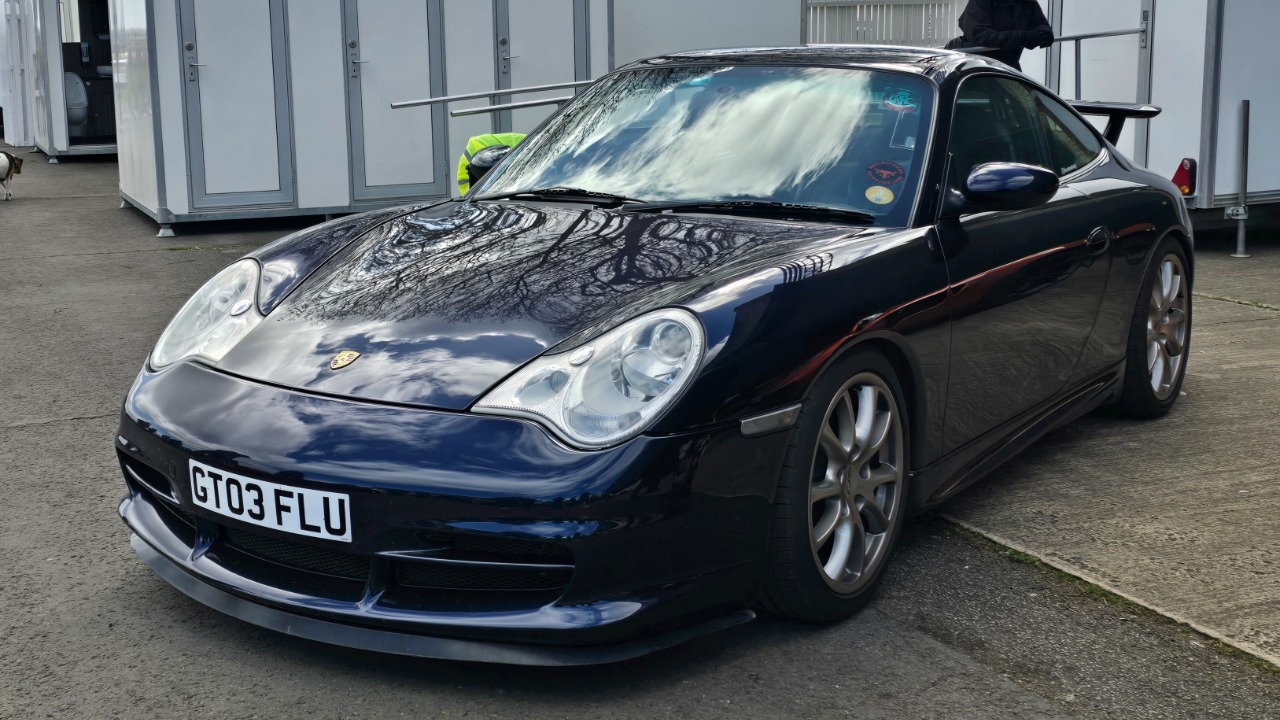
The Porsche 911 from the 996 generation taught many enthusiasts that “reliable but expensive” can still hurt. In a Comments Section, a Top 1% Commenter explains that Porsche belongs in the category of reliable, but costly to repair. Even when the car holds up well, specialized labor, unique tools, and high parts prices drive every bill higher.
On top of that, specific 996 issues, like engine bearing concerns, can require major preventive work. Owners often budget thousands for maintenance that is not optional if they want peace of mind. If you dream of a used 911 as a weekend toy, you need to plan for Porsche-level costs, or you risk learning the hard way that a “good deal” on the purchase price is only half the story.
Lexus LS (1990s to early 2000s)
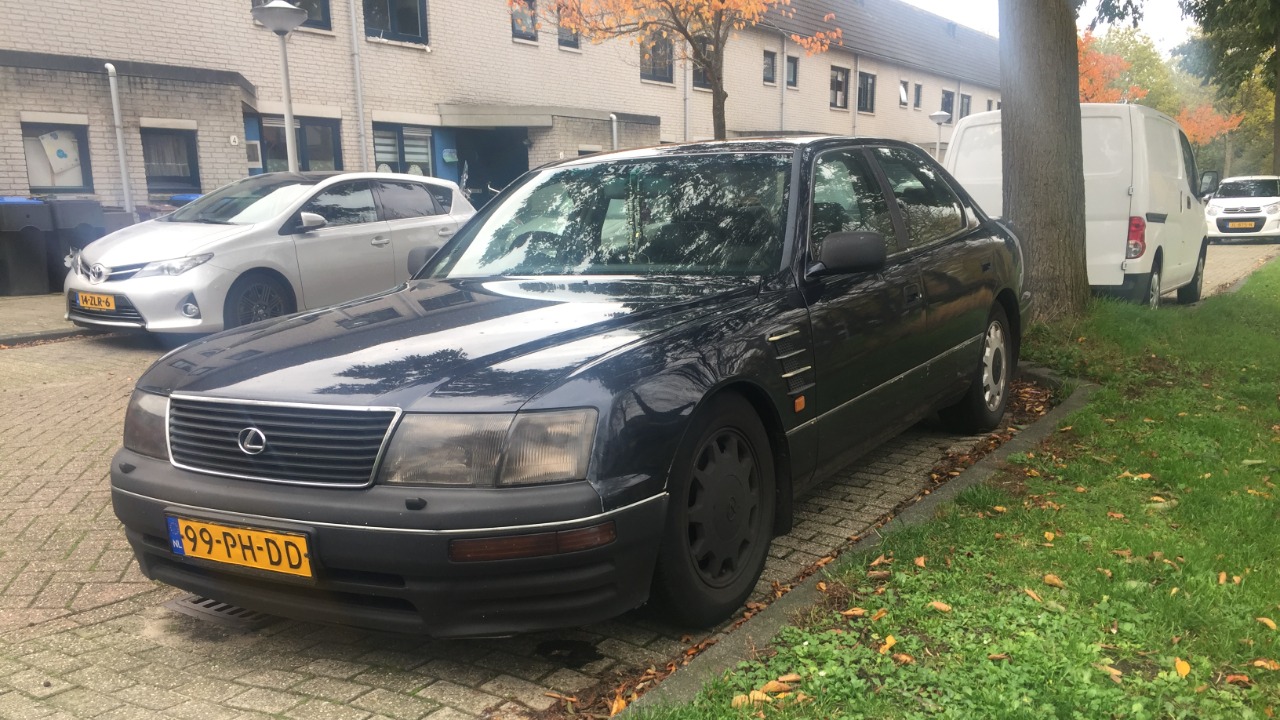
The Lexus LS from the 1990s to early 2000s shows another twist, a car can be extremely reliable and still teach you a costly lesson. In the same Comments Section, enthusiasts point out that the 90s to early 2000s LS is very dependable but not cheap to fix when something finally breaks. Complex V8 engines, high-end interiors, and advanced features mean parts and labor are priced accordingly.
Because the LS feels so solid, owners may skip setting aside a maintenance fund. When a big repair eventually arrives, it can be a shock, especially if the car’s low resale value tempts you into thinking it is a budget ride. The LS teaches you to separate reliability from repair cost, and to remember that luxury components stay expensive even after the car has aged.
Maserati Quattroporte

The Maserati Quattroporte is a textbook example of how exotic brands can strain your finances. Guides on Luxury vehicles explain that high-performance sedans with complex drivetrains and bespoke parts often sit near the top of lists of expensive cars to maintain. The Quattroporte uses specialized engines, transmissions, and electronics that require trained technicians.
Over ten years, that combination of rare parts and high labor rates can rival the cost of the car itself, especially if you bought it used. Owners sometimes discover that even routine items like brakes or clutches cost far more than on a typical sedan. If you are drawn to the badge and the sound, the Quattroporte warns you to run the numbers first, or you could end up parking a beautiful car you can no longer afford to service.
Audi A8

The Audi A8 blends luxury with all-wheel drive and advanced electronics, but that mix can punish your wallet. Rankings of Most Expensive Brands to Maintain show how some European luxury brands carry high 10 Year Maintenance Cost figures compared with mainstream rivals. The A8 uses aluminum construction, air suspension, and complex drivetrains that demand expert work.
When these systems age, failures are not simple or cheap. An air suspension leak or transmission issue can run into thousands, and you may not have many independent shops nearby willing to tackle them. The A8 teaches you that buying a flagship sedan at a used-car price still commits you to flagship-level repair bills, so you need to budget as if the car were new.
Cadillac Escalade

The Cadillac Escalade shows how a big SUV with luxury features can rack up serious long-term costs. Lists of Top 10 Car to Maintain point out that some American luxury brands carry higher lifetime service bills than buyers expect. The Escalade adds weight, large wheels, and complex electronics to that equation, which all stress components.
As mileage climbs, you may face expensive suspension work, transmission repairs, and electronic glitches, each magnified by the size and complexity of the vehicle. Fuel costs also stay high, which adds another layer to ownership expenses. If you want a full-size SUV, the Escalade experience suggests you should compare not only features and towing capacity, but also long-term maintenance and repair trends before you commit.
Range Rover Sport (2014–2018)

The Range Rover Sport combined performance, off-road credibility, and unmistakable style. Buyers were drawn to its commanding presence and premium interior. It felt like a confident statement vehicle that could handle city commutes and rugged trails with equal poise.
Electrical issues, suspension repairs, and drivetrain concerns sometimes emerged with age. Specialized service requirements pushed costs higher than expected. Owners often discovered that luxury SUVs with advanced systems demand steady financial commitment long after the purchase.
More from Fast Lane Only