Some of the most legendary cars in American history were anything but efficient. Big engines, big bodies, and even bigger gas bills. But now, with the industry pivoting hard toward electrification, a few of those old-school icons would make for a cool second act—this time with hybrid tech under the hood. Think less about taming them, and more about adapting them to survive. These aren’t just nostalgia plays—they’re potential comebacks designed to meet today’s standards without losing what made them cool in the first place.
1. Dodge Charger Daytona

The original Charger Daytona was all about extremes—massive rear wing, aerodynamic nose cone, and a 7.2L HEMI V8 pushing over 425 horsepower. It was built to dominate NASCAR and did just that before the rulebook shut it down.
With Dodge experimenting with hybrid tech for performance models, a modern Daytona could balance electric assist with a downsized turbo engine. Imagine it keeping that aggressive shape, updated with aerodynamic tweaks and electric torque filling in the gaps where a gas V8 would lag.
2. Chevrolet Chevelle SS 454
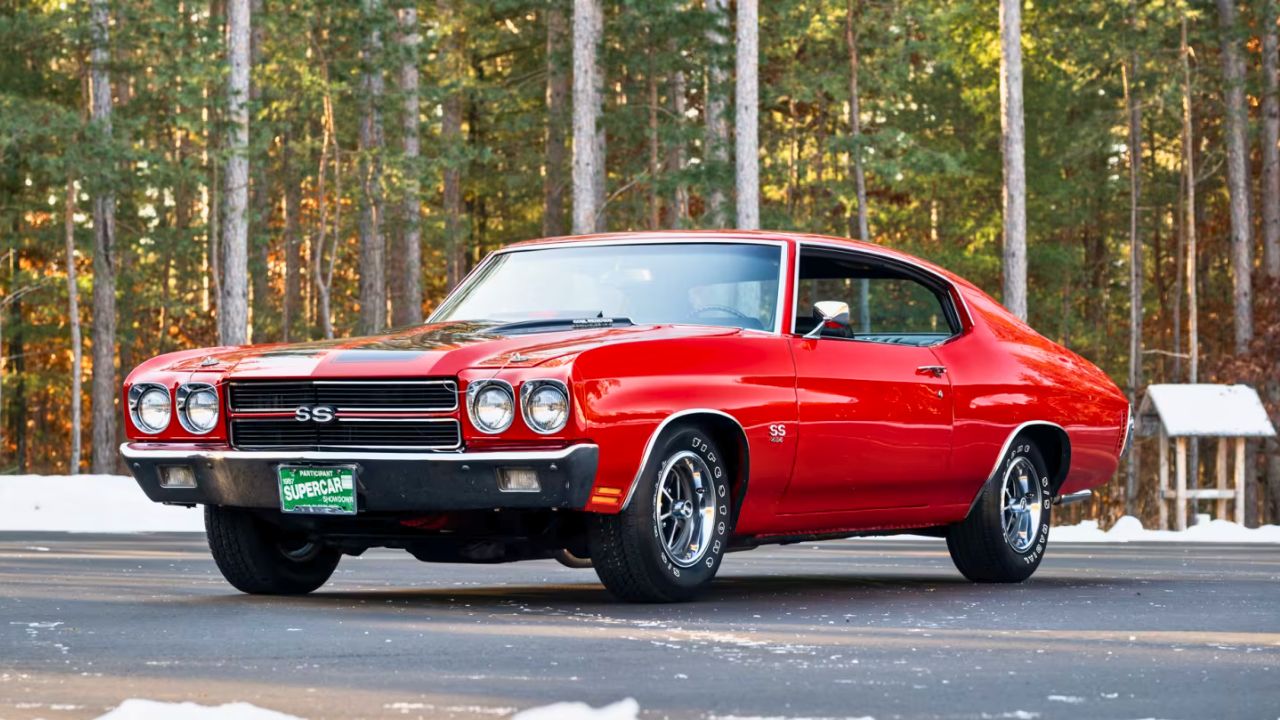
The ’70 Chevelle SS 454 was unapologetically thirsty. That LS6 V8 was rated at 450 horsepower, but real output was closer to 500. It needed every bit of it to muscle its way through quarter-miles and freeway pulls.
A hybrid reboot could tone down the raw displacement and introduce electric support—something like a twin-turbo V6 with a performance hybrid system. The torque curve would be insane, and the idea of bringing back the Chevelle name is enough to stir interest even without the gas bills.
3. Ford Torino Cobra

Packing a 429 Cobra Jet under the hood, the Torino Cobra wasn’t subtle. It had muscle-car looks backed by brute power, but emissions standards and oil prices caught up fast.
Fast forward to today, and Ford already has the tech. With the Mustang Mach-E GT and hybrid Explorers in the lineup, a Torino reboot with an electric assist powertrain could work. Keep the fastback lines, add active suspension, and you’d have a street cruiser with a surprisingly efficient bite.
4. Pontiac GTO Judge
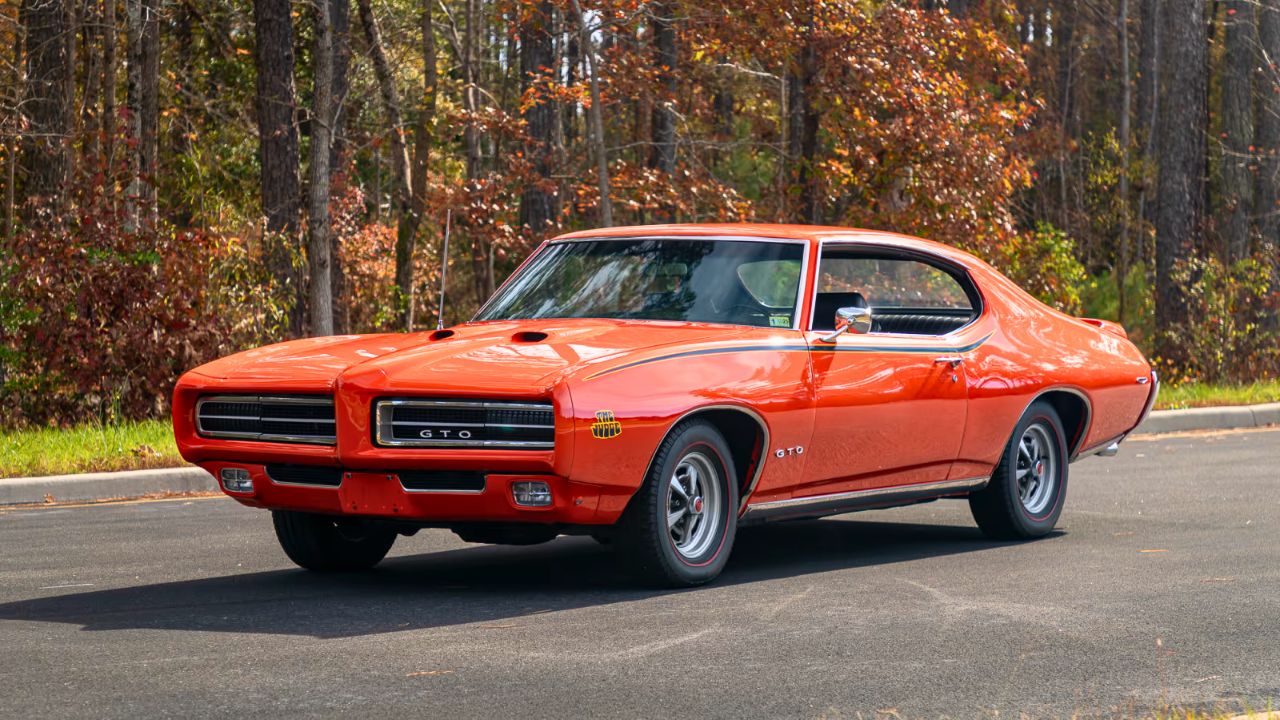
The Judge was GM’s response to the rising insurance costs and tightening emissions rules. It was loud, in-your-face, and fitted with a Ram Air III or IV engine pushing up to 370 hp. Not built to be practical, but it left a mark.
If Pontiac were still around, the GTO would be a solid candidate for hybrid revival. Lightweight construction, electric torque at low RPMs, and maybe a smaller-displacement turbo engine could give it a second life without watering down its edge.
5. Buick GSX Stage 1
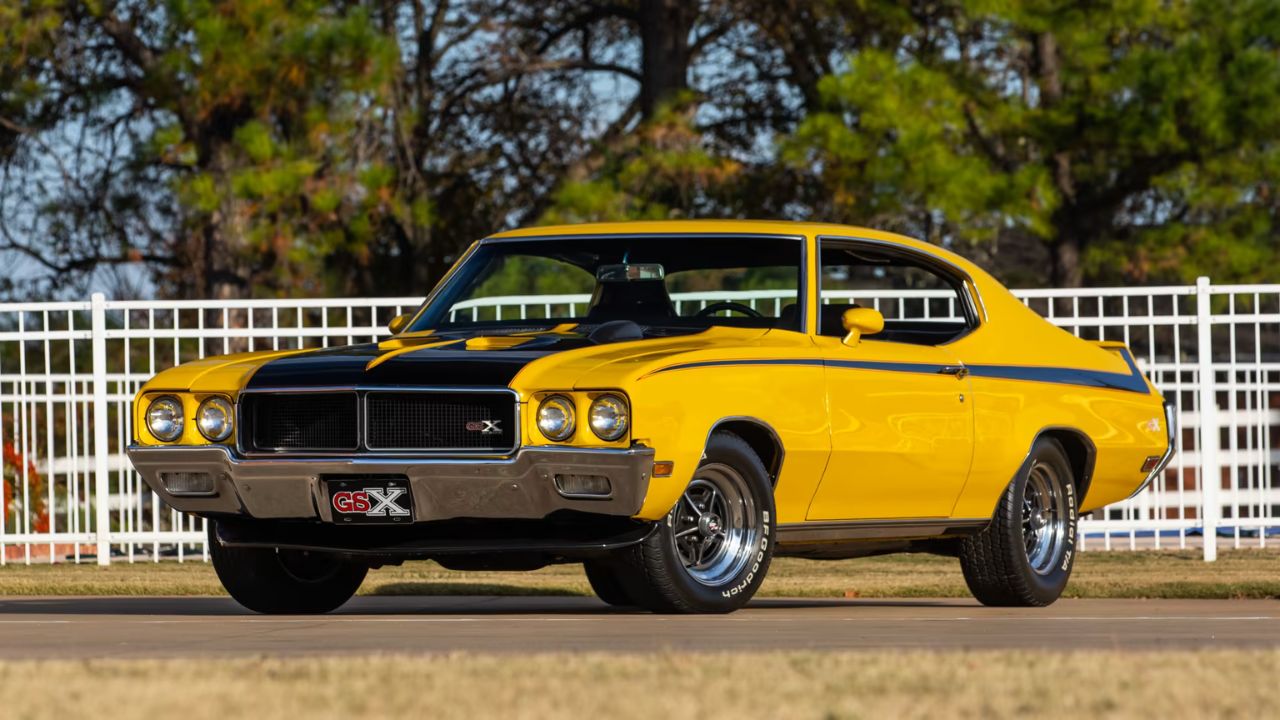
Buick’s GSX Stage 1 didn’t always get the spotlight, but it deserved it. Its 455 V8 had monstrous torque—510 lb-ft, to be exact—and that made it one of the quickest cars of its time.
Today, Buick leans more into luxury, but that doesn’t mean the GSX couldn’t return in a new form. Imagine a refined sport coupe with dual electric motors and an inline-6. It’d deliver smooth power, updated suspension, and a silent-but-deadly personality.
6. AMC AMX
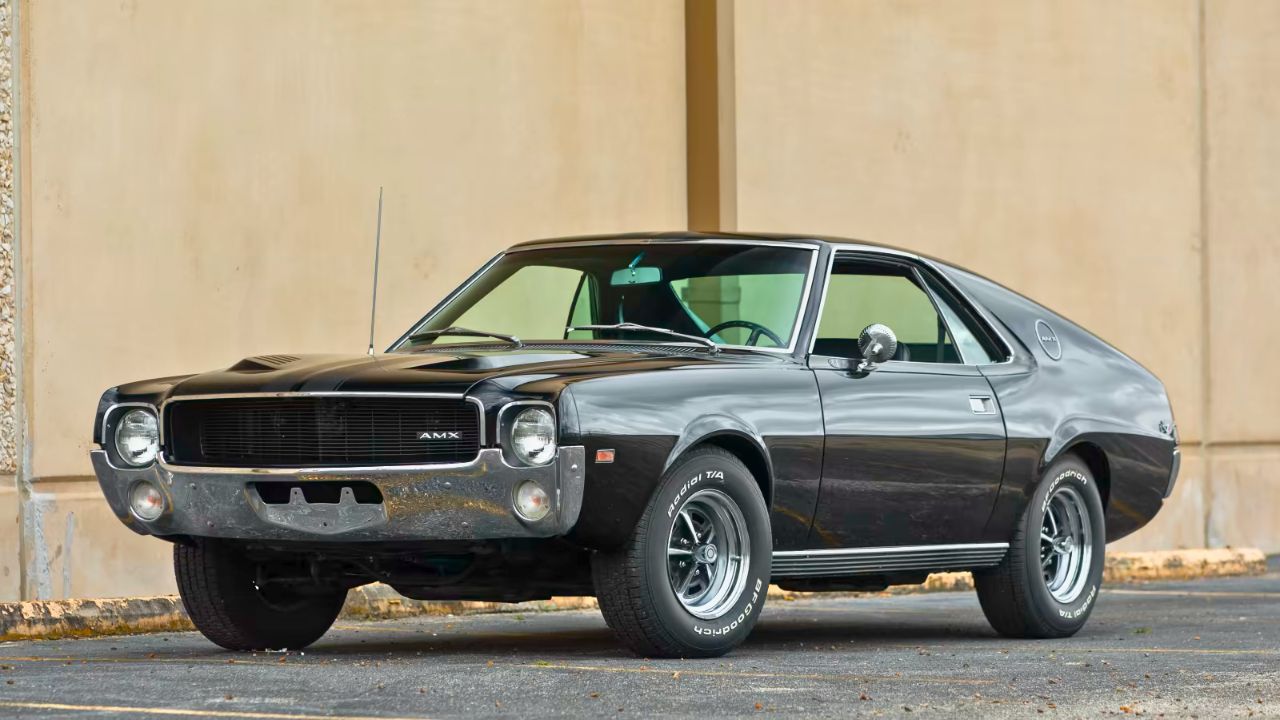
The AMX was American Motors’ shot at a two-seat muscle car. Lightweight and relatively short, it was fitted with everything from a 290 to a 390 V8. It wasn’t the fastest, but it was unique—and it handled better than most of its peers.
An AMX revival could go the hybrid sports car route—low weight, balanced chassis, and instant electric torque. Keep the footprint small and bring in regenerative braking and modern interior tech, and you’d have a car that nods to its roots without dragging them behind.
7. Mercury Cyclone Spoiler II
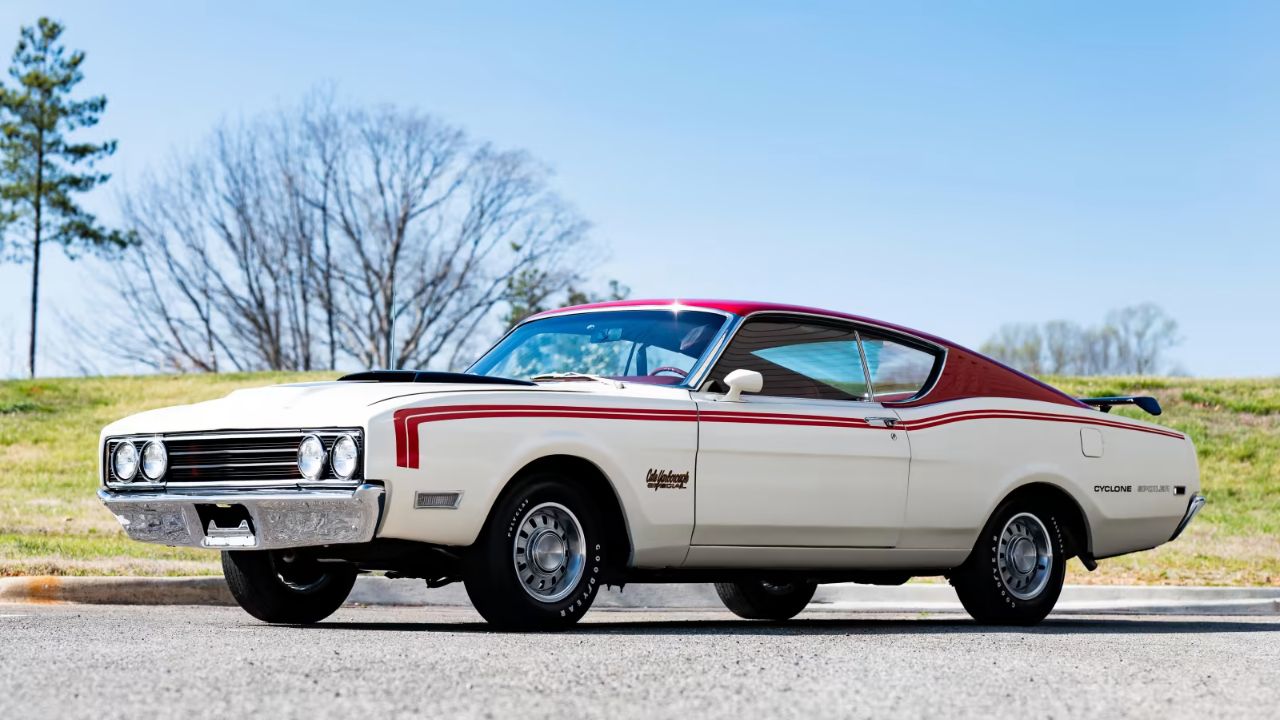
Built for NASCAR’s aero wars, the Spoiler II had a stretched nose and flush grille that helped reduce drag. It was paired with 351 and 428 engines, depending on spec. Not many were made, and even fewer survived.
A modern version could lean into its racing roots. Think wide stance, active aero, and a hybrid powertrain that makes the most of high-speed cruising. Ford’s modular EV architecture could provide a base, giving the Cyclone a legitimate reason to return.
8. Plymouth Superbird
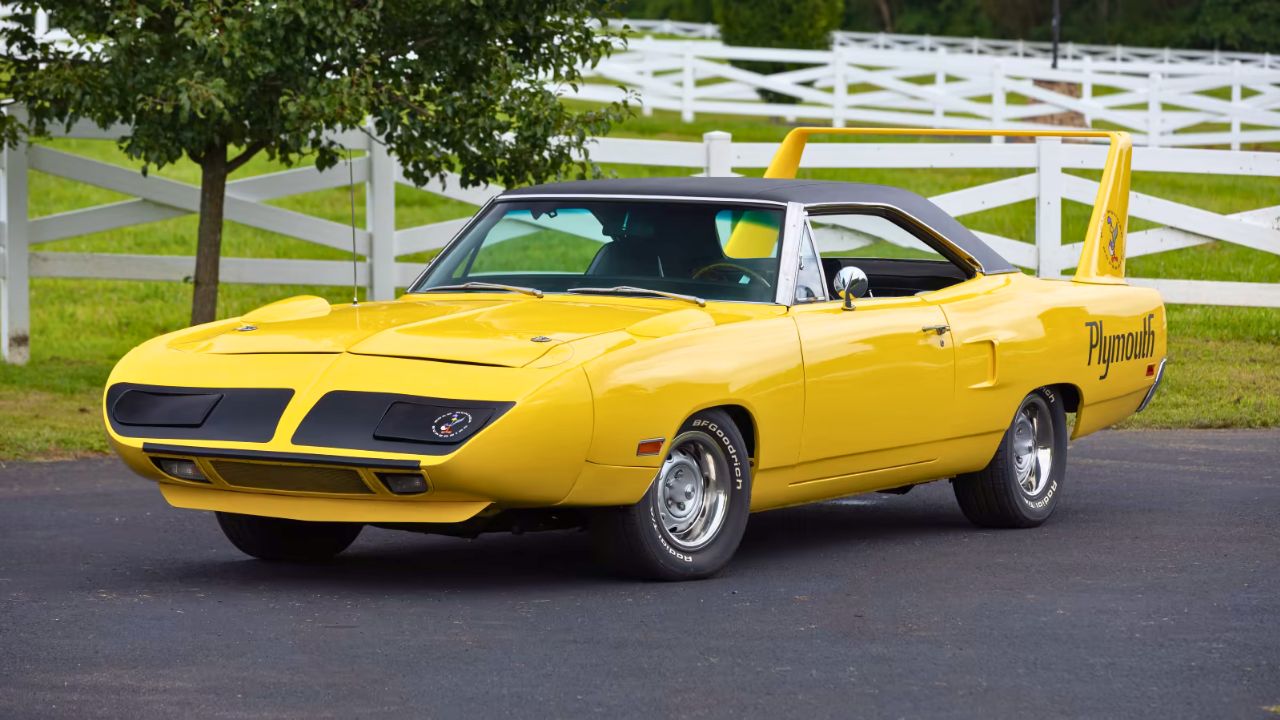
The Superbird is impossible to miss—with its long nose and towering wing, it was designed to win races, not blend in. Underneath, it shared DNA with the Charger Daytona and packed a similar punch with 426 and 440 engines.
If the Charger goes hybrid, why not the Superbird too? Mopar fans would go nuts for a reboot with electric assist and throwback graphics. Make it loud (visually), fast, and less dependent on premium fuel, and it could be both a throwback and a move forward.
9. Oldsmobile 442 W30
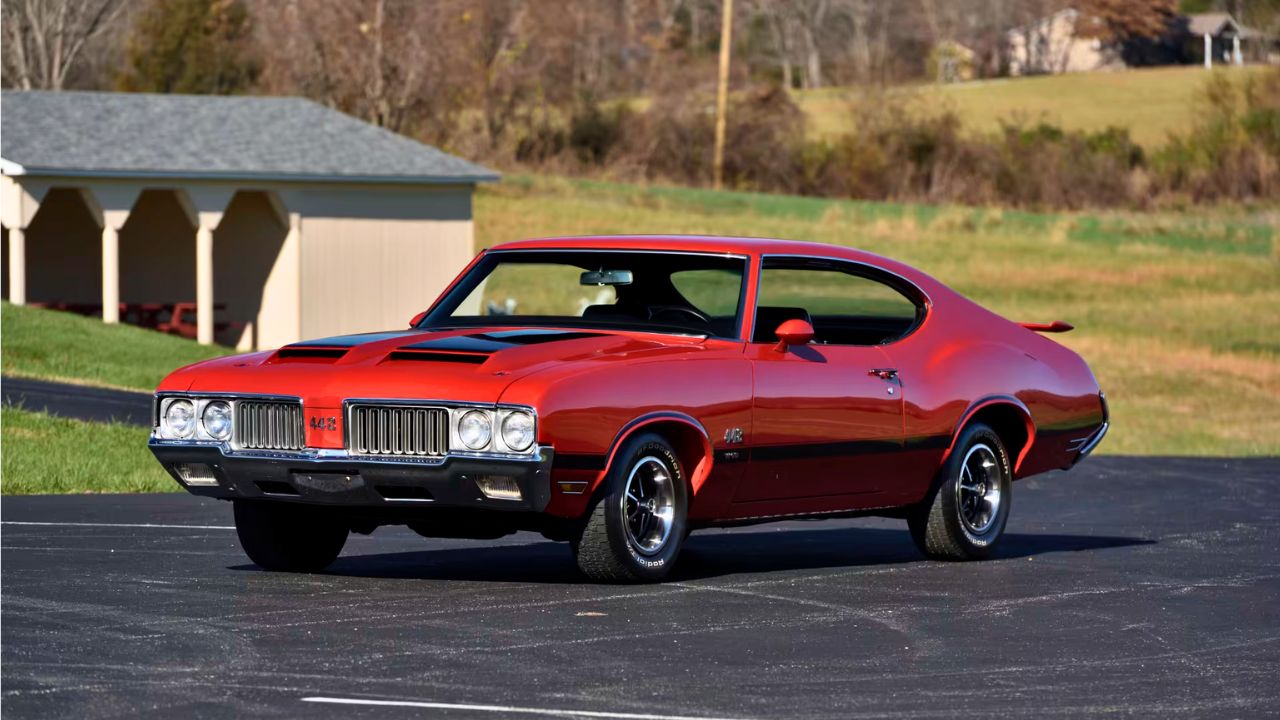
The W30 442 had serious muscle under a business-casual badge. Its 455 engine made 500 lb-ft of torque, and with the right tuning, it could hustle with the best of them. It was also one of the more refined rides in the muscle era.
A hybrid version could build on that comfort-performance balance. Something like a plug-in V6 setup, with selectable drive modes, upgraded interior tech, and a nod to the original trim styling could bring it back in a way that actually makes sense for 2026.
10. Cadillac CTS-V (First Gen)
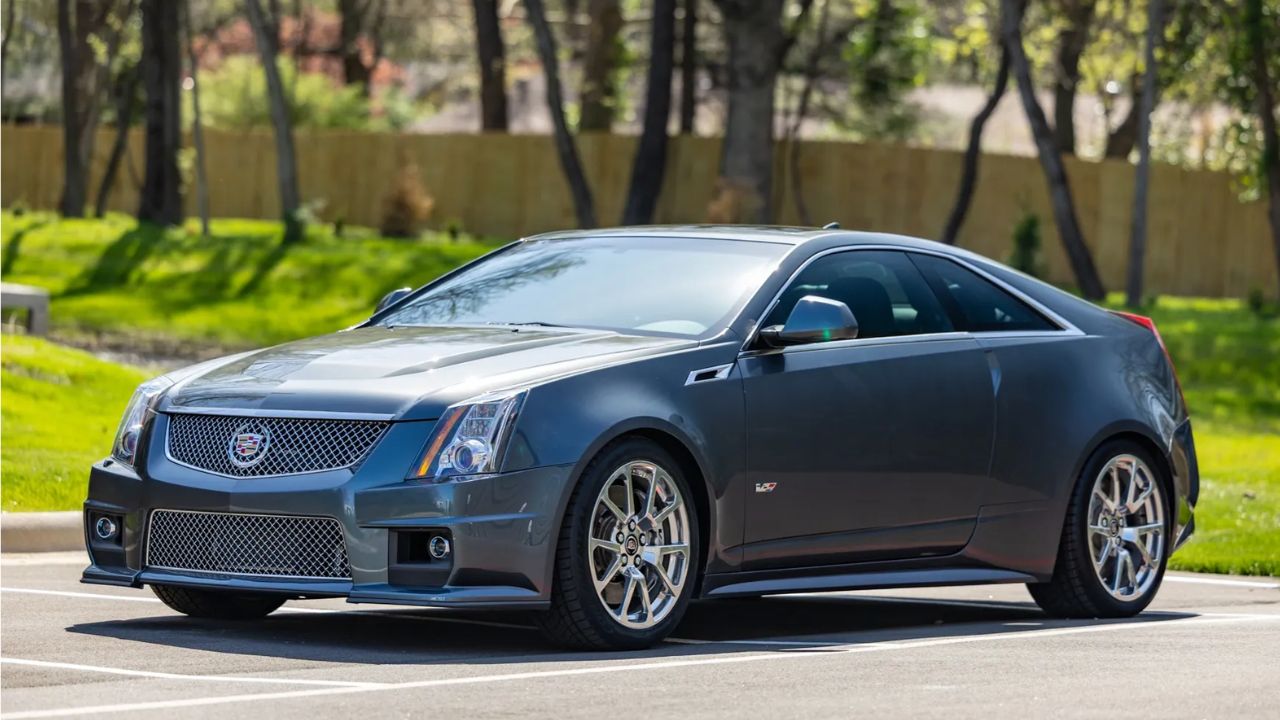
While not as old-school as the rest, the first CTS-V was a shot of adrenaline for Cadillac. A Corvette-sourced LS6 V8, rear-wheel drive, and a six-speed manual meant it could go toe-to-toe with European rivals.
A hybrid CTS-V wouldn’t need to give up its edge. With Cadillac already developing electric platforms, a performance-oriented plug-in setup could make it quicker off the line than the original. Keep the understated look, modernize the chassis, and it could be just as surprising as the first time around.
*Created with AI assistance and editor review.