There’s something wild about a car that looks like your neighbor’s daily driver but absolutely shreds on the track. For every muscle car or sports coupe you’ve seen parked at the grocery store, there was likely a race-prepped version that made it look like a toy. These cars didn’t just push limits—they blurred the line between street and circuit, often leaving their showroom counterparts in the dust. What follows is a rundown of race-bred machines that made the production models look like they were built just for the commute.
1963 Chevrolet Corvette Grand Sport
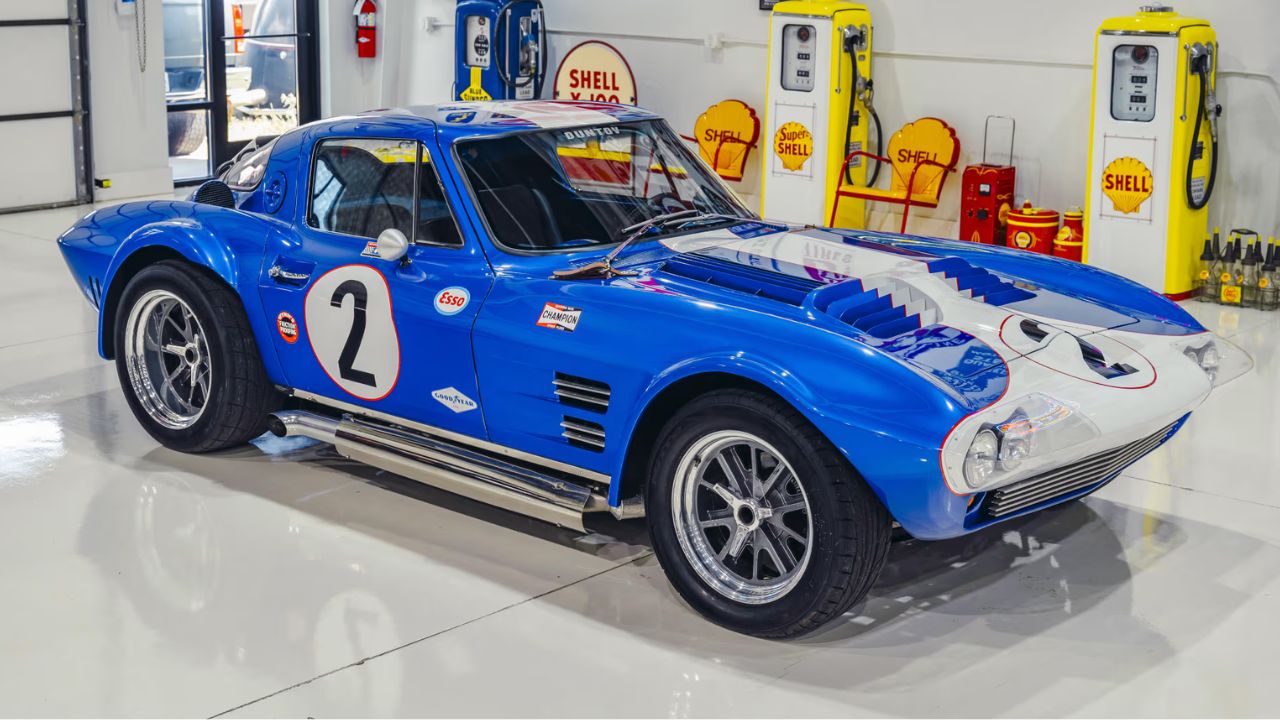
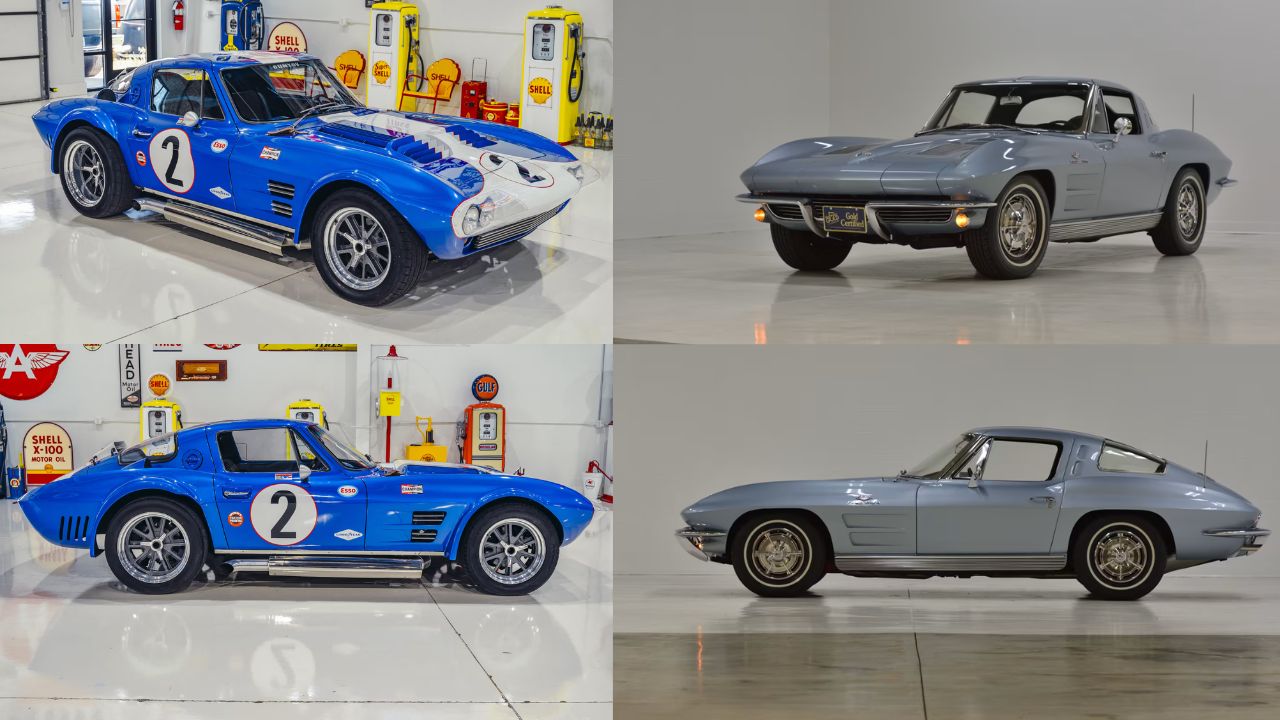
Chevy built just five Grand Sport Corvettes before GM shut the project down. Designed to take on Shelby’s Cobras, the lightweight C2 chassis was stuffed with a 377-cubic-inch aluminum V8 cranking out 485 hp. The street cars never got this motor—just the racers.
While the standard ’63 Sting Ray was already a capable sports car, the Grand Sport was flat-out track-focused. It featured fiberglass body panels, magnesium wheels, and beefed-up brakes. On the track, it was a monster—faster than the Cobras until it was yanked from competition.
1969 Dodge Charger Daytona NASCAR

Built for NASCAR and engineered to win at superspeedways, the ’69 Charger Daytona was no ordinary muscle car. Dodge gave it a pointed nosecone, a nearly two-foot-tall rear wing, and a drag coefficient of just 0.28—unheard of at the time. Under the hood, the car came with either a 440 Magnum or the legendary 426 HEMI, both backed by heavy-duty suspensions and race-tuned aerodynamics.
The street version looked aggressive, but the race-spec Daytona was a beast. It hit over 200 mph on the track, and NASCAR couldn’t ignore that kind of dominance. The car was so effective, it was eventually outlawed along with other aero warriors in 1971.
1984 Porsche 911 SC/RS
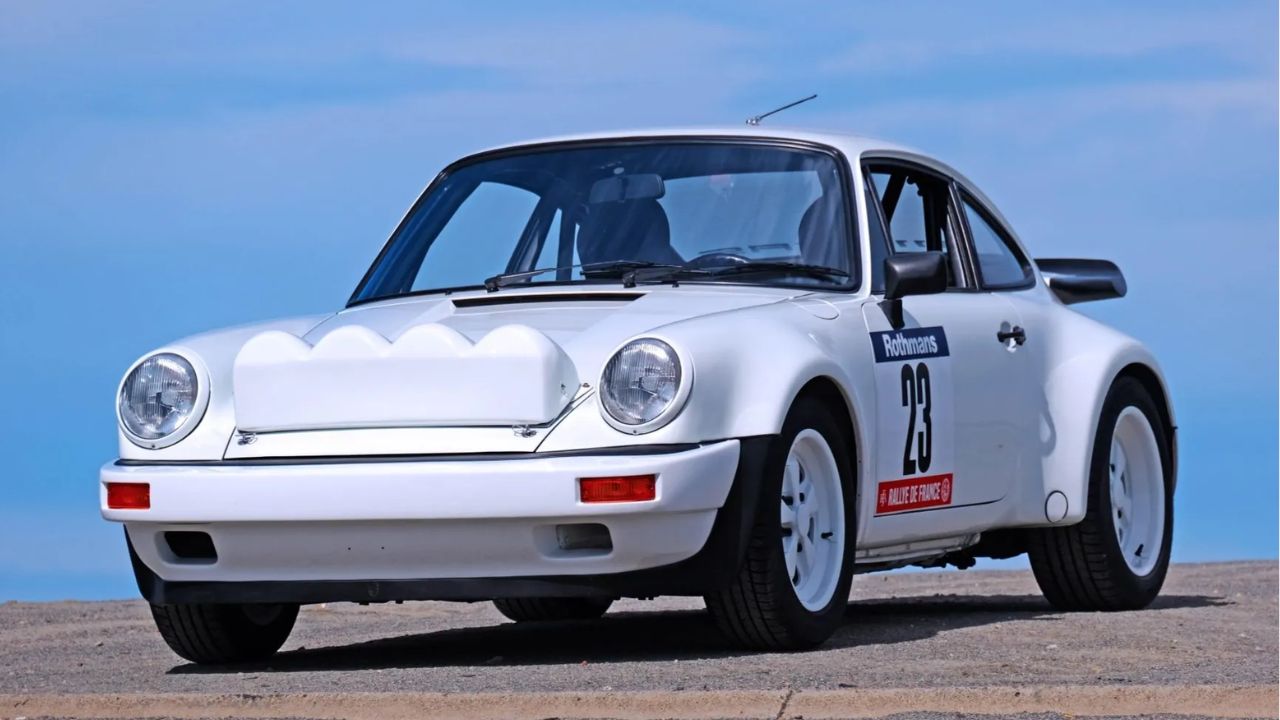
Built to homologate Porsche’s rally ambitions, the 911 SC/RS was a lightweight, no-frills weapon with just 20 examples made. It ran a high-compression 3.0-liter flat-six good for 255 hp, mated to a 5-speed manual, and it weighed around 2,100 lbs. Porsche shaved off everything not essential to performance.
While the SC/RS road version was cool in its own right, the rally-spec version had revised suspension geometry, longer travel, and full rally prep. It tackled gravel stages and tarmac with brutal efficiency—something the street version could hint at, but never quite match.
Ford RS200 Evolution
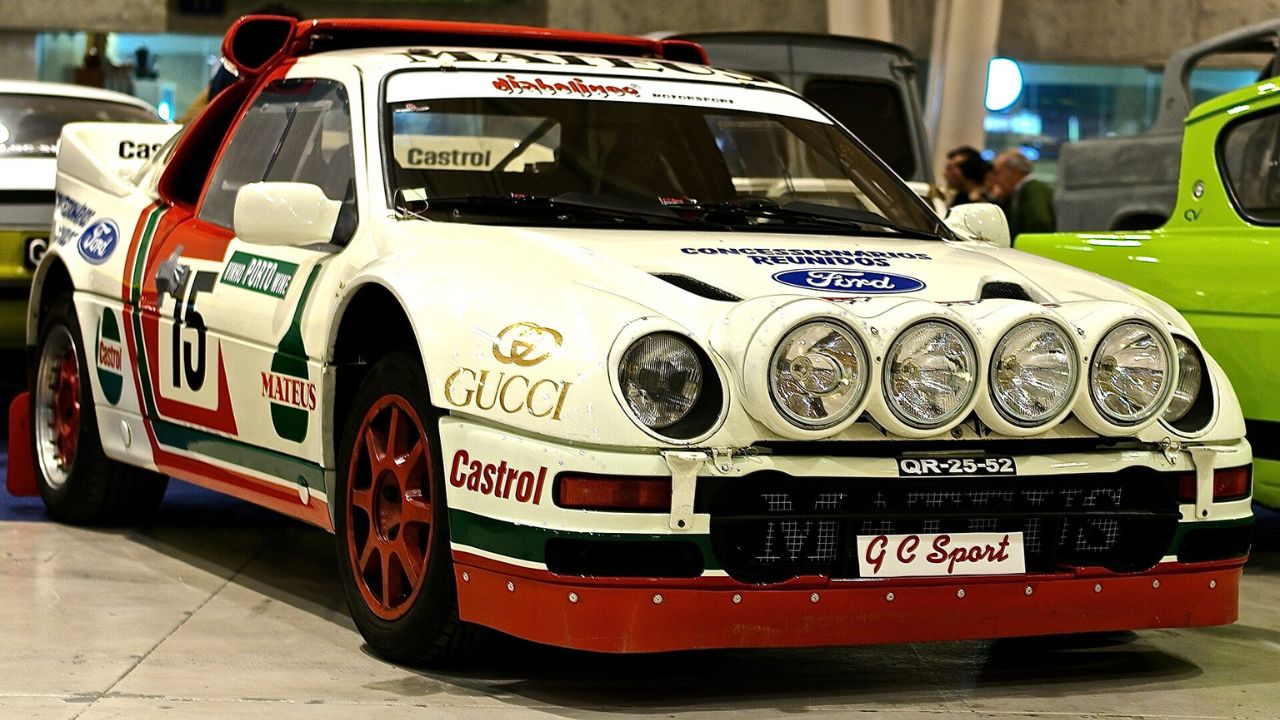
The street RS200 was already exotic, but the Evolution version built for Group B rallying was from another world. The standard 1.8L turbocharged engine was swapped for a 2.1L unit pushing over 600 hp, paired with a mid-mounted layout and advanced four-wheel drive.
The chassis was custom-built, featuring double wishbones and coilovers at all four corners. Interior? Stripped for business. The RS200 Evo had blistering acceleration, handling that bordered on violent, and a reputation for being nearly impossible to tame. The street version just nodded in its direction.
Ferrari 288 GTO Evoluzione
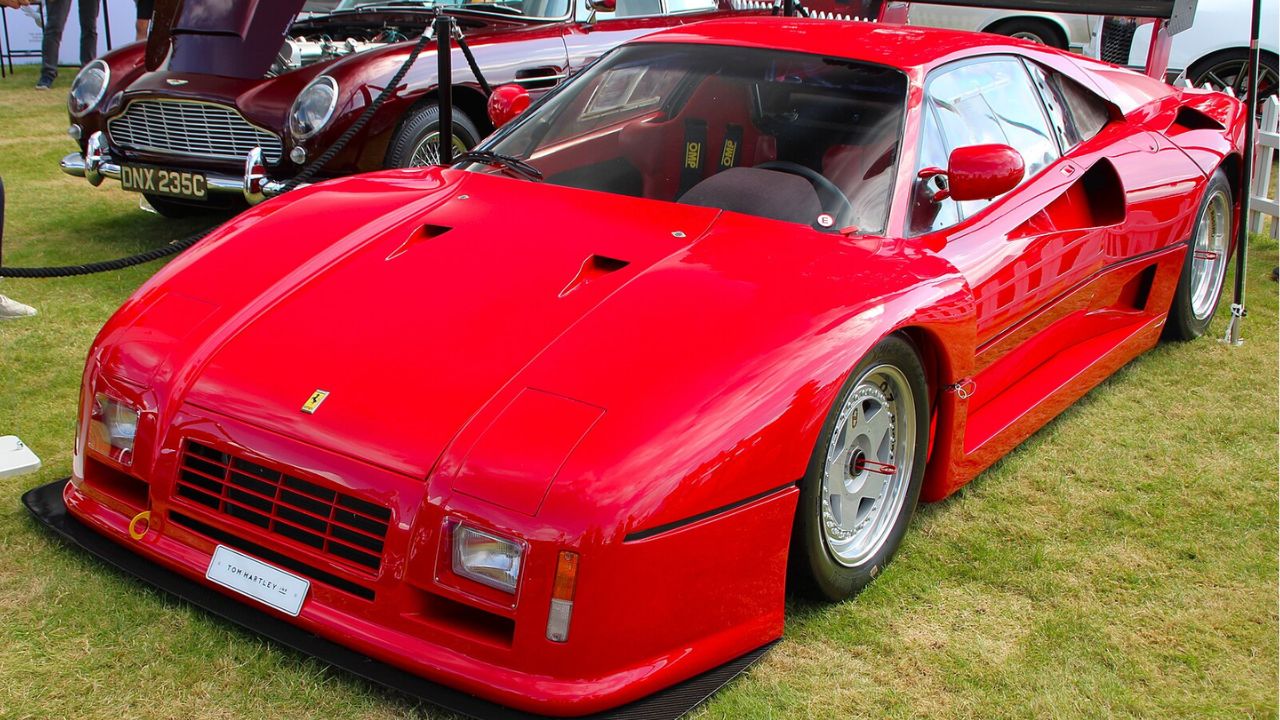
The 288 GTO was Ferrari’s first real stab at a modern turbocharged supercar, but the Evoluzione was where things got wild. It had a twin-turbo 2.9L V8 cranked to 650 hp in a body that weighed just 2,070 lbs thanks to Kevlar and fiberglass panels.
The road-going 288 GTO was no slouch, but it was civilized. The Evoluzione, meanwhile, had an aggressive wide-body, stripped interior, and an attitude built for Group B. It never raced officially, but it set the stage for the F40 and showed what Ferrari could really do.
1970 Plymouth AAR Cuda Trans Am

Built for the SCCA Trans Am series, the AAR Cuda featured a 340 cubic inch V8 topped with a trio of two-barrel carbs, pushing 290 hp in street trim. It used a lightweight fiberglass hood, side-exit exhaust, and staggered tires—a first for American muscle.
But the race version was far from street legal. It had a reinforced unibody, race-grade suspension with adjustable shocks, and a high-revving small-block that could go well beyond 8,000 rpm. The production AAR Cuda looked the part, but the real action was happening at the track.
1992 Toyota Celica GT-Four ST185 WRC
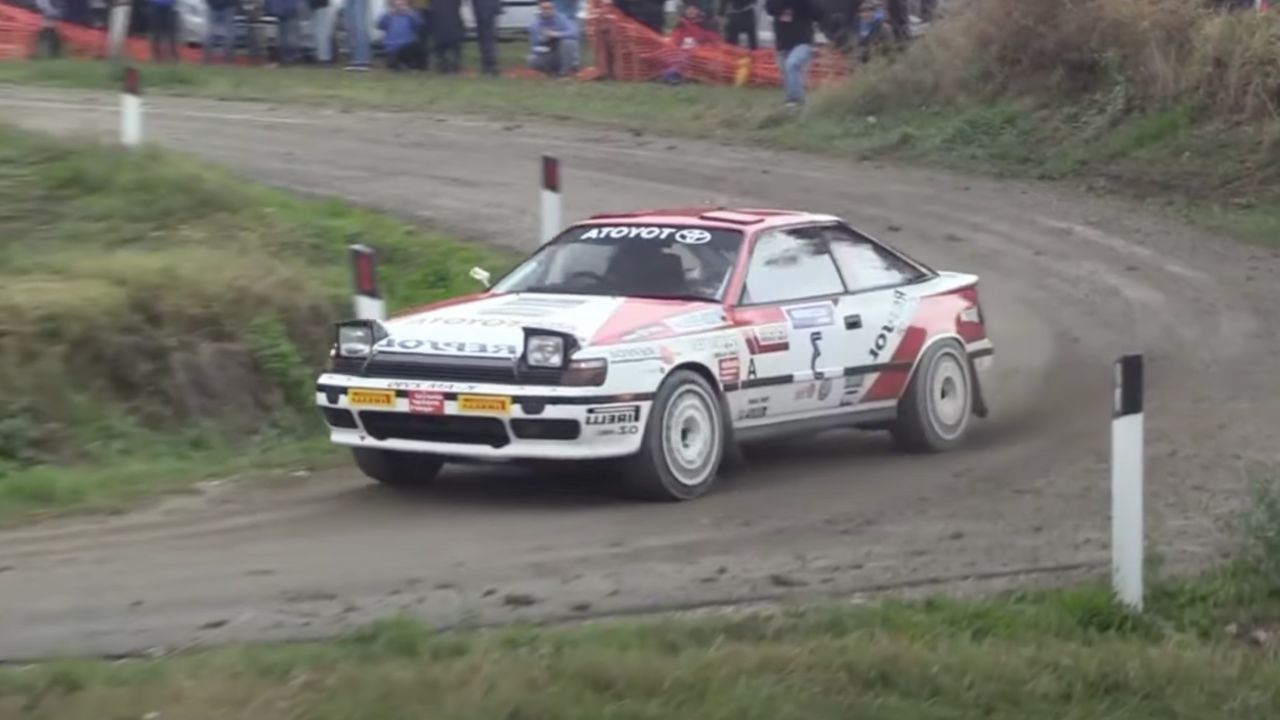
While the GT-Four road car was already impressive with its turbocharged 3S-GTE engine and AWD system, the WRC version was on another level. The rally car ran a larger turbo, bespoke suspension, and a reinforced chassis to handle the harshest rally conditions.
The street car made 200 hp and had rally-inspired looks, but the real WRC car was a purpose-built machine. It delivered over 300 hp, used active center diffs, and could tackle dirt, snow, and tarmac stages without breaking a sweat. It even got banned for using an illegal turbo trick.
1971 AMC Javelin Trans Am

AMC may not be the first name you think of when it comes to racing, but their Trans Am Javelin was serious business. The Mark Donohue-driven race cars were built with a heavily massaged 5.0L V8, lightweight components, and tuned suspension geometry.
The street Javelin AMX looked sharp and had good power, but it was heavier and less focused. The Trans Am versions had flared fenders, deep front spoilers, and ran with adjustable sway bars and racing coilovers. They held their own against the Big Three—and even won the ’71 championship.
1990 Mercedes-Benz 190E 2.5-16 EVO II DTM
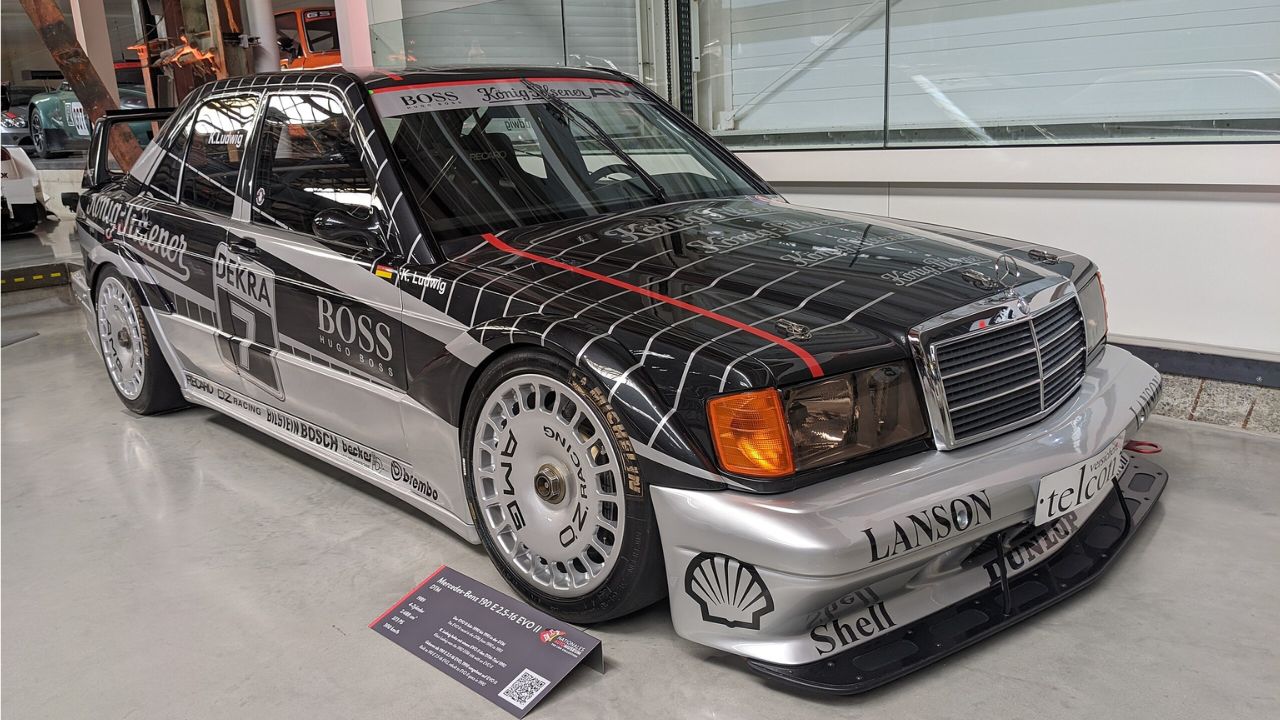
The Evo II looked aggressive enough on the street, but the DTM version took it way further. Its 2.5L inline-4 was tuned to over 370 hp in race trim and paired with a dog-leg 5-speed manual. Massive aero work helped keep it planted on fast corners.
Suspension was fully adjustable and built for track duty, with coilovers, stiffer bushings, and improved geometry. The street version had the same general body and layout, but it was far more civil. The race car screamed at high revs and clawed its way around tight circuits.
1970 Ford Torino Talladega NASCAR

The Talladega was a special edition of the Torino, built purely to exploit NASCAR’s rules. Ford reshaped the nose for better aerodynamics and added a flush front bumper from the Fairlane. Under the hood sat a 428 Cobra Jet V8 making serious torque.
The race version used the same body tweaks but was stripped out and lightened, with a full cage and racing suspension. NASCAR teams tuned the engines for endurance and top speed, and these things regularly hit 190 mph on the big ovals. The street car was a shadow of what it raced as.
*Created with AI assistance and editor review.