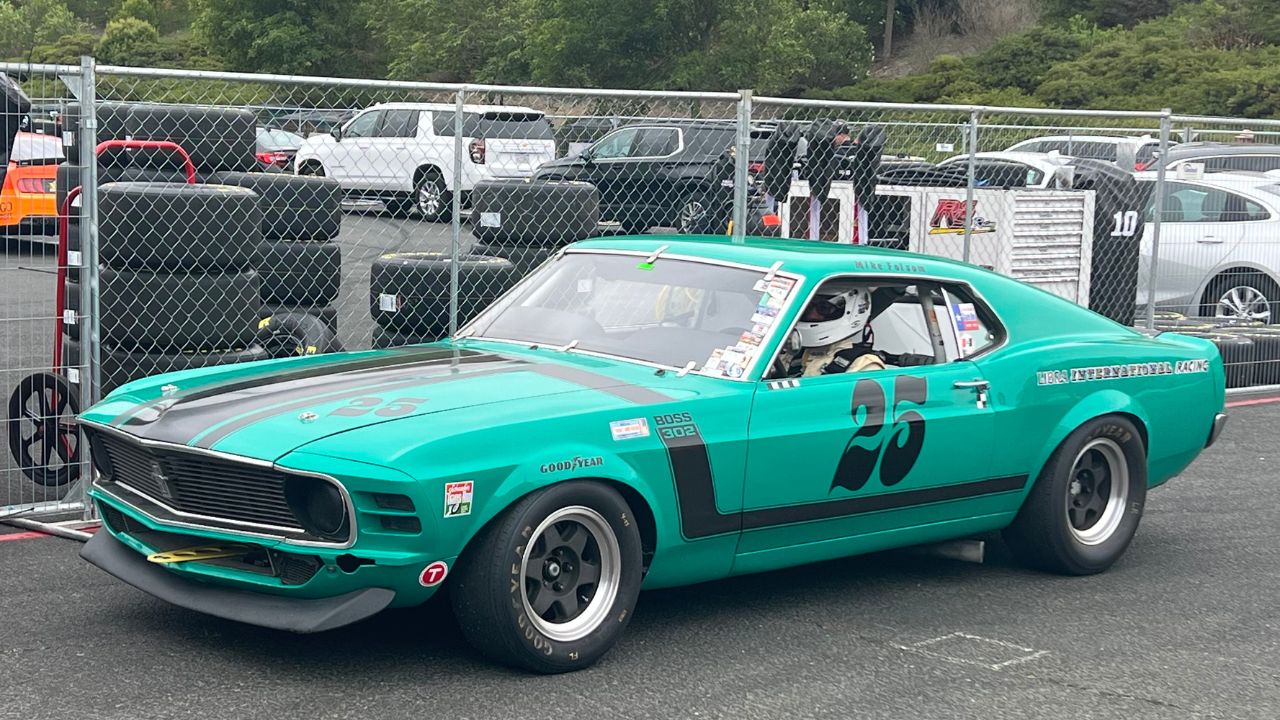
The Ford Mustang has long been a symbol of American automotive performance, showcasing an evolution that reflects both innovation and cultural shifts in the automotive landscape. From its inception in the 1960s to the latest models, each iteration has contributed to the Mustang legacy, solidifying its place in the hearts of enthusiasts. Here are ten Mustangs that have significantly changed Ford performance.
1964½ Mustang: The Birth of a Legend
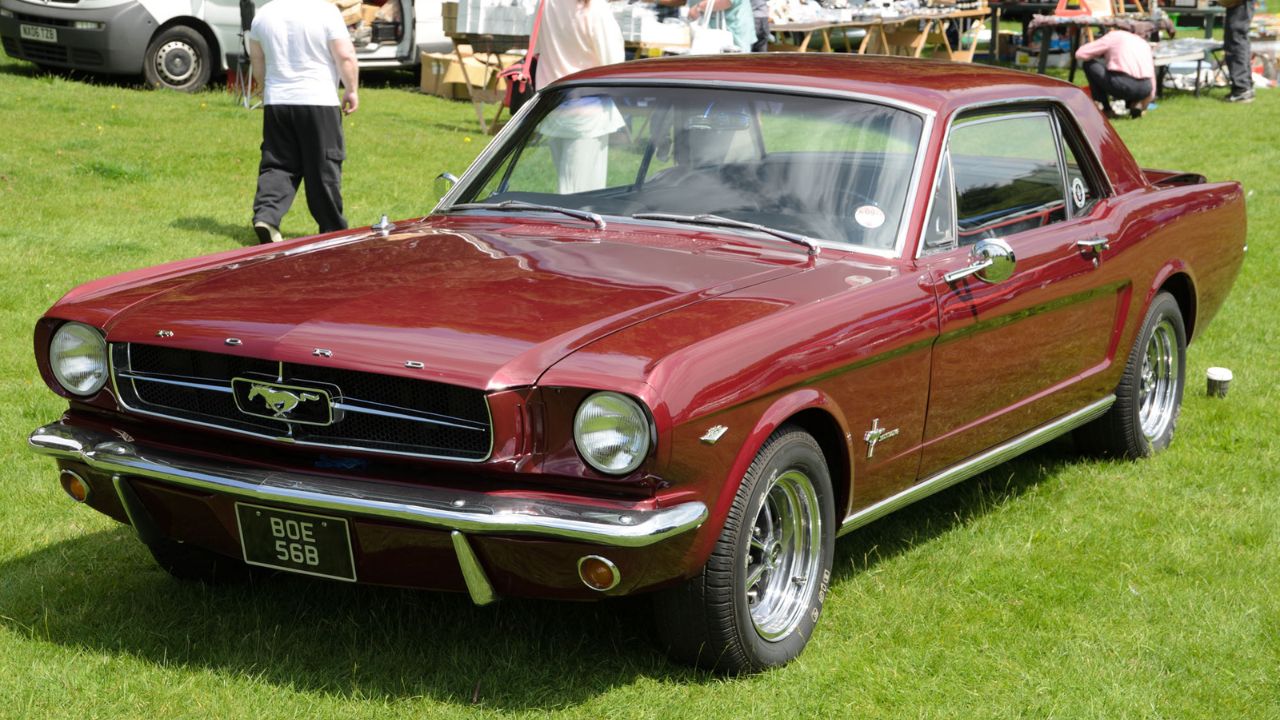
Launched in April 1964, the 1964½ Mustang marked the beginning of a new era in American automobiles. With its sleek design and affordable price, it appealed to a wide audience, quickly becoming a cultural icon. Ford’s marketing strategy targeted younger buyers, and the Mustang’s success can be attributed to its unique blend of performance and style.
Equipped with a range of engine options, including the 260 cubic inch V8, it offered exhilarating performance for its time. The Mustang’s debut at the New York World’s Fair and its subsequent appearances in popular media established it as a symbol of freedom and youthful exuberance. This vehicle’s introduction laid the groundwork for future performance models, influencing the automotive market profoundly.
1967 Mustang GT500: The Shelby Era Begins
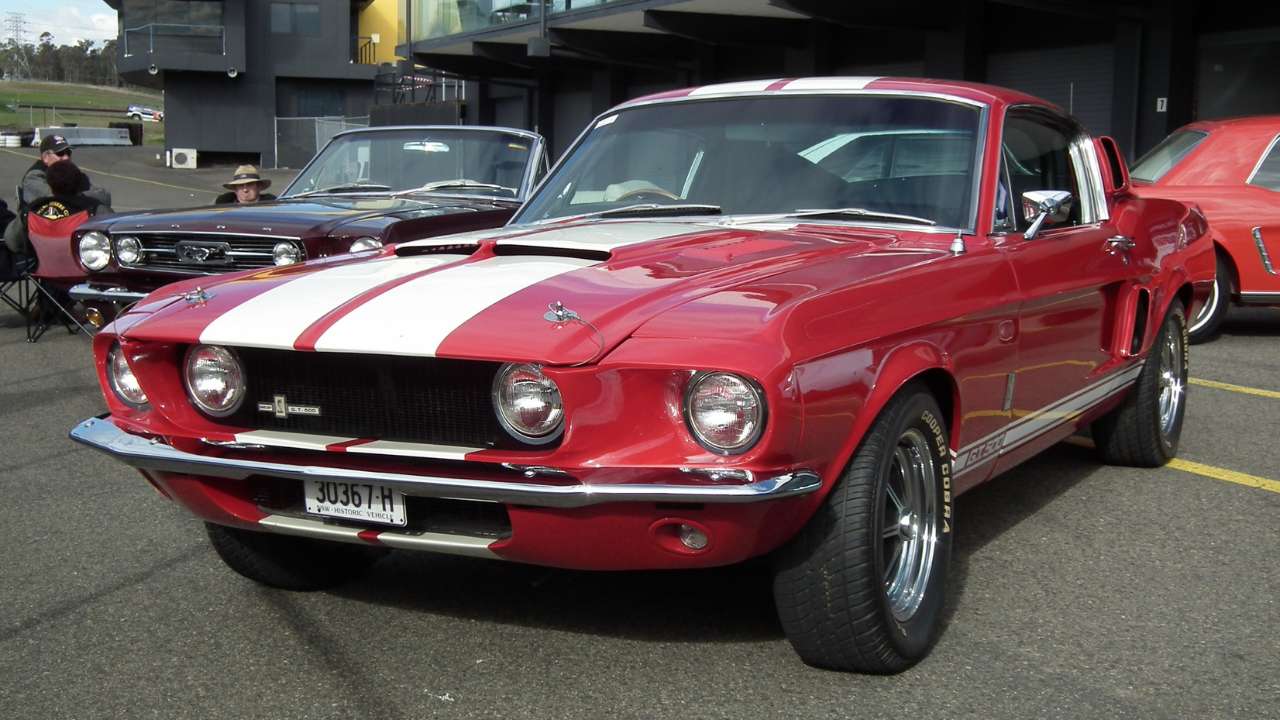
The 1967 Mustang GT500 introduced by Carroll Shelby became a benchmark for high-performance vehicles. With a powerful 427 cubic inch V8 engine, it was designed for racing and street performance, setting new standards in muscle car performance. The GT500 not only offered impressive horsepower but also featured a distinctive design that separated it from its more standard counterparts.
This model solidified the relationship between Ford and Shelby, leading to a series of performance-focused Mustangs. The GT500’s legacy continues to resonate, as it remains a highly sought-after collector’s item. Its impact on racing and the muscle car scene is undeniable, making it a pivotal chapter in the Mustang story.
1970 Mustang Boss 302: The Ultimate Track Machine
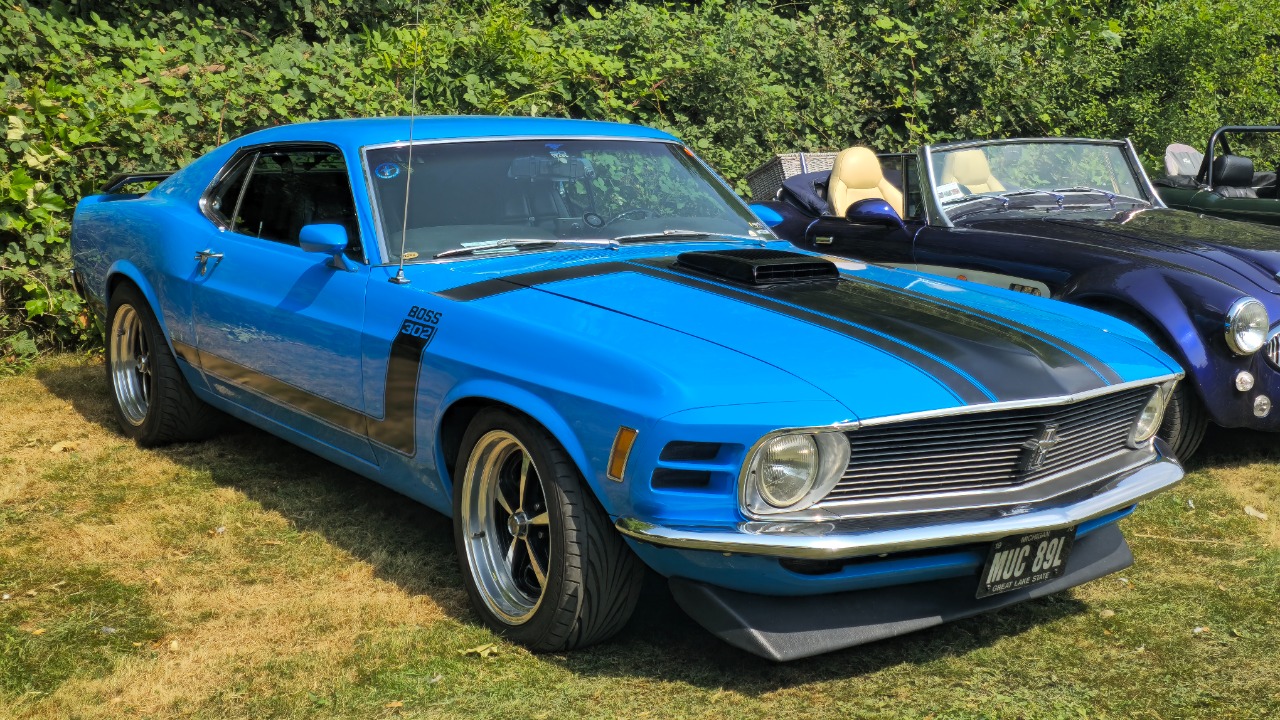
The 1970 Mustang Boss 302 was engineered for both the street and the racetrack, embodying the spirit of competition. It was powered by a high-revving 302 cubic inch V8 engine, specifically designed for SCCA Trans-Am racing. This model featured a unique design with a functional hood scoop and aggressive styling that set it apart from its peers.
The Boss 302 is celebrated for its balance and handling, making it a favorite among enthusiasts and racers alike. Its performance on the track was matched by its aesthetic appeal, ensuring it became a classic that is still revered today. The Boss 302’s legacy influenced future Mustang models and solidified its place in racing history.
1971 Mustang Mach 1: Power Meets Style
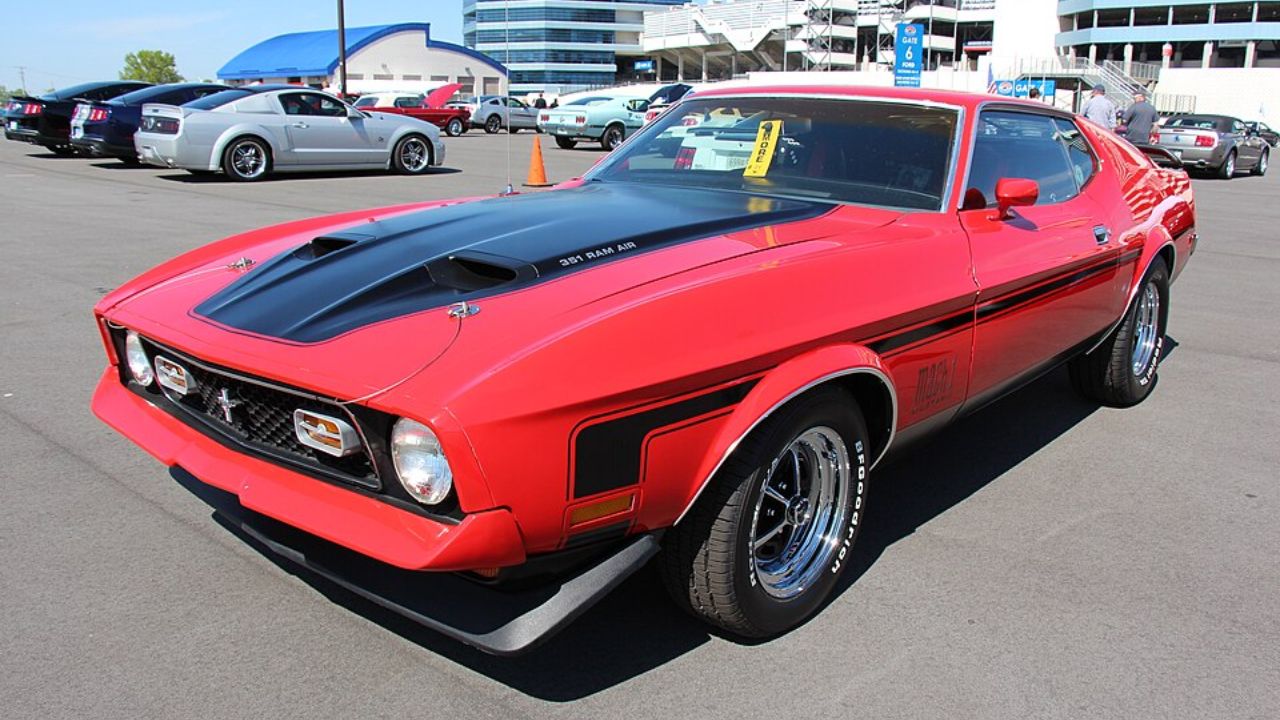
The 1971 Mustang Mach 1 represented a shift in design and performance, embracing a more aggressive stance and powerful engines. Featuring a 351 cubic inch V8 as standard and an optional 429 cubic inch engine, the Mach 1 provided exhilarating performance. Its sporty styling, complete with a distinctive hood and side stripes, made it an instant classic.
This model was designed to attract a broader audience, appealing to those looking for both power and style. The Mach 1 became synonymous with American muscle, contributing significantly to the Mustang’s legacy. Its combination of performance and aesthetic appeal ensured it remained a favorite among car enthusiasts.
1986 Mustang SVO: Turbocharged Innovation
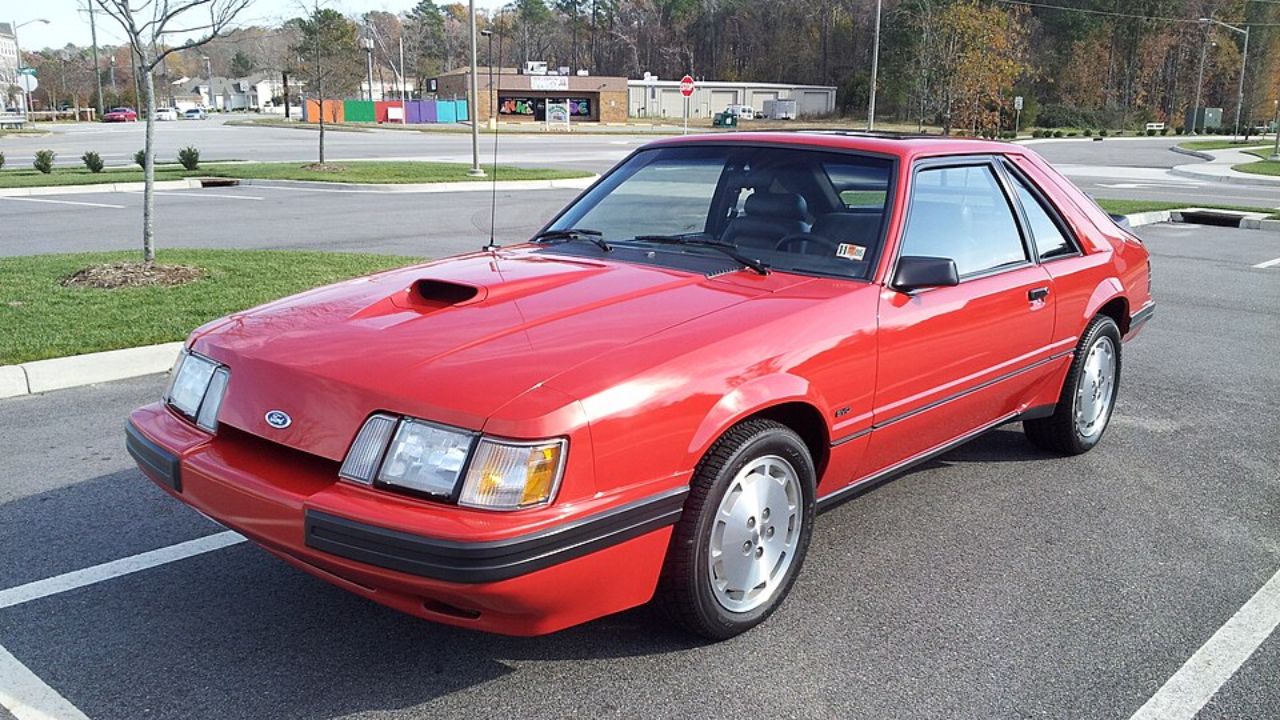
The 1986 Mustang SVO represented the culmination of Ford’s innovative performance strategy. Powered by a turbocharged 2.3-liter inline-four engine, it demonstrated that efficiency and impressive performance could coexist without compromise. This model was engineered to compete with European sports cars, highlighting Ford’s dedication to advanced engineering and refinement.
The SVO also featured a distinctive design, with upgraded suspension and handling characteristics that made it stand out. As the final model year of the SVO, it showcased the peak of Ford’s turbocharged Mustang development, blending modern technology with the classic Mustang appeal. The SVO’s legacy continues to influence performance tuning and engineering in later models.
1993 Mustang Cobra: A Return to Performance Roots
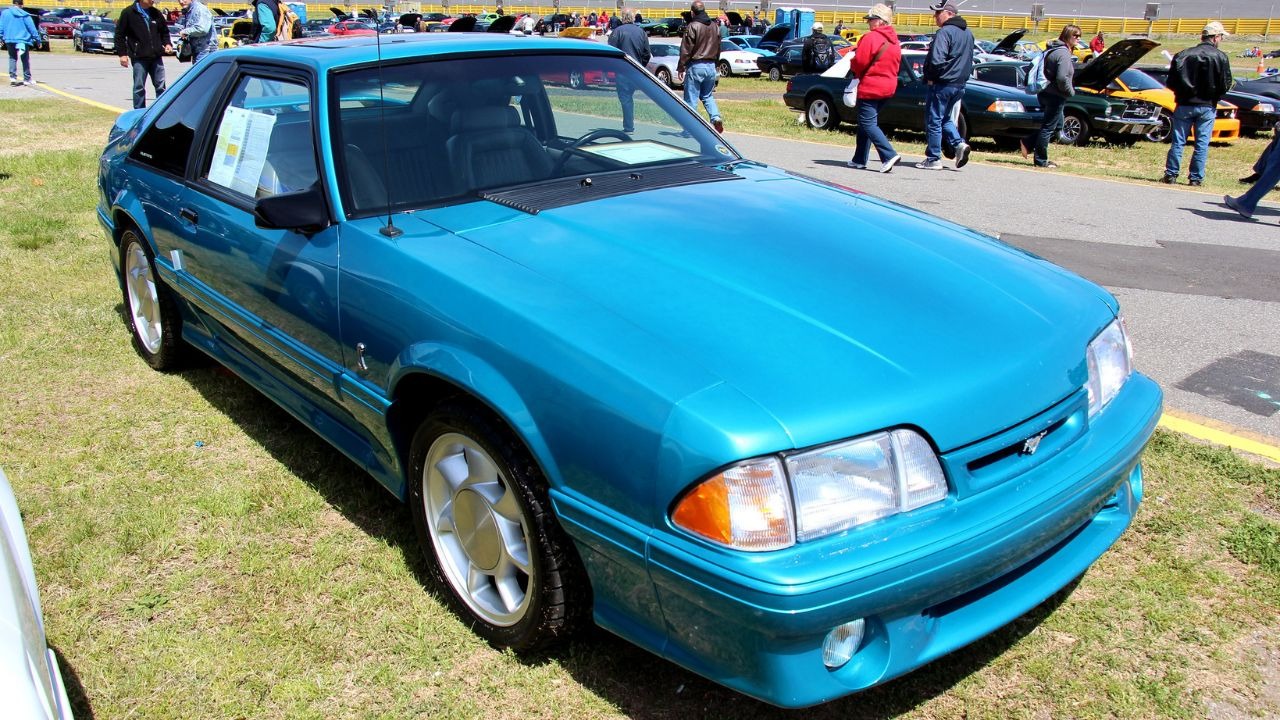
The 1993 Mustang Cobra was a significant return to form for Ford, reviving the muscle car spirit with a potent 5.0-liter V8 engine. With enhanced handling and performance upgrades, the Cobra offered a driving experience that appealed to enthusiasts. This model was characterized by its aggressive styling and performance enhancements that set it apart from the standard Mustang.
The Cobra’s production was limited, making it a coveted collector’s item among fans of the brand. Its performance capabilities and distinctive features highlighted Ford’s dedication to performance, rekindling interest in the Mustang as a serious contender in the muscle car segment. The Cobra’s introduction laid the groundwork for future performance models.
2000 Mustang Cobra R: Track-Ready Brilliance
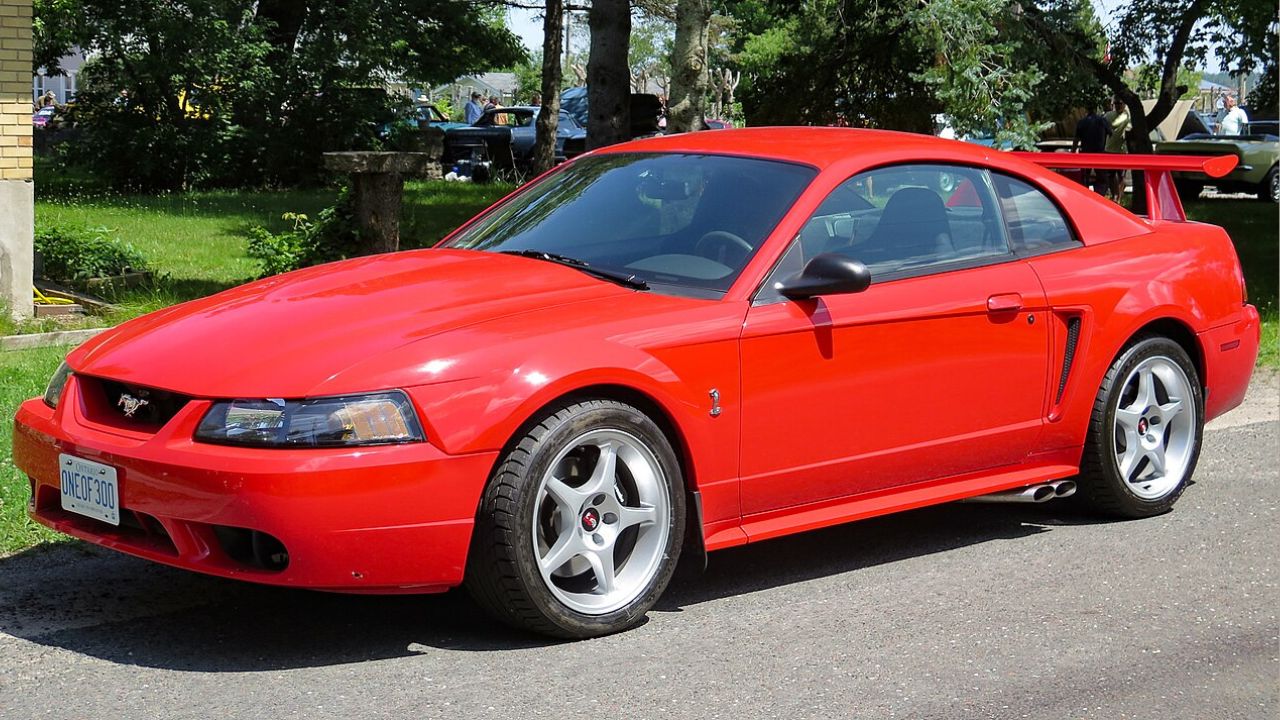
The 2000 Mustang Cobra R was designed explicitly for enthusiasts who sought track-ready performance. With a 5.4-liter V8 engine producing 385 horsepower, it featured upgrades such as a unique suspension system and lightweight components. The Cobra R was not just about power but was also engineered for superior handling, making it a formidable competitor on the track.
Limited to just 300 units, this model became a highly sought-after collectible due to its rarity and performance pedigree. The Cobra R’s legacy continues to influence Ford’s approach to performance, demonstrating the brand’s commitment to delivering high-performance vehicles tailored for serious drivers.
2005 Mustang: The Modern Muscle Revival
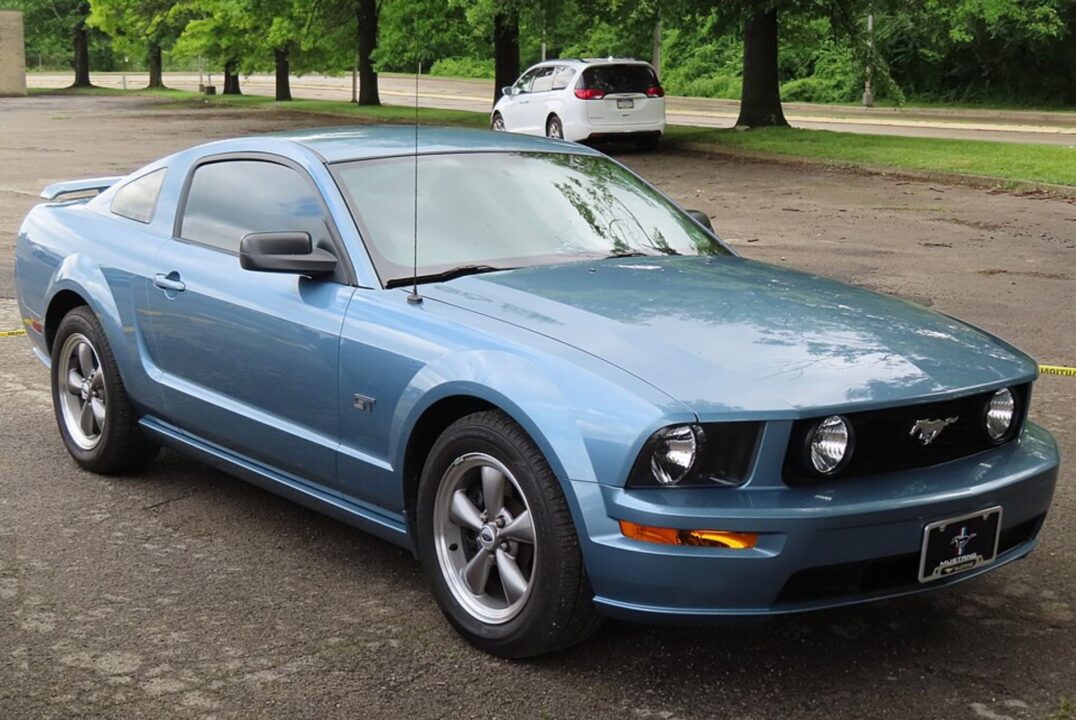
The 2005 Mustang marked a significant milestone in the revival of the muscle car era. With a retro-inspired design that paid homage to its classic predecessors, it was built on a new platform that enhanced performance and handling. The introduction of the 4.0-liter V6 and the 4.6-liter V8 engines provided a range of options for buyers seeking performance.
This model redefined the Mustang’s identity for a new generation, combining classic styling with modern technology. It was well received by both critics and enthusiasts, leading to a resurgence in Mustang popularity. The 2005 Mustang laid the foundation for future innovations and solidified Ford’s commitment to performance.
2015 Mustang GT: Global Performance Redefined
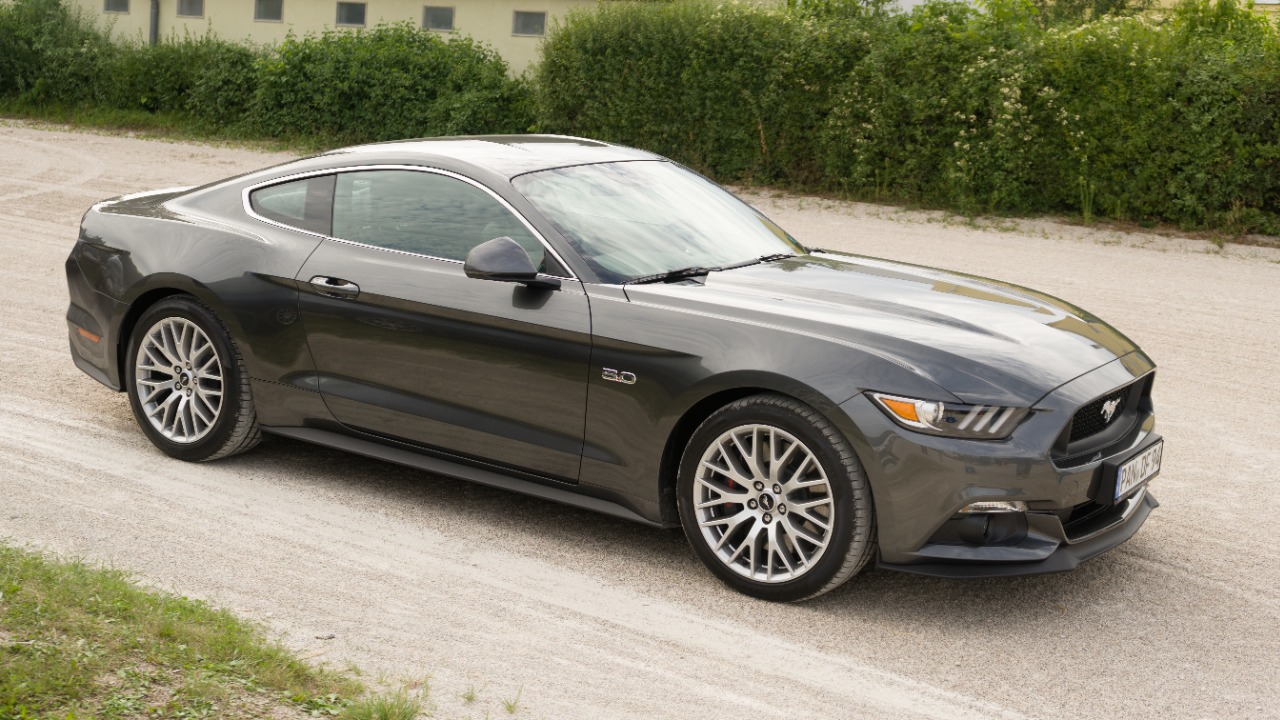
The 2015 Mustang GT showcased Ford’s ambition to create a globally appealing muscle car. Equipped with a 5.0-liter V8 engine producing 435 horsepower, it featured an independent rear suspension for improved handling. This model was the first Mustang to be sold worldwide, emphasizing Ford’s desire to reach a broader audience.
With a blend of modern technology and classic design elements, the 2015 Mustang appealed to a diverse range of enthusiasts. Its performance capabilities, combined with advanced features like selectable drive modes, made it a standout in the competitive muscle car market. The 2015 Mustang set new benchmarks for performance and style.
2020 Mustang Shelby GT500: The Pinnacle of Power
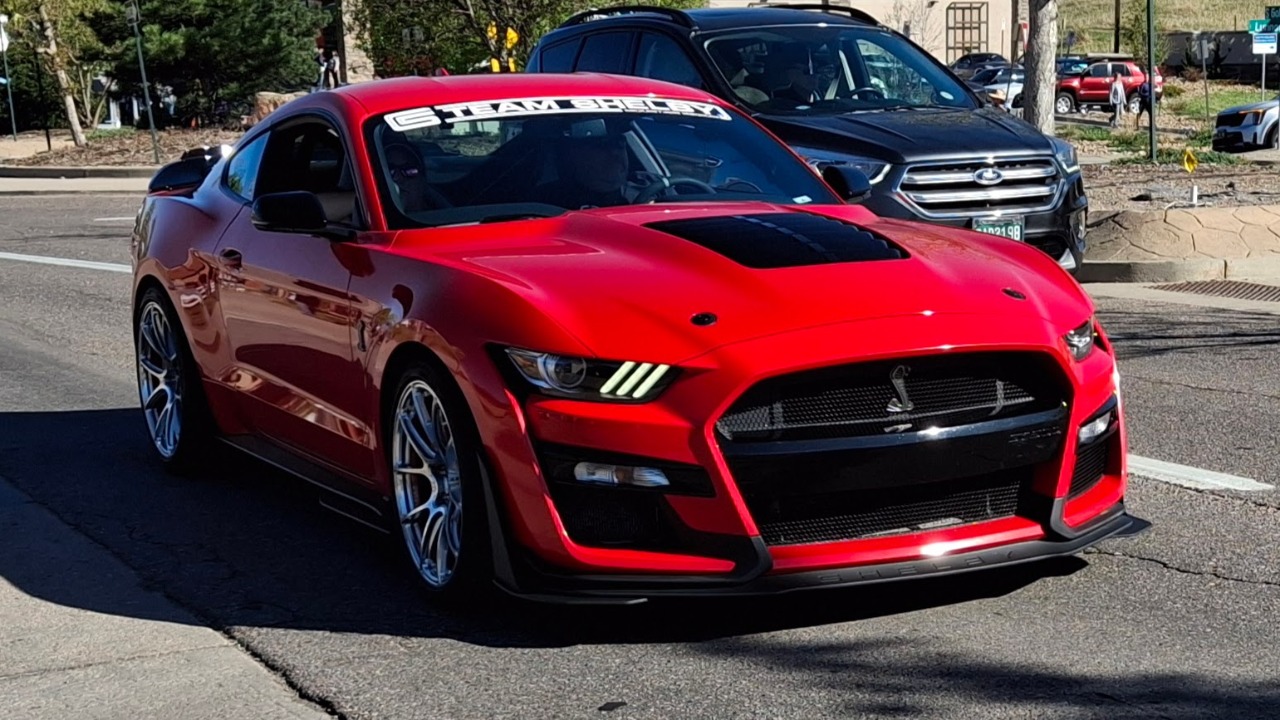
The 2020 Mustang Shelby GT500 represents the peak of Ford’s performance engineering. With a supercharged 5.2-liter V8 producing over 700 horsepower, it is designed for extreme performance on both the road and the track. The GT500 features advanced aerodynamics and technology, including a dual-clutch transmission that enhances its driving dynamics.
This model embodies Ford’s commitment to pushing the limits of muscle car performance, setting new standards in speed and handling. The GT500’s blend of power, precision, and technology makes it a formidable contender in the sports car arena. Its legacy will undoubtedly influence future generations of performance vehicles.
More from Fast Lane Only