As turbochargers and hybrid systems spread across showrooms, a handful of naturally aspirated engines are still fighting for relevance in 2026. I look at ten powerplants that refuse to fade away, combining high revs, sharp throttle response and memorable soundtracks to prove that Naturally aspirated performance still matters.
1) Toyota GR86 2.4L boxer-four
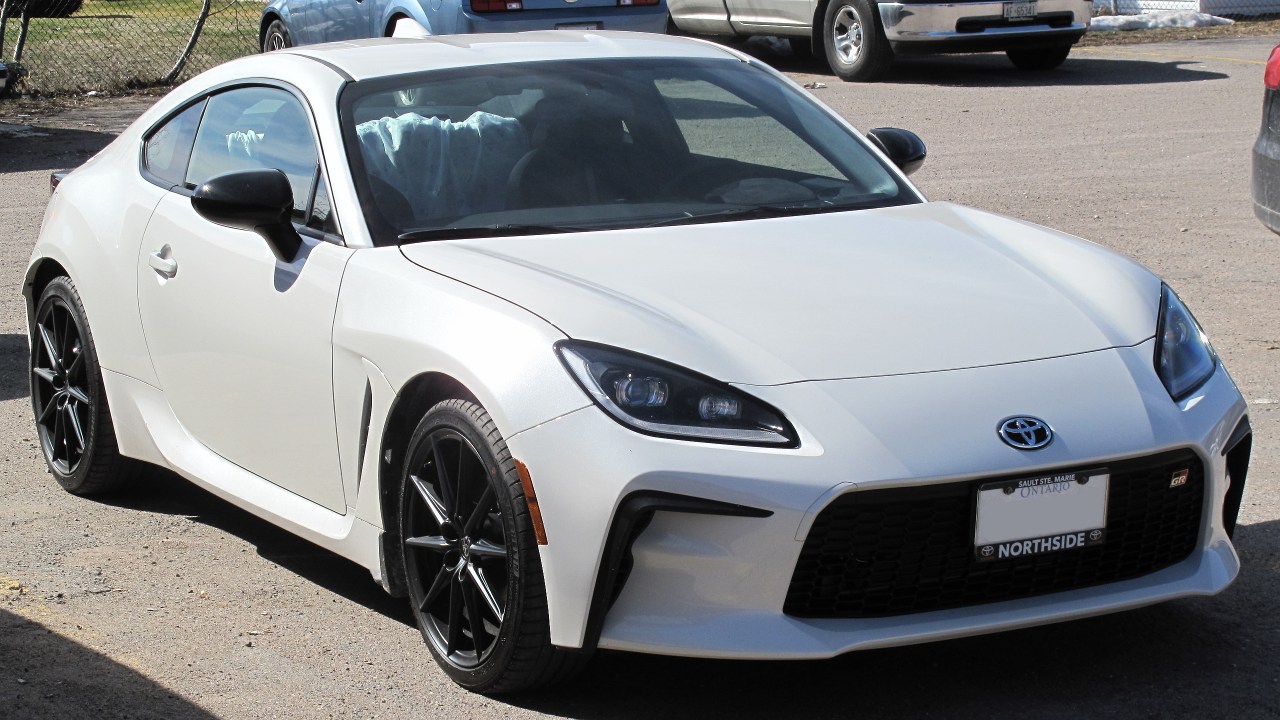
The Toyota GR86 uses a 2.4L 4-cylinder naturally aspirated boxer engine that, according to official specifications, produces 228 horsepower and 184 lb.-ft. of torque. The Toyota GR86/Subaru BRZ twins are also highlighted as the starting point on a list of standout naturally aspirated engines, with the report noting a 7,000 rpm redline from a somewhat guttural-sounding boxer-four-cylinder engine that rewards drivers who chase the top of the rev range. That combination of modest displacement and high rev capability keeps the car light and responsive.
In a market where more automakers are turning to turbochargers to maintain power while reducing engine size, as explained in a broader look at engine technology, the Toyota GR86 stands out for prioritizing linear response and driver feedback. I see this engine as a statement that affordable sports cars can still deliver excitement without forced induction, preserving a style of performance that many enthusiasts fear is disappearing.
2) Subaru BRZ 2.4L boxer-four
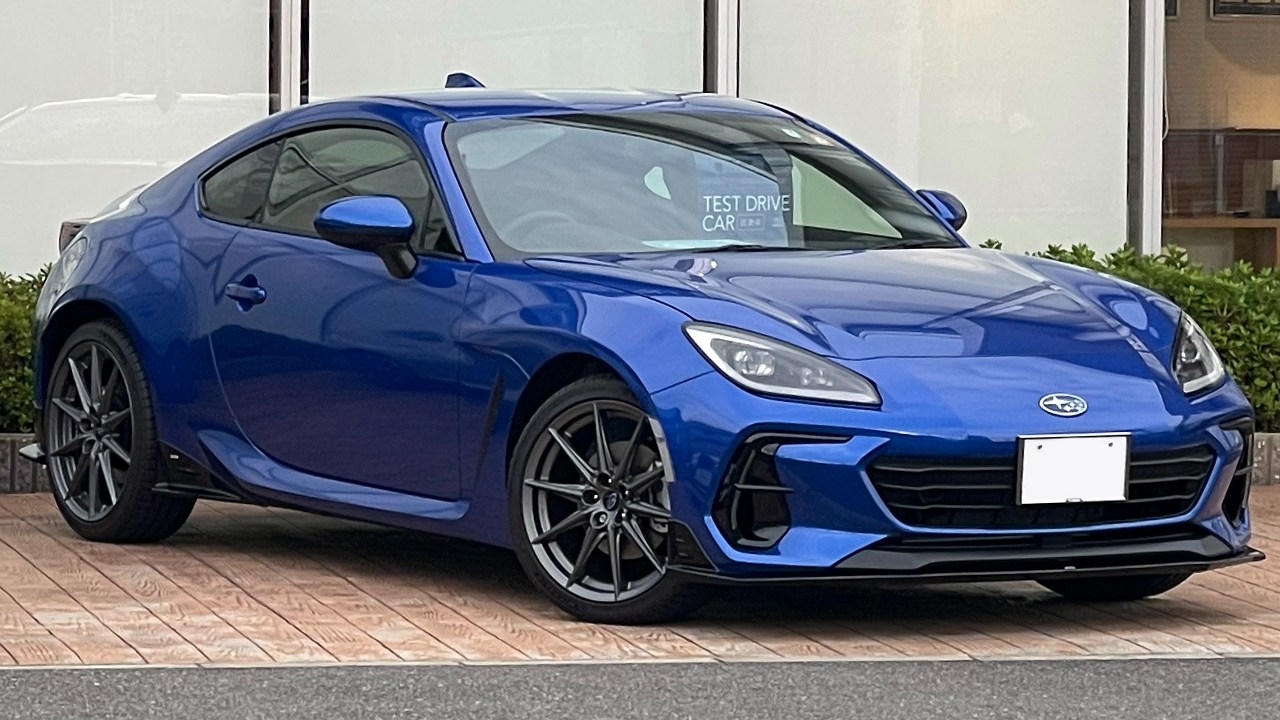
The Subaru BRZ shares its 2.4L naturally aspirated boxer-four with the Toyota GR86, but tuning and branding give it a distinct identity. A focused BRZ tS version is described as offering a great driving experience with a 228-hp naturally aspirated four-pot boxer engine, rear-wheel drive and a six-speed manual gearbox, underlining how The Subaru BRZ keeps classic sports-car values alive. Another report groups Toyota GR86/Subaru BRZ together as key examples of naturally aspirated performance that still sound special at high revs.
By pairing that 228-hp output with a low center of gravity and relatively light curb weight, the Subaru BRZ emphasizes balance over brute force. I view this engine as crucial for drivers who want to learn car control without relying on turbo torque to mask mistakes. Its continued presence in 2026 signals that at least some manufacturers still see value in simple, rev-hungry powertrains.
3) Mazda MX-5 Miata 2.0L four-cylinder
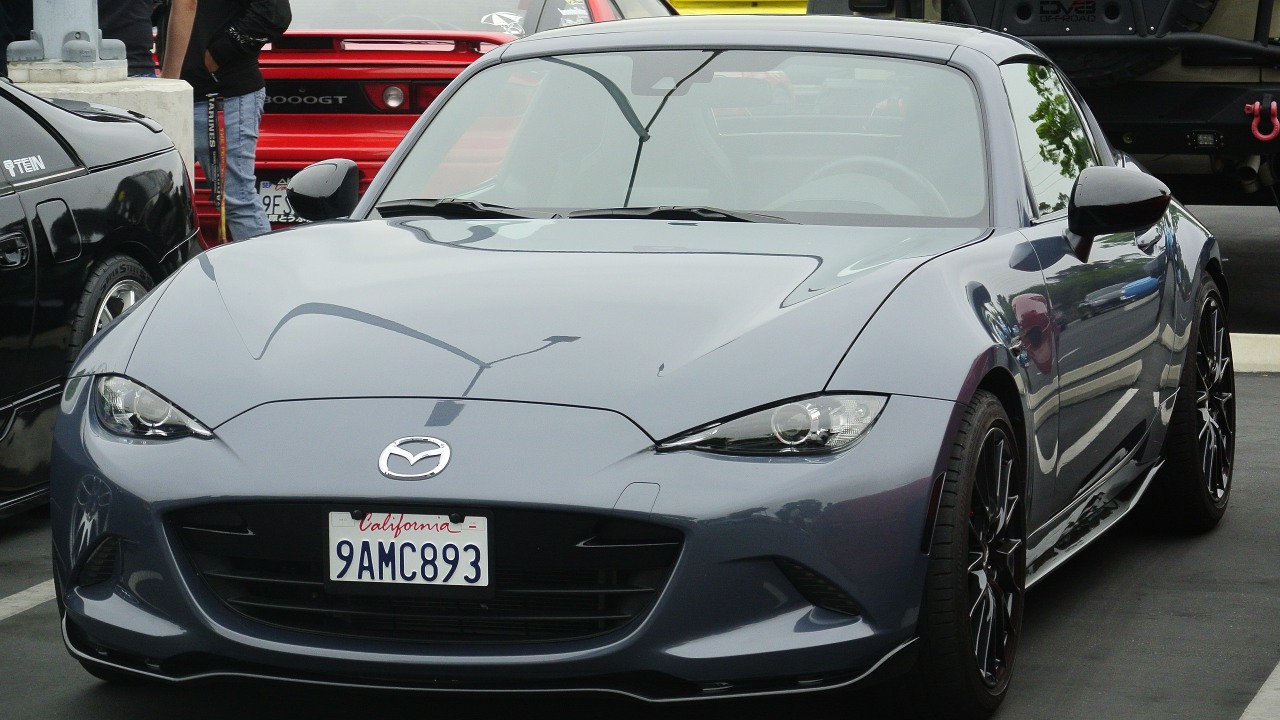
The Mazda MX-5 Miata remains one of the purest expressions of naturally aspirated performance, with reports singling out its great-sounding engine and 7,500-rpm redline. One detailed breakdown notes that The Mazda MX and Miata combination now carries a new starting price of $46,560 in 2026, reflecting both its popularity and its gradual move upmarket. Another Feb analysis reiterates that the powerplant has a 7,500-rpm redline, reinforcing how central that high-rev character is to the car’s appeal.
Because the Miata’s engine is relatively small and light, it allows engineers to keep the chassis agile and communicative. I see this as a textbook case of how a naturally aspirated motor can shape an entire vehicle’s personality, encouraging drivers to work the gearbox and explore the upper reaches of the tachometer rather than relying on low-end boost.
4) Ford Mustang GT 5.0-litre Coyote V8
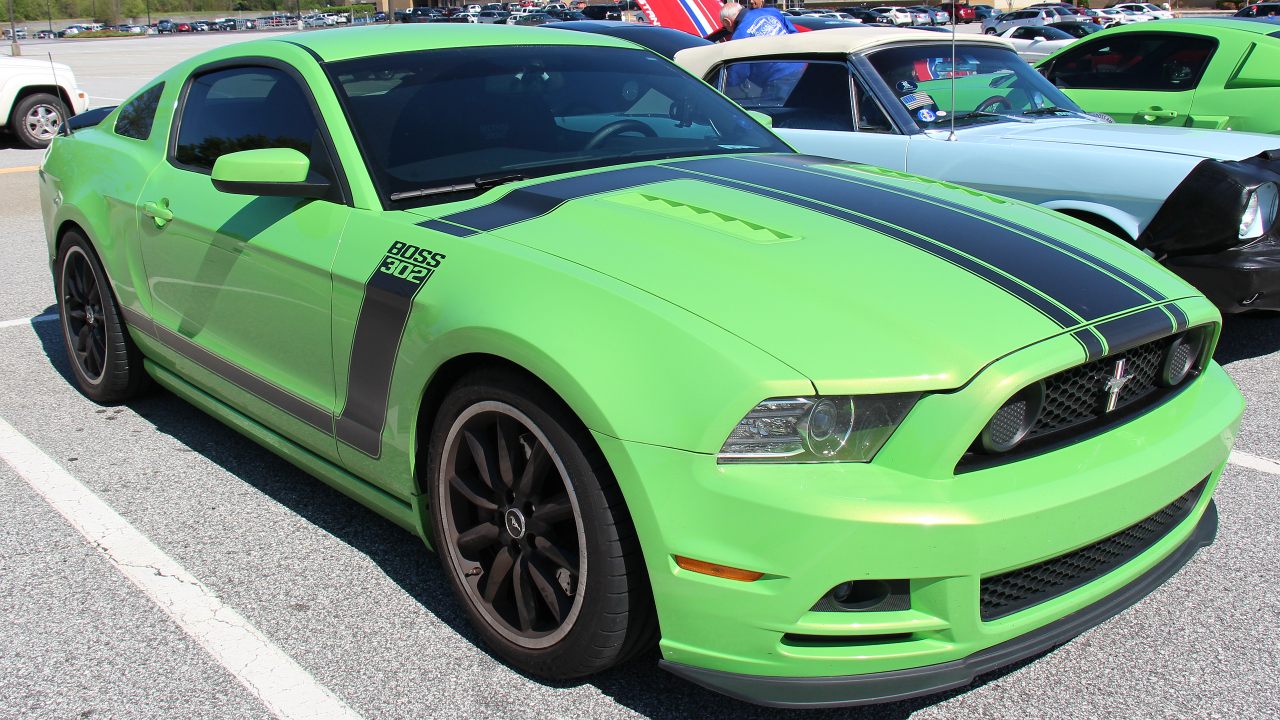
The Ford Mustang GT continues to rely on a 5.0-litre Coyote V8, and a closely related Ford Mustang Dark Horse version is described as using a 5.0-litre Coyote V8 engine. That same report notes that the Horse features the most powerful naturally-aspirated V8 engine Ford has ever built without turbo assistance, underscoring how seriously Ford still takes big-displacement, high-revving power. Another overview of naturally aspirated standouts lists Ford Mustang GT alongside Dark Horse as key examples of V8s that still sound and feel special.
In an era of tightening emissions rules, the decision by Ford to keep refining the Coyote rather than downsizing to smaller turbocharged units is significant. I interpret this as a recognition that a large portion of Mustang buyers value the immediacy and soundtrack of a naturally aspirated V8, and that this emotional connection can justify the engineering effort required to keep such engines viable.
5) Lexus LC 500 5.0L V8
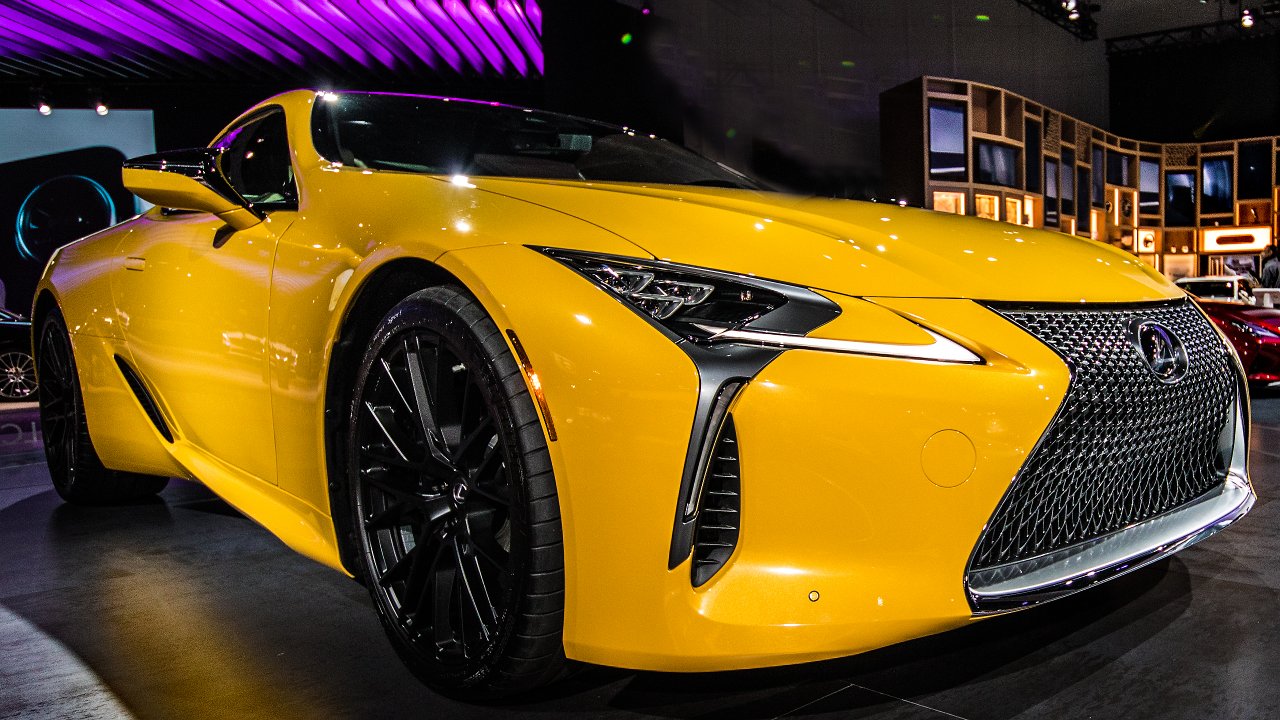
The Lexus LC 500 is repeatedly cited as one of the best-sounding naturally aspirated cars still on sale, thanks to its 5.0L V8. A Feb roundup of surviving naturally aspirated engines includes Lexus LC among a short list of models that still rely on atmospheric induction, placing it alongside Toyota, Subaru BRZ, Mazda MX, Miata and Ford Mustang GT. That context shows how rare a high-revving luxury coupe with a naturally aspirated V8 has become.
By pairing this engine with a grand-touring chassis and upscale interior, Lexus positions the LC 500 as a halo product that sells emotion as much as performance. I see its continued existence as a strategic move to keep a charismatic, high-revving V8 in the lineup, reinforcing brand identity even as more mainstream Lexus models transition to hybrid and downsized turbo power.
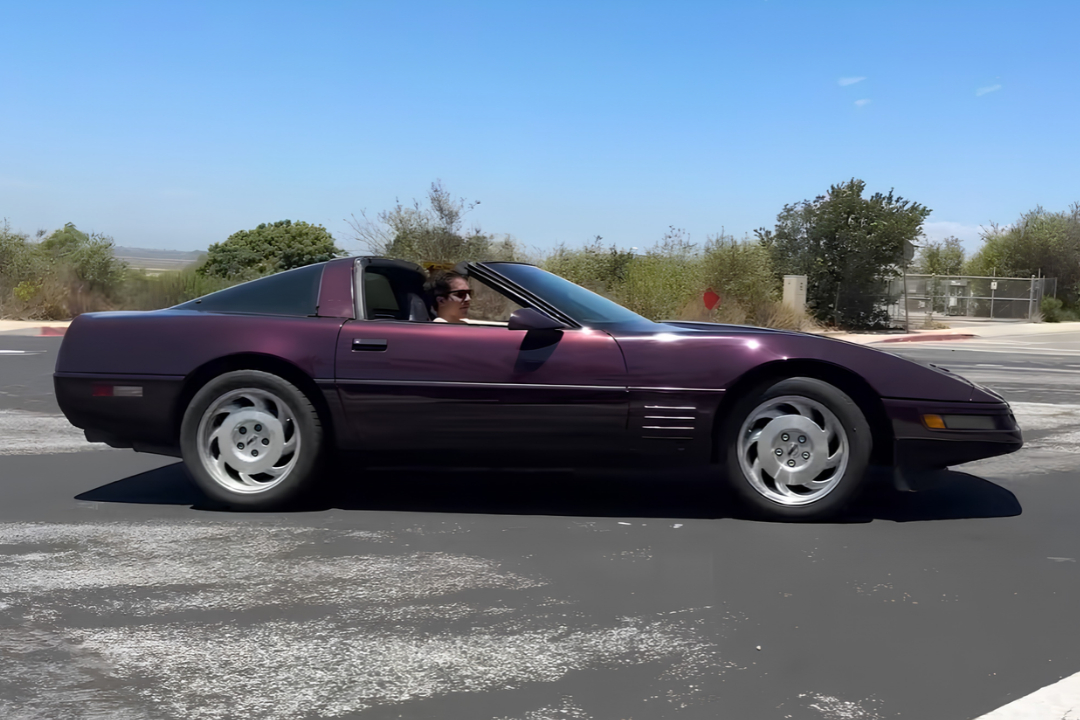
6) Stingray 6.2-liter V8

The mid-engine Stingray uses a naturally aspirated V8 that delivers serious performance, with official data highlighting an available 495 horsepower and a quarter-mile time of just 11.2 seconds. A separate technical overview of naturally aspirated performance notes a 6.2-liter V8 as a key example of how large-displacement engines can still thrive without forced induction, and that description aligns closely with the Stingray layout. Together, these details show how Chevrolet has used displacement and revs rather than turbos to keep its entry Corvette competitive.
For buyers, the Stingray’s 6.2-liter V8 offers a bridge between traditional American muscle and modern mid-engine dynamics. I view this engine as a crucial gateway for enthusiasts who want naturally aspirated response in a contemporary package, proving that atmospheric V8s can still deliver supercar-like acceleration while maintaining a linear power curve.
7) The Corvette Z06 5.5-liter LT6 V8

The Corvette Z06 raises the stakes with a hand-assembled 5.5-liter LT6 flat-plane crank V8 that delivers 670 hp at 8,400 rpm and 460 lb-ft of torque at similarly lofty revs. Official material on the 2026 Corvette Z06 describes Its 670-horsepower flat-plane crank V8 as the most powerful naturally aspirated V8 ever in a production car, and another technical brief notes a high redline of 8,600 rpm. These figures place the Z06 at the cutting edge of naturally aspirated engineering.
By combining that 5.5-liter displacement with a flat-plane crank, Chevrolet has created an engine that behaves more like an exotic European V8 than a traditional American small-block. I see this as a deliberate attempt to prove that naturally aspirated technology can still achieve world-class power density, giving track-focused drivers a unique alternative to turbocharged rivals.
8) The Porsche 911 GT3 4.0-liter Flat Six

The Porsche 911 GT3 relies on a 4.0-liter Flat Six that has become a benchmark for naturally aspirated performance. One detailed specification sheet lists the Engine as a 4.0-liter Flat-Six with Horsepower rated between 502 and 518 hp, and torque of 33X lb-ft, while also noting that the 911 G T3’s four-liter flat-six revs to 9,000 rpm. A separate analysis of the same car reiterates that the 911 G T3’s engine revs to 9,000, underlining how central that sky-high redline is to its character.
For track-day enthusiasts, the ability to hold gears all the way to 9,000 rpm transforms how the car feels on circuit, allowing precise modulation of power mid-corner. I regard this engine as one of the clearest examples of why naturally aspirated designs still matter in 2026, offering a combination of throttle response, sound and durability that turbocharged units struggle to match.
9) Powered Ferrari 12Cilindri 6.5-liter V12
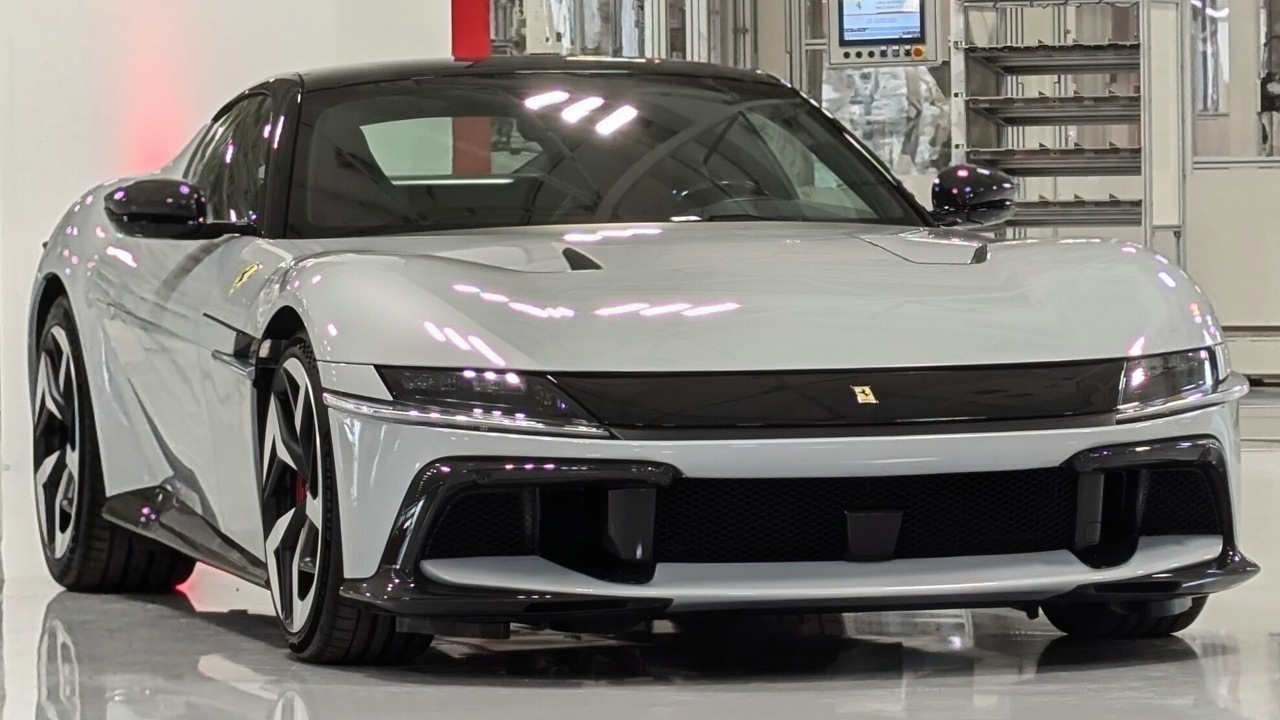
The Powered Ferrari 12Cilindri uses a 6.5-liter naturally aspirated V12 that produces 819 hp and revs beyond 9,000 rpm without turbochargers, superchargers or hybrid assistance, according to a detailed technical breakdown. Another focused report on the same model states that the V12-Powered Ferrari 12Cilindri Is The Most Powerful Naturally Aspirated Car You Can Buy In 2026, confirming its status at the top of the atmospheric hierarchy. These numbers show how far Ferrari has pushed traditional engine design.
In a world increasingly dominated by electrified hypercars, a 6.5-liter V12 that revs past 9,000 rpm stands as a rolling manifesto for mechanical drama. I see this engine as both a celebration and a likely last stand for high-displacement naturally aspirated exotics, aimed at collectors who want the most intense version of this technology before regulations and market forces close the door.
10) Naturally aspirated Mazda MX-5 Miata 7,500-rpm
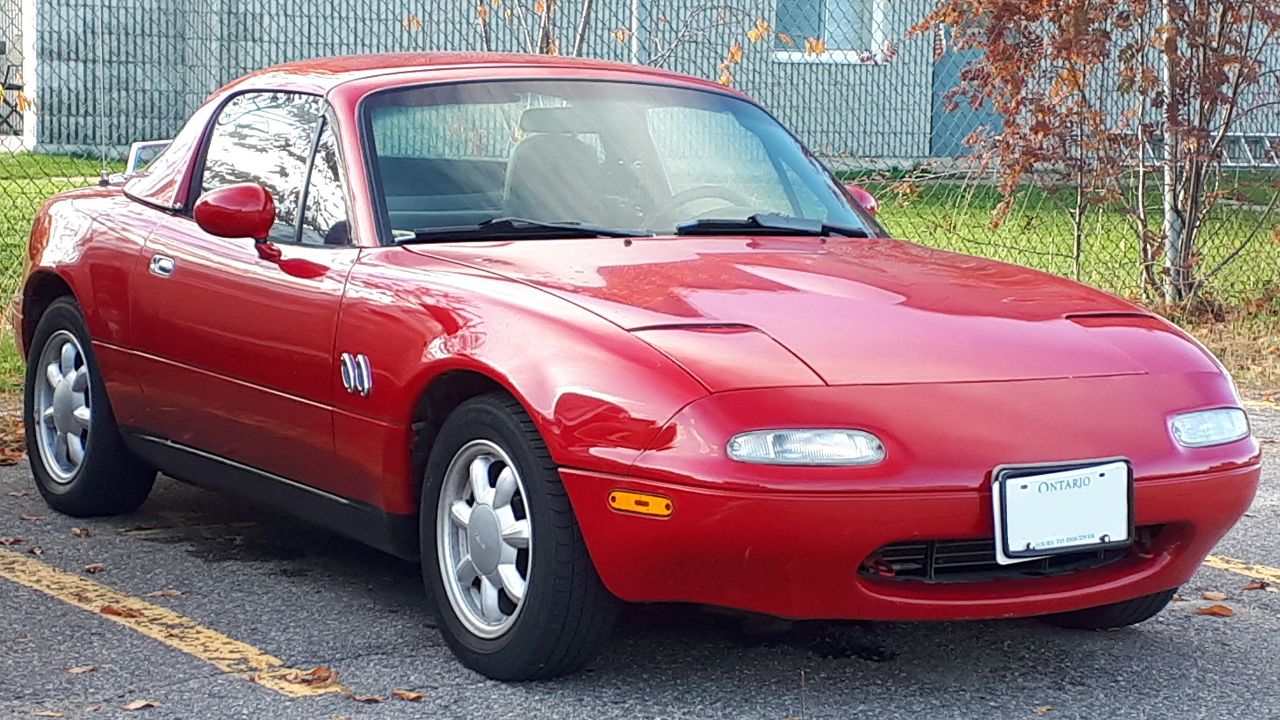
A separate Feb overview of naturally aspirated sports cars circles back to the Mazda MX-5 Miata, emphasizing again that The Mazda MX and Miata pairing offers an affordable sports car with a great-sounding, naturally-aspirated engine. That report highlights a 7,500-rpm redline and notes a new starting price of $46,560 in 2026, framing the car as “basically affordable sports car perfection.” Another Feb-focused breakdown of surviving naturally aspirated engines reinforces that the powerplant has a 7,500-rpm redline, underscoring how unusual such rev capability is at this price.
By maintaining that 7,500-rpm ceiling while many rivals downsize and add turbos, Mazda signals that it still prioritizes driver engagement over spec-sheet torque. I interpret this engine as a bellwether for the broader market: as long as the MX-5 Miata can justify its existence with a high-revving naturally aspirated four-cylinder, there is hope that other manufacturers will keep similar powertrains alive.
More from Fast Lane Only