It sounded like a simple, feel-good moment: he finally found the car he’d been hunting for, agreed on the price, and picked it up after work. The handoff happened at night, under a couple of streetlights and the glow of a nearby storefront sign. Everything looked fine in the moment—clean enough, shiny enough, and “new-to-him” enough to feel like a win.
By the next morning, that win started to feel a lot more complicated. In broad daylight, the paint didn’t just look “a little worn.” It looked like a different vehicle than the one he thought he’d bought the night before.
A night pickup can change what your eyes catch
Darkness does funny things to a car’s appearance, and not in a magical makeover kind of way. Streetlights can hide swirl marks, dull clear coat, and mismatched paint because the light source is small and harsh. Instead of evenly lighting the panels, it creates bright spots and deep shadows—basically the perfect filter for minor flaws.
Even if someone’s being honest, nighttime just isn’t ideal for inspecting a vehicle. Colors shift under sodium streetlights, metallic flake can look smoother than it is, and tiny dents disappear until sunlight hits them at an angle. It’s like trying to judge a paint job in a dim restaurant bathroom mirror—technically possible, but why make life harder?
Daylight revealed what the listing photos didn’t
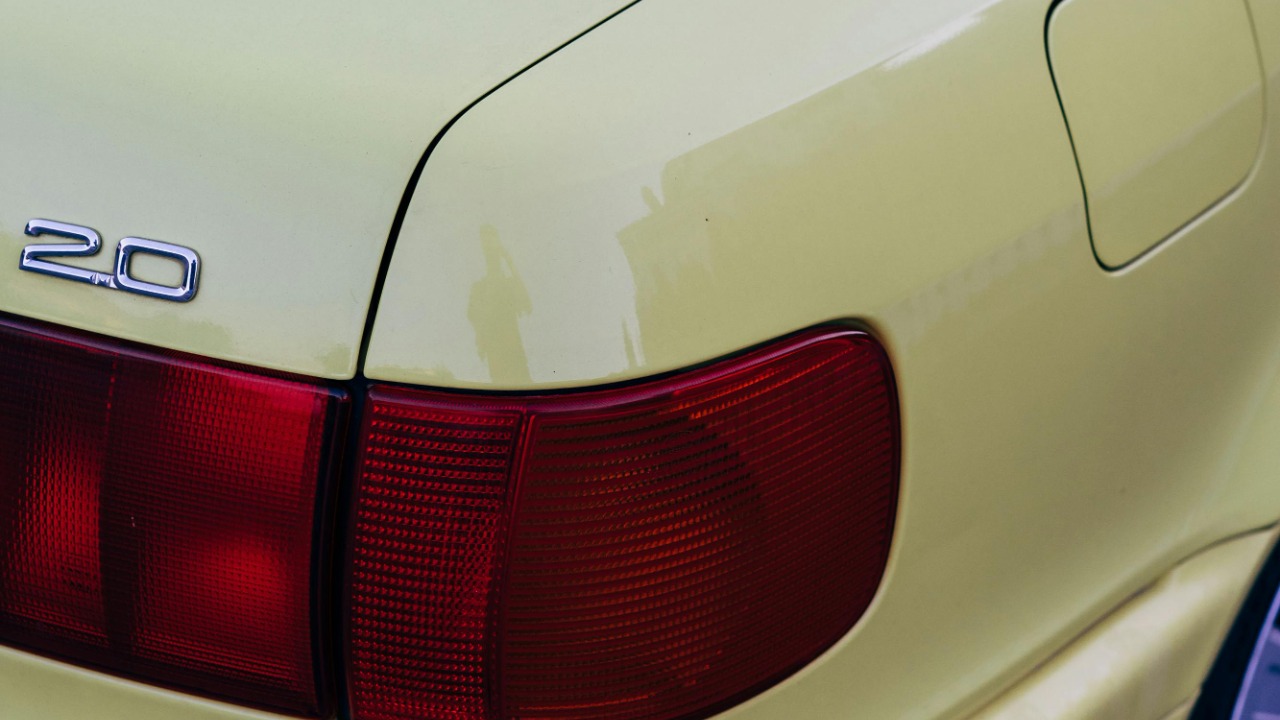
In the morning, he walked outside and saw it immediately: a couple of panels looked slightly off-tone. Not cartoonishly different, but enough that you couldn’t unsee it once you noticed. The front fender had a different sheen, and the door reflected the sun in a way the rear quarter panel didn’t.
Then there were the little things that add up fast: haze in the clear coat, faint sanding marks, and a few touch-up blobs that looked like they’d been applied with a hopeful spirit and a steady thumb. From ten feet away, it still looked decent. From five feet away, it told a story.
What “different condition” usually means in real life
When a car looks better at night than it does in the daytime, it usually points to one of a few issues. The most common is paint correction hiding: heavy wax or glaze can fill in swirl marks temporarily, making the finish look smoother under weak lighting. Another common one is repainting—sometimes done properly, sometimes done quickly, sometimes done with the motto “good enough from across the parking lot.”
It can also be signs of bodywork after a scrape or minor accident. That doesn’t automatically mean the car is unsafe or a “bad buy,” but it does mean you want to know what happened and whether it was repaired correctly. A mismatch in paint can be cosmetic, or it can be a clue that something bigger happened earlier in the car’s life.
How people end up buying at night in the first place
Night pickups happen for totally normal reasons. Work schedules are tight, sellers are only free after dinner, and nobody wants to lose a deal because tomorrow someone else might show up with cash. Add a little excitement, a little pressure, and a car that looks pretty good under the lights, and you can see how it happens.
Also, there’s a psychology piece: once you’ve agreed on a price and made the trip, your brain really wants the story to end with “and then I drove it home.” Walking away feels like wasting time, or like you’re being overly picky. But a night purchase can turn “picky” into “thankfully cautious” real fast.
What he did next: the first steps after the surprise
He did what most people do when they realize something’s off: he took photos. Lots of them. Close-ups of the paint differences, wide shots in direct sun, and a few angled photos where the light made the imperfections pop.
Then he reached out to the seller with a calm message. Not a rant, not an accusation—just “Hey, I noticed these issues in daylight that weren’t visible last night. Was there repainting or bodywork done?” That tone matters, because it keeps the conversation productive and increases the odds of getting honest answers.
What matters legally depends on how it was described
The big question in situations like this is simple: was the condition misrepresented? If the car was advertised as “original paint,” “no accidents,” or “perfect condition,” and daylight shows evidence that contradicts that, the buyer may have a stronger argument for a refund or partial compensation. If it was sold “as-is” with vague language, it can be tougher, but “as-is” doesn’t give someone a free pass to lie.
Receipts and written messages can make a huge difference here. A listing that claims “no paintwork” is more than marketing—it’s a statement you can point to. If everything was verbal, it becomes more of a “he said, he said” situation, and that’s where documentation (and a quick inspection report) helps a lot.
A quick inspection can turn suspicion into facts
To move from “this looks weird” to “here’s what happened,” a professional inspection is usually the best money you can spend. A body shop can spot repainting patterns fast, and many can use a paint depth gauge to show which panels have thicker layers of paint. That’s often the smoking gun for past repairs.
A mechanic inspection is still worth doing too, because cosmetics might not be the only surprise. Sometimes a rushed sale hides small mechanical issues that didn’t show up on a short nighttime test drive. If you’re already feeling uneasy, it’s better to know everything sooner rather than slowly discover it over the next few months.
How to avoid the same trap next time
If there’s one rule that saves people from this exact situation, it’s boring but effective: inspect in daylight. If the only time available is nighttime, you can still reduce risk by meeting in a well-lit parking lot with bright, even lighting, and using a strong flashlight to check panels from multiple angles. The goal is to mimic daylight as much as possible.
It also helps to show up a little earlier than planned, so you’re not rushing. Check panel gaps, look for overspray around trim, and compare paint tone between adjacent panels. And if you feel that tiny internal voice saying, “Something’s off,” treat it like a smoke alarm, not background noise.
The bigger takeaway: surprises aren’t always scams, but they’re always signals
By midday, he wasn’t just annoyed—he was wiser. The car might still be a solid vehicle, and the issues might be purely cosmetic, but the daylight reveal changed the decision he thought he’d already made. And whether the seller made an honest omission or a convenient one, the situation became a reminder that timing and lighting can shape a purchase more than people expect.
Cars don’t magically change overnight, of course. But what you can see absolutely does. If you’re buying one soon, do yourself a favor: give the paint a fair trial in the sun, before you hand over the money and discover the “different condition” when it’s already parked in your driveway.
More from Fast Lane Only
- Unboxing the WWII Jeep in a Crate
- 15 rare Chevys collectors are quietly buying
- 10 underrated V8s still worth hunting down
- Police notice this before you even roll window down
*Research for this article included AI assistance, with all final content reviewed by human editors.